

You love your home but hate the lack of square footage. Small living rooms often feel cramped or cluttered. You need smart design choices that trick the eye and create breathing room. This guide delivers proven layouts and styling hacks to transform your compact area into a spacious sanctuary. We analyze specific layouts and furniture choices that add depth without sacrificing style.
Key Takeaways
- Verticality is key
Drawing the eye upward makes ceilings feel higher and rooms feel larger. - Light reflects space
Glossy finishes and mirrors bounce light to eliminate dark corners. - Functionality rules
Every piece of furniture must serve at least two purposes to justify its footprint. - Flow matters
Clear pathways prevent the room from feeling like an obstacle course.
Table of Contents
- Minimalist Design for a Clean Look
- Multi-Functional Furniture for Versatility
- Floating Shelves to Save Floor Space
- Light Colors to Enhance Spaciousness
- Mirrors to Add Depth
- Open Concept Layout for a Seamless Flow
- Vertical Storage Solutions for Extra Space
- Compact and Slim Furniture for Proportion
- Foldable and Stackable Furniture for Flexibility
- Built-In Seating to Optimize Space
- Layered Lighting for Ambiance
- Corner Seating Arrangements to Utilize Space
- Glass and Transparent Elements for an Airy Feel
- Personalized Decor for a Cozy Ambience
- Sliding Doors for Space Efficiency
- Popular Asked Questions
- Conclusion
Minimalist Design for a Clean Look
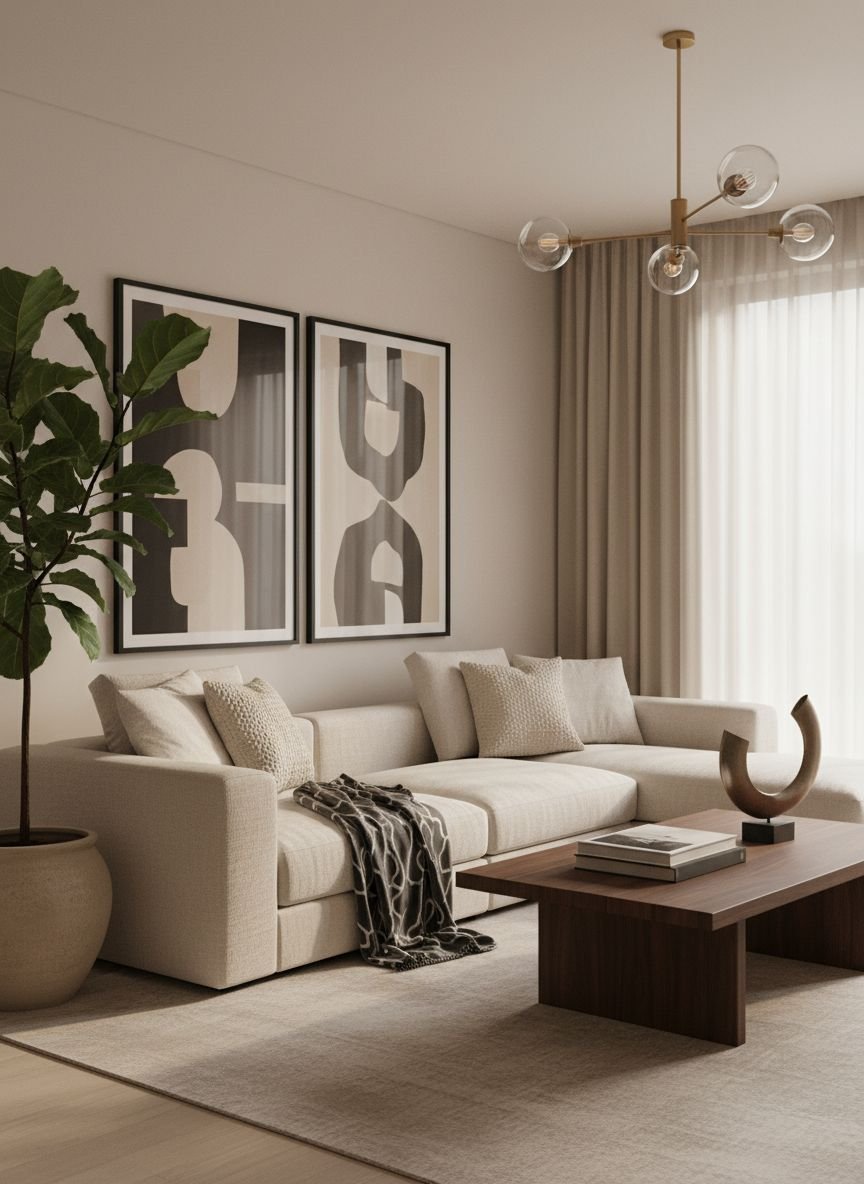
Minimalism transforms small living rooms by removing visual noise. You create a serene environment when you limit the number of items in a room. Clean lines on sofas and coffee tables allow the eye to travel smoothly across the space. Clutter stops the eye and makes walls feel closer together. You should focus on quality over quantity. Select one standout piece of art instead of a busy gallery wall. This focal point anchors the room without overwhelming it. Neutral tones often dominate minimalist spaces because they blur the boundaries between furniture and walls. Texture plays a huge role here. A wool rug or velvet cushion adds warmth without adding clutter. Keep surfaces clear of unnecessary knickknacks. Every object should have a purpose or bring you joy.
Pro Tip
Rotate your decor seasonally rather than displaying everything at once.
Multi-Functional Furniture for Versatility
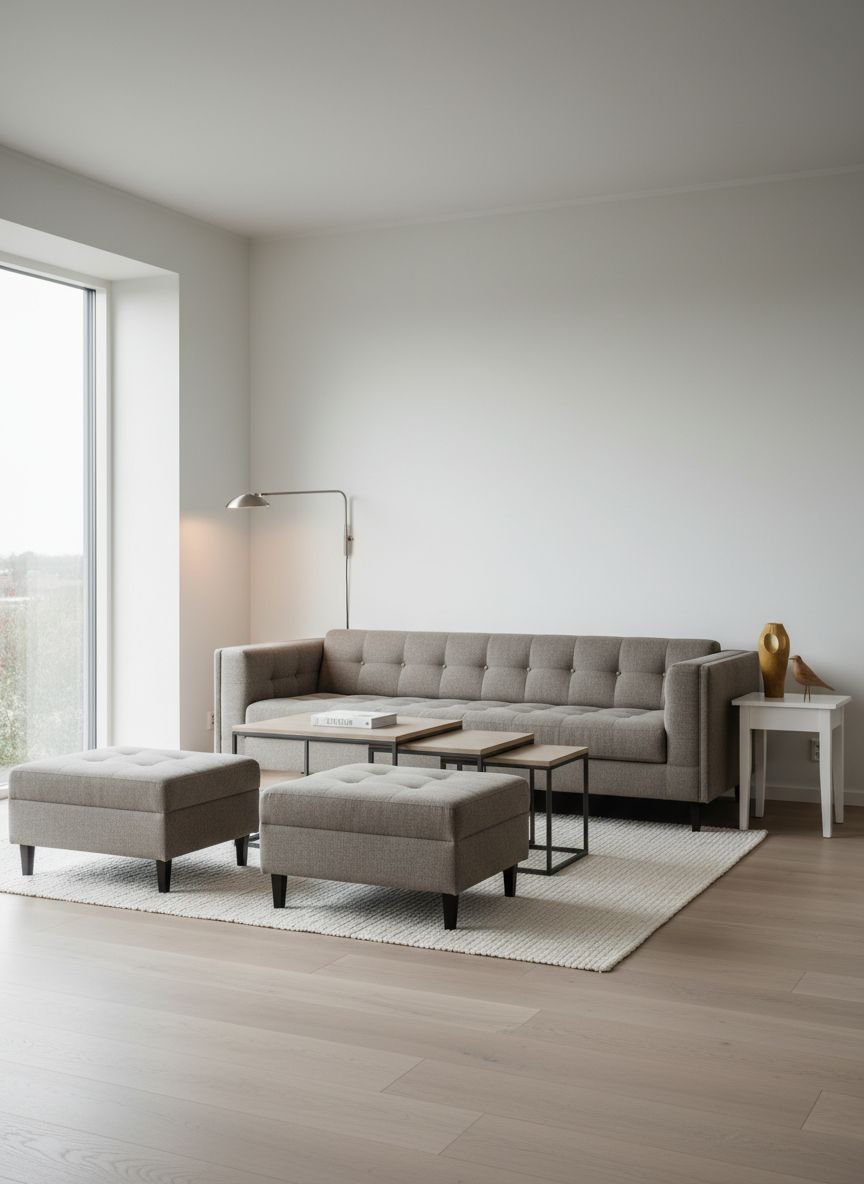
Furniture that serves dual purposes saves precious square footage. An ottoman with hidden storage creates a place for blankets while acting as a footrest or coffee table. You eliminate the need for extra cabinets when your seating hides your belongings. Sofa beds turn a living area into a guest room instantly. This flexibility allows you to host friends without dedicating a whole room to them. Look for nesting tables that tuck away when unused. You can pull them out when guests arrive and need a place for drinks. Drop-leaf tables work wonders in combination living and dining areas. You expand the surface only when necessary. This adaptability keeps the floor plan open for daily traffic. Every inch counts in a small apartment. Smart furniture choices reclaim that space for you.
Pro Tip
Choose an ottoman with a reversible tray top to switch between seating and a stable table surface.
Save this idea to your Pinterest.
Floating Shelves to Save Floor Space
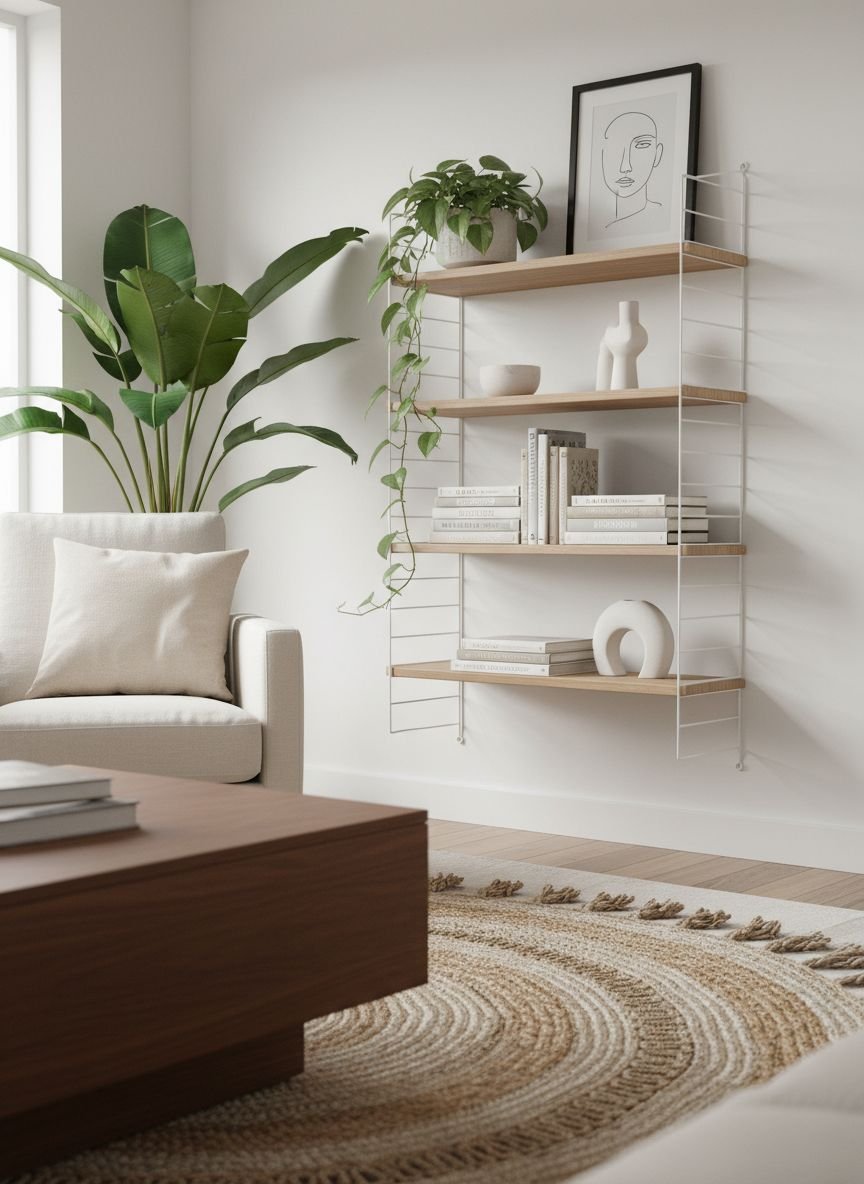
Floor space is premium real estate in compact homes. Floating shelves utilize the often ignored vertical wall space. You free up the floor for furniture or walking paths by mounting storage on the walls. These shelves draw the eye upward. This vertical movement makes low ceilings appear higher. You can display books or plants without the bulk of a heavy bookcase. The lack of visible brackets gives a clean and airy look. This sleek profile fits perfectly into modern or industrial styles. Install shelves above the sofa or television to maximize utility. You create a custom built-in look for a fraction of the cost. Keep the styling light to maintain the open feel. Overloading shelves can make the room feel top heavy.
Pro Tip
Paint the shelves the same color as the wall to make them disappear and let your decor pop.
Light Colors to Enhance Spaciousness
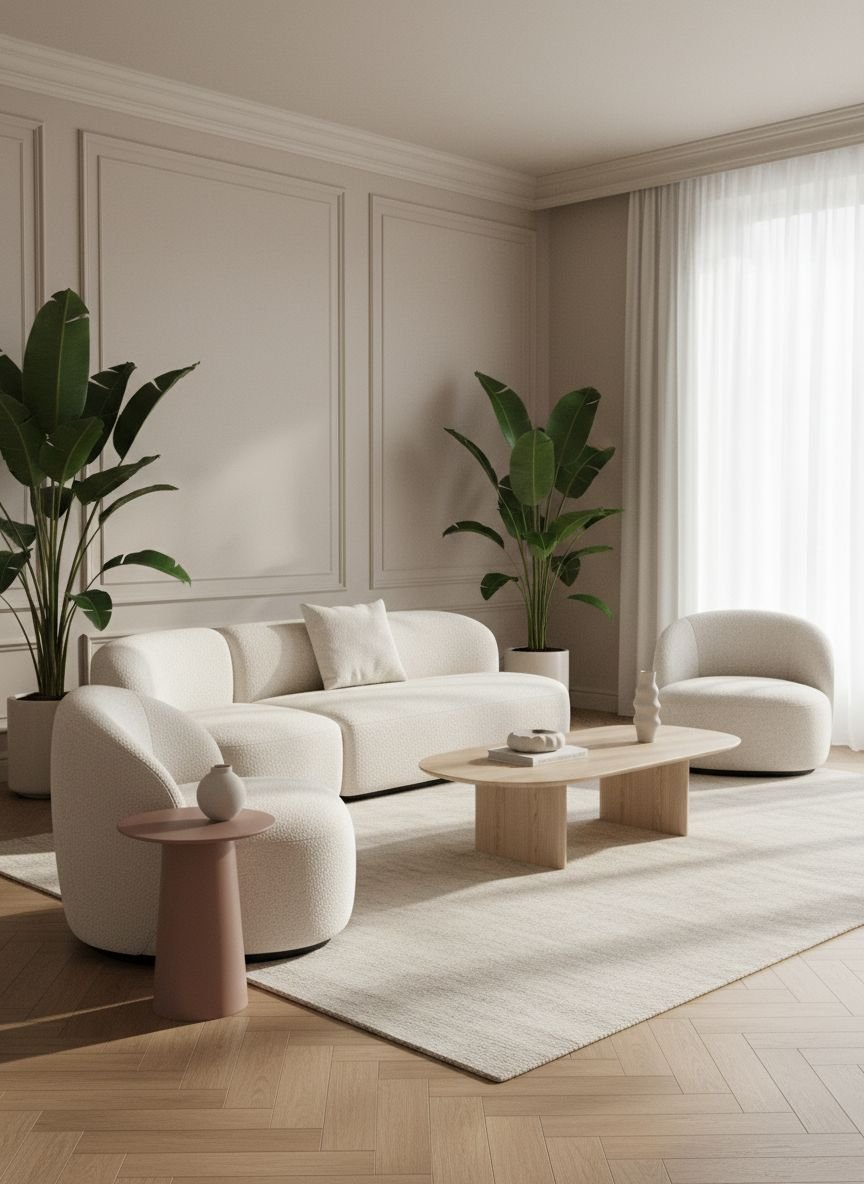
White and cream tones reflect natural light better than any other palette. This reflection pushes the walls outward visually. Your room feels airy and open immediately. Soft pastels like sky blue or mint green also work well. They add character without absorbing light like dark navy or black would. You should paint the ceiling a lighter shade than the walls. This trick creates the illusion of height. Monochromatic color schemes unify the space. The eye moves easily when colors blend seamlessly. High contrast breaks up the room and highlights its small size. Use different textures in the same color family to add interest. A white linen sofa against a white shiplap wall looks sophisticated rather than boring. Light floors also contribute to the expansive feeling.
Pro Tip
Use a satin or semi-gloss finish on walls to increase light reflection.
Mirrors to Add Depth
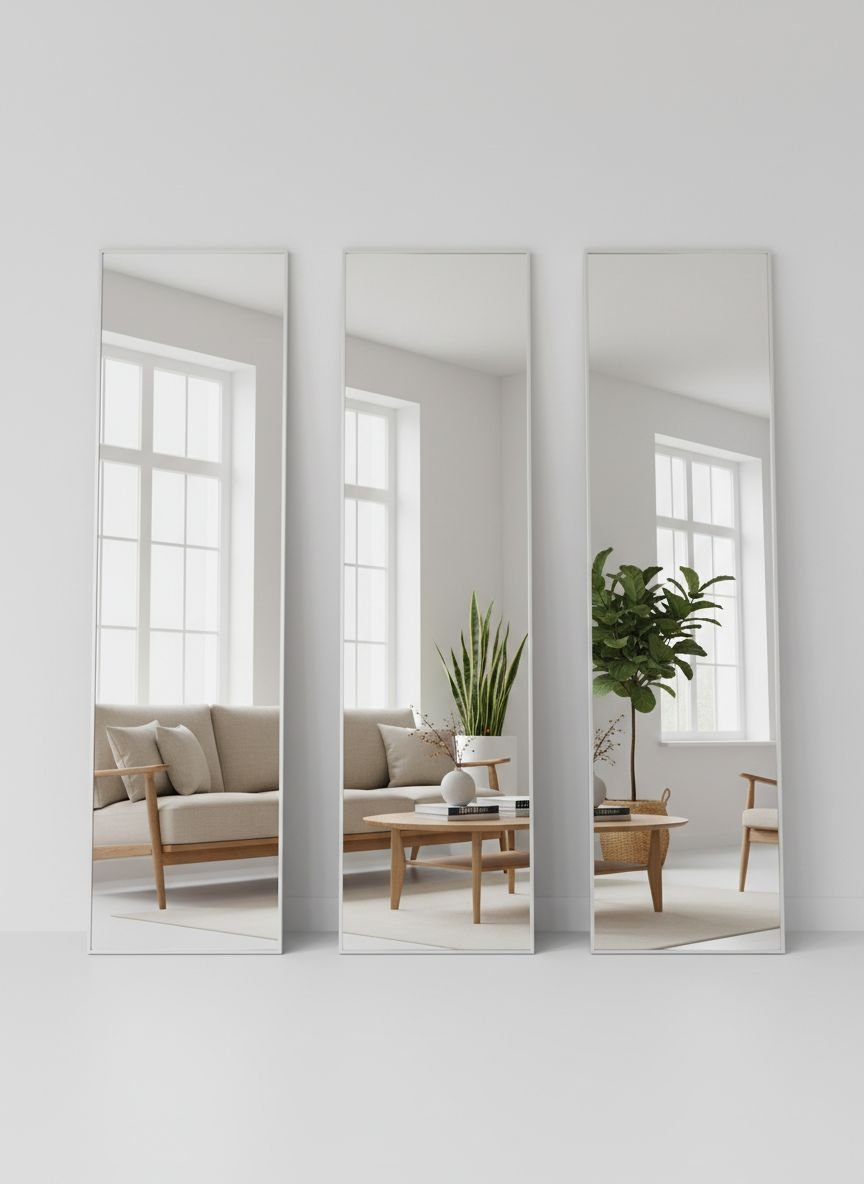
Mirrors are the oldest trick in the interior design book for a reason. A large mirror acts like an additional window. It bounces light into dark corners and doubles the visual depth of the room. Place a mirror opposite a window to maximize the natural light intake. The reflection brings the outdoors inside. You can use an oversized floor mirror to make a bold statement. Leaning it against the wall looks casual and chic. Mirrored furniture creates a similar effect. A mirrored coffee table seems to vanish and shows more of the rug underneath. This transparency prevents the layout from feeling heavy. Grouping smaller mirrors creates a gallery effect that brightens the wall. You get art and illusion in one package.
Pro Tip
Position mirrors to reflect a pleasant view like a plant or artwork rather than a cluttered desk.
Comparison: Paint Finishes for Small Rooms
| Finish Type | Light Reflection | Durability | Best Application |
|---|---|---|---|
| Flat/Matte | Low | Low | Ceilings / Low traffic |
| Eggshell | Medium | Medium | Living Room Walls |
| Satin | High | High | High traffic / Smallest rooms |
| Semi-Gloss | Very High | Very High | Trim / Doors / Accents |
Open Concept Layout for a Seamless Flow
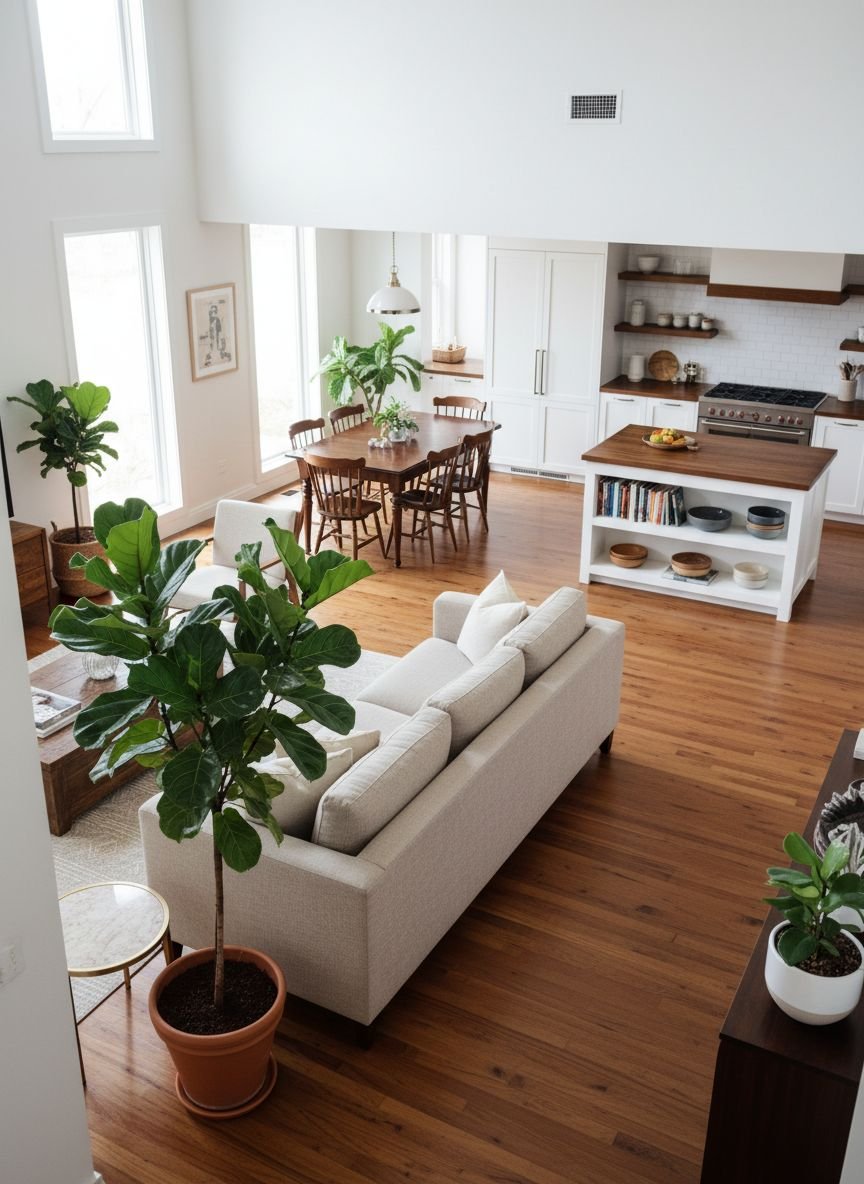
Barriers make small homes feel smaller. An open concept layout removes walls to merge the living room with the kitchen or dining area. You gain a sense of vastness when sightlines remain uninterrupted. Natural light travels from windows in one zone to the rest of the space. You can define separate areas using rugs rather than walls. Furniture placement becomes the primary divider. Turn a sofa’s back to the dining table to signal the end of the living zone. This separation is psychological rather than physical. The flow of movement improves significantly. You can chat with guests while cooking without shouting through a doorway. Consistency in flooring connects the zones. The continuous material tricks the brain into seeing one large room.
Pro Tip
Use consistent color accents across all zones to tie the open space together.
Vertical Storage Solutions for Extra Space
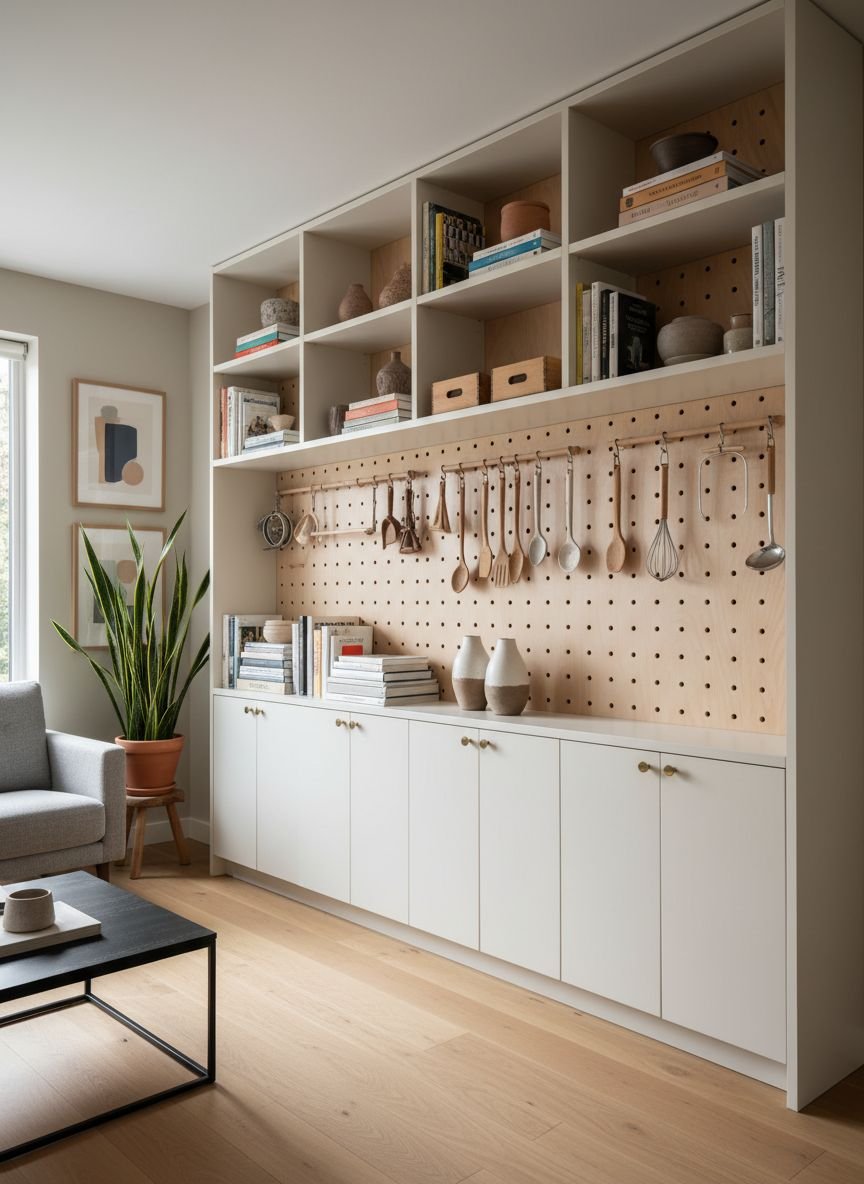
You must think upwards when you cannot spread out. Tall bookcases draw the eye to the ceiling and offer massive storage capacity. Floor-to-ceiling cabinets hide clutter and create a streamlined look. You utilize the dead space near the ceiling that standard furniture misses. Ladders act as stylish towel or blanket racks. They take up minimal floor space while providing vertical utility. Wall-mounted hooks keep coats and bags off the furniture. You keep the floor clear and easy to clean. Vertical gardens bring life to the room without occupying a table. Hanging planters or wall-mounted pots work perfectly. You create a sense of grandeur with tall furniture elements. The room feels customized and intentional.
Pro Tip
Install a shelf above the door frame for storing items you rarely use.
Save this idea to your Pinterest.
Compact and Slim Furniture for Proportion
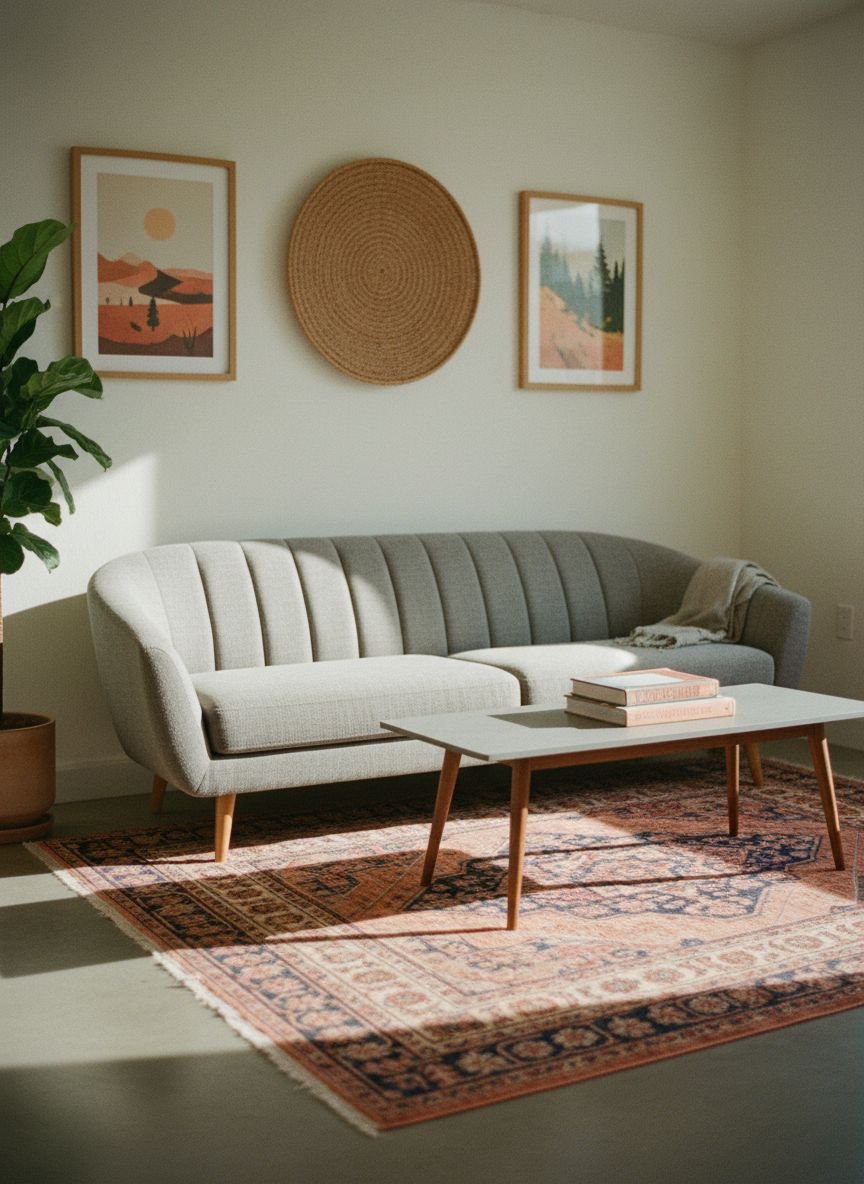
Scale is everything in a small living room. A massive sectional sofa swallows the room and blocks traffic flow. You need furniture that fits the scale of the space. Loveseats or apartment-sized sofas provide comfort without the bulk. Look for chairs with narrow arms or no arms at all. These designs maximize seating width while minimizing total width. Furniture with exposed legs makes the room feel larger. Seeing the floor continue under the sofa tricks the brain. Heavy skirts on furniture block this view and box in the room. Slim console tables fit behind sofas or in narrow hallways. You get surface area without sacrificing walkway width. Proportionate furniture balances the room. The space feels cozy rather than stuffed.
Pro Tip
Measure your entryways before buying to ensure the furniture actually fits through the door.
Foldable and Stackable Furniture for Flexibility
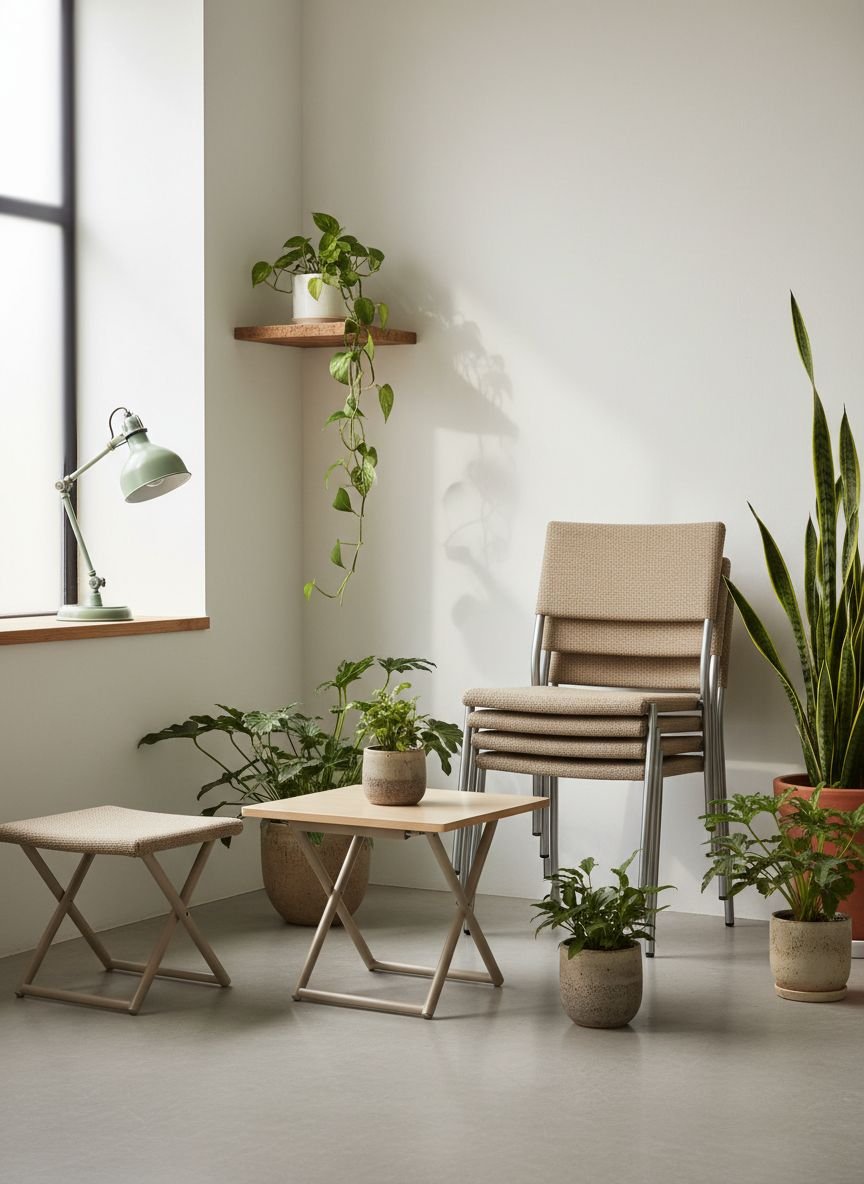
Adaptability solves many space issues. Folding chairs can hang on a wall or slide under a bed when not in use. You bring them out only when you have guests. Stacking stools form a neat tower in a corner. You can unstack them to seat a whole party. Drop-leaf desks provide a workspace that vanishes after hours. You reclaim your living room for relaxation in the evening. Nesting tables are the classic example of this principle. You get three tables for the footprint of one. This flexibility allows the room to breathe during daily life. You do not need to navigate around empty chairs constantly. The room expands and contracts based on your immediate needs.
Pro Tip
Look for stylish folding chairs that look good enough to leave out occasionally.
Built-In Seating to Optimize Space
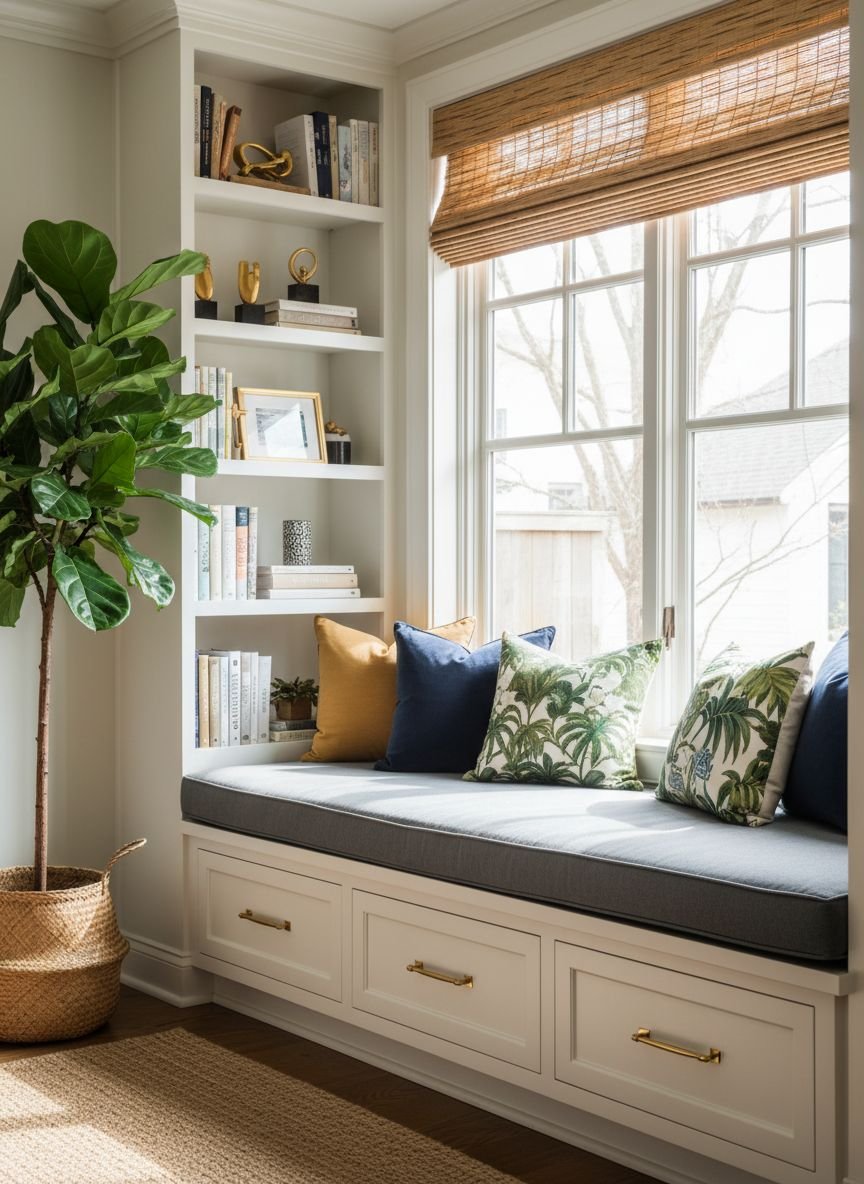
Built-in benches utilize awkward niches and bay windows. You eliminate the gap between the furniture and the wall. This efficiency gains you several inches of floor space. Storage drawers underneath the bench add immense value. You hide board games or winter gear right where you sit. Built-ins look like part of the architecture. This integration feels expensive and custom. You can run a bench along a whole wall to maximize seating capacity. Add cushions for comfort and style. The clean lines of built-in joinery suit modern and traditional homes alike. You avoid the visual clutter of multiple chair legs. The room feels grounded and organized.
Pro Tip
Have an electrician install outlets into the base of the built-in for easy device charging.
Get The Look: DIY Shelving Tools
- Stud Finder: Essential for securing heavy shelves safely.
- Laser Level: Ensures your vertical lines are perfectly straight.
- Floating Brackets: Hidden hardware creates the magic.
- Sanding Block: Smooths rough edges for a professional finish.
Layered Lighting for Ambiance
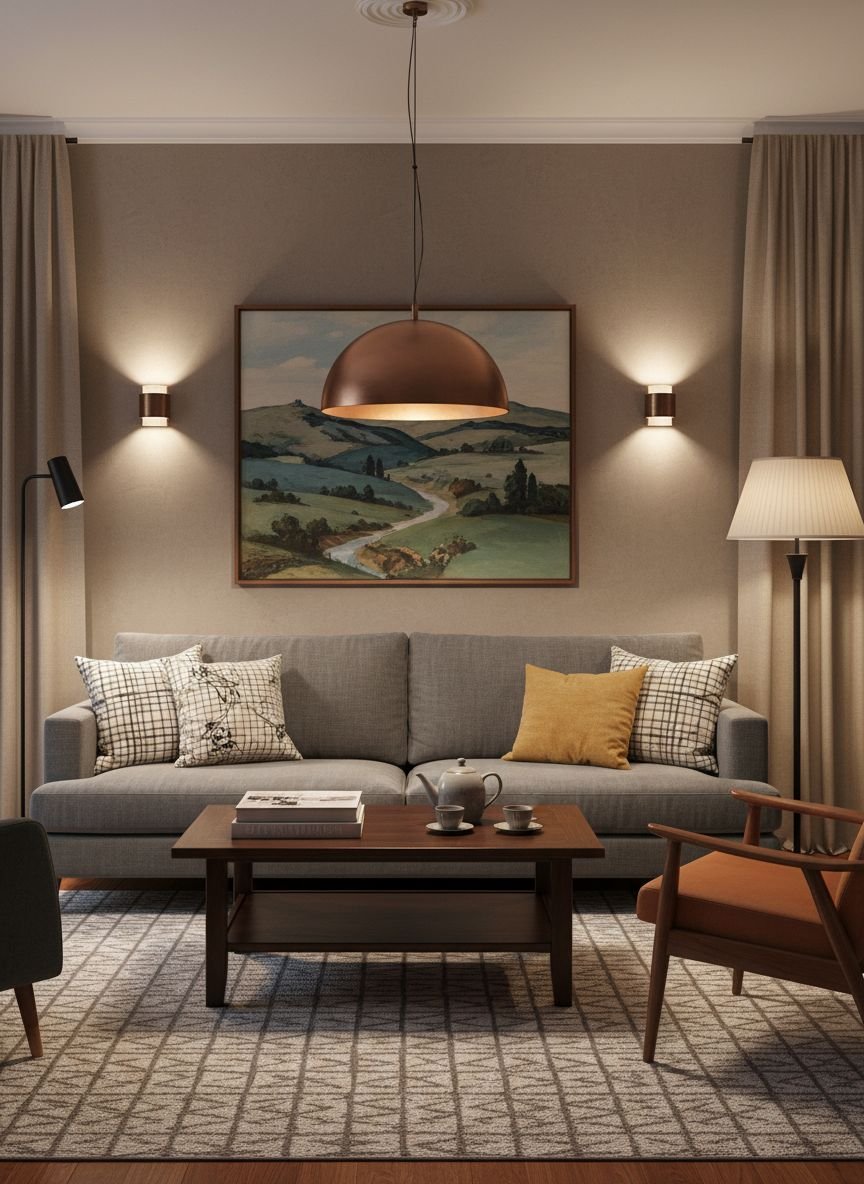
Single overhead lights make small rooms feel flat and cave-like. Layered lighting adds dimension and warmth. You should mix ambient light with task and accent lighting. Floor lamps illuminate dark corners and visually expand the room. Sconces save floor space and add architectural interest. You can highlight artwork or textured walls with directed beams. Dimmer switches give you control over the mood. Bright light makes the space feel larger during the day. Soft light creates a cozy nest at night. LED strips under shelves or cabinets add depth. This hidden glow makes furniture appear to float. Lighting defines the zones in an open concept layout.
Corner Seating Arrangements to Utilize Space
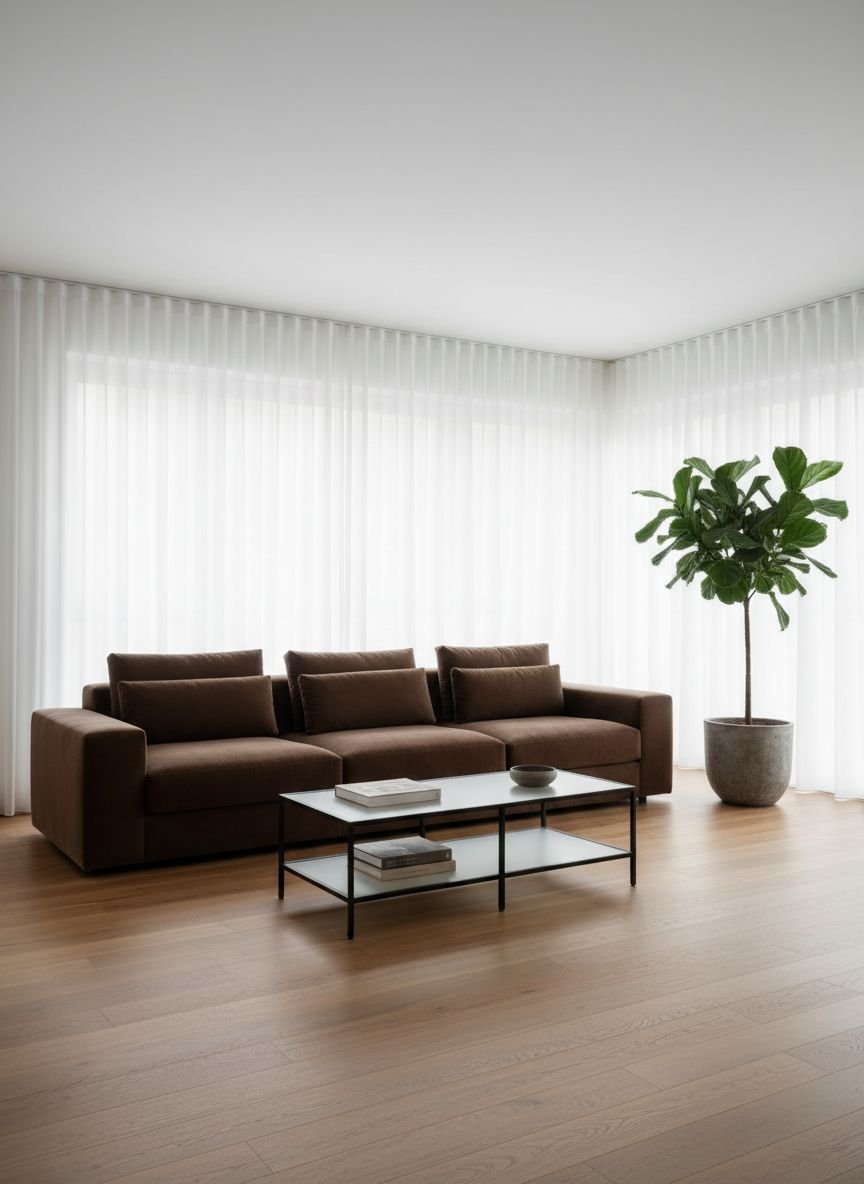
Corners are often dead zones in living rooms. A sectional sofa tucked into a corner maximizes seating potential. You open up the center of the room for a rug and coffee table. This layout invites conversation. L-shaped sofas provide a clear boundary for the living area. You can place a reading chair in an unused corner. Add a small side table and a lamp to complete the nook. Corner shelves turn wasted angles into display space. You draw the eye into the depth of the room. This usage makes the room feel fully inhabited. You stop the corners from becoming shadow traps. Every square inch works for you.
Pro Tip
Round corner tables soften the sharp angles of a square room.
Save this idea to your Pinterest.
Glass and Transparent Elements for an Airy Feel
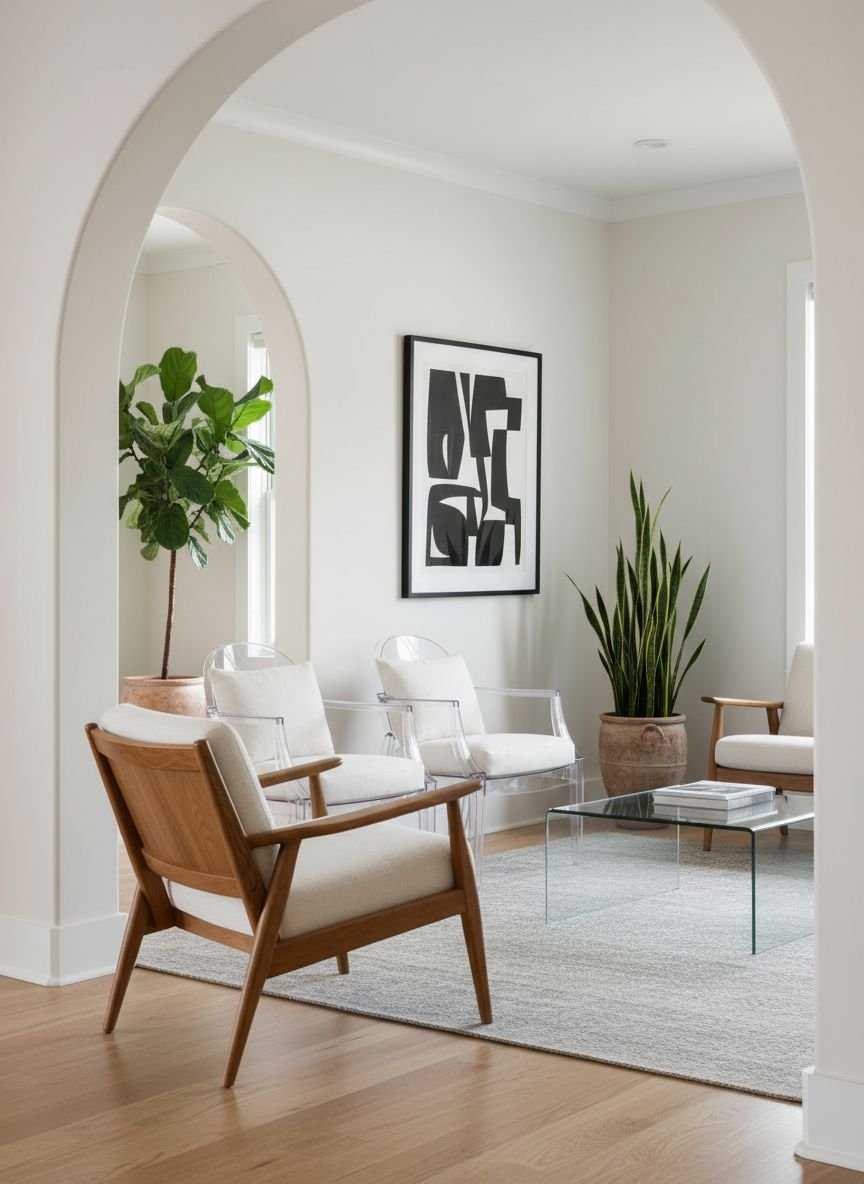
Acrylic and glass furniture are the ghosts of interior design. They serve a function without taking up visual space. A glass coffee table reveals the rug underneath. This visibility keeps the floor plan uninterrupted. Acrylic chairs look modern and disappear into the background. You reduce the visual weight of the room significantly. Light passes through these objects rather than being blocked. The room feels less crowded as a result. These materials work well with any color palette. They add a touch of glamour and sophistication. You get the utility of a surface without the bulk of wood or metal. Clean these surfaces often to maintain the invisible effect.
Pro Tip
Use glass cleaner and a microfiber cloth to prevent streaks and fingerprints.
Personalized Decor for a Cozy Ambience
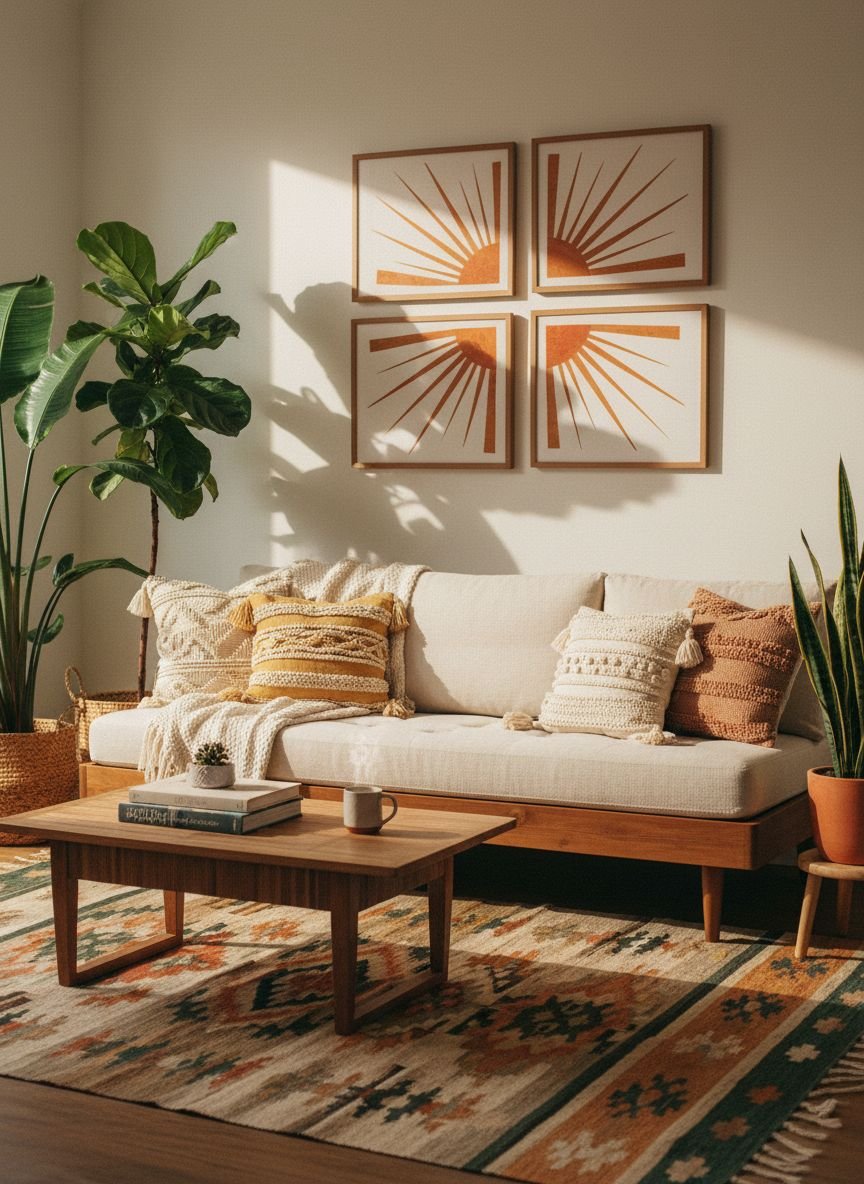
Small spaces risk feeling sterile if you hide everything. You need personality to make a house a home. Display items that tell your story. Travel souvenirs or family heirlooms add unique character. Group these items on a tray to keep them organized. This grouping reads as one object to the eye. Textiles are the easiest way to add warmth. Throw blankets and pillows introduce color and pattern. You can change them easily when trends shift. Plants bring life and organic shapes to the room. They soften the hard lines of architecture and furniture. A personal touch distracts from the size of the room. Guests focus on your interesting decor rather than the square footage.
Pro Tip
Stick to a cohesive color palette for your decor to avoid visual chaos.
Sliding Doors for Space Efficiency
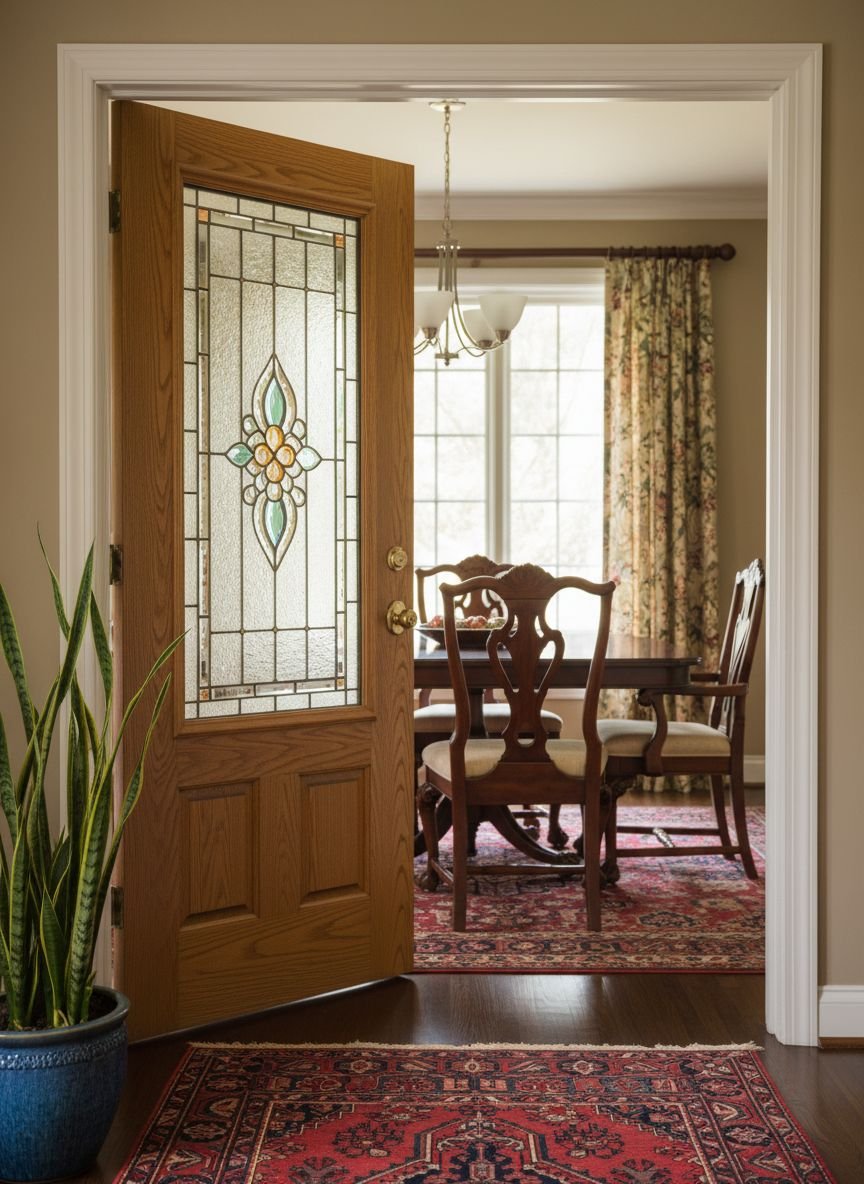
Traditional swinging doors require clear space to open. This swing radius eats up valuable floor area. Sliding doors or pocket doors eliminate this problem entirely. You can place furniture right next to the doorway. Barn doors add a rustic or industrial focal point. They act as moving art while saving space. Pocket doors disappear into the wall for a seamless look. This is ideal for connecting a small living room to a hallway or kitchen. You gain flexibility in furniture layout. The flow between rooms becomes smoother. Glass sliding doors allow light to share between rooms. You maintain privacy without sacrificing brightness.
Pro Tip
Ensure the track hardware is high quality for silent and smooth operation.
Popular Asked Questions
How do I arrange furniture in a 12×12 living room?
You should float the furniture away from the walls. Pushing everything against the wall creates a weird empty space in the middle. Place a rug in the center and anchor your sofa and chairs on it. This creates a cozy conversation zone. Keep the pathways clear so you can walk through easily.
What colors make a small living room look bigger?
Light and cool colors are best. Off-white, soft gray, and pale blue reflect light. This makes walls seem further away. Painting the trim and walls the same color also helps. It hides the boundaries of the room.
How can I decorate a small living room on a budget?
Focus on decluttering first because it costs nothing. Use paint to refresh the walls. Add mirrors to double the light. Swap out throw pillows for a new look. Use vertical shelving to display items you already own.
Is a sectional good for a small living room?
Yes. A sectional can actually be better than a sofa and chairs. It provides continuous seating without the gaps. Placing it in a corner opens up the rest of the floor. Just ensure the scale is right for your room.
Final Thoughts
Designing a small living room requires strategy and creativity. You do not need a mansion to have a stylish home. The right layout and furniture choices unlock hidden potential in your apartment. Focus on light, vertical space, and multi-functional pieces. These elements work together to create a home that feels open and inviting.

Leave a Comment