

If you think beige is boring, you have likely only seen it done wrong. Beige is often misunderstood as the safe, builder-grade option for people who are afraid of color. But when styled correctly, a beige bedroom is the ultimate chameleon. It shifts from a warm, sun-drenched sanctuary in the morning to a moody, sophisticated retreat at night. It is not about a lack of color; it is about an abundance of texture, light, and calmness.
In this guide, we are not just painting the walls magnolia and calling it a day. We are exploring how to layer rich creams, warm oats, and deep taupes to create a space that feels expensive and restful. Whether you have a small apartment or a spacious master suite, these ideas will help you design a bedroom that feels like a high-end hotel you never want to leave.
Key Takeaways
- Texture is King: In a neutral space, texture replaces color. You must mix smooth, rough, soft, and hard surfaces to avoid a flat look.
- Lighting Matters: Beige changes drastically with light. Warm bulbs (2700K-3000K) are essential to prevent your room from looking clinical or yellow.
- Contrast Creates Depth: Use black accents, dark wood, or mixed metals to anchor the room and give your eyes a place to rest.
- Undertones Are Everything: Beige is not one color. It ranges from pinkish “fawn” to yellowish “cream” and grayish “greige.” Stick to one family of undertones for a cohesive look.
Table of Contents
- Monochromatic
- Soft Pastel
- Nature Beige
- Beige Scandi
- Rough Beige
- Beige With Mixed Metals
- Gray and Beige
- Japandi Beige
- Bohemian
- Minimal Chic
- Modern Organic
- Rattan Beige
- Beige Black
- Warm Taupe
- Chateau
- Limewash
- Popular Asked Questions
- Conclusion
Monochromatic

A monochromatic beige bedroom is the ultimate exercise in restraint and layering. The secret here is to use at least five different shades of beige to prevent the room from looking flat. Start with a creamy off-white for the walls, then move to an oatmeal color for the bedding, and anchor the space with a darker fawn rug. The slight variations in tone create a visual vibration that makes the room feel alive rather than sterile.
Since you are removing color contrast, you must dial up the tactile contrast. Pair a chunky knit throw with smooth cotton sheets. Use a velvet headboard against a matte painted wall. The interplay of light on these different surfaces creates shadows and highlights that act as the “pattern” in the room. This style is perfect for those who want their bedroom to be a true quiet zone for the mind.
Pro Tip: Paint your trim and ceiling the same color as the walls but in a different finish (e.g., matte walls, satin trim) to add subtle dimension without breaking the color block.
Soft Pastel
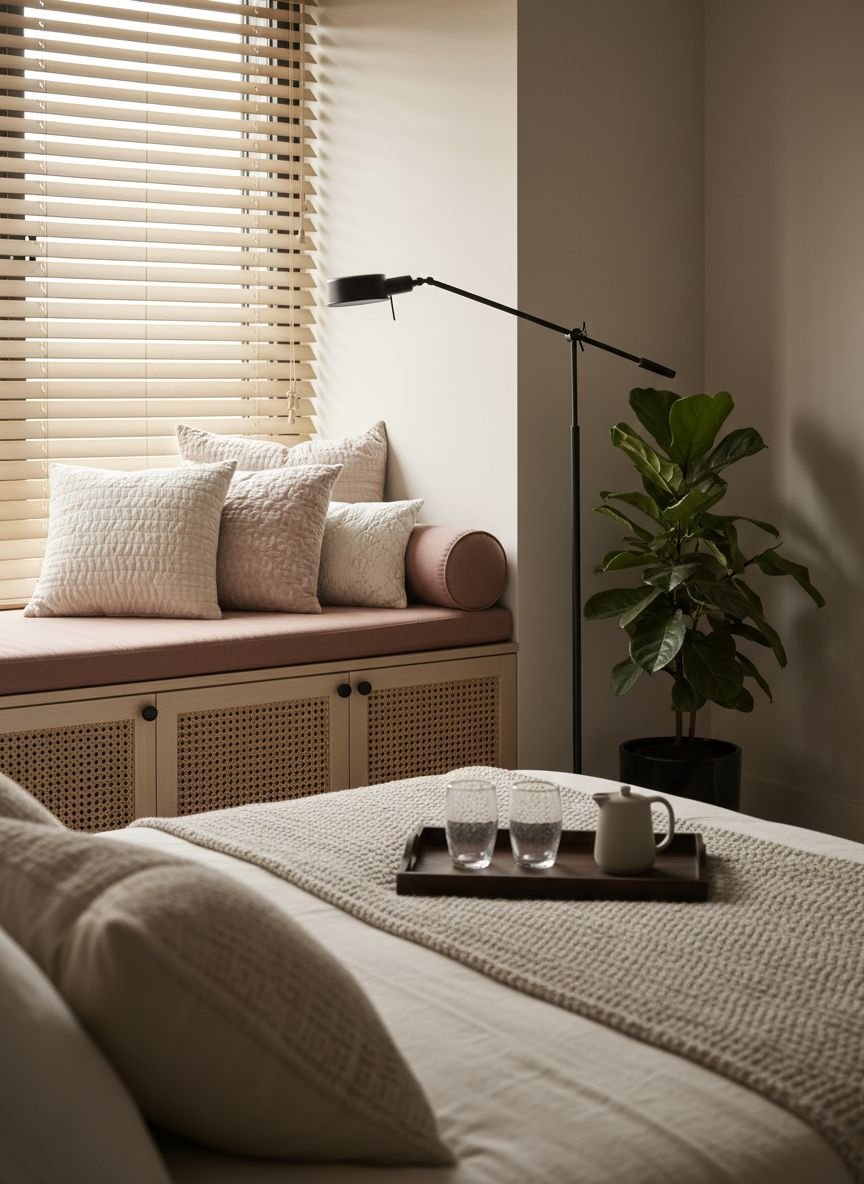
Beige acts as the perfect warm foundation for soft pastels. Unlike white, which can make pastels look childish or candy-like, beige grounds them and makes them feel grown-up and sophisticated. Think of dusty rose, sage green, or a pale terracotta. These colors share the same warm undertones as beige, allowing them to blend seamlessly rather than pop aggressively.
Try introducing these colors through easily changeable items like throw pillows, a ceramic vase, or a piece of art. A beige upholstered bed frame looks stunning with sage green linen bedding. The combination evokes a natural, garden-inspired feel that is incredibly relaxing. This approach allows you to flirt with color without committing to painting an entire wall. It keeps the overall vibe airy and light, perfect for smaller rooms that need to feel bigger.
Pro Tip: Use a “60-30-10” rule here. 60% beige (walls, furniture), 30% soft pastel (bedding, curtains), and 10% metallic accent (lamps, handles).
Nature Beige

This style leans heavily into the “organic” side of beige. It draws inspiration from sand, dried grass, unbleached cotton, and raw wood. The goal is to blur the line between the indoors and the outdoors. To achieve this, you need to strip back any synthetic-looking materials. Avoid glossy plastics or shiny polyesters. Instead, opt for a solid wood bed frame with visible grain and linen curtains that pool slightly on the floor.
Plants are a non-negotiable element in this aesthetic. The vibrant green of a Fiddle Leaf Fig or a Snake Plant provides a striking natural contrast against the neutral backdrop. The beige walls mimic the earth, while the plants provide the life. This connection to nature is proven to lower stress levels, making it an ideal design choice for a bedroom where rest is the priority.
Pro Tip: Use dried florals like pampas grass or dried palm leaves in a large floor vase to add height and texture that matches the color palette perfectly.
Beige Scandi

Scandinavian design is famous for its functionality and simplicity, and beige is the new grey in the Scandi world. While traditional Scandi decor relies on cool whites and greys, the “Beige Scandi” shift brings much-needed warmth to the minimalist aesthetic. Focus on clean lines and practical furniture. A low-profile platform bed with no footboard keeps the visual flow uninterrupted.
Lighting is crucial in this style. Scandinavians master the art of “hygge” (coziness) through lighting. Ditch the big overhead light. Instead, use multiple smaller light sources like bedside sconces and a floor lamp with a paper or fabric shade. The warm glow through a beige shade creates a lantern-like effect that makes the room feel like a warm hug on a cold night. Keep clutter to zero; every object should have a purpose or bring you joy.
Pro Tip: Invest in high-quality bedding. Since the design is simple, the quality of your linen or cotton duvet cover becomes a focal point.
Rough Beige

“Rough Beige” is all about embracing imperfections. This style often features walls with visible texture, such as plaster, stucco, or even exposed brick painted beige. The uneven surface catches the light in fascinating ways, creating a wall that looks like a piece of art itself. This is often referred to as “wabi-sabi,” the Japanese concept of finding beauty in imperfection.
Furniture in this setting should feel substantial and raw. A headboard made of reclaimed wood or a side table made from a rough-hewn stone block fits perfectly. The roughness grounds the space and gives it a sense of history and permanence. It contrasts beautifully with soft, billowy bedding. The tension between the rough walls and the soft bed creates a sensory experience that is deeply satisfying.
Micro-CTA: Save this idea to your Pinterest.
Comparison: Smooth vs. Textured Beige
| Feature | Smooth Beige (Modern) | Textured Beige (Organic) |
|---|---|---|
| Wall Finish | Matte or Eggshell Paint | Limewash, Plaster, or Wallpaper |
| Vibe | Clean, Minimal, Polished | Cozy, Earthy, Lived-in |
| Maintenance | Easy to wipe down | Can be delicate; harder to clean |
| Best For | Small spaces, Modern condos | Large rooms, Vintage homes |
| Light Effect | Reflects light evenly | Creates shadows and depth |
Beige With Mixed Metals

Beige is the perfect neutral canvas for metallic accents. While silver can look a bit cold, warm metals like unlacquered brass, gold, and copper sing against a beige background. The yellow undertones in the beige harmonize with the gold, creating a look that is undeniably luxurious and regal. It is a simple way to make a budget room look expensive.
However, do not be afraid to mix in some black metal for contrast. A beige room with only gold can feel a bit too “glam.” Adding a matte black curtain rod or black legs on a chair grounds the space and adds a modern edge. The key is balance. If your main light fixture is brass, try matte black for the door handles. This mix keeps the eye moving and prevents the room from feeling one-note.
Pro Tip: Swap out standard plastic switch plates for brushed brass ones. It is a small detail that elevates the entire wall.
Gray and Beige

Often called “Greige,” this hybrid color is the diplomat of the design world. It brings the cool sophistication of gray and the inviting warmth of beige together. This is the ideal choice if you and your partner cannot agree on a color temperature. Greige works exceptionally well with crisp white trim, which makes the wall color pop just enough to be noticed.
To style a greige bedroom, you can pull accessories from both the cool and warm sides of the spectrum. A gray wool blanket looks at home on the bed, while a warm wood dresser ties in the beige notes. This versatility makes it one of the easiest palettes to maintain over time. You can switch your bedding from cool blue in the summer to warm terracotta in the fall, and the walls will match both perfectly.
Pro Tip: Test paint samples on multiple walls. Greige can lean purple or green depending on the natural light in your room.
Japandi Beige

Japandi is the fusion of Japanese rustic minimalism and Scandinavian functionality. In a Japandi bedroom, beige is the primary color, symbolizing earth and simplicity. The furniture is low to the ground—think platform beds and floor cushions. This lowers your center of gravity and immediately signals to your brain that this is a place for grounding and rest.
The aesthetic relies on open space. You want to see the floor. Furniture legs should be visible, and heavy, boxy items should be avoided. Use sliding doors or screens (shoji style) if possible to divide space without blocking light. The beige tones here are often paired with darker, contrasting wood like walnut or charred timber, creating a sophisticated look that feels Zen-like and orderly.
Pro Tip: Incorporate a slat wood wall panel behind the bed. The vertical lines add height and the wood tone adds warmth to the beige palette.
Bohemian

Boho style and beige are best friends. The bohemian aesthetic thrives on natural materials like rattan, jute, bamboo, and macramé, all of which are naturally beige. This look is about abundance and comfort. Layer rugs on top of rugs. Pile pillows high on the bed. Hang a macramé tapestry above the headboard.
Unlike the minimalist styles, Boho encourages you to display your treasures. A beige shelving unit filled with books, plants, and travel souvenirs fits right in. The beige background ensures that your collection looks curated rather than chaotic. It quiets the visual noise just enough to make the room feel cozy.
Micro-CTA: Save this idea to your Pinterest.
Related posts :
- 12 Dreamy Boho Bedroom Ideas You’ll Love That Transform Your Space Instantly
- 14 Crochet Vase Free Patterns: The Ultimate Guide to Cozy Home Decor
- 16 Inspired Moroccan Hallway Decor Ideas That Instantly Warm Your Home
Minimal Chic

Minimal Chic takes the concept of “less is more” and warms it up. Unlike the stark white minimalism of the early 2000s, beige minimalism feels livable. The focus here is on shape and form. Since there is very little clutter, every piece of furniture must be sculptural and beautiful. A curved armchair in boucle fabric or a round pedestal side table becomes a piece of art.
Keep the walls bare or use one large, significant piece of abstract art. The negative space is just as important as the furniture. This style is excellent for quieting the mind after a busy day. There are no distractions, just soft curves and soothing tones. It requires discipline to maintain, but the payoff is a bedroom that feels like a high-end spa.
Pro Tip: Use concealed storage. A clutter-free surface is essential for this look. Nightstands with drawers are a must to hide chargers and books.
Get The Look: Minimal Chic Essentials
- The Bed: Low profile, upholstered in linen or boucle.
- The Lighting: Matte ceramic table lamps with fabric shades.
- The Art: Large scale, abstract line drawing or textured canvas.
- The Rug: Solid color, high pile wool or viscose for sheen.
Modern Organic

Modern Organic is arguably the most popular design trend right now. It combines the clean lines of modern design with the warmth of nature. In a beige bedroom, this translates to curved furniture and natural materials. Think of a headboard with a gentle arch or a kidney-shaped sofa at the end of the bed.
The materials are key: stone, raw wood, linen, and clay. You might see a travertine side table paired with a linen duvet. The beige here is often warmer, leaning towards sand and stone hues. It feels timeless and effortless. The curves soften the room, making it feel more feminine and inviting than the sharp angles of mid-century modern.
Pro Tip: Swap out square pillows for round or spherical throw pillows to introduce organic shapes onto the bed.
Rattan Beige

Rattan and cane furniture bring an instant textural hit to a beige room. The woven pattern of rattan adds a layer of complexity that solid wood cannot achieve. A rattan headboard is a classic choice that works in coastal, vintage, or boho bedrooms. The natural color of the material is usually a golden beige, which adds a sun-kissed glow to the space.
You can also introduce rattan through lighting. A large woven pendant light casts beautiful, intricate shadows on the walls at night, adding drama and atmosphere. Because rattan is lightweight and “see-through,” it is excellent for small rooms as it does not block visual space. It adds warmth without adding bulk.
Pro Tip: If a full rattan bed is too much, try a rattan bench at the foot of the bed or rattan doors on your nightstands.
Beige Black
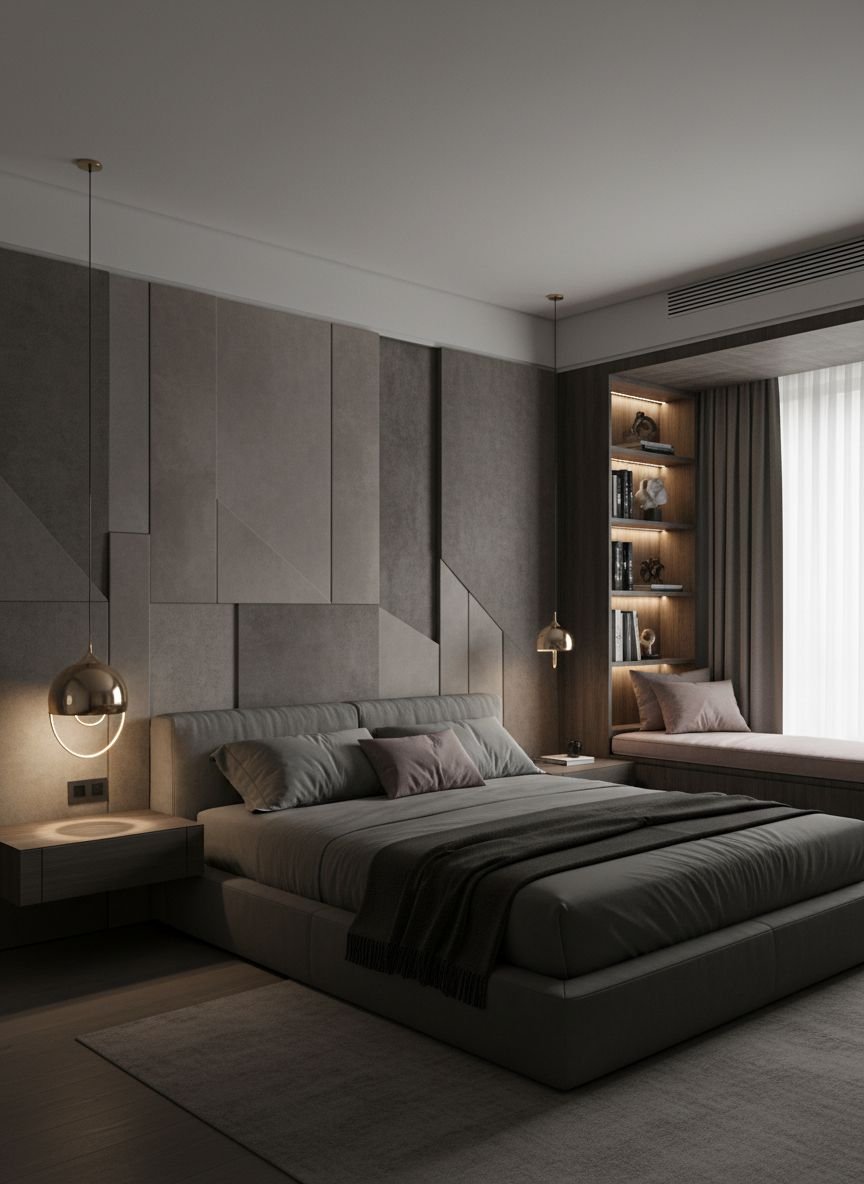
For those who love drama, the combination of beige and black is unbeatable. Black acts as an eyeliner for the room—it defines the edges and makes the beige pop. A black accent wall behind a beige upholstered bed creates a stunning focal point. Alternatively, keep the walls beige and use black for the window frames, light fixtures, and hardware.
This high-contrast look is modern, graphic, and bold. It removes the “softness” of beige and replaces it with sophistication. It is a gender-neutral palette that works well for couples. To keep it from feeling too cold, ensure your beige elements have texture—like a wool rug or a velvet chair—to soften the sharpness of the black accents.
Pro Tip: Use matte black rather than glossy black. Matte finishes absorb light and look softer and more modern against warm beige.
Warm Taupe

Taupe is a darker, moodier cousin of beige with gray and brown undertones. It is perfect for creating a “cocoon” effect. Painting the walls, trim, and even the ceiling in a rich warm taupe wraps the room in color. This technique, known as color drenching, blurs the boundaries of the room and makes it feel infinitely cozy.
This shade works particularly well in bedrooms that do not get a lot of natural light. Instead of trying to force a dark room to be bright with white paint (which often looks gray in shadows), embrace the moodiness with taupe. Pair it with warm wood furniture and brass lighting for a look that feels historic and intimate.
Micro-CTA: Save this idea to your Pinterest.
Chateau

The French “Chateau” style is elegant, romantic, and timeless. It relies on a palette of creamy beiges, antique whites, and soft golds. The furniture typically features carved wood details, often painted and distressed to look aged. A tufted linen headboard or a chaise lounge adds to the sense of luxury.
Fabrics should be loose and natural—think high-quality French linen that wrinkles perfectly. Floor-to-ceiling drapes that puddle on the floor add a sense of height and grandeur. This style is not about perfection; it is about effortless elegance. A crystal chandelier adds a touch of sparkle that reflects beautifully off the creamy walls.
Pro Tip: Look for “Toile de Jouy” patterns in beige and white for throw pillows or wallpaper to nail the French aesthetic.
Limewash
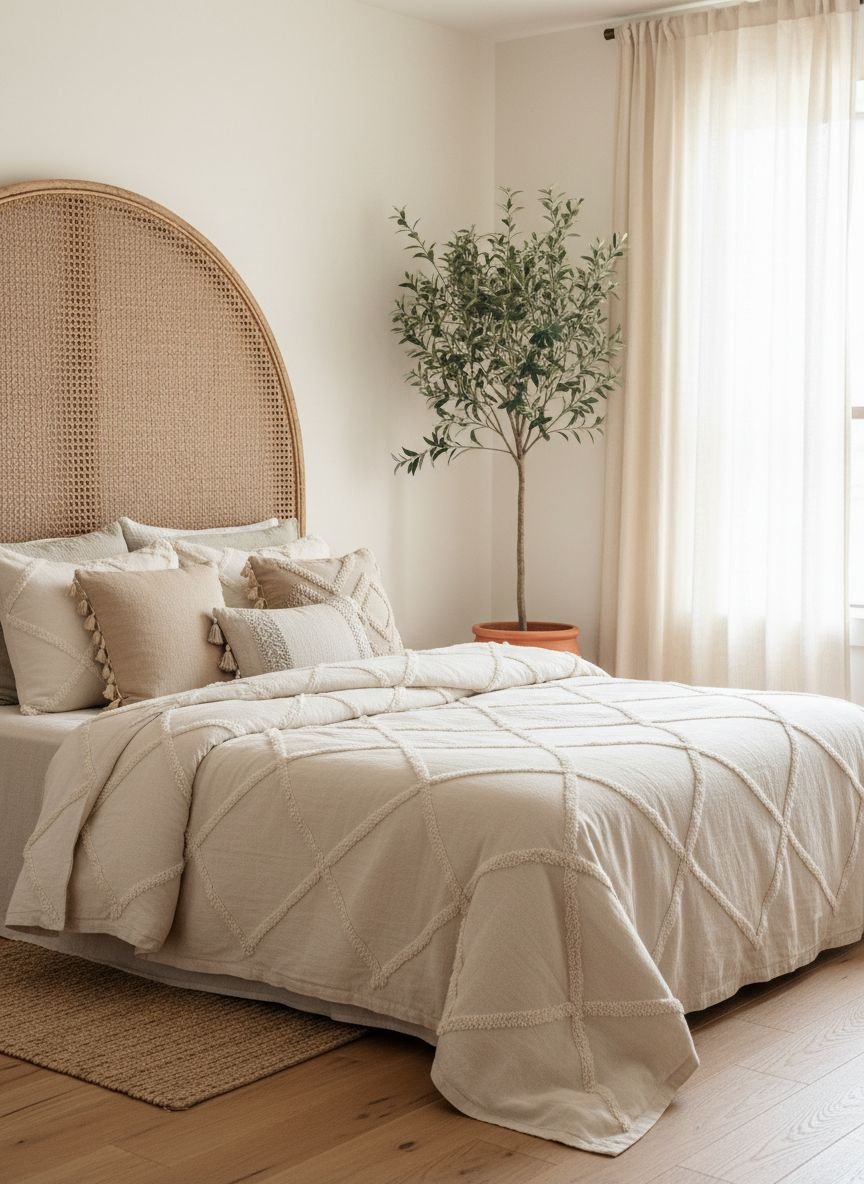
Limewash paint is a technique that creates a cloudy, chalky texture on the walls. It gives a beige bedroom an instant old-world, Mediterranean feel. The finish has depth and movement, meaning you do not need to hang a lot of art to make the walls look interesting. The wall itself becomes the feature.
This texture pairs beautifully with minimal decor. A simple wooden bed and white bedding are all you need. The limewash catches the sunlight and changes throughout the day, giving the room a living, breathing quality. It is eco-friendly and breathable, making it a healthy choice for a sleeping environment.
Pro Tip: If real limewash is too difficult to apply, there are many “limewash effect” wallpapers or faux-finish painting techniques that achieve a similar look with less effort.
Popular Asked Questions
Is beige a good color for a bedroom?
Yes, absolutely. Beige is considered one of the best colors for a bedroom because it is psychologically soothing. Unlike bright colors that stimulate the brain, beige is neutral and warm, which helps lower your heart rate and prepares your body for sleep. It also acts as a blank canvas, allowing you to change your bedding or decor seasonally without repainting.
What colors go well with beige?
Beige is incredibly versatile. For a calm look, pair it with white, cream, or sage green. For a moody or modern look, pair it with black, charcoal, or navy blue. If you want to add warmth, terracotta, rust, and warm wood tones are excellent choices. Metallic accents like brass and gold also look stunning against beige.
How do you add warmth to a beige bedroom?
You add warmth through texture and lighting. Use warm-toned light bulbs (2700K). Layer different fabrics like wool, velvet, linen, and boucle. Incorporate wood furniture with warm undertones (like oak or walnut) rather than cool tones. Rugs are also essential—a high-pile or jute rug instantly warms up the floor and the visual space.
How to make a beige bedroom look expensive?
The key to an expensive look is “layering.” Do not just have a bed with a sheet and a comforter. Add a quilt, a throw blanket at the end of the bed, and multiple sleeping and decorative pillows. Stick to a cohesive color palette. use large-scale art, and ensure your curtains hang from the ceiling down to the floor to make the room feel taller and grander.
Conclusion

The beige bedroom is far from boring; it is a timeless choice that offers endless versatility. Whether you prefer the raw textures of the Nature Beige style, the high contrast of Beige Black, or the romantic vibes of the Chateau look, there is a beige aesthetic for everyone. By focusing on texture, lighting, and layering, you can create a space that feels warm, luxurious, and uniquely yours.






Leave a Comment