
The “Utility” Hook
You might feel limited by square footage, but a small backyard is actually a hidden design gem waiting to be unlocked. The trend for 2026 is shifting away from sprawling, high-maintenance lawns toward “micro-sanctuaries”—compact outdoor spaces that prioritize function and intimacy over vastness. If you are struggling with a narrow plot or a tiny courtyard, you are not alone. The problem isn’t the lack of space; it is the lack of vertical utilization and zoning.
By applying smart “Bento Box” zoning principles and vertical gardening techniques, you can triple your usable living area. This guide provides 9 comprehensive design categories packed with over 40 specific, actionable ideas to transform your petite outdoor space into a luxurious retreat.
Key Takeaways
- Think Vertically: Floor space is finite, but wall space is often underutilized. Use trellises, hanging planters, and living walls to draw the eye upward.
- Zone Your Space: Apply the “Bento Box” method to divide your yard into distinct functional “rooms” (dining, lounging, green space) to create the illusion of a larger area.
- Blur the Lines: Use indoor-outdoor flooring transitions and large mirrors to visually expand the depth of your garden.
- Multi-Functional Furniture: Invest in benches with hidden storage or fold-down tables to keep the footprint minimal.
Table of Contents
- Cozy Patio Small Backyard Ideas
- Cultivating Greenery in Your Small Backyard
- Enhancing Your Backyard With Thoughtful Landscaping
- Contemporary Garden Inspirations
- Making the Most of Your Narrow Space
- Integrating a Pool into Your Compact Backyard
- Minimalist and Practical Concepts
- Crafting a Unique Design for Your Petite Backyard
- Zen Inspirations for Small Backyards
- Related posts :
- Popular Asked Questions
- Conclusion
Cozy Patio Small Backyard Ideas

Creating a cozy patio in a small backyard requires a focus on intimacy and texture. The goal is to design a “destination” that feels like an extension of your living room rather than just a slab of concrete.
1. The “Living Room” Layout: Treat your patio exactly like an indoor room. Anchor the space with a durable outdoor rug that defines the boundary. Place a loveseat and two compact armchairs facing each other to facilitate conversation. By turning furniture inward, you create a self-contained “pod” that ignores the property lines, making the yard’s size irrelevant to the experience.
2. String Light Canopies: Lighting is the most cost-effective way to add coziness. Zig-zag bistro lights overhead to create a “ceiling” effect. This lowers the visual height of the sky, making the space feel held and intimate. It also eliminates the need for floor lamps that take up precious ground space.
3. Fire Pit Coffee Tables: In a small space, every item must pull double duty. Opt for a gas fire pit that comes with a hard cover. During the day, it functions as a coffee table for drinks and books. At night, you remove the lid to reveal the fire. This eliminates the need for a separate fire pit zone, saving you 10-15 square feet of space.
Pro Tip: Choose “leggy” furniture with open frames rather than solid blocks. Being able to see the ground through the furniture tricks the brain into thinking the space is larger.
Cultivating Greenery in Your Small Backyard

When you cannot grow out, you must grow up. Vertical gardening is the gold standard for small backyard design, allowing you to surround yourself with nature without sacrificing floor space.
4. The Living Wall System: Install a modular pocket planter system on your tallest fence. Fill it with trailing plants like ivy, ferns, or pothos (if climate permits). This creates a lush “green curtain” that softens harsh fence lines and absorbs sound, making your small yard feel quieter and more secluded.
5. Tiered Plant Stands: Instead of scattering pots across the floor, which creates a cluttered look, use a tiered ladder shelf. This allows you to display 10-12 plants in the footprint of a single pot. Place this in a corner to soften the sharp angles of the yard.
6. Hanging Basket Chandeliers: Use a sturdy pergola or overhang to suspend baskets of fuchsia or petunias. By keeping the plants at eye level or above, you keep the ground clear for walking paths or furniture.
7. Trellis Privacy Screens: If your small yard is overlooked by neighbors, use tall planters with attached trellises. Grow fast-climbing vines like Jasmine or Clematis. This provides a natural privacy shield that takes up only 12 inches of depth but offers 6 feet of height.
Pro Tip: Use a drip irrigation system for your vertical gardens. Hand-watering high baskets can be tedious, and a simple timer system ensures your vertical oasis survives hot summers.
Enhancing Your Backyard With Thoughtful Landscaping
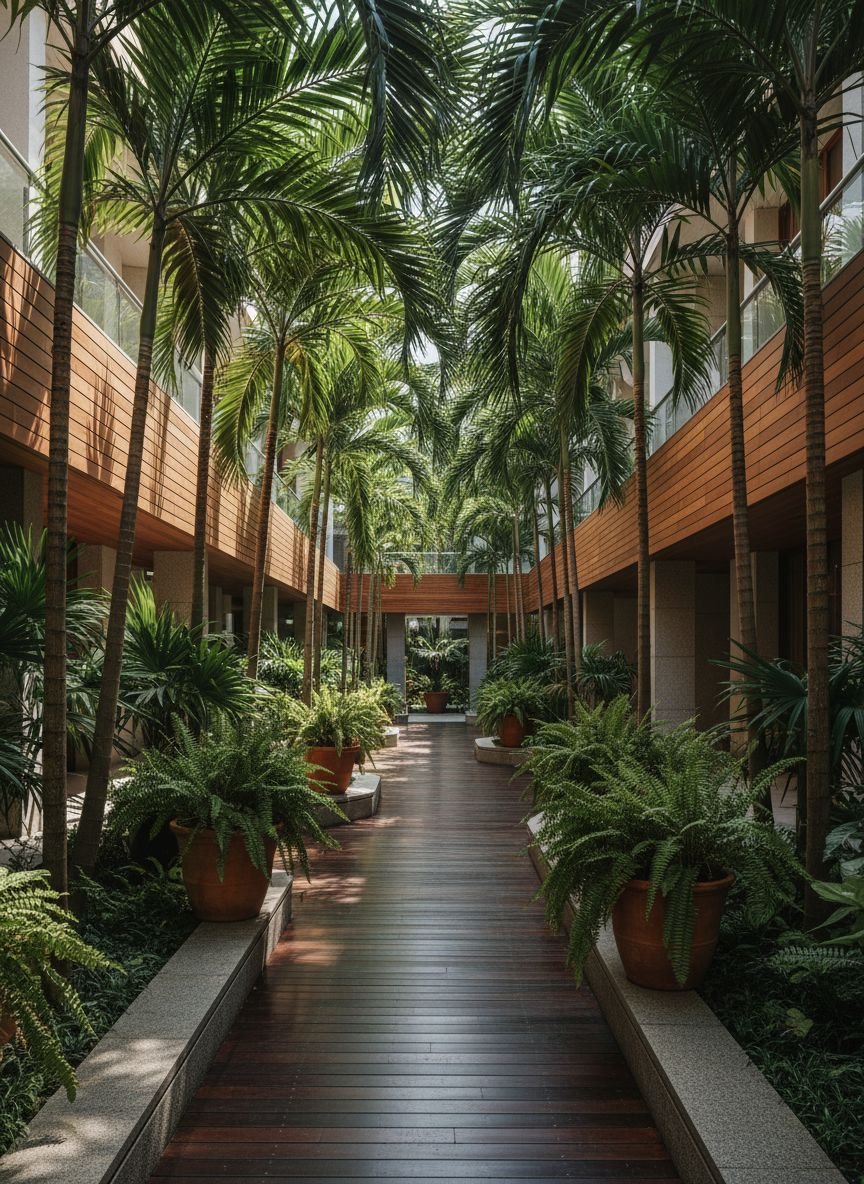
Landscaping in a small yard is about optical illusions and defining zones. The “Bento Box” trend involves creating distinct micro-zones that make the yard feel like a collection of experiences rather than one small lawn.
8. Diagonal Pavers: Never lay pavers parallel to the house in a small rectangular yard. Lay them on a 45-degree diagonal. This draws the eye to the corners of the yard, creating the longest possible visual line and making the space appear significantly wider.
9. The “No-Grass” Courtyard: Grass can be high maintenance and often looks patchy in small, shaded yards. Consider replacing the lawn entirely with gravel or large-format slate tiles. This expands your usable entertaining space to the very edges of the fences and reduces the visual clutter of edging tools and mowers.
10. Raised Garden Borders: Build raised beds along the perimeter using sleek concrete or wood. This clearly separates the “nature” zone from the “living” zone. Keep the beds narrow (18 inches wide) but tall (24 inches high) to bring the plants closer to eye level while sitting, enveloping you in greenery.
11. Multi-Level Decking: If your yard has a slope, don’t flatten it—terrace it. Create a lower deck for dining and an upper deck for lounging. Changing levels physically separates zones without the need for walls, adding depth and dimension to a compact footprint.
Pro Tip: Use the same flooring material inside your house and outside (or a close color match). When the doors are open, the eye perceives the backyard as a continuation of the interior floor, visually doubling the space.
Contemporary Garden Inspirations

Modern design is perfect for small backyards because it favors clean lines, minimalism, and order. A contemporary approach eliminates visual noise, making the space feel calm and open.
12. Monochromatic Planting: Stick to a strict color palette for your plants. A mix of only green foliage and white flowers (like hydrangeas and white roses) creates a sophisticated, uncluttered look. Too many colors can make a small space feel chaotic and busy.
13. Concrete Floating Benches: Incorporate built-in seating made of smooth concrete. These benches can be cantilevered from a retaining wall, leaving the space underneath open. This “floating” effect keeps the floor visible and makes the structure feel lighter.
14. Architectural Slat Fencing: Replace traditional vertical fencing with horizontal slat fencing. The horizontal lines visually stretch the width of the yard. Leave small gaps between the slats to allow light to filter through, preventing the “boxed-in” feeling common in small enclosed gardens.
15. Industrial Steel Edging: Use Corten steel to create razor-sharp divisions between your gravel paths and planting beds. The rusted orange patina adds warmth without bulk, and the thin profile takes up virtually no space compared to brick or stone edging.
Pro Tip: Save this idea to your Pinterest. Use large-format pavers (24×24 inches or larger). Fewer grout lines mean a less busy visual pattern, which contributes to a sense of expansiveness.
Making the Most of Your Narrow Space

Narrow “bowling alley” yards or side returns are often neglected, but they can be transformed into stunning corridors or functional nooks.
16. The “Destination” Focal Point: Place a striking feature at the very end of the narrow space—a sculpture, a bright yellow bench, or a water feature. This draws the eye all the way to the back, emphasizing the length as a positive feature rather than a constraint.
17. Zig-Zag Pathways: Avoid a straight path down the middle, which highlights the narrowness. Create a meandering path that zigs and zags. This forces a slower pace and makes the journey through the garden feel longer and more interesting.
18. Mirror Illusions: Mount a large, weather-resistant mirror on a side wall or the back fence. Position it to reflect greenery. This is the oldest trick in the book because it works—it instantly creates the illusion of a “secret garden” extending beyond the wall.
19. Vertical Herb Spirals: In a narrow side yard, floor space is premium. Install a vertical herb spiral or a wall-mounted pallet garden. This turns a useless walkway into a productive kitchen garden without obstructing the path.
Pro Tip: Paint the far back fence a darker color (charcoal or black) and the side fences a lighter color. The dark color makes the back fence recede visually, while the light sides feel more open.
Integrating a Pool into Your Compact Backyard

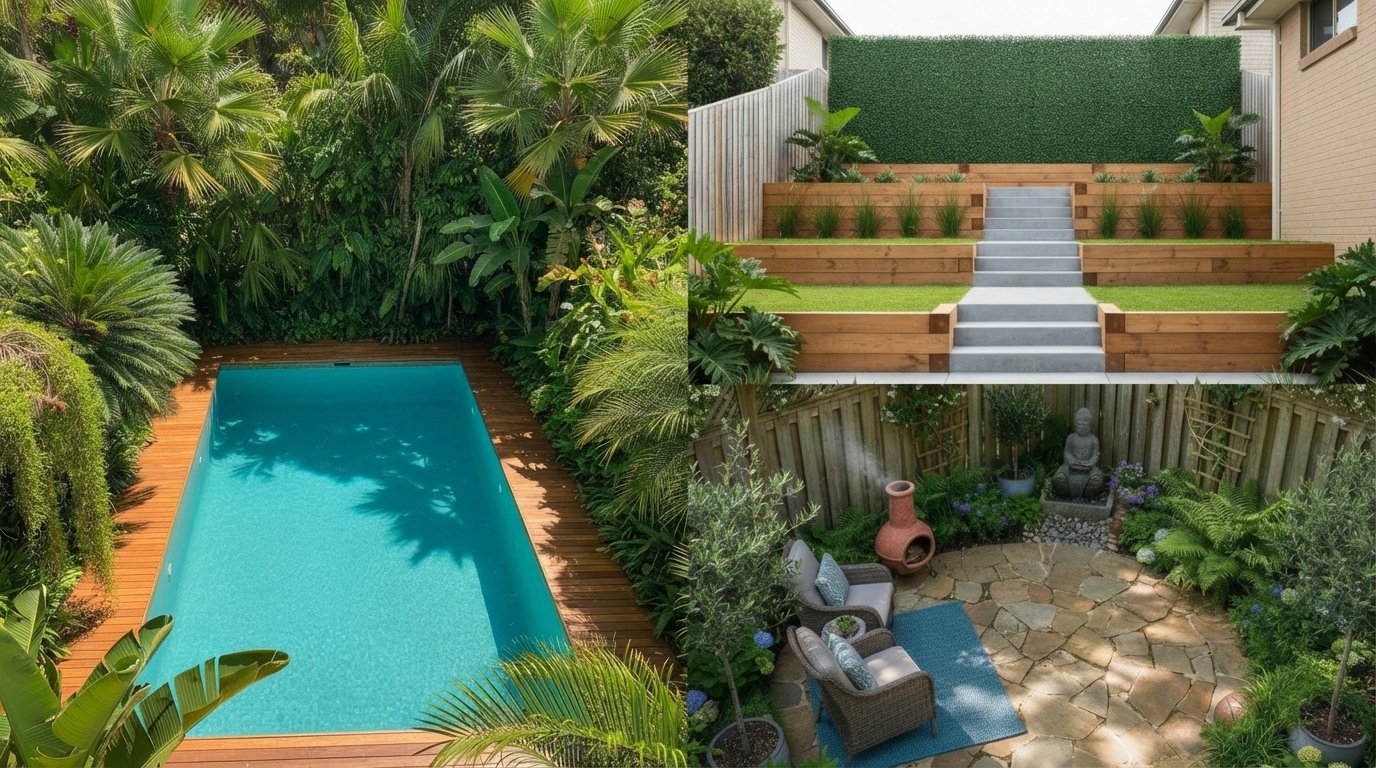
You do not need an acre of land to enjoy a pool. The rise of “spools” (spa/pool hybrids) and stock tank pools has made water features accessible for tiny backyards.
20. The Plunge Pool: These are deep but small pools (often 6×10 feet) designed for cooling off rather than swimming laps. Place it in a corner to maximize the remaining deck space. A plunge pool adds a massive luxury factor to a small yard.
21. Stock Tank Pools: For a budget-friendly, rustic-chic vibe, use a galvanized stock tank. They are round, compact (usually 8 feet in diameter), and can be painted or clad in wood to match your deck. They require zero excavation and can be set up in a weekend.
22. The Deck-Over Pool: Build a sliding deck cover that rolls over your plunge pool when it’s not in use. This essentially gives you your floor space back for entertaining. It is an engineering marvel that doubles the utility of your square footage.
23. Wall Fountains: If a swimming pool is impossible, install a wall-mounted water blade that pours into a narrow trough. The sound of running water masks traffic noise and creates a Zen atmosphere without taking up more than 12 inches of depth.
Pro Tip: Choose a light-colored pool liner. Light blue or white water reflects the sky and makes the pool area feel brighter and airier than a dark-bottomed pool.
Minimalist and Practical Concepts

Minimalism is not just an aesthetic; it is a survival strategy for small backyards. Every element must earn its keep.
24. Hidden Storage Benches: Clutter kills small spaces. Build custom bench seating around the perimeter with lift-up lids. Store cushions, gardening tools, and toys inside. This eliminates the need for a separate, bulky shed.
25. Fold-Down Dining Tables: Mount a table to a sturdy fence or wall that folds down flat when not in use (Murphy style). This allows you to have a dining area for four that disappears completely to create an open yoga spot or play area during the day.
26. Gravel and Paver Grid: Use a grid of pavers with gravel in between. This is permeable (good for drainage) and visually lighter than a solid slab. It creates a structured, orderly look that defines the space without feeling heavy.
27. The “One-Material” Rule: Limit your hardscaping materials to one or two choices (e.g., just wood and concrete). Using too many textures (brick + stone + wood + gravel) creates visual chaos that shrinks the room.
Pro Tip: Keep your furniture scale in check. Avoid overstuffed, deep-seating sofas. Opt for sleek, armless chairs or bistro sets that fit the scale of the room.
Crafting a Unique Design for Your Petite Backyard

Small spaces are the perfect canvas for bold, unique design choices that might be overwhelming in a large yard.
28. Painted Floor Stencils: If you have an ugly concrete slab, paint it! Use a stencil to create a “tile” effect with outdoor porch paint. A bold geometric pattern can become the focal point of the entire yard, distracting from the small size.
29. The Outdoor Rug Layering: Layer a smaller, patterned rug over a larger, neutral jute rug. This adds texture and a bohemian vibe. It adds personality and softness to hard patio surfaces.
30. Upcycled Accent Walls: Use reclaimed wood or old shutters to create a feature wall on one side of the yard. Paint it a vibrant color like teal or terracotta. This draws the eye and acts as a piece of art.
31. Hanging Chair Nook: Install a hanging egg chair or hammock chair in a corner. It adds a playful, whimsical element and lifts the seating off the floor, enhancing the feeling of flow and space.
Pro Tip: Use outdoor mirrors with window pane frames. They look like architectural features and trick the eye into thinking there is a window into another room.
Zen Inspirations for Small Backyards

A Zen garden is inherently designed for small, enclosed spaces. It relies on symbolism and careful placement rather than abundance.
32. The Rock Garden (Karesansui): Create a small area of raked gravel with three or five strategically placed rocks. The negative space (the gravel) is just as important as the objects. This encourages a feeling of calm and spaciousness.
33. Bamboo Screening: Plant clumping bamboo (non-invasive) along the fence line. It grows tall and straight, taking up very little width while providing a lush, green, whispering wall that blocks out the chaotic outside world.
34. Water Bowls: Place a simple, still water bowl made of stone or concrete near the entrance. The reflection of the sky in the water brings the heavens down into your small garden, connecting it to the wider world.
35. Moss Gardens: If your small yard is shady, skip the struggling grass and cultivate a moss garden. It is low, lush, and velvety, creating a carpet of green that requires no mowing and looks eternally serene.
Pro Tip: Limit your plant palette to shades of green. In Zen gardening, flowers are rare. The variation comes from leaf texture and shape, which creates a more restful visual experience than a riot of color.
Related posts :
- 17 Covered Outdoor Kitchen Ideas: Inspiration for Your Backyard Oasis That Feels Like a Resort
- 16 Charming Front Yard Bench Ideas That Instantly Enhance Your Space
- 18 Stunning Accent Wall in Living Room Ideas That Will Make Your Space Pop Without Breaking the Bank
Popular Asked Questions
How do you landscape a small backyard on a budget?
To landscape a small backyard on a budget, focus on “subtracting” rather than adding. Clean up the edges, remove overgrown weeds, and define a clear seating zone using gravel, which is much cheaper than pavers or decking. Use paint to refresh old fences or concrete slabs, and rely on seeds or cuttings for plants rather than buying mature nursery pots. String lights are a cheap way to add instant atmosphere.
How can I make my small backyard look bigger?
You can make a small backyard look bigger by using vertical lines to draw the eye up (like tall trees or trellises) and diagonal lines on the ground (pavers laid at 45 degrees). Using large mirrors to reflect greenery creates depth, and keeping furniture “leggy” (open at the bottom) allows you to see more floor space, which tricks the brain into perceiving the area as larger.
What is the best layout for a small backyard?
The best layout for a small backyard is usually the “Zone” layout. Divide the space into distinct areas for different functions—like a corner for eating, a corner for lounging, and a vertical spot for gardening. Keeping the center of the yard open or having a clear path that leads the eye to a focal point at the back helps avoid a cluttered, claustrophobic feeling.
How do I get privacy in a small backyard without a huge fence?
If a tall fence feels too closing, use “soft” screening. Fast-growing clumping bamboo, tall potted grasses, or a trellis with climbing vines like Jasmine can provide privacy without the heavy, boxed-in feel of a solid wall. You can also use a pergola with outdoor curtains that can be drawn when you need privacy and opened when you want light.
Conclusion
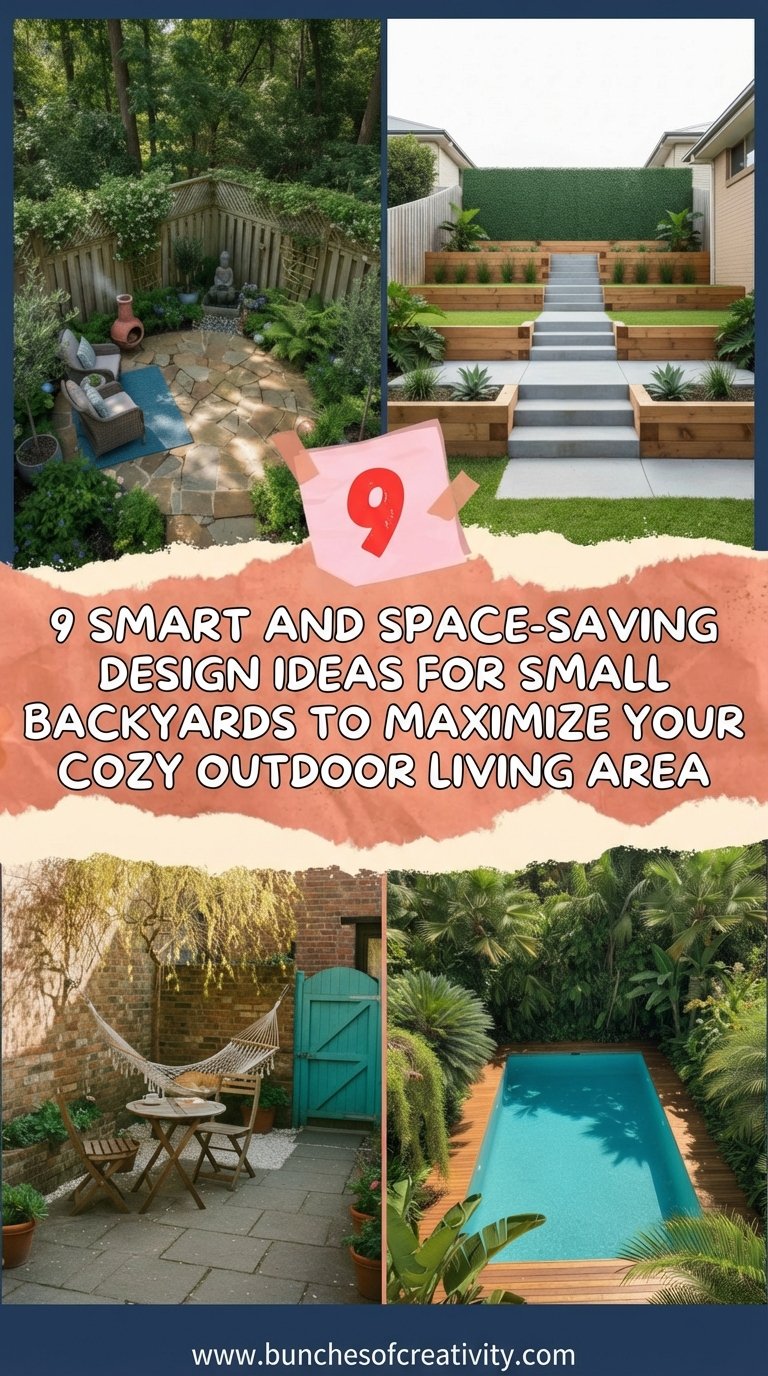
Transforming a small backyard is not about forcing a large garden design into a tiny box. It is about embracing the intimacy and manageability of the space. By using vertical gardening, smart zoning, and multi-functional furniture, you can create a 9 Smart and Space-Saving Design Ideas for Small Backyards retreat that feels just as luxurious as a sprawling estate.




Leave a Comment