
The “Utility” Hook
The era of the sterile, all-white “clinical” bathroom is officially over. In 2026, bathroom design is pivoting aggressively toward warmth, organic textures, and “spa-throom” sanctuaries that prioritize mental well-being over pure utility. Homeowners are no longer looking for just a place to wash up; they are creating personal retreats that blend high-end functionality with soulful design. If you are planning a renovation or a simple refresh, the trends this year are about bringing the outdoors in, embracing moody sophistication, and saying goodbye to sharp edges. This guide breaks down the 15 most pivotal trends that will define bathroom aesthetics for the next two years, helping you invest in a look that feels timeless yet current.
Key Takeaways
- Warmth is King: Stark whites are being replaced by creamy limestone, beige, and warm wood tones.
- Texture over Color: Visual interest now comes from fluted tiles, microcement, and zellige rather than just flat paint.
- The “Spa-throom” Evolution: Features like steam showers, curved arches, and ambient lighting are now standard desires.
- Sustainable Luxury: Materials that look and feel organic (stone, brass, clay) are dominating the high-end market.
Table of Contents
- Curved Archways in Bathroom Design
- Sage Green Bathroom Design Trends
- Modern Floating Vanity Styles
- Pastel Terrazzo Trend in Bathrooms
- Elegant Freestanding Bathtubs Spotlight
- Trendy Textured Tile Patterns
- Elevate with Brass Bathroom Fixtures
- Glowing Mirrors for Ambiance
- Sleek Microcement Bathroom Finishes
- Mirror Statement: Single Vanity Elegance
- Wood & White Bathroom Trends
- Unexpected Bathroom Chandeliers
- Elevated Shower Enclosure Designs
- Zellige Tiles Trend in Bathrooms
- Modern Vertical Subway Tile Trend
- Popular Asked Questions
- Conclusion
Curved Archways in Bathroom Design

The sharp, boxy lines of modern minimalism are softening. One of the most dominant architectural shifts in 2026 is the introduction of curves, specifically through archways. This trend is not just about structural doorways but is being applied to shower entries, vanity mirrors, and even recessed shelving niches. The curve adds a sense of flow and gentleness to the room, subconsciously making the space feel more relaxing and less rigid. It harkens back to Mediterranean and Moroccan influences but is executed with a clean, contemporary hand.
To implement this without major structural renovation, look for “arch-inspired” decor. Mirrors are the easiest entry point; an oversized arched mirror above a vanity instantly updates the room. For those ready to renovate, replacing a standard glass shower door with a tiled archway creates a wet-room feel that is incredibly luxurious. The key is to pair these curves with tactile materials like plaster or matte tiles to enhance the organic vibe.
Pro Tip: If you build a shower arch, ensure you tile the inside of the arch with smaller mosaic tiles or flexible waterproof plaster to handle the curve smoothly.
Save this idea to your Pinterest.
Sage Green Bathroom Design Trends

Green has been a popular accent color for years, but Sage Green has solidified its place as the new neutral for 2026 bathrooms. Unlike bold emeralds or dark forests, sage offers a whisper of color that reads as a neutral, pairing perfectly with the warm wood tones and brass fixtures currently in vogue. It brings a biophilic element to the space, mimicking the calming properties of nature. This color works exceptionally well in small bathrooms where dark colors might feel closing, as sage reflects light while still providing character.
When styling a sage bathroom, focus on matte finishes. High-gloss sage paint can look dated, but a matte chalk paint or a honed sage green tile looks sophisticated and expensive. Pair this color with creamy off-whites rather than stark hospital white to maintain the warm undertones. It creates a serene backdrop that allows other elements, like a beautiful oak vanity or a copper tub, to truly shine.
Pro Tip: Use sage green “color drenching” by painting the walls, trim, and even the ceiling in the same shade for a cozy, immersive experience.
Modern Floating Vanity Styles

Floor space is a premium commodity in bathroom design, which is why the modern floating vanity remains a top choice for 2026. However, the design has evolved. We are moving away from the glossy, sharp-edged blocks of the early 2000s toward floating vanities made of rich, natural woods with softened edges. The “floating” aspect creates an illusion of more space, making the bathroom feel larger and airier, while the wood texture adds the necessary warmth to prevent the space from feeling cold.
Functionality is central to this trend. The latest designs feature hidden internal drawers with smart organization systems, ensuring that the sleek exterior isn’t ruined by clutter. Under-cabinet lighting is also a massive trend here; adding an LED strip underneath the floating vanity not only serves as a perfect nightlight but also highlights the floor tile and enhances the floating effect.
Pro Tip: If you have a heavy countertop like marble or concrete, ensure your wall blocking is reinforced before installation to support the weight of a floating unit.
Pastel Terrazzo Trend in Bathrooms
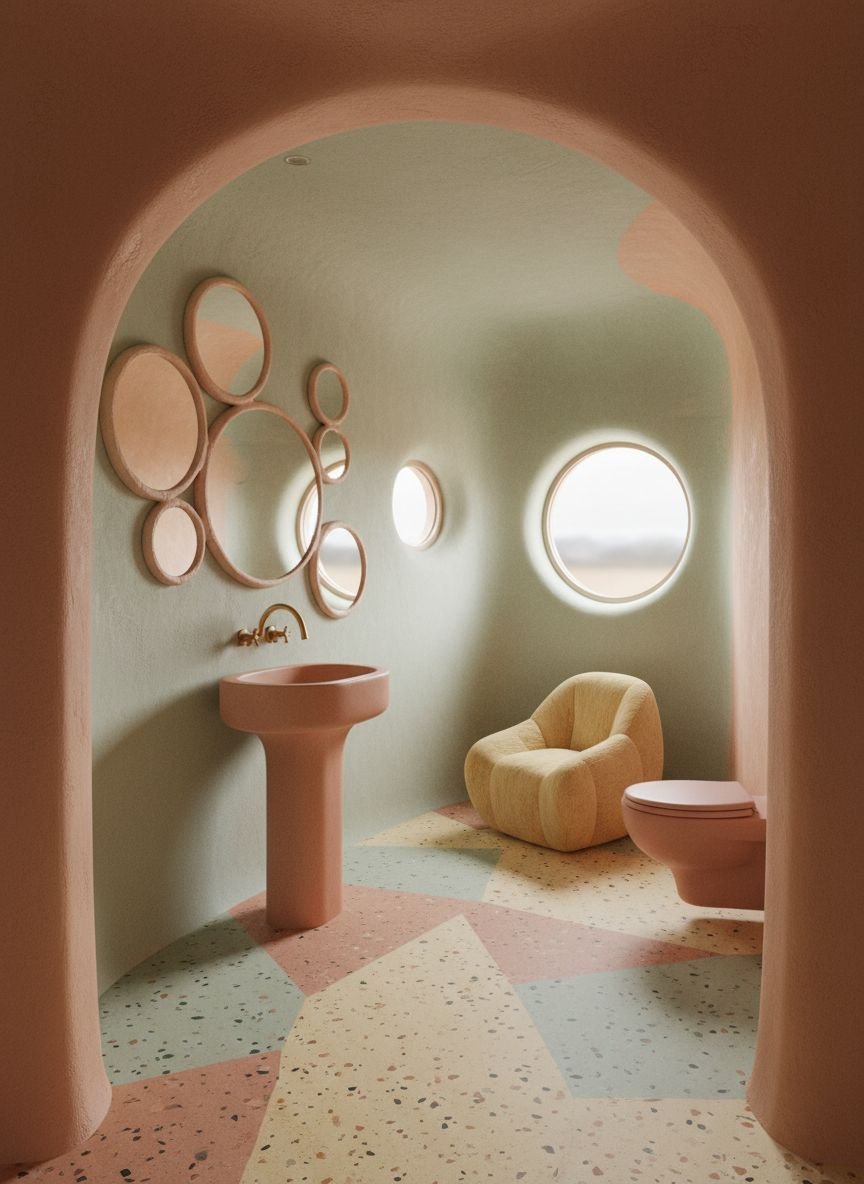
Terrazzo has made a massive comeback, but the 2026 iteration is softer, chunkier, and decidedly more pastel. This material, traditionally a composite of marble chips set in cement, is now being used to inject playfulness into bathroom designs without sacrificing elegance. The “Pastel Terrazzo” trend features larger aggregate chips in shades of blush pink, soft mint, and pale ochre set against a creamy background. It is a fantastic alternative to standard marble for those who want a bathroom with personality and artistic flair.
This material is incredibly versatile. You can use it for a statement floor, a vanity countertop, or even a full shower surround. Because terrazzo is busy visually, it hides water spots and dust better than solid-colored tiles, making it a practical choice for high-traffic family bathrooms. To keep it modern, pair pastel terrazzo with matte black or brushed gold fixtures to ground the look.
Pro Tip: Avoid using small-scale terrazzo on both the floor and walls, as it can be dizzying. Choose one surface for the terrazzo and keep the rest solid and neutral.
Save this idea to your Pinterest.
Elegant Freestanding Bathtubs Spotlight

The freestanding bathtub is the ultimate symbol of the “spa-throom.” In 2026, these tubs are becoming more sculptural and artistic. While the classic clawfoot has its place, the trend is moving toward solid surface tubs with matte finishes and organic, egg-like shapes. These tubs act as the focal point of the room, often positioned in front of a window or a feature wall. Materials are shifting from standard acrylic to stone resin, copper, and even concrete, offering better heat retention and a more luxurious tactile experience.
Placement is key for this trend. If space allows, angling the tub slightly or placing it in a “wet zone” behind a glass partition can elevate the layout. The goal is to make the bath feel like a destination within the home. Styling these tubs involves simple accessories: a natural wood bath bridge, a nearby stool for a towel, and floor-mounted fillers that look like jewelry for the room.
Pro Tip: Ensure you check your floor joists’ weight capacity before installing a heavy stone or cast iron freestanding tub, especially on upper floors.
Comparison: Built-in vs. Freestanding Tubs
| Feature | Built-in Tub | Freestanding Tub |
|---|---|---|
| Space Efficiency | Excellent for corners/alcoves | Requires more breathing room |
| Cleaning | Harder to clean corners | Easier to clean around |
| Aesthetic | Functional, integrated | Sculptural, luxury statement |
| Storage | Ledges available for bottles | Requires side table or caddy |
| Cost | Generally lower | Generally higher (tub + filler) |
Trendy Textured Tile Patterns

Flat, glossy subway tiles are taking a backseat to texture. 2026 is the year of tactile surfaces. We are seeing a surge in “fluted” tiles, 3D geometric patterns, and rough-hewn stone tiles that beg to be touched. This shift aligns with the broader interior design move toward sensory experiences. A textured wall interacts with light in a way that flat tile cannot, creating shadows and depth that change throughout the day as the sun moves or as artificial lights are dimmed.
The most popular application is the “kit-kat” or “finger” tile, which adds verticality and rhythm to a space. Another rising star is the Zellige-style tile (which we will detail later), known for its irregular surface. When using textured tiles, lighting is critical. You must wash the wall with light (using sconces or recessed grazing lights) to accentuate the texture. Without proper lighting, the 3D effect can look flat and muddy.
Pro Tip: Textured tiles can be harder to grout. Use a grout color that matches the tile closely to create a seamless, monolithic look, or a contrasting grout to highlight the pattern.
Elevate with Brass Bathroom Fixtures

Chrome and matte black have had their reign, but warm metals are the defining finish for 2026. Unlacquered brass, brushed gold, and champagne bronze add a necessary warmth to the bathroom that cool silver tones simply cannot provide. This trend pairs beautifully with the earthy palettes of sage green, terracotta, and warm wood. The key distinction this year is the finish; we are avoiding the shiny, yellow “builder’s brass” of the 90s in favor of brushed, satin, or “living” finishes that patina over time.
Mixing metals is also becoming an accepted art form. It is perfectly chic to have a brass faucet and a matte black shower frame. The contrast prevents the room from looking too matchy-matchy. However, if you are new to design, sticking to one warm metal for all plumbing fixtures (faucets, showerheads) and using black or bronze for hardware (cabinet pulls, hooks) is a safe and stylish bet.
Pro Tip: If choosing unlacquered brass, be aware that it will tarnish and change color. This is part of the charm, but if you hate maintenance, stick to PVD “brushed gold” finishes which are permanent.
Glowing Mirrors for Ambiance
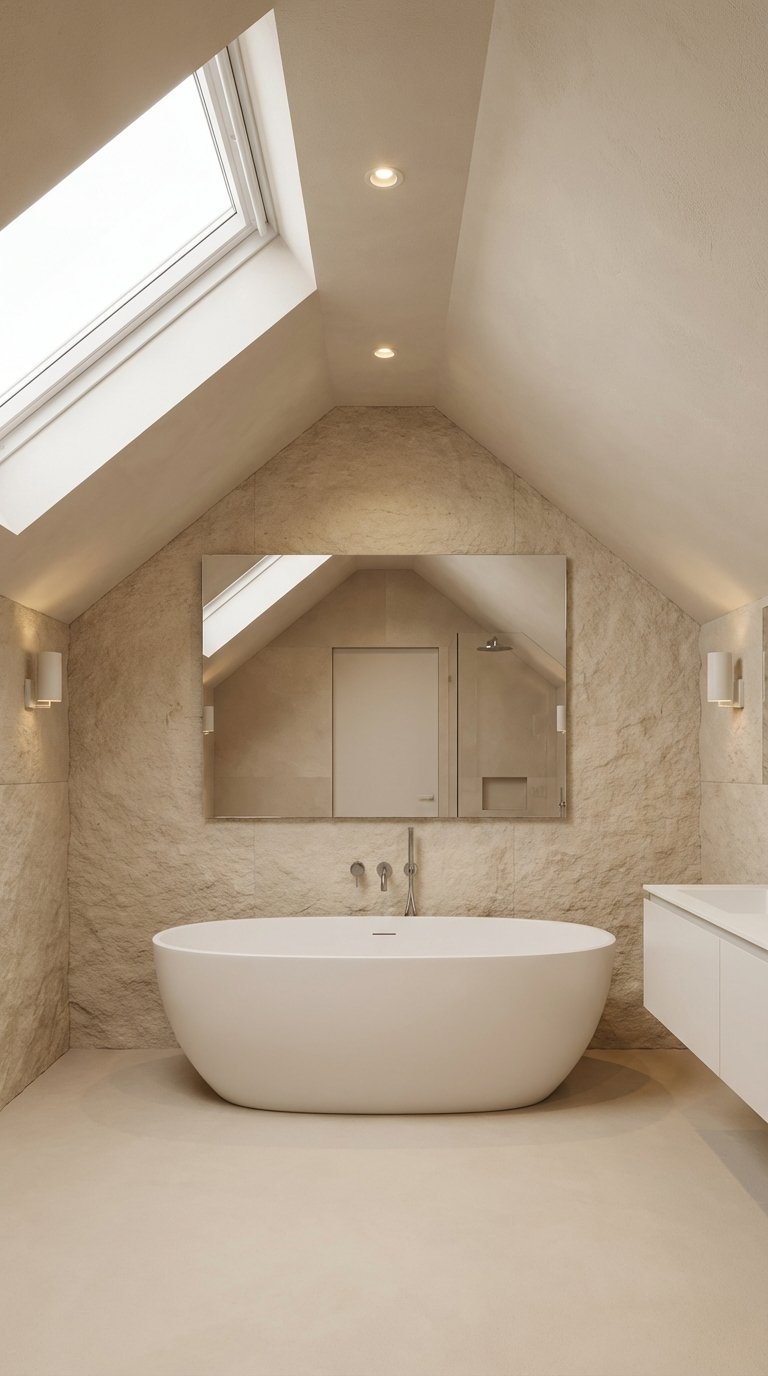
Lighting in the bathroom has graduated from simple utility to mood-setting art. The “Glowing Mirror” trend involves backlit LED mirrors that cast a soft, diffused halo of light against the wall. This is not just aesthetic; it is highly functional. Front-facing lighting or backlighting eliminates the harsh shadows under the eyes that overhead “can” lights often create, making it the perfect setup for applying makeup or shaving.
Beyond the vanity, we are seeing mirrors in organic shapes—pebbles, ponds, and irregular ovals—equipped with smart technology. Some 2026 models include anti-fog capabilities, dimming touch sensors, and even color temperature adjustments (switching from cool daylight to warm candlelight). This ambient glow contributes heavily to the spa atmosphere, allowing you to take a relaxing bath with just the soft light of the mirror rather than harsh overheads.
Pro Tip: Hardwire your backlit mirror to a wall switch with a dimmer. This allows you to control the intensity without smudging the mirror glass with fingerprints.
Save this idea to your Pinterest.
Sleek Microcement Bathroom Finishes
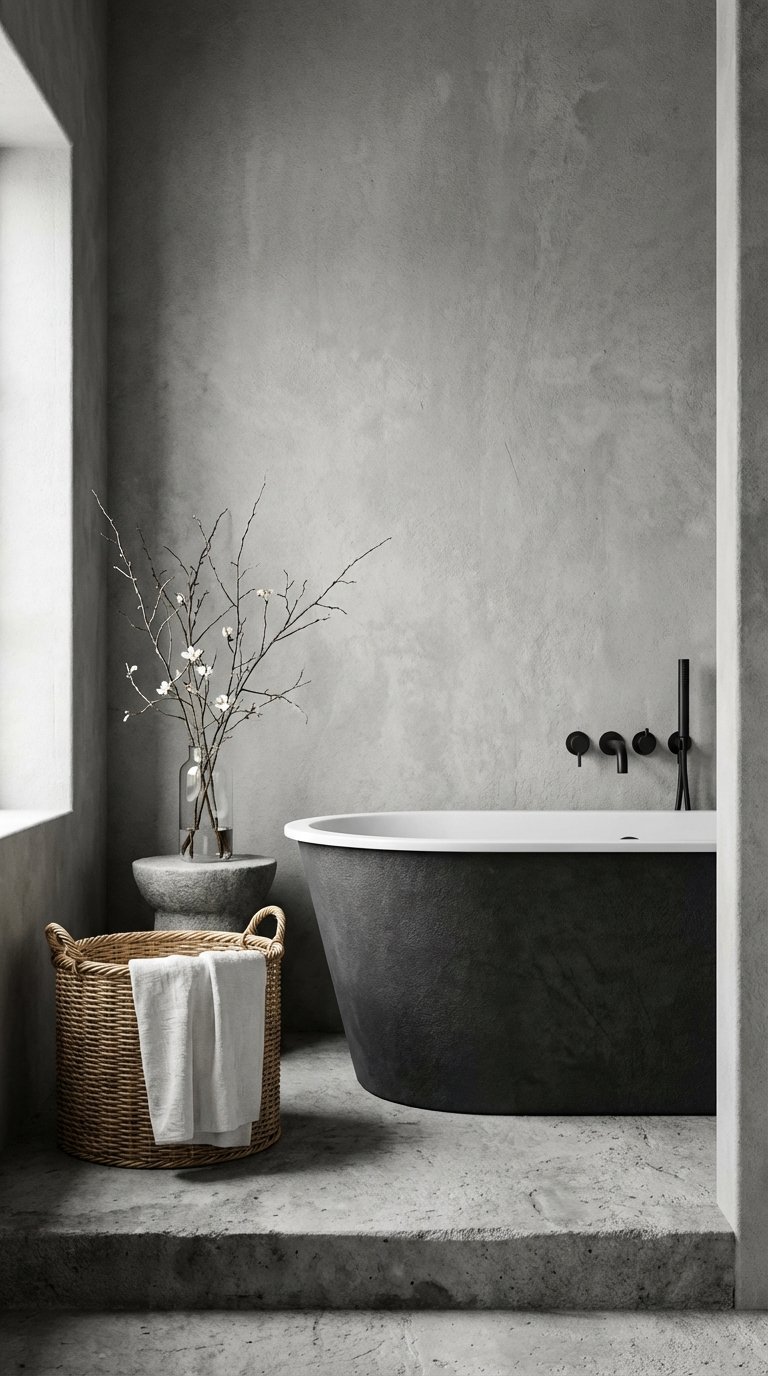
For those who despise cleaning grout lines, the microcement trend is a godsend. Microcement (or micro-topping) is a cement-based coating that can be applied seamlessly over floors, walls, and even joinery. It creates a unified, monolithic look that is quintessentially modern and minimalist. In 2026, this is the material of choice for creating “quiet luxury.” It mimics the look of concrete but is warmer to the touch and can be tinted in various earthy hues like beige, sand, or warm grey.
This material is waterproof and durable, making it excellent for wet rooms and walk-in showers. The absence of grout lines means no mold buildup and very easy cleaning. It creates a calm, visual silence in the room because there are no grid patterns to distract the eye. It pairs exceptionally well with wood elements and brass fixtures, balancing the industrial feel with organic warmth.
Pro Tip: Microcement application is an art. Hire a specialist, as a poor DIY job can crack or peel. Ensure the substrate is perfectly stable before application.
Mirror Statement: Single Vanity Elegance
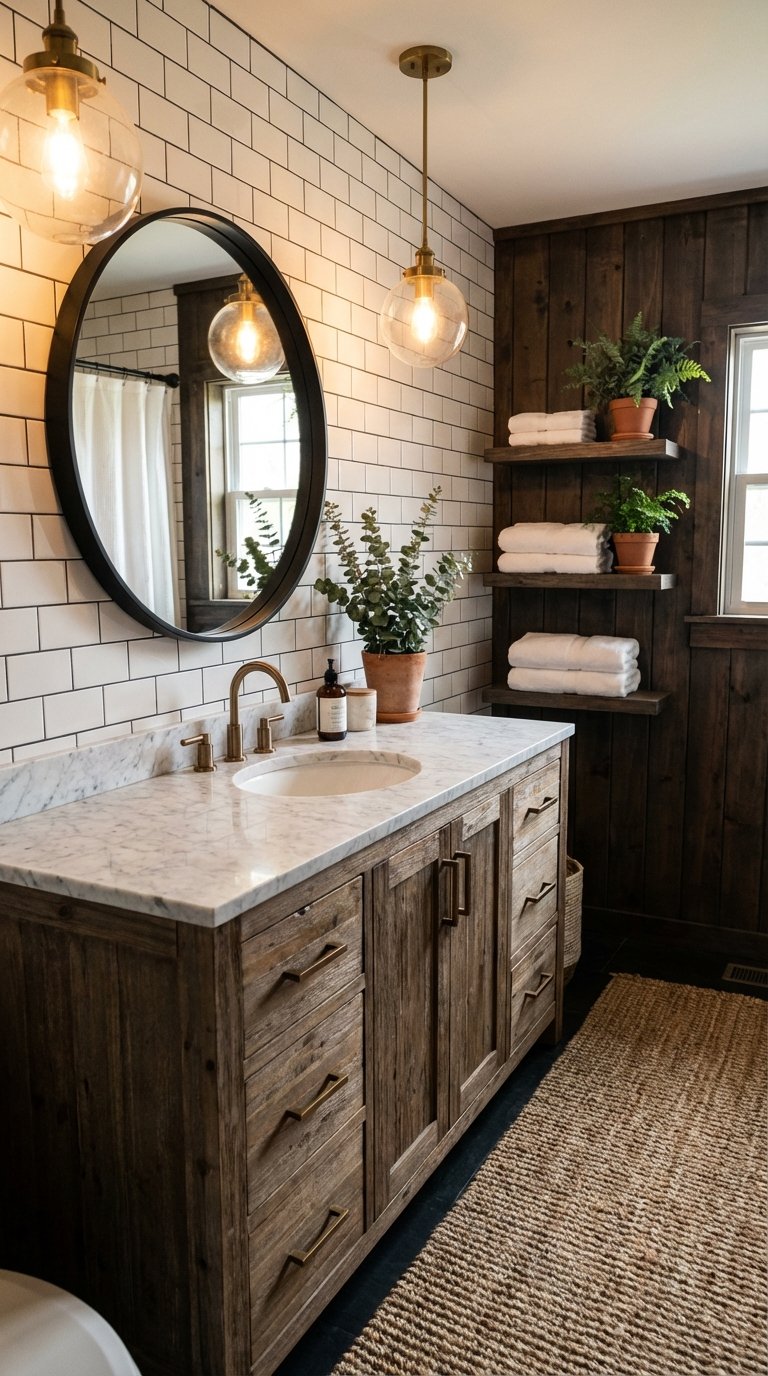
In many renovations, homeowners are opting for a single, luxurious vanity over a cramped double vanity. The logic is sound: more counter space and better storage are often more valuable than a second sink that is rarely used simultaneously. This trend allows for a “Statement Vanity” moment—a piece of furniture that anchors the room. We are seeing repurposed vintage dressers, custom stone-integrated sinks, and asymmetrical designs where the sink is off-center to provide a large makeup area.
This trend also allows for larger, more dramatic mirrors. Instead of two small mirrors squeezed side-by-side, you can install one massive, grand mirror that reflects light and doubles the visual size of the room. It creates a focal point that feels intentional and uncrowded.
Pro Tip: If you switch from double to single, ensure you cap the plumbing properly behind the wall, but consider leaving the rough-ins accessible in case a future buyer wants to revert to two sinks.
“Get The Look”: The Sanctuary Vibe
- Materials: Unlacquered Brass, White Oak, Limestone.
- Colors: Sage Green, Warm Beige, Terracotta.
- Textures: Fluted glass, Waffle towels, Matte ceramic.
Related posts :
- 15 Striking Industrial Bathroom Ideas: Raw, Refined, and Strikingly Stylish Designs That Transform Your Space
- 16 Inspired Moroccan Hallway Decor Ideas That Instantly Warm Your Home
- 16 Beige Bedroom Inspiration for Your Home That Feels Warm and Luxurious
Wood & White Bathroom Trends

The classic white bathroom has been reinvented through the lens of “Japandi” (a blend of Japanese rustic minimalism and Scandinavian functionality). The “Wood & White” trend relies on the high contrast between crisp, warm-white walls/tiles and rich, medium-tone timber. This is not the yellow pine of the past, but white oak, walnut, or teak. The wood adds the necessary soul to the space, preventing the white from feeling clinical.
You can incorporate wood through the vanity, floating shelves, a teak shower bench, or even wood-look porcelain tiles on the floor. The key is balance. If the floor and vanity are wood, keep the walls white and airy. If the walls are paneled in wood (another micro-trend), keep the fixtures and ceramics white. This balance creates a clean, rejuvenating atmosphere that feels timeless and effortlessly chic.
Pro Tip: Real wood in a bathroom requires maintenance. Ensure all wood surfaces are sealed with a high-quality marine-grade varnish or polyurethane to protect against humidity.
Unexpected Bathroom Chandeliers
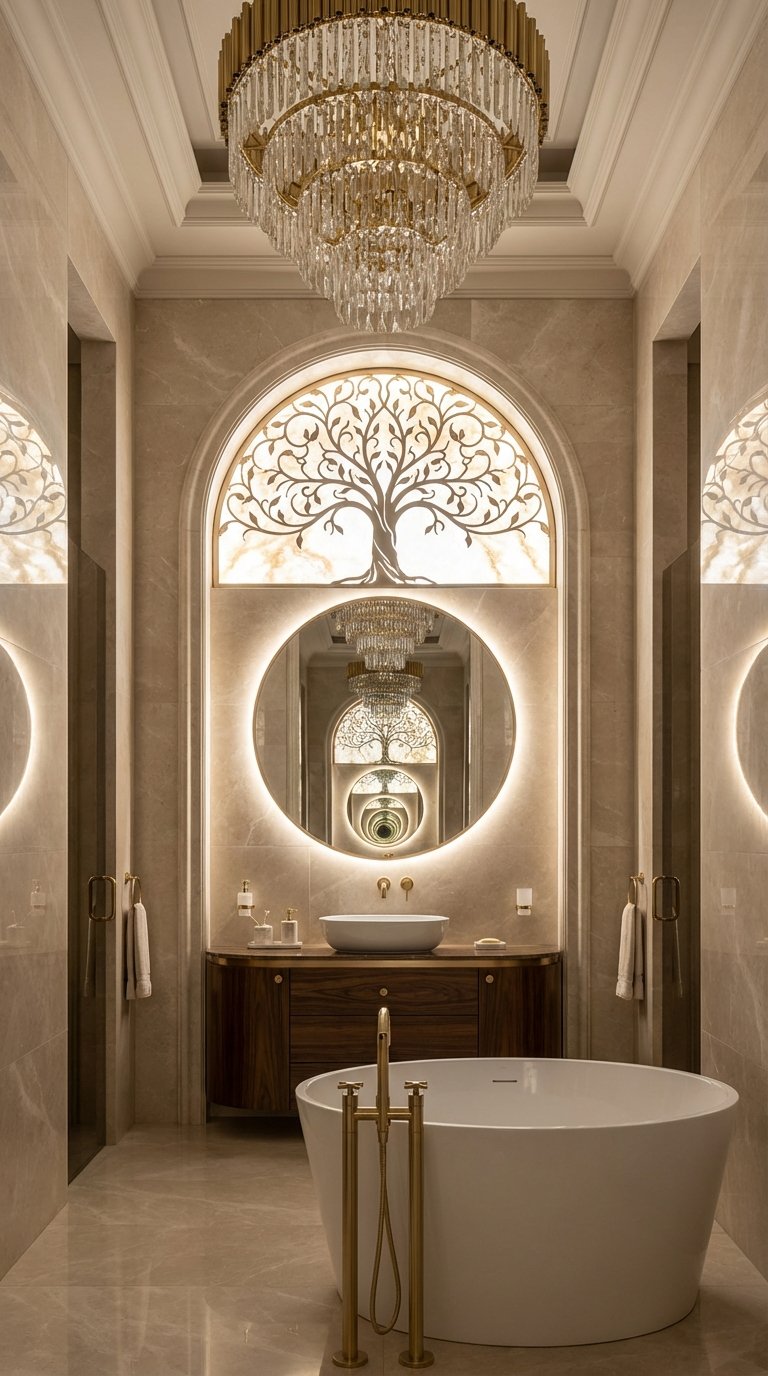
Lighting is the “jewelry” of the room, and in 2026, we are seeing a move toward oversized, unexpected chandeliers in the bathroom. No longer reserved for the dining room, these statement pieces are being hung over freestanding tubs or in the center of the room to add drama and grandeur. The trend leans toward modern organic shapes—bubble glass, woven rattan, or tiered capiz shells—rather than traditional crystal glitz.
This trend works because it disrupts the utilitarian nature of the bathroom. It signals that this is a room for leisure. When selecting a chandelier, scale is vital. A fixture that is too small will look cheap; one that is too large will overwhelm. Aim for a fixture that is roughly one-third the width of the tub if placing it above.
Pro Tip: Strict electrical codes apply to hanging fixtures over bathtubs (usually requiring 8 feet of clearance). If your ceilings are low, hang the chandelier in the center of the room instead of directly over the water.
Save this idea to your Pinterest.
Elevated Shower Enclosure Designs
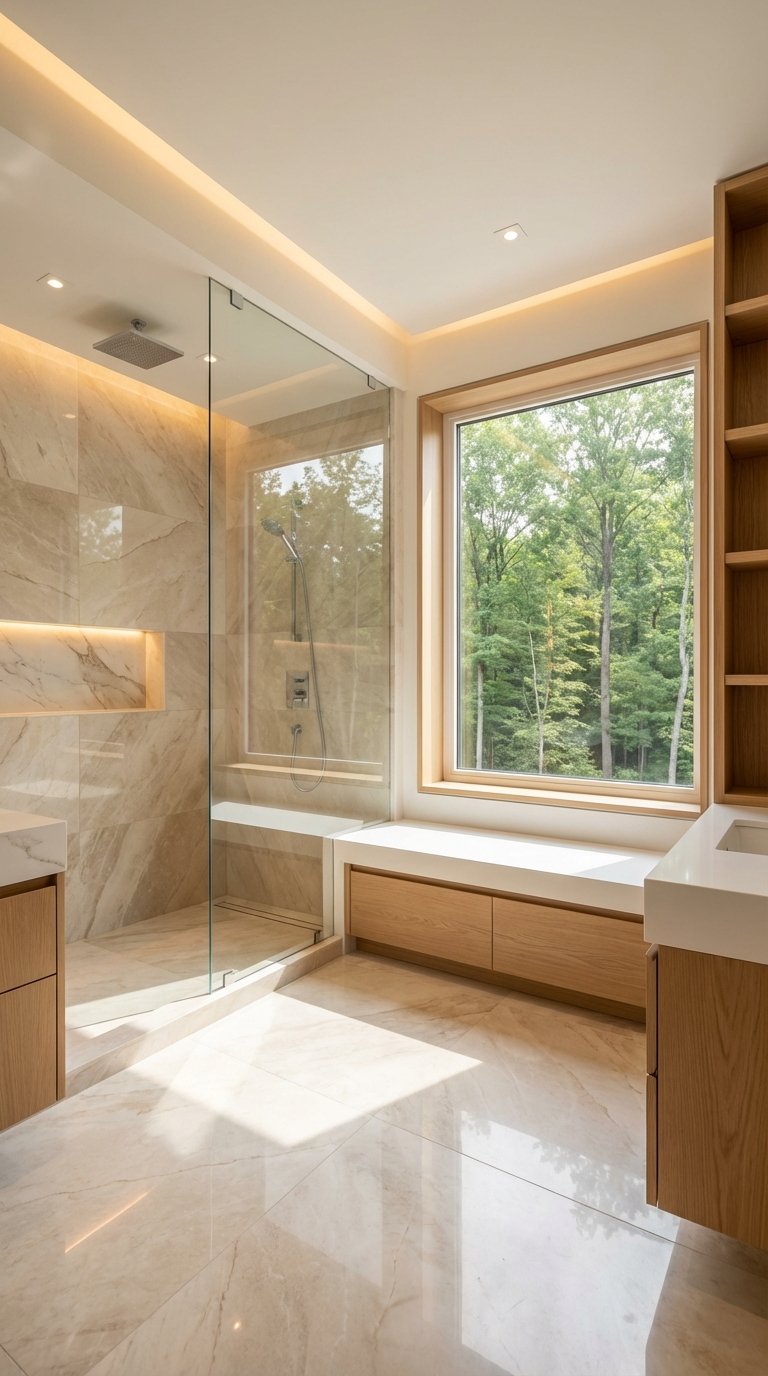
The shower enclosure is no longer just a glass box; it is an architectural feature. The “Grid” shower door (black metal frames resembling French windows) is still popular, but the newest trend is the “Frameless Fluted” glass or the “Steel and Glass Partition.” We are also seeing a return to “Wet Room” styles where the shower floor is flush with the main bathroom floor, separated only by a single fixed glass panel.
This open concept makes small bathrooms feel significantly larger. To elevate the design, designers are running the floor tile straight into the shower for a seamless look. Another massive trend is the “double shower” or “two-person shower,” featuring dual showerheads and thermostatic controls, turning the daily routine into a shared luxury experience.
Pro Tip: Treat your glass with a hydrophobic coating (like Rain-X or a factory coating) to repel water spots and reduce cleaning time by half.
Zellige Tiles Trend in Bathrooms
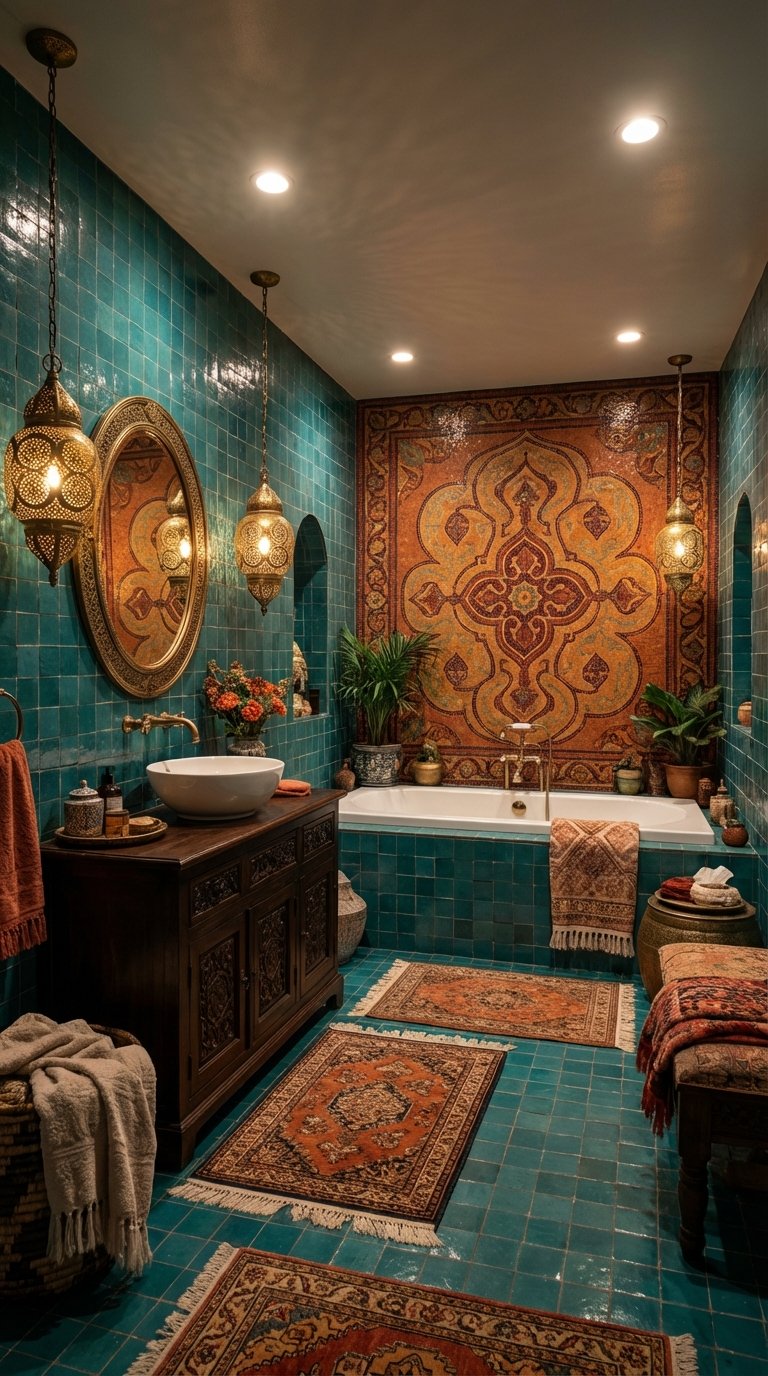
Originating from Morocco, Zellige tiles are handmade clay tiles that have taken the design world by storm. Their appeal lies in their imperfection. No two tiles are exactly the same color or shape, which creates a shimmering, water-like surface when installed. In 2026, while the classic pearlescent white is still loved, we are seeing a shift toward earthier Zellige tones: amber, olive green, and deep terracotta.
These tiles are perfect for shower walls or vanity backsplashes. They reflect light beautifully, adding depth and artisanal charm to even the most modern space. Because they are handmade, they add a layer of history and “soul” that mass-produced ceramic tiles simply cannot match. They are the antithesis of the “cookie-cutter” home.
Pro Tip: Zellige tiles are irregular, meaning standard spacers often don’t work. They are traditionally installed “butt-joint” (touching) or with a very minimal wedge spacer. Hire a tiler experienced with handmade tile.
Modern Vertical Subway Tile Trend
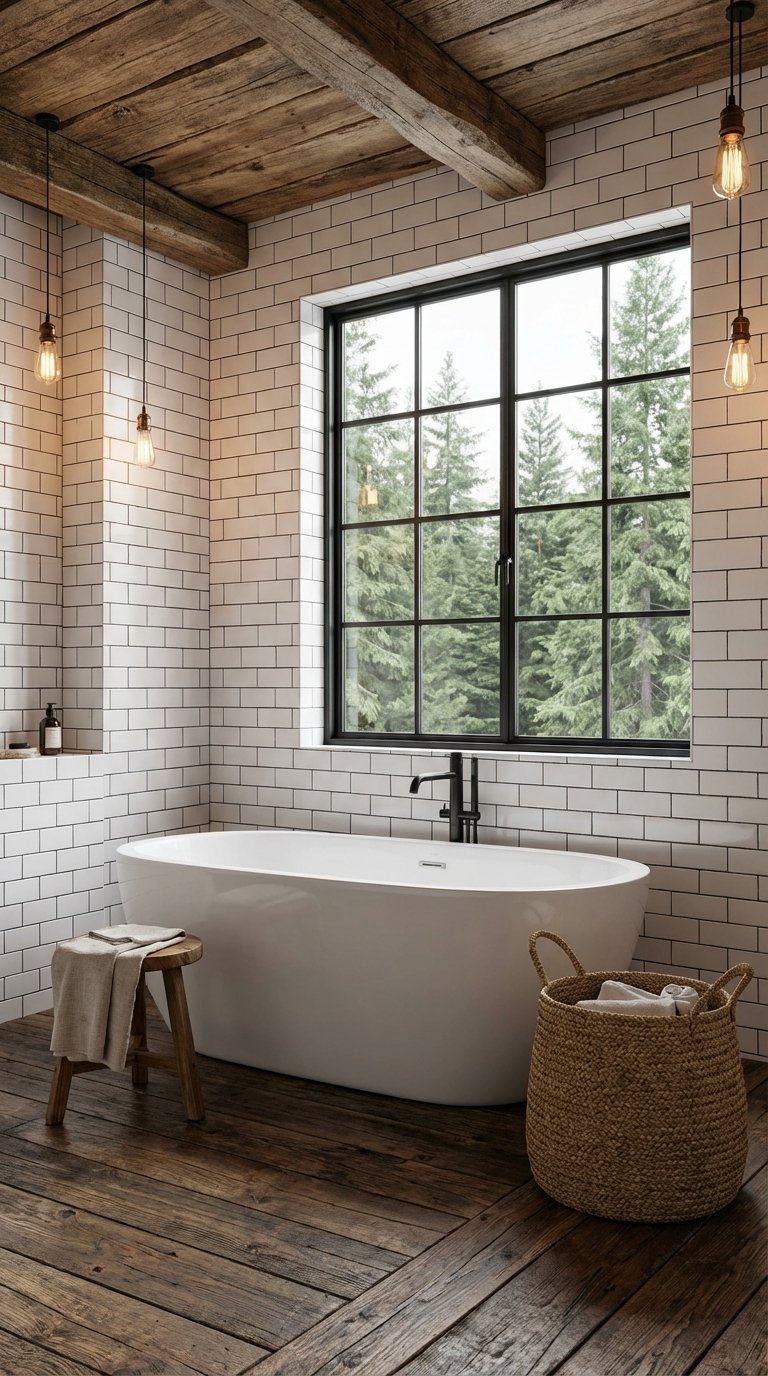
Subway tile is a classic that will never truly die, but its application changes. The definitive way to lay subway tile in 2026 is vertically. Stacking the tiles vertically (either in a straight stack or an offset brick pattern) draws the eye upward, making ceilings feel higher and the room feel more spacious. It is a simple optical illusion that adds a modern, architectural edge to an affordable material.
To make this trend feel current, opt for “skinny” subway tiles (finger tiles) or tiles with a handmade, wavy texture rather than the standard flat 3×6 inch block. Pairing vertical white tiles with a contrasting grout (like soft grey or beige) emphasizes the height and adds a graphic element to the walls without being overwhelming.
Pro Tip: Use a laser level when installing vertical tiles. Unlike horizontal running bond, vertical stacking shows every imperfection if your lines aren’t perfectly plumb.
Popular Asked Questions
What is the biggest bathroom trend for 2026?
The biggest trend is the shift toward “Warm Minimalism.” This means moving away from cold, clinical grey and white spaces to bathrooms that feel like warm sanctuaries. Think creamy limestone, natural wood vanities, brass fixtures, and tactile textures like plaster and Zellige tiles. The goal is to create a space that feels organic and calming.
Are white bathrooms going out of style?
Stark, bright white “hospital-style” bathrooms are going out of style. However, white itself is timeless. The trend is shifting to warm whites (like Swiss Coffee or creamy off-whites) layered with texture. Instead of flat white paint, designers are using white textured tiles, white oak wood, and warm lighting to keep the space bright but inviting rather than sterile.
How can I update my bathroom without a full renovation?
You can achieve a 2026 look by swapping out hardware and lighting. changing chrome faucets to brushed brass, replacing a standard mirror with an organic-shaped or backlit mirror, and painting the vanity a sage green or warm beige can completely transform the room. Adding “spa” accessories like a wooden stool, a high-quality bath mat, and a plant can also modernize the vibe instantly.
Is the farmhouse bathroom style out in 2026?
The “kitsch” version of farmhouse (barn doors, shiplap everywhere, galvanized metal) is largely considered outdated. However, it has evolved into “Modern Rustic” or “Country Chic.” This refined style keeps the natural wood and vintage elements but pairs them with cleaner lines, modern stone, and minimal clutter, removing the “theme-y” feel of the older farmhouse trend.
Conclusion
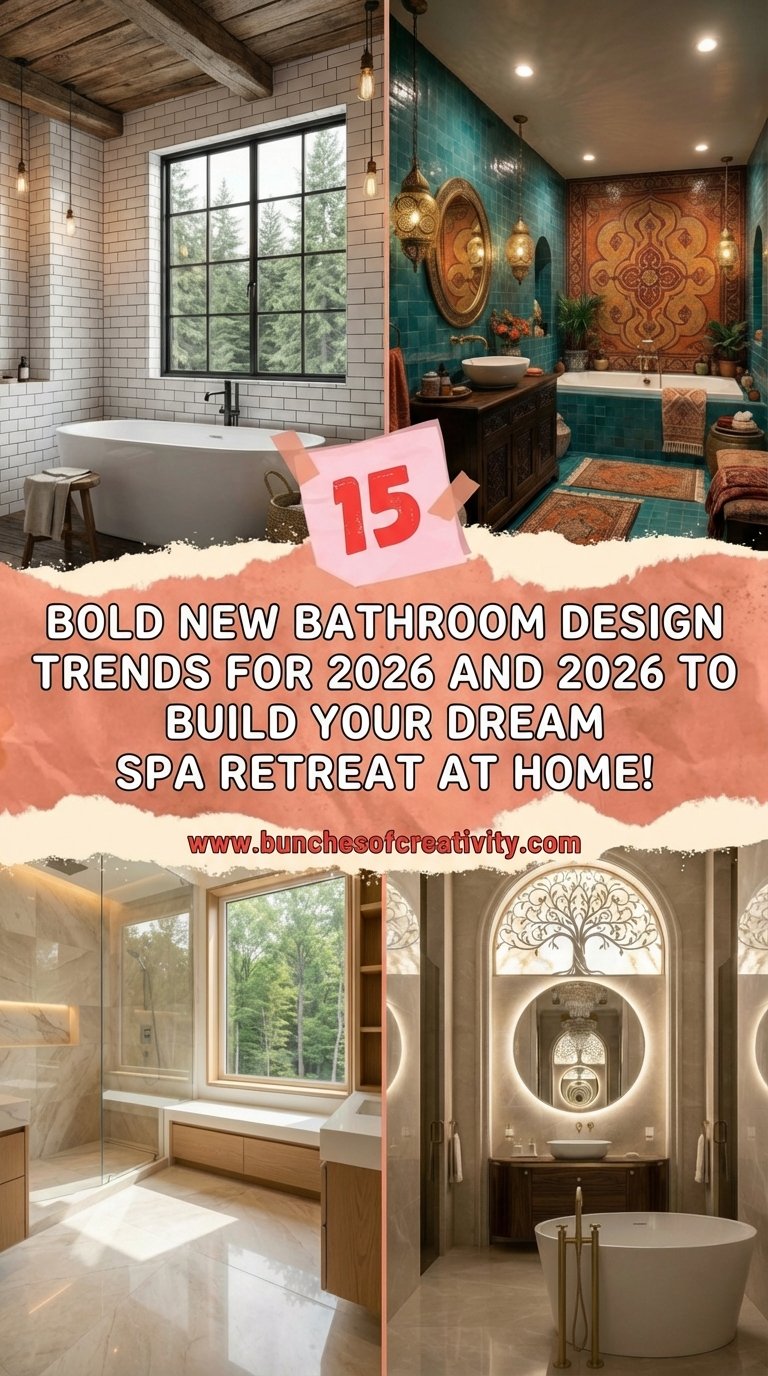
The bathroom design trends for 2026 are a collective exhale. They represent a move away from the rigid and the artificial toward the soft, the natural, and the restorative. Whether you are drawn to the moody elegance of a sage green sanctuary, the tactile luxury of Zellige tiles, or the architectural beauty of curved archways, the underlying theme is the same: your bathroom should make you feel good. It is no longer just a utility room; it is the wellness center of your home.
Leave a Comment