
The “Wellness” Shift You Can’t Ignore
The era of the sterile, all-white “utility” bathroom is officially over. In 2026, we are witnessing a massive cultural shift where the bathroom is no longer just a place to brush your teeth—it is the primary wellness sanctuary of the home. Homeowners are trading efficient, clinical designs for spaces that prioritize mental health, sensory relaxation, and deep comfort. If your current bathroom feels cold or purely functional, you are missing out on the single biggest interior design movement of the decade. By adopting just a few of these emerging trends, you can transform a dated washroom into a high-value retreat that feels like a five-star spa every single day.
Key Takeaways
- Tech is Invisible: The best technology (heated floors, smart glass) is now hidden to maintain a calm aesthetic.
- Warmth Over White: Sterile white is dead; replace it with “warm minimalism” using beige, terracotta, and wood.
- Texture is King: Visual interest now comes from tactile materials like limewash, stone, and zellige tiles rather than busy patterns.
- Sustainability is Standard: Eco-friendly fixtures are no longer a niche choice but a central design requirement.
Table of Contents
- Smart Bathroom Technology
- Spa-Like Wellness Retreats
- Bold Statement Tiles
- Sustainability-Focused Design
- Natural Elements and Textures
- Japandi Minimalism
- Mixed Metals in Fixtures
- Dark and Moody Palettes
- Freestanding Vanities
- Oversized Showers
- Popular Asked Questions
- Conclusion
Smart Bathroom Technology
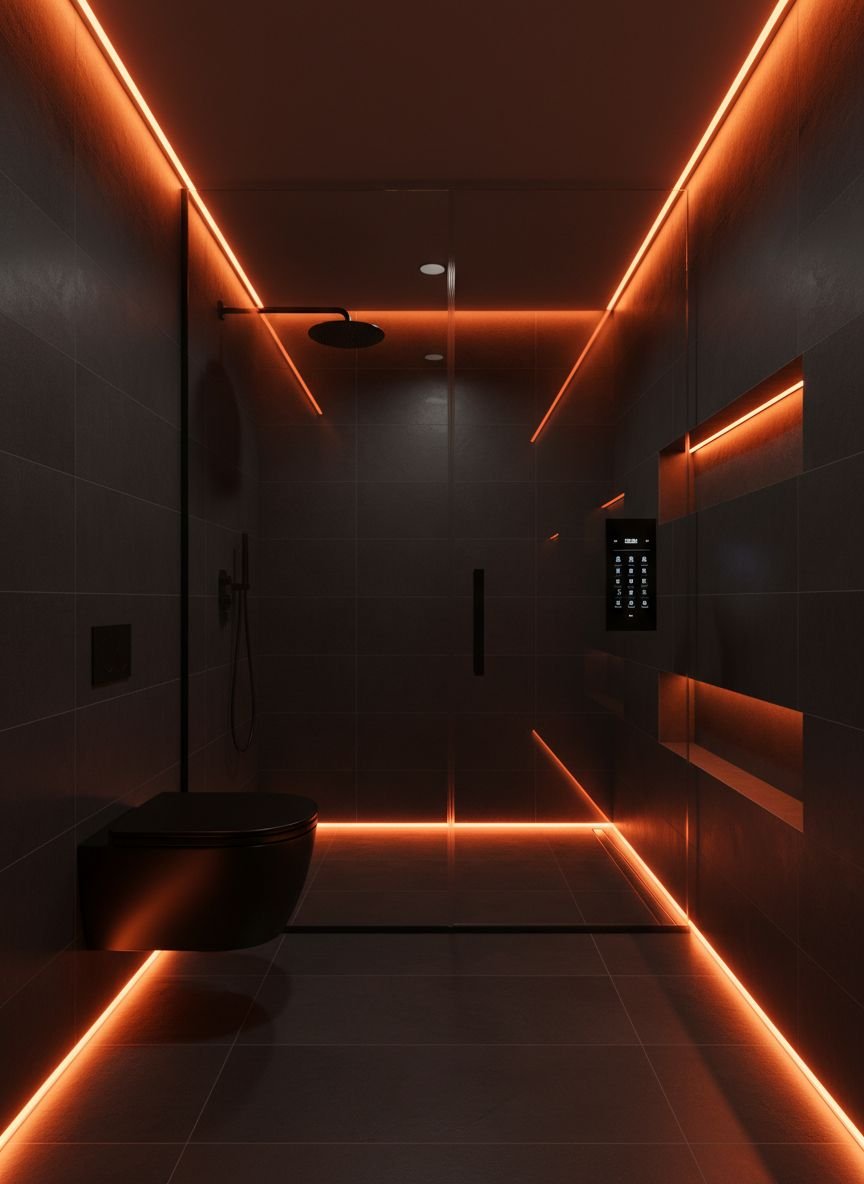
The integration of technology into the bathroom has matured from gimmicky gadgets to seamless, “invisible” utility. In 2026, the focus is on friction-free living. We are seeing a surge in voice-activated shower systems that allow you to pre-set your preferred temperature before you even step inside. Smart mirrors now come equipped with integrated LED lighting that adjusts color temperature based on the time of day, supporting your natural circadian rhythm. High-tech toilets with bidet functions, heated seats, and self-cleaning capabilities are becoming standard luxury items rather than rarities.
This trend is not just about showing off; it is about hygiene and ease. Touchless faucets, originally popularized in commercial spaces, are entering residential design to reduce germ spread. The aesthetic remains clean and uncluttered because the technology is often concealed behind sleek interfaces or within the cabinetry itself.
Pro Tip: Install electrical outlets inside your vanity drawers to keep toothbrushes and hair tools plugged in but completely hidden from view.
Spa-Like Wellness Retreats
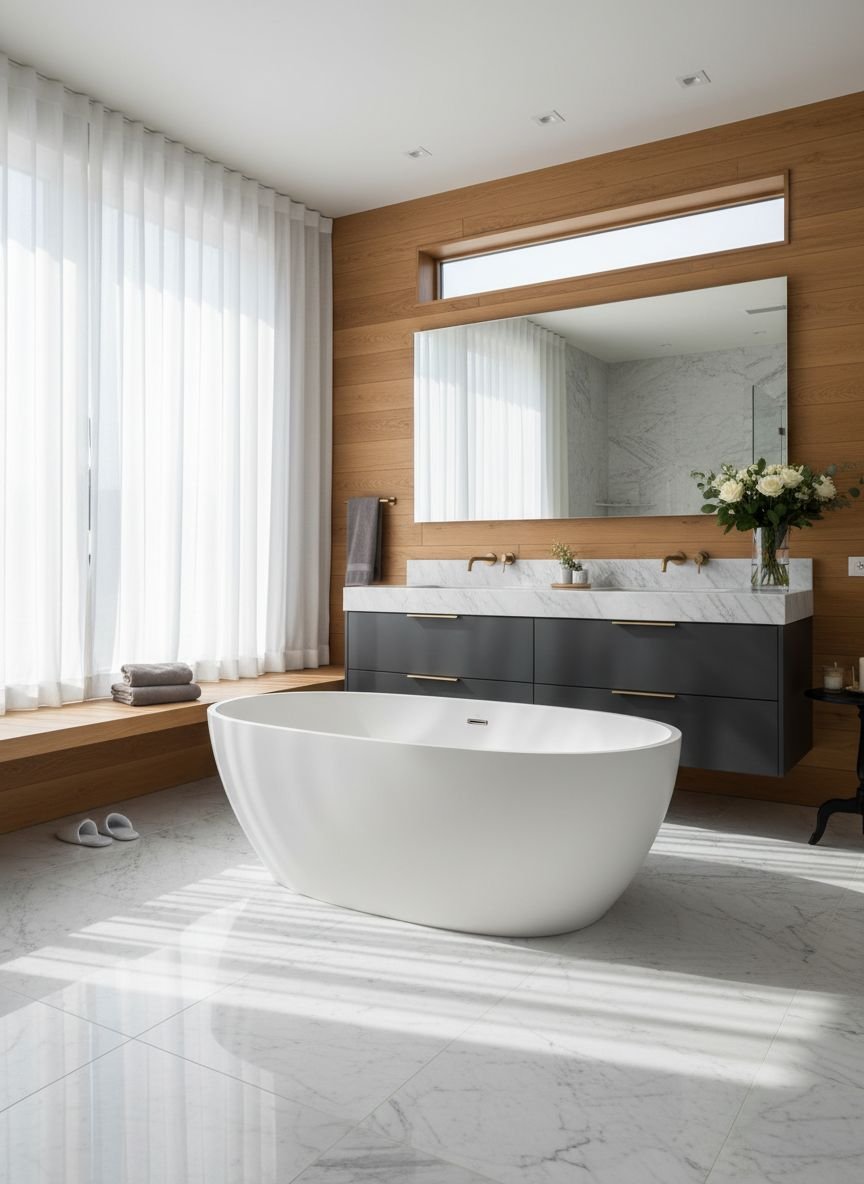
The concept of the “home spa” has evolved from a marketing buzzword into a tangible design requirement. This trend focuses on engaging all five senses to lower cortisol levels. Visually, this means reducing clutter and using soft, ambient lighting. Tactilely, it involves using materials that feel good against the skin, such as honed stone or warm wood. The centerpiece of this trend is often a soaking tub or a steam shower, turning a daily routine into a therapeutic ritual.
Aromatherapy is also playing a structural role, with shower systems now including essential oil diffusers directly in the steam output. Soundproofing is another critical, often overlooked element; upgrading insulation around the bathroom ensures that the noise of the household remains outside, preserving your peace.
Pro Tip: Add a eucalyptus bundle to your shower head or invest in a built-in shower bench to encourage sitting and relaxing during your routine.
Bold Statement Tiles
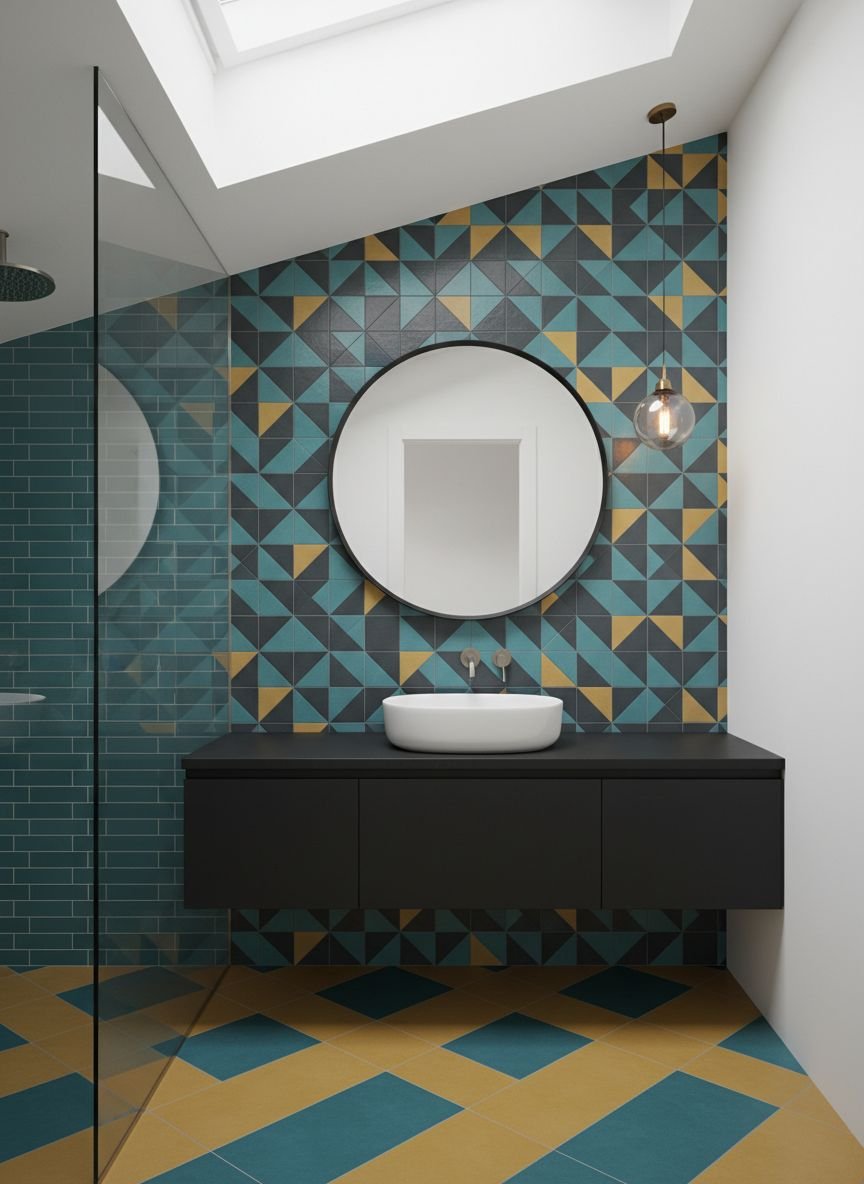
While minimalism is trending, homeowners are finding ways to inject personality through specific “zones” of bold tile work. The shift in 2026 is away from perfectly uniform subway tiles toward artisanal, hand-crafted looks. Zellige tiles from Morocco, with their irregular surfaces and varying glaze depths, catch the light in mesmerizing ways, adding a shimmering, water-like quality to shower walls.
Geometric patterns are also making a comeback but in softer, earthier colorways rather than stark black and white. Large-format slab tiles are being used to create seamless “mural” effects in shower enclosures, eliminating grout lines for a cleaner look that allows the natural veining of the stone (or stone-effect porcelain) to take center stage.
Pro Tip: Use a bold, patterned tile on the floor of a small powder room to create a “jewelry box” effect without overwhelming a larger space.
Save this idea to your Pinterest.
Sustainability-Focused Design
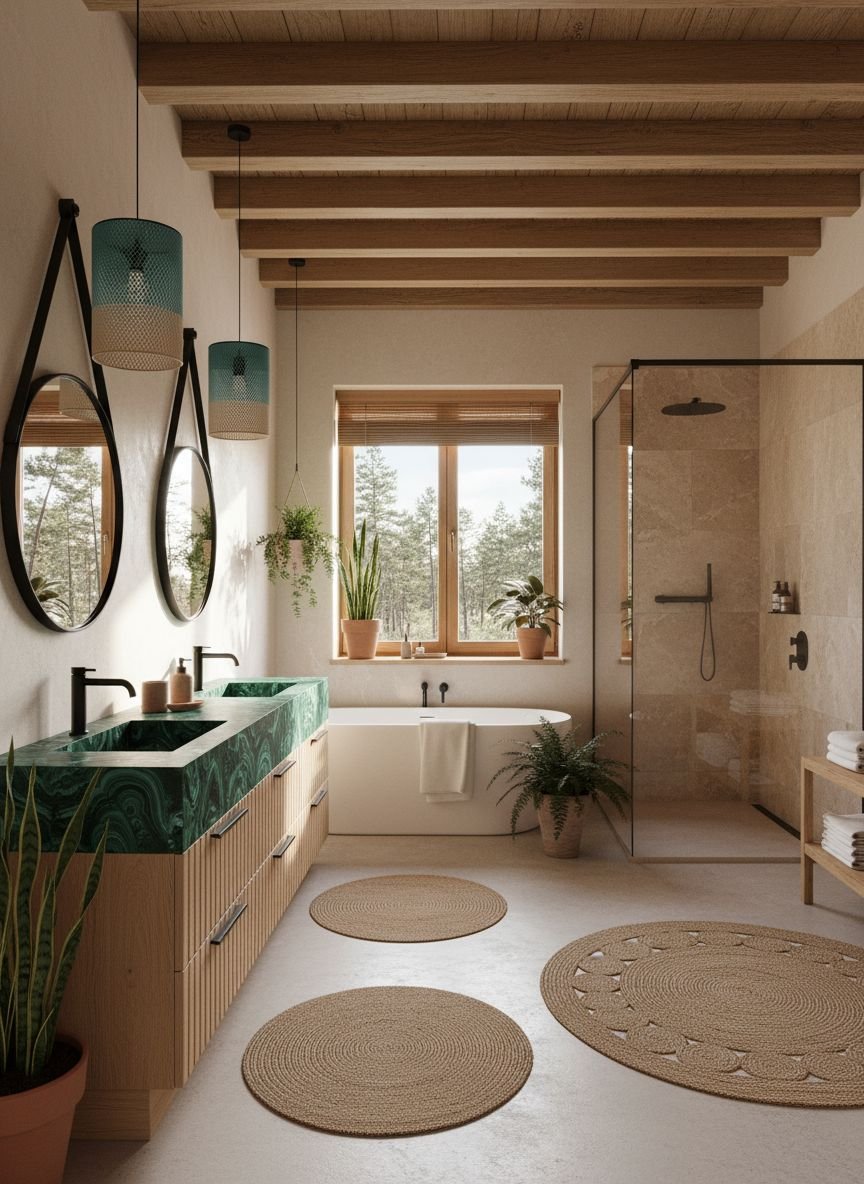
Eco-conscious design is no longer an afterthought; it is the foundation of the modern luxury bathroom. Water conservation is the primary driver, with aerated faucets and dual-flush toilets becoming the norm. However, 2026 takes this further with greywater recycling systems that repurpose sink water for toilet flushing.
Material choices are also shifting. We are seeing a rise in countertops made from recycled glass and bio-resins, as well as vanities constructed from reclaimed timber. The aesthetic is “perfectly imperfect,” celebrating the history and lifecycle of the materials used. This trend proves that you do not have to sacrifice style for sustainability; the two now go hand-in-hand to create spaces that feel organic and responsible.
Pro Tip: Switch to LED light bulbs specifically rated for humid environments to save energy and reduce bulb replacements.
Natural Elements and Textures
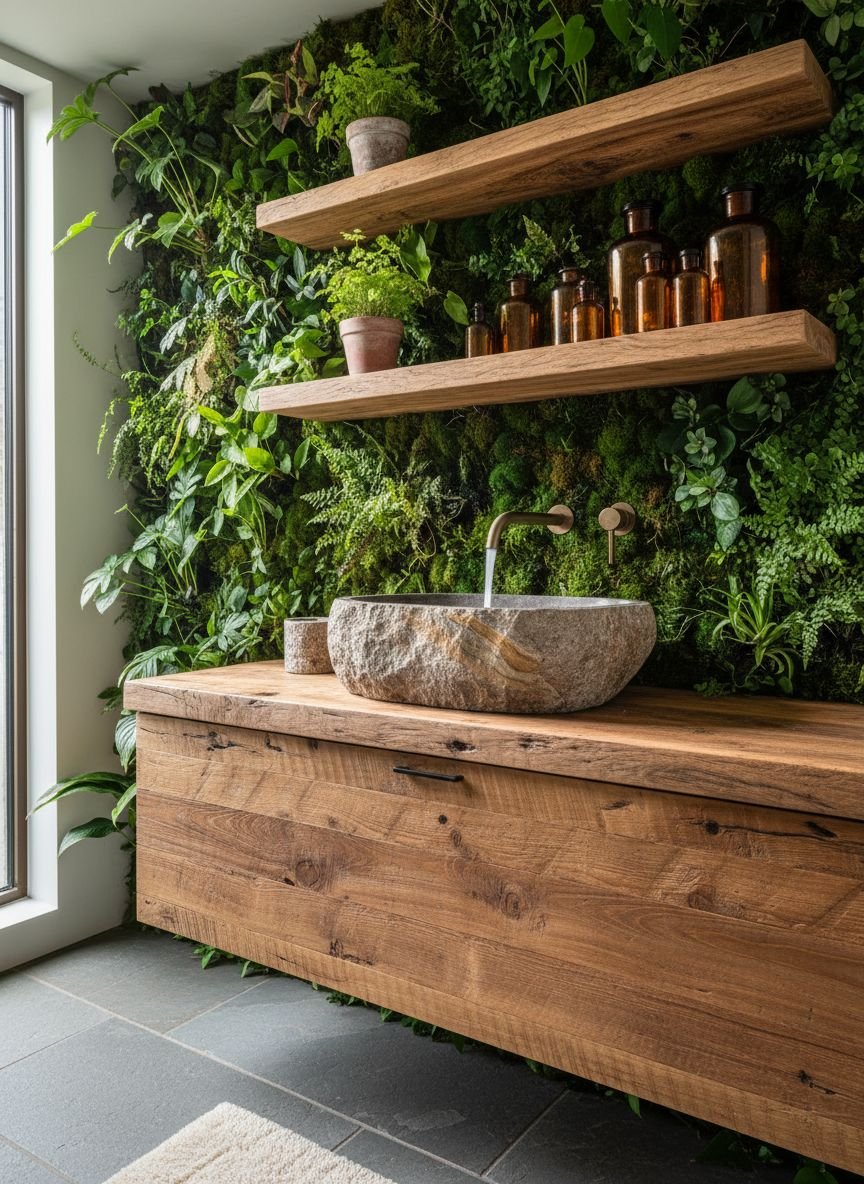
Biophilic design—the practice of connecting interior spaces to nature—is dominating bathroom trends. This goes beyond just adding a potted plant. It involves “material drenching” the space in organic textures. Think limestone floors, unlacquered brass hardware that patinas over time, and lime-washed walls that breathe. The goal is to remove synthetic, plastic-feeling surfaces and replace them with materials that age gracefully.
Wood is being used in wetter areas than ever before, thanks to new sealing technologies. Teak slat flooring in showers and wood-paneled ceilings add a warmth that counters the natural coldness of tile and porcelain. This trend creates a grounding atmosphere, making the bathroom feel like an extension of the outdoors.
Pro Tip: If you can’t renovate surfaces, add a wooden bath mat or bamboo accessories to instantly warm up a cold, tiled bathroom.
Comparison: Tile vs. Stone Slab
| Feature | Ceramic/Porcelain Tile | Natural Stone Slab |
|---|---|---|
| Cost | Budget-Friendly ($ – $$) | High Investment ($$$$) |
| Maintenance | Low (Easy to clean) | High (Requires sealing) |
| Aesthetic | Structured, patterned | Seamless, organic luxury |
| Durability | High, but grout can stain | Very High, lasts decades |
Japandi Minimalism
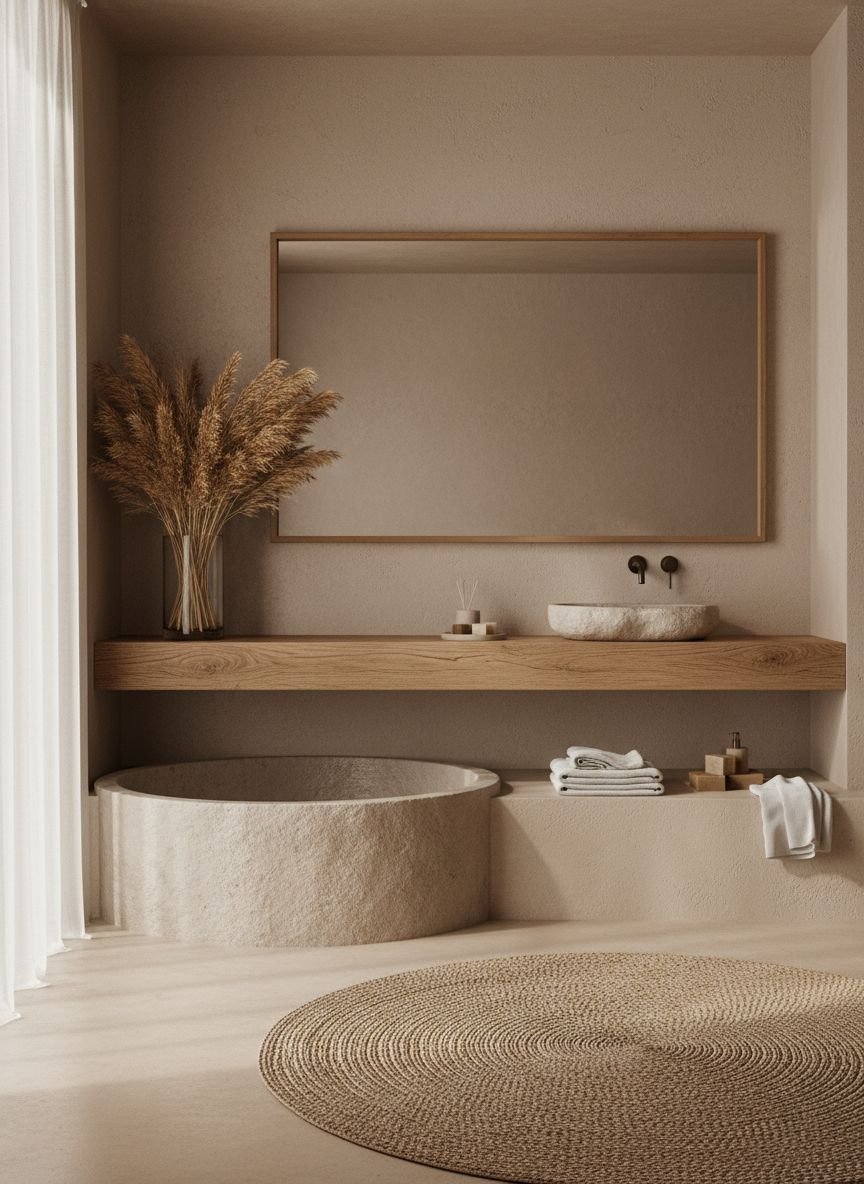
Japandi is the harmonious hybrid of Japanese rustic minimalism and Scandinavian functionality. In the bathroom, this manifests as clean lines, functional spaces, and a complete lack of clutter. The color palette is strictly neutral—creams, soft greys, and pale woods. The focus is on “negative space,” allowing the room to breathe rather than filling every corner with storage or decor.
The furniture in a Japandi bathroom is often low-profile and floating, which enhances the sense of space. Lighting is soft and diffused, often using paper or frosted glass shades. This style is perfect for smaller bathrooms as it inherently maximizes the feeling of openness through simplicity.
Pro Tip: Decant all your shampoos and soaps into matching, unbranded amber or clear glass bottles to instantly achieve the Japandi look.
Mixed Metals in Fixtures
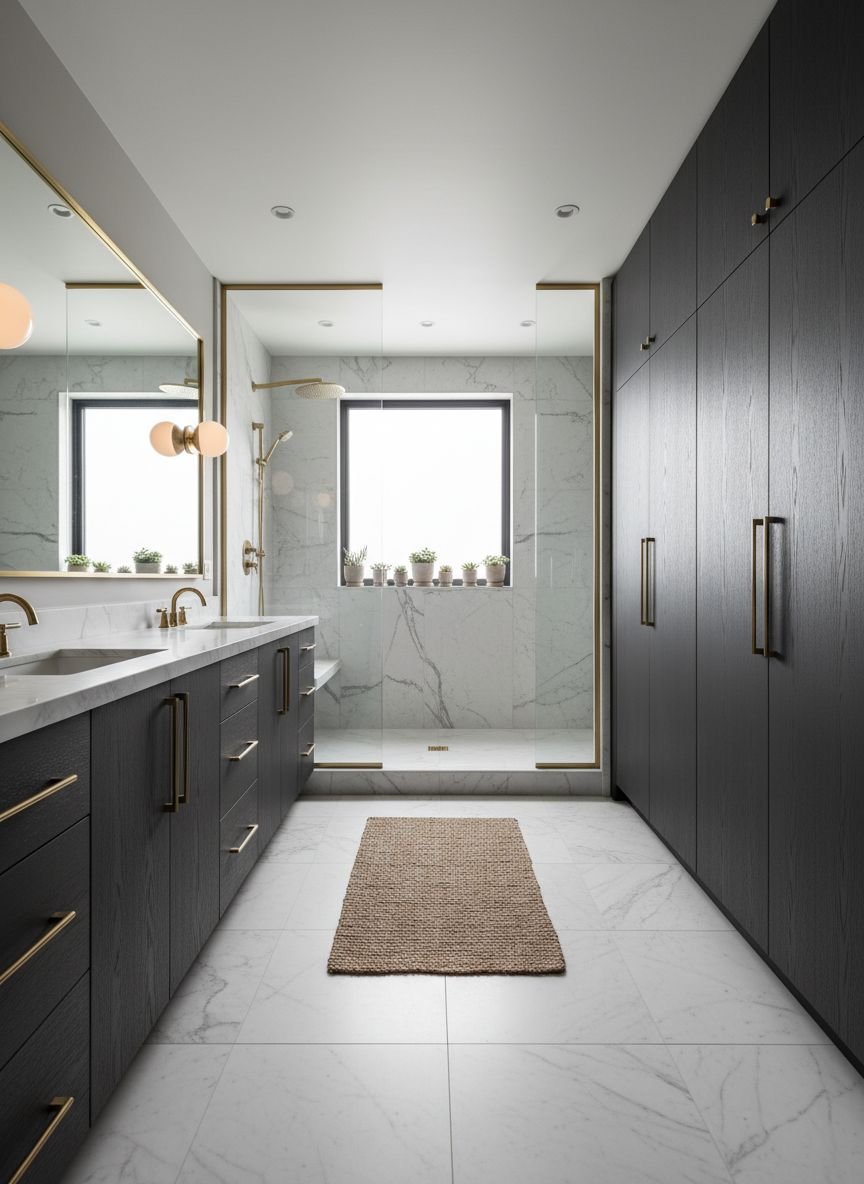
The old rule of matching every single metal finish in the bathroom is officially dead. 2026 is all about the curated, collected look of mixed metals. The key to pulling this off is to choose a dominant metal (like matte black or polished nickel) for the permanent fixtures (faucets, showerheads) and an accent metal (like unlacquered brass or copper) for the accessories (mirrors, cabinet hardware, lighting).
This approach adds depth and visual interest, preventing the room from looking like a “builder-grade” package. It suggests that the room evolved over time. Warm metals like gold and brass are particularly popular for adding a touch of luxury to the increasingly popular neutral and earthy color palettes.
Pro Tip: Keep the metals in different “planes.” For example, use black for all faucets (lower plane) and brass for all light fixtures (upper plane).
Dark and Moody Palettes
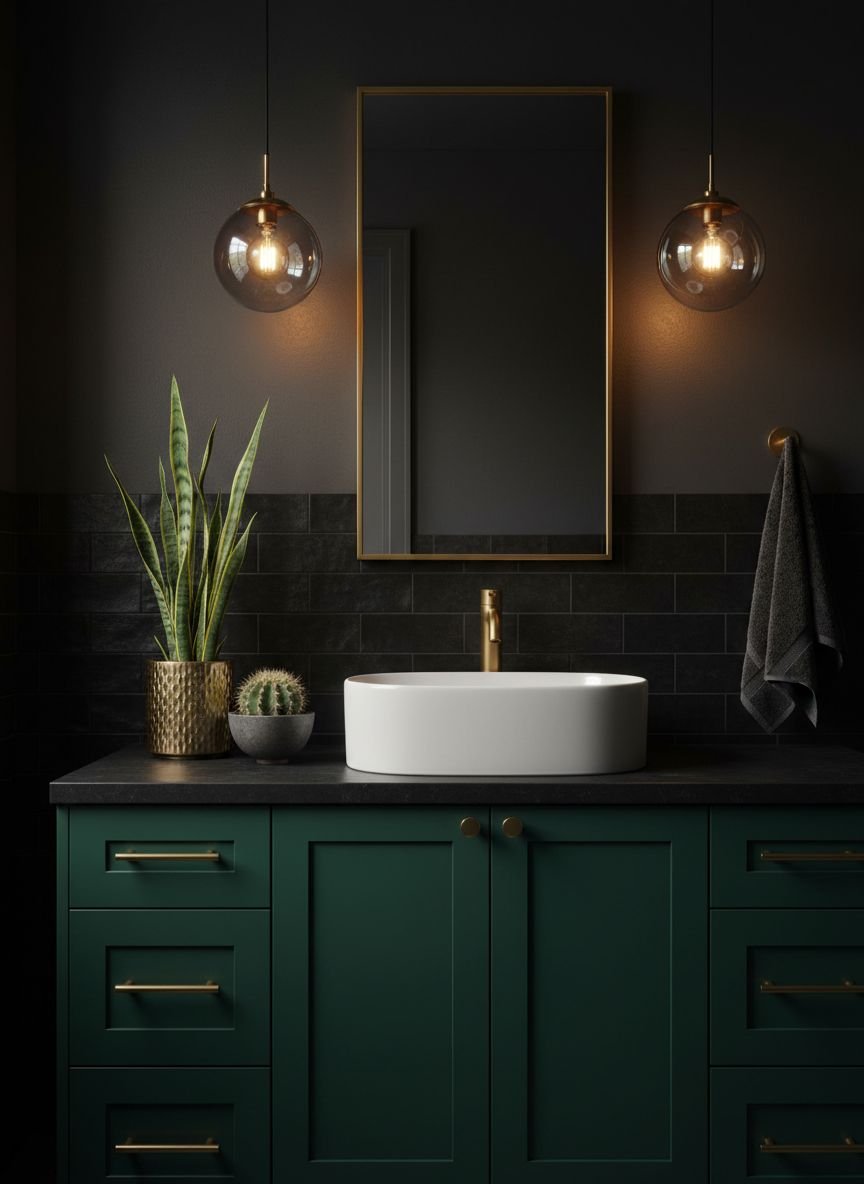
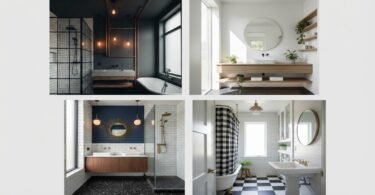
While light and airy is timeless, the “moody” bathroom is the breakout star for 2026, particularly for powder rooms and guest baths. Deep charcoal, navy blue, forest green, and even aubergine are being used to drench walls, ceilings, and trim. This “color drenching” technique blurs the boundaries of the room, actually making small spaces feel larger and more infinite.
These dark colors provide a dramatic backdrop for metallic fixtures and warm lighting. It creates a cocoon-like effect that feels incredibly private and luxurious. When paired with dark stone or slate tiles, the result is a sophisticated, masculine edge that contrasts beautifully with the rest of a brighter home.
Pro Tip: When painting a room dark, ensure you have multiple layers of light (sconces, overhead, candlelight) to keep it moody, not gloomy.
Save this idea to your Pinterest.
Freestanding Vanities
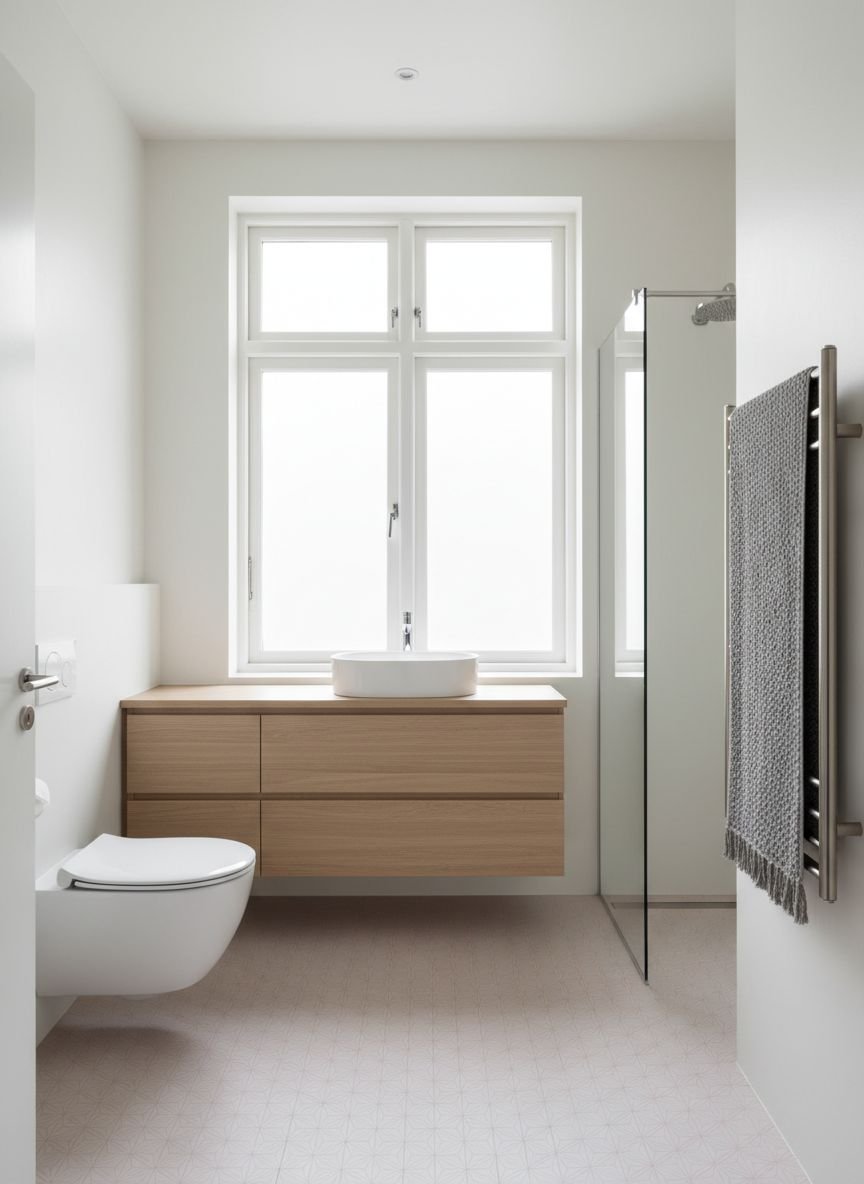
Built-in cabinetry is giving way to freestanding vanities that look more like bespoke furniture pieces than standard bathroom storage. These units often feature legs, open shelving at the bottom, or unique hardware that mimics a dresser or a console table. This trend helps the bathroom feel less “industrial” and more like a continuation of the living space.
The freestanding look also exposes more floor area, which tricks the eye into seeing the room as larger. Whether it is a repurposed vintage sideboard or a modern fluted wood console, the vanity is becoming the artistic focal point of the room.
Pro Tip: If you choose an open-bottom vanity, use attractive woven baskets to store unsightly items like toilet paper and cleaning supplies.
Oversized Showers
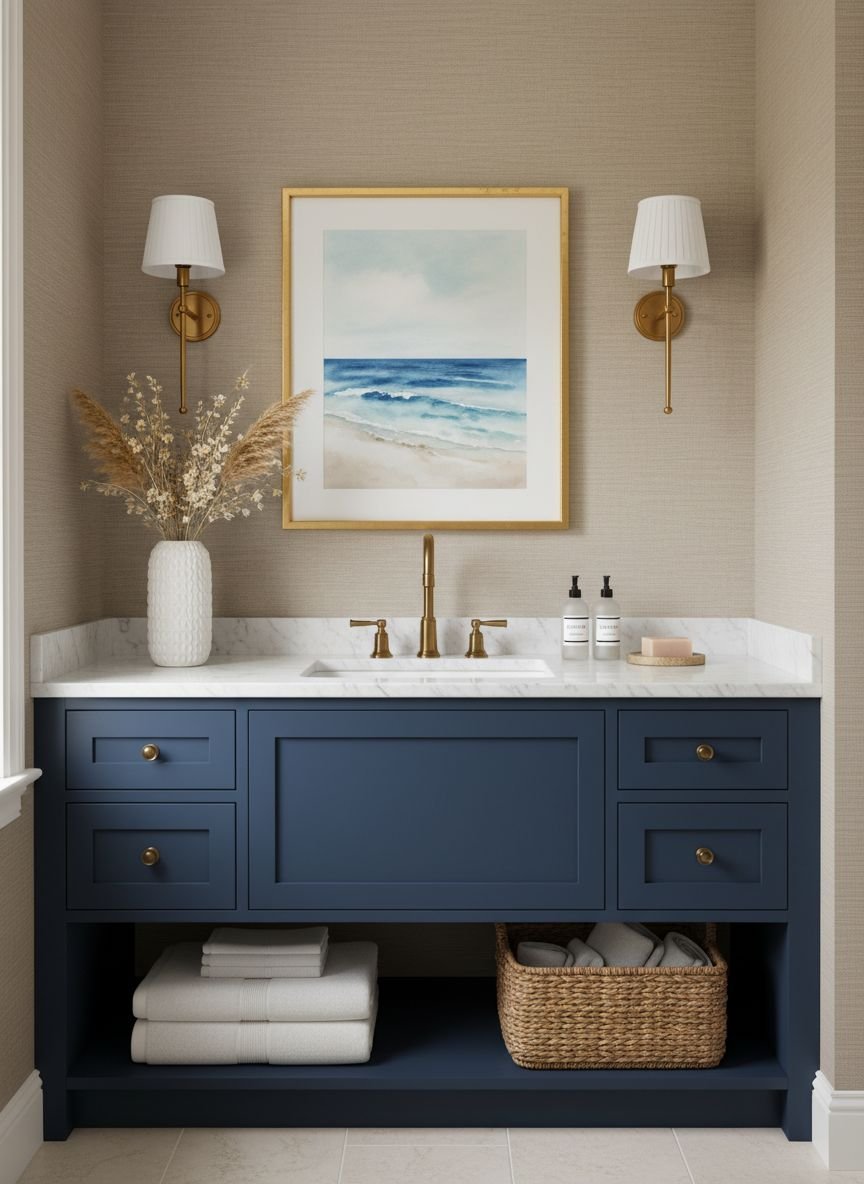
The “wet room” concept is expanding. Homeowners are increasingly removing unused bathtubs to create massive, oversized walk-in showers. These enclosures often feature double showerheads (his and hers), built-in bench seating, and curbless entries for seamless accessibility.
The glass enclosures are becoming more minimal, often frameless, to avoid breaking up the visual flow of the room. This trend prioritizes daily utility over the occasional luxury of a bath. It allows for a spacious, liberating shower experience that feels open and airy, rather than cramped in a tub-shower combo.
Pro Tip: Ensure your floor has the correct slope and a high-quality linear drain to manage the water flow effectively in a large, curbless shower.
Related posts :
- 15 Genius Small Bathroom Ideas for a Spacious Feel That Will Blow Your Mind
- 13 Chic Ways to Create a Vanity Nook in a Small Bedroom (Zero Clutter)
- 15 Sage Green Living Rooms That Transform Your Interior into a Haven of Peace
Popular Asked Questions
What is the trending bathroom color for 2026?
The biggest color trend for 2026 is “Earth Tones.” We are moving away from stark, sterile whites and greys. Instead, look for warm Terracotta, clay, beige, and soft Sage Green. These colors make the bathroom feel warm, inviting, and connected to nature. “Warm Minimalism” is the new standard.
Is the all-white bathroom style dead?
Yes, the clinical, all-white look is largely considered outdated for 2026. Designers now view it as too cold and sterile. If you love white, the modern update is to mix it with warm wood textures, gold metals, or off-white “cream” shades to add depth and coziness.
Are soaking tubs out of style in 2026?
Not entirely, but they are losing popularity to “Super Showers.” Many homeowners are removing tubs to make room for large, luxurious walk-in showers with benches and dual showerheads. However, if you have a large bathroom, a freestanding tub is still a beautiful luxury statement.
How do I make my small bathroom look expensive?
The best trick for 2026 is “Material Drenching.” Use the same tile on the floor and the walls to create a seamless look. Also, install a “floating vanity” to show more floor space, and upgrade your lighting to soft, warm LEDs rather than harsh fluorescent bulbs.
Conclusion
The bathroom trends of 2026 are a clear invitation to slow down. Whether you are tearing out a tub for a massive wet room or simply swapping your chrome hardware for unlacquered brass, the goal is to create a space that serves your well-being. By embracing natural textures, smart (hidden) tech, and warmer color palettes, you are building a home that feels as good as it looks.
Leave a Comment