
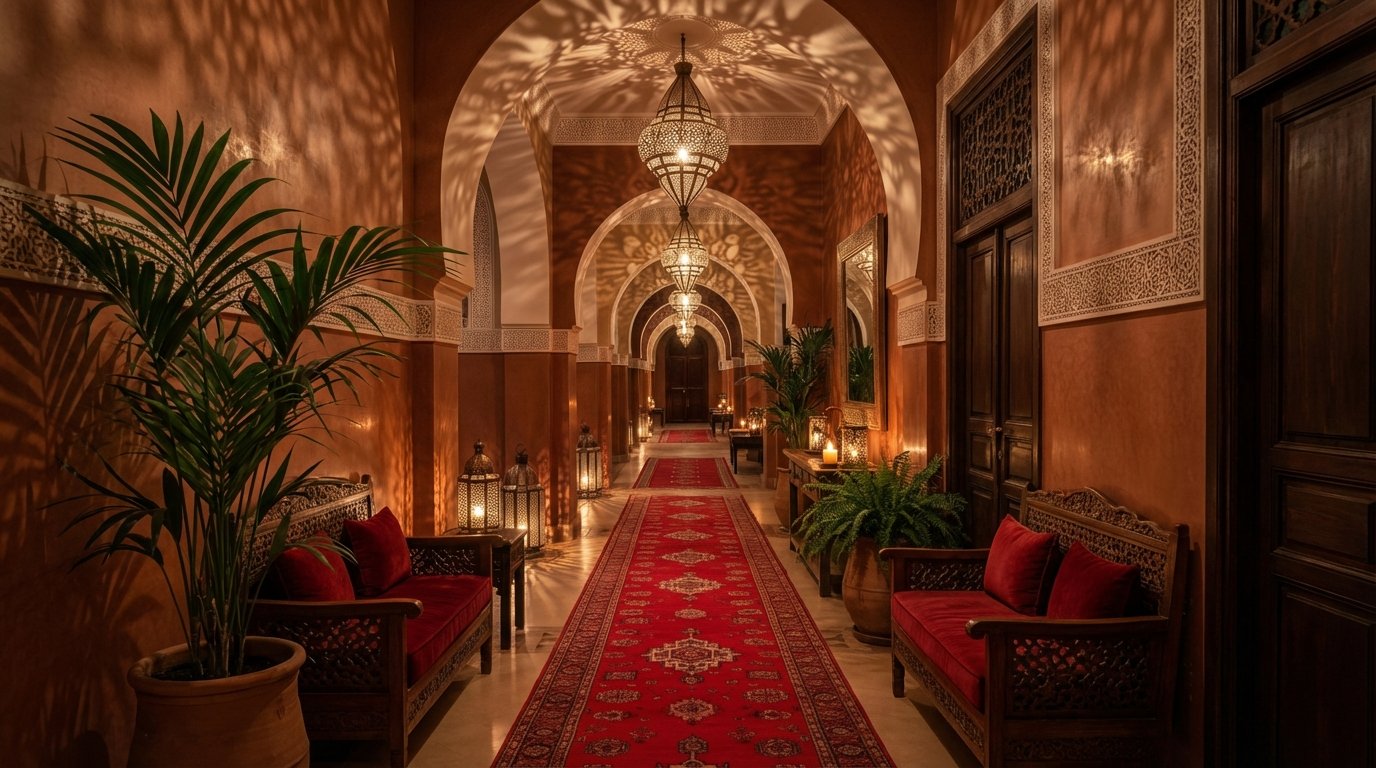
Your hallway is more than just a path from one room to another. It is the first impression your home makes, yet it often remains a neglected, dark corridor. If you are tired of staring at blank walls and want to inject soul, warmth, and character into your space, Moroccan decor is the ultimate solution.
This style effortlessly blends intricate textures, vibrant colors, and mood lighting to turn a sterile passage into a magical journey. Whether you have a narrow corridor or a grand entryway, these ideas will help you layer exotic elements that feel both curated and cozy. From authentic Zellige tiles to budget-friendly DIY stencils, we have quantified the most impactful ways to bring the souks of Marrakesh to your front door.
Key Takeaways
- Texture is King: Layering rugs, plaster finishes, and carved wood creates depth in narrow spaces without clutter.
- Lighting Sets the Mood: Moroccan design relies on shadow play. Use perforated lanterns to cast intricate patterns on your walls.
- Warmth Over Coolness: Swap sterile whites for terracotta, sand, and Majorelle blue to instantly warm up the atmosphere.
- Verticality Matters: Use tall mirrors and arches to draw the eye up, making small hallways feel grander.
Table of Contents
- Geometric Patterns
- Zellige Tiles (Moroccan Tiles)
- Bold Colors
- Arches and Doorways
- Textiles and Fabrics
- Metalwork
- Wooden Details
- Moroccan Lighting
- Moroccan Furniture
- Moroccan Mirrors
- Natural Elements
- Tadelakt Finish
- Moroccan Artwork
- Water Features
- Handcrafted Accessories
- Cushions and Drapes
- Popular Asked Questions
- Conclusion
Geometric Patterns

Geometric harmony is the heartbeat of Moroccan design. In a hallway, where furniture space is limited, your walls and floors become the primary canvas. Introducing repetitive geometric shapes creates a sense of infinite order and visual interest that draws the eye down the corridor. You do not need to be a professional artist to achieve this look. Stencils are a renter-friendly way to mimic the look of expensive tile work or carved plaster.
Focus on patterns that interlock, such as the classic trellis or eight-pointed stars. If you are painting, use a high-contrast combination like charcoal on cream or gold on teal to make the pattern pop. For a more subtle approach, use a tone-on-tone gloss stencil over matte paint. This adds texture without overwhelming a narrow space.
Pro Tip: If stenciling feels too permanent, opt for peel-and-stick wallpaper with a geometric motif. It is easy to apply and remove, making it perfect for seasonal updates.
Zellige Tiles (Moroccan Tiles)
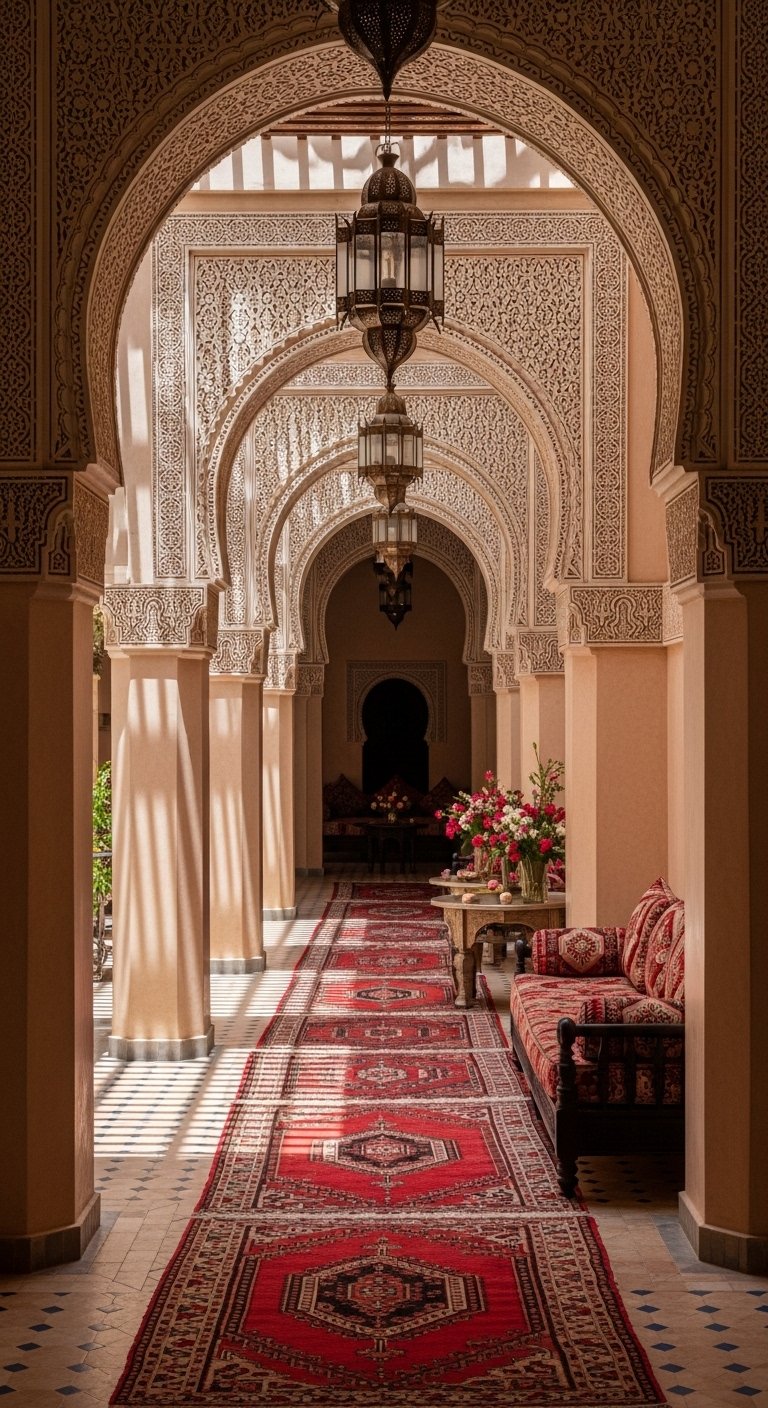
Nothing screams “authentic Morocco” quite like Zellige tiles. These are traditionally handcrafted clay tiles from the Fez region, known for their imperfections and variations in tone. In a hallway, a Zellige wainscoting (half-wall) protects your walls from scuffs while adding an incredible layer of shimmering texture. The glaze reflects light, which helps brighten dark corridors.
If installing real ceramic tile is out of your budget or skill range, look for high-quality vinyl floor mats or stair riser decals that replicate the Zellige look. The key is to choose designs that feature the characteristic “imperfections” and color variations, as this adds the organic warmth that sterile, machine-made tiles lack.
Pro Tip: Use Zellige-style tiles on your stair risers. It creates a stunning waterfall effect of color and pattern that is visible as soon as you enter the hallway.
Save this idea to your Pinterest.
Bold Colors

Forget “Greige.” Moroccan hallways embrace the vibrant hues of the North African landscape. We are talking about the deep Majorelle blue of the gardens in Marrakech, the burning terracotta of the desert dunes, and the lush emerald greens of the oases. Painting your hallway a bold, saturation-heavy color instantly transforms it from a transitional space into a destination.
When working with bold colors in a small space like a hallway, commit fully. Paint the ceiling the same color as the walls to blur the boundaries of the room, making it feel cozy rather than cramped. If a full room of red or blue is too intense, try a color-block technique where the bottom half is a rich earth tone and the top remains a warm neutral sand color.
Pro Tip: Test your paint colors under artificial light. Hallways often lack natural windows, so your bold blue might look black without the right lighting.
Arches and Doorways
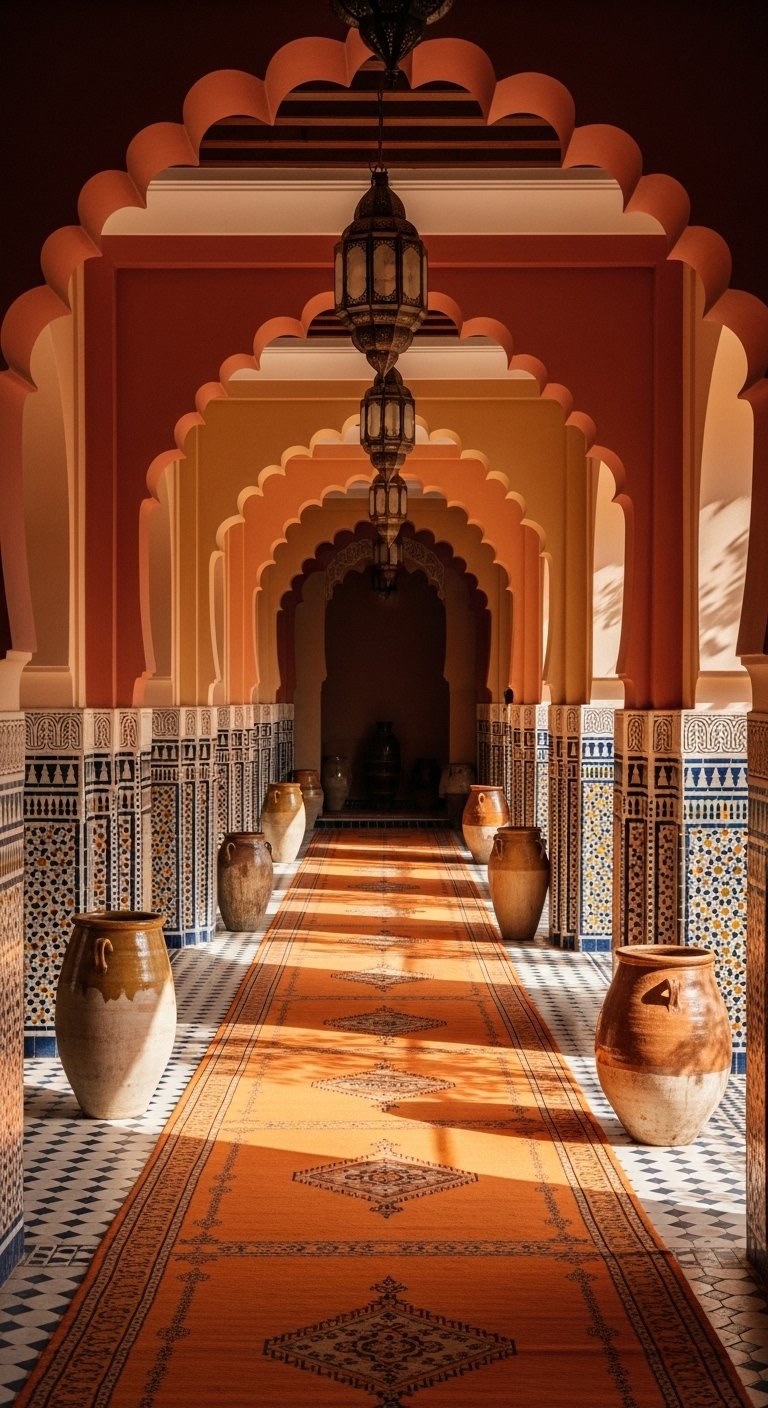
The horseshoe arch is an architectural signature of Moorish design. While you might not be able to structurally rebuild your home’s doorways, you can fake the look effectively. Painted arches are a massive trend right now. Simply paint an arch shape around your existing door frame or on a blank wall to create a focal point.
For a more 3D effect, you can buy lightweight MDF arch kits that fit into standard door frames, instantly softening the harsh rectangular lines of modern western architecture. This curvature adds a sense of flow and gentleness to the hallway, making the movement through the house feel more organic and less rigid.
Pro Tip: Use a painted arch to frame a console table or a mirror. It creates a “zone” in the hallway and acts as a visual highlight.
Textiles and Fabrics
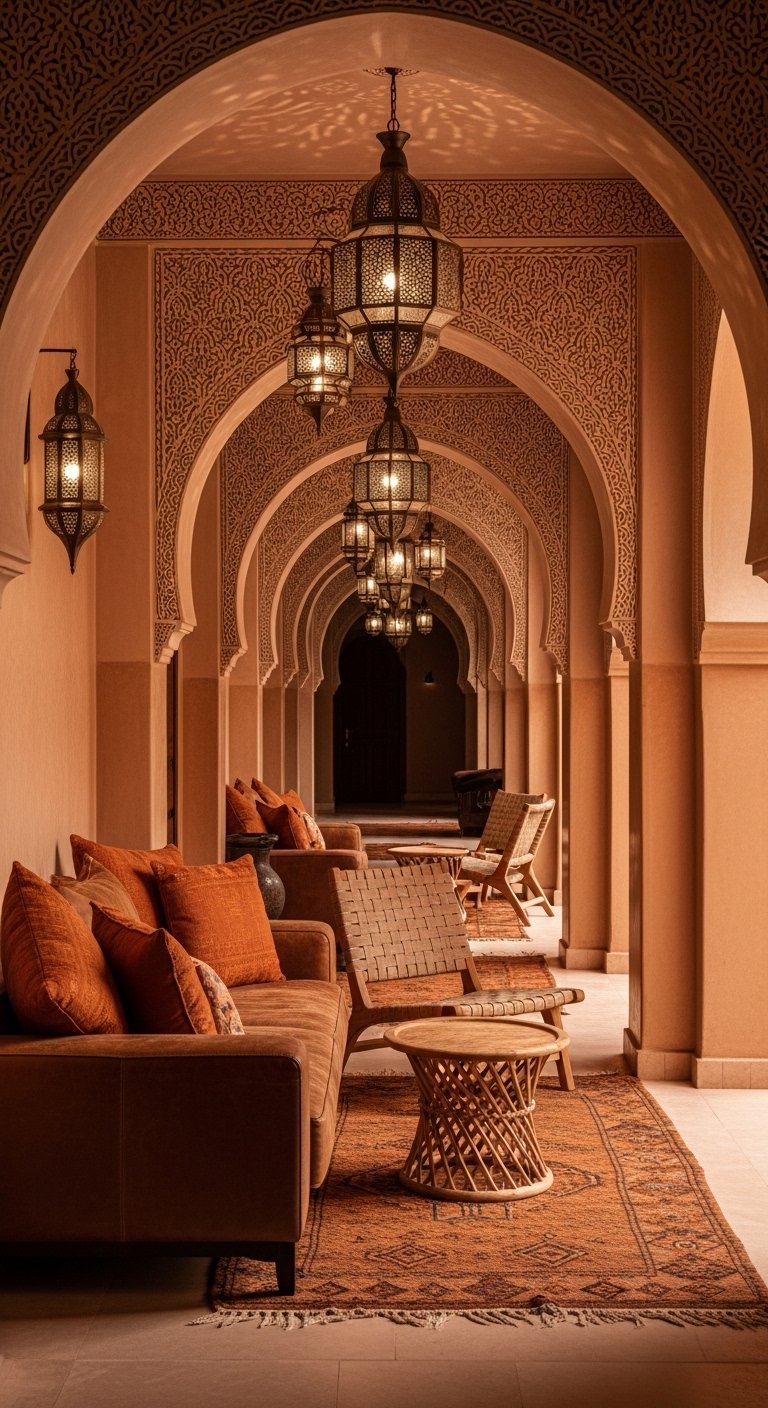
Textiles are the soul of a warm Moroccan hallway. A long runner rug is non-negotiable. Look for Beni Ourain rugs (fluffy wool with black geometric diamonds) or colorful Boucherouite rugs (made from recycled fabric scraps) to cover cold hardwood or tile floors. The texture underfoot makes the space feel lived-in and welcoming.
Beyond the floor, consider hanging a textile on the wall. A vintage Kilim or a handira (Moroccan wedding blanket) with sequins can act as sound insulation and art simultaneously. In a narrow hallway, these soft textures absorb the echo of footsteps, making your home feel quieter and more serene.
Pro Tip: Use a rug pad underneath your runner. It prevents slipping and adds an extra layer of plushness that makes walking through the hall a luxury.
Comparison: Rug Types for Hallways
| Feature | Beni Ourain Rugs | Boucherouite Rugs | Kilim Rugs |
|---|---|---|---|
| Texture | High pile, very fluffy | Medium pile, rag-rug style | Flatweave, no pile |
| Durability | Moderate (traps dirt) | High (very durable) | High (easy to clean) |
| Vibe | Cozy, Minimalist, luxe | Colorful, Eclectic, Boho | Traditional, Sharp, Geometric |
| Best For | Low-traffic areas | High-traffic entryways | Narrow corridors with door clearance issues |
Related posts :
- 12 Dreamy Boho Bedroom Ideas You’ll Love That Transform Your Space Instantly
- 14 Crochet Vase Free Patterns: The Ultimate Guide to Cozy Home Decor
- 18 Stunning Vertical Herb Garden Ideas That Maximize Space & Flavor
Metalwork

Intricate metalwork adds a touch of jewelry to your home. In Moroccan design, metal is rarely smooth and shiny; it is hammered, pierced, or burnished. Brass, copper, and wrought iron are the metals of choice. Swap out your standard builder-grade light switch covers and door handles for hammered brass versions.
You can also incorporate metalwork through decorative grilles or panels. A small metal screen placed on a console table adds height and intricate shadow play without blocking light. The contrast between the cold, hard metal and the soft textiles mentioned earlier is essential for achieving a balanced, designer look.
Pro Tip: If you cannot replace hardware, use “Rub ‘n Buff” wax in an antique gold finish to transform silver or chrome handles into warm brass accents.
Wooden Details
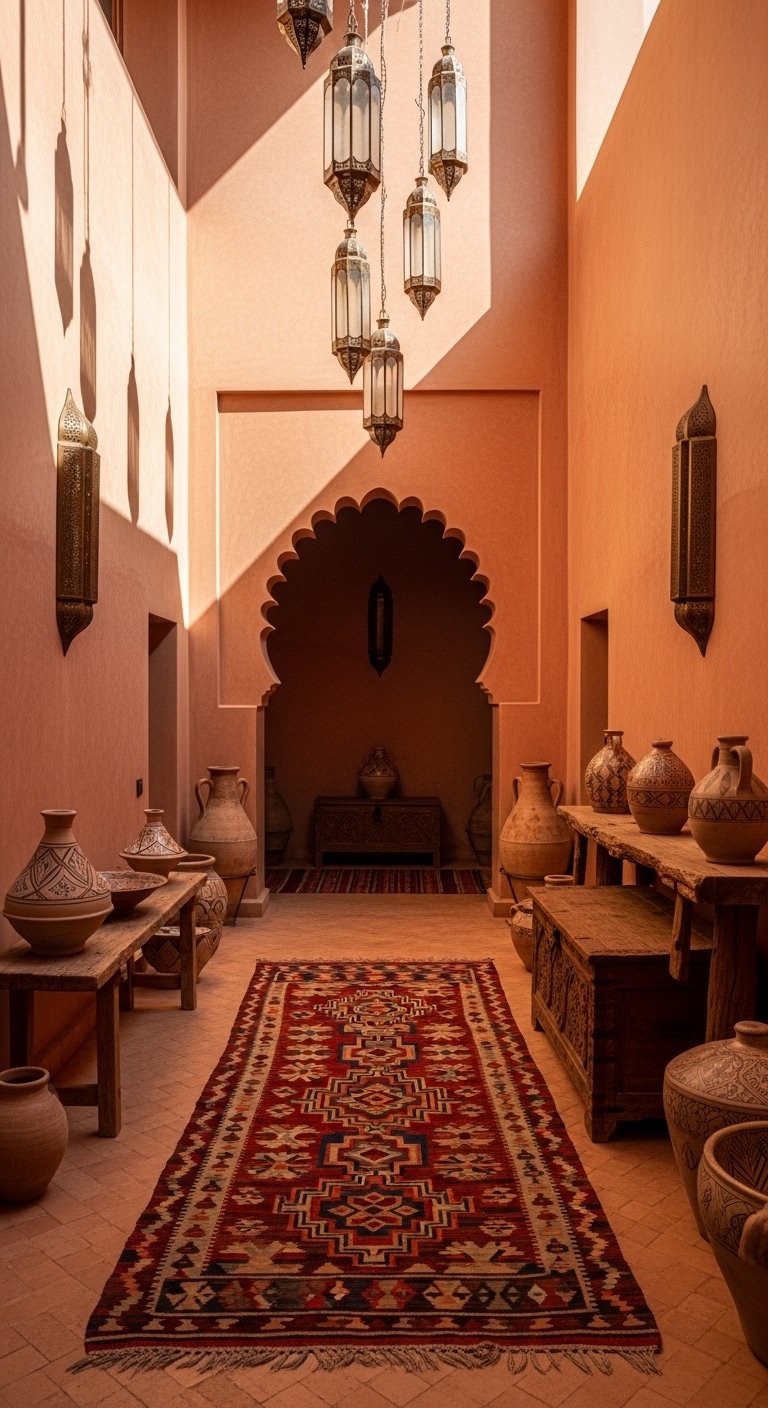
Moroccan woodwork, often called Mashrabiya, involves intricate carving and lattice patterns. While installing a full wooden screen might be difficult, you can introduce these details through furniture or wall decor. Look for a wooden bench with turned legs or a mirror frame with carved geometric details.
Dark woods like walnut or cedar are traditional and provide a grounding contrast to the bright walls and colorful tiles. If your hallway is narrow, a floating wooden shelf with a raw, live edge or carved brackets can serve as a landing strip for keys without taking up floor space. The warmth of the wood balances the coolness of tile floors.
Pro Tip: Scour thrift stores for carved wooden trays or trivets. Mount them on the wall in a cluster for an instant, budget-friendly art installation.
Save this idea to your Pinterest.
Moroccan Lighting
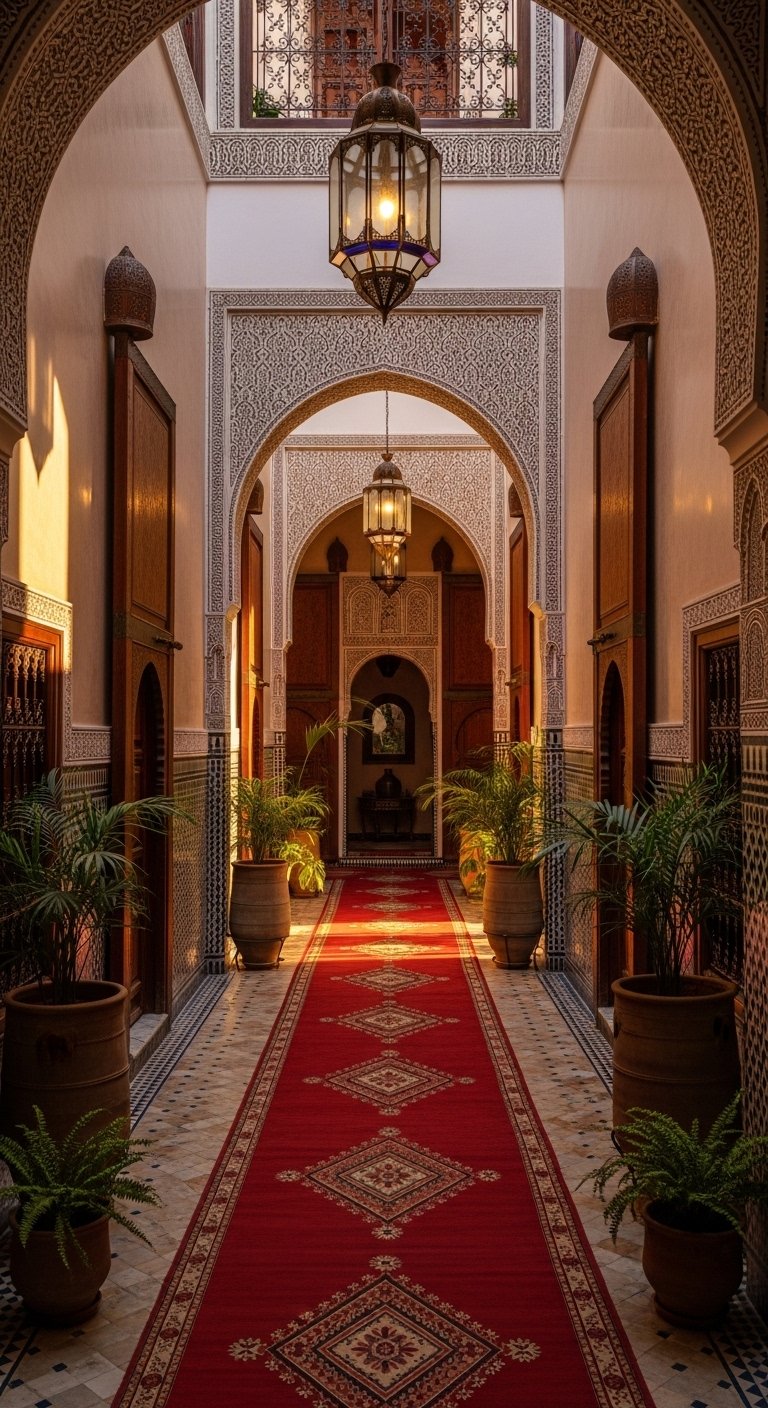
Lighting is perhaps the most critical element in a Moroccan hallway. The goal is not just to illuminate the space, but to create atmosphere. Moroccan lanterns made of pierced metal cast magical, lace-like shadows on the walls and ceiling. This transforms a plain boxy hallway into an ethereal passage.
Avoid harsh, cool-white bulbs. Use warm-white (2700K) bulbs to enhance the gold and copper tones of the lantern. If you have a low ceiling, opt for a flush-mount fixture with a geometric cutout design. For higher ceilings, a cluster of pendant lanterns at varying heights creates drama and draws the eye upward.
Pro Tip: Install a dimmer switch. Being able to lower the light level turns the shadow patterns from subtle to dramatic, perfect for evening ambiance.
Moroccan Furniture
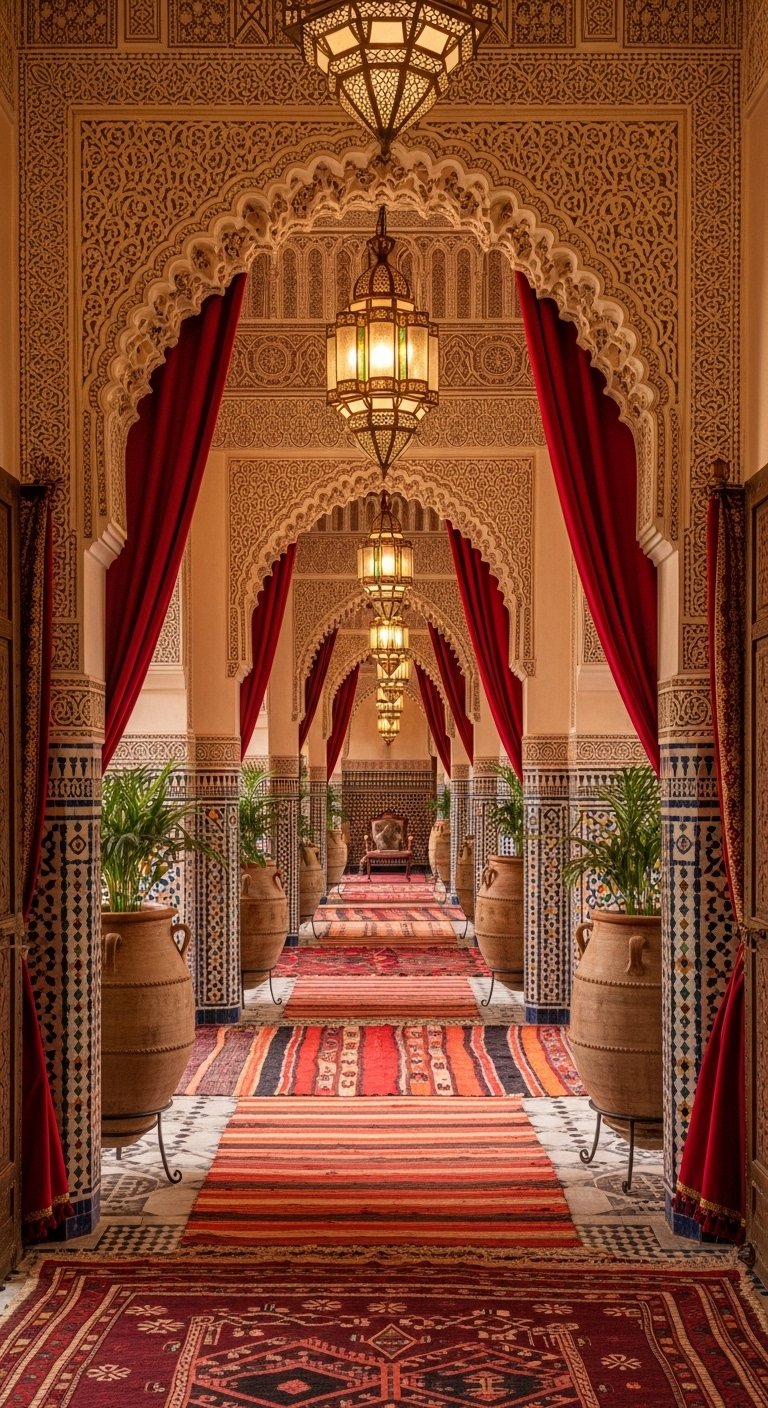
In a hallway, furniture must be functional and slim. A narrow console table is a staple. Look for one with inlaid bone or mother-of-pearl (or a stencil imitation) to capture that exotic aesthetic. This serves as a focal point at the end of the hall or along a long wall.
If you have a wider entryway, a low wooden bench is perfect for putting on shoes. Top it with a leather cushion or a Kilim throw. The furniture should look handcrafted and slightly rustic, rather than sleek and modern. Imperfections in the wood or finish add to the authentic charm.
Pro Tip: If space is extremely tight, skip the floor furniture and use wall-mounted floating drawers with decorative knobs to mimic the look of a console without the footprint.
Moroccan Mirrors
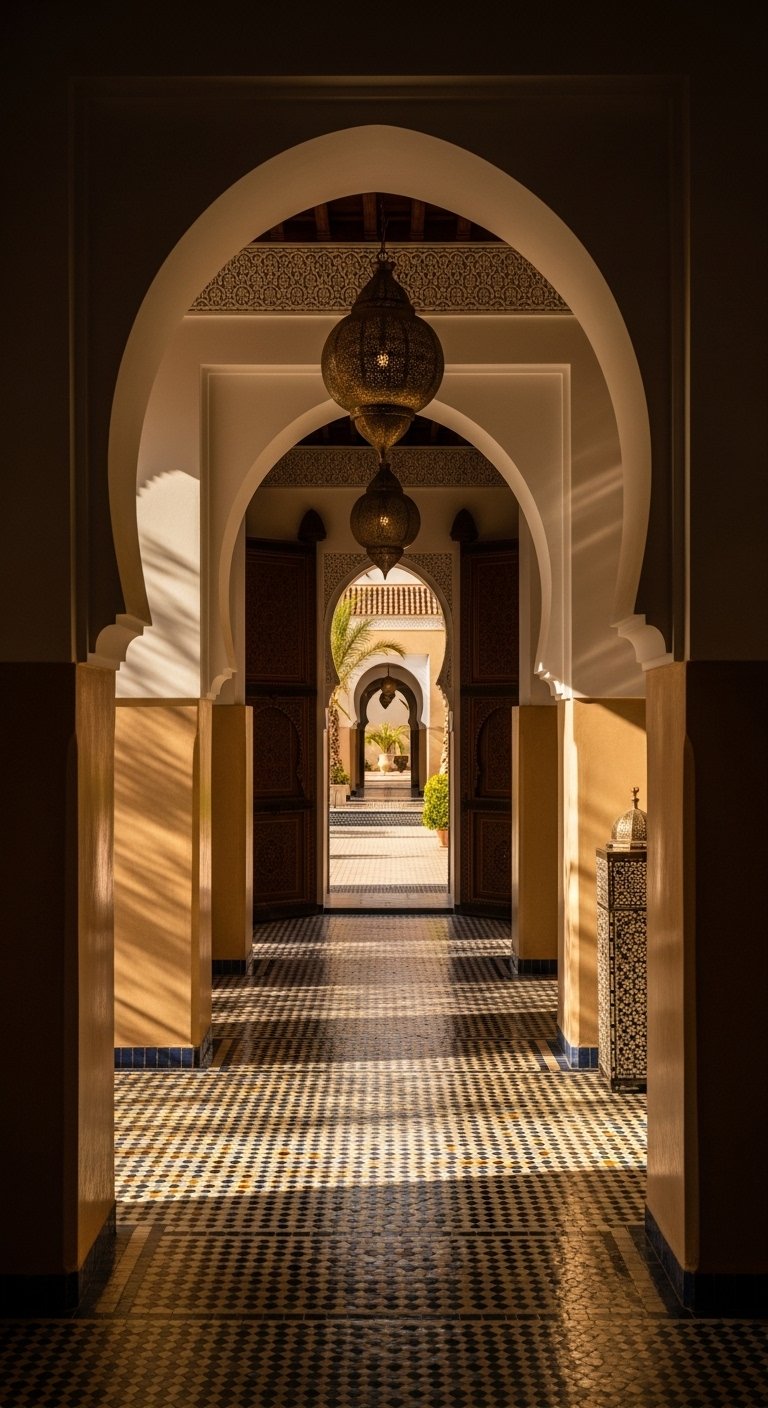
Mirrors are a hallway’s best friend because they double the visual space and reflect light. Moroccan mirrors are distinctive for their shapes—often arched or pointed at the top—and their frames. You will find frames made of hammered brass, bone inlay, or colorful mosaic tiles.
Place a large, arched mirror at the end of a narrow hallway to create the illusion of a doorway leading to another room. Alternatively, create a gallery wall of smaller mirrors with different intricate frames. The mix of metal and glass adds sparkle and breaks up the monotony of a long wall.
Pro Tip: Hang a mirror opposite a light source (like your new lantern) to maximize the reflection of the beautiful shadow patterns.
Get The Look: Essential Decor Items
- The Anchor: A Beni Ourain style runner rug.
- The Glow: A pierced brass pendant light or sconces.
- The Shine: A large arched mirror with a gold frame.
- The Scent: A reed diffuser with notes of amber, oud, or orange blossom.
Natural Elements
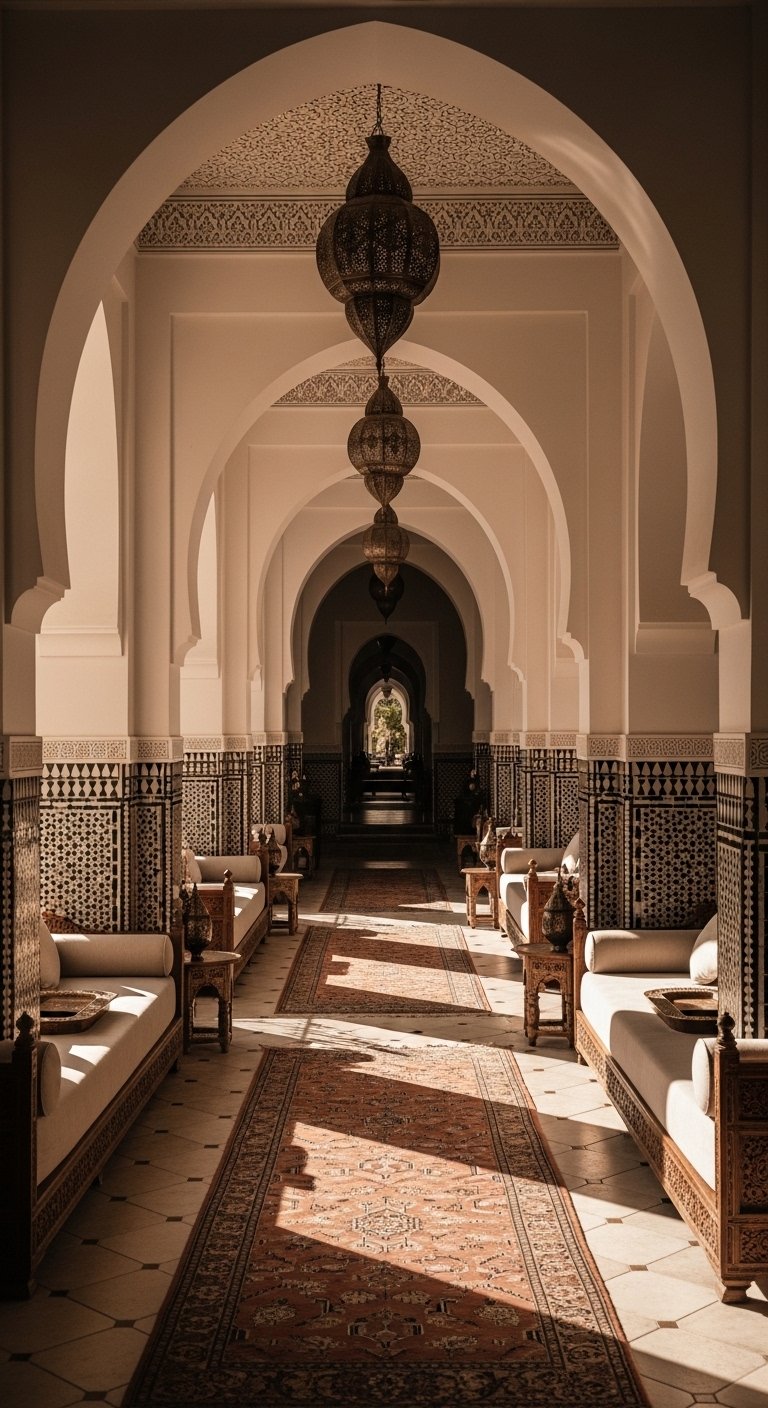
Bring the outdoors in to replicate the lush courtyards (Riads) of Morocco. Plants are essential for adding life and vibrancy. In a hallway with low light, opt for hardy plants like Snake Plants or ZZ plants, which can tolerate shade. Place them in woven seagrass baskets or hammered metal pots.
If you have a window or a skylight, a large Kentia palm or a Fiddle Leaf Fig creates a dramatic, tropical sculptural element. The green foliage pops beautifully against terracotta or pink walls, creating that classic “Jardin Majorelle” contrast.
Pro Tip: No natural light? Use high-quality dried palm leaves or pampas grass in a tall floor vase. They add height and texture without the need for water or sun.
Tadelakt Finish
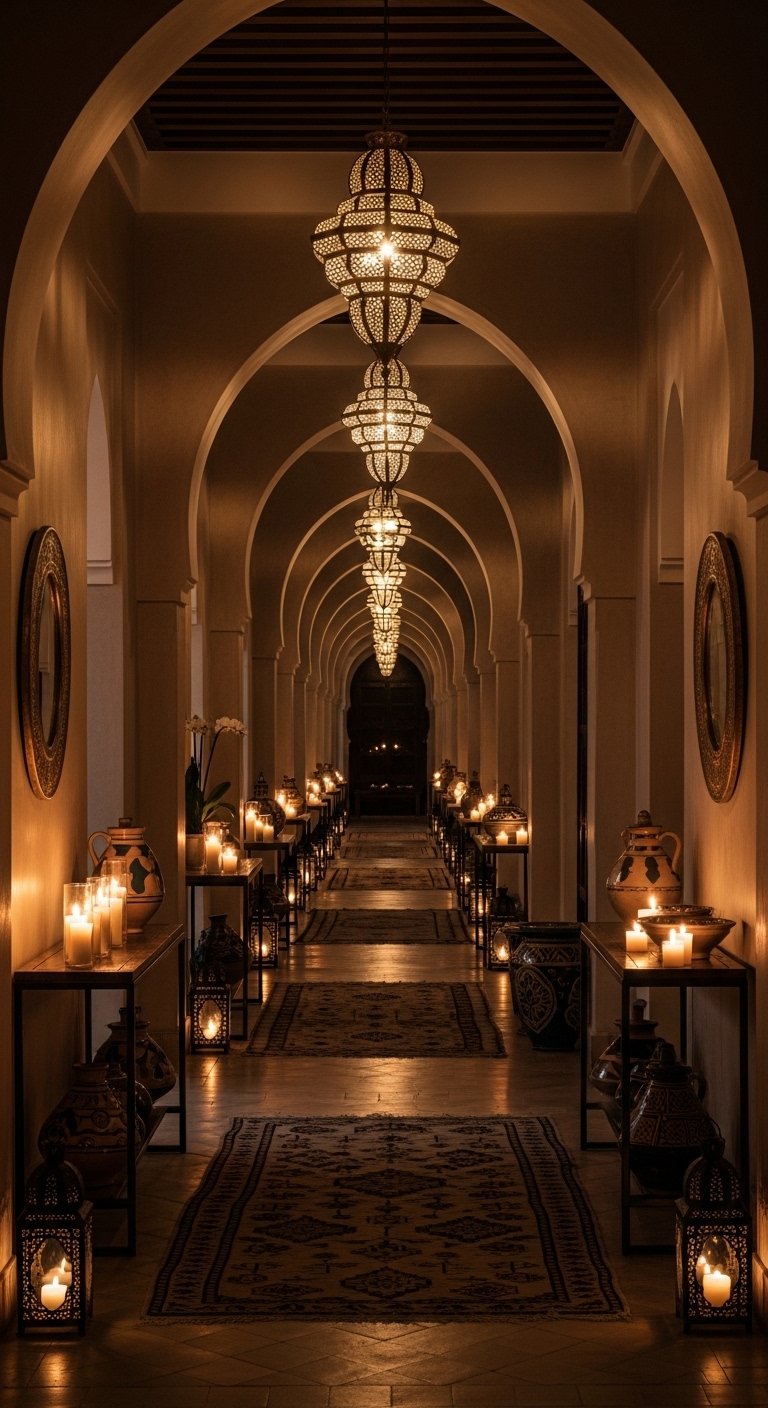
Tadelakt is a traditional Moroccan plaster technique that results in a smooth, waterproof, and slightly shiny finish. It has a sensual, organic feel that paint simply cannot replicate. While authentic Tadelakt requires skilled artisans, you can achieve a similar effect with “Lime Wash” paint or specialized plaster-effect paints available at hardware stores.
This finish adds depth and movement to your walls. Instead of a flat, solid color, you get a cloudy, velvety texture that looks ancient and sophisticated. It is particularly stunning in earthy tones like sand, beige, or soft gray.
Pro Tip: Apply the lime wash in a cross-hatch motion with a large block brush to create those characteristic cloudy variations in the texture.
Save this idea to your Pinterest.
Moroccan Artwork
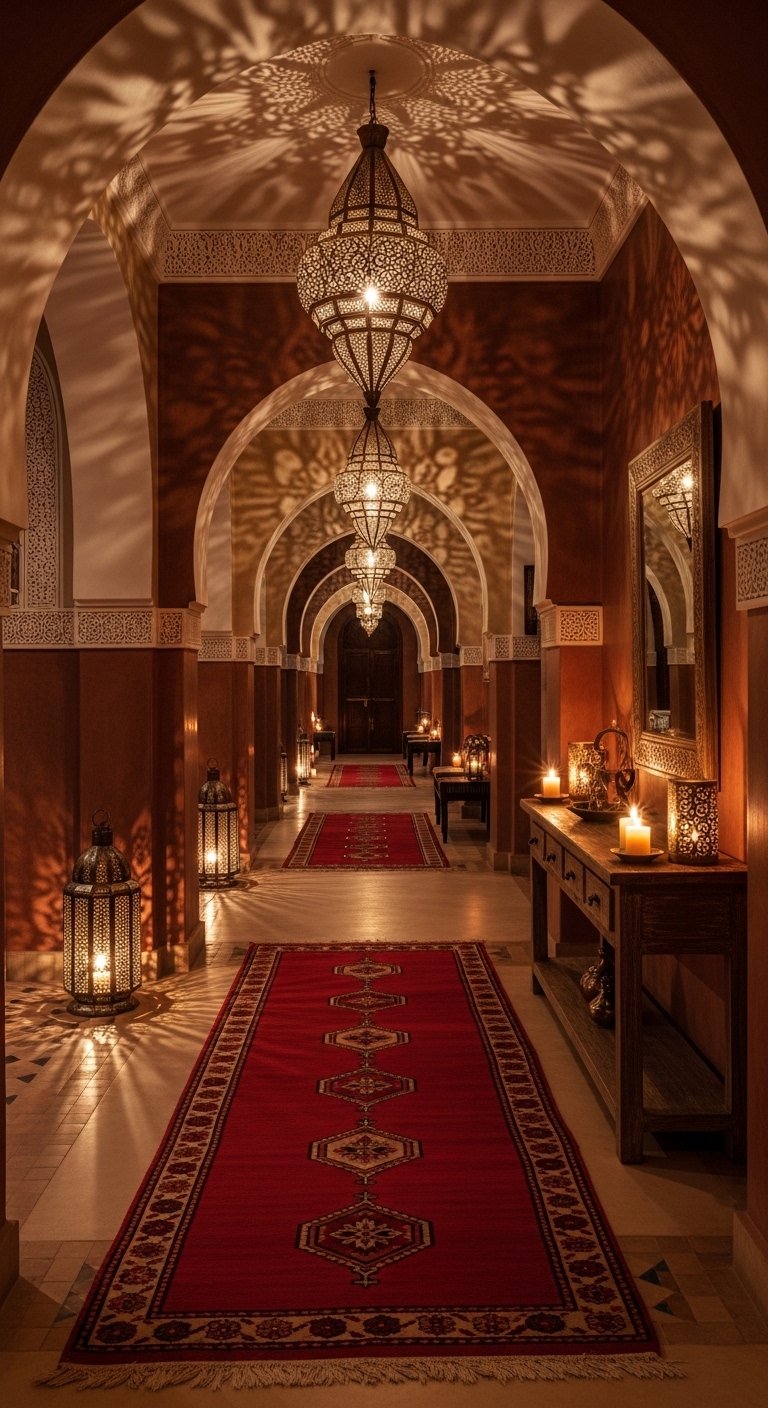
Your hallway walls are a gallery waiting to happen. Moroccan art often features calligraphy, geometric tessellations, or photography of the stunning local architecture (think heavy wooden doors and desert landscapes).
Frame a series of prints in simple wood or gold frames to keep the look cohesive. You can also hang decorative plates or shallow woven baskets as art. This adds three-dimensional texture that flat prints lack. The arrangement should feel curated but not overly rigid—a little asymmetry works well here.
Pro Tip: Print out high-resolution photos of Moroccan doors or tiles and frame them in a grid pattern. It is an inexpensive way to fill a large wall.
Water Features

The sound of trickling water is a staple of Moroccan Riads, symbolizing paradise and tranquility. While a massive fountain is likely impossible in a hallway, a small tabletop water feature on a console table can have a profound effect.
The gentle sound of water changes the sensory experience of the space, making it feel calm and cooling. Look for small fountains made of ceramic or stone with mosaic details. This element surprises guests and instantly lowers the stress levels as you walk through the door.
Pro Tip: Place the fountain near the entry point so the soothing sound greets you immediately upon arrival.
Handcrafted Accessories
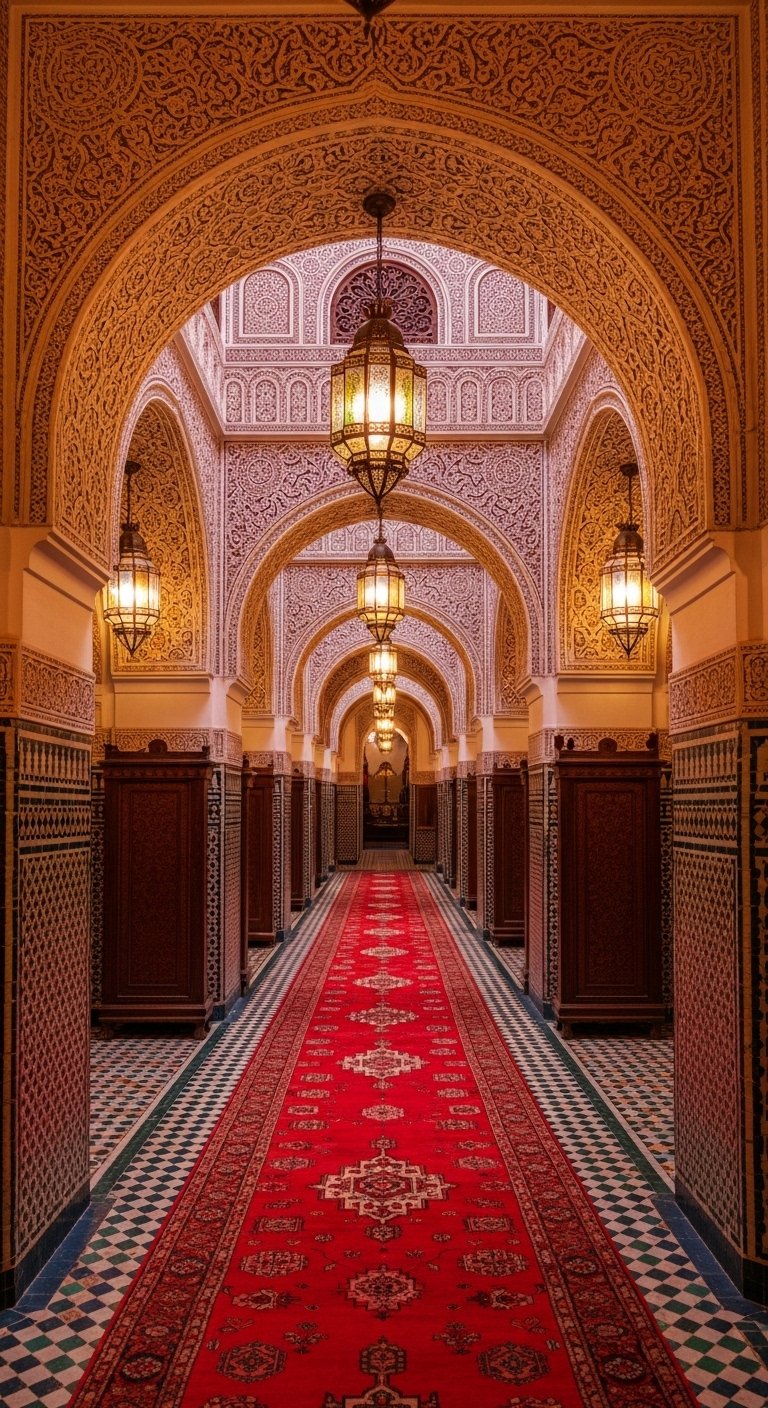
The devil is in the details. Accessorize your console table or shelves with handcrafted items that tell a story. Think ceramic tagines used as catch-all bowls for keys, brass tea trays displayed upright, or leather-bound books.
Pottery is huge in Moroccan decor. Look for Tamegroute pottery—distinctive for its green glaze and rough, rustic finish. A cluster of these green vases or bowls adds an authentic pop of color and history to your display.
Pro Tip: Group accessories in odd numbers (3 or 5) and vary the heights to keep the visual interest dynamic.
Cushions and Drapes
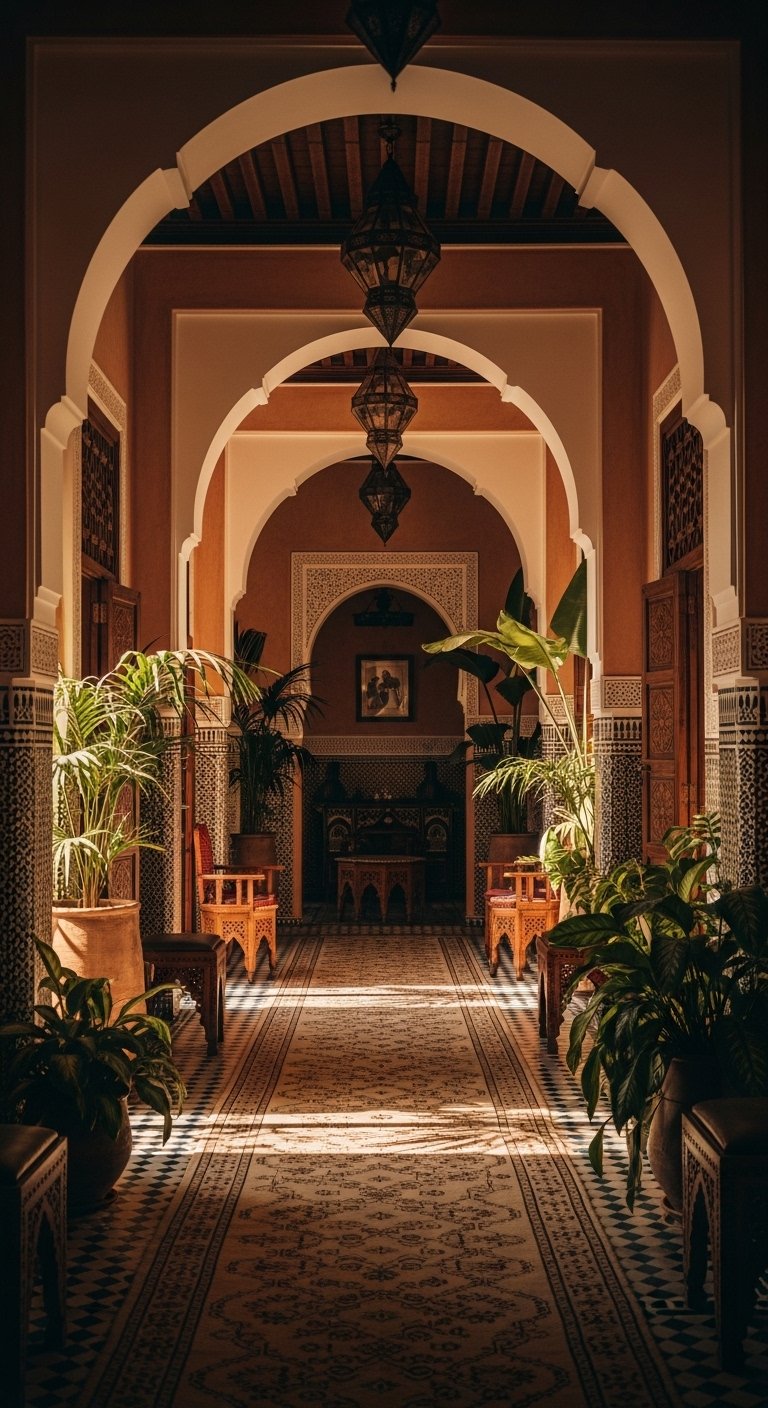
Softness is the final layer. If you have a bench, pile it high with cushions. Mix and match patterns—combine a geometric print with a solid velvet and a sequined wedding blanket pillow. The more pillows, the more inviting it looks.
For the doorway leading into the living room or kitchen, consider hanging a heavy velvet curtain or a sheer fabric drape. This softens the architectural lines and adds a sense of mystery and romance. Tie it back with a heavy tasseled rope for that extra touch of opulence.
Pro Tip: Swap out cushion covers seasonally. Use heavy velvets in winter for warmth and lighter cottons or linens in summer to keep the look fresh.
Popular Asked Questions
How do I make my hallway look Moroccan?
To achieve a Moroccan look, start with a warm color palette (terracotta, sand, or warm white). Add a patterned runner rug with geometric designs. Swap your standard light fixture for a perforated metal lantern that casts shadows. Finally, add a mirror with an arched or brass frame to open up the space.
What are the main colors in Moroccan decor?
The Moroccan palette is inspired by nature. Key colors include Terra-cotta and Ochre (representing the earth and desert), Majorelle Blue and Teal (representing the sea and sky), Emerald Green (representing oases), and Metallic Gold/Brass (representing the sun and craftsmanship).
How to decorate a narrow hallway in Moroccan style?
In a narrow hallway, rely on vertical space and floor texture. Use a long runner rug to draw the eye forward. Hang mirrors to reflect light and widen the space. Use wall-mounted decor like flat baskets or shallow shelving to add interest without encroaching on the walking path.
What is the difference between Boho and Moroccan decor?
Boho (Bohemian) style is a broad mix of global influences, often unstructured and very eclectic. Moroccan decor is a specific cultural style rooted in Moorish architecture, Islamic geometric patterns, and specific regional crafts (Zellige, Tadelakt). Moroccan decor can be a part of a Boho room, but it is more distinct and historically rooted.
Conclusion
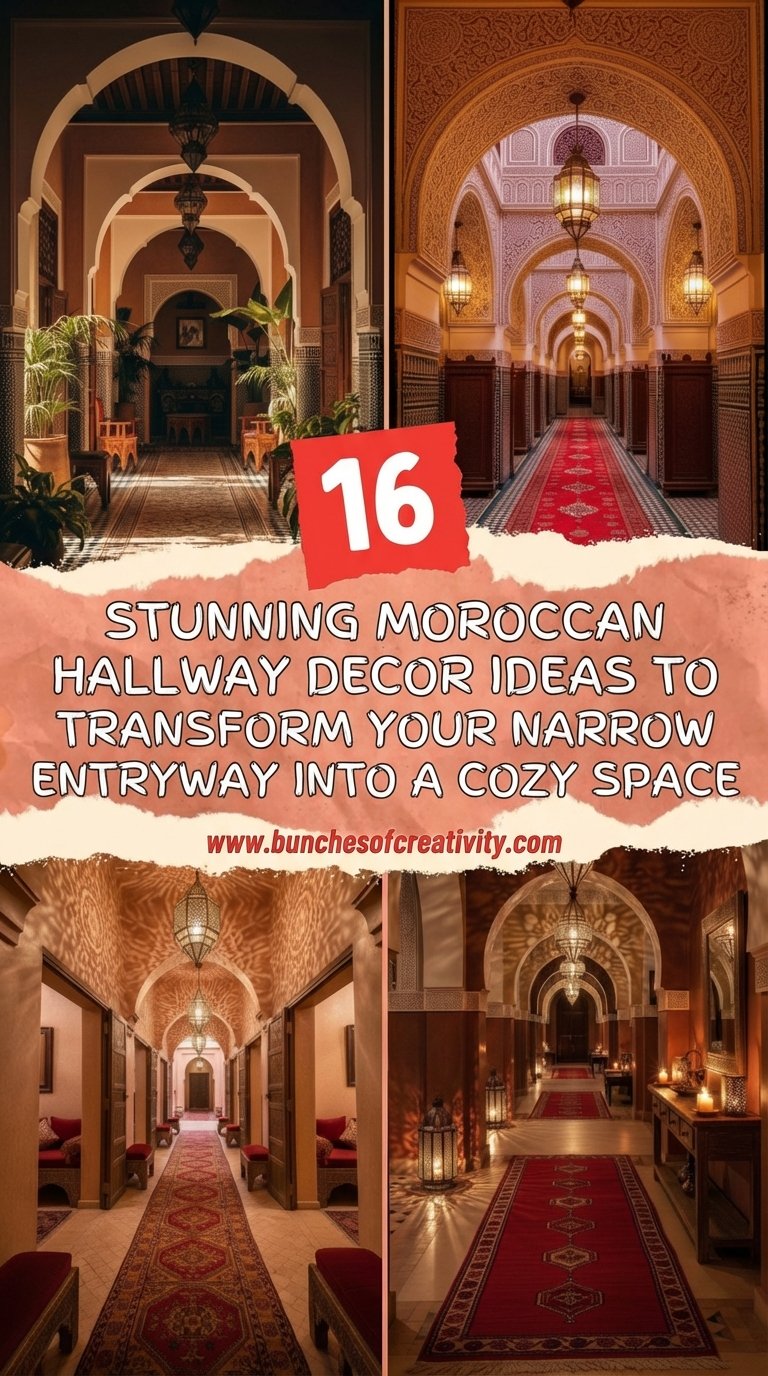
Transforming your hallway with Moroccan decor is about more than just buying a new rug; it is about creating a feeling of warmth, welcome, and wonder. By layering textures, embracing bold colors, and paying attention to lighting, you can turn a simple corridor into the most atmospheric part of your home.



Leave a Comment