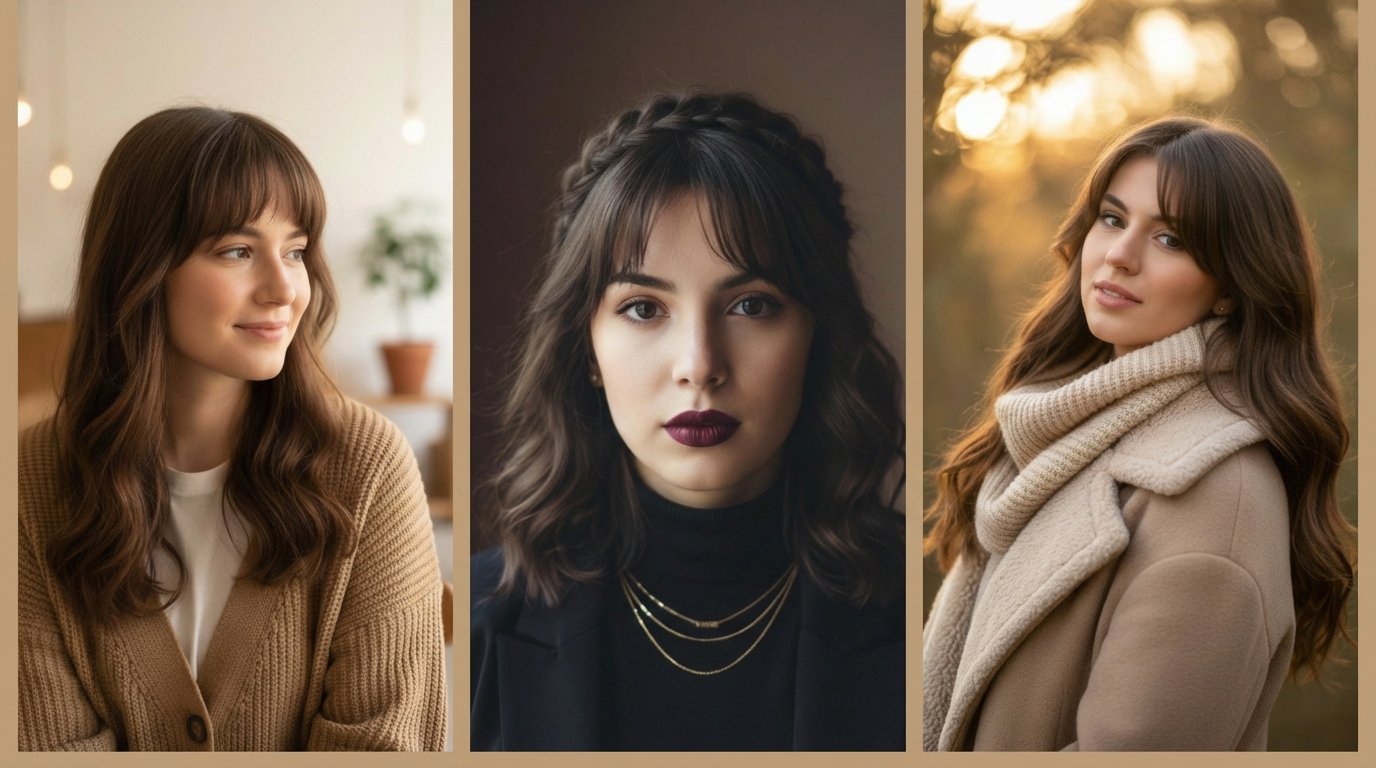
If you have been looking for a way to refresh your look without losing your length, you have likely stumbled upon the ultimate solution: curtain bangs. This face-framing fringe has evolved from a fleeting trend into a timeless staple, offering an “instant facelift” effect that flatters virtually every face shape. Unlike blunt bangs that require constant trims and daily battles with cowlicks, curtain bangs for long hair are delightfully low-maintenance. They blend seamlessly into your layers, grow out gracefully, and offer endless styling versatility. Whether you are aiming for the bounce of a 90s blowout or the effortless grit of a 70s shag, there is a variation here for you.
Key Takeaways
- Universal Flattery: Curtain bangs can be customized to balance round, square, heart, and oval face shapes by adjusting the length and parting.
- Low Commitment: Unlike straight-across fringe, these grow out seamlessly into face-framing layers, eliminating the “awkward phase.”
- Styling Versatility: They look equally stunning worn straight, wavy, or in an updo, adding softness to ponytails and messy buns.
- Volume Boost: When paired with long layers, they remove weight from the front, giving your hair instant lift and movement.
Table of Contents
- Feathered Curtain Bangs with Long Layers
- Butterfly Curtain Bangs
- Natural Middle-Parted Curtain Bangs
- ’70S-Inspired Curtain Bangs
- Layered Curtain Bangs
- Curly Curtain Bangs
- Soft Feathered Curtain Bangs
- Wispy Curtain Bangs
- Shaggy Curtain Bangs
- Blunt Curtain Bangs
- Long Curtain Bangs
- Side-Swept Curtain Bangs
- Popular Asked Questions
- Conclusion
Feathered Curtain Bangs with Long Layers

This style is the epitome of soft, romantic movement. Feathered curtain bangs are cut with a razor or point-cutting technique to create wispy, tapered ends that flick outward, rather than sitting heavy on the forehead. When paired with long layers that cascade down the length of the hair, the bangs act as the starting point for a continuous flow of texture. The visual effect is airy and lightweight, preventing long hair from looking like a heavy “curtain” that drags the face down. Instead, the feathered edges draw the eye outward to the cheekbones, creating a widening effect that is incredibly flattering for narrower face shapes.
To achieve this look, ask your stylist for face-framing layers that start at the chin and blend into the rest of your length. The bangs themselves should be cut shorter in the center (around the bridge of the nose) and get progressively longer toward the ears. Styling is key here: use a large round brush to blow dry the bangs away from your face. The “feathering” really comes to life when you use a lightweight texturizing spray to separate the strands, ensuring they flutter and move rather than clumping together.
Pro Tip: Use a 1.5-inch ceramic round brush. The ceramic barrel retains heat, acting like a curling iron to lock in that swooping, feathered shape as you cool the hair down.
Butterfly Curtain Bangs
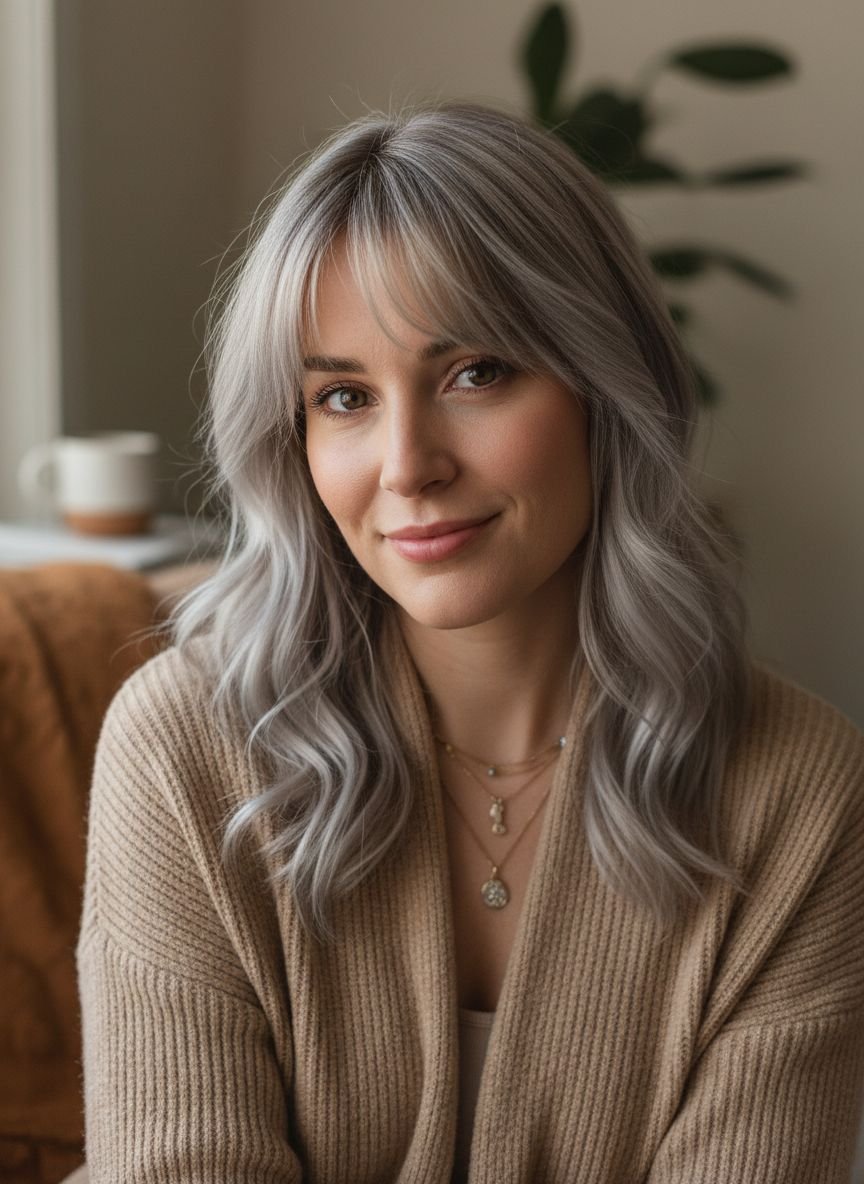
The “Butterfly Cut” has taken social media by storm, and the bangs are the star of the show. This style is all about maximum volume and drama. Butterfly curtain bangs are typically cut longer, often starting at the cheekbone and sweeping back into heavily layered, wing-like sections that frame the face. The name comes from the way the layers resemble butterfly wings—short and voluminous at the top, cascading into longer, wispier lengths at the bottom. This cut creates a gorgeous illusion: you can pin the back length up to look like a short, bouncy bob, or wear it down for a bombshell layered look.
Visually, this style relies on contrast between short, face-framing layers and long length. It is perfect for thick, heavy hair that needs weight removed to achieve volume. The structure of the cut forces the hair away from the face, opening up your features. To style, you need to focus on root lift. Apply a volumizing mousse to damp roots and blow dry with your head upside down before refining the bangs with a round brush or Velcro rollers. The goal is to create a “C” shape that curves away from the face, giving you that supermodel blowout vibe.
Pro Tip: Set your butterfly bangs in large Velcro rollers while you do your makeup. The longer they cool in the rolled position, the more bounce and volume you will get.
Natural Middle-Parted Curtain Bangs
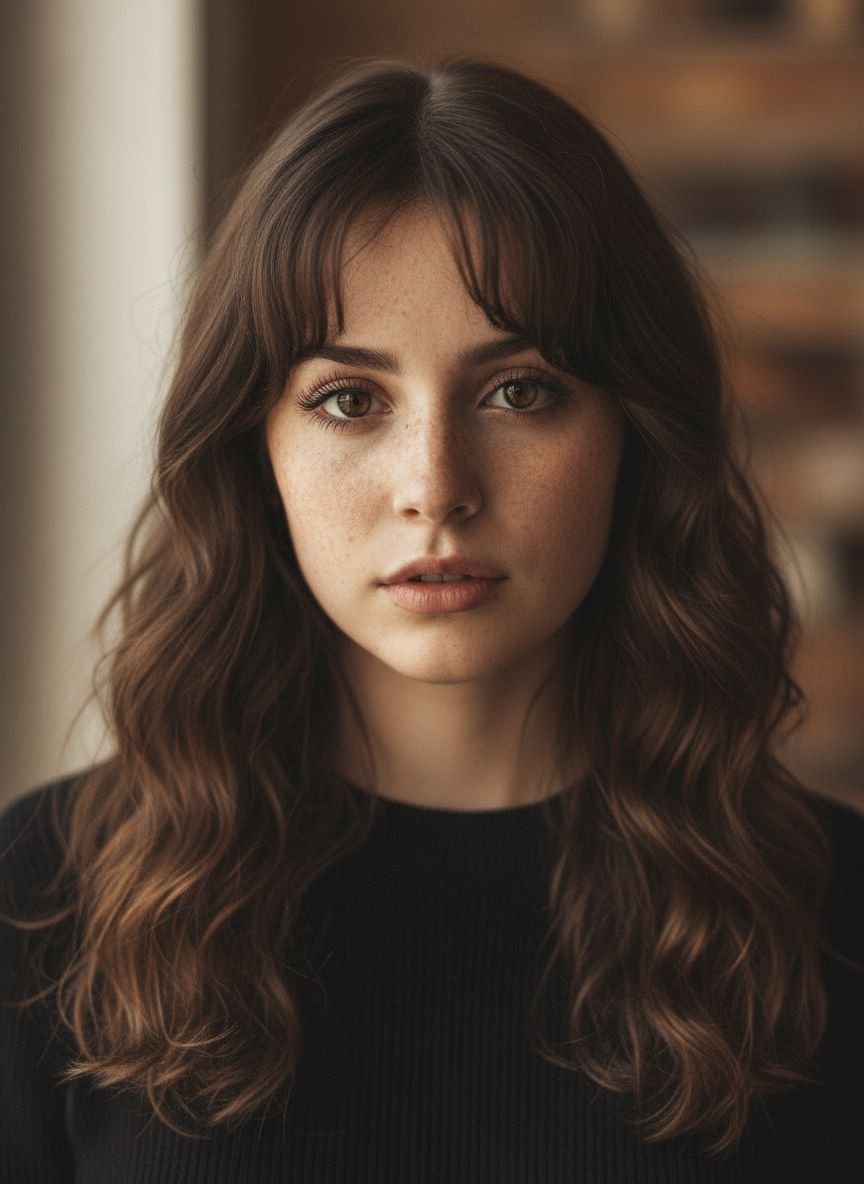
For those who prefer a “your hair but better” aesthetic, natural middle-parted curtain bangs offer a subtle, lived-in look. This style is less about dramatic swoops and styling tools, and more about working with your natural hair texture. The cut is usually longer, grazing the cheekbones or jawline, and is blended softly into the rest of the hair. It is the perfect entry-level bang for anyone nervous about cutting their hair, as the length is long enough to be tucked behind the ears if needed. The vibe is effortless chic—think French girl mornings where the hair looks perfect without trying.
The beauty of this style lies in its symmetry. A center part divides the face evenly, which can highlight facial symmetry and elongate rounder faces. Because the bangs are longer, they create a vertical line down the center of the face before sweeping out, which slims the cheeks. Styling this look should be minimal. If you have a slight wave, let it air dry. If your hair is straight, a quick pass with a flat iron (curving slightly at the ends) is all you need. The key is to avoid over-styling; you want the hair to move freely and look touchable.
Pro Tip: If you have a stubborn cowlick that prevents a clean middle part, blow dry the root area left, then right, then straight down to “confuse” the root and help it lay flat in the center.
’70S-Inspired Curtain Bangs
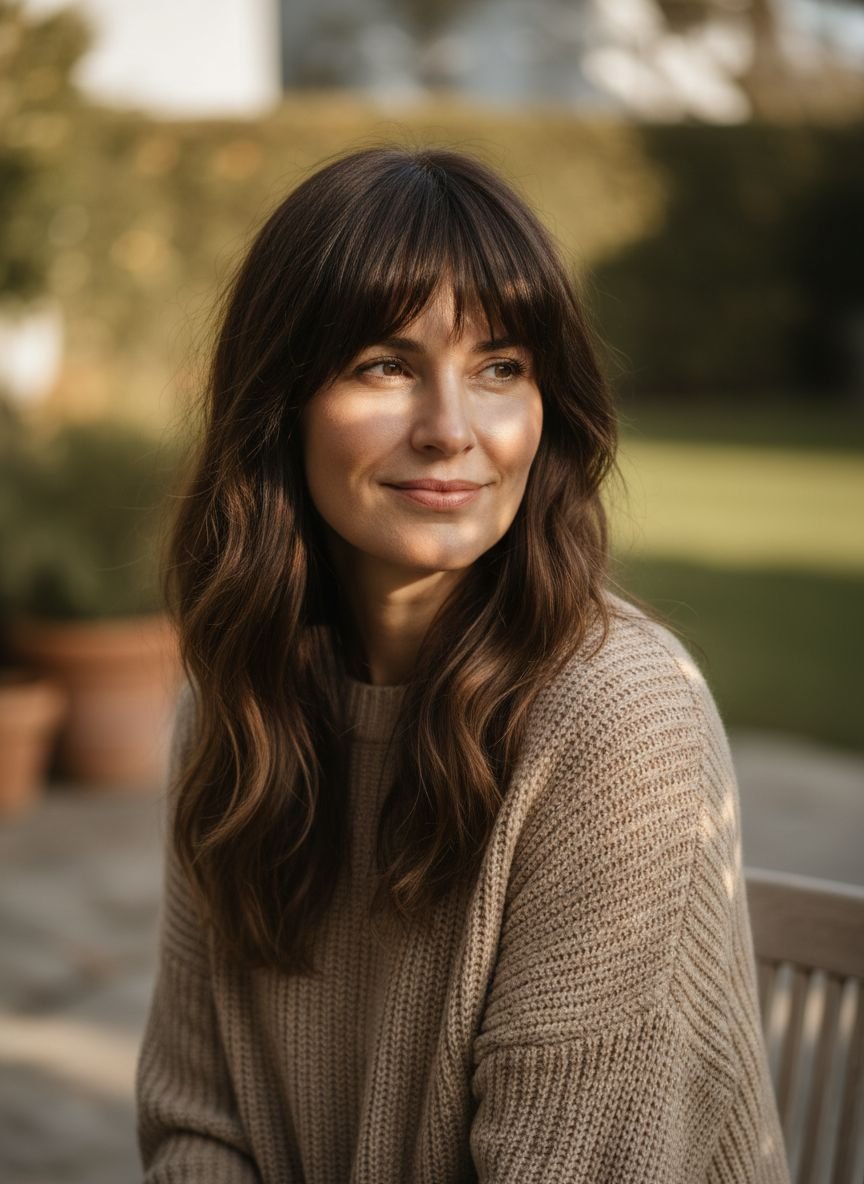
Channeling icons like Farrah Fawcett and Brigitte Bardot, the ’70s-inspired curtain bang is heavy, textured, and full of retro flair. Unlike modern, wispy versions, this style features a thicker section of hair cut into the fringe, creating a fuller look that commands attention. The bangs are often cut shorter in the center—sometimes right at the eyebrow—and taper drastically down to the cheekbones. This creates a strong “A” shape that frames the eyes beautifully. The texture is usually a bit more shaggy and unkempt, embracing the rock-n-roll energy of the era.
This style works exceptionally well for adding width to the top of the face, making it a great choice for diamond or triangular face shapes. The heavy layering around the face softens angular jawlines. To get the authentic ’70s look, you want to flip the ends outward. Use a curling wand or a round brush to direct the ends of the bangs and the face-framing layers away from your face. Finish with a dry texture spray or a sea salt spray to grit up the hair—you don’t want this to look too polished or glassy. It should look a little messy and voluminous.
Pro Tip: Use a dry shampoo at the roots even on clean hair. The powder adds grip and volume, helping the heavy bangs stay lifted off the forehead throughout the day.
Layered Curtain Bangs
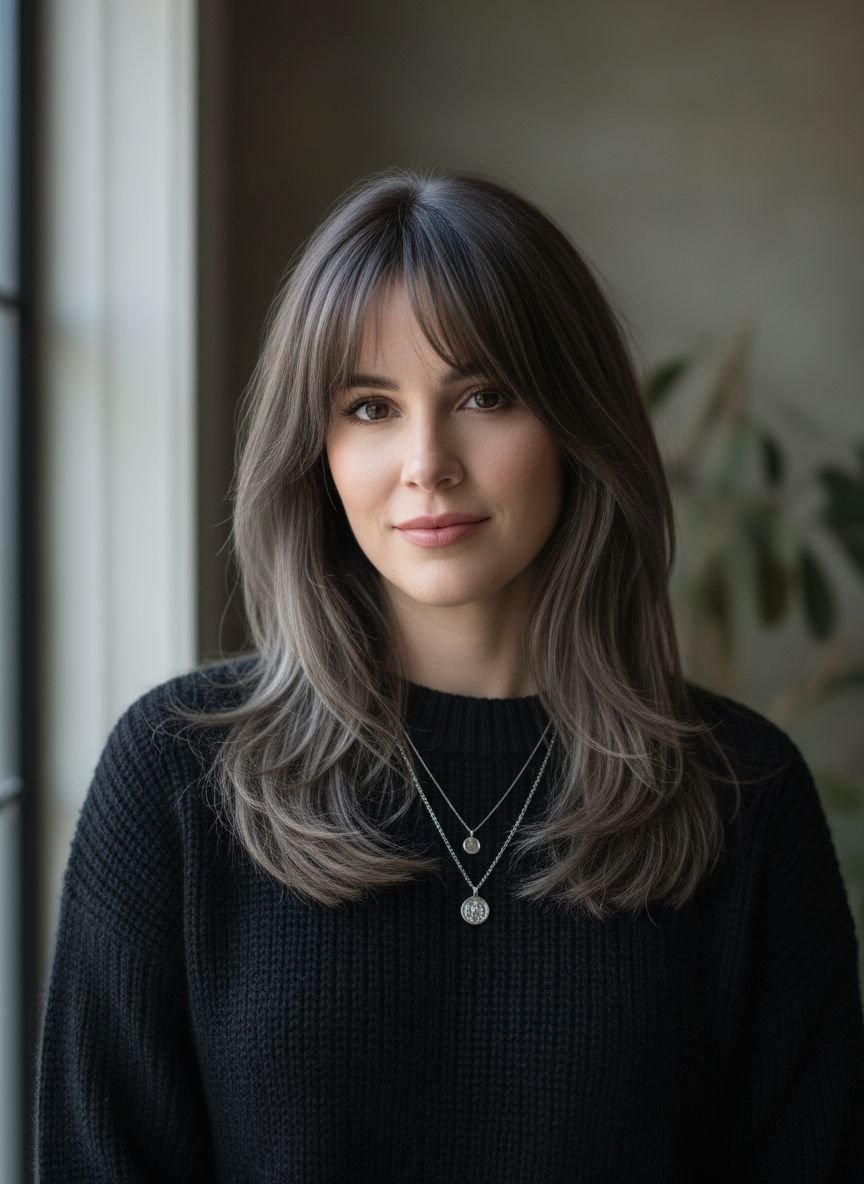
Layered curtain bangs are the chameleon of the hair world—they adapt to almost any hair type and length. In this style, the fringe itself contains internal layers. Instead of being one blunt length that is swept to the side, the stylist cuts shorter pieces within the bang section. This removes bulk and allows the hair to sit lighter and fluffier. It is an excellent choice for thick hair that tends to weigh down standard bangs. The layers create a soft, shattered edge that blends imperceptibly into the rest of the haircut, providing a seamless transition from fringe to length.
The design principle here is “soft transition.” By layering the bangs, you avoid the harsh “helmet” look that can sometimes happen with thick hair. The layers catch the light differently, adding dimension and depth to your color, especially if you have highlights or balayage. Styling is a breeze because the layers do most of the work for you. A quick rough dry with your fingers is often enough to place them. For a more polished look, use a medium round brush to smooth them out, but let the ends flicker naturally.
Pro Tip: Ask your stylist for “invisible layers” within the fringe if you have fine hair. This adds volume without making the bangs look sparse or stringy.
Comparison: Which Style Suits Your Maintenance Level?
| Style | Styling Time | Grow-Out Phase | Best For |
|---|---|---|---|
| Feathered Layers | Medium (10 mins) | Seamless | Fine to Medium Hair |
| Butterfly Bangs | High (15-20 mins) | Good (blends into layers) | Thick, Heavy Hair |
| Natural Middle-Part | Low (Air Dry) | Excellent (Tuckable) | Low Maintenance Lovers |
| ’70s Inspired | Medium (Texture needed) | Noticeable (Heavy fringe) | Oval/Diamond Faces |
| Layered Bangs | Low to Medium | Seamless | Thick/Wavy Hair |
Curly Curtain Bangs
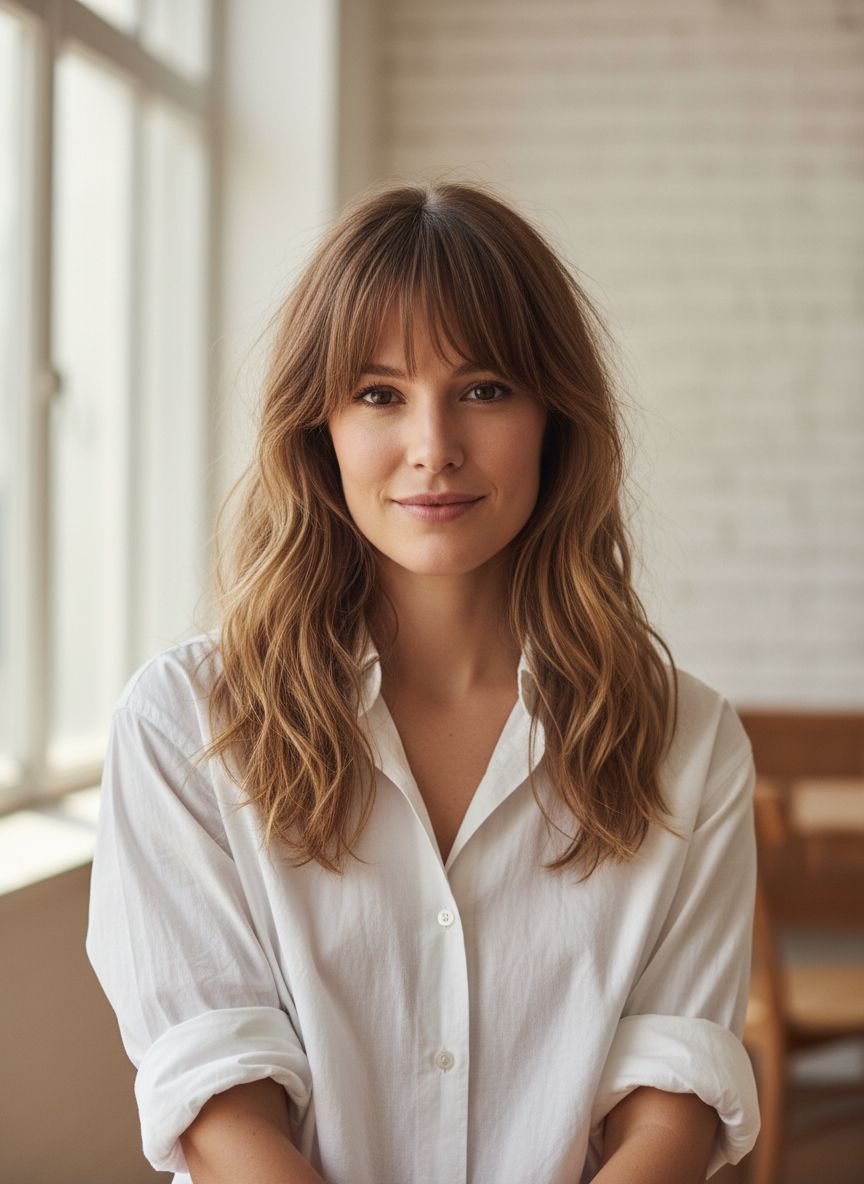
For years, people with curly hair were told to avoid bangs. That rule is officially dead. Curly curtain bangs are stunning, adding playful bounce and framing the face with ringlets. The key to this style is cutting the hair dry. Because curls shrink significantly when dry, a stylist must cut the bangs longer than intended to account for the “spring factor.” When done correctly, a few tendrils fall softly over the forehead while the rest frame the temples, creating a halo effect that celebrates natural texture.
This style softens the entire face and draws attention to the eyes. It works with the natural volume of curly hair rather than fighting against it. Styling requires a different approach than straight hair—put down the brush! Apply your curl cream or gel to soaking wet bangs, finger coil individual clumps, and then diffuse or air dry. Once dry, you can gently separate the curls to create the “curtain” shape. Avoid touching them too much while drying to prevent frizz. The result is a romantic, ethereal look that feels bespoke to your curl pattern.
Pro Tip: Refresh your curly bangs in the morning by misting them with water and a tiny bit of leave-in conditioner, then finger-coiling them back into shape.
Soft Feathered Curtain Bangs
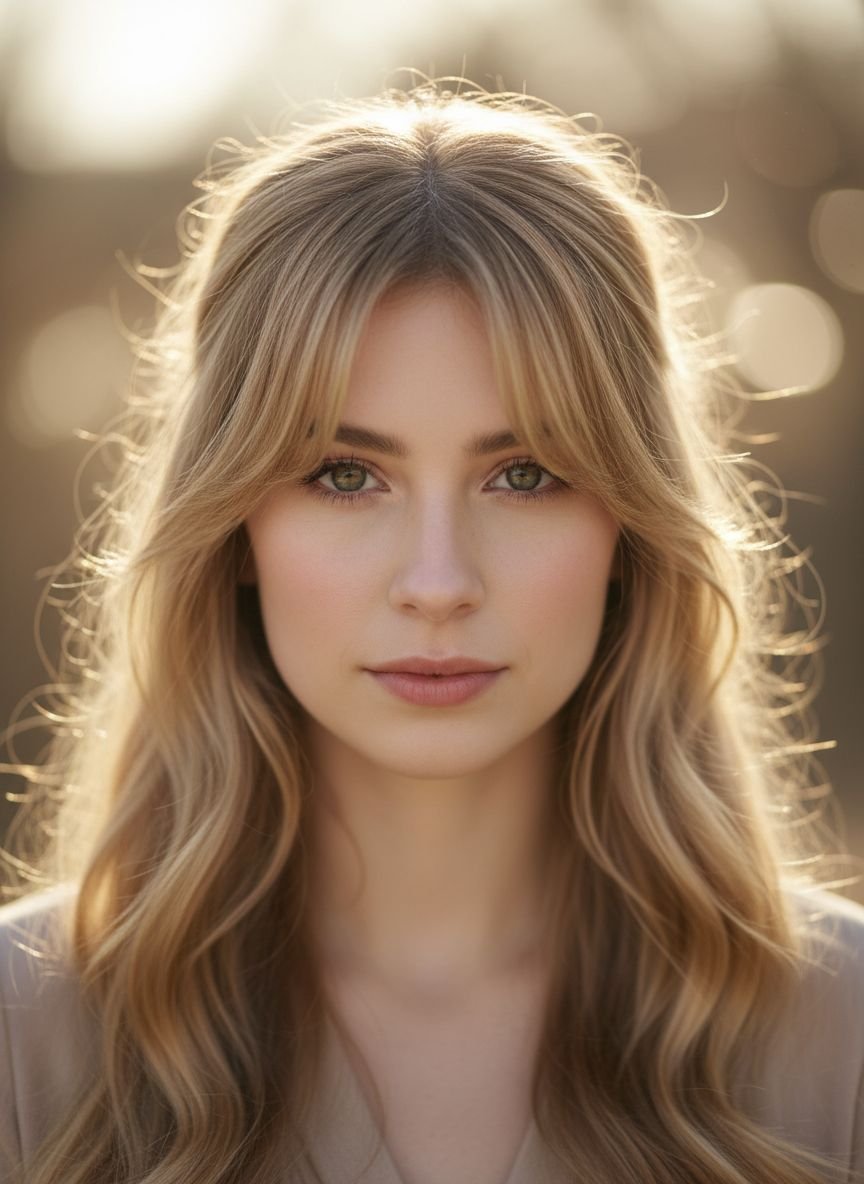
While similar to the feathered layers mentioned earlier, Soft Feathered Curtain Bangs focus specifically on the delicacy of the ends. This style is incredibly wispy and see-through. It is not a heavy block of hair; it is a veil. The stylist will use thinning shears or a razor to remove significant weight from the ends, ensuring that the bangs look almost translucent. This is the perfect option for someone who wants the face-framing benefits of bangs without the commitment of a full fringe. It is subtle, modern, and incredibly feminine.
This style is ideal for smaller faces or delicate features that might be overwhelmed by heavy hair. The transparency of the bangs allows your forehead and eyebrows to peek through, keeping the face open. Styling is effortless—often just a quick blow-dry with a paddle brush to smooth the root is enough. Because the ends are so light, they naturally sweep to the sides without much persuasion. This style pairs beautifully with updos, leaving just enough soft wisps around the face to keep the look romantic rather than severe.
Pro Tip: Be careful with heavy oils or serums. Since these bangs are fine and feathery, heavy products will make them look greasy instantly. Stick to lightweight mists.
Wispy Curtain Bangs
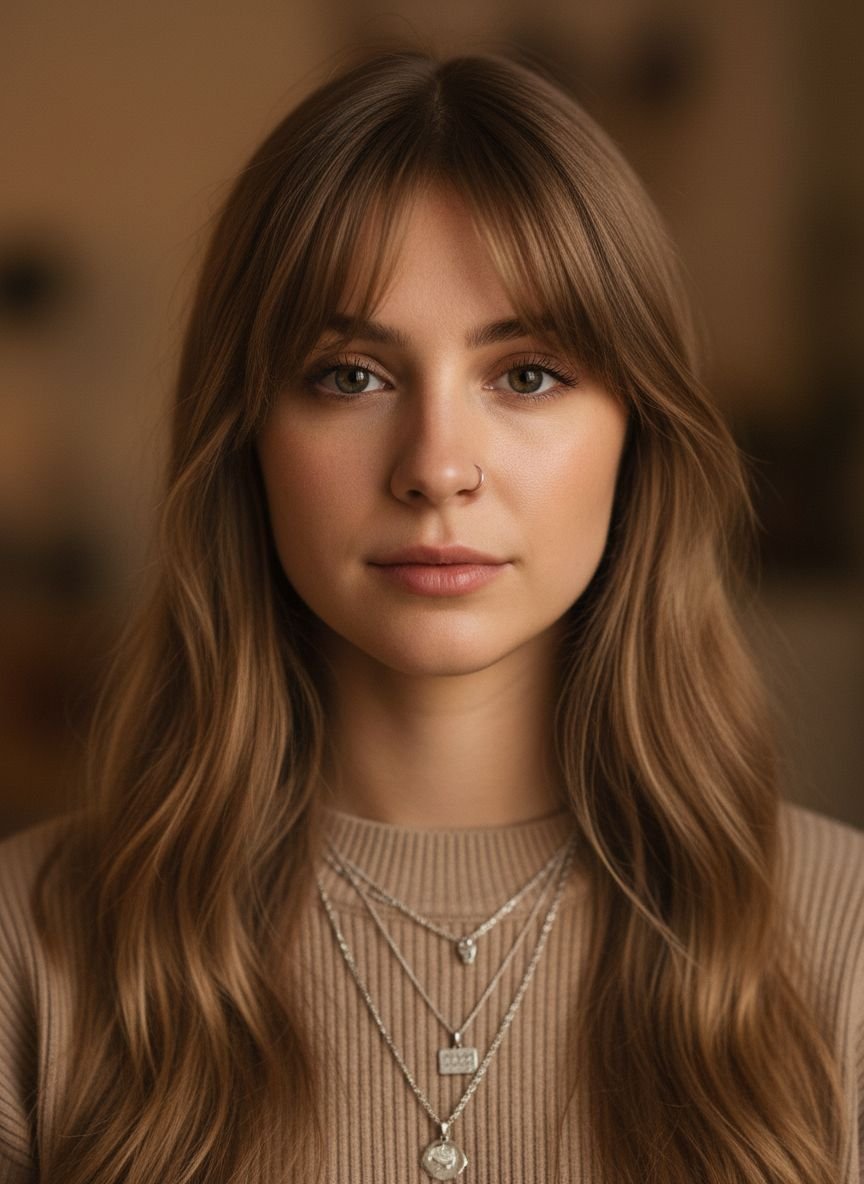
Wispy curtain bangs bridge the gap between Korean “air bangs” and traditional French curtain bangs. They are defined by their piecey, separated texture. Unlike the soft feathered look which is about tapered ends, wispy bangs are cut with deliberate gaps and separation throughout. They are typically shorter in the middle, often grazing the eyelashes, and lengthen slightly at the temples. This style is incredibly youthful and fresh, bringing a playful energy to long hair.
The “gaps” in the fringe are a strategic design element. They create vertical lines that break up the forehead, which is fantastic for balancing a high forehead without covering it completely. This style looks amazing on straight or slightly wavy hair where the piecey texture can really stand out. To style, use a small round brush just on the roots to give them a little lift, but keep the ends relatively straight or slightly curved. You can use a tiny amount of pomade on your fingertips to pinch the ends together, emphasizing that separated, wispy look.
Pro Tip: If your wispy bangs start to separate too much or look stringy by midday, a quick blast of dry shampoo and a comb-through will reset the fluffy texture instantly.
Shaggy Curtain Bangs
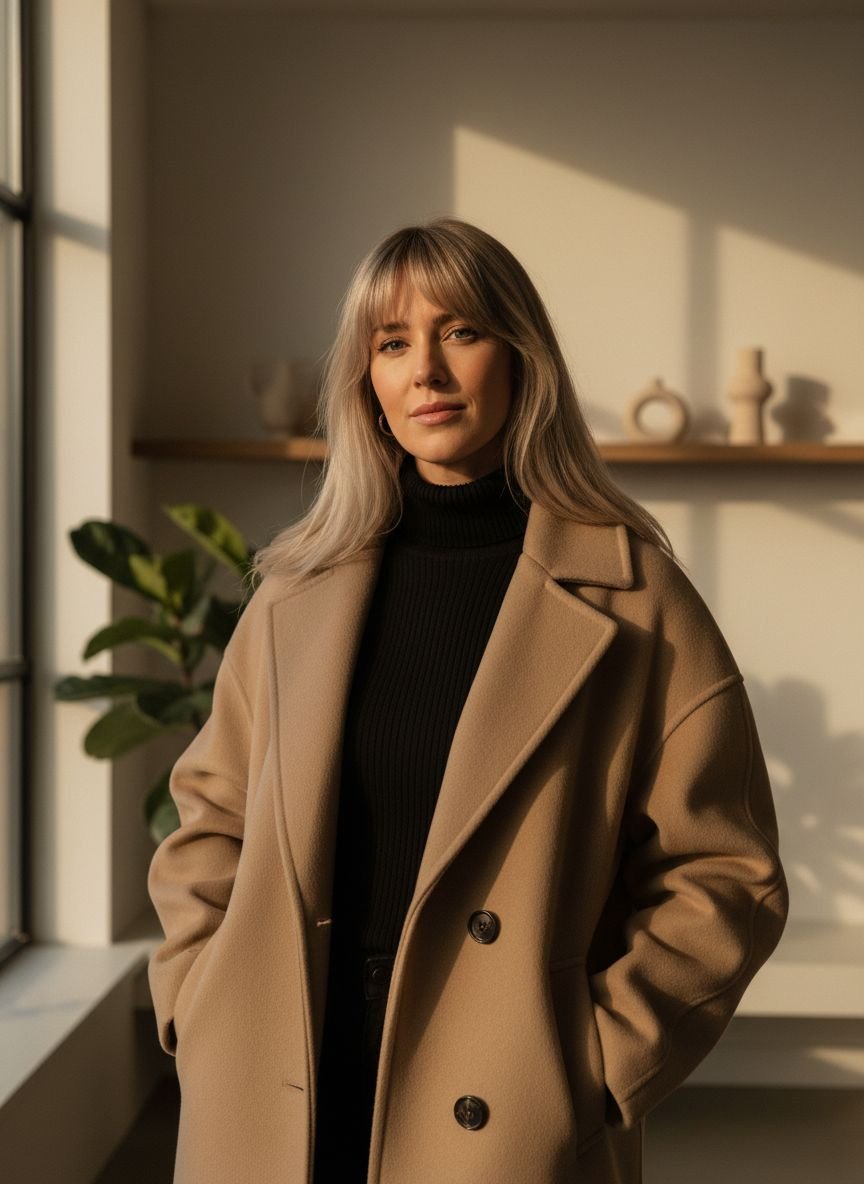
If you love the “rocker chic” aesthetic, shaggy curtain bangs are your go-to. This style is choppy, textured, and deliberately imperfect. It often accompanies a shag haircut or a wolf cut, where layers are short and disconnected throughout the head. The bangs themselves are cut with a lot of texture, often featuring uneven lengths that add to the gritty, cool-girl vibe. They blend into short, face-framing layers that hug the cheekbones and jaw, creating a very sculpted look around the face.
This style is a powerhouse for adding volume and width. The choppy layers create horizontal movement, which is great for narrow faces. It is also one of the best styles for highlighting natural wave patterns. Styling shaggy bangs is all about texture products. Sea salt sprays, texture pastes, and volumizing powders are your best friends. You want to rough dry the hair with your hands to encourage natural movement. The goal is a look that says “I woke up like this,” even if it took a little product to achieve.
Pro Tip: To get that piecey definition, rub a clay-based wax between your fingers and twist the ends of random sections of the bangs.
Blunt Curtain Bangs
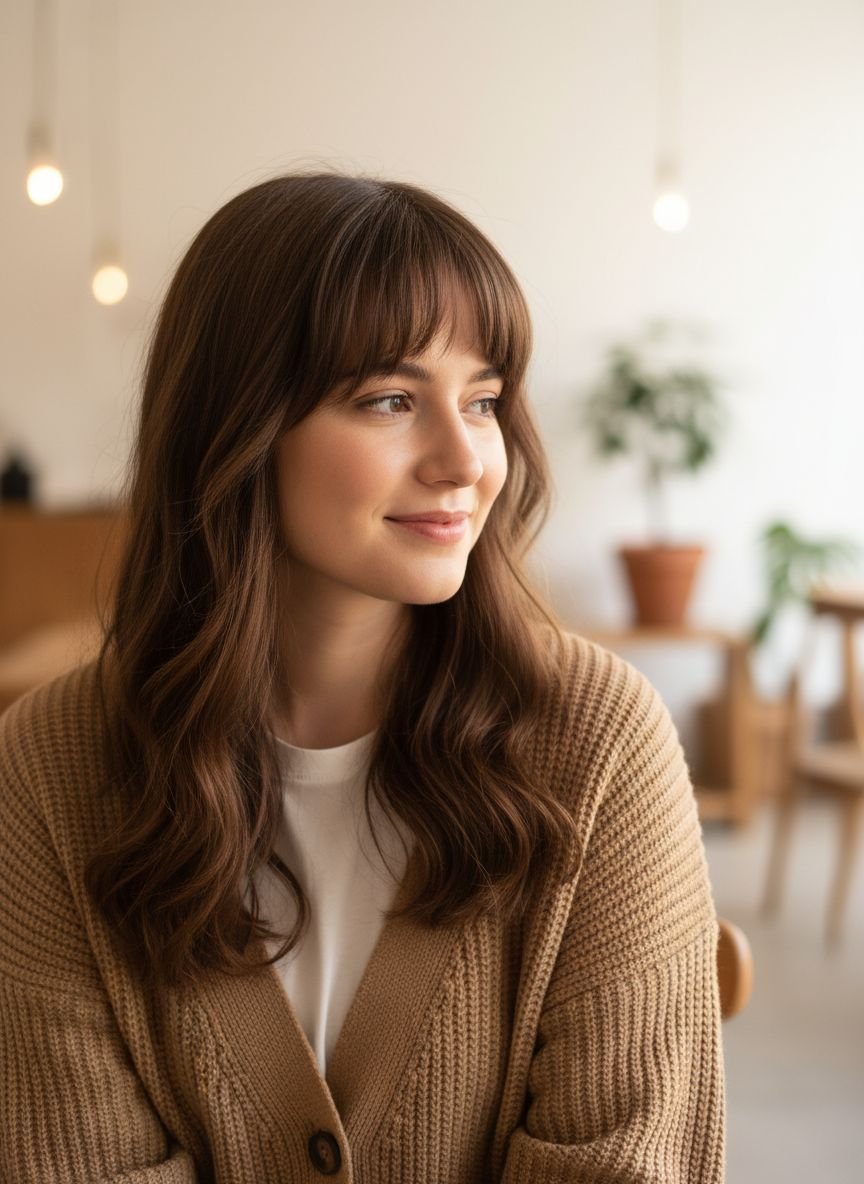
Wait, can curtain bangs be blunt? Yes, and it is a striking high-fashion variation. Blunt curtain bangs feature the signature center part and face-framing sweep, but the ends are cut with a blunt, crisp line rather than being feathered or textured. This creates a stronger, more graphic shape that sits boldly against the face. The contrast between the sharp edge of the bangs and the flowing length of the hair is visually arresting and very modern.
This style adds structure to soft faces. If you have a round or oval face with soft features, the sharp lines of blunt curtain bangs can add definition and edge. It is a bolder look that requires a bit more maintenance to keep the edges crisp. Styling usually involves a flat iron to ensure the ends are sleek and straight. You want to emphasize the clean line of the cut, so smoothing serums are essential to banish frizz and flyaways.
Pro Tip: This style looks incredible with high-contrast hair color, like platinum blonde or jet black, which emphasizes the sharp geometric lines of the cut.
The “Get The Look” Styling Toolkit
To achieve salon-worthy curtain bangs at home, you need the right tools. Here is the essential checklist:
- Velcro Rollers (Medium & Large): The secret weapon for volume and cooling the hair into shape.
- Boar Bristle Round Brush: Smoothes the cuticle for shine while creating tension for the perfect swoop.
- Creaseless Clips: Use these to hold your bangs in place while they cool or while you do your makeup to prevent ridges.
- Texturizing Spray: Essential for hold that moves. Avoid heavy hairsprays that create a “helmet” effect.
Long Curtain Bangs
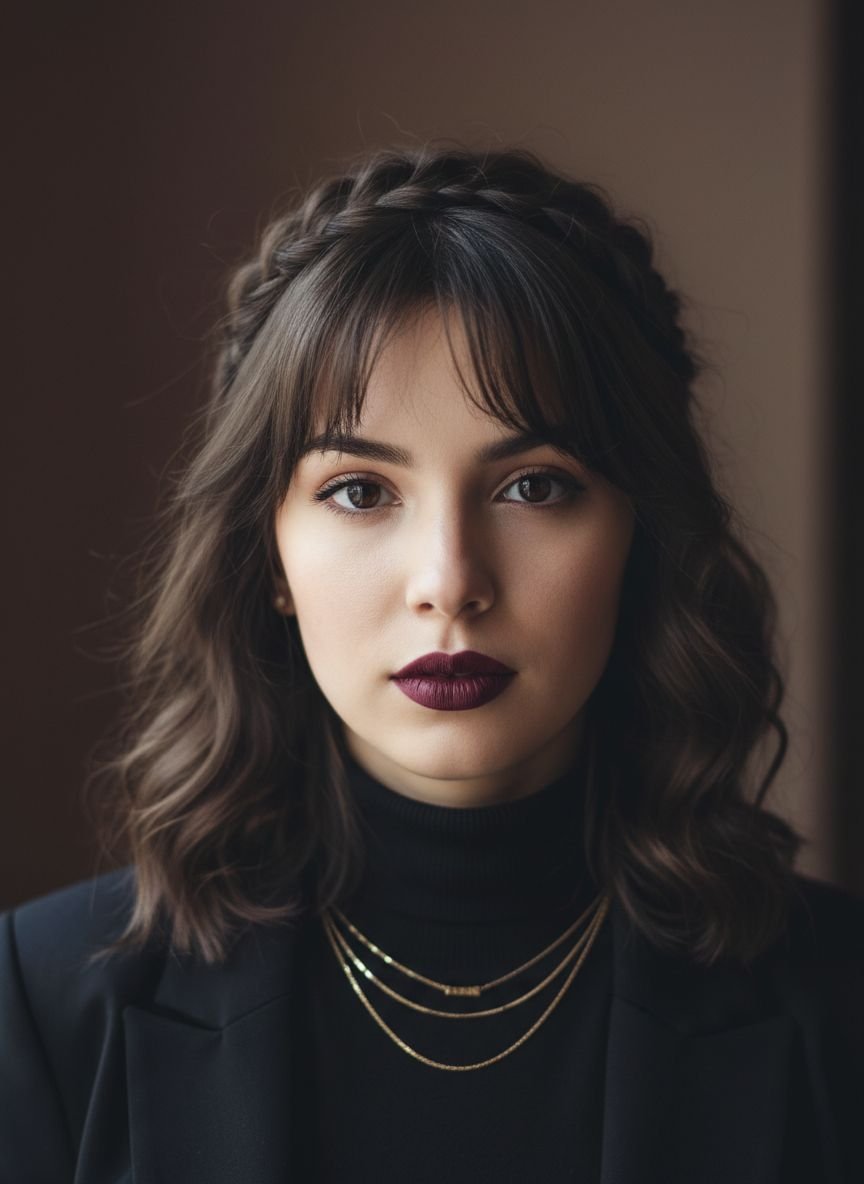
Also known as “cheekbone bangs” or “chin bangs,” long curtain bangs are the safest entry point into the world of fringe. These bangs are cut significantly longer, usually starting below the cheekbone and blending into the jawline. They frame the lower half of the face and are perfect for adding movement to long, one-length hair without committing to a full chop. Because they are so long, they can easily be tucked behind the ears, making them practically zero-risk.
This style is fantastic for contouring. The way the hair sweeps in at the cheekbone and out at the jaw can create the illusion of sculpted cheekbones and a defined jawline. It is universally flattering and works on every face shape. Styling is often as simple as a blowout with a large round brush, directing the hair backwards. The weight of the long hair helps it fall naturally into place. It adds sophistication and polish to ponytails and low buns, leaving elegant tendrils to frame the face.
Pro Tip: When curling your long hair, curl the long bangs away from your face to open up your features and blend the bangs into your beach waves.
Side-Swept Curtain Bangs
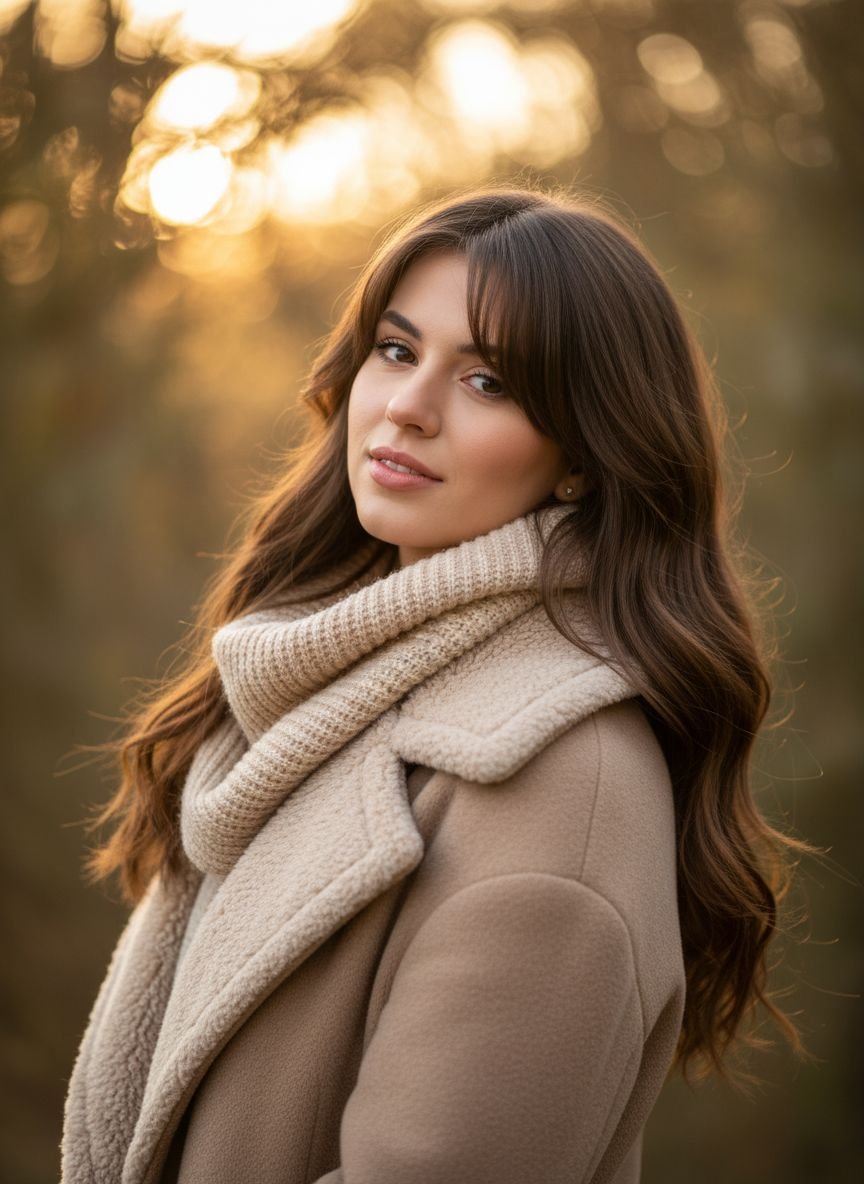
While traditional curtain bangs are center-parted, the side-swept variation is making a huge comeback. This is a hybrid style where the bangs are cut to frame the face but are styled to sweep predominantly to one side. It creates a deep, dramatic part that adds instant volume to the top of the head. The “curtain” effect is still there—the bangs are long and face-framing—but the asymmetry adds a touch of old Hollywood glamour.
This style is a lifesaver for square faces or anyone with strong asymmetry in their features, as the side sweep softens angles and draws the eye diagonally across the face. It is also a great way to switch up your look if you are bored with a middle part. To style, blow dry the roots in the opposite direction you want them to lay to create maximum lift, then sweep them over to your preferred side. Use a large barrel curling iron to create a soft wave that directs the hair away from the eye.
Pro Tip: Use a little root lifting powder at the part line. Side-swept styles can sometimes fall flat due to gravity, and the powder will keep that dramatic swoop high and voluminous.
Popular Asked Questions
Do curtain bangs suit round faces?
Absolutely. In fact, they are one of the best bang styles for round faces. The key is to ask for a longer cut that starts around the cheekbones or jawline. This elongates the face visually. Avoid cuts that are too short or wide, which can emphasize roundness. The vertical opening of the “curtain” creates a slimming line down the center of your face.
Are curtain bangs high maintenance?
They are “medium” maintenance. While they are much easier than blunt bangs (which need trimming every 2-3 weeks), curtain bangs still require styling. You cannot usually “wash and go” without them looking a bit flat. However, the grow-out process is painless because they simply turn into face-framing layers. You will likely need a trim every 5-6 weeks to keep the shape fresh.
How do I style curtain bangs without heat?
Velcro rollers are your best friend here. While your hair is 90% dry (or slightly damp), roll your bangs onto a medium-sized roller, rolling away from your face. Let them sit while you do your makeup or for at least 20 minutes. Unroll them and use your fingers to position them. This gives a soft, bouncy shape without heat damage.
What is the difference between curtain bangs and face-framing layers?
The main difference is the amount of hair and the connection. Curtain bangs are a distinct section of fringe that covers part of the forehead and has a specific shape (shorter in the middle, longer on sides). Face-framing layers are part of the main body of the hair and usually start lower, around the chin, without covering the forehead. Curtain bangs are a “feature,” while layers are a “texture.”
Can I get curtain bangs if I have a cowlick?
Yes, but you will need to “train” them. A strong cowlick at the front hairline can make a center part difficult. To fix this, blow-dry your bangs immediately after washing (do not let them air dry!). Brush the hair left, then right, then straight down repeatedly while drying to neutralize the cowlick’s natural direction.
Conclusion
Curtain bangs for long hair are more than just a trend; they are a classic style hack that adds shape, personality, and volume to your look with minimal risk. Whether you opt for the dramatic Butterfly cut or the subtle Long Curtain Bang, this style offers the perfect balance of chic and effortless. It is the ultimate accessory for your long hair, proving that you don’t need to sacrifice length to make a major statement.

Leave a Comment