You have been there. You are staring at your yarn stash, feeling the creative itch, but you are completely bored with granny squares and basic beanies. You want to make something that sparks instant joy. You want a project that makes people squeal with delight when they see it.
The struggle to find the perfect, gift-worthy pattern is real. You scroll for hours, finding broken links or patterns that look nothing like the picture. But today, that search ends.
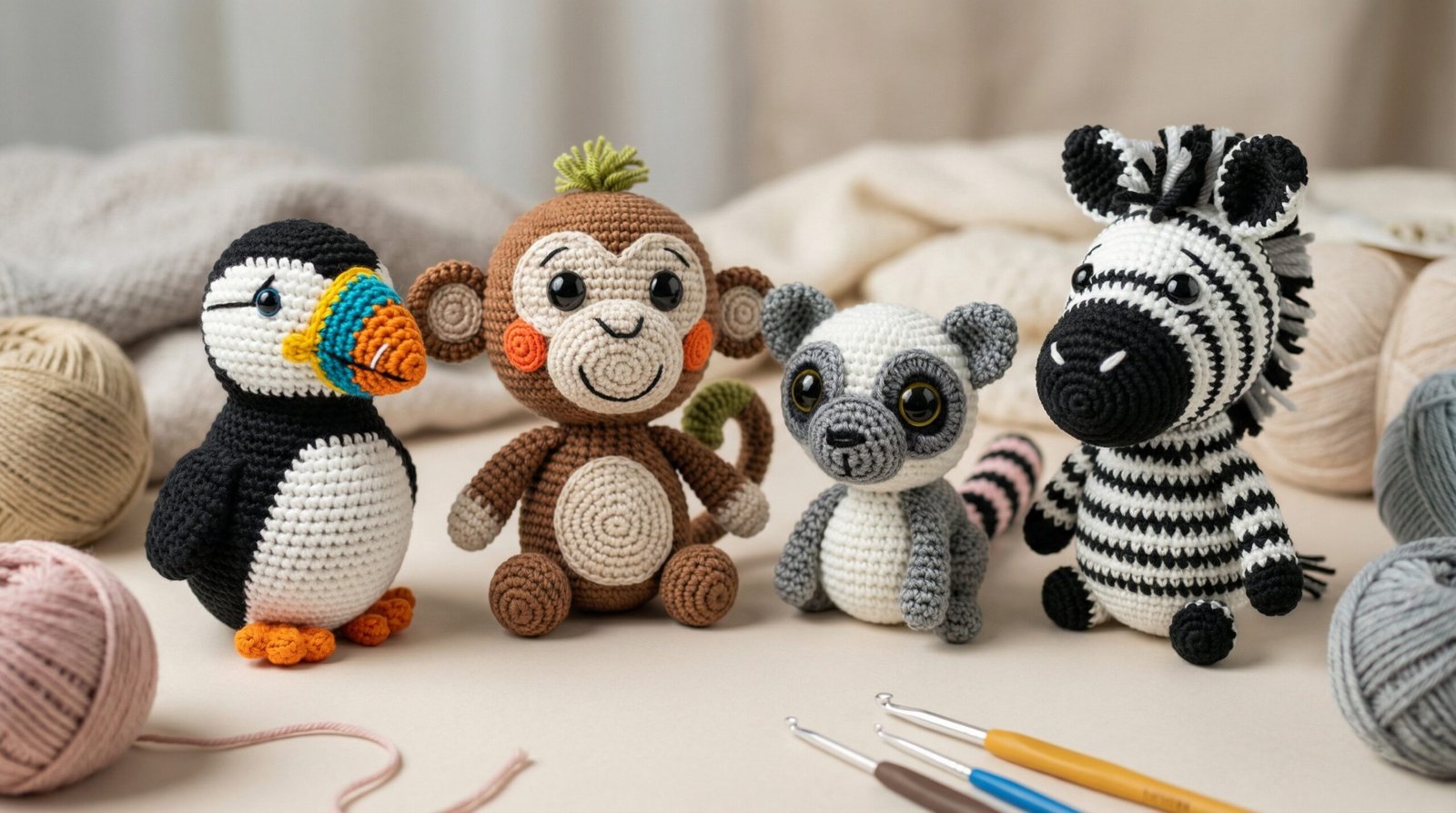
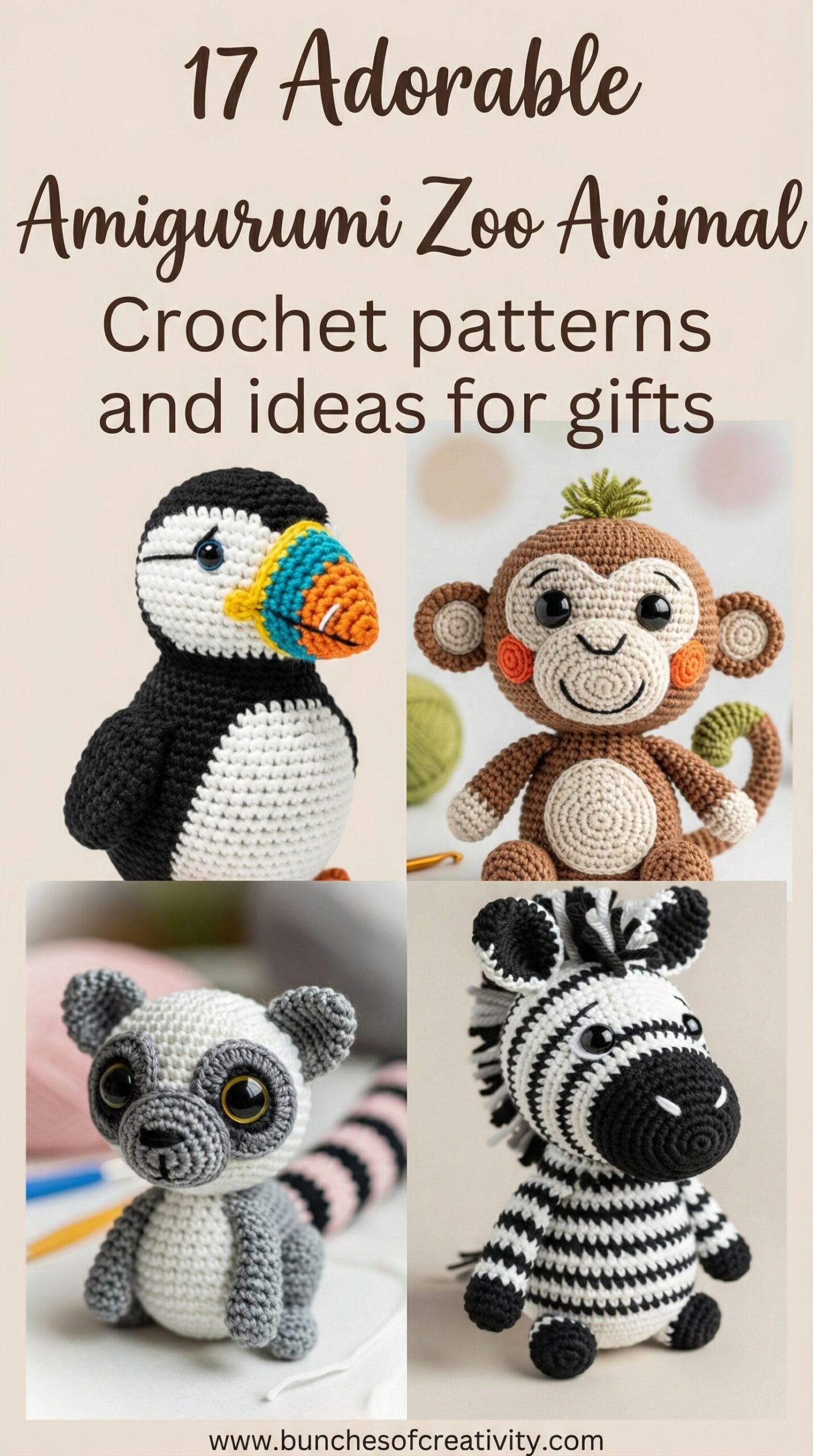
This is your ultimate resource hub for 14 Amigurumi Zoo Animal Crochet patterns and ideas. Whether you are looking for a quick stash-buster or an heirloom-quality gift for a new baby, this list has it all. These projects are squishy, adorable, and surprisingly easier than they look. Grab your hook, because we are about to build the cutest zoo on the planet.
Key Takeaways
- Stash-Busting Magic: Most of these zoo animals require very little yarn, making them perfect for using up leftovers.
- Beginner-Friendly: You do not need to be a pro. Many of these patterns use simple shapes and basic stitches.
- Gift-Ready: These are the ultimate handmade gifts for baby showers, birthdays, or just because.
- Customizable: Change the colors to match a nursery theme or create “fantasy” zoo animals with bright pinks and blues.
Table of Contents
- The Curated Collection: 14 Adorable Zoo Friends
- Mastering the Art of Amigurumi Construction
- Popular Asked Questions
- Conclusion
The Curated Collection: 14 Adorable Zoo Friends
Here is the definitive list of zoo animal patterns that will keep your hands busy and your heart full.
1. Molly the Puffin Amigurumi Crochet
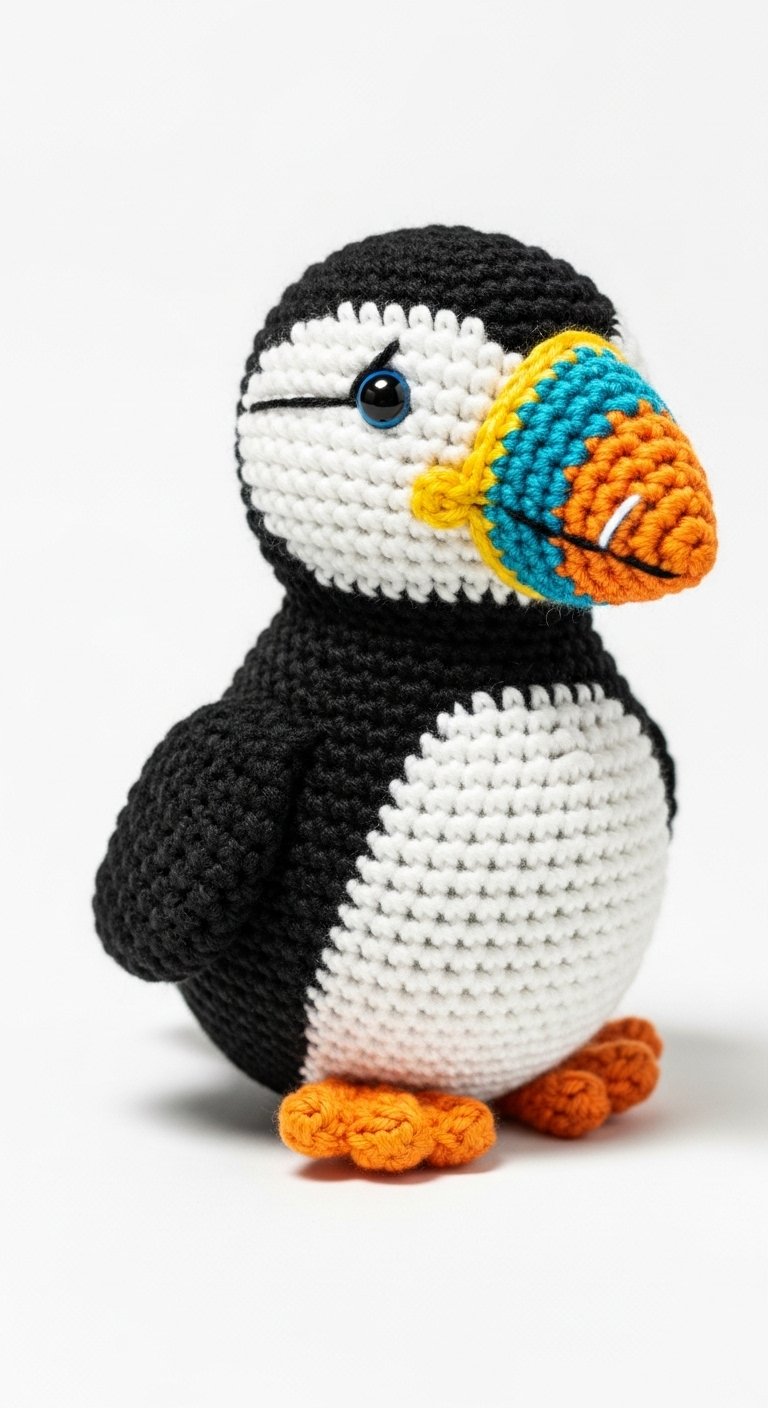
Molly is the perfect bird to start your collection. With her distinct beak and soulful eyes, she brings a touch of the coast to your zoo. The color changes on the beak might look intimidating, but they are actually quite simple once you get the rhythm. Use a stitch marker to keep your rounds even. This project is fantastic for practicing clean color transitions.
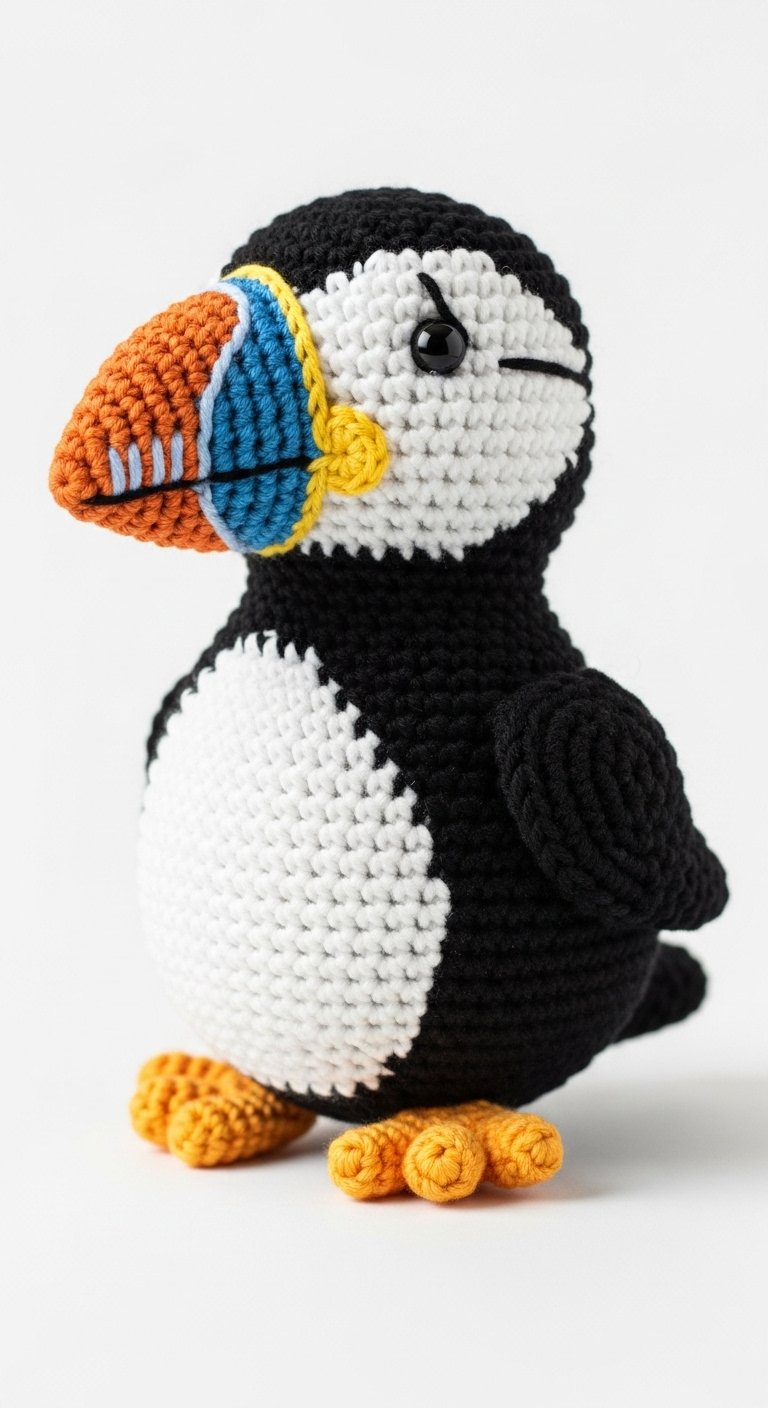
If you want to take cute photos of your finished Puffin, natural lighting is key. You could even set up a mini photo shoot in your backyard. For inspiration on creating a beautiful backdrop, check out our guide on 14 Breathtaking Modern Garden Design Ideas to Refresh Your Outdoor Space.
2. The Classic Lion Amigurumi
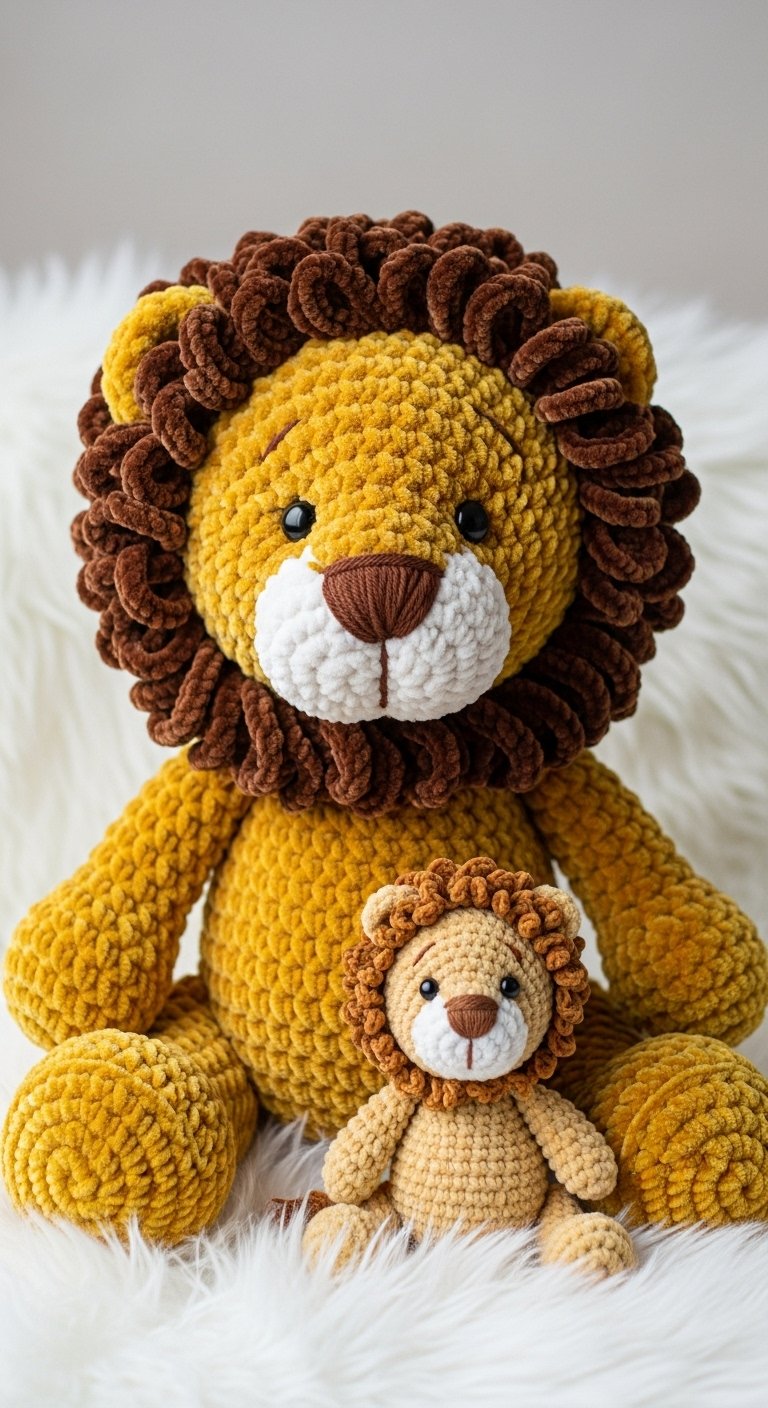
No zoo is complete without the King of the Jungle. This pattern focuses on a “loop stitch” technique to create that magnificent, fluffy mane.
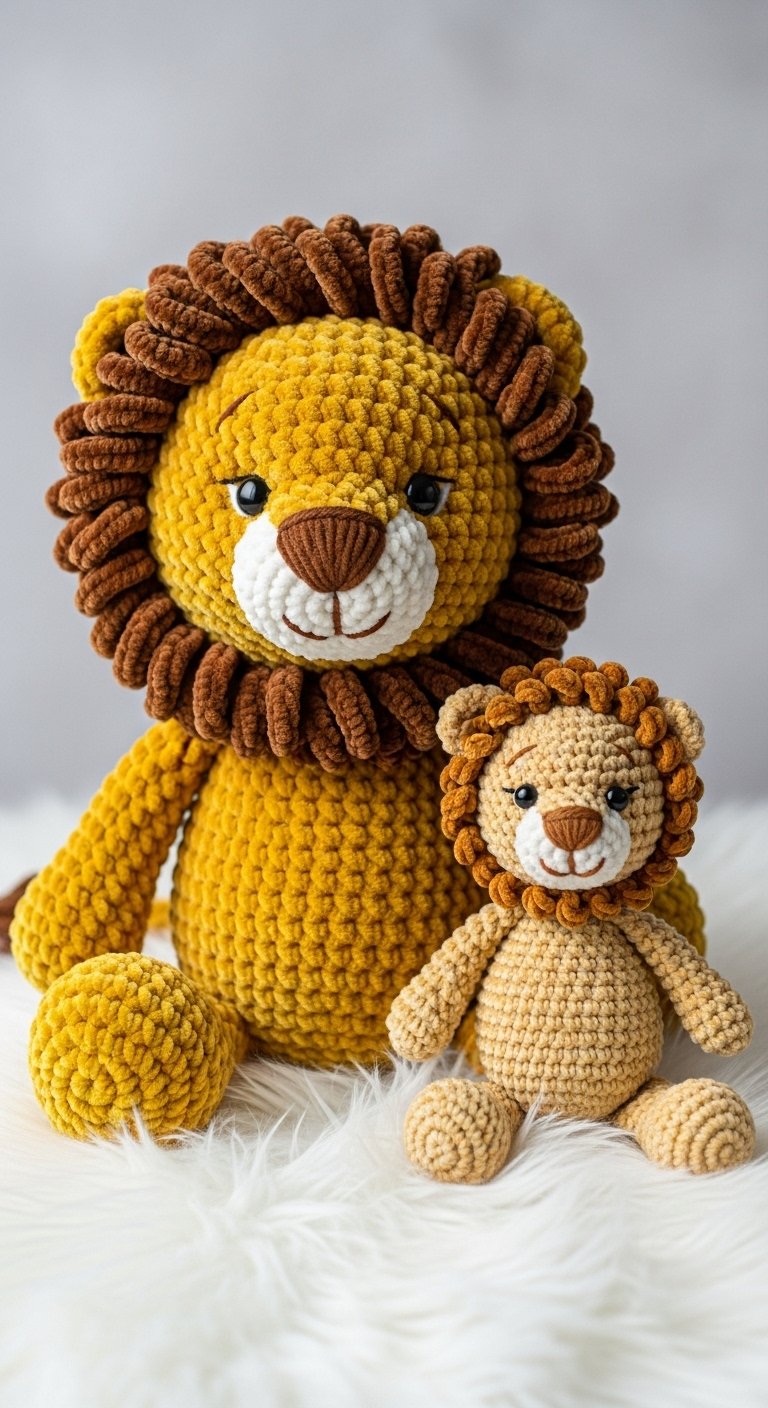
You can trim the loops after crocheting to give it a fur-like texture, or leave them looped for a fun, tactile feel for babies. Use a golden yellow yarn for the body and a deep rust or brown for the mane.
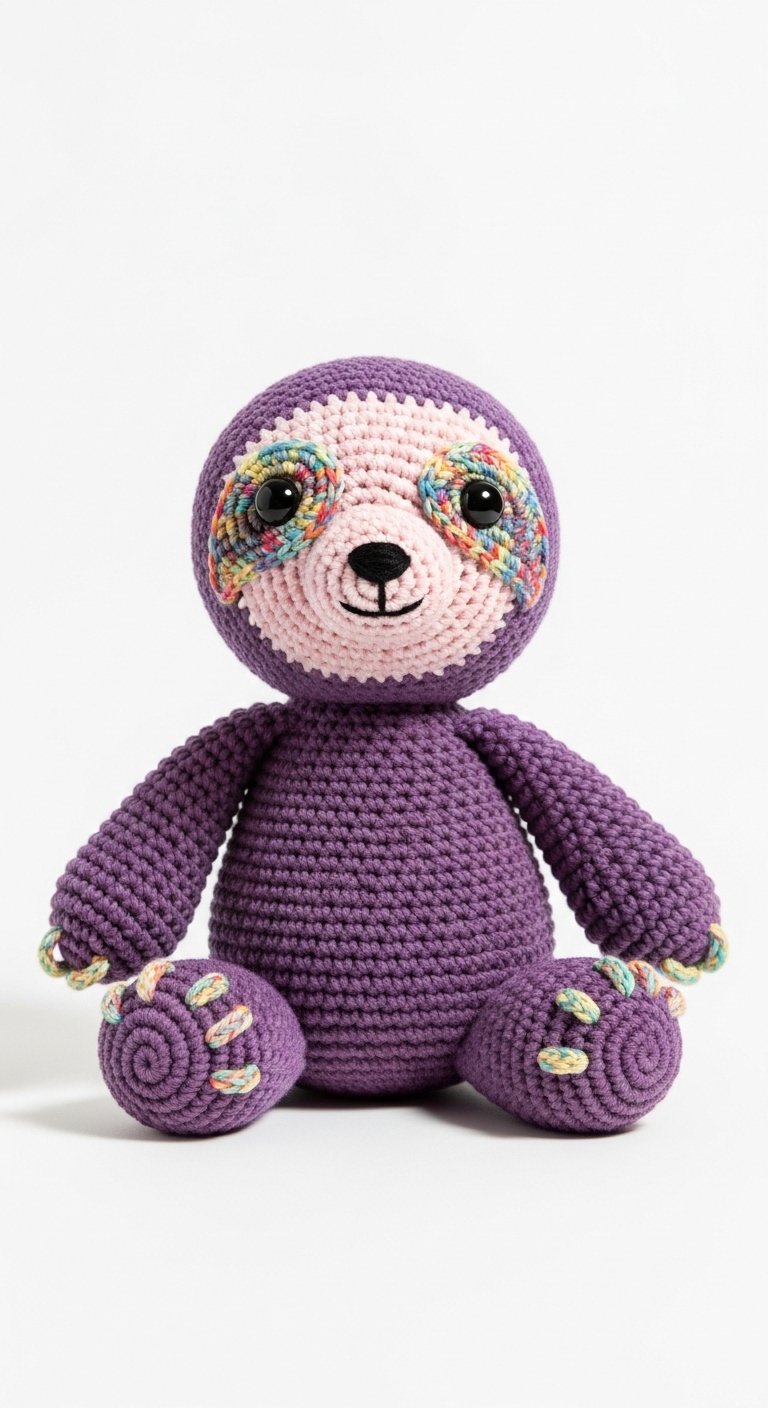
3. Sloth Amigurumi Pattern
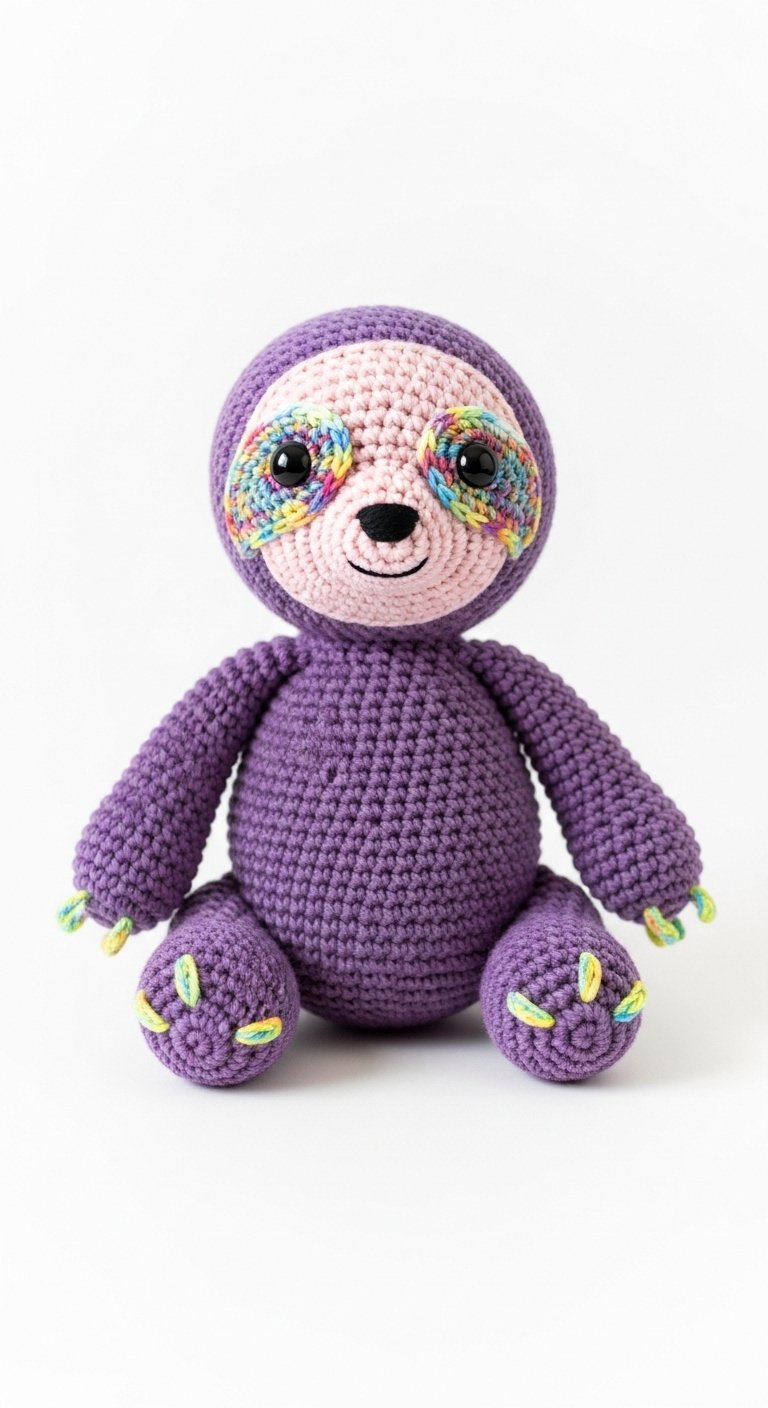
This is the ultimate “hang in there” buddy. The beauty of the sloth pattern is the long limbs, which usually contain pipe cleaners or wire (for older kids) or soft stuffing (for babies) to make them poseable.
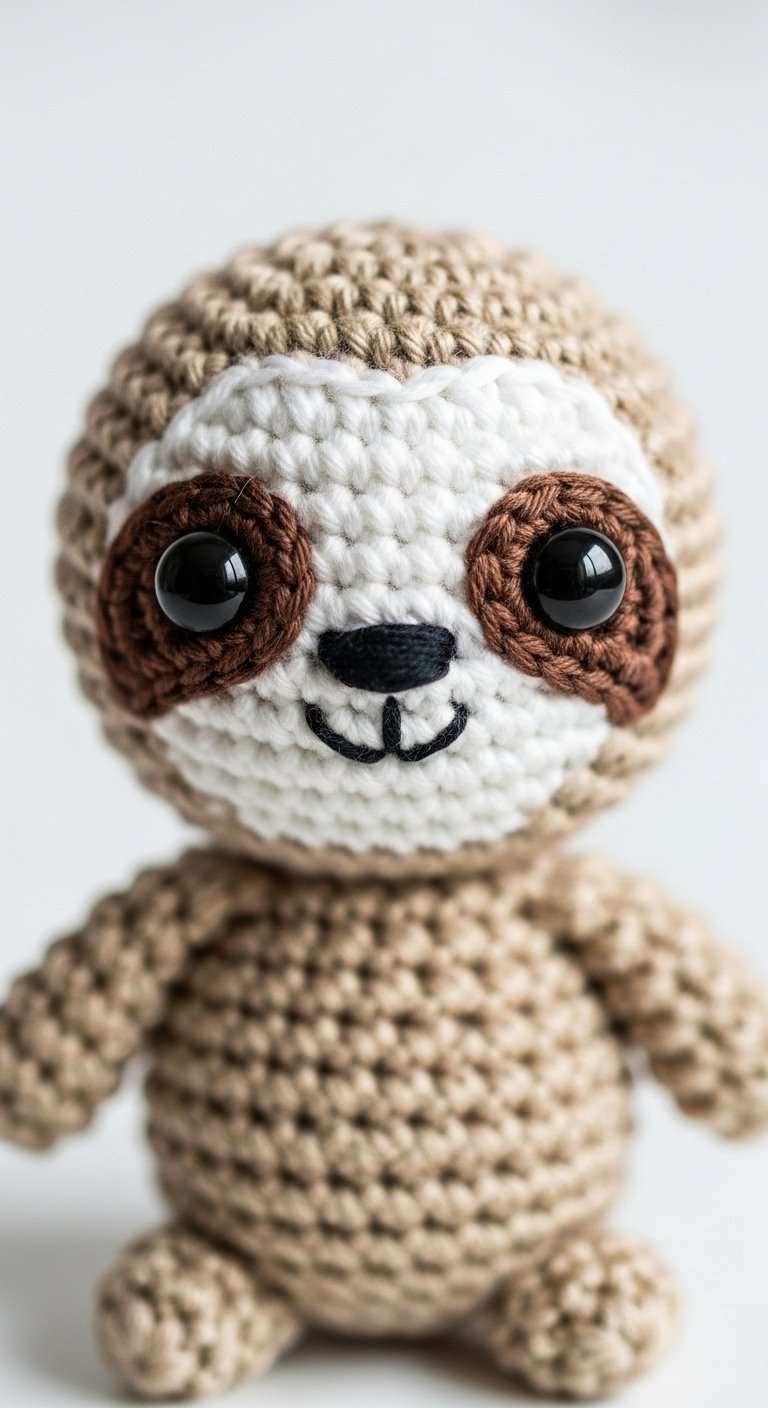
You can attach velcro to the hands so they can actually hang from shelves or bedposts.
If you love the idea of hanging decor, you might find inspiration in our article on 14 Creative Deck Wall Ideas for Stylish Outdoor Spaces, where vertical space is the star.
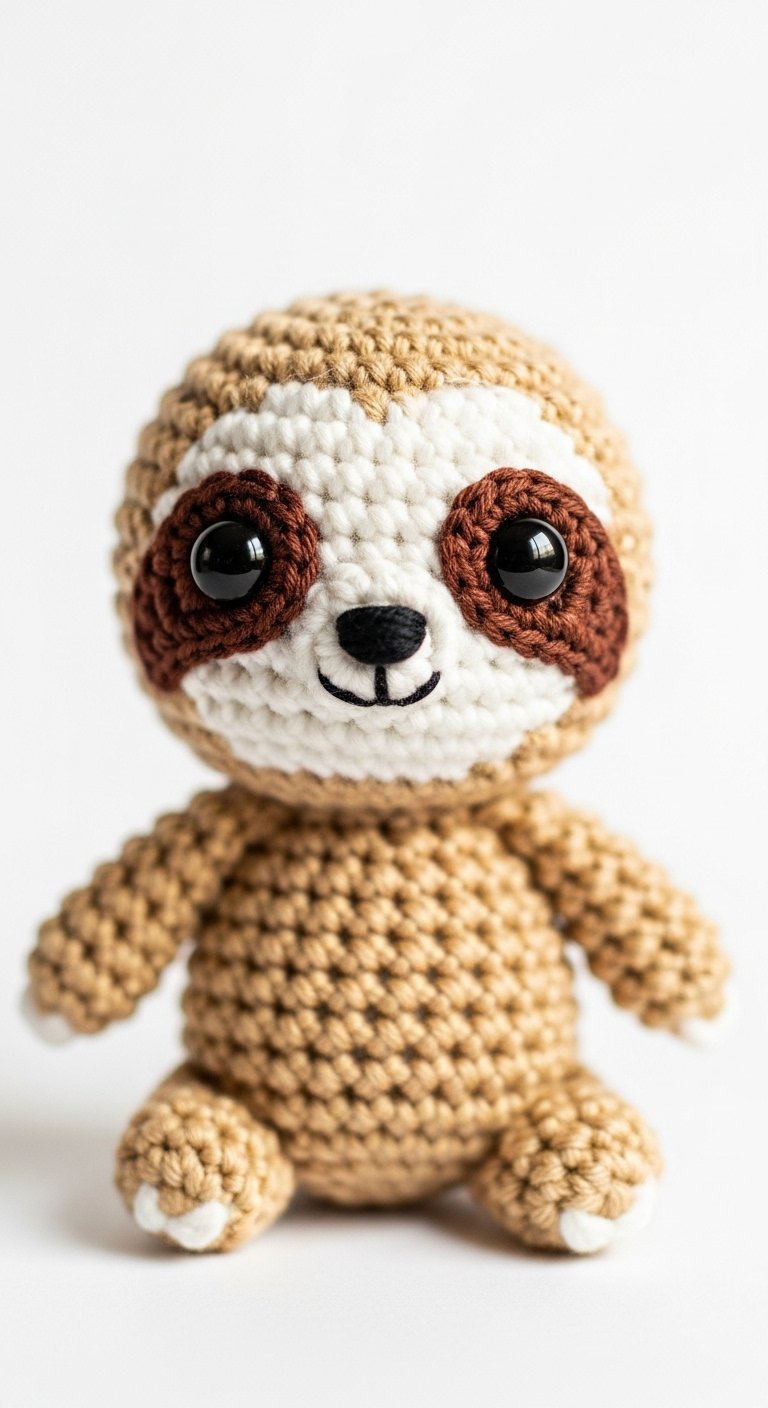
Follow a video tutorial if you want extra help: Tutorial Link
4. Esther the Elephant
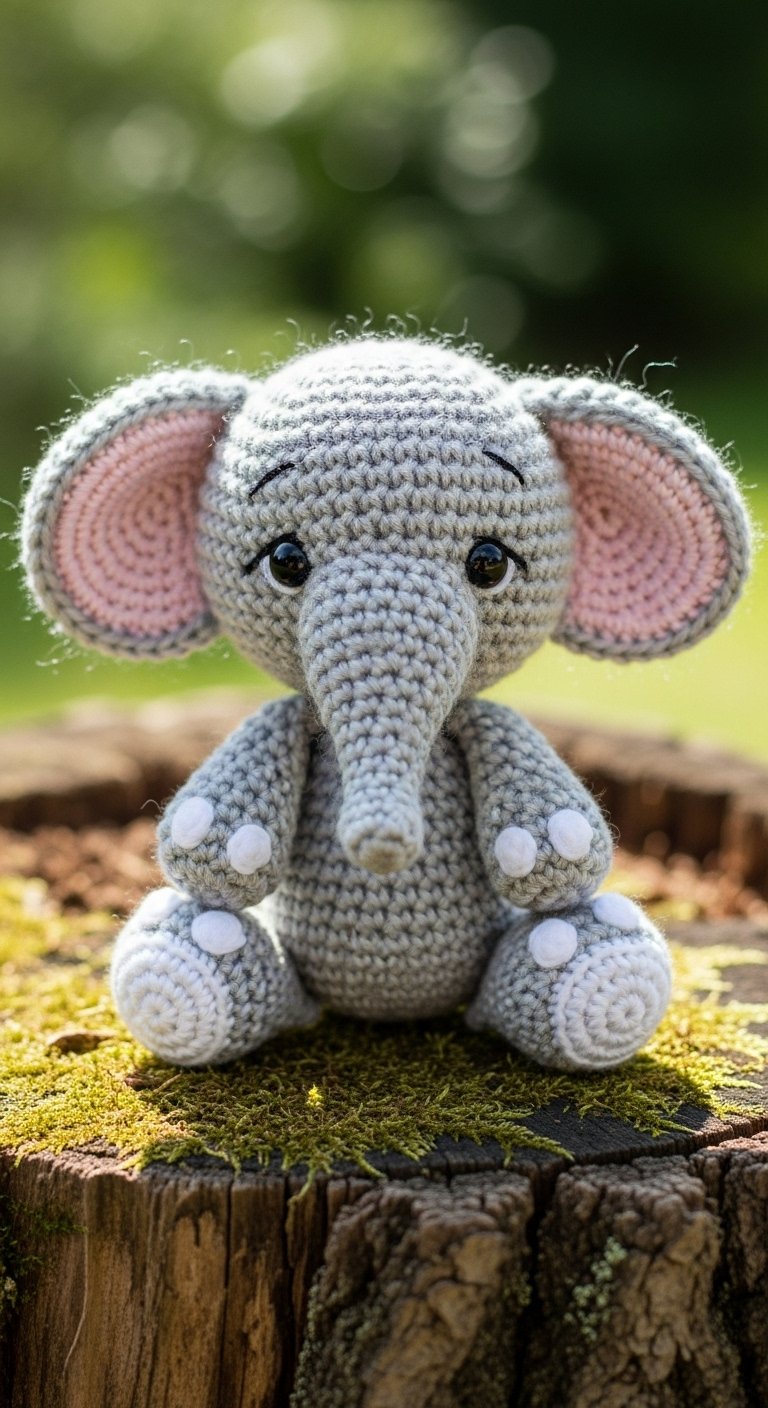
Esther is a crowd favorite because of her oversized, floppy ears and trunk. The construction usually involves making the legs and body in one continuous piece, which minimizes sewing (a huge win for any crocheter).
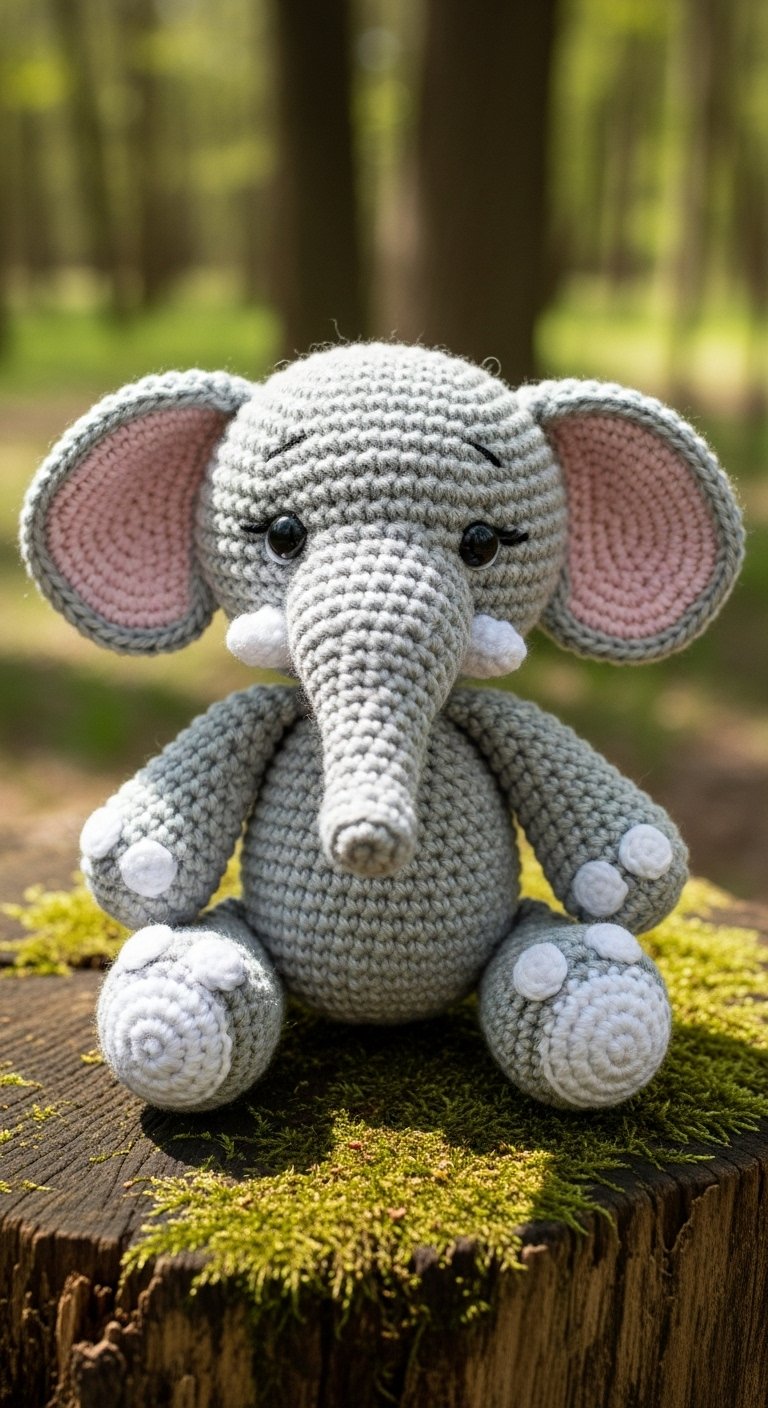
Use a soft grey cotton yarn for a classic look, or go wild with a floral patterned fabric for the inner ears.
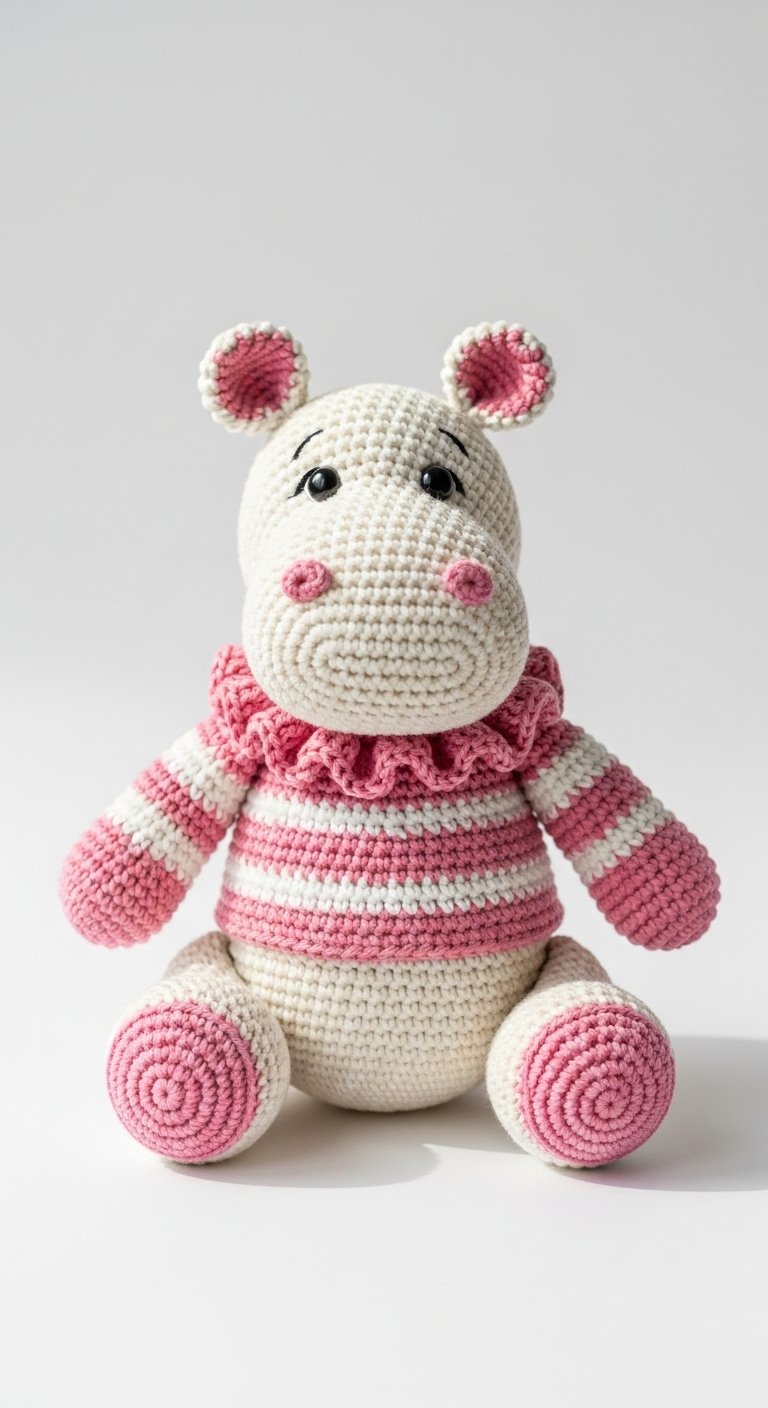
5. Crochet Hippo Amigurumi Pattern For Animal Lovers
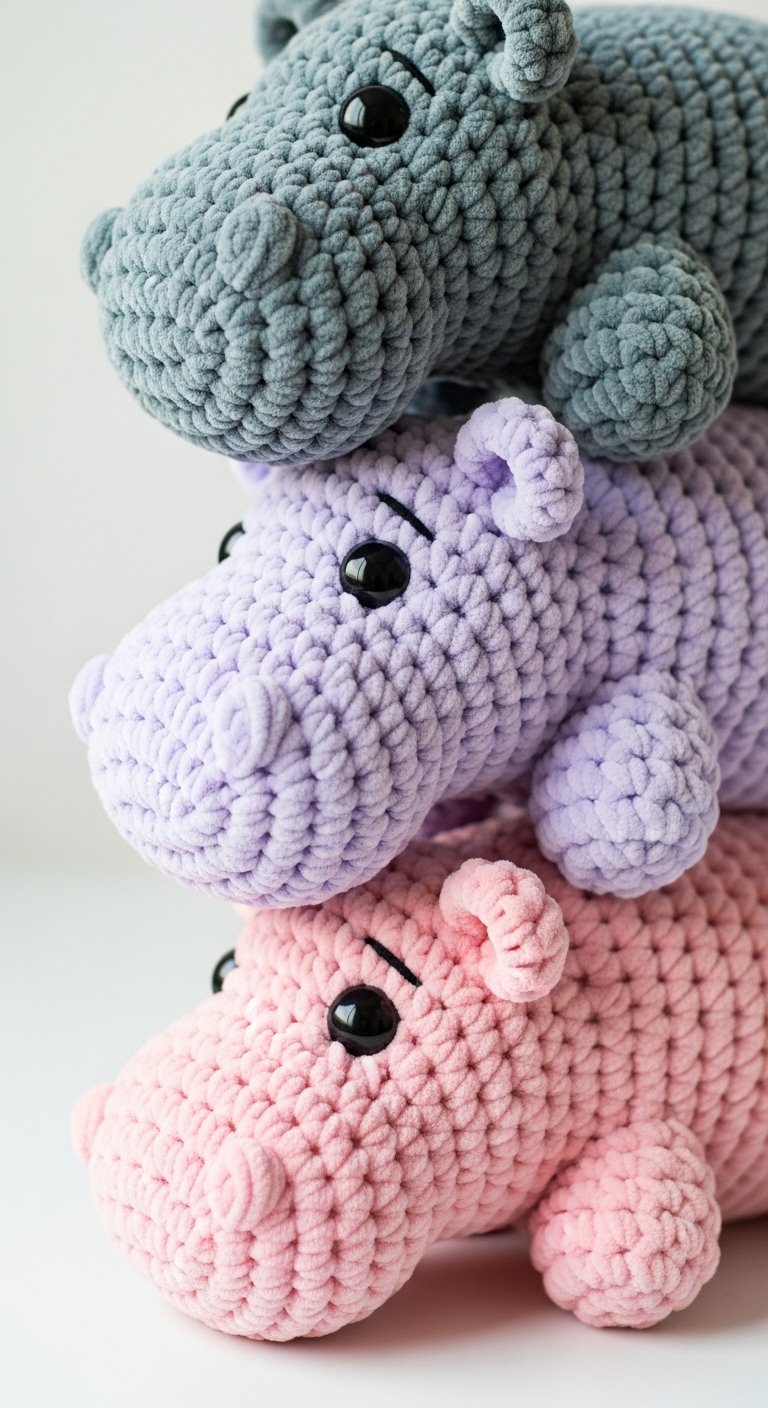
Hippos are all about the roundness.
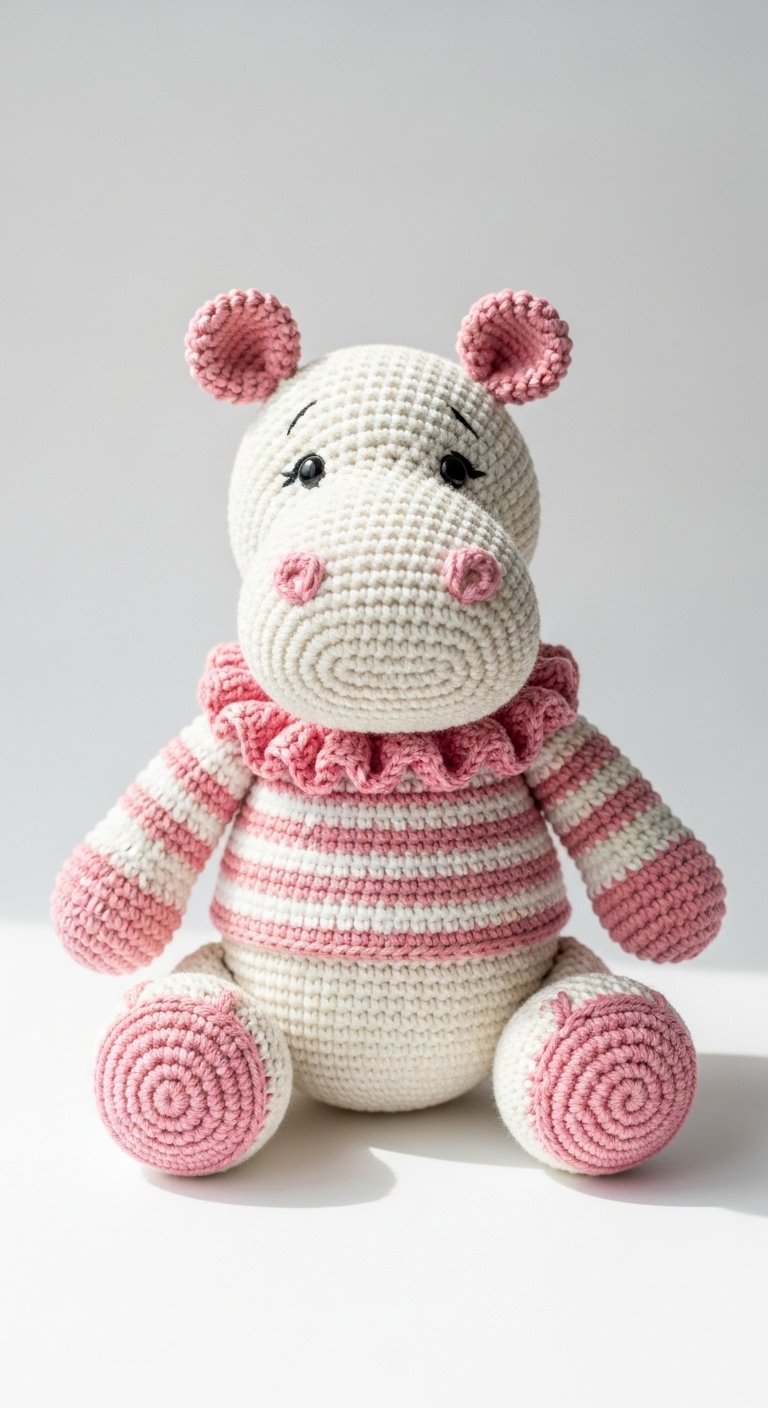
This pattern relies on increasing stitches rapidly to create that chubby, huggable belly.

The key detail here is the snout; getting the placement of the nostrils right gives the hippo its character.
It is a fantastic project for using up bulky weight yarn to make a giant, squishy plushie.
6. Amigurumi Giraffe Pattern
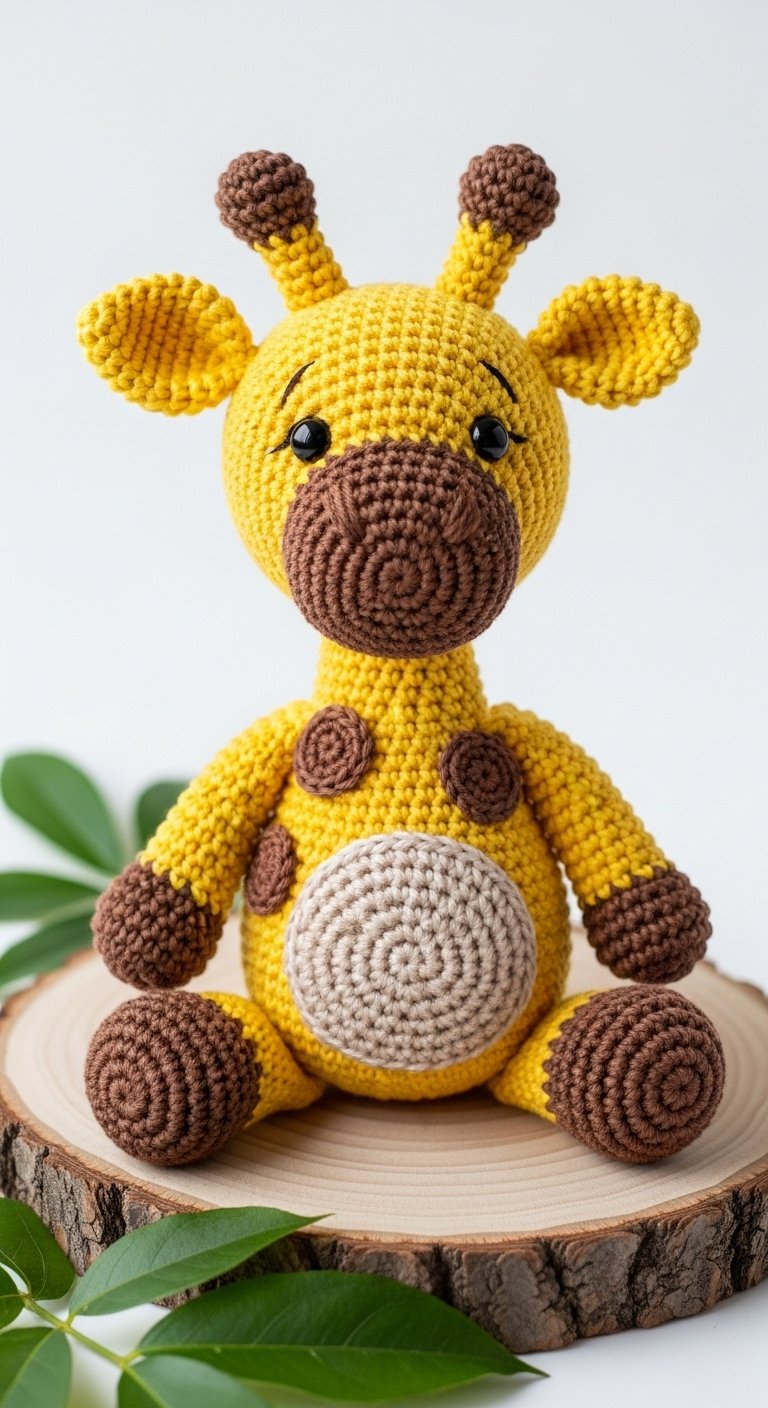
The giraffe is an architectural marvel in the crochet world.
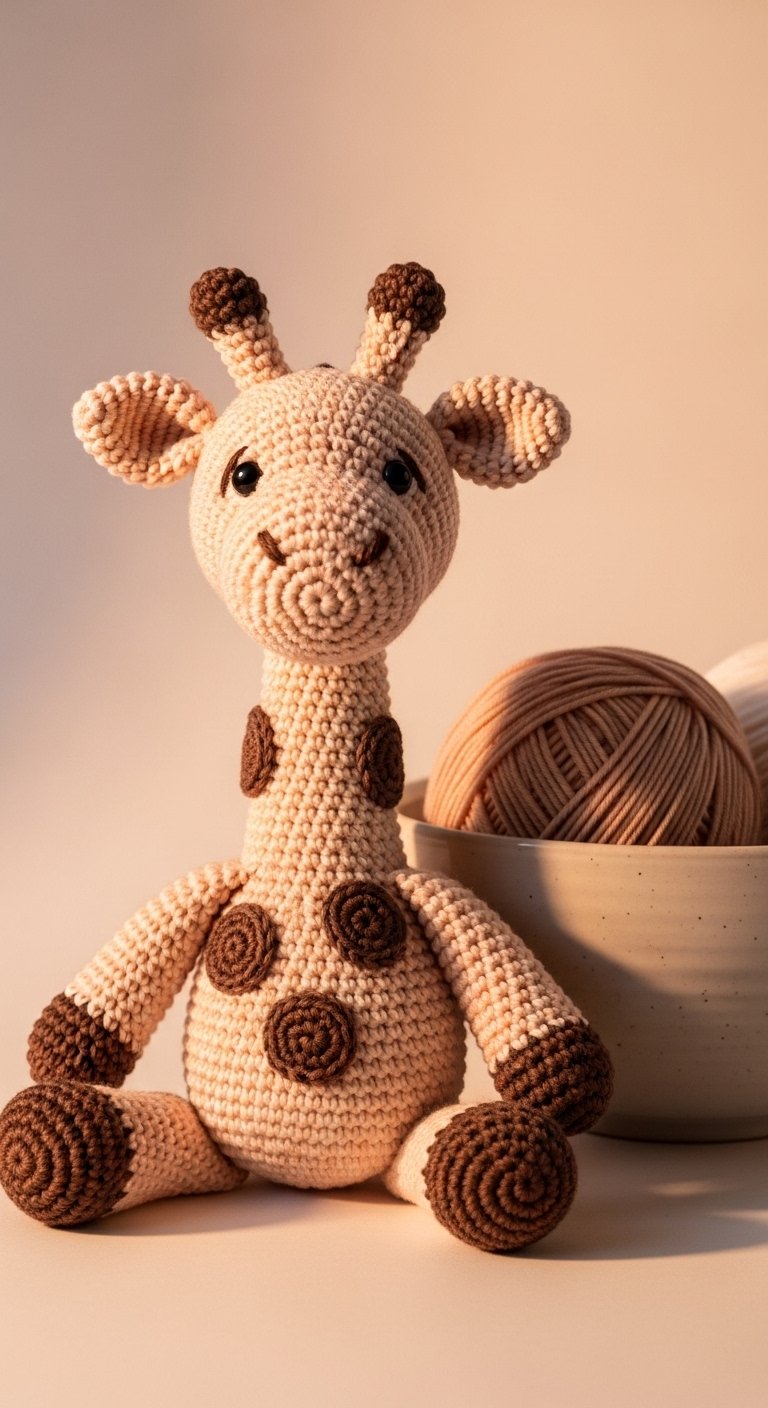
The long neck requires firm stuffing to ensure it does not flop over.
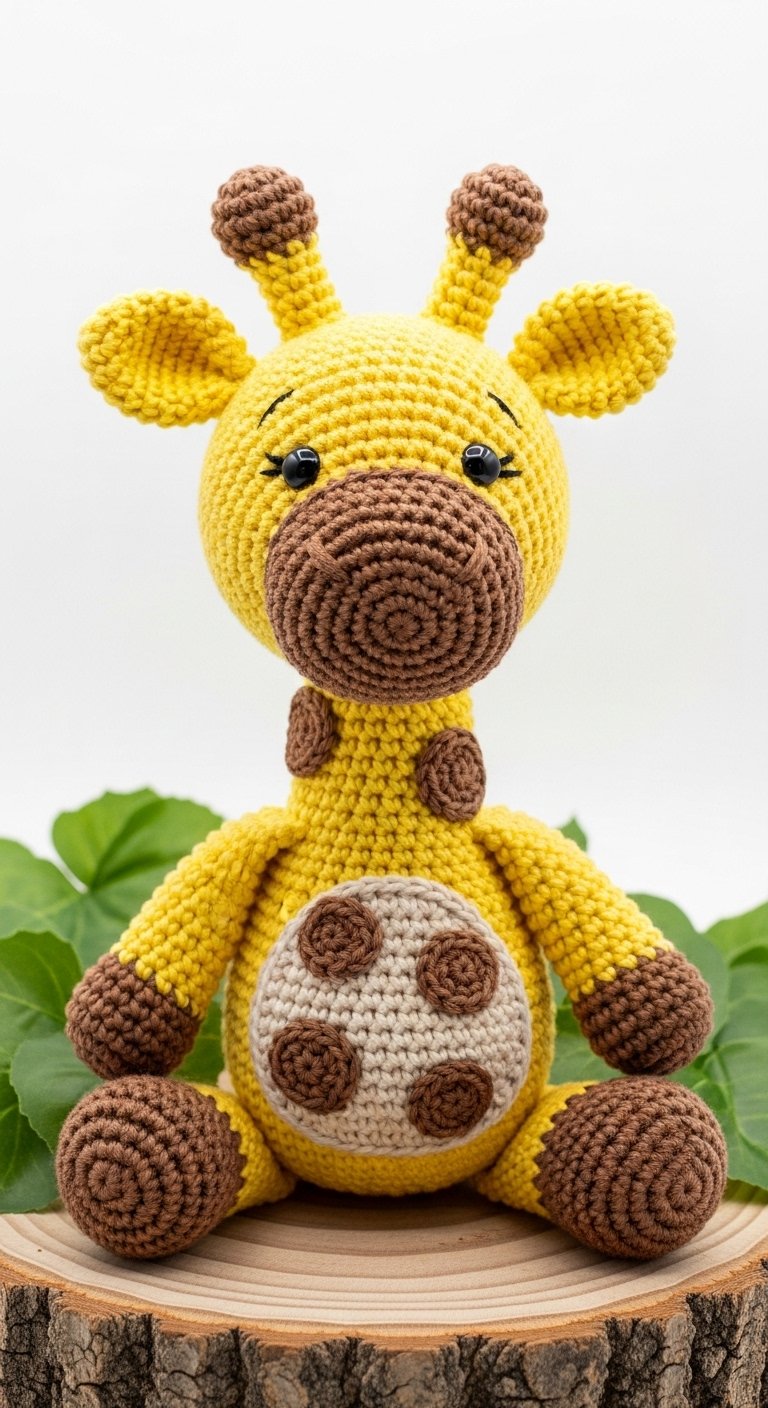
You can use a wooden dowel inside the neck (safely padded) for structure.
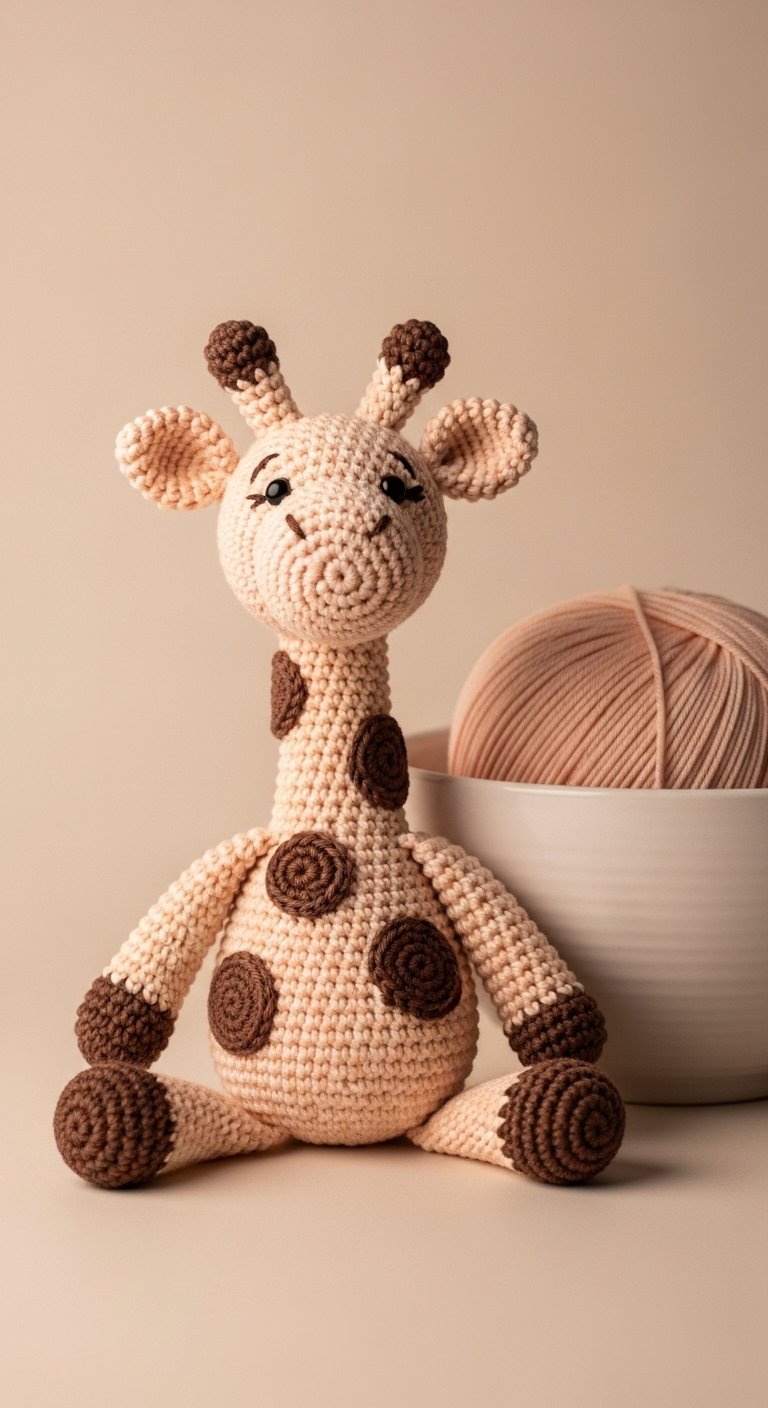
The spots are usually crocheted separately and sewn on, or you can use color changes for a smoother finish.
7. Koala Amigurumi
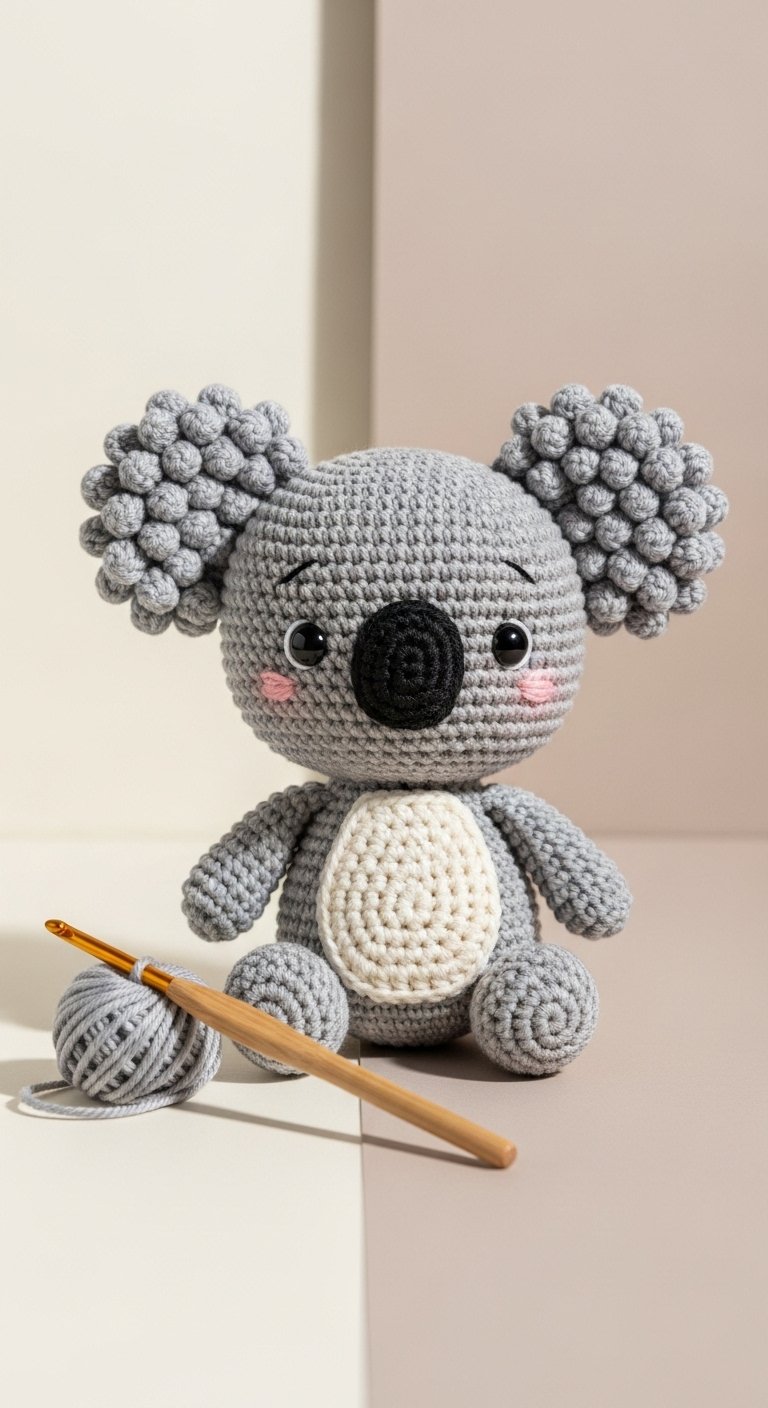
This Aussie favorite is all about the fluffy ears. You can achieve this texture by brushing out acrylic yarn with a pet slicker brush, a technique often used in Amigurumi to create a fur effect. The grey and white color palette fits perfectly into modern, neutral nursery decor.
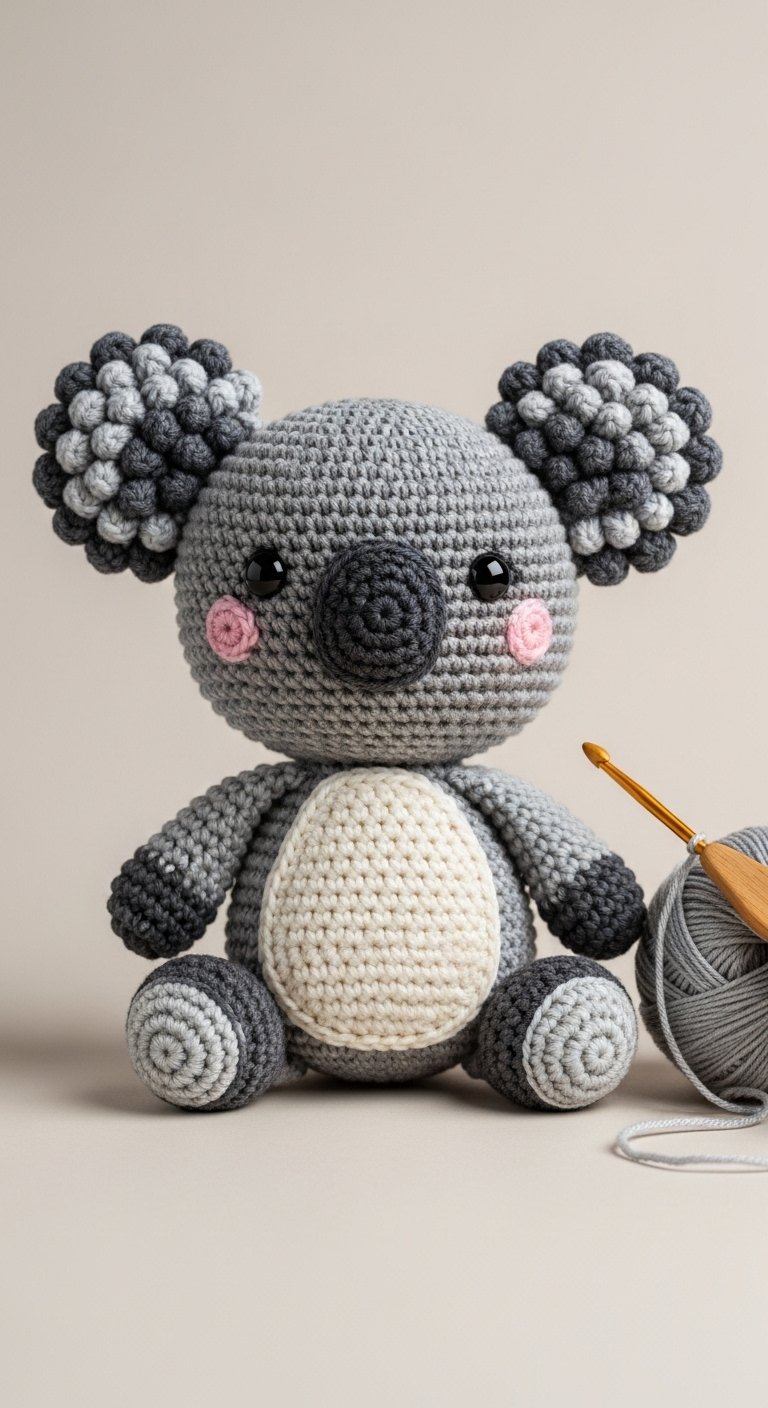
Speaking of neutral decor, a Koala sits perfectly on a shelf in a calm, designed space. See how to style neutral tones in our post on 16 Stunning Beige Living Room Ideas That Instantly Create a Cozy Space.
8. Cute Monkey Amigurumi
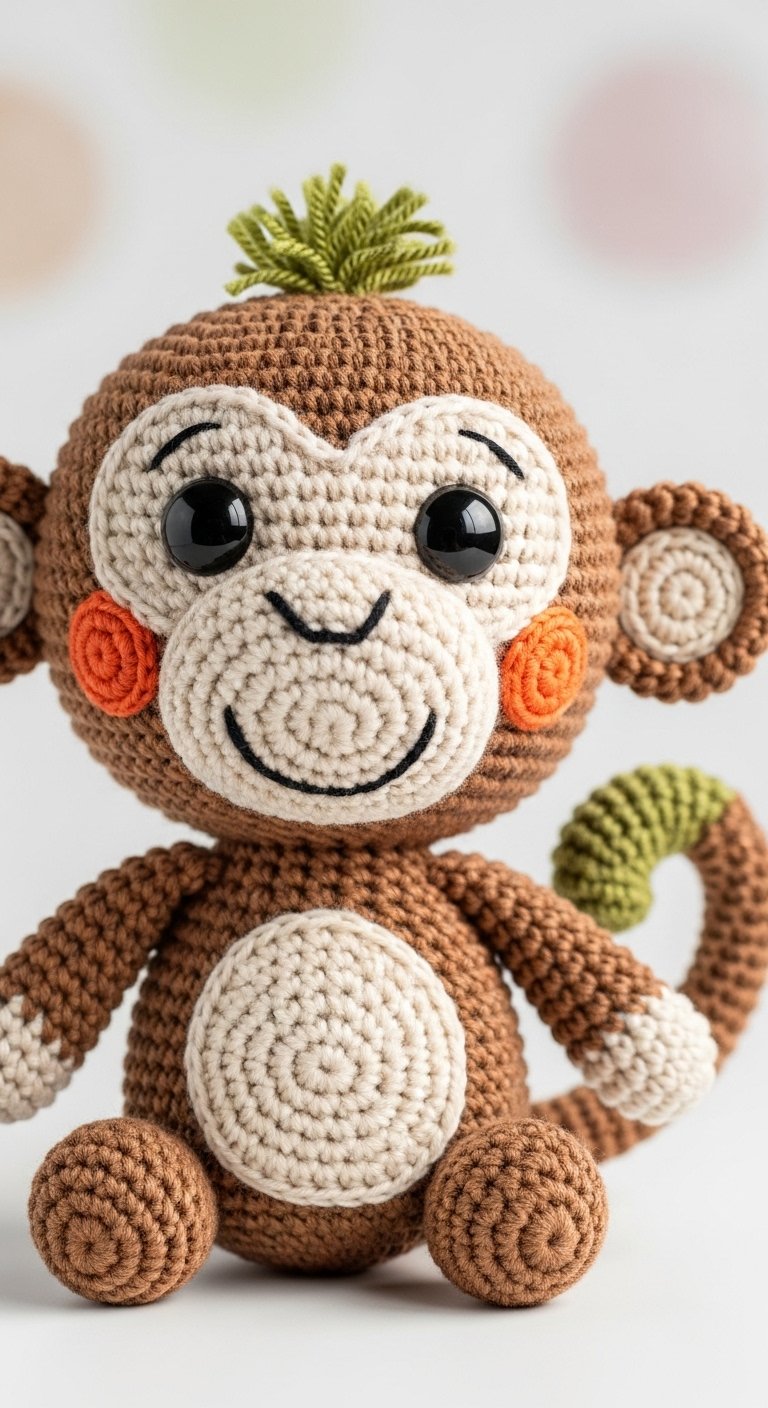
Cheeky and fun, the monkey pattern usually features a long tail and a distinct face mask color change. The tail can be wired to curl around things.
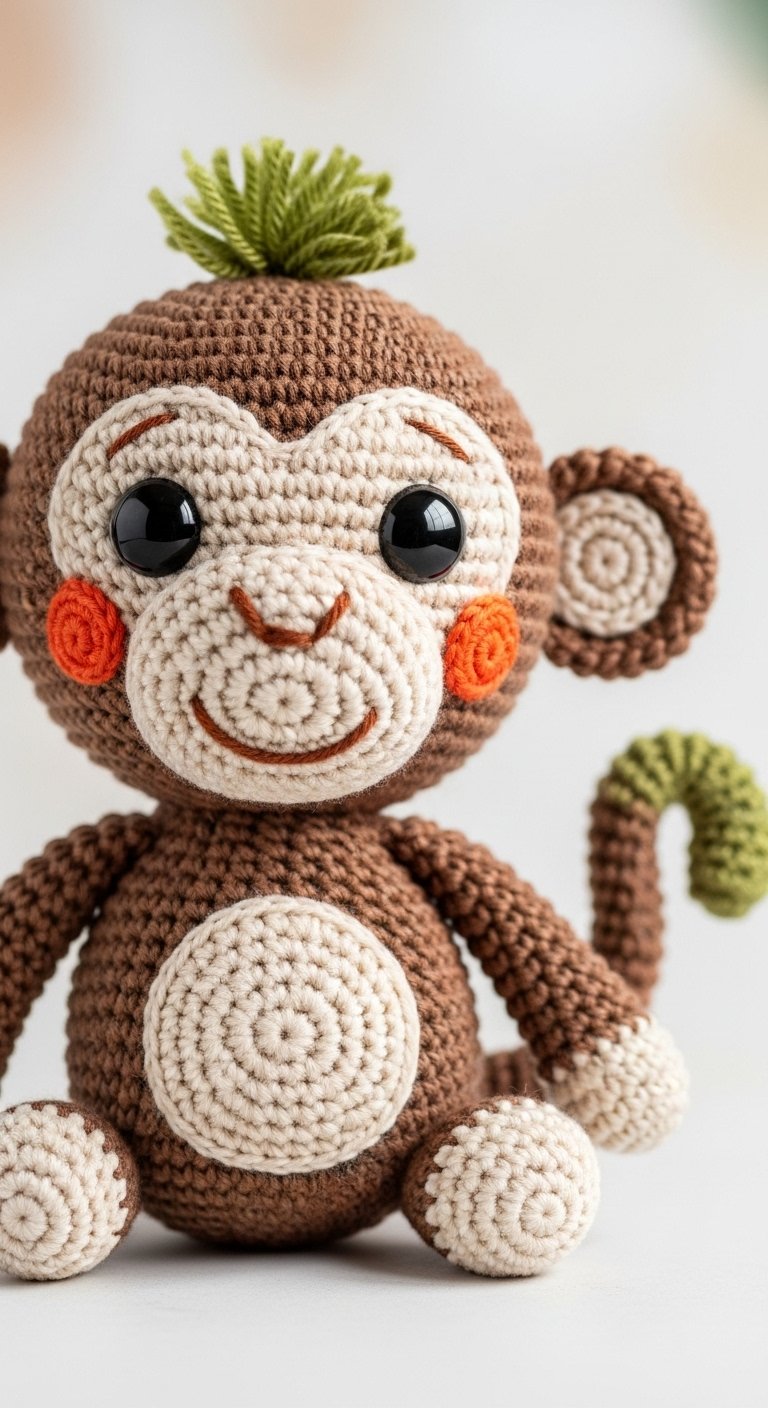
Monkeys are great for interactive play and look adorable hanging from curtains or lamps in a child’s room.
9. Little Lion Amigurumi (Mini Version)
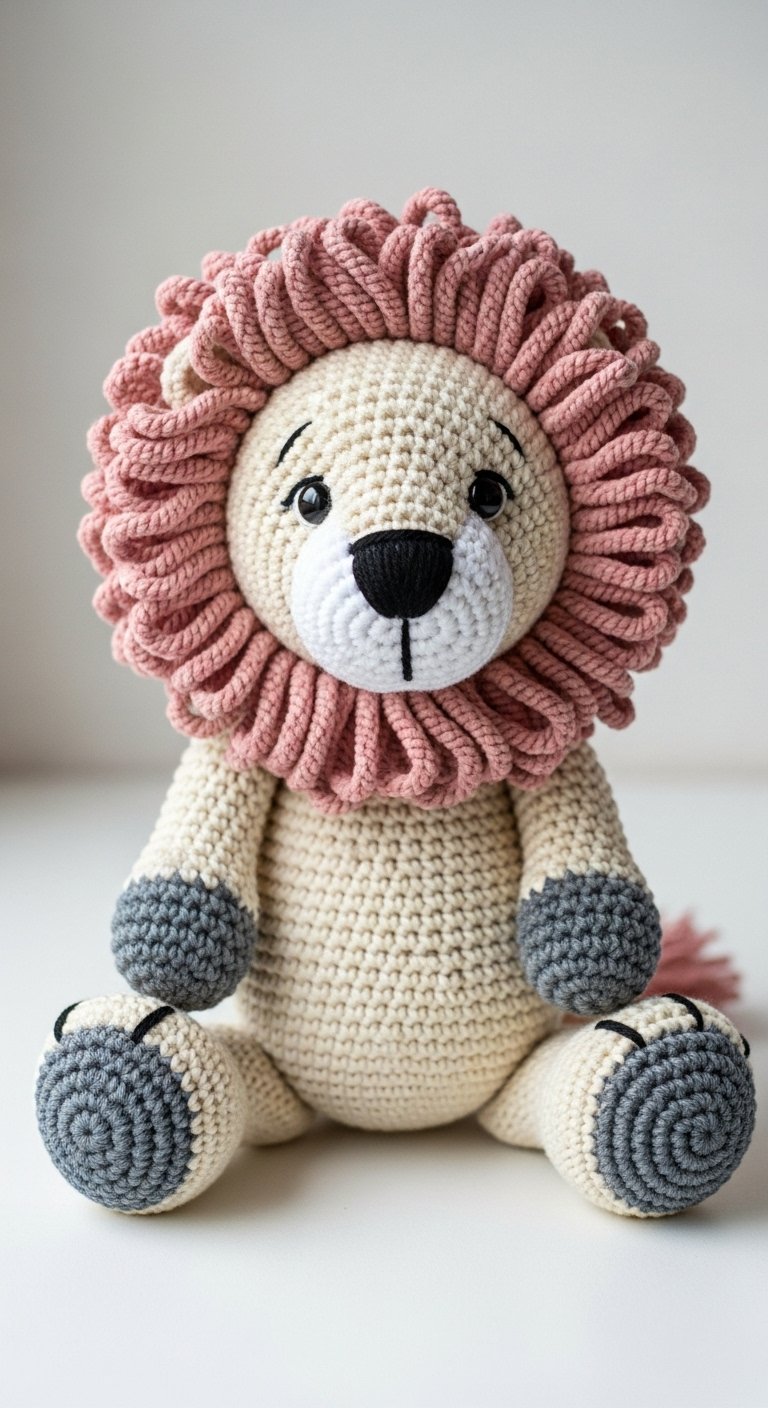
Sometimes you just need a quick win. This mini lion fits in the palm of your hand and makes a perfect keychain or backpack charm.
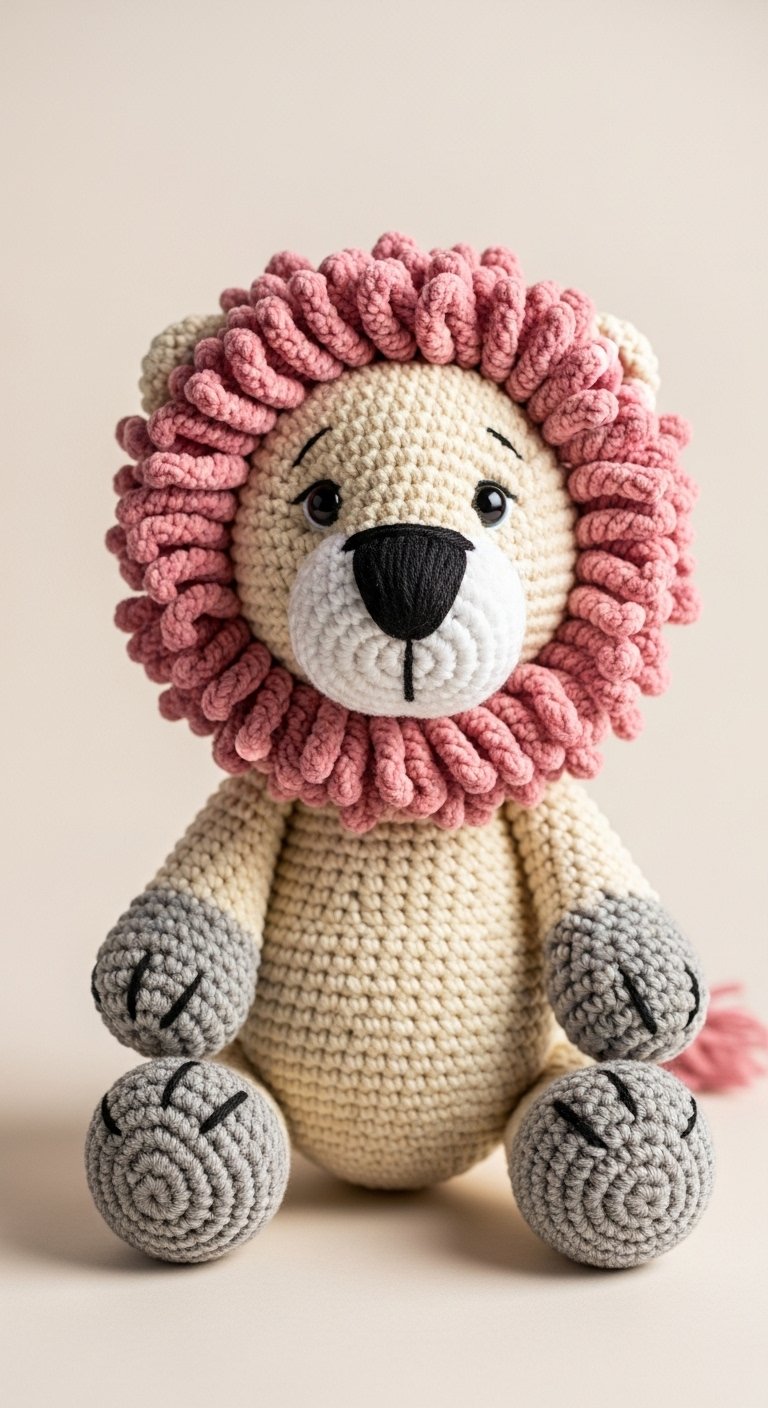
Unlike the larger version, the mane here might be a simple scalloped edge, making it much faster to finish.
10. Lemur Amigurumi
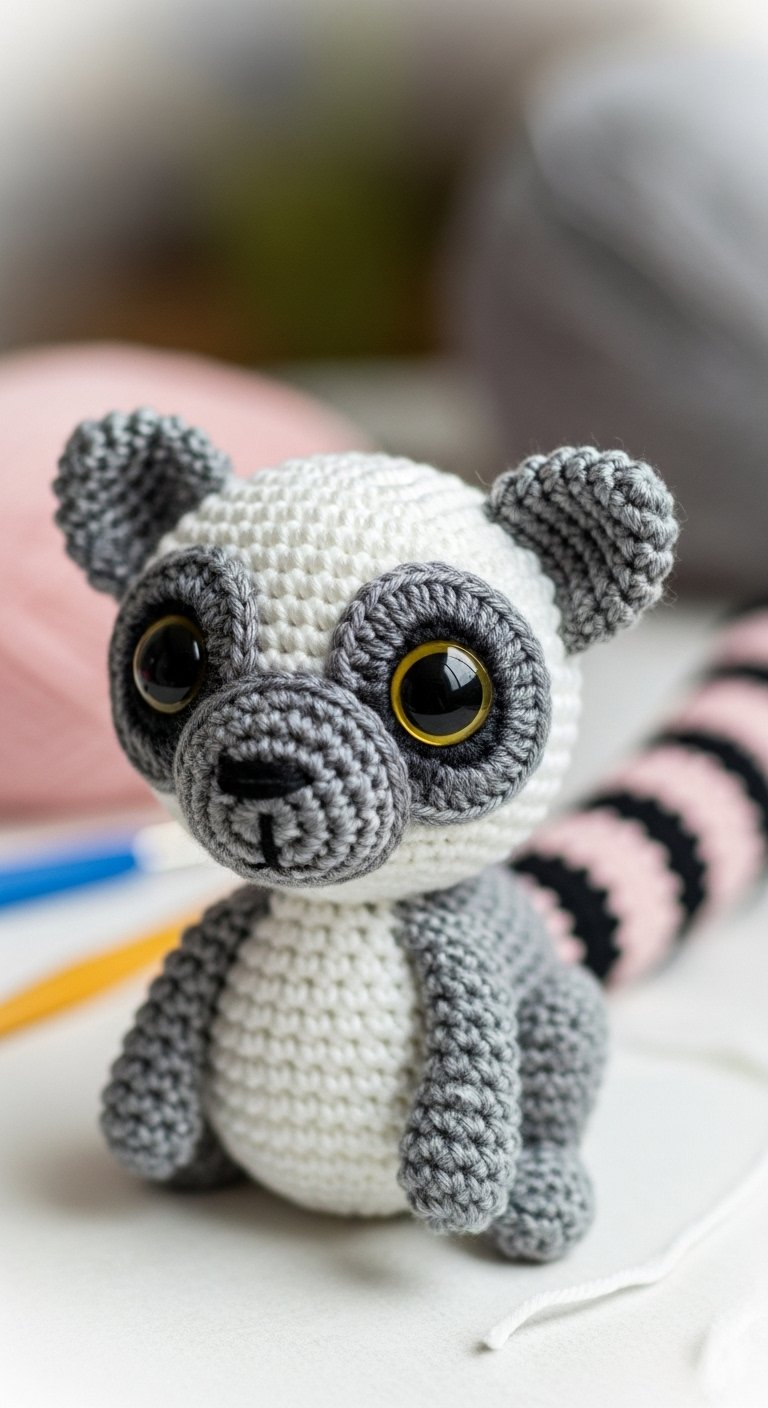
The ring-tailed lemur is a visual treat. The striped tail is the highlight of this pattern.
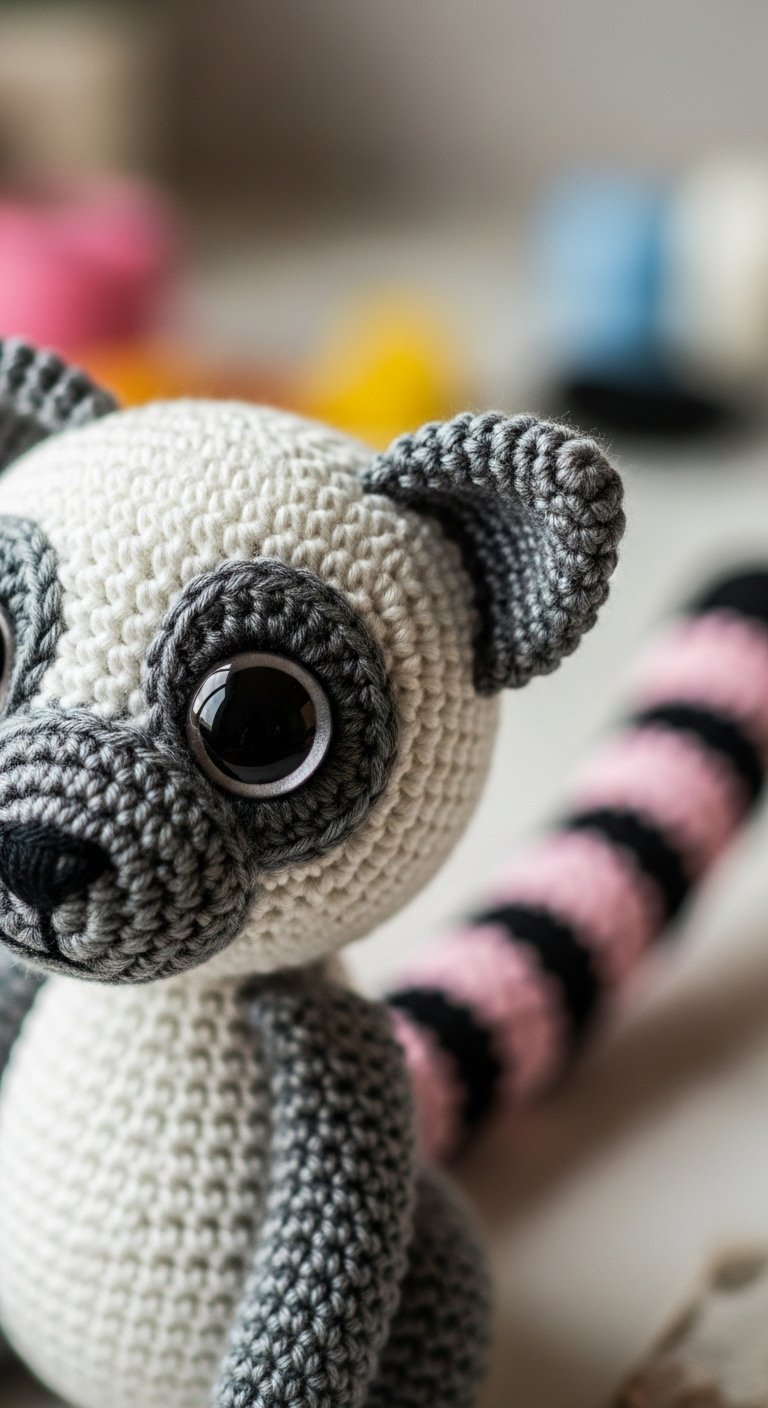
It is a great exercise in “carrying yarn” up the inside of the work so you do not have to weave in a million ends. The large eyes give it an inquisitive look that kids love.
11. Baby Elephant Amigurumi
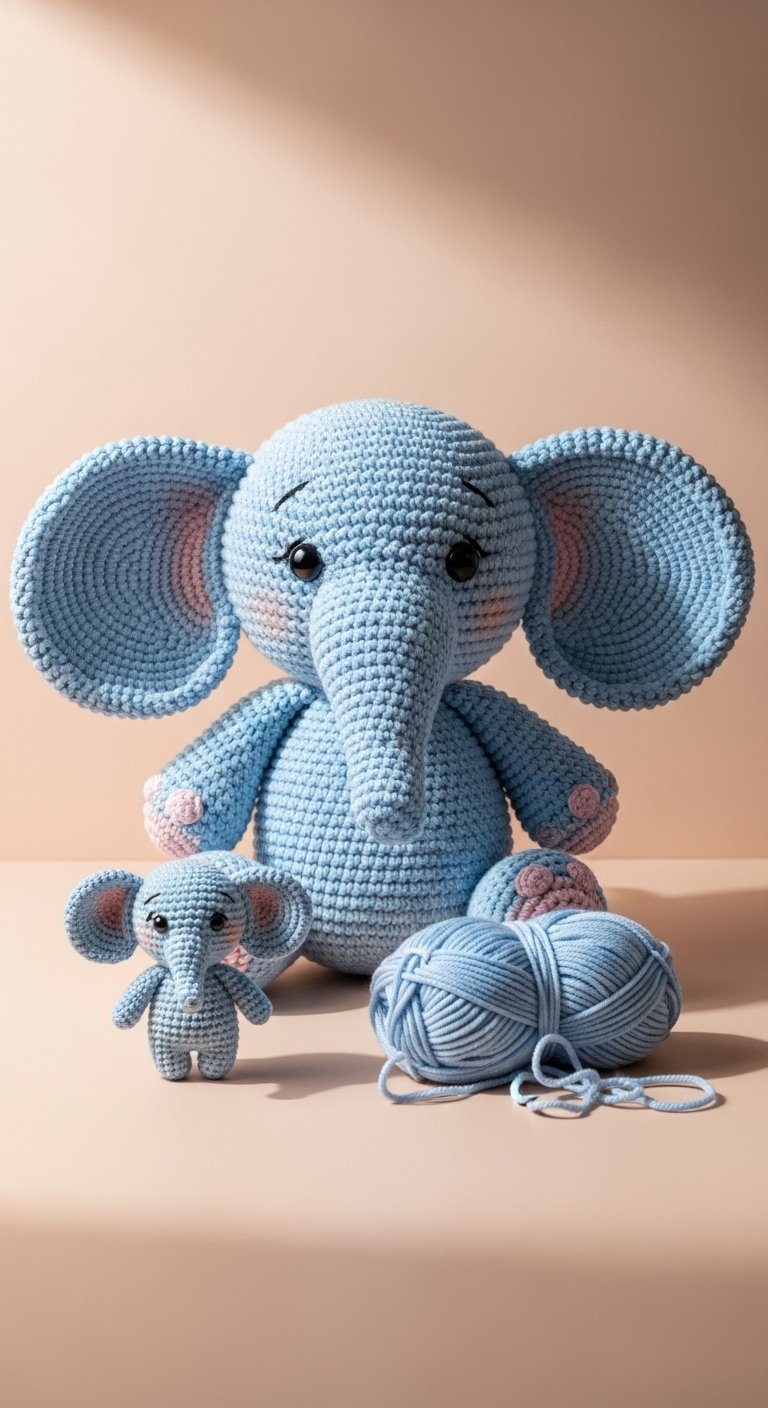
Smaller than Esther, this baby elephant is often designed in a sitting position. It is adorable when made in pastel colors like mint green or soft pink.
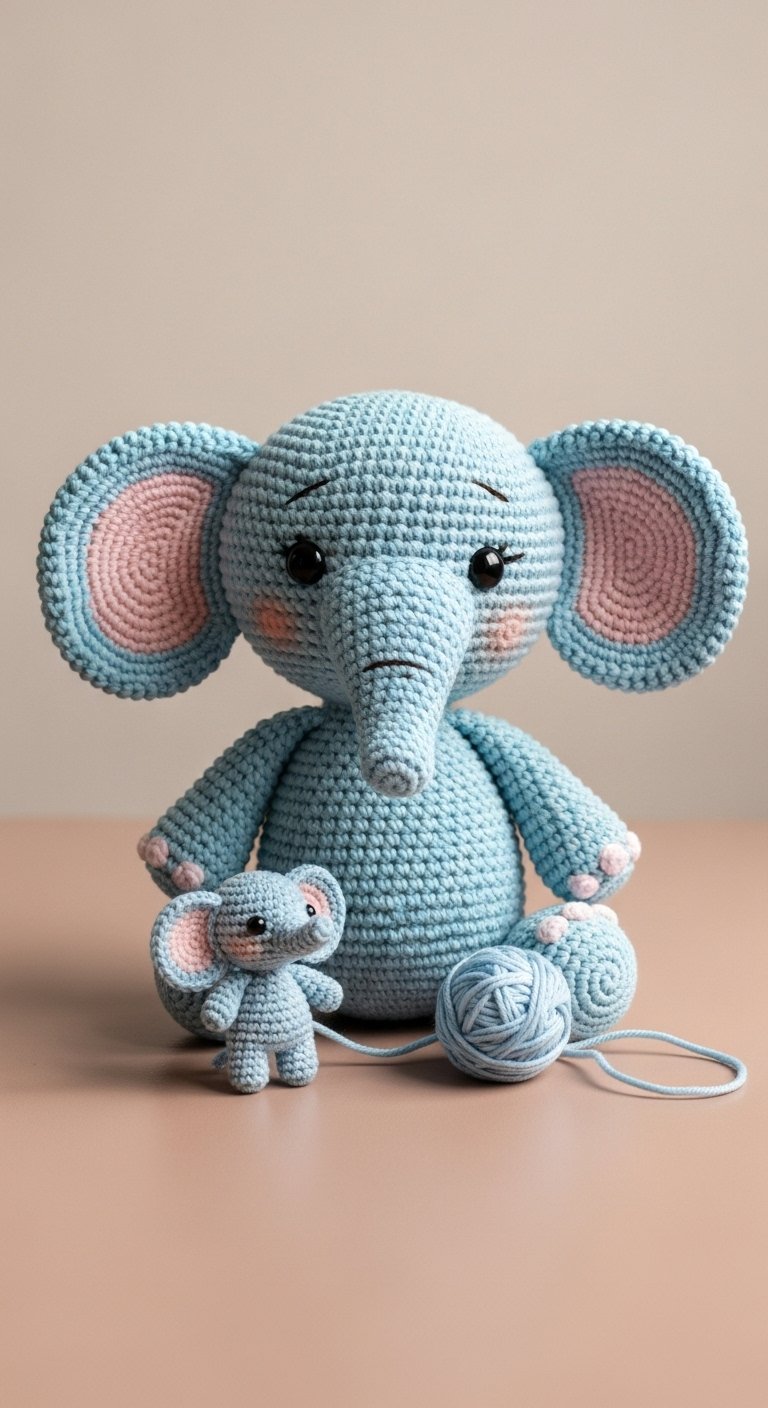
These make excellent centerpieces for baby shower diaper cakes.
12. Rhino Amigurumi
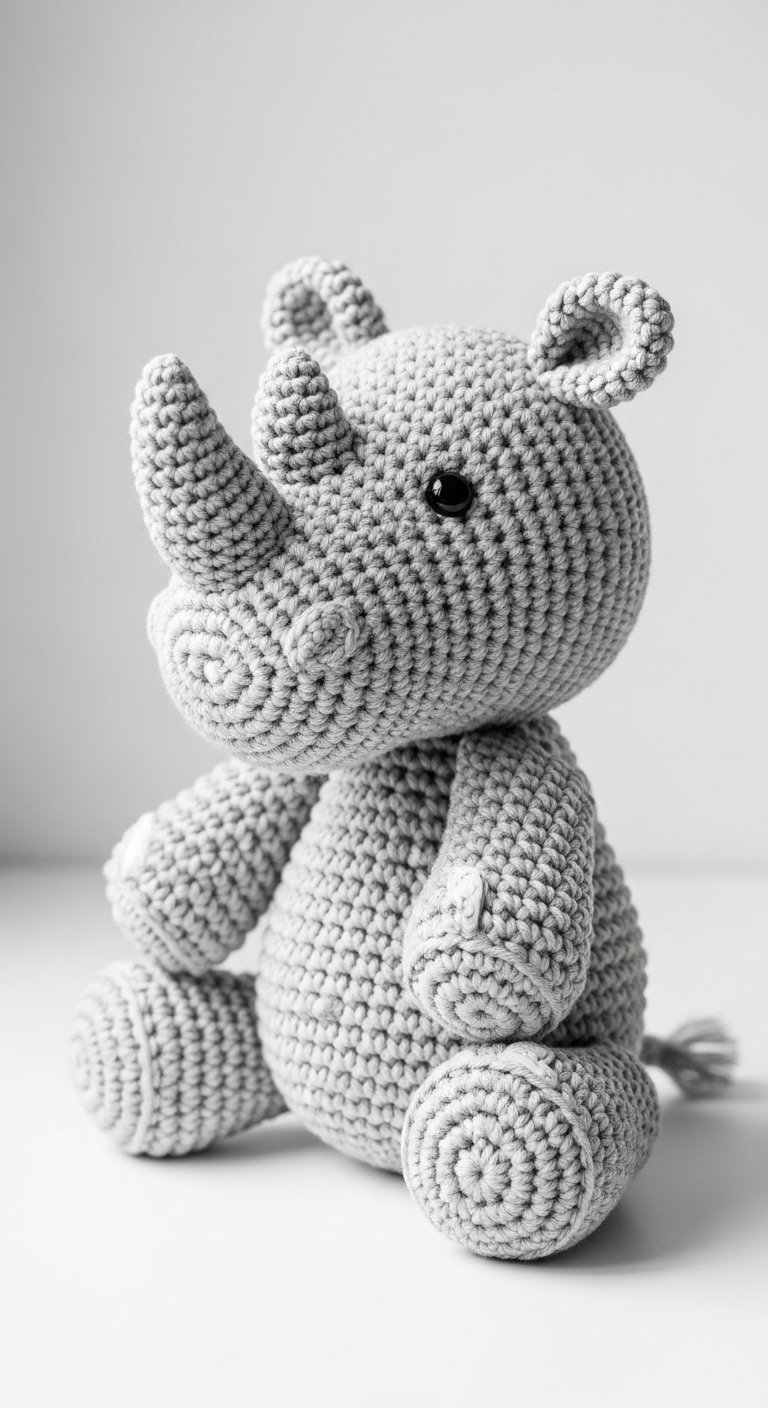
The rhino is a sturdy, robust design. The horn is the defining feature and is usually stitched tightly to keep a sharp point.
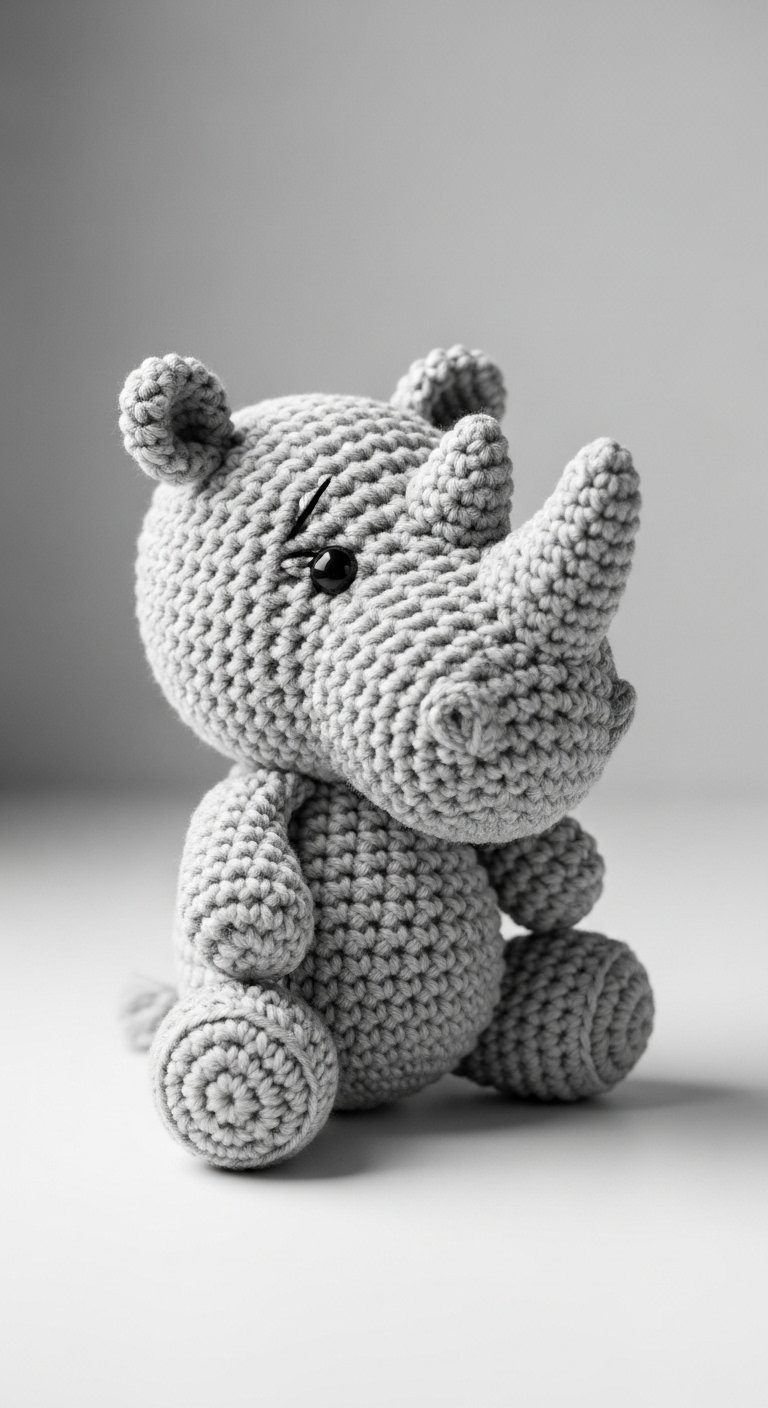
Grey is standard, but a light blue or lavender rhino is surprisingly cute.
13. Zebra Amigurumi
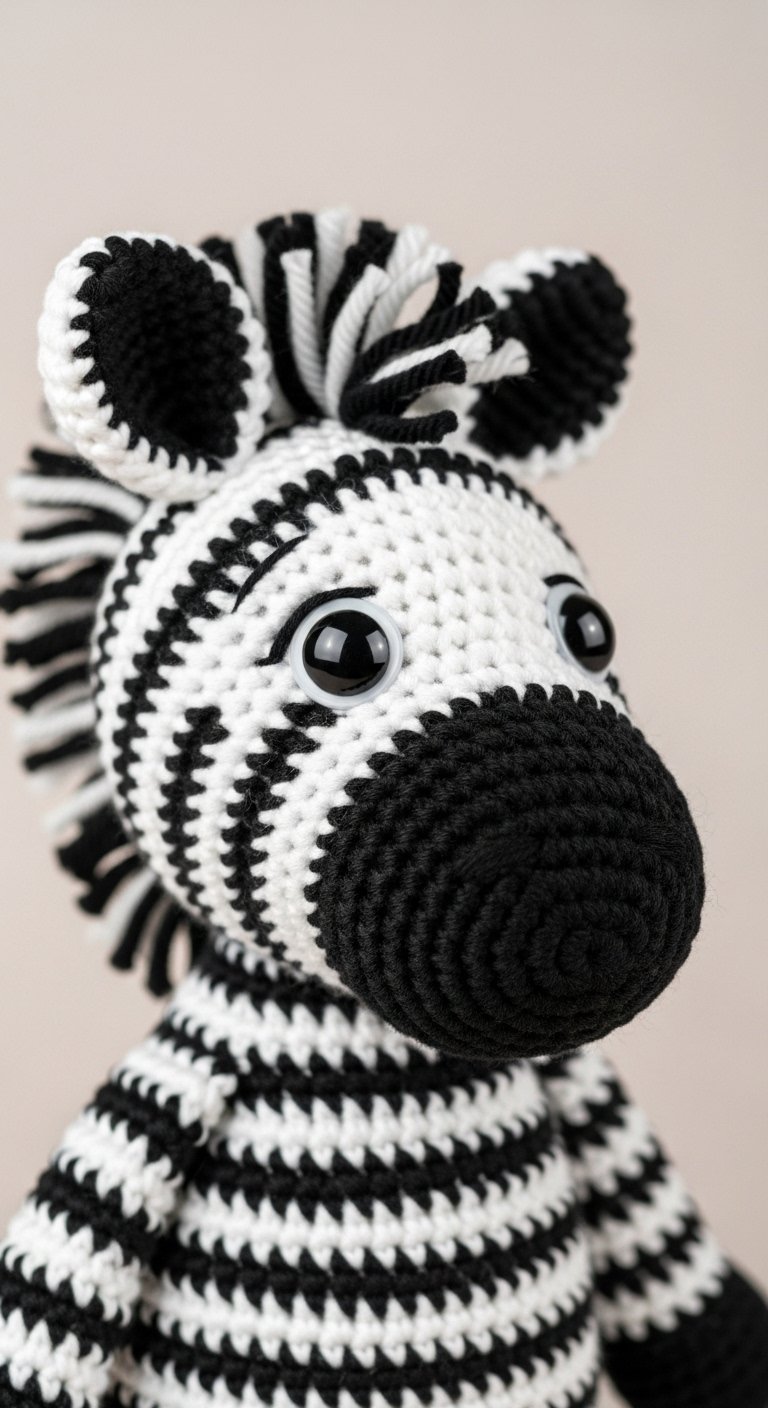
Zebras are the ultimate challenge in color changing. The stripes need to line up just right.
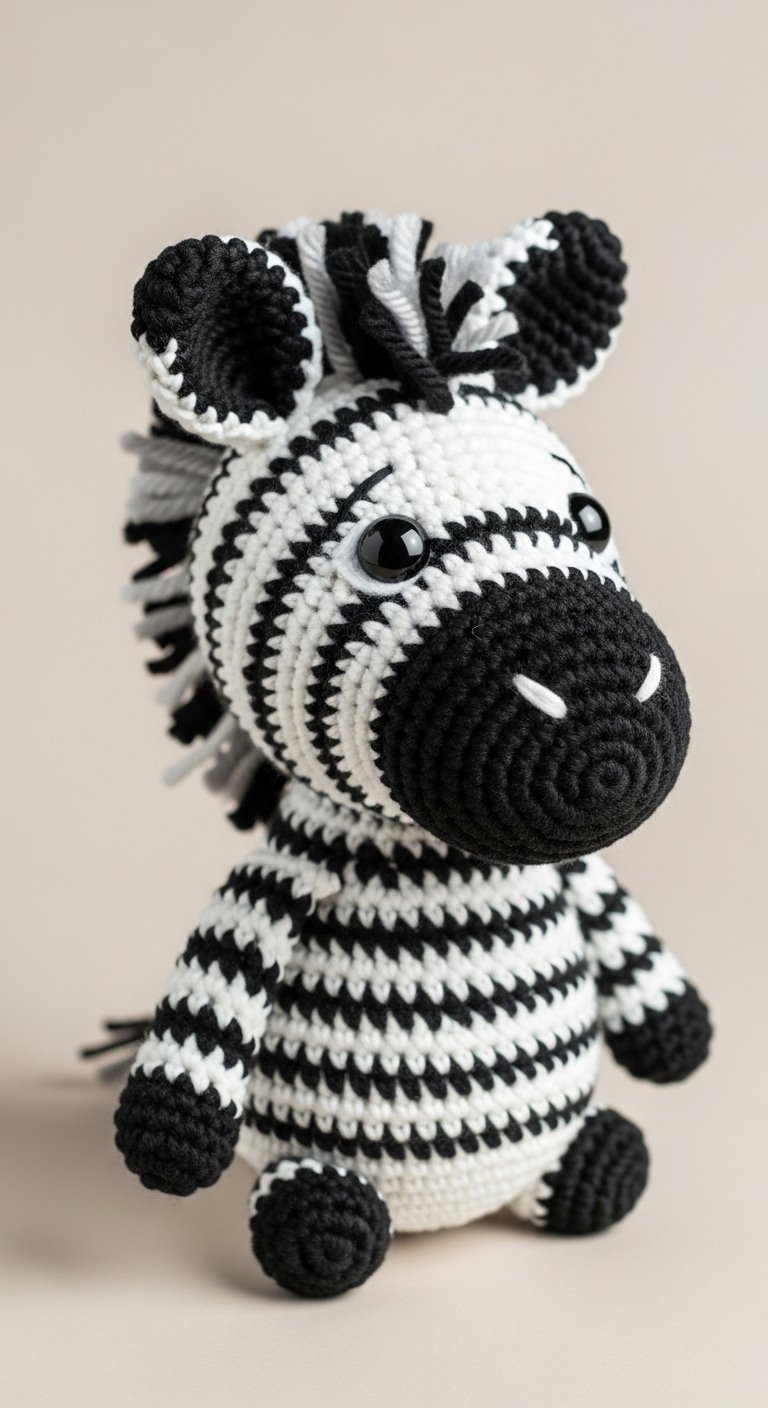
To avoid the “jog” in the color change, try the invisible join method. It takes a bit more patience, but the result is a professional-looking toy.
14. Baby Seal Amigurumi
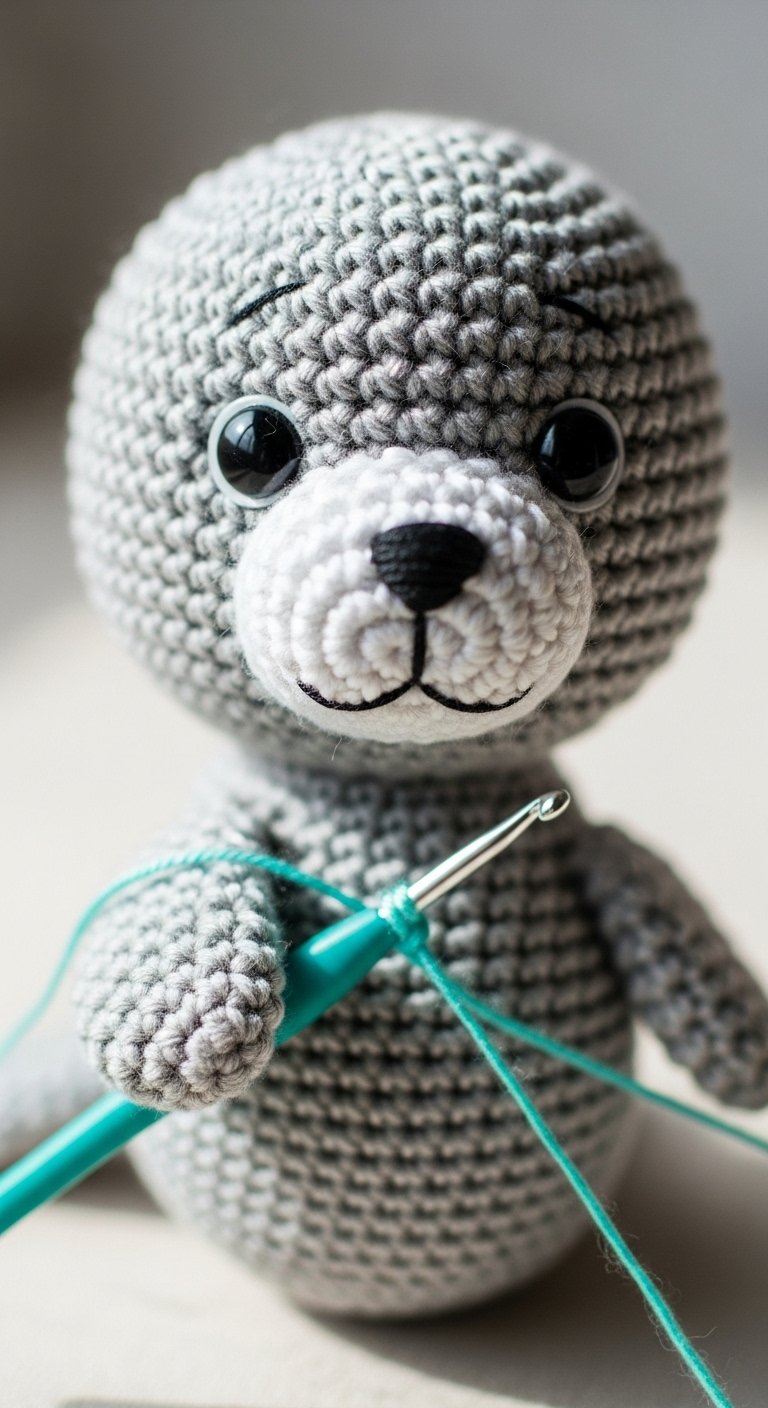
This is often the most popular pattern for beginners because of its simple, torpedo-like shape.
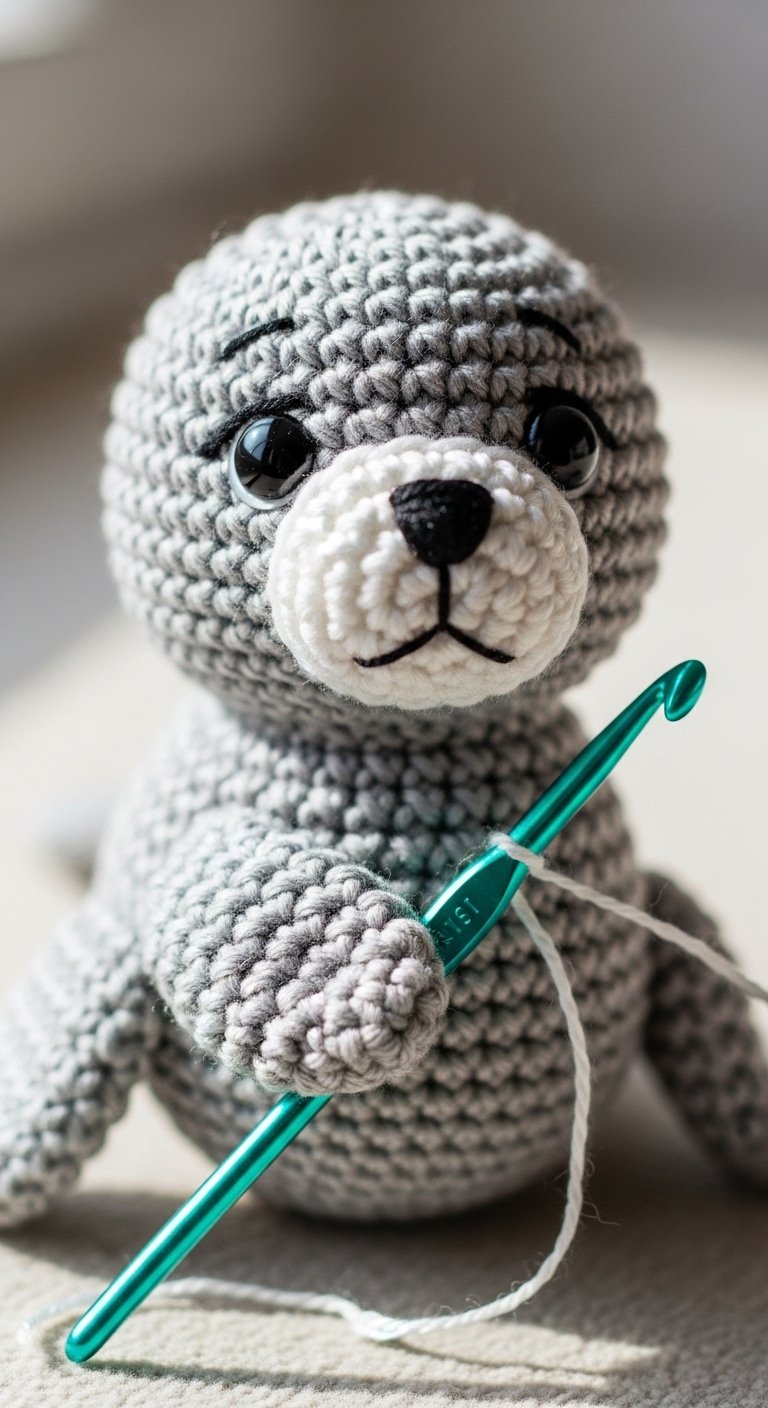
Made in white yarn, it looks like a harp seal pup. Use a fuzzy yarn for extra realism.
Follow a video tutorial if you want extra help: Tutorial Link
Mastering the Art of Amigurumi Construction
Creating these zoo animals is about more than just following a pattern. It is about understanding the mechanics of the craft to ensure your creations last a lifetime.
Choosing the Right Yarn
For zoo animals that will be played with, 100% mercerized cotton is the gold standard. It is durable, does not pill easily, and has a lovely sheen. However, if you want a softer, more huggable feel, a high-quality acrylic or a cotton-acrylic blend is excellent. Avoid wool for toys intended for babies, as it can be difficult to wash.
The Magic of the Hook Size
Here is the secret to professional-looking amigurumi: always size down your hook. If the yarn label recommends a 4.0mm hook, use a 2.5mm or 3.0mm hook. This creates a dense fabric with no holes, ensuring the stuffing does not peek through. It also helps the animal hold its shape better over time.
Safety First
If you are making these for children under three, safety eyes (the plastic click-in kind) are a choking hazard. Instead, learn to embroider “sleepy eyes” or French knots. It gives the animal a vintage, handmade charm and is completely safe for all ages.
Stuffing Matters
Do not just shove the stuffing in. Pull the fiberfill apart into small, fluffy clouds and stuff firmly. You want the animal to be firm enough to hold its shape but soft enough to cuddle. Over-stuffing can stretch the stitches, while under-stuffing leads to a floppy, sad-looking zoo.
Popular Asked Questions
Is Amigurumi difficult for beginners?
Not at all. In fact, many people find it easier than making a blanket or a sweater. You typically only need to know a few basic stitches: the magic ring, single crochet, increase, and decrease. Since the projects are small, you get a sense of accomplishment quickly.
What is the best yarn for crochet animals?
Cotton yarn is generally preferred for its stitch definition and durability. It shows off the details of the pattern very well. However, “chenille” or velvet yarn has become very trendy recently for making “jumbo” plushies that are incredibly soft.
How do I wash my crochet zoo animals?
If you used cotton or acrylic yarn, you can usually wash them in a mesh laundry bag on a gentle, cold cycle. Air drying is best to prevent the stuffing from clumping or the yarn from shrinking. Always check your yarn label before washing.
Why do my stitches have holes in them?
This usually happens if your hook size is too large for the yarn you are using. Try using a hook that is one or two sizes smaller than what is recommended on the yarn band. Also, ensure you are pulling your yarn tension tight enough as you work.
Conclusion
Building your own crochet zoo is one of the most rewarding projects you can take on. From the majestic lion to the tiny puffin, each animal brings its own personality and charm. These patterns are perfect for using up your stash, learning new techniques, and creating gifts that will be cherished for years.
Do not let your hook gather dust. Pick your favorite animal from this list (we recommend starting with the Baby Seal or the Sloth!) and make your first stitch today.
Pin This: Save this post to your “Crochet Projects” or “DIY Gifts” board on Pinterest so you can easily find these patterns when you are ready to start your next zoo animal!
If you enjoyed this guide, you will love our collection of 15 Stunning Japandi Kitchen Design Ideasbecause even your crochet animals deserve a stylish home context!



Leave a Comment