
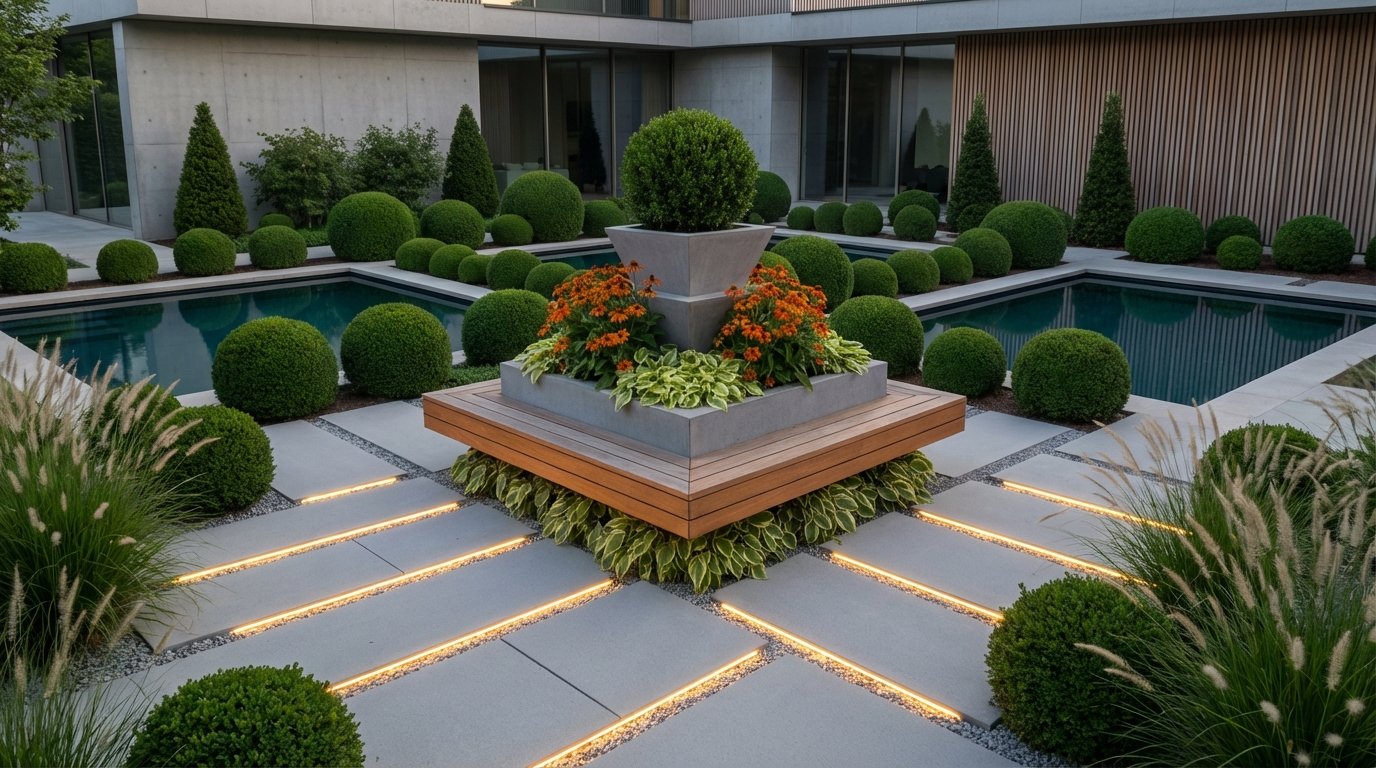
Transforming your backyard into a contemporary sanctuary does not require a massive budget or a professional landscape architect. Most homeowners feel overwhelmed by the sheer number of choices available. You might look at your current outdoor space and see only work rather than potential. The good news is that modern design relies on simplicity and structure. You can achieve a high-end look by focusing on clean lines and strategic planting.
These 14 modern garden design ideas strip away the clutter. We focus on low-maintenance solutions that look stunning year-round. You will find actionable ways to integrate hardscaping, lighting, and architectural plants to create a cohesive aesthetic. Whether you have a sprawling lawn or a tiny urban courtyard, these concepts will help you reclaim your exterior. A refreshed garden extends your living area and increases your property value. Get ready to turn your outdoor area into the retreat you deserve.
Key Takeaways
- Structure is King: Geometric lines and defined boundaries create the modern look more than specific flower choices.
- Texture Over Color: Rely on foliage shape and surface materials like stone or wood rather than colorful blooms.
- Less is More: A limited palette of materials and plants reduces maintenance and increases visual impact.
- Lighting Sets the Mood: Hidden LED strips and uplighting transform the garden architecture after dark.
Table of Contents
- Incorporate geometric garden beds for a sharp, clean layout
- Use sculptural grasses like blue fescue for texture
- Add minimalist water features like reflecting pools
- Opt for monochrome plants with varying leaf shapes
- Install sleek, linear LED garden lighting
- Integrate natural stone pathways in simple patterns
- Choose evergreen shrubs for year-round structure
- Mix concrete planters with warm wooden accents
- Design a focal point with a large agave or yucca
- Use gravel or decomposed granite instead of traditional mulch
- Create vertical gardens with simple metal trellises
- Place a statement outdoor sculpture or modern art piece
- Plant boxwood hedges trimmed into clean lines
- Design a subtle outdoor kitchen with stainless steel finishes
- Popular Asked Questions
- Conclusion
Incorporate geometric garden beds for a sharp, clean layout
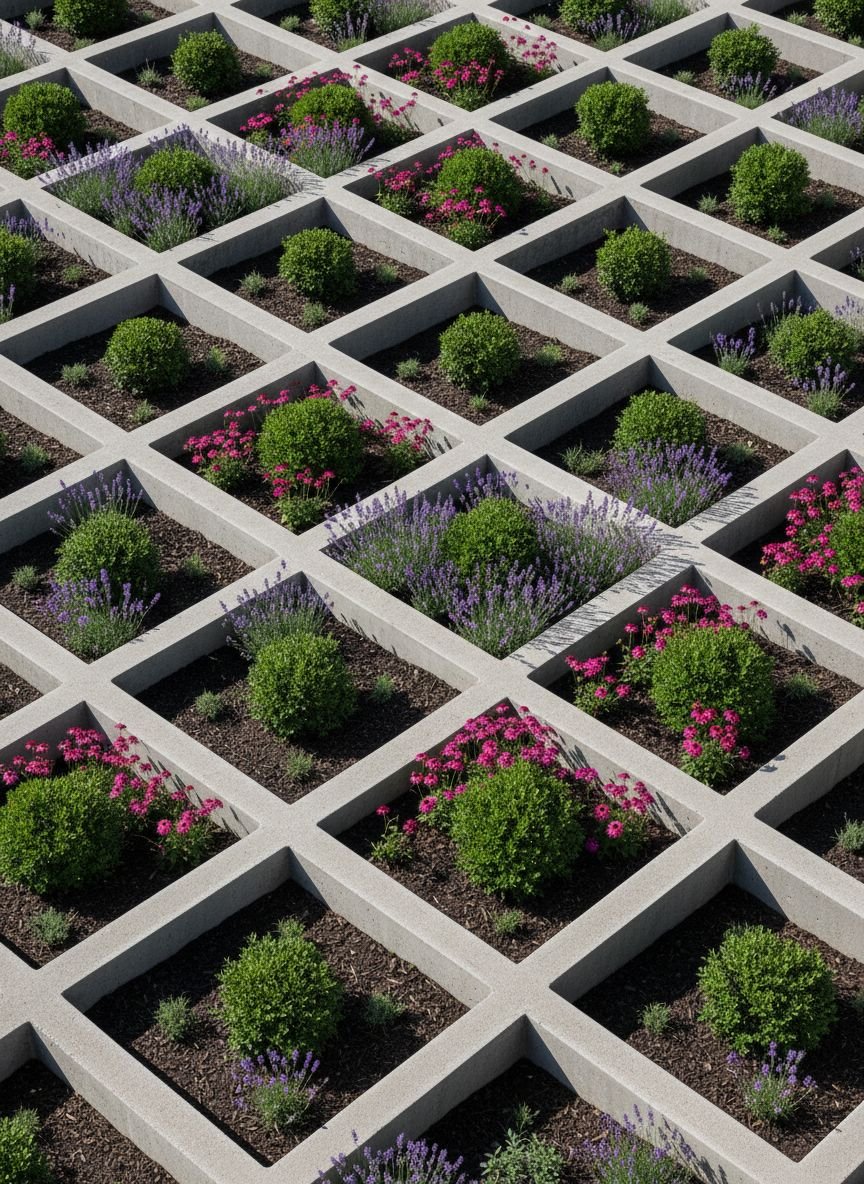
The foundation of modern garden design lies in geometry. Unlike cottage gardens that embrace wild and flowing curves, a modern aesthetic demands precision. Rectangular or square garden beds provide an immediate sense of order. You can achieve this look by using materials like Corten steel or treated timber to create rigid edging. This separation between the lawn and the planting area acts as a visual frame. It draws the eye and makes even a small space feel organized and intentional. The sharp angles contrast beautifully with the softness of the plants inside.
Implementation is straightforward but requires accuracy. Use string lines and stakes to map out your beds before digging. Ensure your corners are perfectly square. If you want a more dynamic look, try angling the beds at 45 degrees relative to the house. This trick tricks the eye into thinking the garden is wider than it is. Keep the planting within these beds uniform. Rows of identical plants reinforce the geometric theme. This approach minimizes visual noise and creates a calming atmosphere.
Pro Tip: Use steel edging that rises 2 to 3 inches above the soil line to create a crisp shadow line that separates the mulch from the grass.
Use sculptural grasses like blue fescue for texture
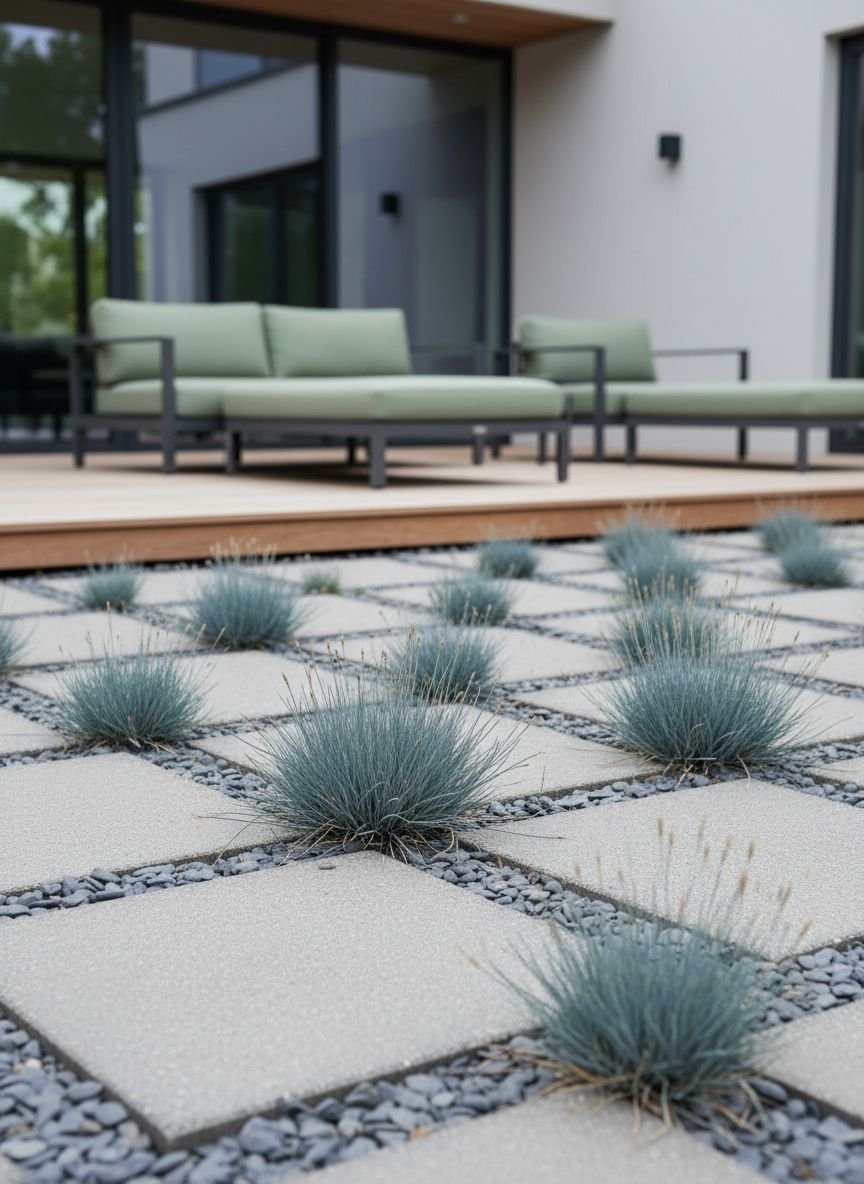
Ornamental grasses are the unsung heroes of modern landscaping. They provide movement and softness without the mess of dropping petals. Blue fescue is a top choice for contemporary spaces because of its unique color and compact, spherical habit. The cool blue tones of the blades act as a neutral backdrop that complements grey concrete and warm wood decking. When the wind blows, these grasses sway gently. This adds a kinetic energy to the garden that static shrubs cannot match.
Planting these grasses in grid patterns or straight lines maximizes their impact. A solitary grass might look lost, but a mass planting creates a stunning sea of texture. They are incredibly drought tolerant once established. This makes them perfect for eco conscious homeowners who want style without high water bills. You rarely need to fertilize them. Just give them a haircut in early spring to remove dead foliage. The fresh growth will emerge quickly and maintain that tight, sculptural bun shape that looks so tidy in modern beds.
Pro Tip: Plant blue fescue about 10 to 12 inches apart to ensure they grow as individual mounds rather than merging into a single mass.
Add minimalist water features like reflecting pools
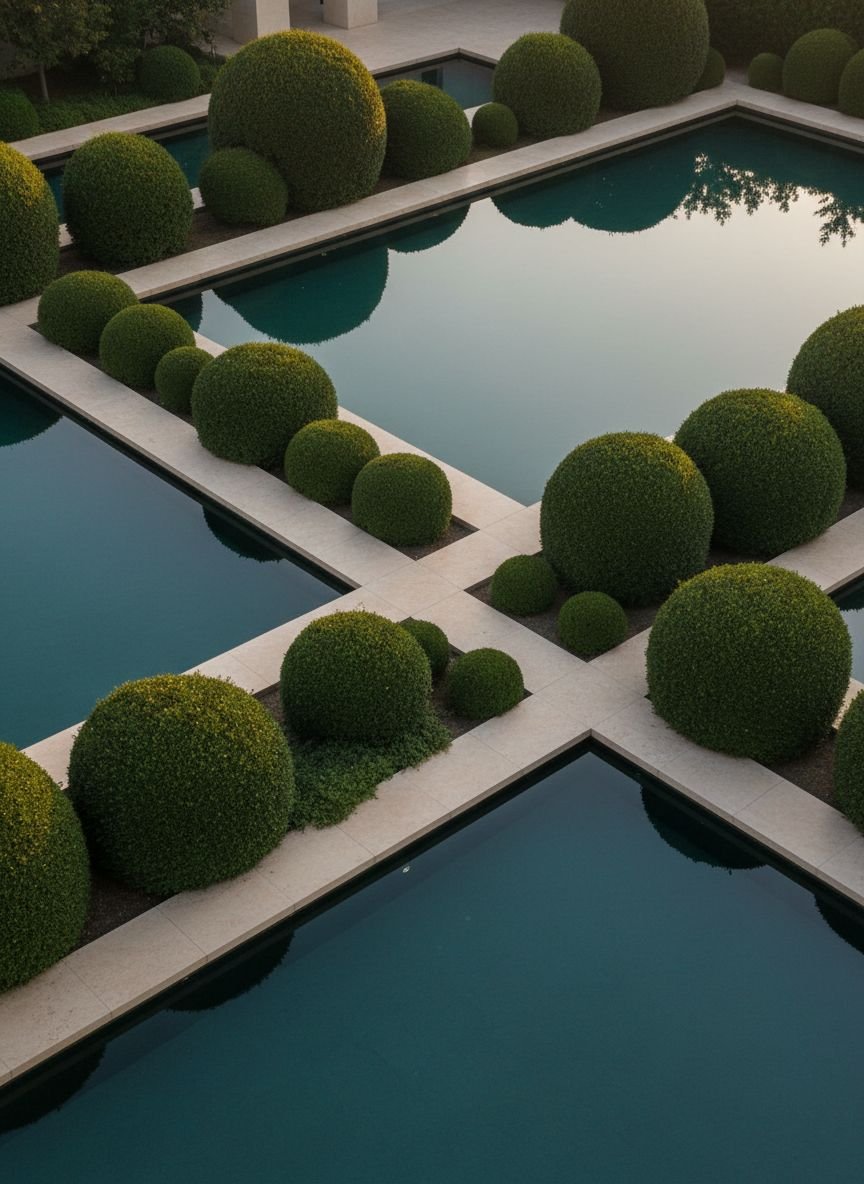
Water brings a profound sense of calm to any outdoor space. In modern design, the water feature itself should be understated. Forget ornate fountains with cherubs or tiered waterfalls. A simple reflecting pool is the ultimate expression of modern luxury. These features usually consist of a shallow basin with still water. The surface acts like a mirror that reflects the sky and the surrounding architecture. This visual trick doubles the sense of space and brings light into shady corners.
You can construct a reflecting pool from cast concrete or dark stone. The dark bottom enhances the reflective quality of the water. Keep the edges flush with the ground or create a slight raised lip for seating. The sound of water should be subtle if present at all. A quiet trickle is better than a loud splash. This feature becomes a meditative focal point. It invites you to pause and breathe. Maintenance involves keeping the water clear of debris, which is easier with a skimmer and proper filtration.
Save this idea to your Pinterest.
Opt for monochrome plants with varying leaf shapes
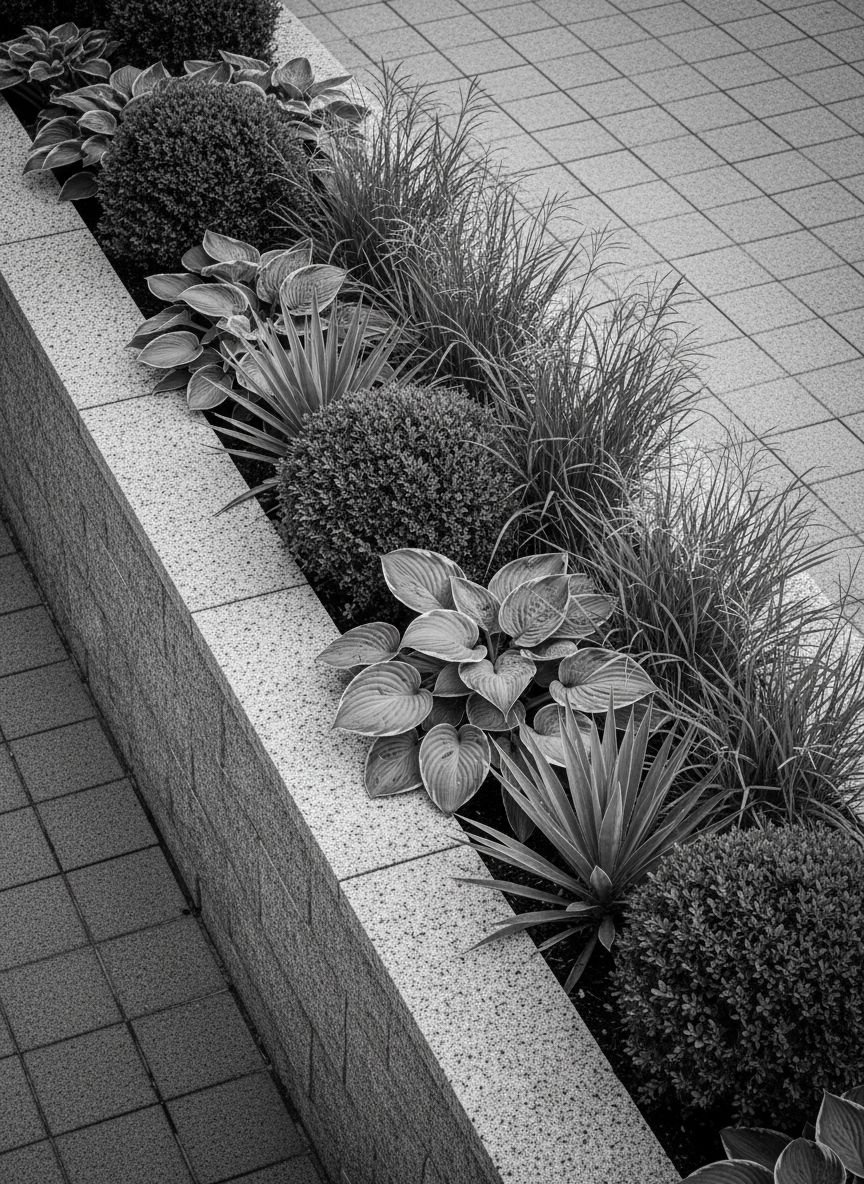
Color can sometimes distract from form. A monochromatic planting scheme forces the eye to notice texture and shape. Green is the most obvious choice for a modern palette. By removing bright reds and yellows, you create a restful environment. The interest comes from the contrast between different types of foliage. Pair the large, glossy leaves of a Fatsia japonica with the delicate, fern like fronds of a soft shield fern. The difference in light reflection and leaf structure creates a rich tapestry without needing a single flower.
This approach simplifies plant shopping. You no longer have to worry if pinks clash with oranges. You simply look for the most interesting green plants that thrive in your light conditions. Variegated plants with white or cream stripes can add brightness to dark corners without breaking the monochrome rule. Group plants with similar water needs together. This keeps the garden healthy and reduces your workload. The result is a sophisticated, lush look that feels curated and high end.
Pro Tip: Use the “thriller, filler, spiller” method even in the ground. A tall spiky plant, a medium bushy plant, and a low creeping ground cover create a complete picture.
Install sleek, linear LED garden lighting
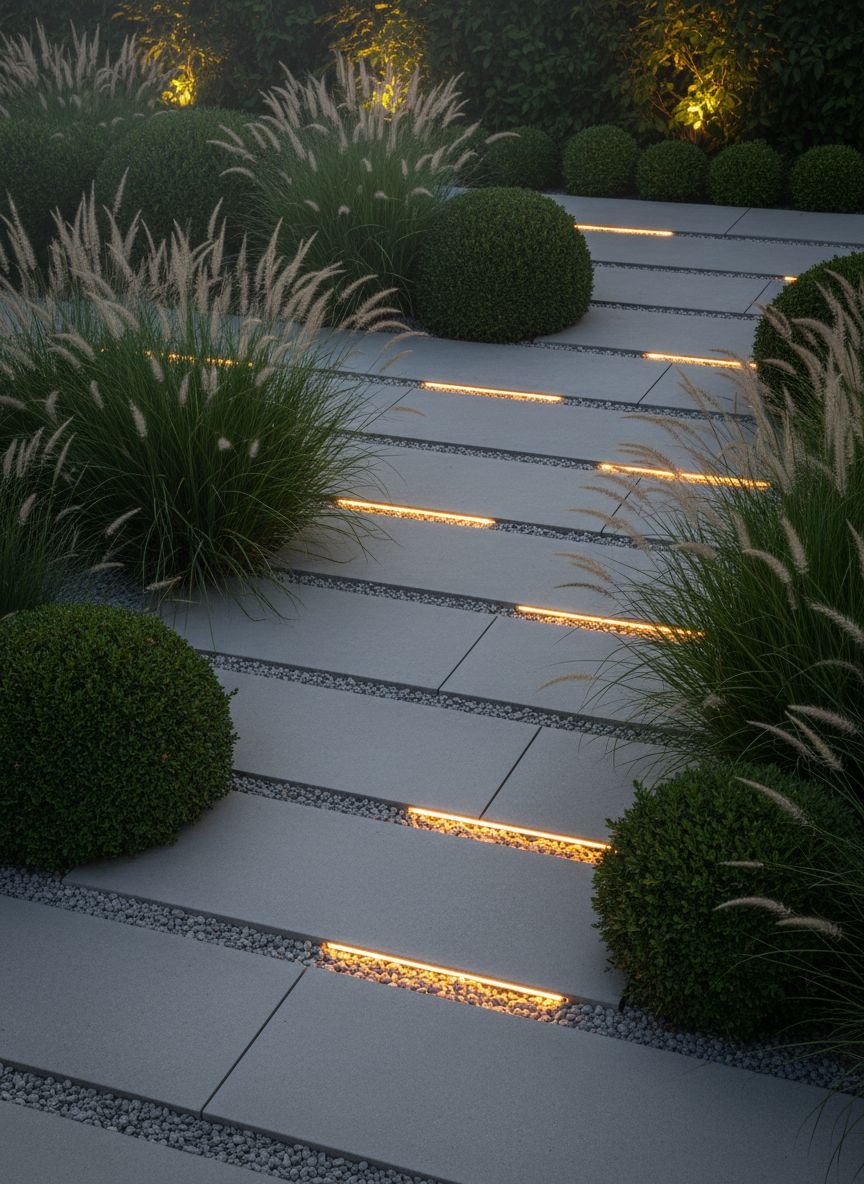
Lighting is what takes a garden from good to breathtaking. Modern lighting design avoids traditional lantern styles. Instead, it focuses on the effect of the light rather than the fixture itself. Linear LED strips are perfect for this. You can hide them under the lip of a retaining wall, beneath floating benches, or along the edges of a pathway. This creates a wash of light that defines the hardscaping. It makes floating steps look like they are truly hovering.
The color temperature of the light matters immensely. Aim for warm white (around 2700K to 3000K). Cool white can look clinical and uninviting in a garden setting. Linear lighting also improves safety by clearly marking changes in elevation. Because LEDs are energy efficient, you can run them for hours without worrying about electricity costs. Smart systems allow you to control the brightness and timing from your phone. You can dim the lights for a dinner party or brighten them for security.
Comparison: Solar vs. Hardwired LED Lighting
| Feature | Solar Lights | Hardwired LED Systems |
|---|---|---|
| Installation | DIY friendly, no wires needed | Requires professional installation or trenching |
| Brightness | Generally dimmer, fades over time | Consistent, high intensity brightness |
| Reliability | Dependent on sunny weather | Works perfectly regardless of weather |
| Cost | Low upfront cost | Higher initial investment, low running cost |
| Aesthetic | Bulky panels often visible | Sleek, hidden, seamless integration |
Integrate natural stone pathways in simple patterns
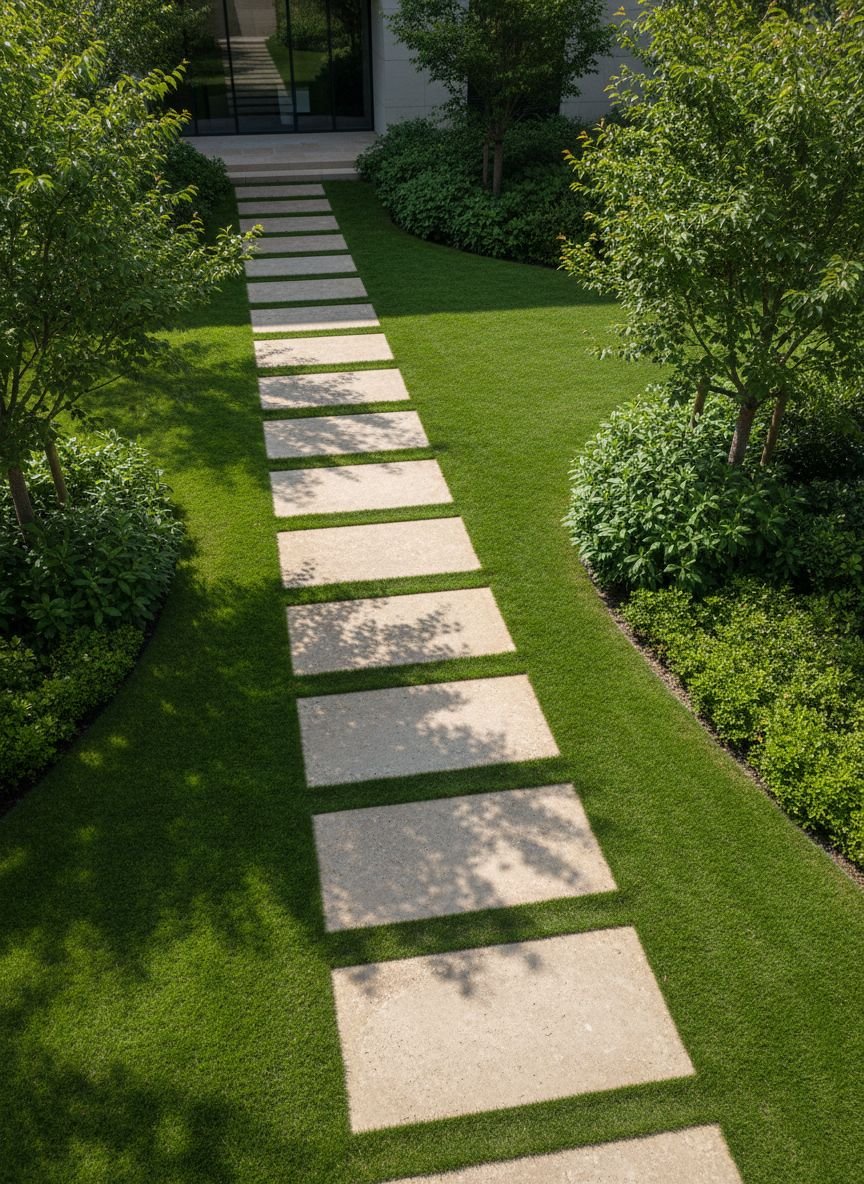
The journey through your garden dictates how you experience it. Natural stone pathways guide the visitor and define the flow. For a modern look, avoid crazy paving or irregular crazy shapes. Rectangular slabs of bluestone, slate, or limestone work best. Lay them in a running bond pattern or a simple grid. The key is the negative space. Leave a gap of 2 to 4 inches between each stone.
Fill these gaps with a contrasting material. Pea gravel provides a satisfying crunch and excellent drainage. Alternatively, plant low growing ground cover like creeping thyme or dwarf mondo grass between the pavers. This softens the hard stone and integrates the path into the landscape. The mix of rigid stone and organic filler captures the essence of modern design. It is functional yet beautiful. Ensure the stones are level to prevent tripping hazards. This type of path is permeable, meaning rainwater soaks into the ground rather than running off into drains.
Choose evergreen shrubs for year-round structure
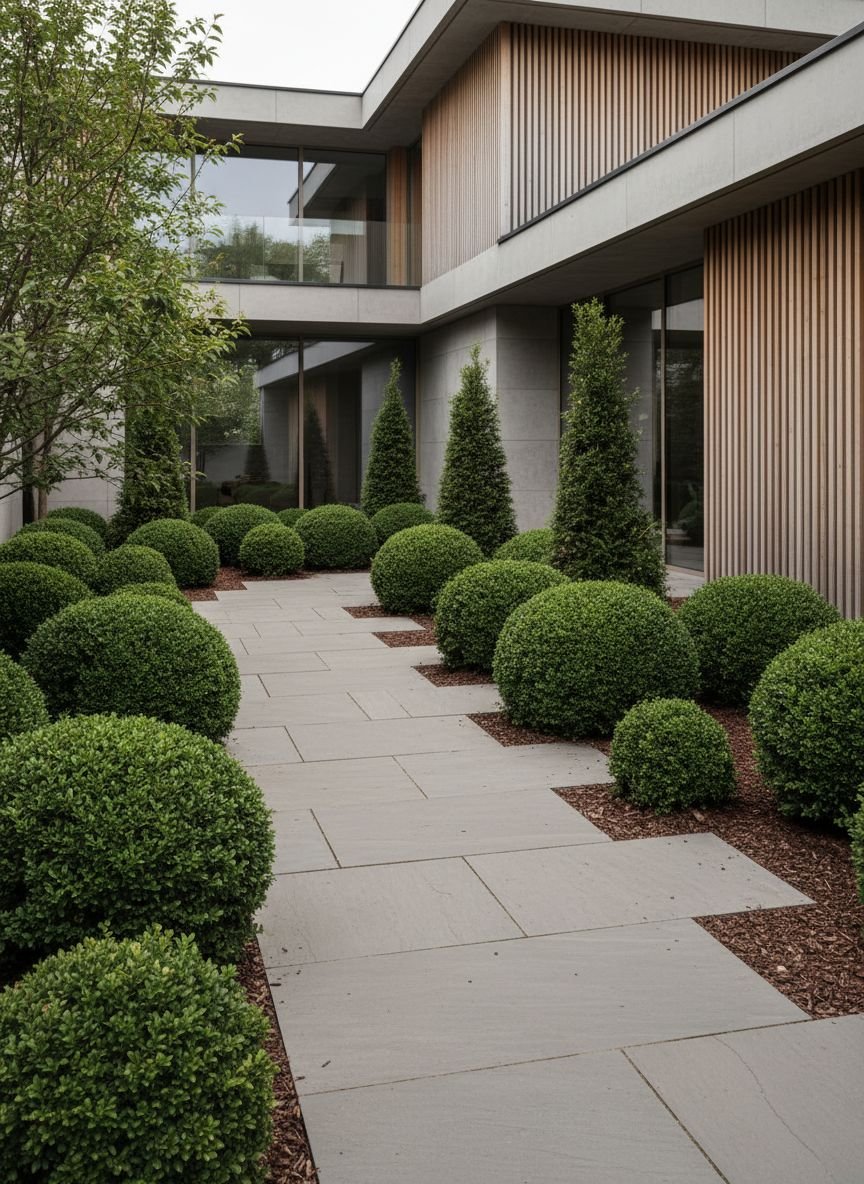
A modern garden needs to look good in January, not just in June. Deciduous plants leave you with bare sticks for half the year. Evergreen shrubs provide the permanent “furniture” of your garden rooms. They offer privacy and wind protection regardless of the season. Plants like Yew, Japanese Holly, or Pittosporum are excellent choices. They take pruning well and have dense foliage that blocks unsightly views.
Place these shrubs strategically to create walls or backdrops. A row of tall evergreens can hide a neighbor’s garage or frame a beautiful view. Because they don’t drop leaves, they are perfect near pools or dining areas where you want to keep maintenance low. Choose varieties with different shades of green. A dark green yew contrasts nicely with a bright green boxwood. This subtle variation keeps the planting interesting without being chaotic. Remember to check the mature size of the shrub so you don’t plant something that will eventually block your windows.
Pro Tip: Use slow growing evergreens for foundation plantings so you don’t have to trim them every month.
Mix concrete planters with warm wooden accents
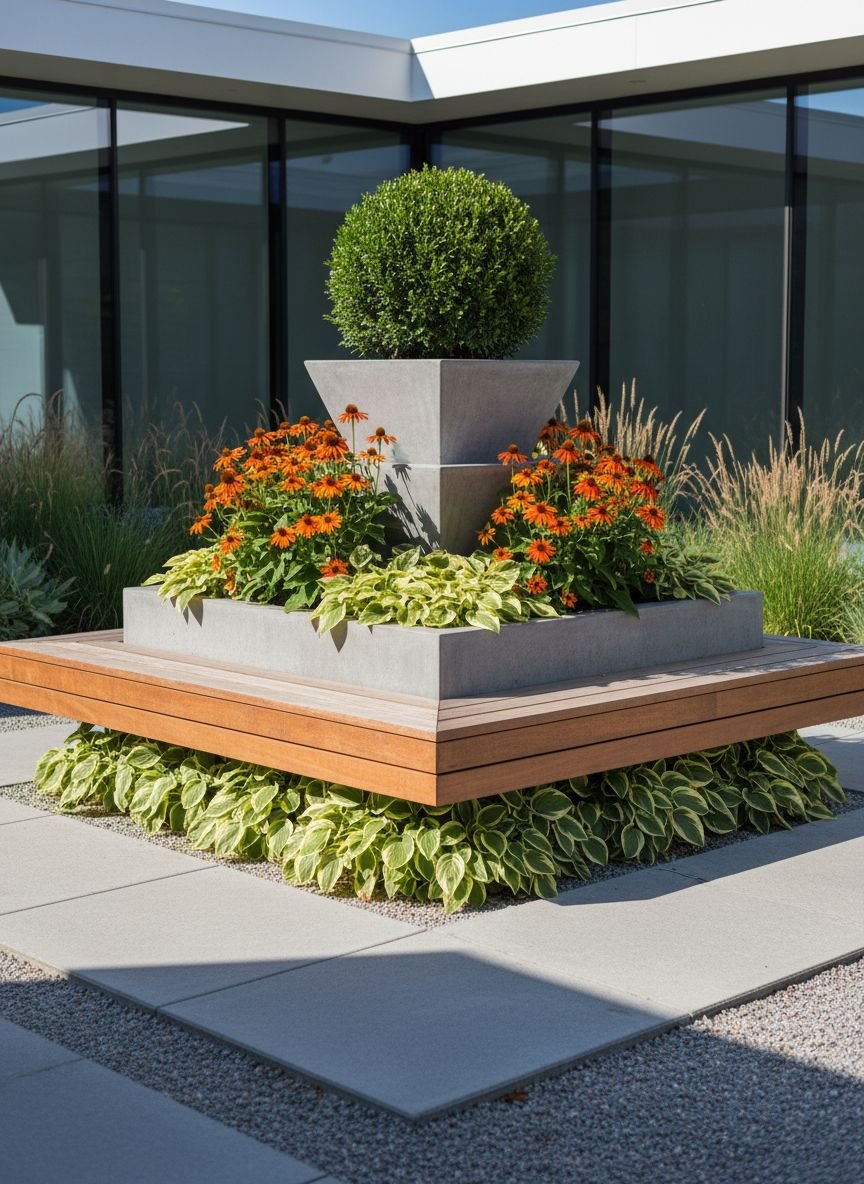
Contrast is the secret sauce of visual design. Concrete is cool, industrial, and solid. Wood is warm, organic, and inviting. When you put them together, magic happens. Large concrete planters are a staple of modern garden design. They have a weight and presence that plastic pots simply cannot mimic. Their neutral grey tone makes green foliage pop. However, too much concrete can feel cold or harsh.
Introduce wood to balance this out. A timber bench floating between two concrete planters creates a functional seating nook. Wooden decking or a cedar slat fence warms up the space immediately. The interplay between the rough texture of concrete and the smooth grain of wood is tactile and visually pleasing. Over time, wood will weather to a silvery grey that harmonizes with the concrete, while the concrete might develop a patina of moss. This aging process adds character to the garden.
Save this idea to your Pinterest.
Design a focal point with a large agave or yucca
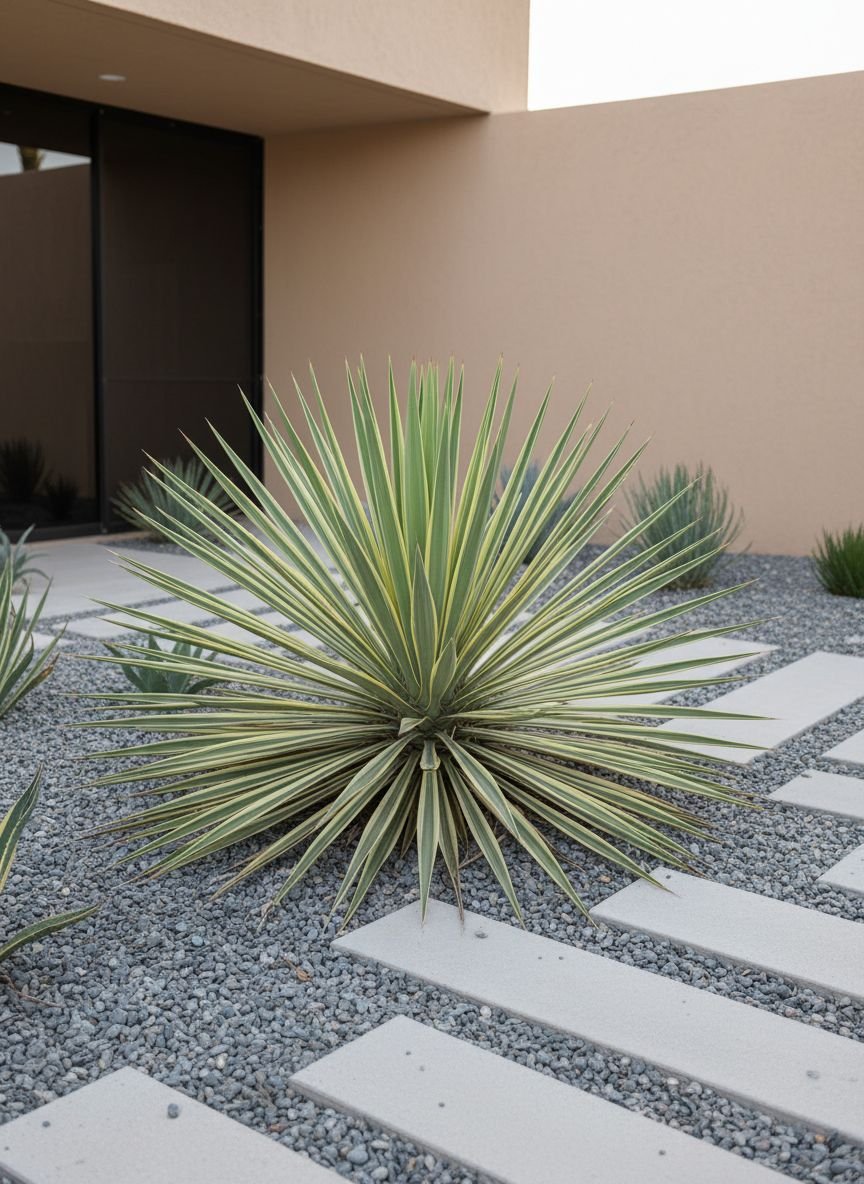
Every room needs a statement piece, and your garden is no exception. Architectural plants like Agaves, Yuccas, or Cordylines act as living sculptures. Their bold, sword like leaves command attention. Placing one large specimen in a prominent spot creates instant drama. It anchors the design and gives the eye a place to rest. These plants look particularly striking when up lit at night, casting dramatic shadows against a wall.
These plants are incredibly resilient. They thrive in hot, dry conditions and require very little water. This makes them ideal for containers or gravel gardens. Because they grow slowly, you won’t need to repot or prune them often. Be mindful of spines if you have small children or pets. Place them back from the edge of the path. A single large agave in a tall modern pot can serve as a stunning welcome feature near your front door.
Use gravel or decomposed granite instead of traditional mulch
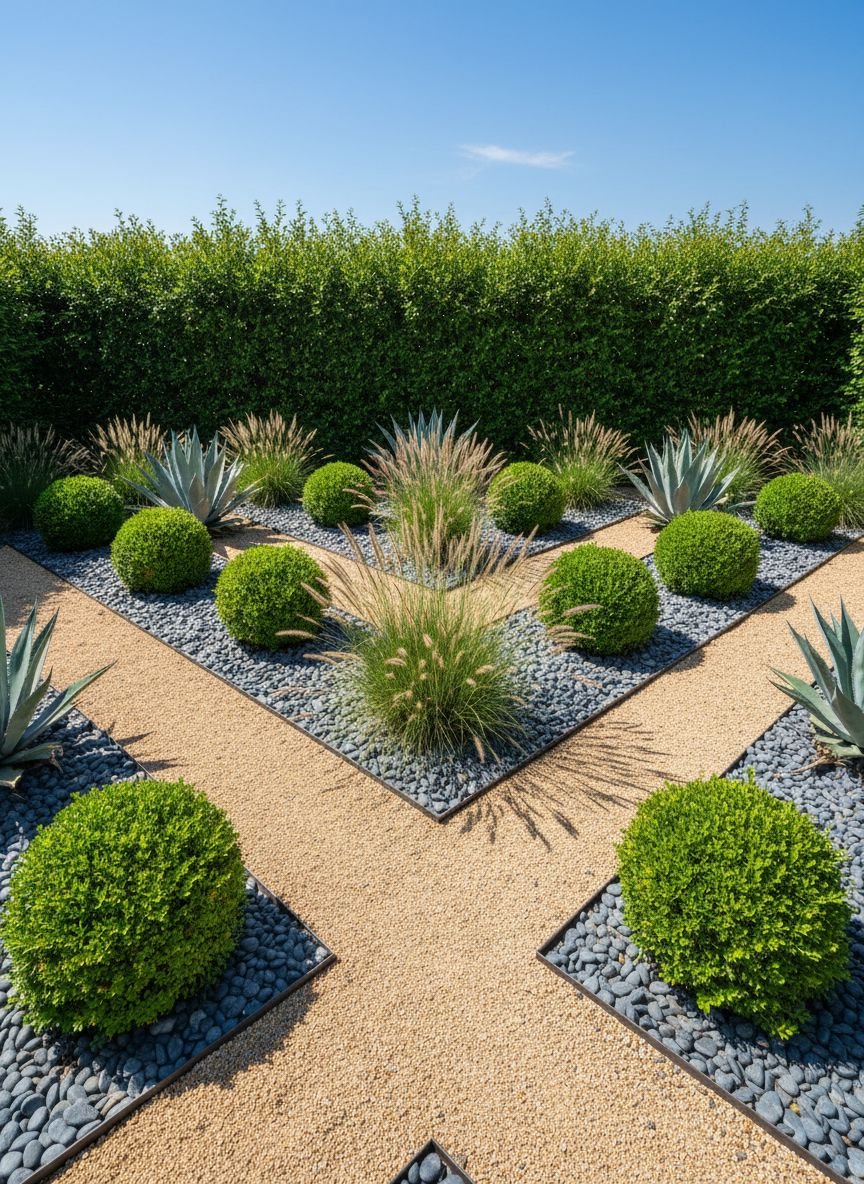
Wood chip mulch often looks messy and degrades quickly. For a sleek modern look, switch to inorganic mulches like gravel, river rocks, or decomposed granite (DG). These materials provide a clean, uniform surface that stays in place. Gravel comes in various colors, from stark white to warm beige or dark grey. Choose a color that complements your paving and house exterior.
Decomposed granite packs down hard to create a stable surface suitable for walking or seating areas. It is permeable and prevents weed growth when installed over landscape fabric. This “flooring” unifies the garden. It creates negative space around your plants, allowing their forms to stand out. Unlike wood mulch, you don’t need to top it up every year. It creates a dry surface around the base of plants, which prevents rot in succulents and Mediterranean herbs.
Pro Tip: Use a metal rake to smooth out gravel areas occasionally to keep them looking Zen and pristine.
Create vertical gardens with simple metal trellises
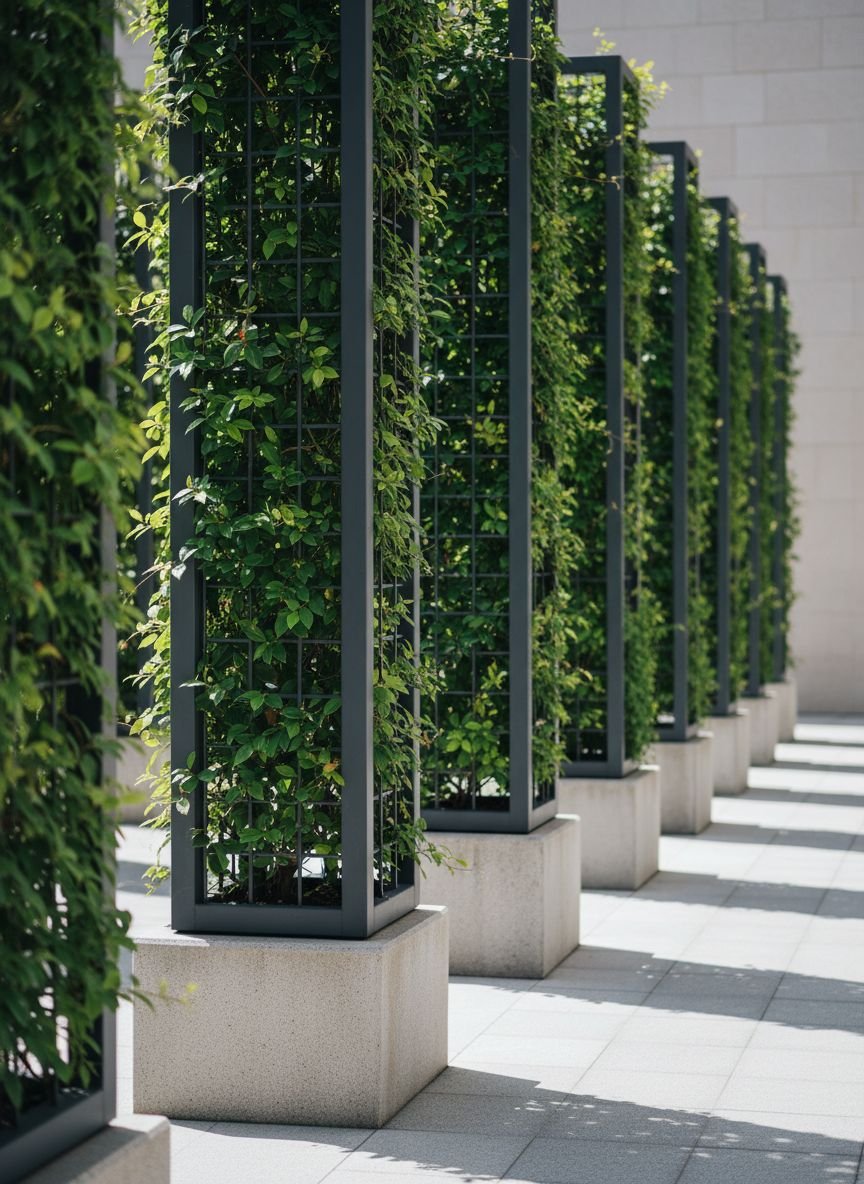
When ground space is limited, the only way is up. Vertical gardening is a smart solution for urban courtyards and balconies. A modern trellis creates a living wall that softens hard surfaces. Avoid flimsy plastic or rustic wooden lattice. Opt for sleek metal grids or tension wire systems. These structures are nearly invisible, allowing the vines to take center stage.
Climbing plants like Star Jasmine or ornamental ivy can cover a wall in greenery. This reduces heat absorption and improves air quality. You can also hang modular planter systems on these frames to grow herbs or trailing succulents. A vertical garden acts as a sound buffer, dampening city noise. It turns a boring fence into a lush tapestry. Keep the planting simple. One or two species repeated across the wall looks more modern than a patchy mix of many different plants.
Related posts :
- 14 Creative Deck Wall Ideas for Stylish Outdoor Spaces That Instantly Upgrade Your Backyard
- 13 Stunning Outdoor Garden Decor Ideas That Instantly Transform Your Backyard Sanctuary
- 16 Modern Dressing Table Ideas That Look Straight Out of a Magazine and Will Instantly Upgrade Your Morning Routine
Place a statement outdoor sculpture or modern art piece
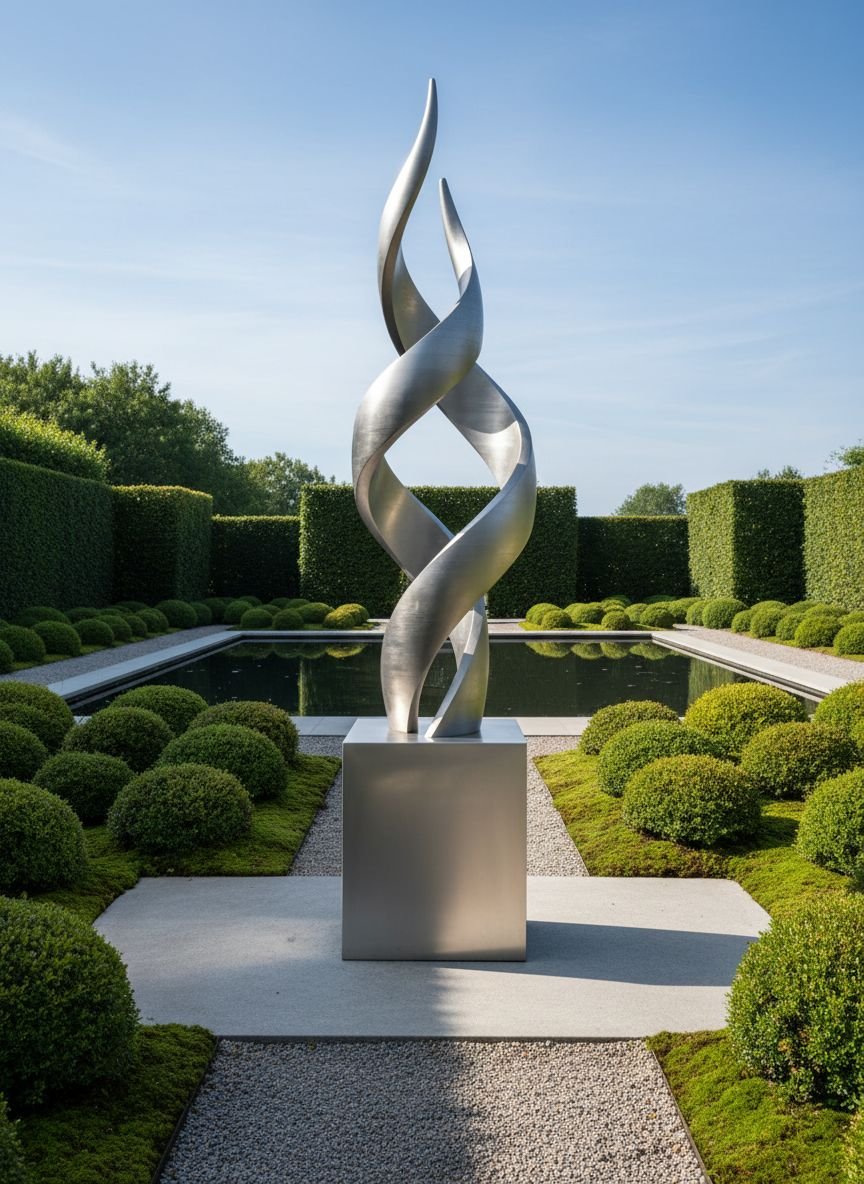
Art is not just for the living room. A well placed sculpture elevates a garden from a planting area to a designed landscape. Abstract forms in Corten steel, stone, or bronze work best in modern settings. The rust colored patina of Corten steel contrasts magnificently with green foliage. The sculpture creates a focal point that draws you out into the garden.
Scale is critical here. A small statue will look cluttered. Go for something substantial that holds its own against the backdrop of trees and fences. Place the art at the end of a pathway or in the center of a viewing window. It provides interest during winter when the plants might be dormant. You don’t need to spend thousands on gallery pieces. Many local artisans create beautiful abstract metalwork. Even a large, uniquely shaped boulder can serve as a sculptural element.
Plant boxwood hedges trimmed into clean lines
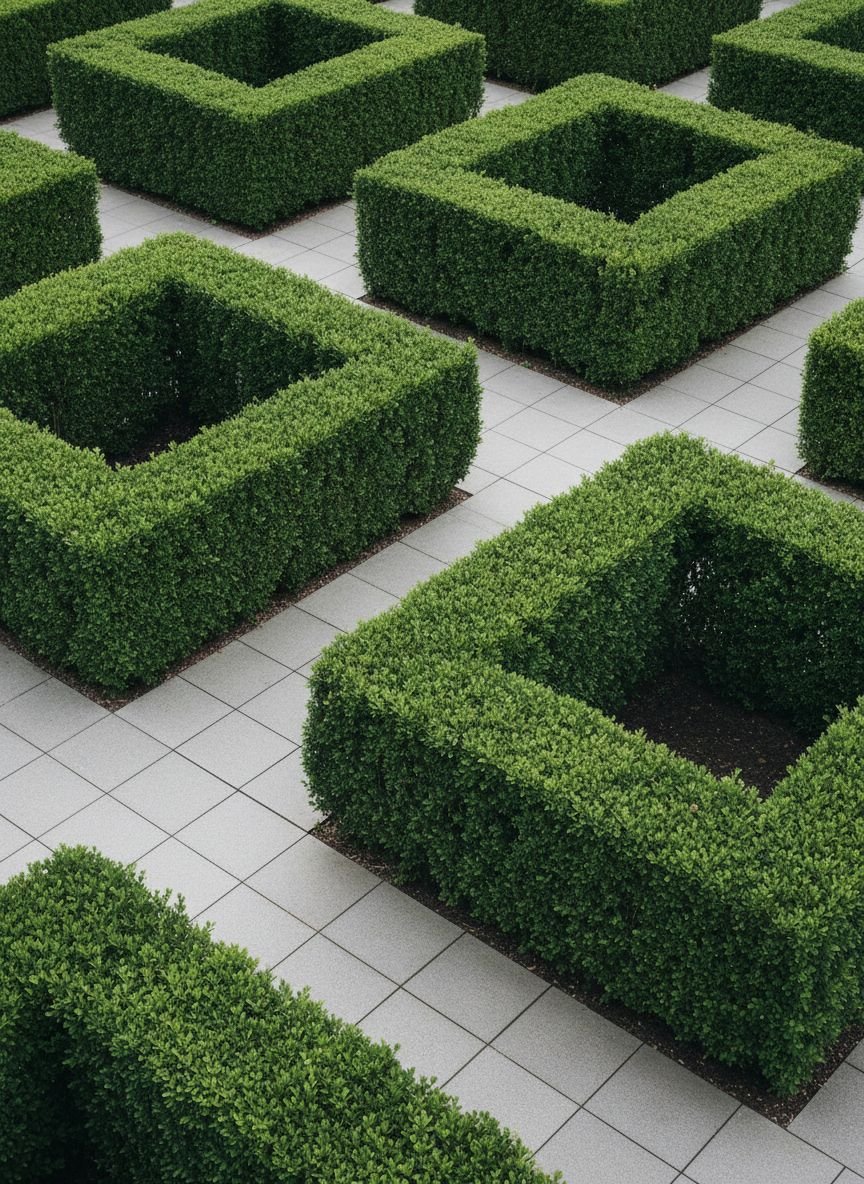
Boxwood is the classic plant for creating structure. While often associated with formal French gardens, it is essential for modern design when trimmed into sharp blocks. Low boxwood hedges can define the edges of beds or pathways. Taller hedges can create “rooms” within your garden, separating the dining area from the play area. The dense, small leaves create a solid green wall that looks like velvet from a distance.
Maintenance is key to the modern look. You need to shear them regularly to maintain those crisp edges. Use a string line as a guide while trimming to ensure perfectly straight tops. If boxwood is prone to blight in your area, consider alternatives like Japanese Holly (Ilex crenata) or Gem Box inkberry holly. These substitutes offer the same look with better disease resistance. The repetition of these green blocks creates a rhythm that is deeply satisfying to the eye.
Save this idea to your Pinterest.
Design a subtle outdoor kitchen with stainless steel finishes
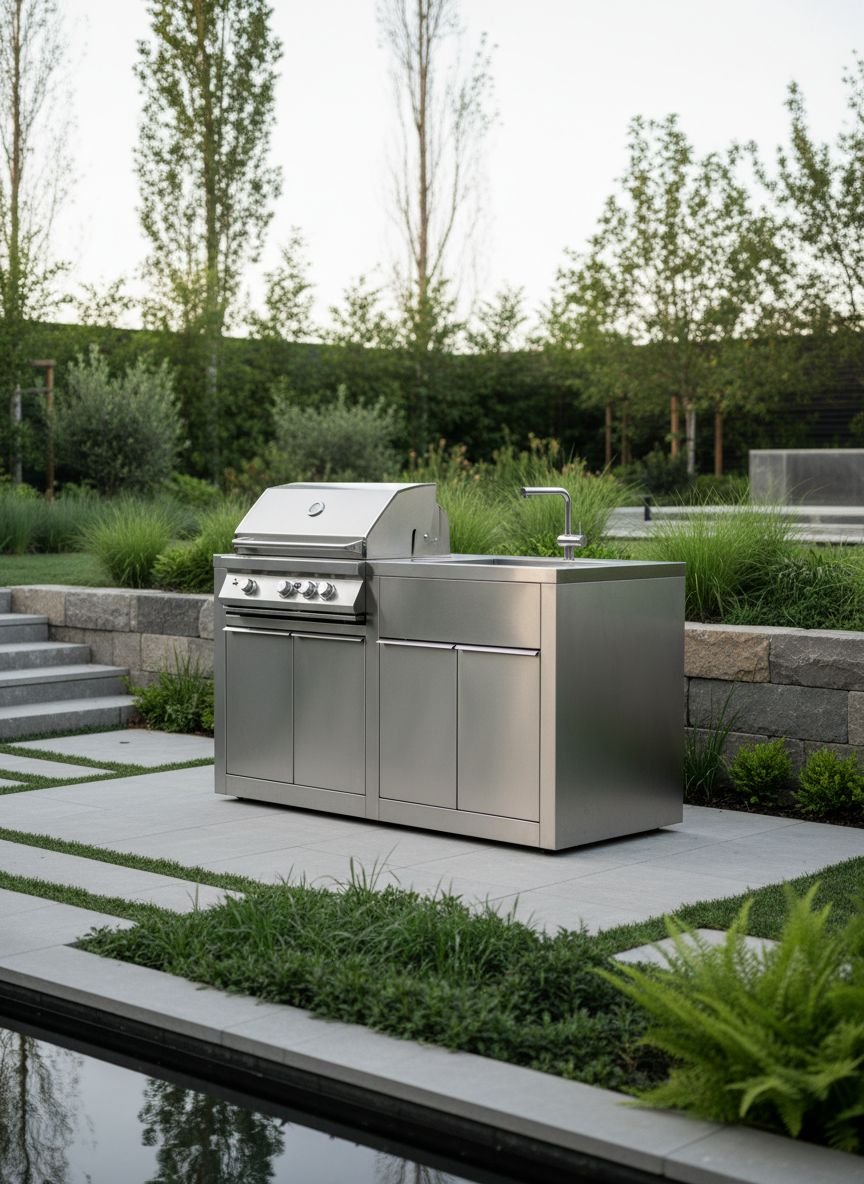
Outdoor living is a huge trend, and a modern garden often includes a place to cook. A modern outdoor kitchen should not look like a bulky stone monument. Keep the lines low and horizontal. Stainless steel cabinetry offers a sleek, professional look that withstands the elements. It reflects the light and matches the clean aesthetic of the rest of the garden.
Integrate the grill and appliances into a simple island. Concrete or quartz countertops provide a durable work surface. Avoid cluttering the space with too many gadgets. A grill, a small sink, and some hidden storage are usually enough. If you have the space, a bar counter with modern stools invites guests to chat while you cook. This area bridges the gap between the interior kitchen and the exterior garden. It makes entertaining effortless and stylish.
Pro Tip: Cover your stainless steel appliances with custom canvas covers when not in use to prevent pollen buildup and keep them shining.
Popular Asked Questions
How do I make my garden look modern on a budget?
Focus on cleaning up the lines. Use a shovel to cut sharp, straight edges on your lawn. Replace messy mulch with gravel. Paint old fences a dark charcoal or black; this makes the green plants pop and feels instantly contemporary. Limit your plant palette to three or four types and plant them in groups.
What are the best low-maintenance plants for a modern garden?
Ornamental grasses like blue fescue and feather reed grass are excellent. Succulents like agave and sedum require almost no water. Evergreen shrubs like boxwood or yew provide structure without needing constant deadheading. Snake plants are also great for warm climates or pots.
Can a small garden have a modern design?
Absolutely. Modern design is actually best for small spaces because it declutters the view. Use large pavers to make the floor space feel bigger. Use vertical trellises to draw the eye up. Keep furniture sleek and not bulky. A large mirror on a garden wall can double the perceived space.
What materials define modern landscape design?
Concrete, steel (especially Corten), natural stone with clean cuts, and wood (like cedar or teak) are the primary materials. Gravel is often used for ground cover. The key is to use these materials in large, uninterrupted blocks rather than small, busy patterns.
How important is lighting in modern garden design?
It is vital. Lighting extends the usability of the space into the night. It highlights the architectural forms of plants and hardscaping. Without lighting, the garden disappears after sunset. Simple uplights on trees and strip lights under steps create a high-end atmosphere.
Conclusion
Creating a modern garden is about editing. It is about choosing a few high-quality elements and giving them space to breathe. By incorporating geometric beds, textural grasses, and smart lighting, you can build an outdoor space that feels serene and sophisticated. You do not need a green thumb to maintain these designs; you just need a plan. Start with one area, perhaps adding a gravel path or a focal point plant, and watch how it changes the entire feel of your yard.


Leave a Comment