
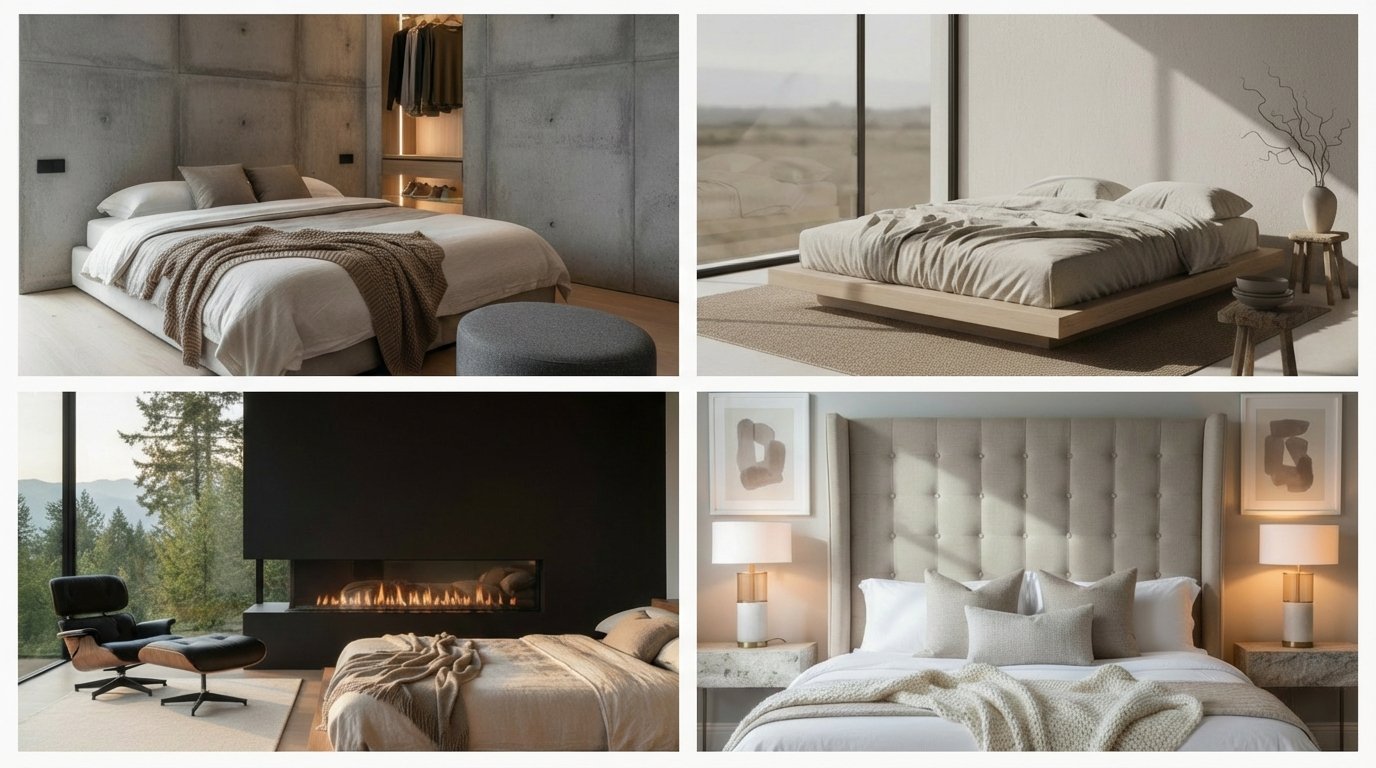
Modern design often gets a bad reputation. People think it feels cold or sterile. They imagine hospital white walls and uncomfortable furniture. This misconception keeps many homeowners from achieving the serene, clutter-free sanctuary they actually crave. A true modern bedroom balances clean lines with warmth. It uses texture to create interest rather than relying on knick-knacks.
You spend a third of your life in your bedroom. The environment directly impacts your sleep quality and mental state. A chaotic room leads to a chaotic mind. Modern design solves this. It strips away the unnecessary. It leaves you with a space that breathes. This guide breaks down eighteen specific design elements and layouts. You will see how to layer lighting, select the right low-profile furniture, and mix materials like wood and concrete. We focus on practical application so you can replicate these looks instantly.
Key Takeaways
- Texture is King: In the absence of clutter, texture provides the necessary visual weight and warmth.
- Function First: Every piece of furniture must serve a purpose; storage should be integrated and hidden.
- Lighting Layers: Relying on a single overhead light kills the mood; use task, ambient, and accent lighting.
- Low Profiles: Lower furniture heights create the illusion of higher ceilings and more space.
- Natural Elements: Wood, stone, and plants ground the modern aesthetic and prevent it from feeling clinical.
Table of Contents
- The Rise of Modern Bedroom Design
- Minimalism and Simplicity
- Clean Lines and Geometric Shapes
- Neutral Color Palette
- Shades of White, Gray, and Beige
- Pops of Bold Colors
- Natural Materials
- Wood Accents
- Stone and Concrete Elements
- Texture and Layering
- Plush Fabrics and Linens
- Mixing Matte and Glossy Finishes
- Furniture Essentials for the Modern Bedroom
- Platform Beds
- Low Profile Designs
- Integrated Headboards
- Sleek Storage Solutions
- Built In Wardrobes and Closets
- Popular Asked Questions
- Conclusion
The Rise of Modern Bedroom Design
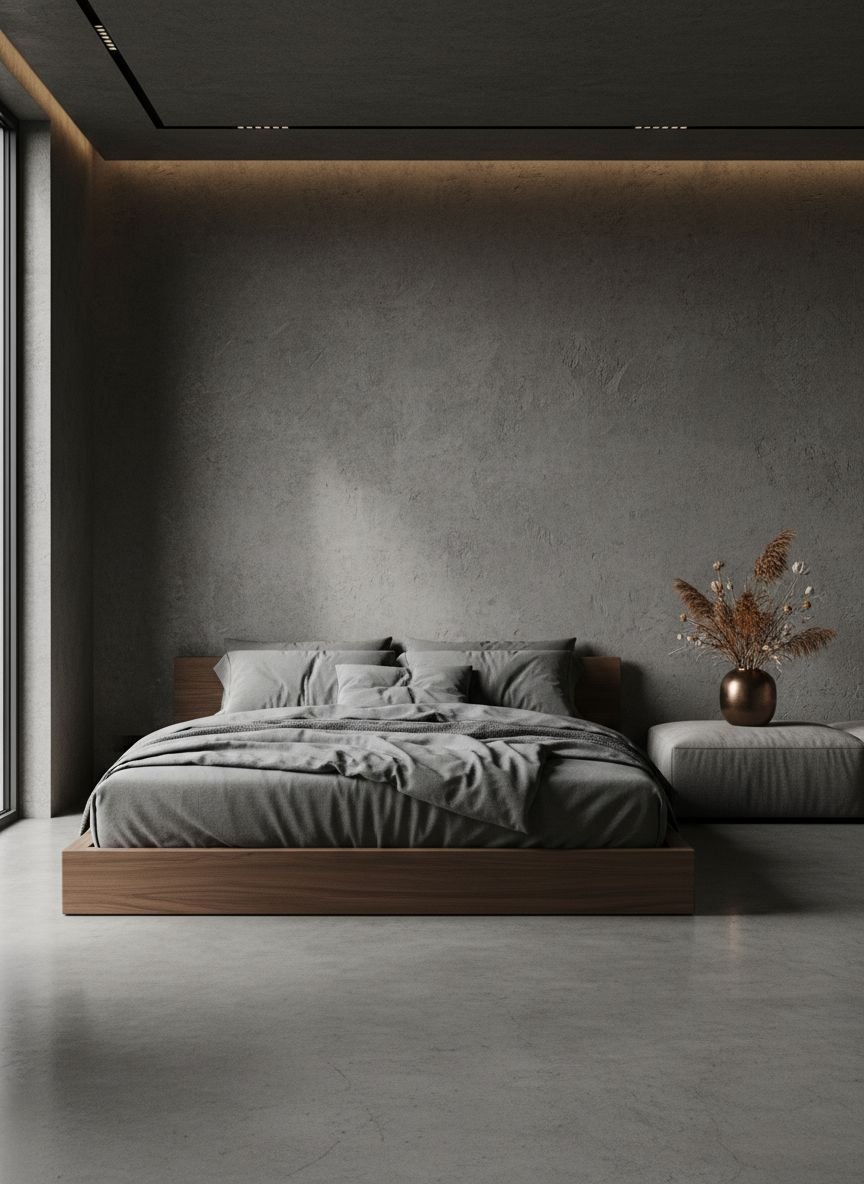
Modern design has evolved past the stark futurism of the mid-20th century. Today, it focuses on “warm minimalism.” This style prioritizes mental clarity. The bedroom becomes a retreat from the digital noise of the outside world. We see a shift away from heavy ornamentation. Intricate carvings and busy floral patterns are gone. Instead, the architecture of the room speaks for itself. Large windows let in natural light. Unobstructed floor space creates flow.
The appeal lies in the maintenance. A modern bedroom is easier to clean. It collects less dust. Everything has a place. This reduces the cognitive load you experience when walking into the room. You do not see a pile of laundry or a cluttered nightstand. You see smooth surfaces and intentional design choices. This shift is not just aesthetic. It is a lifestyle change that prioritizes rest and rejuvenation over accumulation of things.
Pro Tip: Start by removing everything from your nightstands except a lamp and a book to instantly feel the shift.
Minimalism and Simplicity
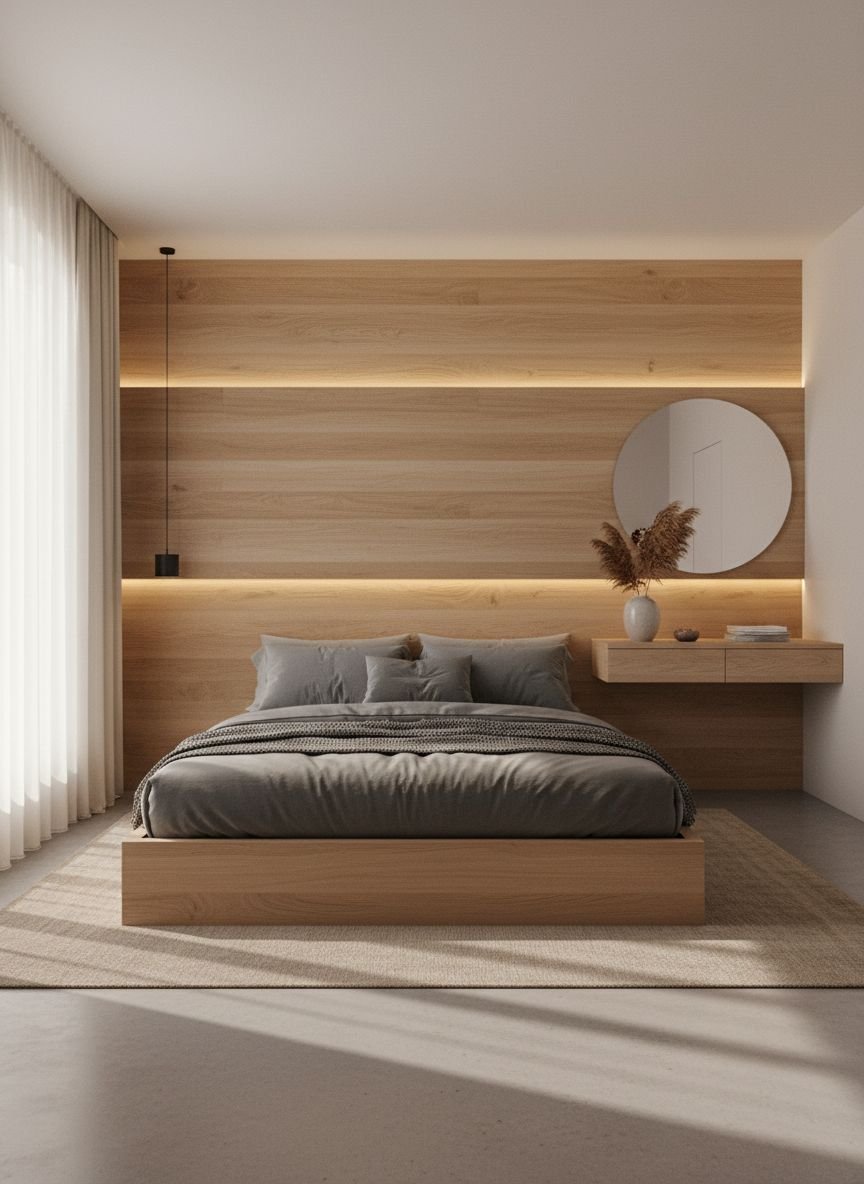
Minimalism is the backbone of modern design. This does not mean living in an empty box. It means intentionality. Every object in the room must justify its existence. If it does not add beauty or function, it goes. This approach creates a sense of airiness. Small bedrooms benefit the most from this. By removing visual noise, the walls seem to push out. The room feels physically larger.
Focus on negative space. This is the empty space around furniture. In traditional design, we tend to fill every corner. In modern design, we celebrate the gaps. These gaps allow the eye to rest. They highlight the furniture pieces you did choose. A single sculptural chair in a corner looks better than a chair buried under throw pillows and blankets. Keep surfaces clear. A dresser top should hold maybe three items, not twenty.
Pro Tip: Use the “one in, one out” rule for bedroom decor to maintain the minimalist vibe.
Clean Lines and Geometric Shapes
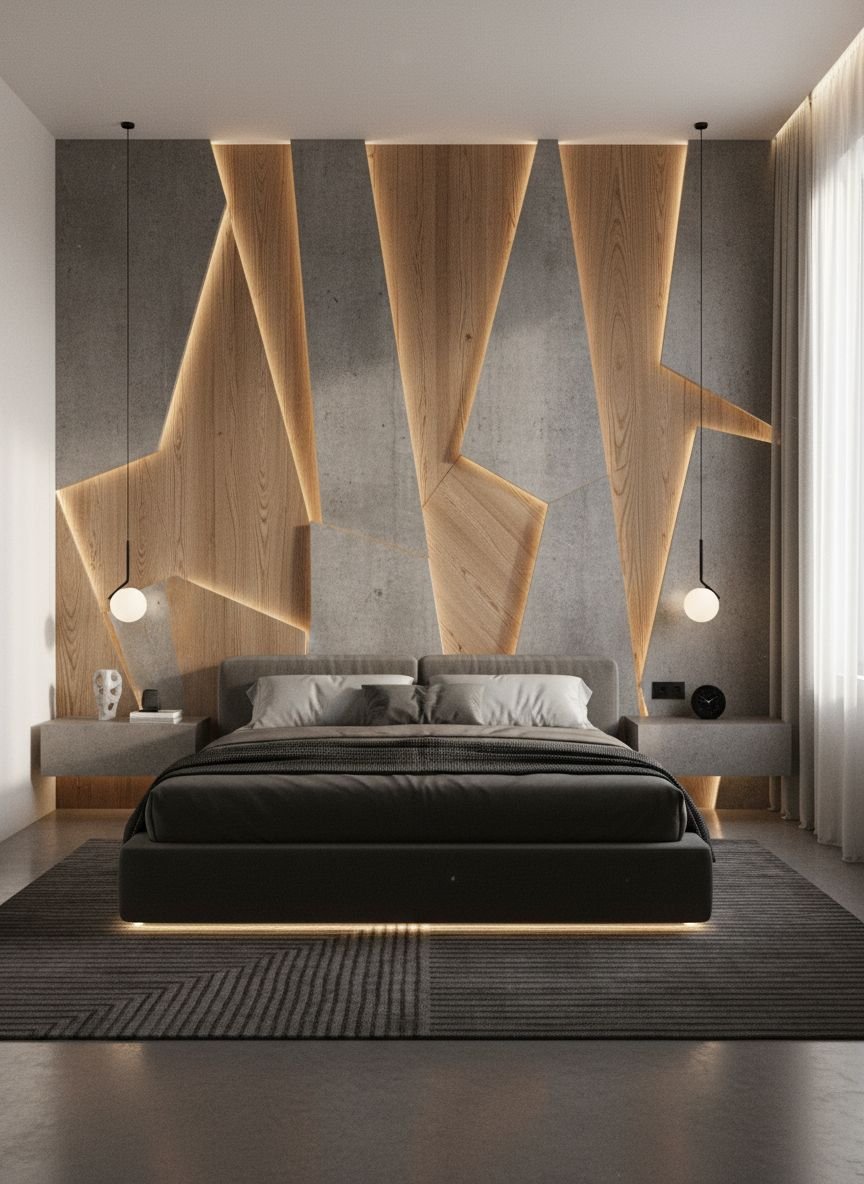
Curved, ornate furniture belongs in the Victorian era. Modern bedrooms rely on straight lines and clear geometry. Look at the silhouette of your bed frame. It should be a crisp rectangle. Nightstands should be simple cubes or floating shelves. These strong lines create a sense of order. They guide the eye through the room without interruption. This linear approach makes the space feel organized and structured.
You can introduce geometry through more than just furniture. Consider wall treatments. A feature wall with geometric molding adds depth without adding clutter. Rugs with large-scale geometric patterns ground the space. The key is scale. Avoid small, busy patterns. Go for large, bold shapes. A circular mirror above a rectangular dresser creates a pleasing contrast. It breaks up the straight lines just enough to keep the room from feeling rigid.
Pro Tip: Choose square or rectangular lampshades instead of tapered ones for an instant modern update.
Neutral Color Palette
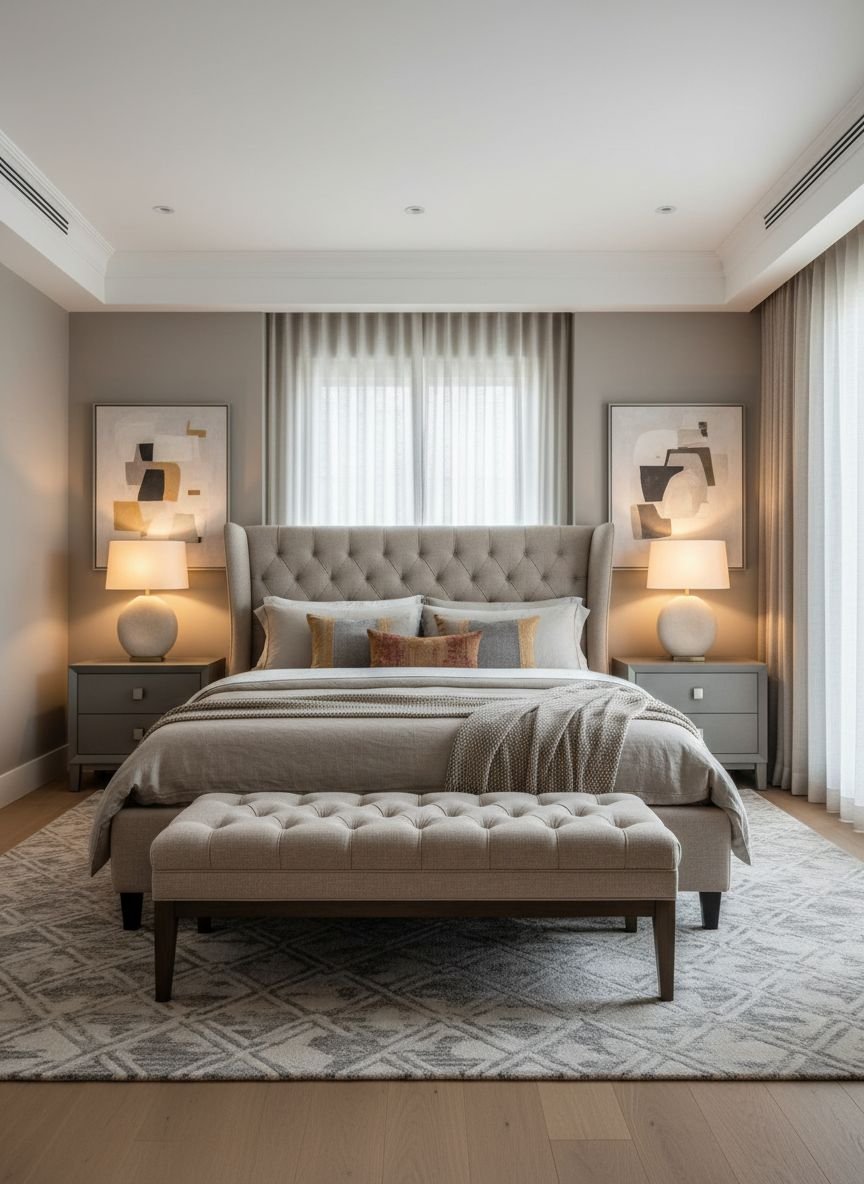
Color dictates mood. For a modern bedroom, a neutral palette is the safest and most effective choice. It creates a calm canvas. Your walls, floor, and large furniture pieces should fall into this category. This allows you to change the feel of the room easily with smaller accessories. You are not locked into a specific color scheme that might go out of style next year. Neutrals are timeless. They reflect light well, making the room feel brighter.
Think beyond just white. “Neutral” includes a vast range of tones. Soft taupes, warm creams, and muted earth tones all work. These colors mimic nature. They lower your heart rate. A monochromatic neutral room feels like a luxury hotel suite. It signals to your brain that it is time to wind down. The lack of jarring bright colors prevents visual overstimulation right before sleep.
Pro Tip: Paint your ceiling the same neutral color as your walls to blur the boundaries and heighten the room.
Shades of White, Gray, and Beige
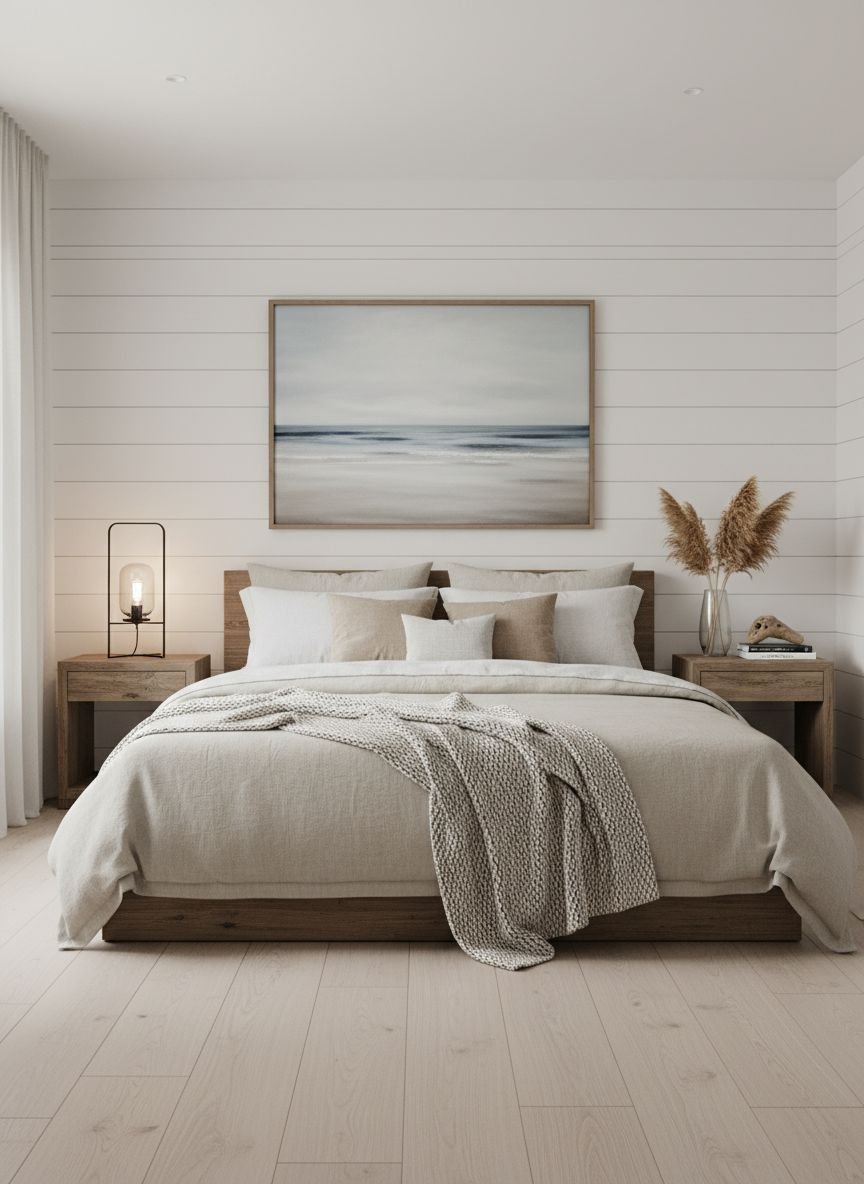
The “greige” trend dominates modern interiors for a reason. It bridges the gap between cool gray and warm beige. Pure white can sometimes feel too sterile or clinical, like a laboratory. Pure gray can feel depressing in low light. Beige brings the warmth. Mixing these three shades creates a sophisticated, layered look. You might have charcoal gray bedding, off-white walls, and a sandy beige rug.
Contrast is vital here. If everything is the exact same shade of white, the room looks flat. You need variation. Use a light gray paint on the walls and a dark charcoal headboard. This anchors the bed. Use crisp white sheets against a beige duvet. These subtle shifts in tone create visual interest without breaking the calming color palette. It adds depth and dimension to the space.
Pro Tip: Test paint samples at night. Grays often turn blue or purple under artificial bedroom lighting.
Comparison: Modern Flooring Options
| Feature | Polished Concrete | Wide Plank Wood | Carpeting |
|---|---|---|---|
| Aesthetic | Industrial, Sleek | Warm, Organic | Soft, Traditional |
| Warmth | Cold (needs rugs) | Moderate | High |
| Maintenance | Very Low | Moderate | High (stains/dust) |
| Modernity | 10/10 | 9/10 | 4/10 |
| Best For | Lofts, Warm Climates | All Styles | Cozy Master Suites |
Pops of Bold Colors
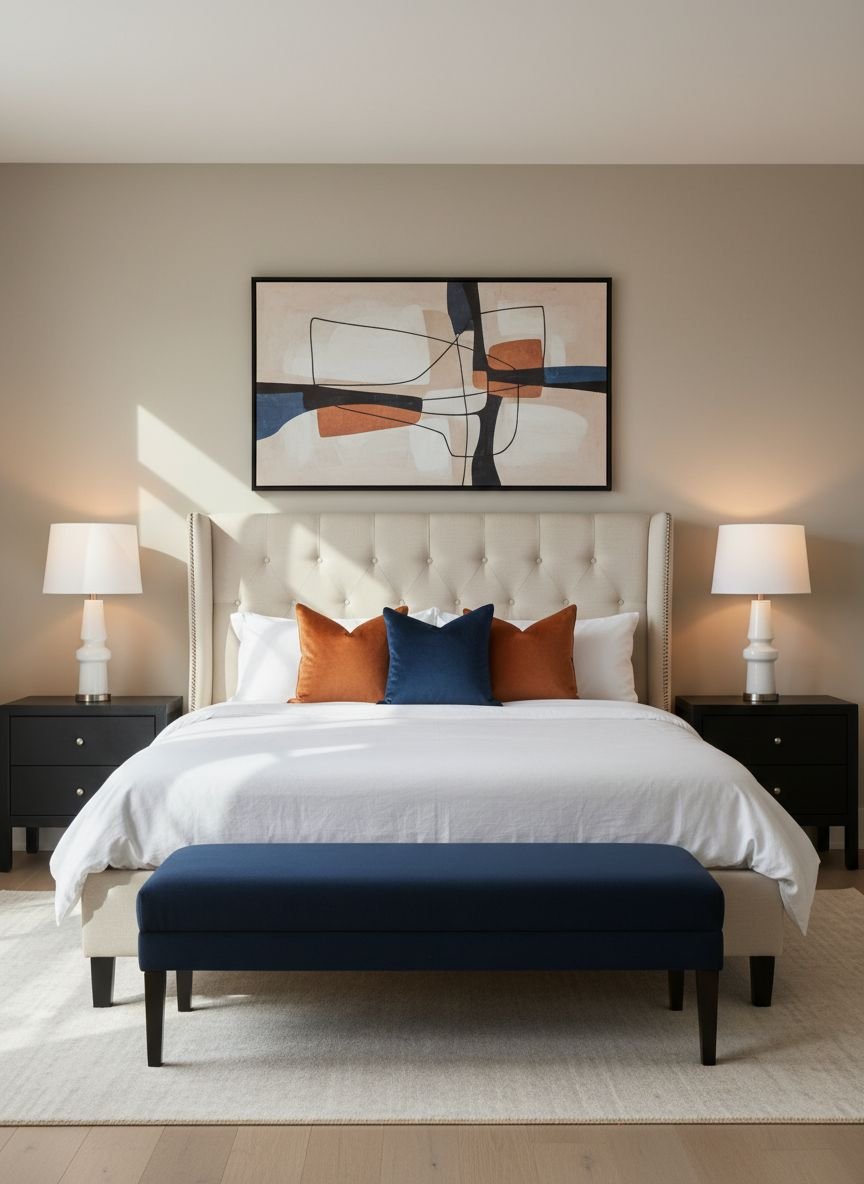
Modern does not mean devoid of color. It means using color with precision. A “pop” of color works best when surrounded by neutrals. Think of a deep emerald green throw pillow on a gray bed. Or a piece of abstract art with vibrant blue strokes. The goal is to create a focal point. Your eye should be drawn to one specific area. This prevents the room from looking boring or unfinished.
Stick to one or two accent colors. Do not create a rainbow. Jewel tones work exceptionally well in modern bedrooms. Navy blue, forest green, and mustard yellow add richness. These colors feel mature and grounded. Avoid neon shades or pastels, which can skew juvenile or retro. Apply the color sparingly. A single accent chair or a painted arch behind the bed is enough. Let the neutral background do the heavy lifting.
Pro Tip: Swap out your accent colors seasonally using pillow covers to keep the room feeling fresh.
Natural Materials
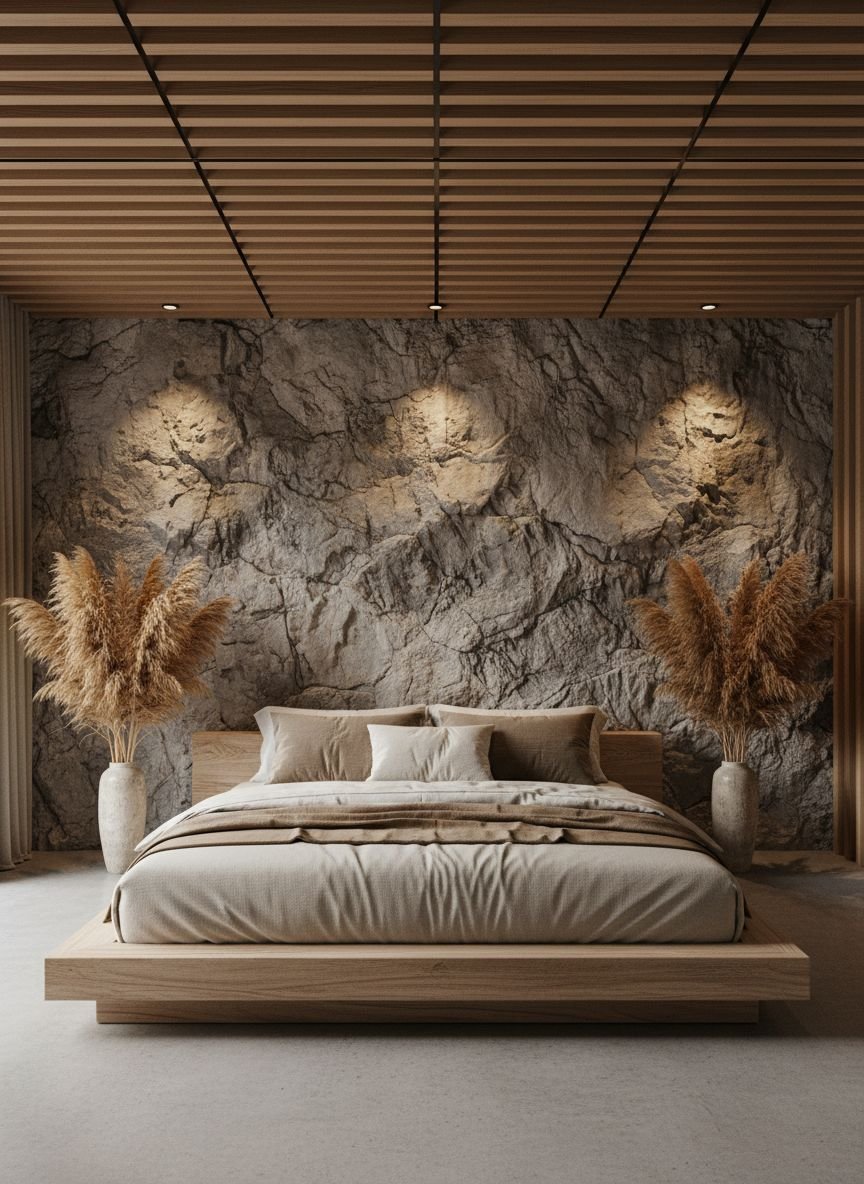
Synthetics can make a room feel cheap. Modern design embraces authenticity. Real materials have imperfections that add character. This connection to nature is known as biophilic design. It is proven to reduce stress. Bring the outdoors in. Use materials that age well. A plastic chair looks worse over time. A leather chair looks better. This longevity is a core principle of modern sustainable design.
Incorporate elements like wool, cotton, linen, and rattan. These textures soften the sharp lines of modern furniture. A woven jute rug adds grit and earthiness. A clay vase on the dresser adds organic shape. These elements stop the room from feeling like a showroom. They make it feel lived-in and welcoming. The contrast between sleek modern architecture and raw natural materials is visually striking.
Pro Tip: Add a large potted plant, like a Fiddle Leaf Fig or Snake Plant, to introduce organic color and air purification.
Wood Accents
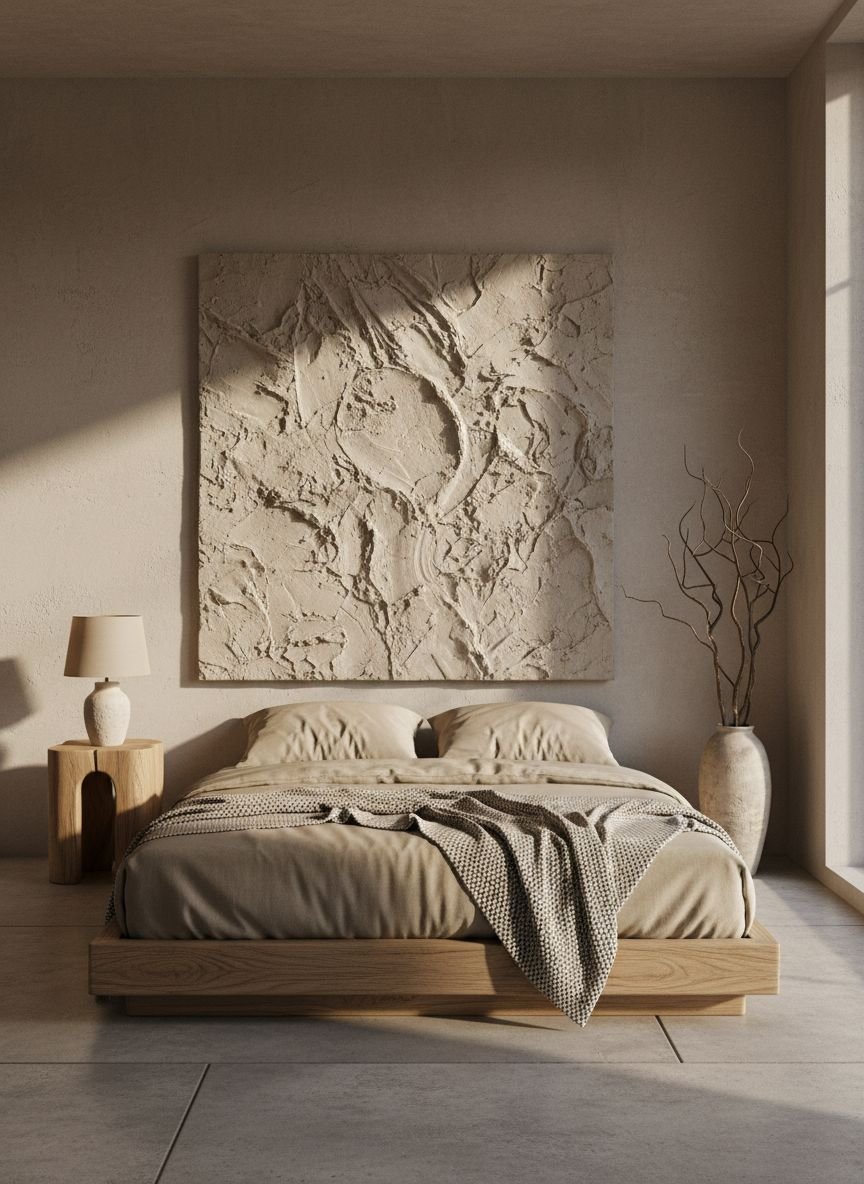
Wood is the warmer of modern design. Without it, spaces feel cold. The trend currently favors light to medium woods. White oak, ash, and walnut are top choices. Avoid red-toned woods like cherry or mahogany, which lean traditional. The finish matters too. High-gloss varnish is out. Matte, oil-rubbed finishes are in. They look and feel more natural. They show off the grain of the wood rather than hiding it under a shiny plastic-like coat.
Use wood for feature elements. A slat wood wall behind the bed adds incredible texture and sound dampening. Exposed wooden beams on the ceiling draw the eye up. Even small touches matter. Wooden legs on a gray fabric chair tie the room together. Mixing wood tones is acceptable, but keep the undertones consistent. Do not mix a cool gray wood with a warm orange wood.
Pro Tip: Use a slat wood wall panel kit for an easy weekend DIY project that transforms your headboard wall.
Stone and Concrete Elements
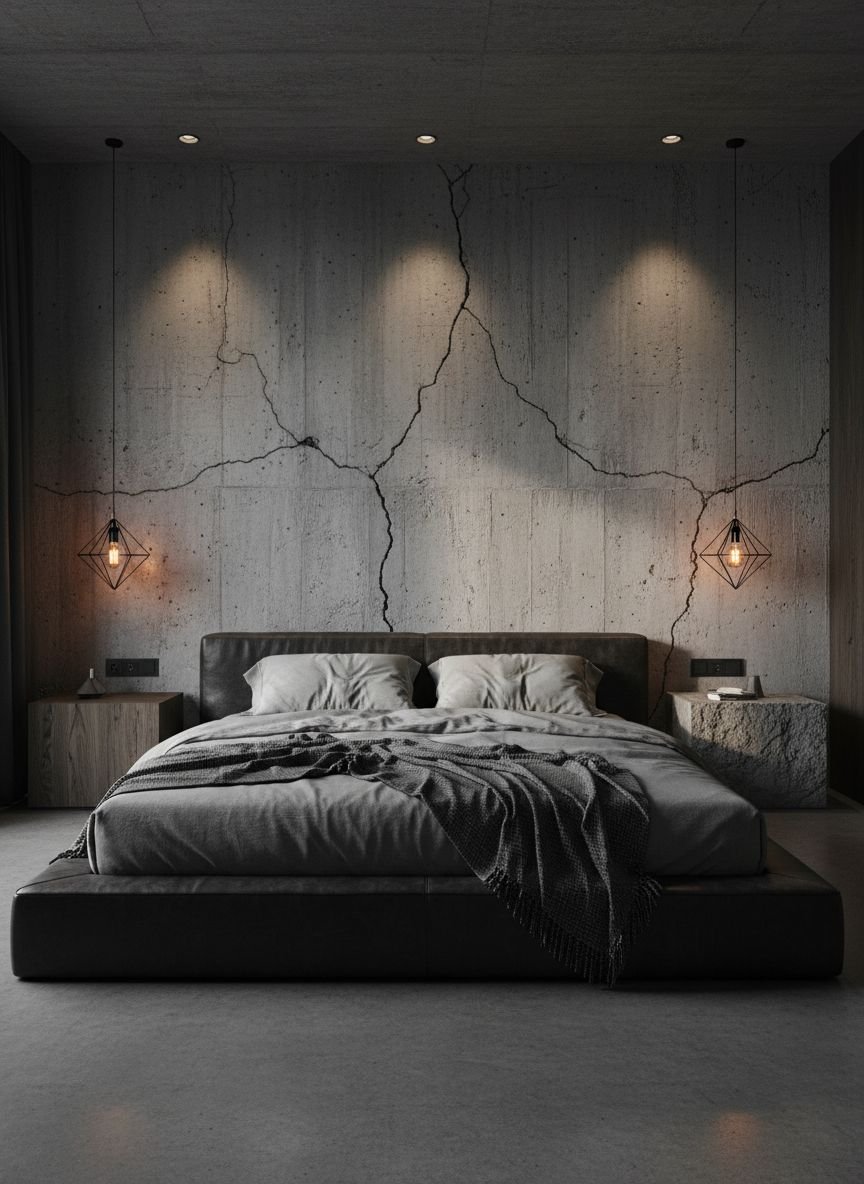
Industrial modernism loves raw stone and concrete. These materials bring a sense of permanence and weight. Concrete is no longer just for driveways. Polished concrete floors are sleek and hypoallergenic. Concrete pendant lights add an edgy, urban vibe. The gray tones naturally fit the modern palette. The texture is imperfect and matte, which contrasts beautifully with soft bedding.
Marble and slate are excellent alternatives if concrete feels too harsh. A marble top nightstand adds a touch of luxury. A slate accent wall behind a fireplace creates drama. These materials are cool to the touch. They work well in warmer climates. To prevent the room from feeling like a cave, balance these hard surfaces with plenty of soft textiles. The juxtaposition of hard stone and soft wool is the essence of modern tactile design.
Pro Tip: Use concrete contact paper on old furniture surfaces for a budget-friendly industrial upgrade.
Texture and Layering
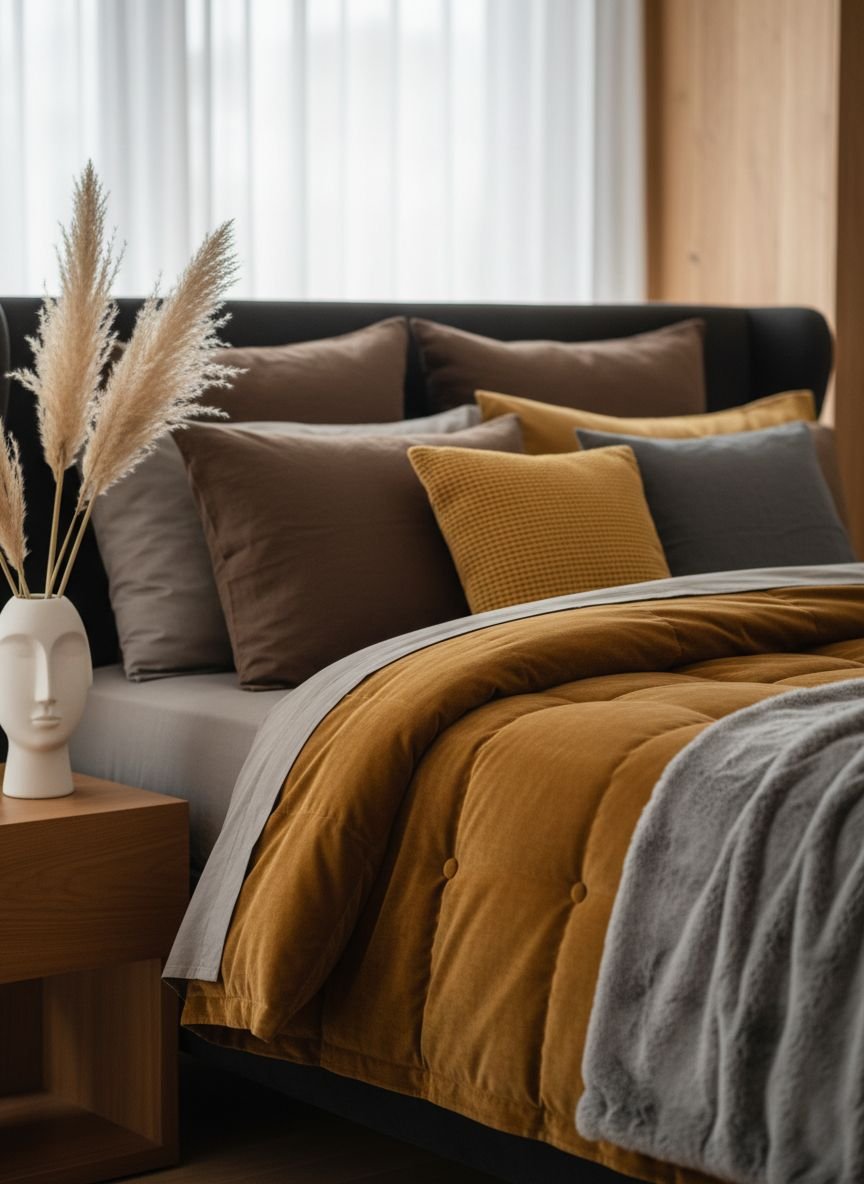
A monochromatic room dies without texture. If everything is smooth and gray, it looks flat. Layering different textures creates visual richness. You want the eye to catch on different surfaces. Imagine a chunky knit throw blanket on smooth cotton sheets. Imagine a velvet headboard against a brick wall. These contrasts engage the senses. They make you want to touch the surfaces.
Start from the floor up. Layer a sheepskin rug over a larger flat-weave rug. Use linen curtains that have a visible weave. Choose a boucle armchair. Even the wall paint can have texture; limewash paint adds a cloudy, suede-like effect that is very popular in modern European design. This depth makes the room feel cozy and expensive. It proves that you do not need bright colors to make a statement.
Save this idea to your Pinterest.
Related posts :
- 14 Serene Sage Green Bedroom Ideas to Transform Your Space into a Calm Pinterest-Worthy Retreat
- 16 Modern Dressing Table Ideas That Look Straight Out of a Magazine and Will Instantly Upgrade Your Morning Routine
- 14 Dreamy Steps to Create a Cozy Boho Bedroom That Feels Like a Retreat
Plush Fabrics and Linens
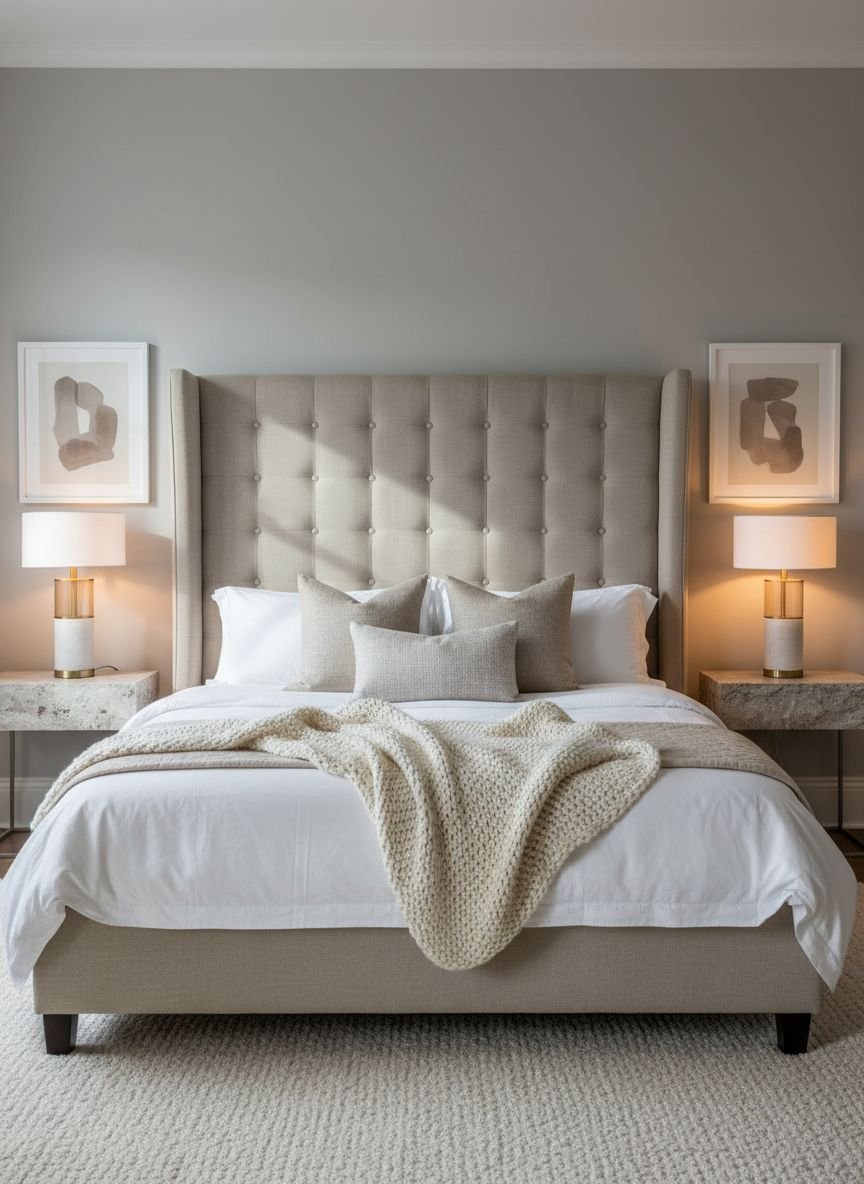
The bed is the center of the bedroom. It must look inviting. Modern bedding avoids fussy ruffles and excessive patterns. Instead, it focuses on high-quality materials. Linen is a top choice. It has a natural, relaxed wrinkle that looks effortless. It breathes well, keeping you cool. Cotton percale is another great option for a crisp, hotel-like feel.
Ditch the ten decorative throw pillows. In modern design, two high-quality shams and one lumbar pillow are sufficient. This keeps the look clean. Focus on the duvet or comforter. It should look fluffy and substantial. A flat, thin blanket looks sad. Use a duvet insert that is slightly larger than the cover to achieve that ultra-plush, cloud-like look. Stick to solid colors for the bedding to maintain serenity.
Pro Tip: Buy a “California King” duvet for a standard King bed to get that luxurious drape on the sides.
Mixing Matte and Glossy Finishes
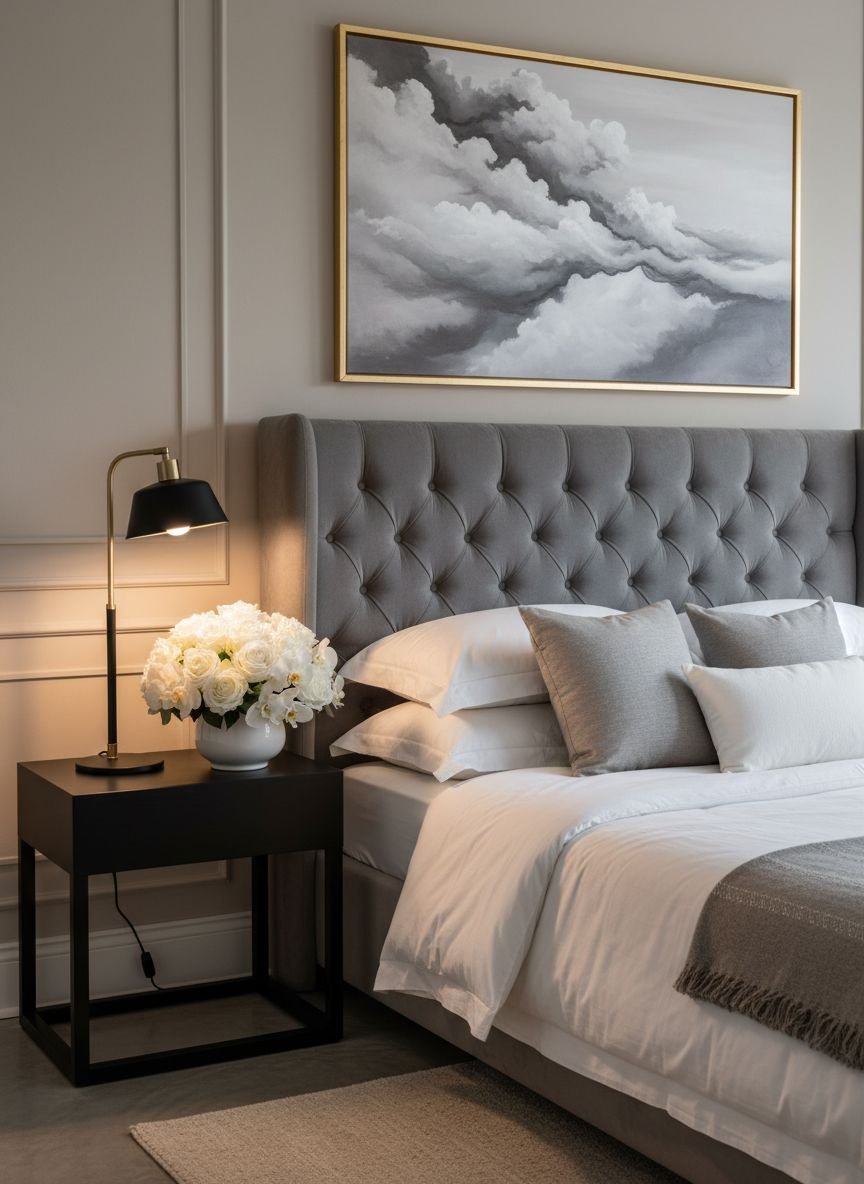
Light interacts with surfaces differently. Glossy surfaces reflect light; matte surfaces absorb it. A dynamic modern room uses both. Too much gloss looks cheap and dated (think 80s lacquer). Too much matte can look dull. The magic happens in the mix. Pair a matte black wall with a brass light fixture. The metal catches the light and sparkles against the dark, flat background.
Mirrors are the ultimate glossy surface. A large floor mirror leans against the wall, doubling the light in the room. Contrast this with matte hardwood floors. Use glass vases on matte wood tables. This interplay keeps the eye moving. It adds a layer of sophistication that is subtle but effective. It shows attention to detail.
Pro Tip: Choose matte finishes for high-touch areas like drawer pulls to avoid visible fingerprints.
Furniture Essentials for the Modern Bedroom
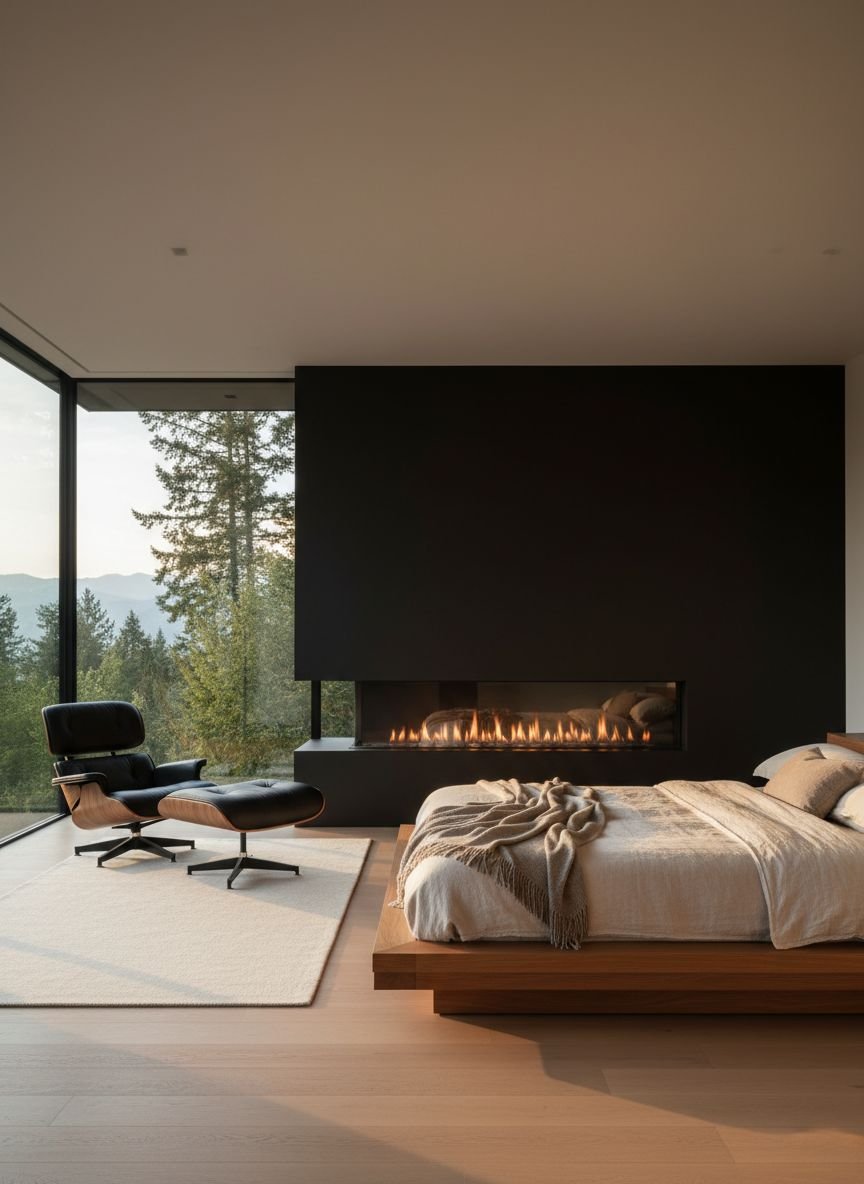
Modern furniture is defined by form following function. There is no excess. Legs are often exposed and tapered. This lifts the heavy pieces off the floor, increasing the sense of space. Avoid heavy, blocky furniture that sits directly on the carpet. It makes the room feel smaller. You need a bed, nightstands, and perhaps a dresser or chair. Do not overcrowd the room with unnecessary pieces like ottomans or trunks unless they offer vital storage.
Scale is critical. In a modern room, furniture often sits lower to the ground. This creates a relaxed, lounge-like vibe. Ensure your nightstands match the height of your mattress. Misaligned heights look clumsy. Choose pieces that share a similar design language. They do not need to match perfectly (avoid “bedroom sets”), but they should share a material or silhouette.
Pro Tip: Measure your room twice. Tape out furniture outlines on the floor before buying to ensure flow.
Platform Beds
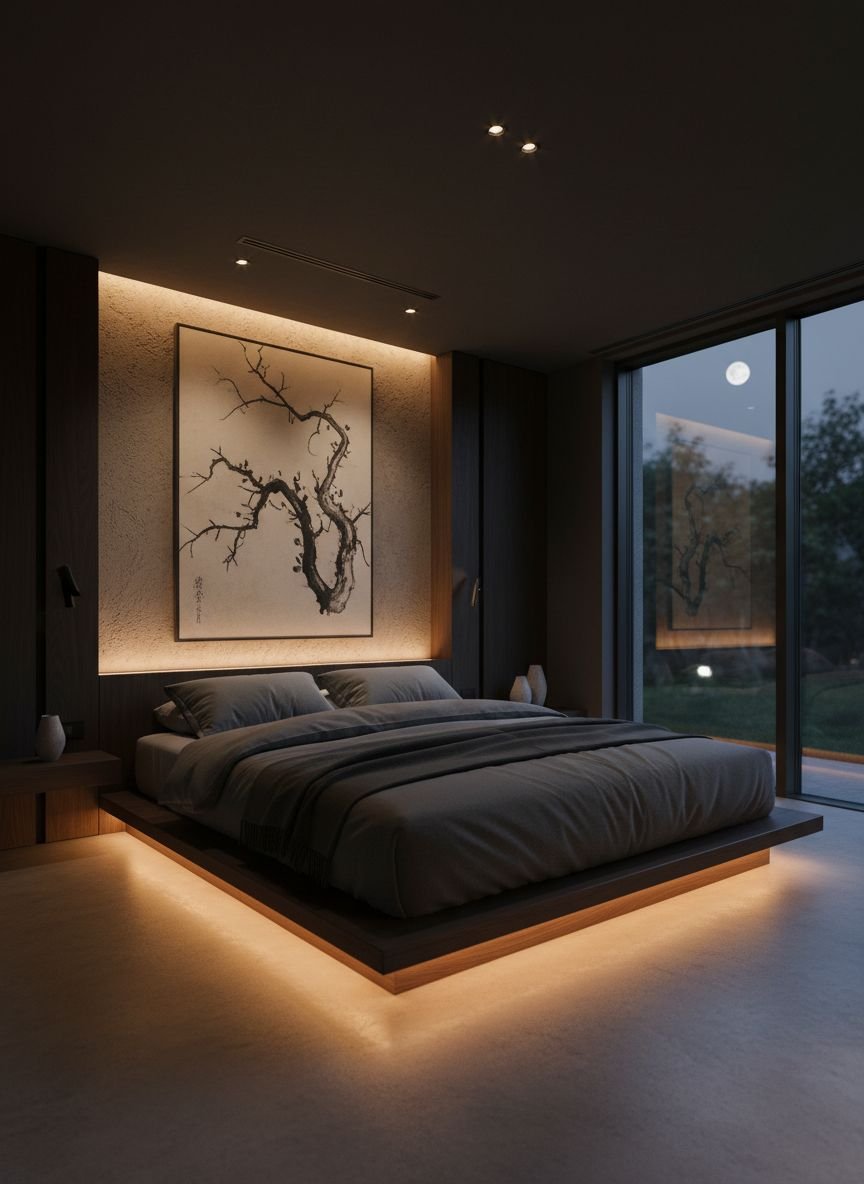
The platform bed is the quintessential modern bed frame. It eliminates the need for a box spring. This instantly lowers the profile of the bed. It looks sleeker and less bulky. Many platform beds have slats that support the mattress directly. This design is clean and simple. It often features legs that are set back, giving the bed a “floating” appearance.
Materials vary from upholstered fabric to solid wood. An upholstered platform bed adds softness. A wood one adds warmth. Some designs extend the platform beyond the mattress, creating a built-in shelf or bench. This is functional and stylish. It provides a place to sit or rest a phone. The simplicity of the platform bed allows the bedding to take center stage.
Pro Tip: Check the slat spacing on platform beds; foam mattresses require slats to be no more than 3 inches apart.
Low Profile Designs
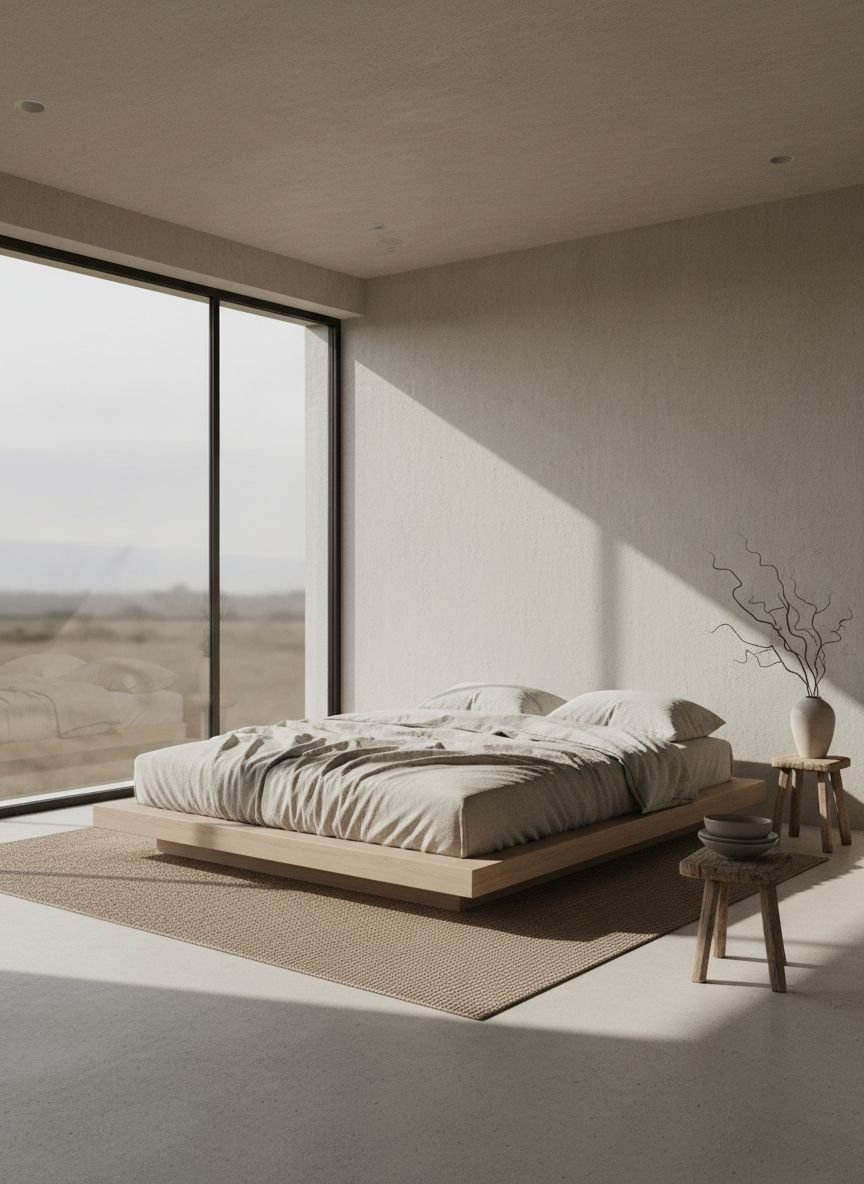
Influenced by Japanese and Mid-Century Modern design, low-profile furniture changes the room’s proportions. When furniture sits lower, the ceiling feels higher. The room feels airier. A low bed invites you to flop down and relax. It signals a shift from the upright, busy day to the horizontal, restful night.
Match this low bed with low nightstands. Use a long, low dresser instead of a tall, highboy chest. This keeps the sightlines open across the room. It allows artwork to be hung lower, creating a more intimate gallery feel. This design choice is particularly effective in apartments or rooms with standard 8-foot ceilings. It tricks the brain into perceiving more vertical space.
Pro Tip: If you switch to a low bed, ensure your wall outlets aren’t visible and awkward; hide them behind the nightstands.
Get The Look: Modern Essentials
- Lighting: Matte Black Sconces or Geometric Pendants.
- Textiles: Washed Linen Duvet in Charcoal or Oatmeal.
- Decor: Large circular mirror with thin metal frame.
- Plant: Snake Plant in a concrete planter.
- Rug: Jute or Wool blend in a neutral tone.
Integrated Headboards
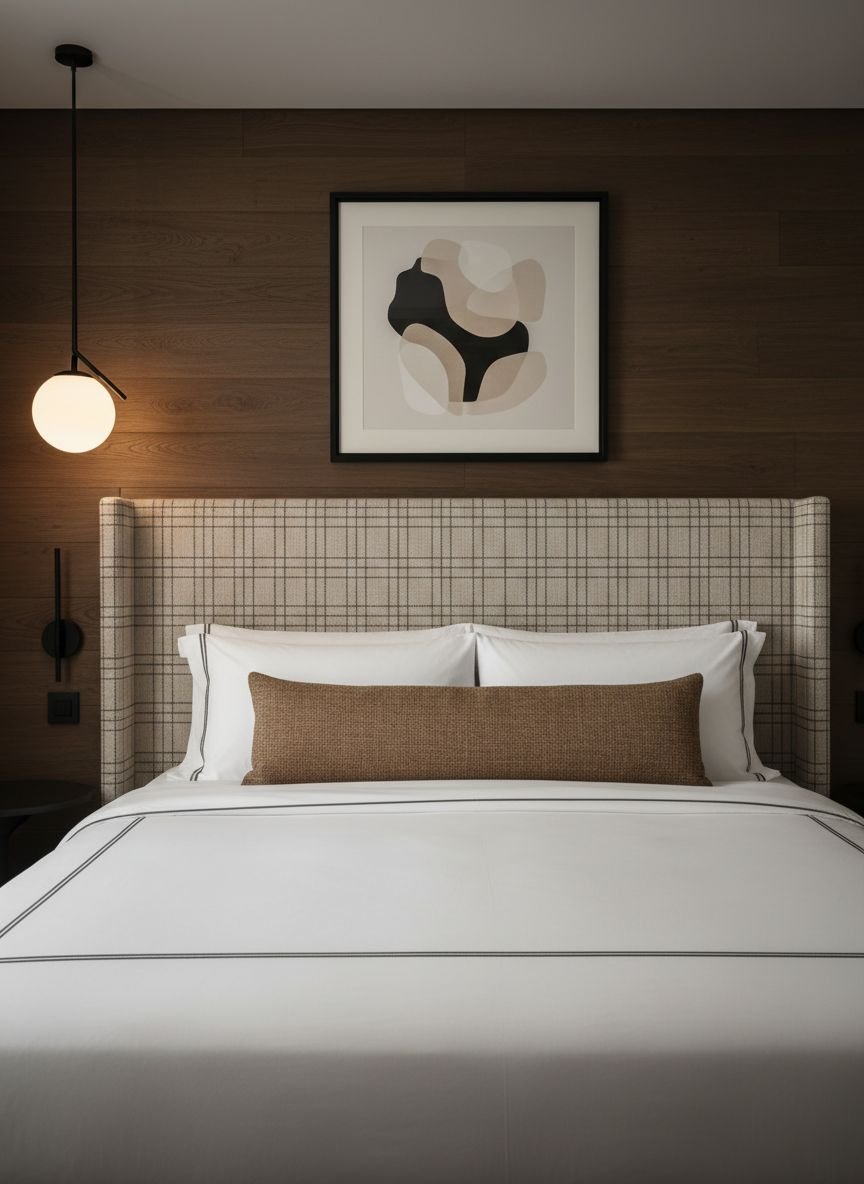
The integrated headboard is a massive trend in luxury modern design. Instead of a standalone bed frame, the headboard is part of the wall architecture. It often extends much wider than the bed itself, encompassing the nightstands. This creates a cohesive “sleeping zone.” It unifies the furniture.
These can be custom-built using wood panels or upholstered channels. Some feature built-in lighting strips or floating shelves. This eliminates the need for separate nightstands, saving floor space. It looks custom and high-end. It streamlines the visual clutter of having multiple separate pieces of furniture against one wall.
Pro Tip: Run LED strip lights behind the extended headboard for a soft, ambient glow that replaces harsh table lamps.
Sleek Storage Solutions
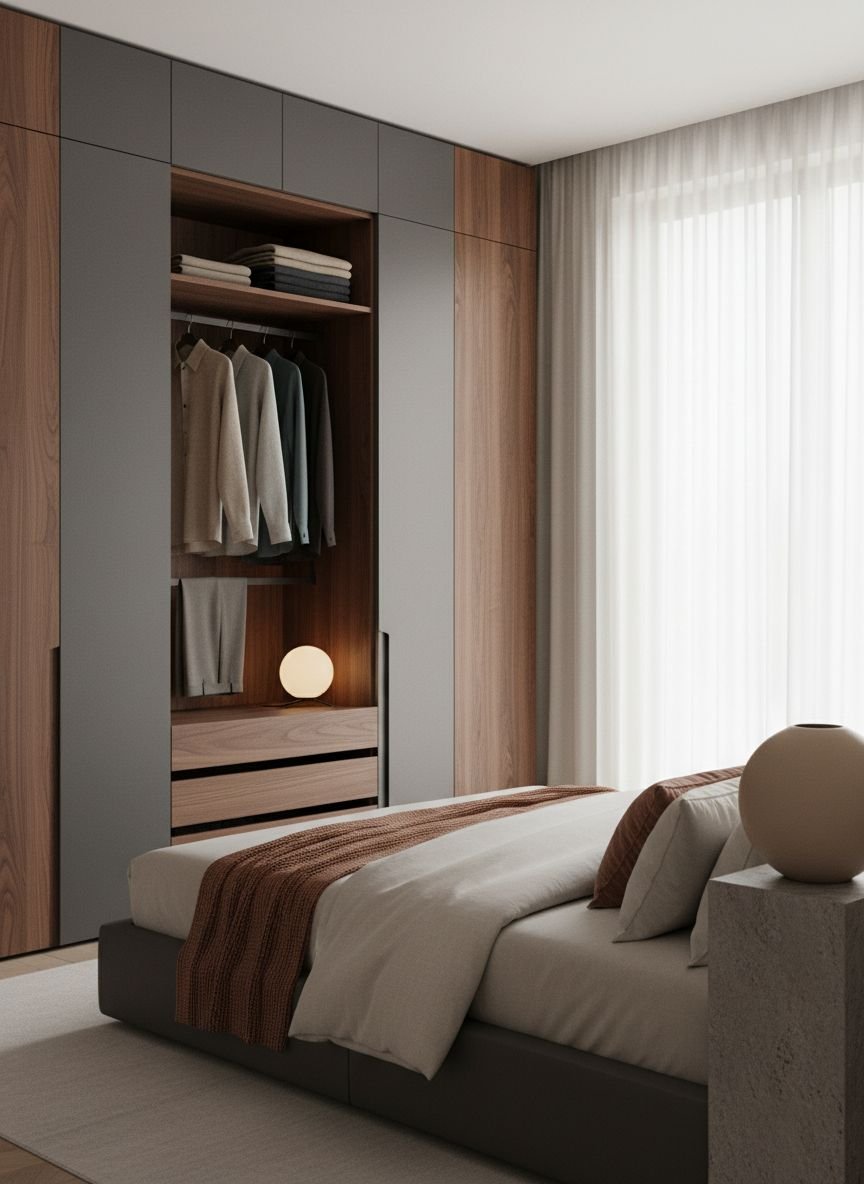
Clutter is the enemy of modern design. Therefore, storage must be smart. It should hide the mess, not display it. Open shelving is risky; it often becomes cluttered. Closed storage is superior for the bedroom. Look for dressers with flat fronts and hidden handles or push-to-open mechanisms. Hardware-free drawers look cleaner and more architectural.
Utilize under-bed storage. Many modern platform beds come with hydraulic lifts or discreet drawers. This is perfect for off-season clothing. Use decorative boxes on shelves to hide small items. The goal is to see smooth surfaces, not the stuff inside. When everything has a hidden home, the mind can rest.
Pro Tip: Use drawer dividers. A messy drawer creates micro-stress every time you open it.
Built In Wardrobes and Closets
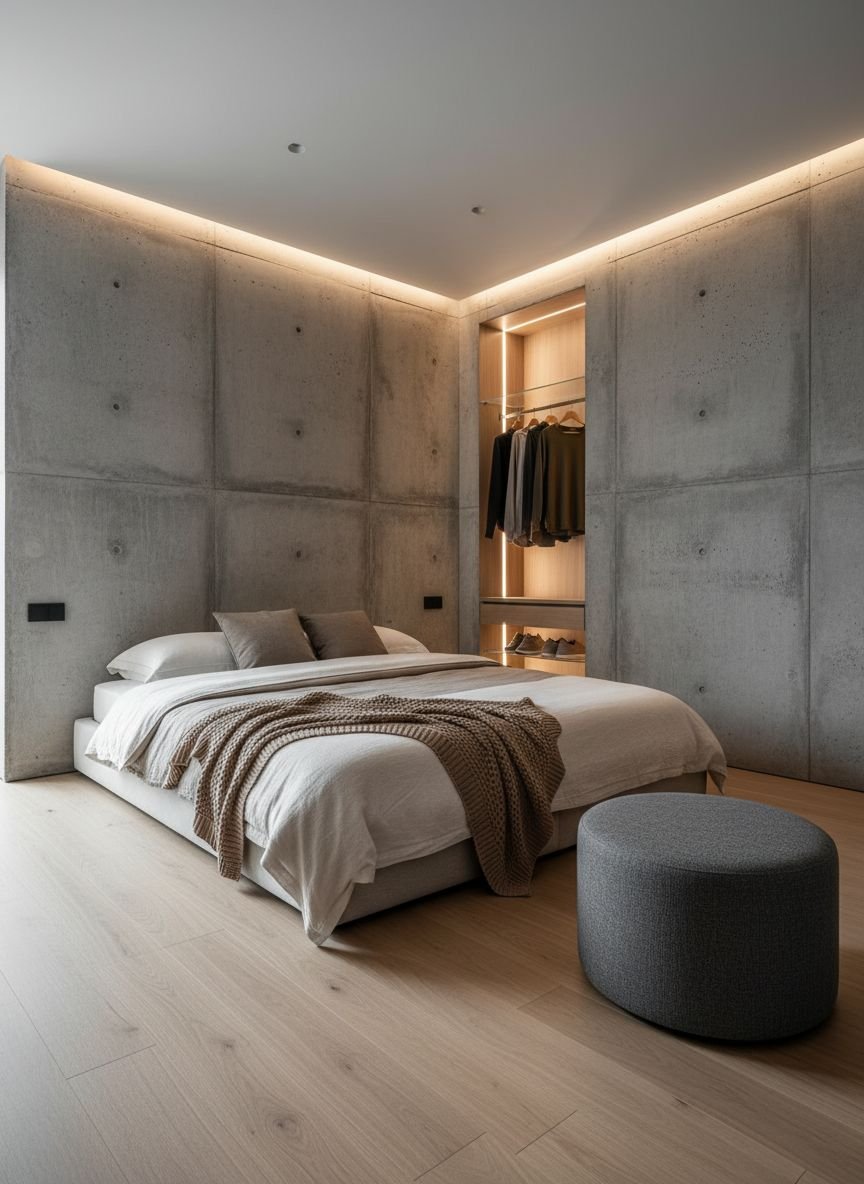
Freestanding wardrobes can look bulky. Built-ins are the gold standard for modern bedrooms. They blend into the walls. Floor-to-ceiling wardrobe doors maximize storage and minimize dust collection on top. Paint the doors the same color as the walls to make them disappear. This visual trick expands the room.
Inside the closet, modern design continues. Use uniform hangers. Install good lighting inside the closet so you can see your clothes. Sliding doors are excellent for saving space in smaller rooms. Mirrored sliding doors serve a dual purpose: they hide clothes and reflect light. If you must have a visible closet, keep it meticulously organized and color-coded.
Pro Tip: Replace standard builder-grade closet doors with flat-panel slab doors for an instant modern upgrade.
Popular Asked Questions
How do I make my bedroom look modern on a budget?
Focus on decluttering first; it is free and effective. Paint your walls a fresh, crisp white or soft gray. Replace outdated bedding with a solid-color duvet. Swap out old yellow light bulbs for warm white LEDs (2700K-3000K). Remove heavy curtains and use simple roller shades or sheer panels.
Is modern design cozy?
Yes, if done correctly. “Warm minimalism” is the key. While the lines are straight and clean, you add coziness through textures. Use warm wood tones, soft linen bedding, plush wool rugs, and ambient lighting. Avoid cool blue-toned lights and shiny plastic surfaces to keep the warmth.
What are the best colors for a modern bedroom?
Neutrals are best. Stick to whites, creams, beiges, grays, and earth tones. For accents, use deep, muted colors like sage green, navy blue, or terracotta. Avoid bright primary colors (bright red, bright yellow) as they are too stimulating for a sleeping space.
Can I mix modern with other styles?
Absolutely. Modern design mixes well with Rustic (Modern Farmhouse), Industrial (Urban Modern), and Bohemian (Boho Modern). The trick is to keep the color palette consistent and ensure the furniture has clean lines. A vintage rug looks great in a modern room if the rest of the furniture is simple.
Conclusion
Modern bedroom design is more than just an aesthetic choice. It is a commitment to tranquility. By stripping away the excess, you make room for rest. Whether you choose the warmth of wood accents, the coolness of concrete, or the softness of linen, the principles remain the same: simplicity, function, and texture.
Start with one change. Maybe it is clearing off your nightstand or painting a wall. Watch how the energy in the room shifts. You deserve a space that recharges you.





Leave a Comment