
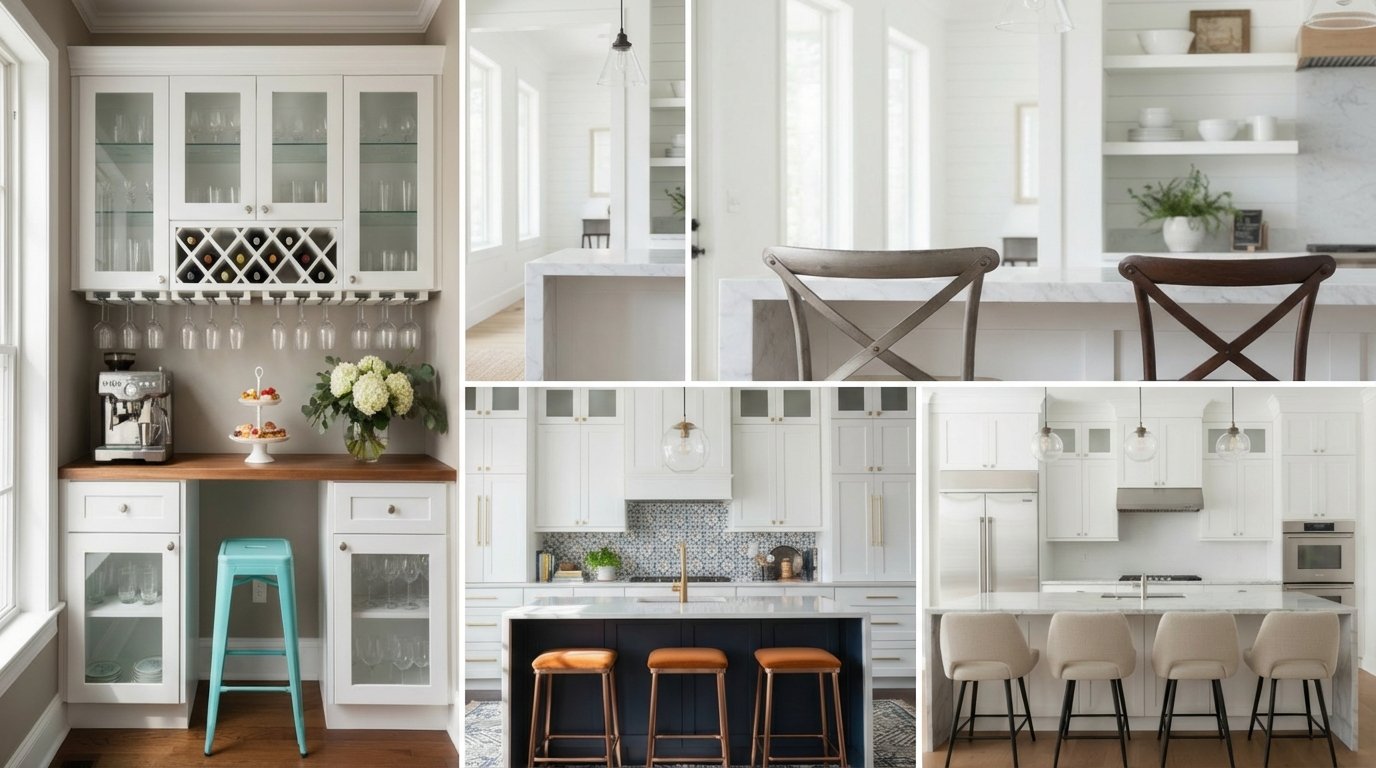
You know that dark, awkward abyss in the corner of your kitchen. The one where Tupperware lids go to die and the waffle maker gathers dust. It breaks the flow of your cooking zone and wastes precious square footage. But that “dead space” holds massive potential. With the right strategy, you can transform that frustrating gap into the most hardworking spot in your home.
This guide explores 15 brilliant architectural fixes and decor hacks to reclaim your corners. You will find solutions here that range from high-tech pull-out mechanisms to simple, aesthetic styling tricks. These ideas prioritize functionality without sacrificing the visual beauty of your space.
Key Takeaways
- Mechanisms Matter: Modern hardware like “Magic Corners” and “Clouds” can access 100% of blind corner space.
- Shape Shifting: Diagonal and accordion cabinets soften sharp angles while increasing internal volume.
- Open Up: removing upper corner cabinets in favor of open shelving creates an airy, larger-feeling kitchen.
- Lighting is Key: Deep corners require internal motion-sensor lighting to be truly functional.
Table of Contents
- Pie Cut Lazy Susan
- Corner Drawers
- Blind Corners
- Diagonal Corner Cabinet
- Corner Sink
- Swinging Pullouts
- Opt For An Open Aesthetic
- Dead Space
- Accordion Cabinet
- Open Shelves
- Corner Pantry
- Bring The Cabinet Down To The Countertop
- Beverage Bar
- Store Small Appliances
- Crockery Corner
- Popular Asked Questions
- Conclusion
Pie Cut Lazy Susan

The classic rotating shelf remains a staple for a reason. A pie-cut Lazy Susan attaches directly to a rotating door, which means the door spins into the cabinet as you turn the shelves. This eliminates the need to open a door and then reach in. The mechanism brings the back of the cabinet to you with a simple push.
Visual continuity is maintained because the door face matches your surrounding cabinetry perfectly. When closed, the 90-degree angle looks sharp and clean. Inside, the circular shelves are ideal for storing round items like mixing bowls, colanders, and spice jars. The absence of a center pole in modern versions allows for more flexible storage of larger platters.
Pro Tip: Install a small lip or rail on each shelf tier to prevent lightweight items from spinning off into the abyss behind the unit.
Corner Drawers
Corner drawers offer a sleek, unexpected alternative to traditional doors. These units feature a “chevron” or “L” shape face that pulls directly out from the corner. They utilize the deep diagonal space without forcing you to bend down and dig. The drawers run on heavy-duty glides that extend fully, exposing every inch of the contents to overhead light.
This solution works exceptionally well in modern or transitional kitchens where clean lines are paramount. You avoid the visual clutter of multiple knobs or complex hinge systems. The odd shape of the drawer interior actually helps organize awkward utensils like whisks, rolling pins, or long aluminum foil boxes that often jam standard drawers.
Save this idea to your Pinterest.
Blind Corners
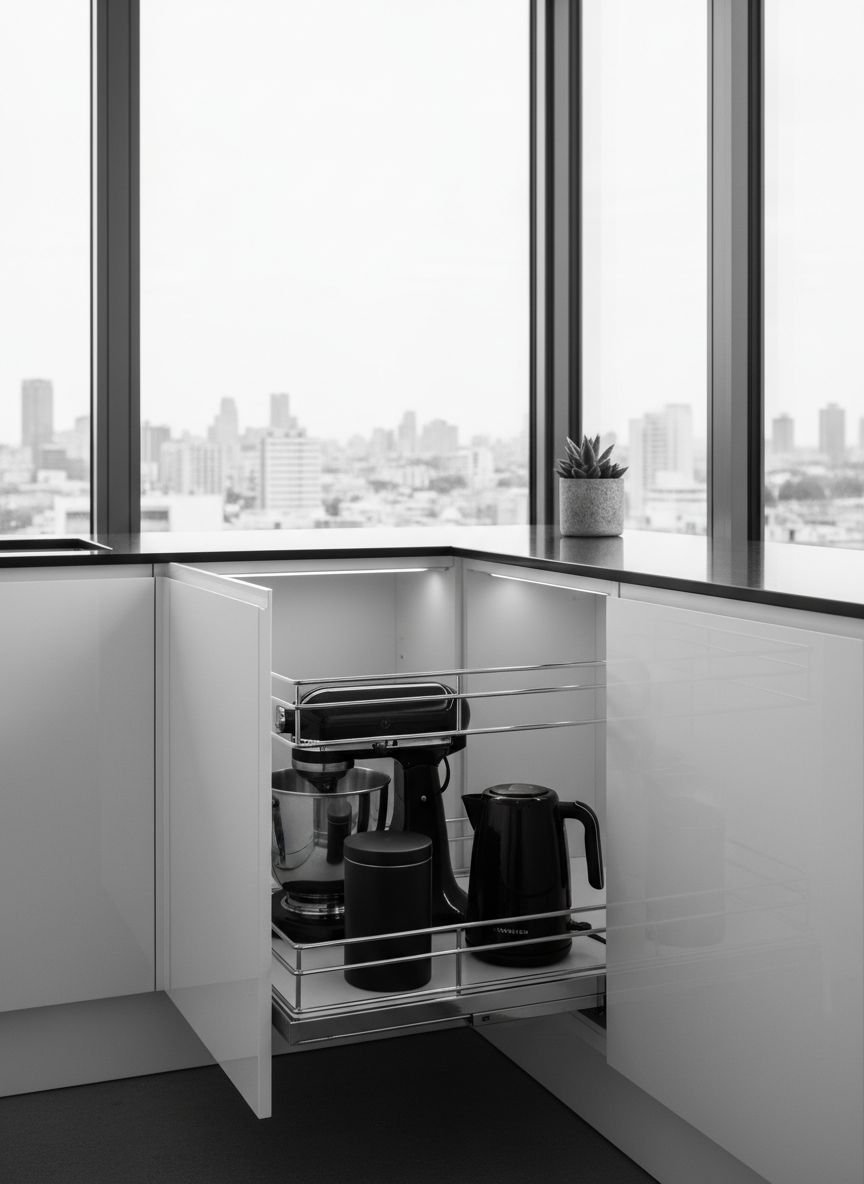
A “blind corner” occurs when one cabinet run ends at the wall, and the adjacent run hides the first cabinet’s opening. Standard shelves here are useless. The solution lies in specialized pull-out organizers often called “Magic Corners.” These metal wire systems slide the front baskets out, while simultaneously pulling the rear baskets forward into the opening.
The engineering here is impressive. It turns a dark tunnel into a high-capacity storage machine. Chrome or matte black wire baskets add an industrial, organized feel to the interior. You can store heavy dry goods, canned food, or small appliances here. The motion is smooth and prevents the “black hole” effect where items are lost for years.
Pro Tip: Measure your door opening width precisely; these mechanisms require specific clearance to function without scratching the adjacent door.
Diagonal Corner Cabinet
A diagonal cabinet bridges the two runs of counters with a softer 45-degree angle. This creates a wider face and a cavernous interior. The visual effect softens the sharp geometry of a kitchen, making the room feel more organic and less rigid. It often becomes a focal point, suitable for a glass-front display or a specialized appliance garage.
The internal volume of a diagonal cabinet is massive. It easily swallows large pots, dutch ovens, or small kitchen appliances that don’t fit in standard 12-inch deep upper cabinets. Because the front is wider, you have better visibility into the back corners.
Pro Tip: Use the deep countertop space created in front of this cabinet for a permanent decor display, like a heavy wooden fruit bowl or a vase of tall branches.
Corner Sink
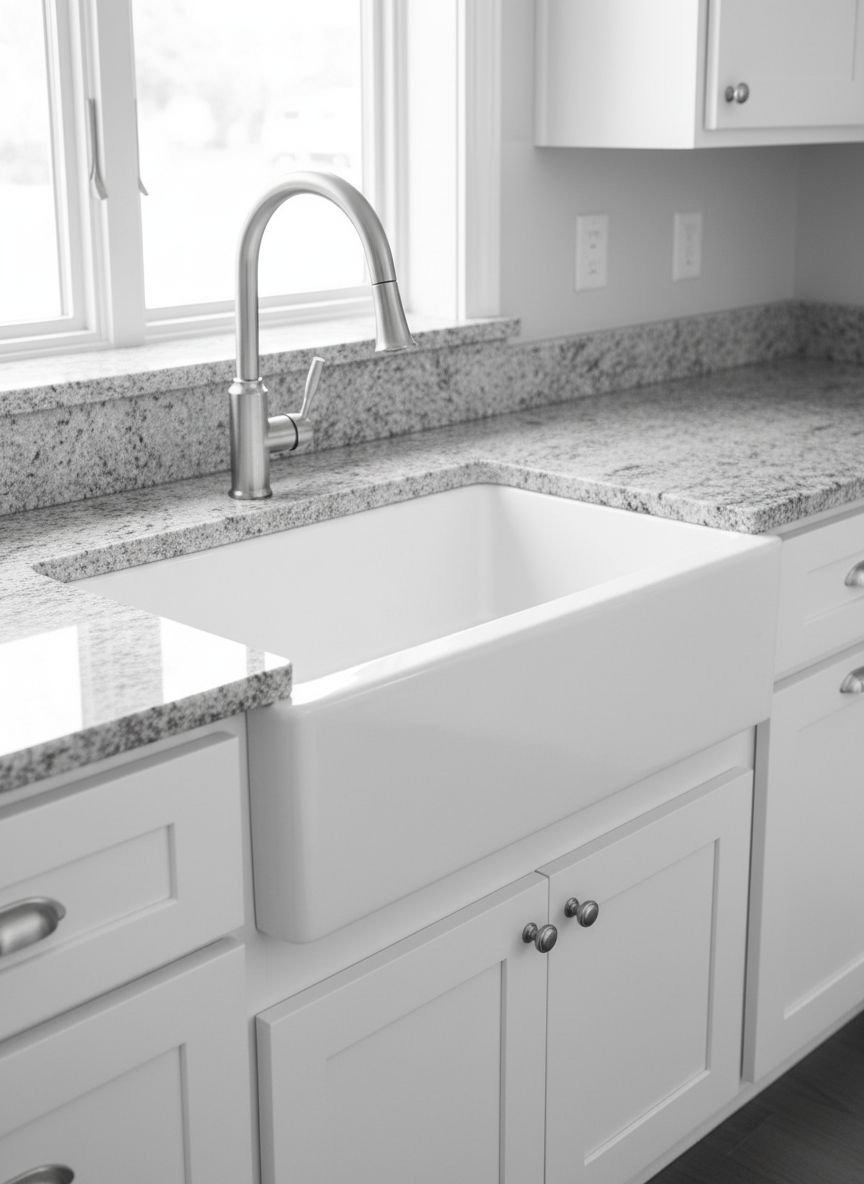
Placing the sink in the corner frees up long, uninterrupted stretches of counter space on either side. This layout is a game-changer for small kitchens where prep space is limited. A corner sink usually sits in a diagonal base cabinet, often flanked by windows on both walls. This floods the washing area with natural light and provides a panoramic view of the outdoors.
Design-wise, this breaks the monotony of a straight galley. You can install a deep farmhouse sink or a modern stainless steel undermount. The area behind the faucet becomes a prime spot for keeping soaps, sponges, and small potted herbs. The cabinet underneath effectively houses the plumbing and garbage disposal, utilizing space that is otherwise difficult to shelve.
Comparison: Lazy Susan vs. Corner Drawers
| Feature | Lazy Susan | Corner Drawers |
|---|---|---|
| Accessibility | Good (Spin to find) | Excellent (Full extension) |
| Ergonomics | Requires bending | No bending required |
| Aesthetics | Standard door look | Unique, modern look |
| Best For | Round items, pots | Utensils, linens, small goods |
| Cost | Low to Medium | High |
Swinging Pullouts
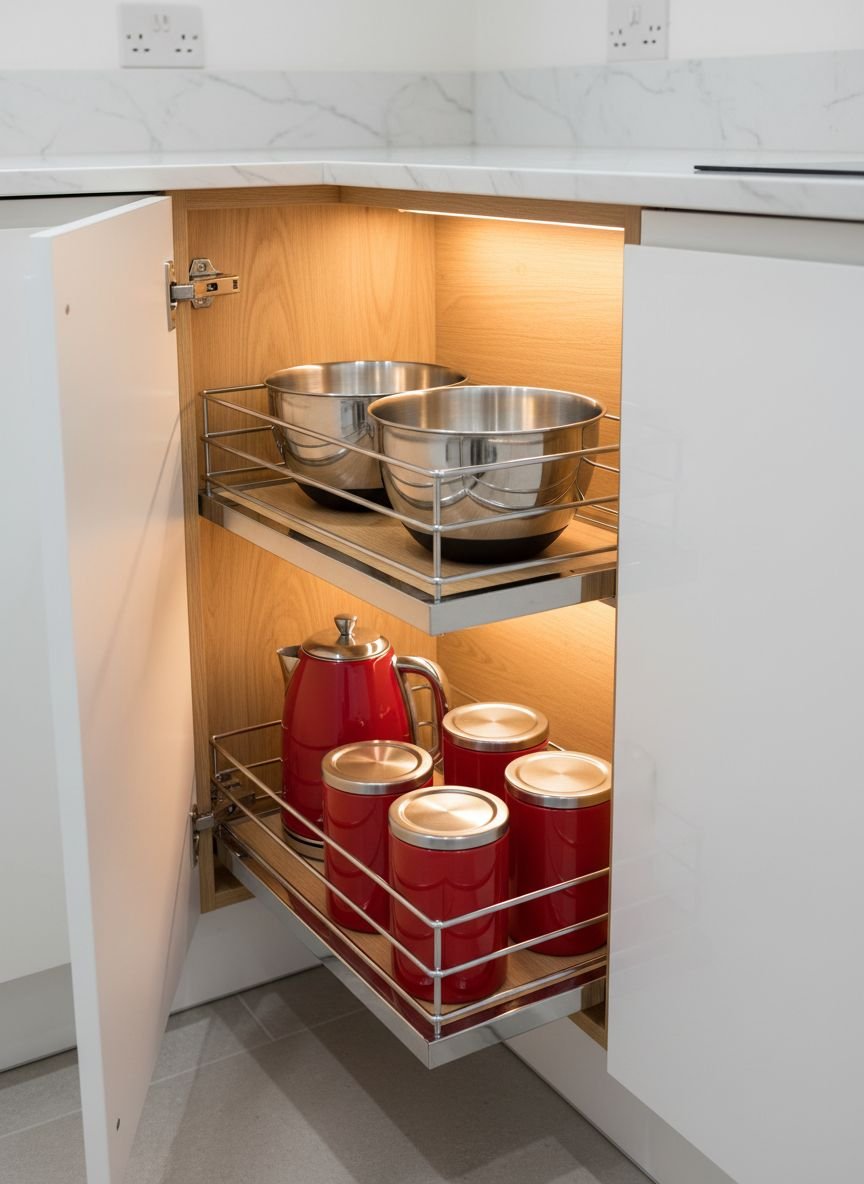
Swinging pullouts, often referred to as “The Cloud” or “LeMans” units, are kidney-shaped shelves that swing independently out of the cabinet. Unlike a Lazy Susan, they don’t just spin; they pivot entirely out into the room. This motion brings the contents into the light and allows you to pick items up vertically rather than reaching in horizontally.
The organic curves of the shelves contrast beautifully with the linear cabinetry. The smooth, soft-close action feels luxurious and high-end. These are perfect for storing heavy cookware like cast iron skillets or stand mixers, as the heavy-duty arms can support significant weight.
Save this idea to your Pinterest.
Opt For An Open Aesthetic
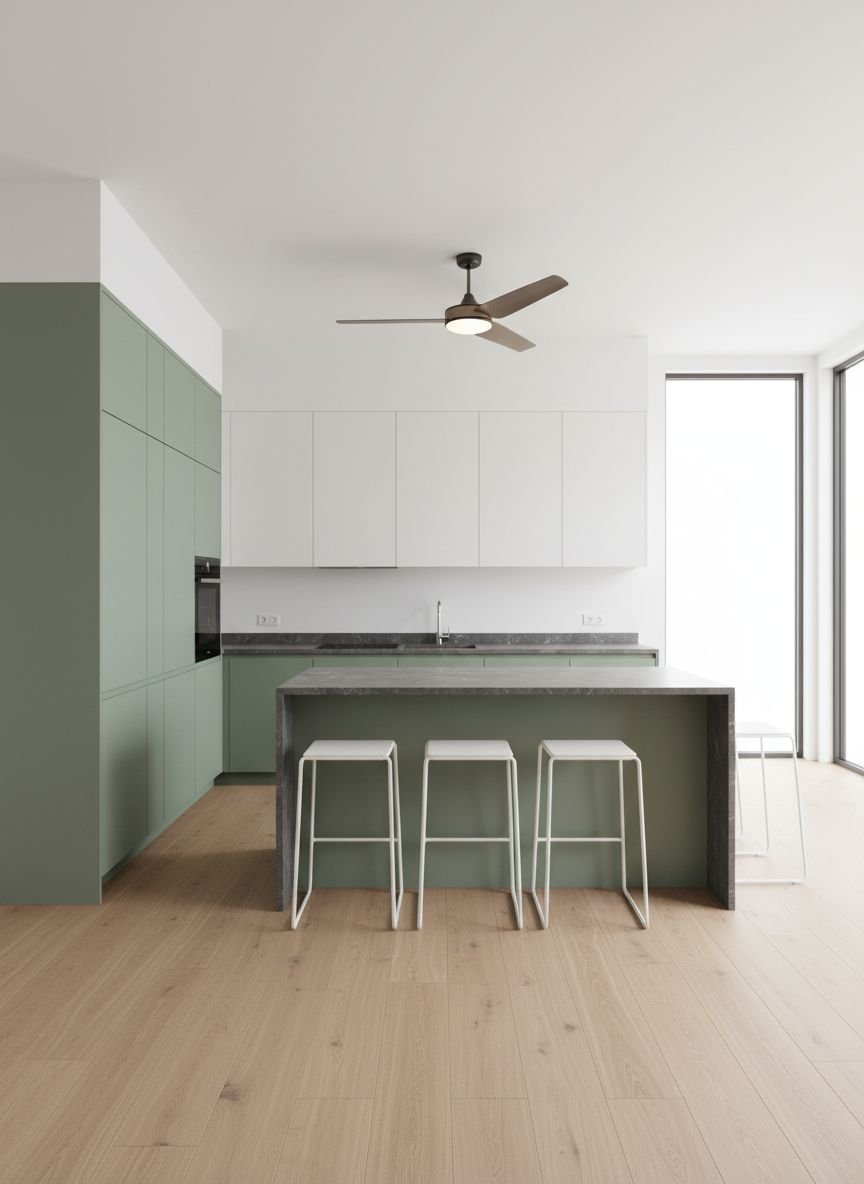
Sometimes the best cabinet is no cabinet. removing bulky upper corner cabinets creates a sense of airiness and expands the visual volume of the room. This approach works particularly well in smaller kitchens or spaces with low ceilings. The corner becomes a negative space that allows the eye to rest.
You can run the backsplash tile all the way to the ceiling in the corner to emphasize the height. This highlights the texture of your tile work, whether it’s glossy subway tile or rustic zellige. It eliminates the shadowy, oppressive feeling that deep corner uppers often create.
Pro Tip: Ensure your backsplash installation is flawless in the corner, as the grout lines will be highly visible without a cabinet to hide them.
Dead Space
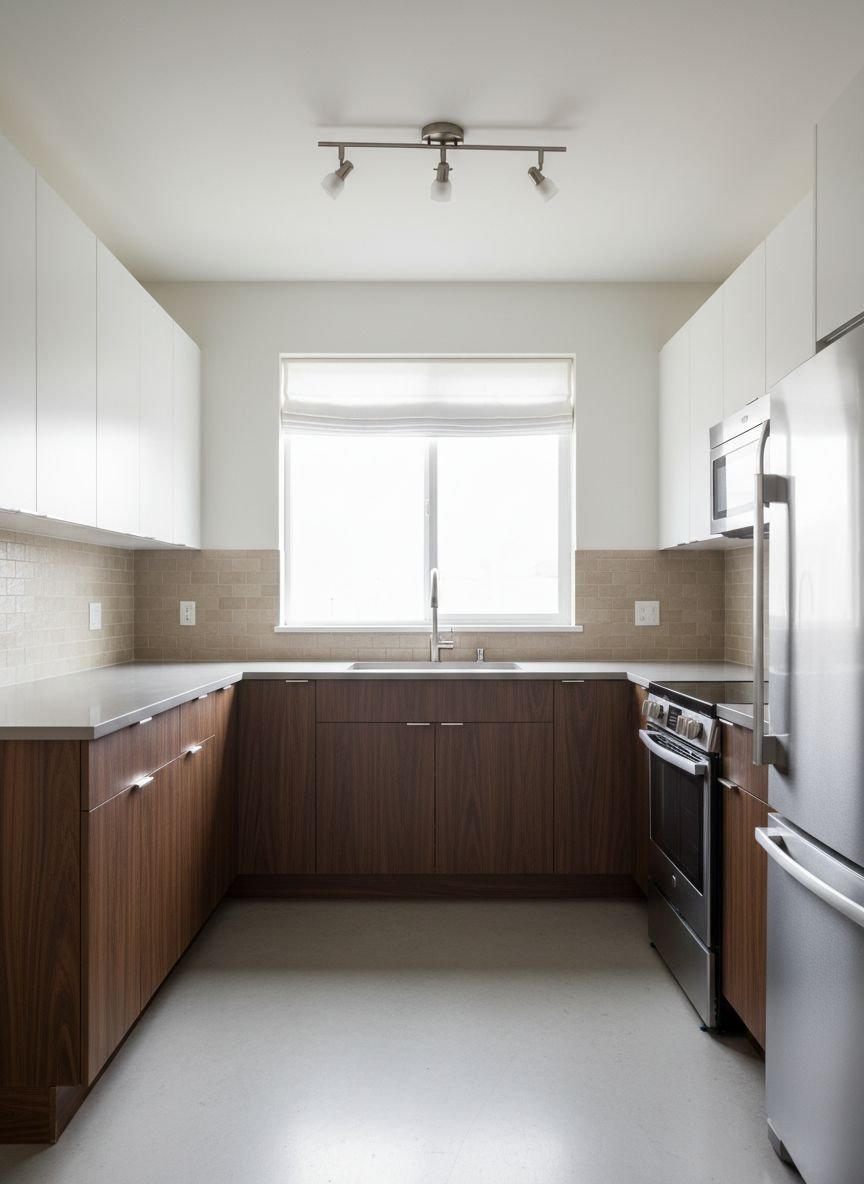
It sounds counterintuitive, but sometimes blocking off the corner entirely is the smartest move. If your kitchen layout allows for ample storage elsewhere, voiding the corner saves money on expensive mechanisms and custom cabinetry. This simplifies the installation and avoids the potential for mechanical failure later.
Visually, this results in a clean 90-degree intersection of drawer banks on either side. You gain fully functional drawers right up to the corner, rather than compromising two cabinets to fit one awkward corner unit. It prioritizes the efficiency of the main runs over the volume of the corner.
Accordion Cabinet
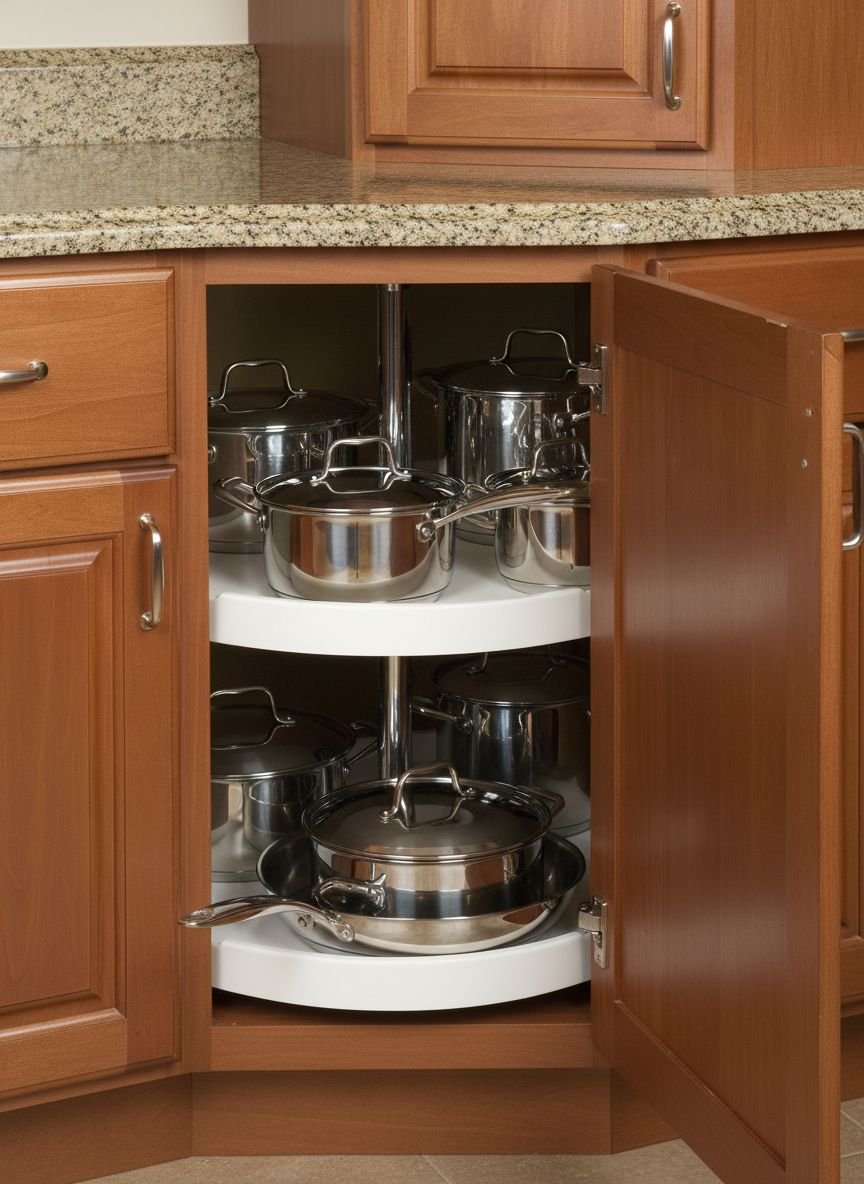
Accordion or bi-fold doors hinge in the middle and fold away, granting wide access to the corner. This style mimics an appliance garage or a pantry. When open, the doors tuck neatly to the side, exposing the full width of the shelves.
This is an excellent choice for a dedicated breakfast station or baking center. You can keep the toaster, blender, and coffee maker plugged in and ready to use, then simply fold the doors shut to hide the clutter. The hardware gives a slightly retro, mid-century modern vibe or can be updated with sleek metal for a contemporary look.
Pro Tip: Check the swing radius of the bi-fold doors to ensure they don’t hit adjacent drawer pulls or appliances.
Open Shelves
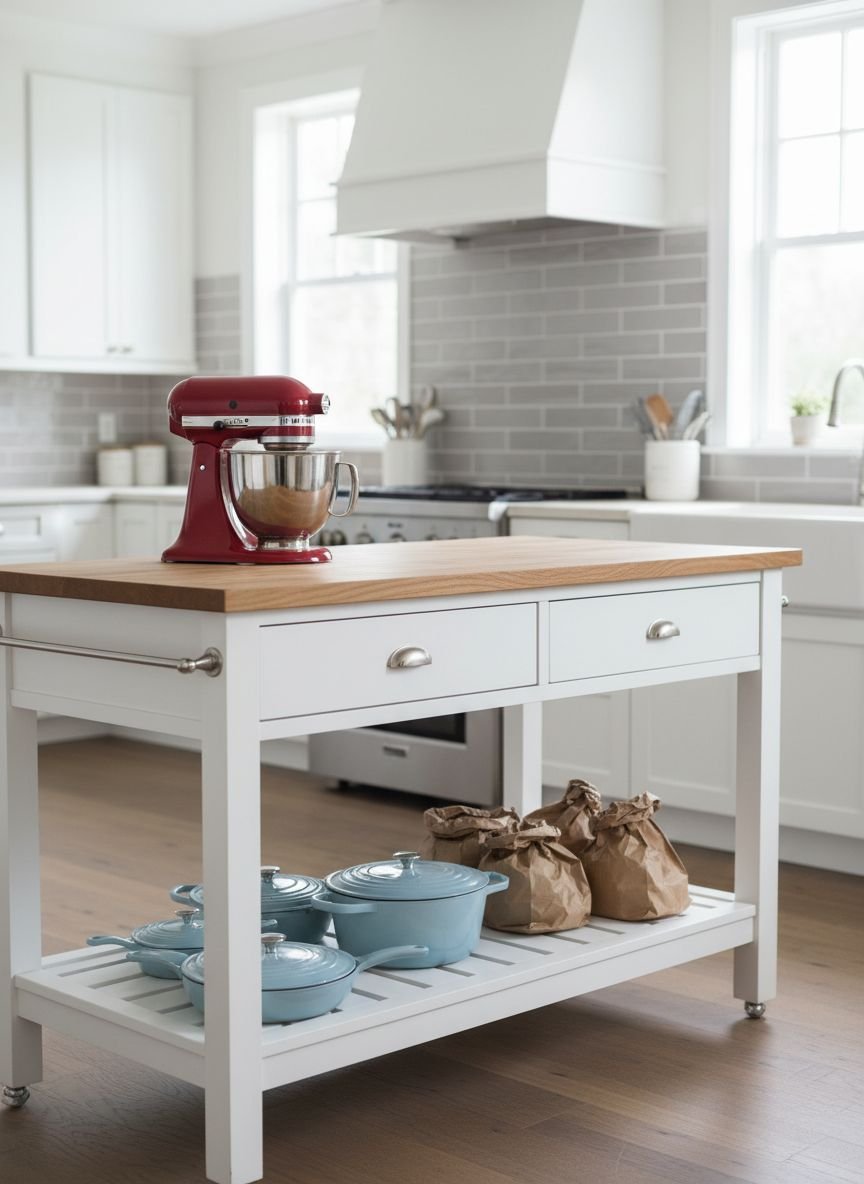
Replacing a corner cabinet with L-shaped floating shelves merges storage with display. The shelves wrap around the corner, leading the eye continuously around the room. This breaks up the heaviness of solid wood doors and adds warmth through the exposed shelf material—think reclaimed oak or walnut.
This is the place to display your beautiful ceramics, cookbooks, and glassware. It forces a level of curation and organization, as everything is visible. The horizontal lines of the shelves make the walls appear wider.
Get The Look: Corner Styling Essentials
- Motion Sensor Lights: Essential for deep lower cabinets.
- Clear Acrylic Bins: Keeps “blind corner” contents visible.
- Turntables: Wood or marble turntables for open shelves.
- Heavy-Duty Glides: Look for Blum or Hettich brand hardware.
Corner Pantry

A walk-in corner pantry is the ultimate luxury for larger kitchens. By framing out the corner with standard walls and a full-height door, you create a small room within the room. This maximizes floor-to-ceiling storage volume more efficiently than any cabinet mechanism.
The door can be a focal point—a vintage pantry door with frosted glass or a bold color that contrasts with the main cabinets. Inside, you can use cheaper, standard shelving brackets. This space hides the bulk of your dry goods, brooms, and overflow kitchen gadgets, keeping the main kitchen pristine.
Bring The Cabinet Down To The Countertop
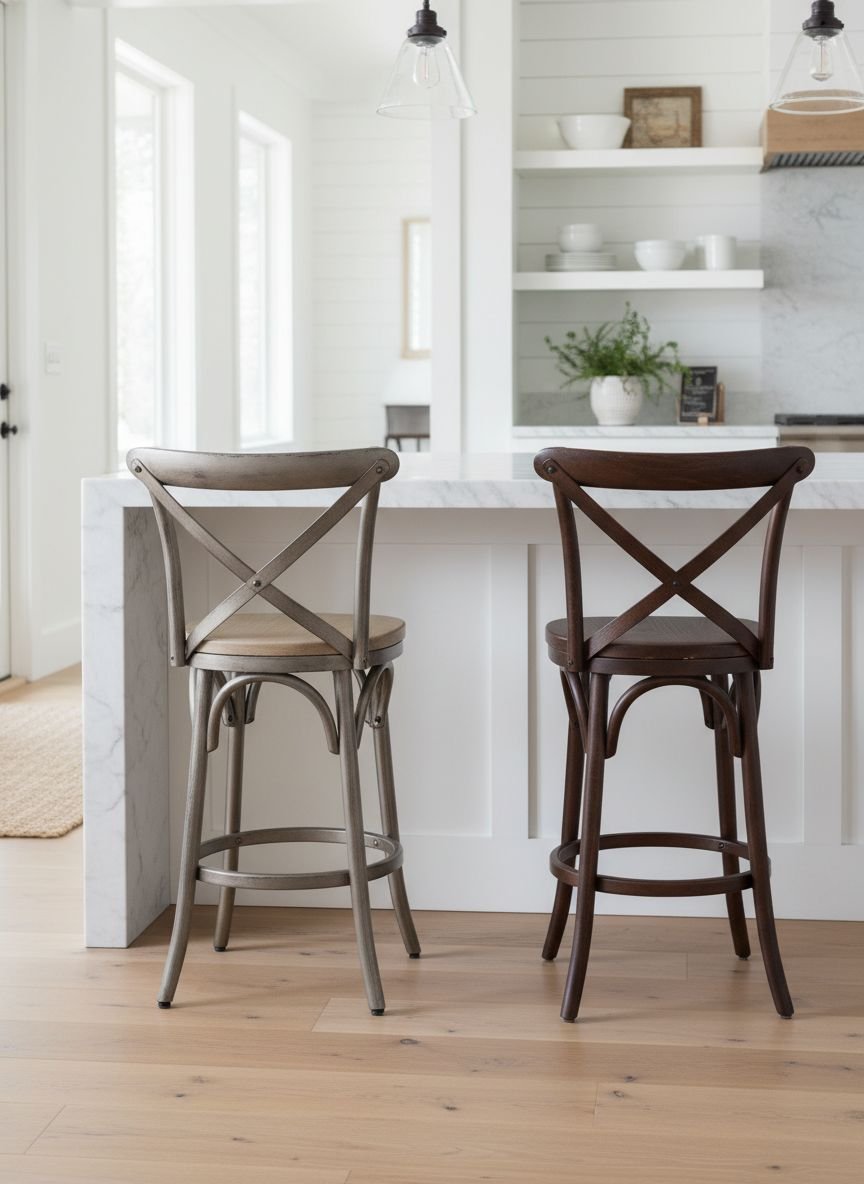
Extending the upper corner cabinet down to rest on the counter creates a “hutch” or “tower” effect. This anchors the corner and provides a specialized storage zone. It looks like a piece of standalone furniture integrated into the built-ins.
This area is ideal for an appliance garage. You can install an outlet inside the cabinet to keep your coffee machine or mixer plugged in. When the doors are closed, the countertop looks clear and minimalist. The vertical line adds grandeur and elegance to the kitchen elevation.
Save this idea to your Pinterest.
Beverage Bar
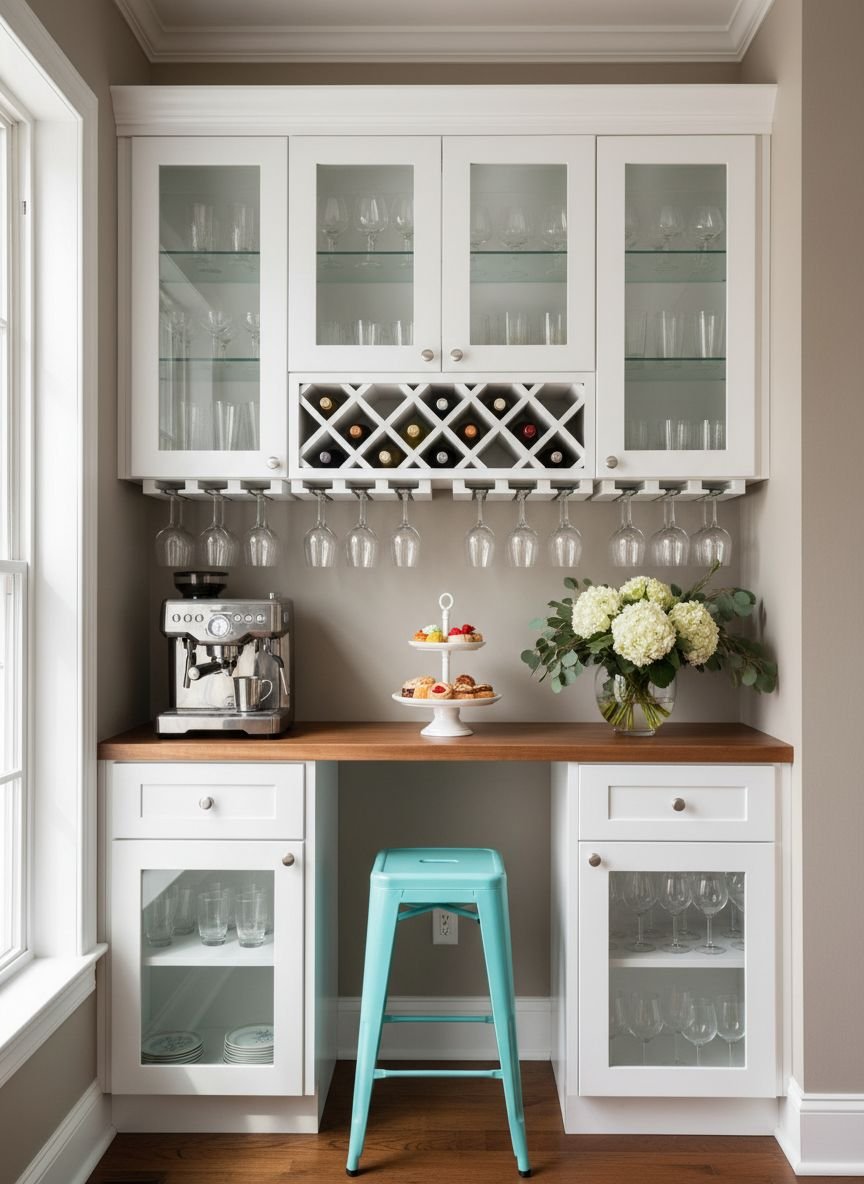
Transforming a corner into a dedicated beverage station defines the zone and improves traffic flow. Guests can grab a drink without entering the main cooking triangle. Glass-front upper cabinets can display wine glasses, while the base cabinet houses a wine fridge or beverage cooler.
The decor here can be distinct. Use a mirrored backsplash to reflect light and make the corner sparkle. Add under-cabinet lighting to create a moody, lounge-like atmosphere in the evening. It turns a functional dead zone into an entertaining hub.
Pro Tip: If you can’t install a fridge, use a diagonal wine lattice rack in the base cabinet for room-temperature bottle storage.
Store Small Appliances
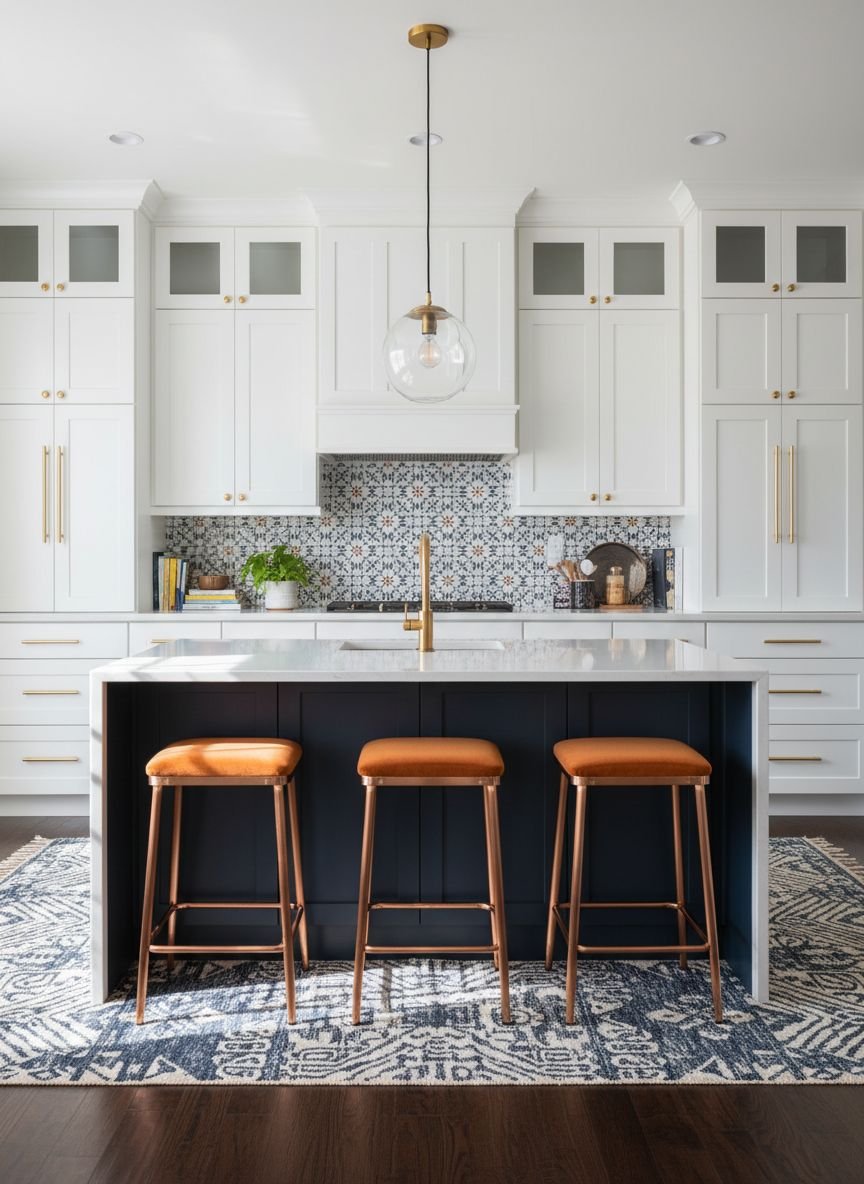
Deep corners are the only cabinets deep enough to swallow large appliances like air fryers, pressure cookers, and bread machines. Standard 12-inch uppers are too shallow, and standard drawers are too short. The deep corner base cabinet is the natural home for these bulky items.
To make this work, you need a heavy-duty pull-out shelf. Do not stack these items. The goal is to slide the shelf out, lift the appliance to the counter, and slide it back. This keeps your counters clear of “visual noise” while keeping the tools accessible.
Crockery Corner
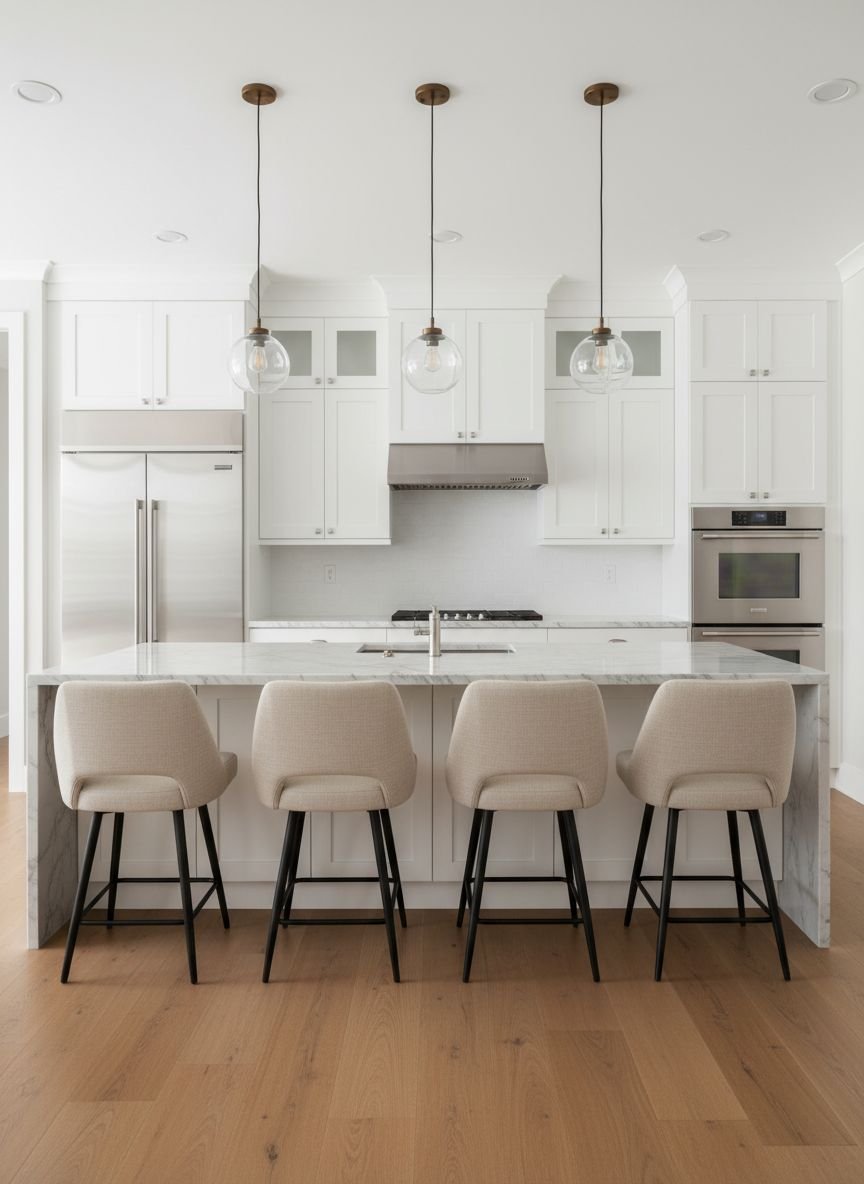
Use the upper corner cabinet specifically for your daily crockery. The deep diagonal space is surprisingly good for stacking large dinner plates and platters that might overhang standard shelves. Because the corner is often equidistant from the sink and the dishwasher, it is an ergonomic unloading point.
Style this by using glass doors on the upper cabinet. A well-stacked collection of white dishes or handmade pottery looks structural and beautiful. It turns the storage of mundane items into a decor feature.
Related posts :
- 13 Small Kitchen Layouts That Look Amazing and Instantly Double Your Storage
- 16 Chic Kitchen Designs Featuring Light Grey Tones That Instantly Modernize Your Home
- 14 Stunning Wall Design Ideas That Instantly Elevate Your Home Aesthetic
Popular Asked Questions
What is the best way to utilize a blind corner cabinet?
The most efficient way to use a blind corner is to install a pull-out mechanism. Options like the “Magic Corner” or a kidney-shaped “LeMans” shelf slide the contents out into the room. This prevents you from having to crawl inside the cabinet to reach items in the back.
What do you put in a deep corner cabinet?
Deep corners are best for round items or bulky gear you do not use daily. Think mixing bowls, salad spinners, large pots, and seasonal appliances like slow cookers. Avoid putting small, loose items there unless they are contained in a bin, as they will get lost in the back.
Is a Lazy Susan better than a blind corner cabinet?
It depends on your goal. A Lazy Susan is better for accessibility because you can spin it to find what you need quickly. However, a blind corner cabinet with a pull-out organizer often holds more volume. If you want easy reach, go with the Lazy Susan. If you need maximum storage density, choose the blind corner pull-out.
How do you organize a corner kitchen cabinet?
Start by installing good lighting, like a motion-sensor LED strip. Then, use clear bins to group similar items together (e.g., a “baking” bin). If you have shelves, place the heavy items on the bottom and lighter items on top. Using a turntable on the shelf can also help you reach items in the back without knocking things over.
Conclusion
The corner of your kitchen does not have to be a source of frustration. whether you choose a high-tech swinging pullout, a classic Lazy Susan, or a beautiful set of open shelves, the solution lies in matching the mechanism to your lifestyle. By treating the corner as a specific zone—for beverages, appliances, or display—you instantly upgrade the functionality of your entire home.




Leave a Comment