
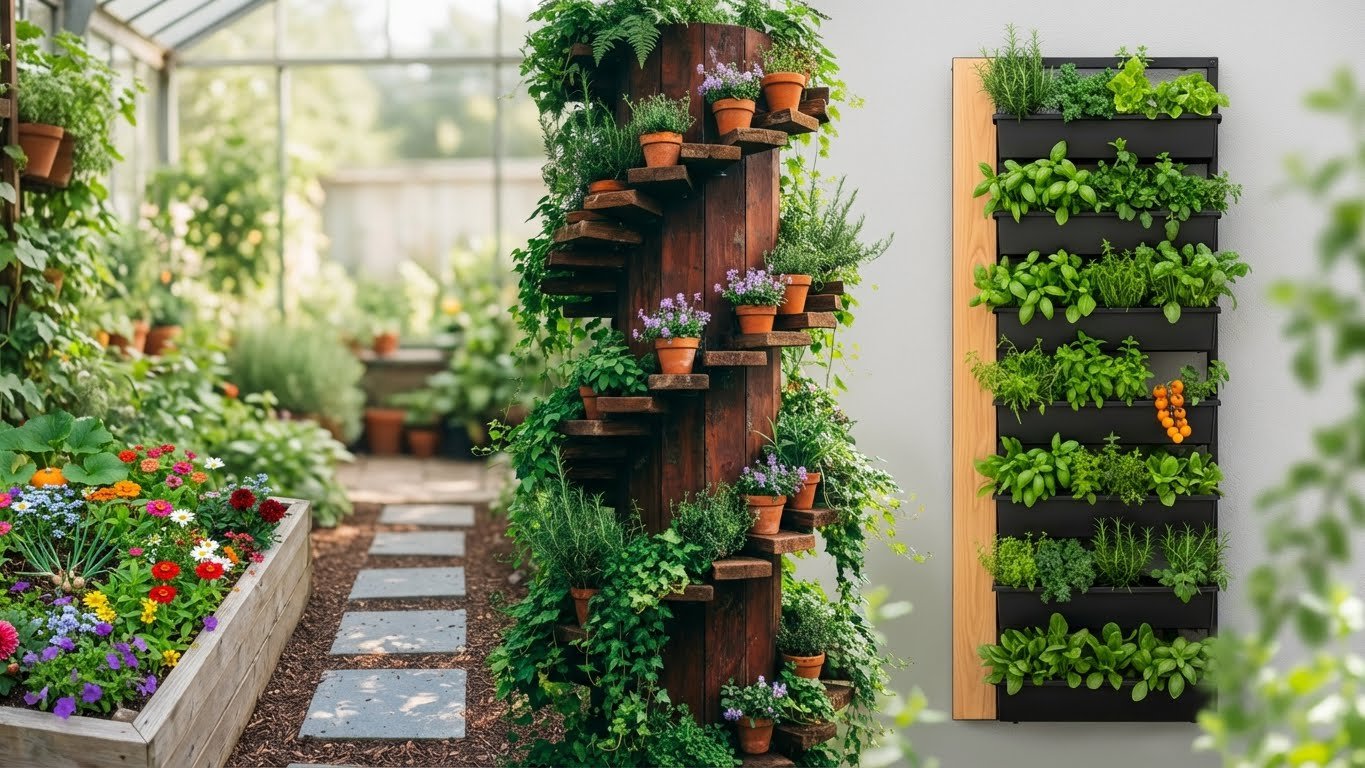
You do not need a sprawling homestead to grow your own food. A tiny balcony, a side yard, or a sunny patio corner offers enough potential for a serious harvest. Most people believe a productive garden requires acres of land. This is false. Smart design beats square footage every time.
We analyze the most efficient, high-yield layouts specifically for compact spaces. These designs prioritize vertical growth, soil health, and aesthetic appeal. You will learn how to turn a few square feet into a salad bar that regenerates all season. Stop buying wilted herbs. Start growing nutrient-dense food right outside your door.
Key Takeaways
- Verticality is King: Growing up, not out, triples your planting area in the same footprint.
- Soil Depth Matters: Deep raised beds allow for closer planting spacing than traditional rows.
- Interplanting Saves Space: Mixing fast-growing crops with slow growers maximizes yield per square inch.
- Aesthetics Equal Consistency: A beautiful garden encourages you to spend more time tending to it.
- Sun Mapping is Critical: Knowing your light patterns dictates exactly where each pot or bed must go.
Table of Contents
- Companion Planting Techniques
- Vertical Gardening Solutions
- Raised Bed Garden Layout
- Herb Spiral Garden Design
- Edible Landscaping Ideas
- Container Gardening for Urban Spaces
- Colorful Vegetable Borders
- Garden Pathways for Accessibility
- Shade Gardening for Cool Vegetables
- Succession Planting Strategies
- Popular Asked Questions
- Conclusion
Companion Planting Techniques
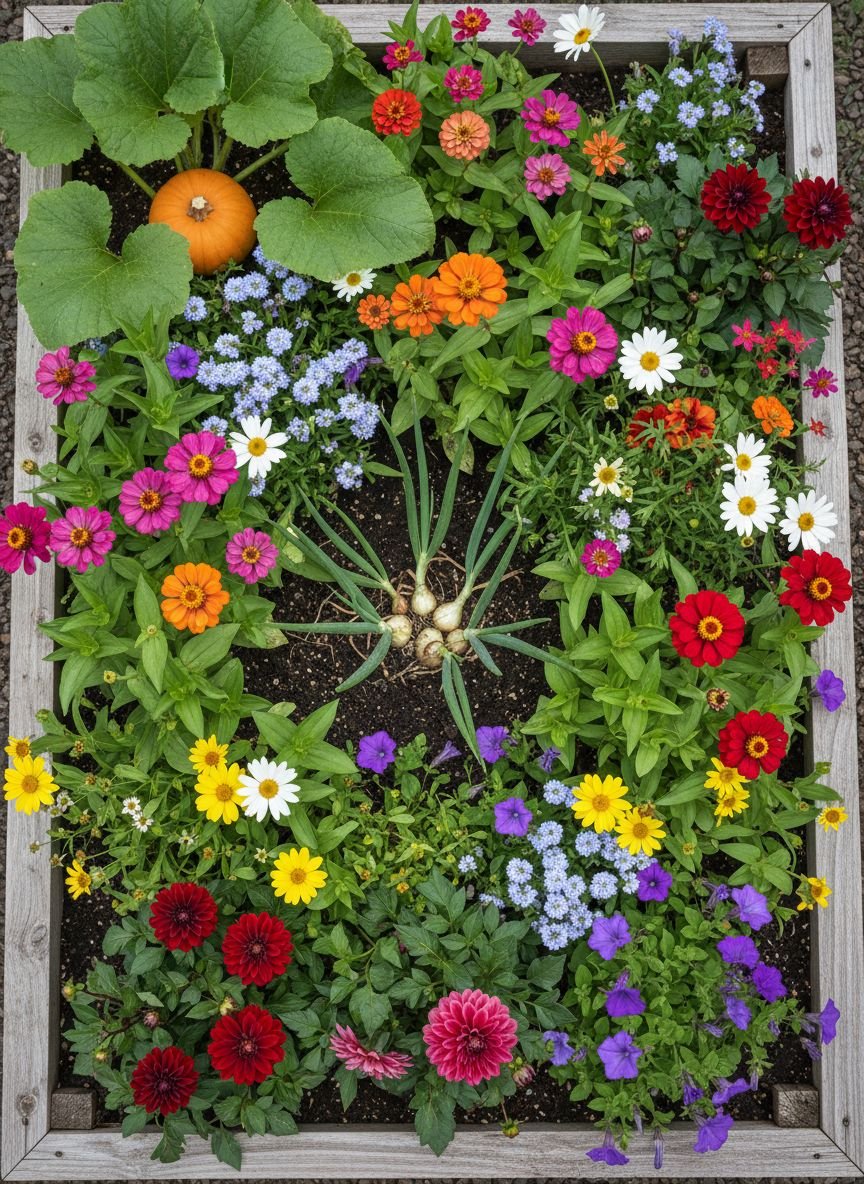
Grouping plants that benefit each other creates a self-sustaining ecosystem. This method reduces the need for pesticides and fertilizers. In a small footprint, every plant must pull its weight.
The Three Sisters Guild
Native American agriculture perfected this trio long ago. Corn provides a tall stalk for beans to climb. Beans fix nitrogen in the soil to feed the corn and squash. Squash spreads across the ground, acting as a living mulch to retain moisture and suppress weeds. Visually, this creates a lush, tiered effect. The vertical corn adds height, while the broad squash leaves add texture at the base. To implement this, plant corn first. Once stalks reach six inches, sow pole beans and squash seeds around them.
Tomato and Basil Alliance
This is the classic culinary and garden pairing. Basil repels hornworms and flies that often target tomatoes. The strong scent confuses pests. Visually, the bright green, bushy basil contrasts beautifully with the red fruit and vine structure of tomato plants. Plant basil at the base of your tomato trellises. This shades the soil above the tomato roots, keeping them cool and moist.
Allium Shields
Onions, garlic, and chives act as bodyguards for your leafy greens. Their pungent aroma deters aphids and rabbits. Interspersing spiky allium leaves among broad-leafed kale or lettuce creates a striking geometric contrast. The vertical spikes break up the visual monotony of low-growing greens. Plant garlic cloves in a circle around your lettuce patch in late autumn for a spring harvest that protects your salad greens.
Pro Tip: Keep a garden journal to track which combinations yield the best results in your specific microclimate.
Vertical Gardening Solutions
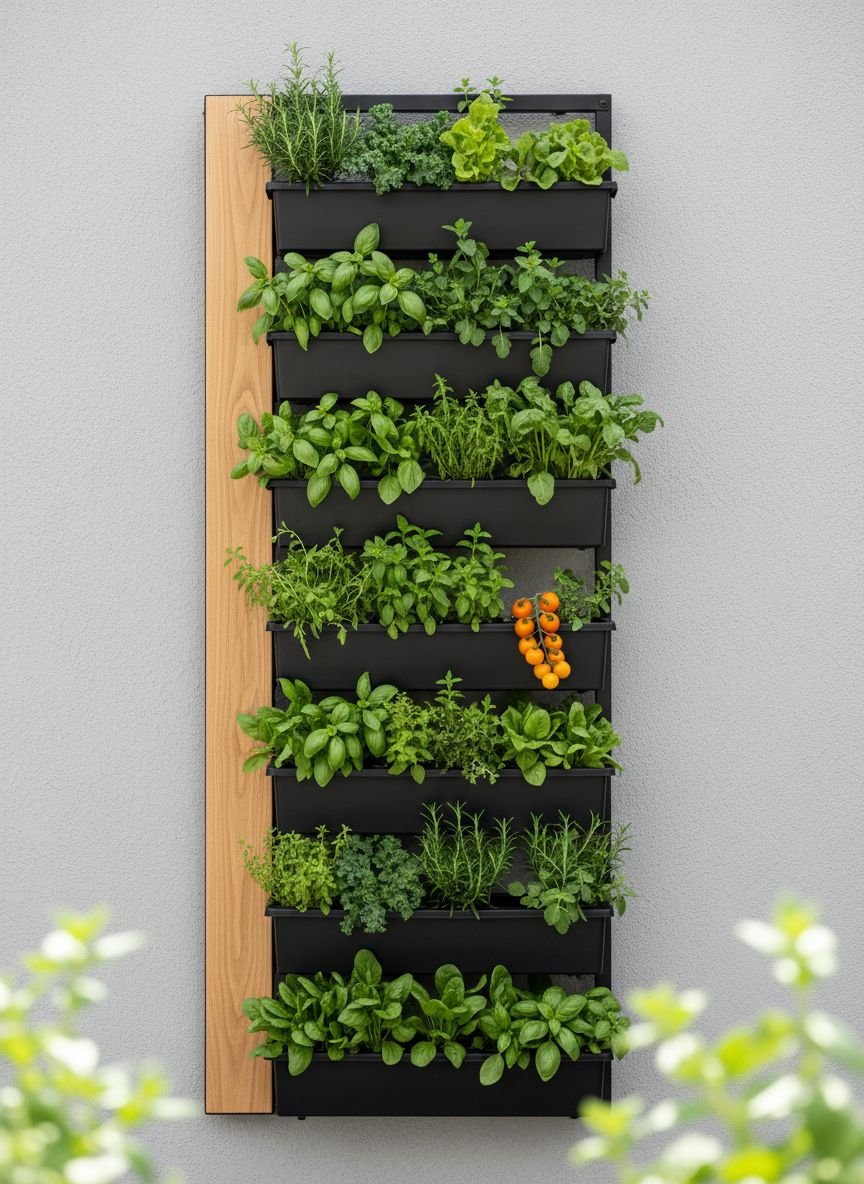
When ground space is limited, the only way is up. Vertical gardening transforms bare walls and fences into productive real estate. This approach increases airflow around plants, reducing fungal diseases.
A-Frame Trellis Systems
An A-frame trellis maximizes efficiency. You grow vining crops like cucumbers or peas up the sides. Underneath the “tent” created by the trellis, you plant shade-tolerant crops like spinach or lettuce. The structure utilizes the same square footage for two different crops with different light needs. Use bamboo poles or reclaimed wood to build the frame. The rustic wood texture adds warmth to the garden, while the climbing vines soften the hard lines.
Wall-Mounted Pocket Planters
Fabric pocket planters turn a sterile stucco or brick wall into a living tapestry. These are perfect for strawberries, herbs, or salad greens. The fabric allows soil to breathe and excess water to drain freely. Visually, a wall of greenery softens the architecture of your home. It creates a cooling effect on hot patios. Ensure your wall receives at least six hours of direct sunlight for best results. Use a drip irrigation system at the top row to water the entire wall effortlessly.
Cattle Panel Arches
Bend a heavy-duty cattle panel into an archway between two raised beds. This creates a tunnel. Pole beans, squash, or small melons climb over the arch. The fruit hangs down through the wire mesh, making harvesting easy and keeping produce off the wet ground. This adds a dramatic architectural element to a small garden. Walking under hanging vegetables creates an immersive experience.
Save this idea to your Pinterest.
Raised Bed Garden Layout
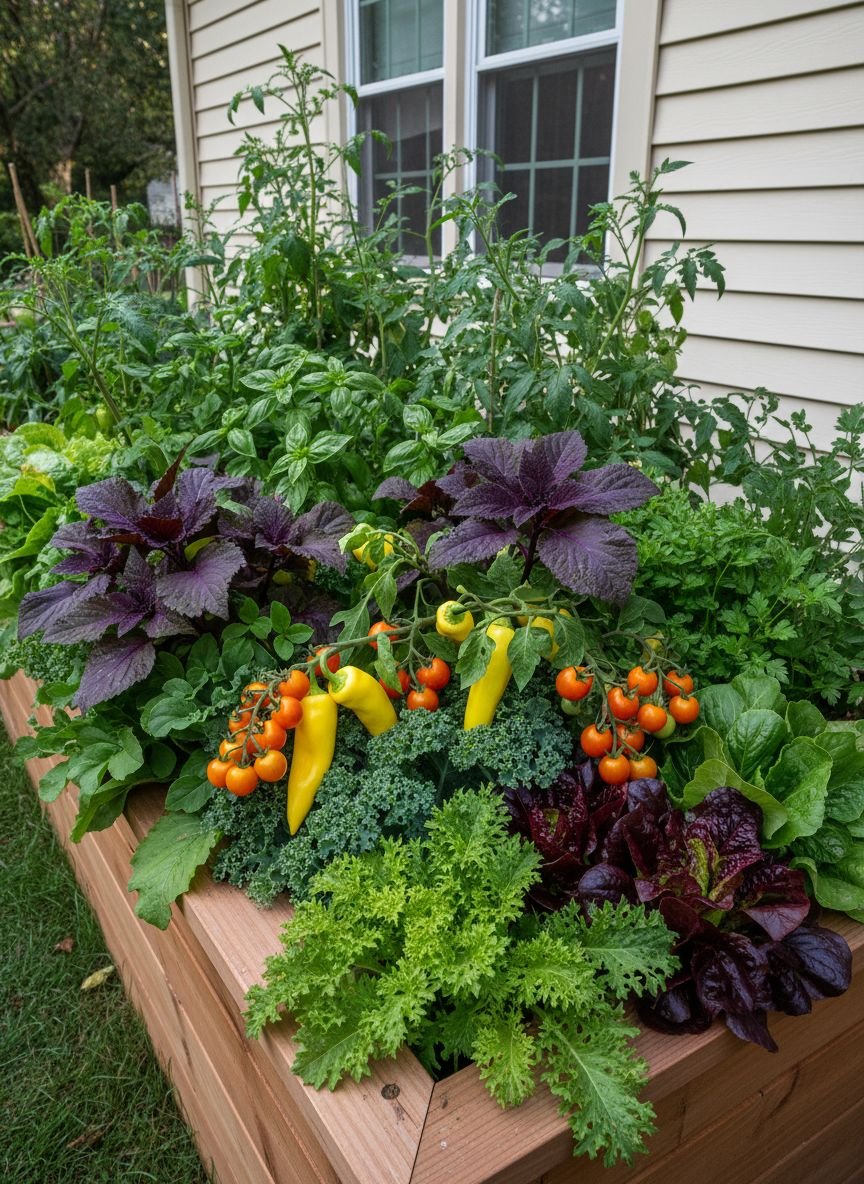
Raised beds offer total control over soil quality. They warm up faster in spring and drain better than in-ground beds. In small spaces, the geometry of the beds defines the garden’s character.
The Keyhole Garden
This circular raised bed features a notch cut out (like a keyhole) that leads to a central composting basket. You dump kitchen scraps directly into the center. Nutrients leach out into the surrounding soil, feeding the plants constantly. This design is drought-tolerant and highly productive. The circular shape breaks up the rigid lines of rectangular backyards. Use stone or brick for the retaining wall to add thermal mass, keeping plants warm at night.
U-Shaped Kitchen Garden
A U-shaped bed maximizes accessibility. You stand in the center and reach all planting areas without stepping on the soil. This prevents soil compaction. This layout fits perfectly in a corner or against a fence. Construct the beds from cedar or redwood for natural rot resistance. The wood silvers over time, blending with the natural surroundings. Fill the center “aisle” with gravel or wood chips to keep your feet clean while harvesting.
Tiered Box Systems
Stacking boxes of decreasing size creates a pyramid effect. This is ideal for strawberries or herbs. The tiered structure ensures plants on the north side do not get shaded out by plants on the south side. It adds height and visual interest to flat yards. You can separate crops by water needs on different levels. Rosemary goes on top where it is drier; mint goes at the bottom where water collects.
Pro Tip: Line the bottom of your raised beds with hardware cloth to prevent gophers and moles from eating roots.
Herb Spiral Garden Design
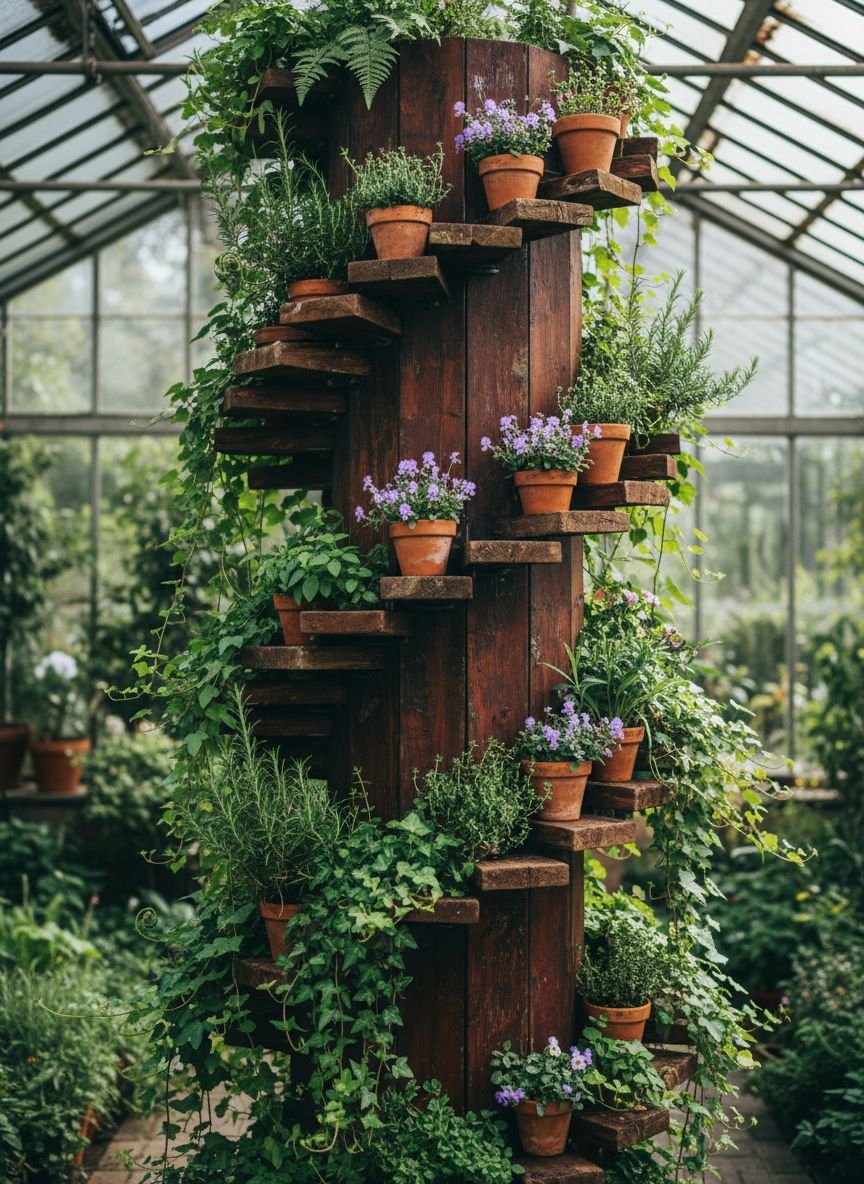
An herb spiral is a permaculture masterpiece. It packs a variety of microclimates into a tiny footprint, usually about six feet in diameter.
The Microclimate Gradient
You build a spiral ramp of soil held up by stones or bricks. The top is high and dry, perfect for Mediterranean herbs like rosemary, thyme, and oregano. The bottom is lower and collects moisture, ideal for mint, parsley, and chives. The south side gets intense sun; the north side offers shade. This single structure allows you to grow plants with vastly different needs in one spot.
Structural Materials and Aesthetics
Using reclaimed brick or river rock to build the spiral walls adds an earthy, timeless look. The stone retains heat, extending the growing season into autumn. The spiral shape is naturally pleasing to the eye, drawing the gaze inward. It serves as a focal point in a small yard. Plant cascading herbs like creeping thyme near the edges to soften the stone walls.
Construction Basics
Start with a cardboard base to suppress weeds. Layer compost, straw, and soil as you build the walls upward. The center should be at least three feet high. Water naturally flows from top to bottom, minimizing waste. This is the ultimate low-maintenance design for busy cooks who want fresh flavors daily.
Save this idea to your Pinterest.
Edible Landscaping Ideas
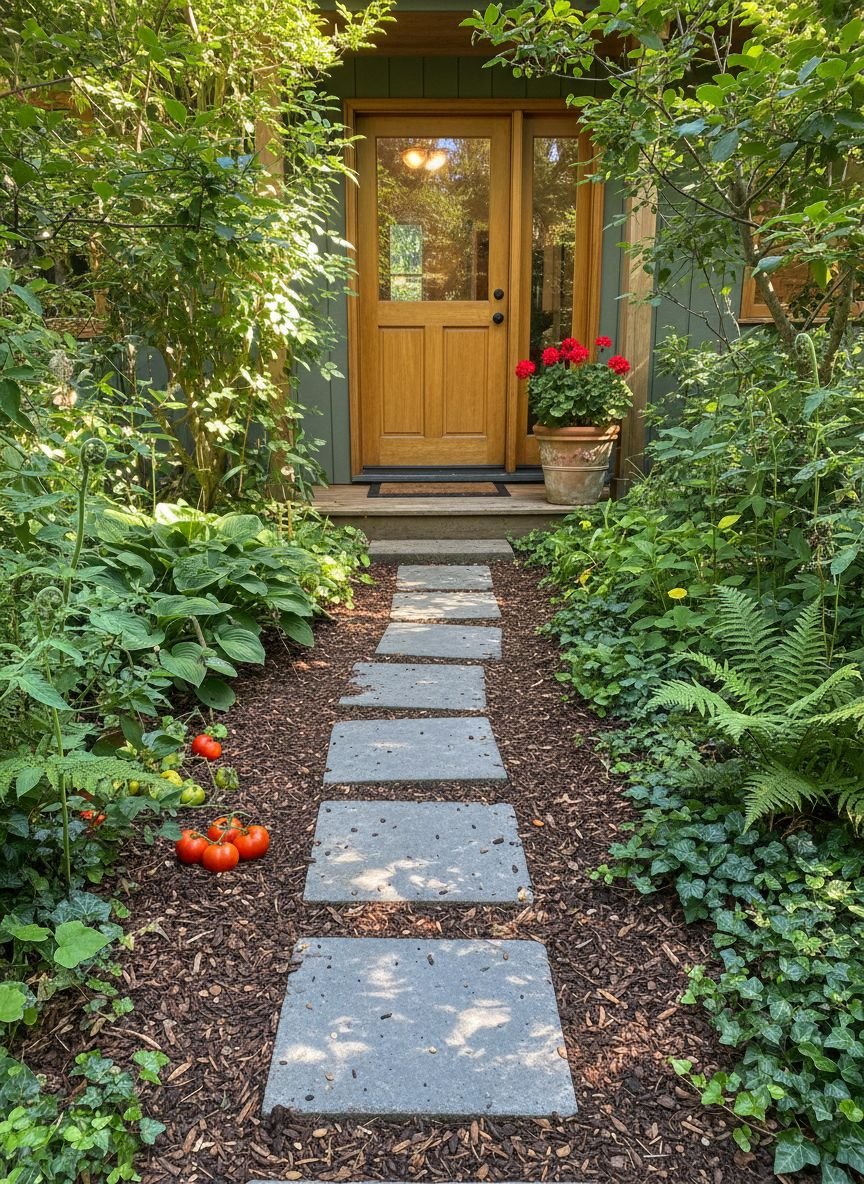
Blur the line between ornamental and edible. You do not need a designated “vegetable patch” hidden in the back. Food plants are beautiful enough for the front yard.
Blueberry Hedge Alternatives
Replace traditional boxwoods with blueberry bushes. Highbush blueberries offer white bell flowers in spring, delicious blue fruit in summer, and fiery red foliage in autumn. They provide privacy and structure just like ornamental hedges. Ensure your soil is acidic by amending with peat moss or pine needles. The dense foliage blocks sightlines effectively, creating a private nook in urban settings.
Rainbow Chard Borders
Swiss chard, particularly the ‘Bright Lights’ variety, offers neon pink, yellow, and orange stems. Plant these along walkways or flower beds. The crinkled, dark green leaves provide incredible texture. They stand up well to heat and tolerate partial shade. Treat them as you would hostas or coleus, but eat the outer leaves for dinner. This adds a pop of color that rivals any annual flower.
Artichoke Architectural Accents
Globe artichokes are massive, prehistoric-looking plants with silver-green, fern-like foliage. Use them as statement plants or focal points in a perennial border. If you do not harvest the buds, they open into spectacular purple thistle flowers that attract bees. Their size commands attention. Place one at the corner of a bed to anchor the design.
Intermediate Retention Section
Raised Bed Material Comparison
| Material | Pros | Cons | Best For |
|---|---|---|---|
| Cedar Wood | Rot-resistant, natural look, chemical-free. | Expensive, eventually decays (10-15 years). | Kitchen gardens, organic growers. |
| Galvanized Steel | Modern aesthetic, extremely durable, lightweight. | Can heat up soil quickly in hot climates. | Industrial style, root vegetables. |
| Concrete Block | Cheap, high thermal mass, customizable shape. | Heavy, industrial look, can leach lime. | Urban gardens, heat-loving crops. |
| Woven Willow | Beautiful rustic texture, eco-friendly. | Short lifespan (3-5 years), dries out soil. | Cottage gardens, temporary beds. |
“Get The Look” Essentials
To replicate the high-yield small garden aesthetic, you need specific tools:
- Hori Hori Knife: A multi-purpose digging and cutting tool essential for tight spaces.
- Oscillating Hoe: Weeds between tight rows without displacing soil.
- Olla Watering Pots: Buried clay pots that seep water directly to roots, saving 70% water usage.
Related posts :
- 15 Inspirational Modern Patio Ideas for Your Backyard Retreat
- 13 Inviting Back Patio Ideas That Instantly Transform Your Outdoor Space
- 15 Best Corner Plant Stand Ideas for Cozy and Stylish Spaces
Container Gardening for Urban Spaces
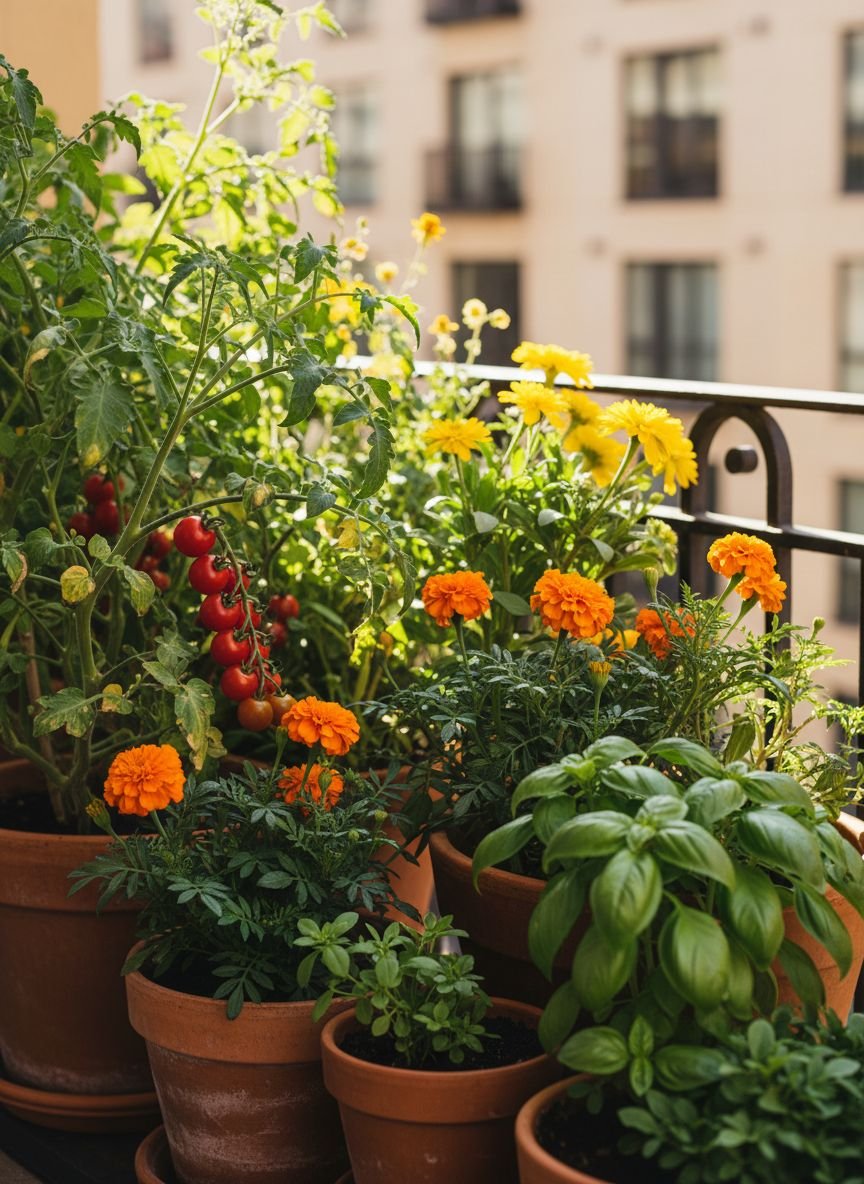
Patios, balconies, and rooftops are prime locations for container gardens. Pots allow you to move plants to follow the sun or avoid harsh weather.
The “Thriller, Filler, Spiller” Concept
Apply this floral design rule to vegetables.
- Thriller: A tall plant like a pepper or an egglant in the center.
- Filler: Bushy herbs like basil or parsley surrounding the center.
- Spiller: Trailing plants like nasturtiums or strawberries cascading over the edge.
This maximizes the yield of a single large pot. It creates a lush, overflowing look that feels abundant. Use a pot at least 18 inches wide to accommodate the roots of multiple plants.
Fabric Grow Bags
Grow bags are superior to plastic pots for root health. The fabric air-prunes the roots, preventing them from circling and becoming pot-bound. This results in a more vigorous plant. Bags are lightweight and come with handles, making them easy to move. They are perfect for potatoes and sweet potatoes. The black fabric absorbs heat, warming the soil early in the season.
Self-Watering Containers
For busy urbanites, self-watering pots are essential. These have a reservoir at the bottom that wicks water up to the roots. This ensures consistent moisture, which is critical for tomatoes and cucumbers. Consistent moisture prevents fruit splitting and blossom end rot. These containers allow you to leave for a weekend without your garden dying.
Pro Tip: elevate pots on “pot feet” or bricks to prevent staining your deck and to improve drainage.
Colorful Vegetable Borders
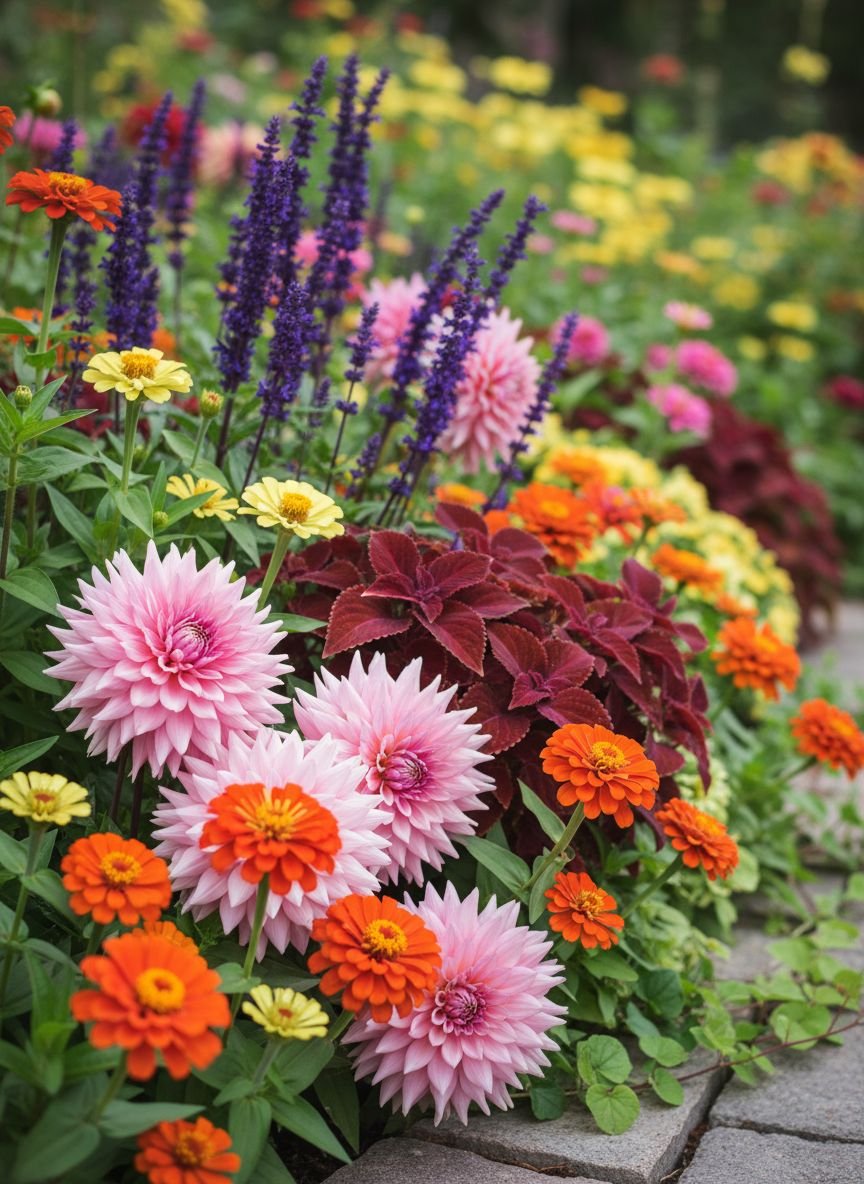
Vegetables offer a palette of colors that rival any flower garden. Designing with color creates a visual rhythm and makes the garden a place of beauty.
Purple Power
Incorporate purple vegetables for high contrast against green foliage. ‘Royal Burgundy’ beans, purple kohlrabi, and ‘Red Rubin’ basil are stunning. The anthocyanins that make them purple are powerful antioxidants. Visually, purple recedes, adding depth to small borders. Plant purple beans against a light-colored fence for a dramatic pop.
The Golden Touch
Yellow and orange vegetables bring warmth. ‘Golden Zucchini’, yellow cherry tomatoes, and orange bell peppers act as highlights. They catch the sunlight and brighten up shady corners. Yellow Swiss chard stems look like glowing neon tubes in the evening light. Group warm colors together for a vibrant, energetic section of the garden.
Texture Contrast
Color is not just hue; it is light reflection. Mix the matte, blue-green leaves of kale with the glossy, bright green leaves of peppers. Add the feathery texture of fennel or dill. These textural differences make the garden look fuller and more designed. It moves the eye through the space, making a small garden feel larger and more complex.
Save this idea to your Pinterest.
Garden Pathways for Accessibility
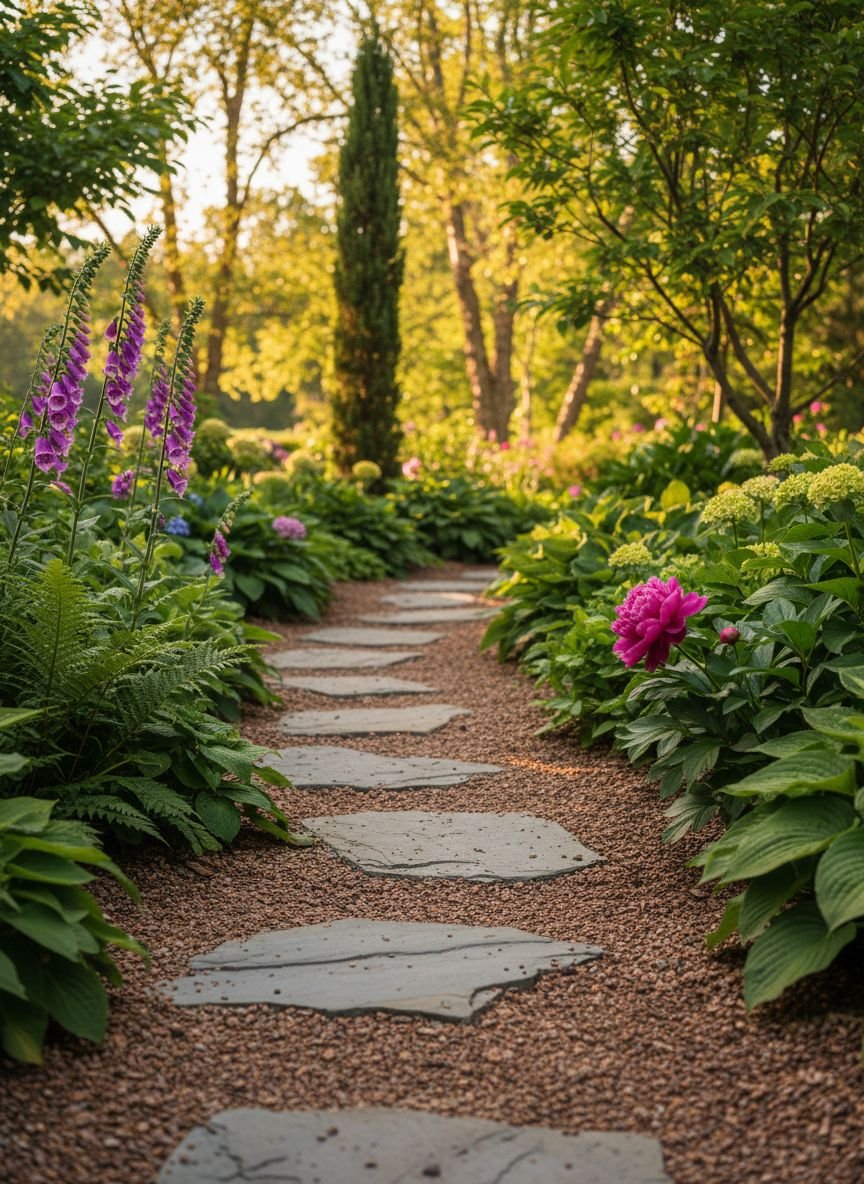
A garden you cannot reach is a garden you will neglect. Pathways define the planting areas and ensure you can harvest every vegetable without stepping on the soil.
Wood Chip Mulch Paths
This is the most budget-friendly and soil-healthy option. Wood chips suppress weeds and slowly break down, feeding the fungal network in the soil. They provide a soft, natural surface to walk on. The light brown color contrasts well with the dark soil and green plants. Replenish the chips annually to maintain a fresh look.
Stepping Stones with Ground Cover
Place flat flagstones or pavers surrounded by creeping thyme or chamomile. When you step on the herbs, they release a pleasant fragrance. This softens the hardscape and adds more greenery to the footprint. It creates a “secret garden” vibe. Ensure stones are level with the ground to prevent tripping hazards.
Gravel and Edging
Pea gravel provides excellent drainage and a satisfying crunch underfoot. It looks clean and modern. You must use rigid edging—like steel, brick, or treated lumber—to keep the gravel out of your vegetable beds. The sharp lines of a gravel path give a small garden a formal, organized structure. This organization makes a chaotic vegetable patch look intentional.
Shade Gardening for Cool Vegetables
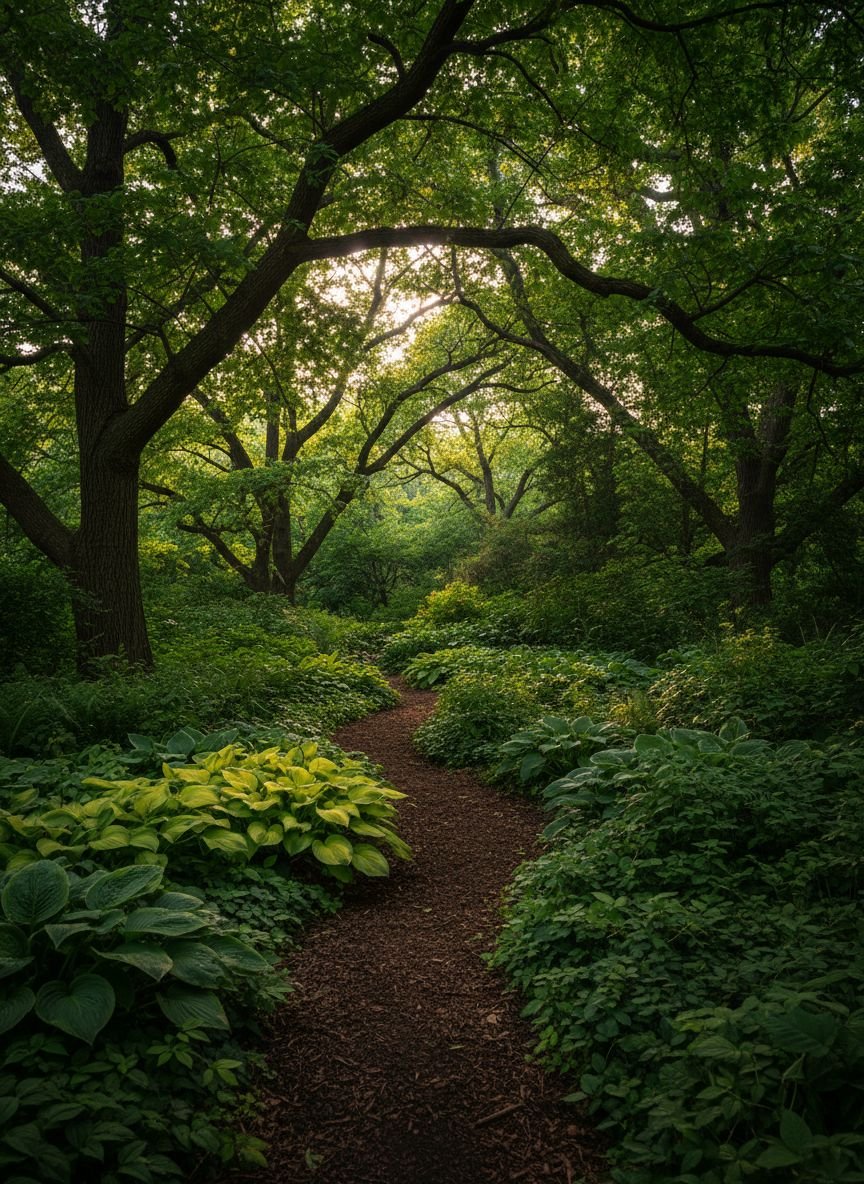
Many urban spaces are shaded by buildings or trees. This is not a death sentence for your garden. Many vegetables thrive without full sun.
Leafy Greens Sanctuary
Lettuce, spinach, arugula, and kale actually prefer some shade, especially in the heat of summer. Too much sun makes them bolt (go to seed) and turn bitter. A shaded balcony is the perfect place for a salad garden. The lack of direct scorching sun keeps the leaves tender and sweet.
Brassica Corners
Broccoli, cauliflower, and cabbage can tolerate partial shade (3-4 hours of sun). While they grow slower than in full sun, the cooler temperatures prevent heat stress. The large, blue-green leaves of these plants add significant weight and texture to shady corners.
Root Vegetable Nooks
Radishes, beets, and carrots can grow in dappled light. They harvest the energy in their leaves to store in the root. While they may not get as large as full-sun counterparts, “baby” vegetables are tender and gourmet. Use the shade of taller plants (like tomatoes) to grow these crops underneath, utilizing the vertical shadow.
Succession Planting Strategies
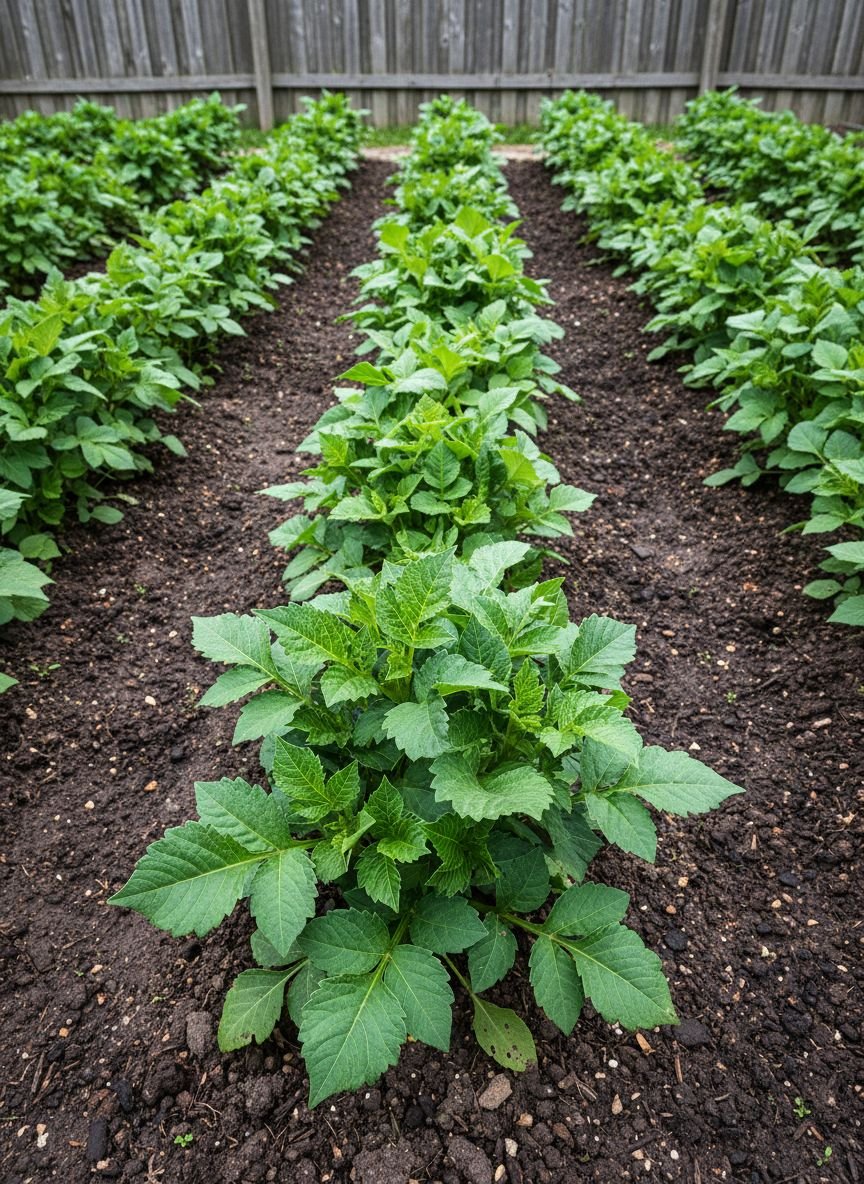
Succession planting is the secret to getting three harvests from one plot in a single year. It requires timing and planning, but it triples your yield.
The Relay Race
As soon as one crop finishes, another goes in. When spring radishes are pulled, plant heat-loving bush beans in the same hole. When beans finish in late summer, plant fall spinach. The soil never stays bare. This prevents weeds from taking hold and maximizes the return on your soil amendment investment.
Staggered Planting
Do not plant all your lettuce at once. Sow a short row every two weeks. This ensures you have a continuous supply of salad rather than 20 heads of lettuce maturing on the same day. This strategy is crucial for small families who cannot eat a massive harvest all at once. It keeps the garden looking full and productive throughout the season.
Intercropping Fast and Slow
Plant quick-growing radishes mixed with slow-growing carrots. The radishes germinate fast, breaking the soil crust for the delicate carrots. You harvest the radishes before the carrots need the space to expand. This utilizes the same row for two crops simultaneously. It is the ultimate space-saving hack.
Pro Tip: Add a layer of compost between plantings to recharge the soil nutrients for the next crop.
Popular Asked Questions
How do I arrange my small vegetable garden?
Orient your rows or beds to run north-south. This ensures that crops receive equal sunlight throughout the day without shading each other out. Place tall plants (corn, trellised tomatoes) on the north side of the garden so they do not cast shadows on shorter plants like peppers or greens. Group plants with similar water needs together to make irrigation easier.
What vegetables grow best in small spaces?
Focus on “high-value” crops that taste better homegrown or are expensive to buy.
- Tomatoes: High yield per square foot (especially indeterminate varieties).
- Leafy Greens: Cut-and-come-again harvest allows for months of food.
- Herbs: occupy tiny spaces but add massive flavor.
- Peppers: Compact bushes produce dozens of fruits.
- Pole Beans: Grow vertically and produce continuously.
How deep should a raised bed be for vegetables?
A depth of 12 to 18 inches is ideal for most vegetables. This depth allows for good root development and proper drainage. Leafy greens only need 6 inches, while deep-rooting crops like tomatoes and carrots prefer 18 to 24 inches. If you are building on top of concrete, go deeper (24 inches) to ensure roots have enough room.
Can you grow vegetables in shade?
Yes, but you must choose the right crops. “Fruit” vegetables (tomatoes, peppers, squash) need 6-8 hours of sun. “Root” vegetables (carrots, beets) need 4-6 hours. “Leaf” vegetables (lettuce, spinach, chard) can thrive with just 3-4 hours of direct sun or dappled light.
Conclusion
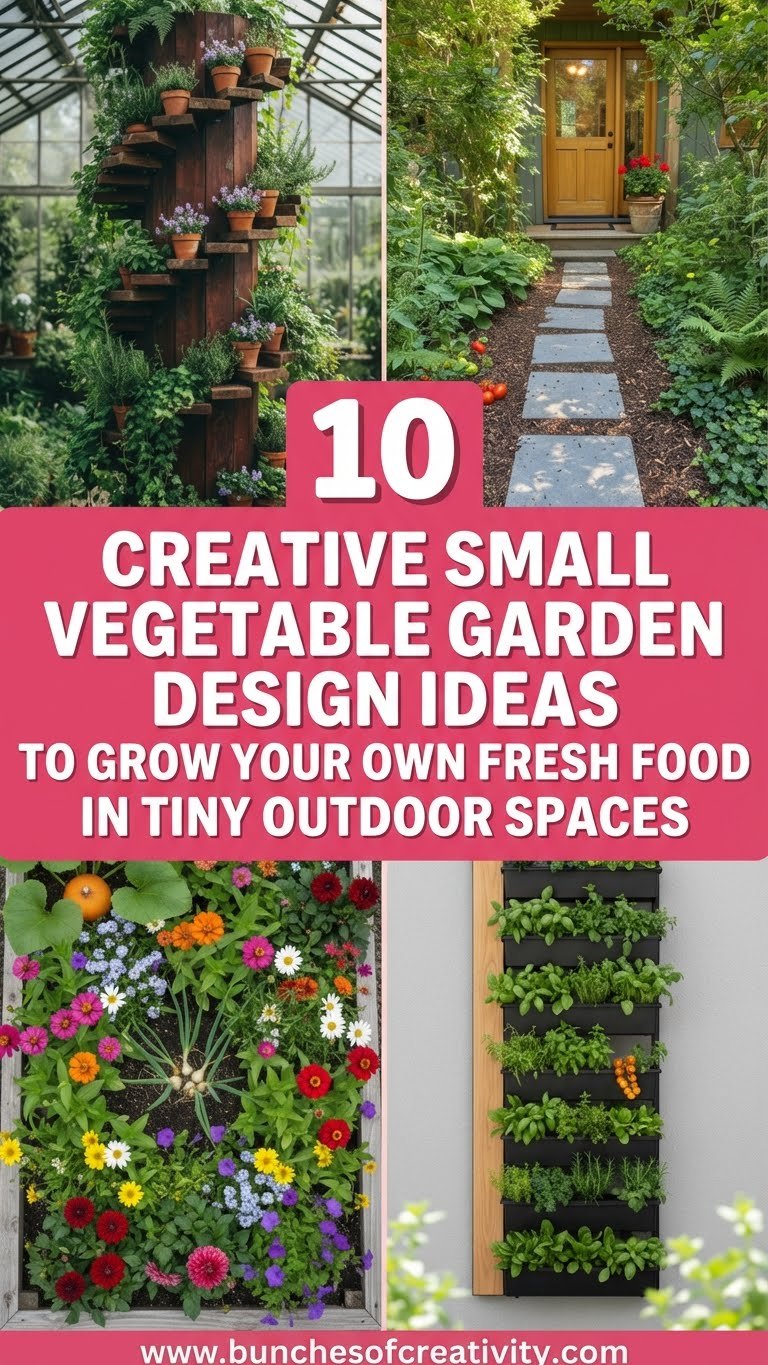
Small spaces often produce the best gardens. The constraint of size forces you to be creative, efficient, and attentive. By utilizing vertical space, companion planting, and succession strategies, you can generate an abundance of organic food in a few square yards.
Do not wait for the “perfect” large backyard. The best time to start growing is now, with the space you have.





Leave a Comment