
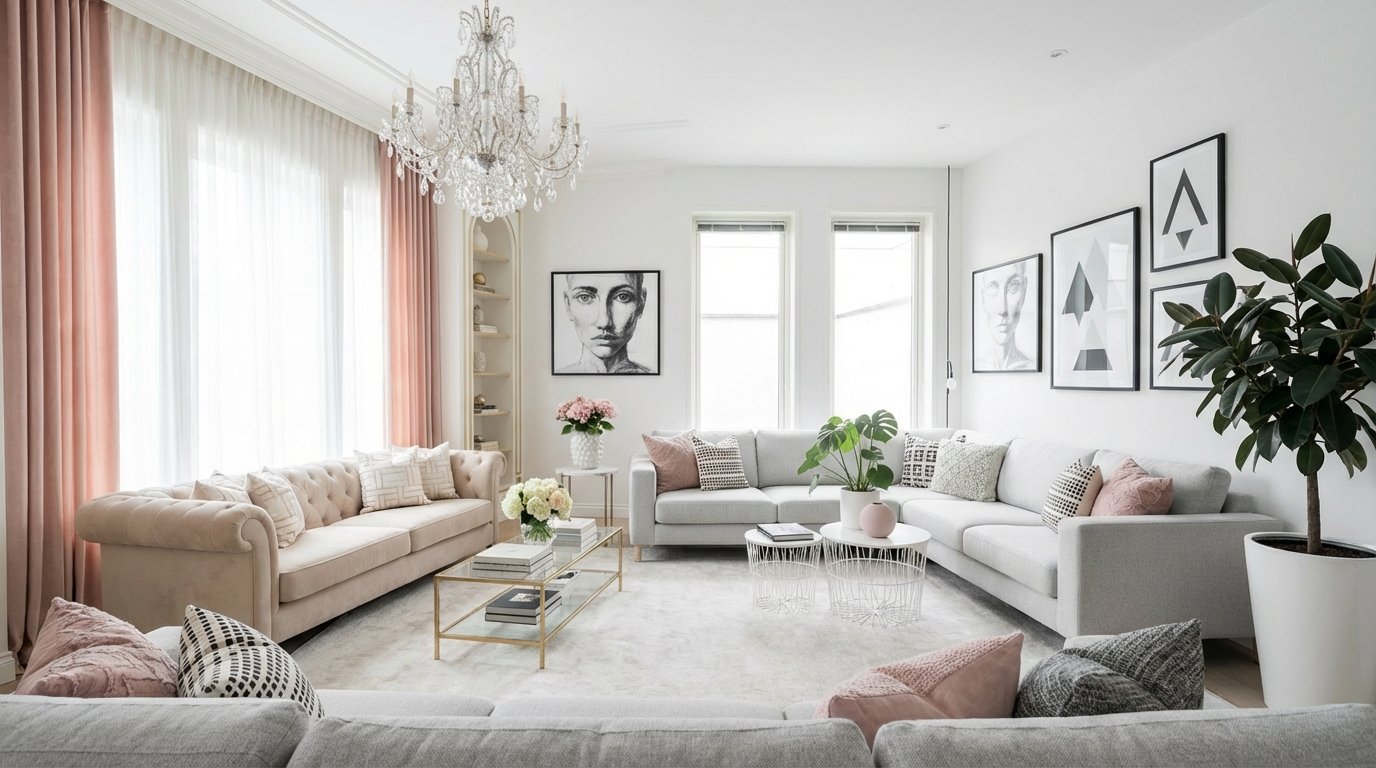
Most living rooms suffer from the same “showroom syndrome”—they look perfectly fine, but they lack the soul and magnetic pull that stops the scroll on Pinterest. You don’t need a celebrity budget or a complete renovation to fix this. In fact, the difference between a flat, boring space and a high-end sanctuary often comes down to just a few strategic adjustments in texture, scale, and lighting.
If you are tired of your space feeling uninspired, this guide is your blueprint. We are moving beyond generic advice to give you the specific, high-impact changes that professional designers use to create “wow” moments. From the psychology of paint placement to the secret “rule of thirds” for furniture, these methods will help you curate a home that feels expensive, cozy, and uniquely yours.
Key Takeaways
- Scale is Everything: Most people buy rugs that are too small and furniture that is too big; correcting this instantly elevates the room.
- The Power of “Pattern Drenching”: 2026 is moving away from sterile minimalism toward layered textures and bold, cohesive patterns.
- Lighting Layers: Never rely on a single overhead light; use the “triangle method” with floor and table lamps to create depth.
- Floating Furniture: Pulling your sofa off the wall by even three inches creates an illusion of spaciousness and better traffic flow.
Table of Contents
- Wall Painting
- Pillows
- Size of The Furniture
- Chandeliers
- Mirrors
- Flowers
- Hardwood Floor
- Window Treatments
- Less is Better
- Cleanness
- Popular Asked Questions
- Conclusion
Wall Painting
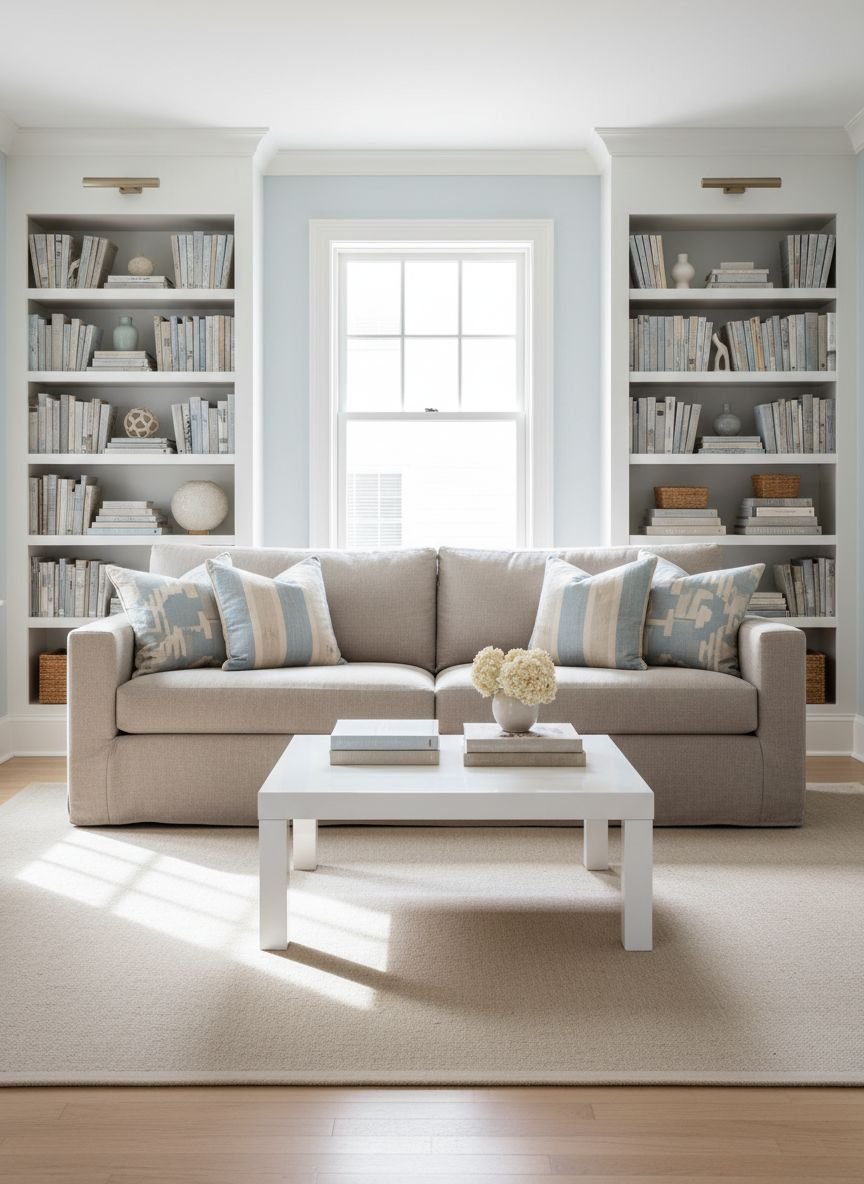
Paint is the most cost-effective tool in your DIY living room makeover arsenal, but the secret lies in application, not just color selection. While white walls have dominated minimalist interior design for years, 2026 trends are shifting toward “moody color washing” and nature-inspired hues like sage green, terracotta, and warm ochre. These colors don’t just sit on the wall; they change the way light reflects in the room, creating a “cocooning” effect that makes the space feel intimate and grounded.
To truly make your living room stand out, avoid the outdated “accent wall” where only one wall is painted a dark color. Instead, embrace “color drenching”—painting the baseboards, trim, and even the ceiling the same color as the walls. This technique blurs the boundaries of the room, making small living room layouts feel significantly larger and more cohesive. It removes visual clutter and creates a seamless backdrop that allows your furniture and art to pop.
Pro Tip: Use a matte finish for walls to hide imperfections, but switch to a satin or semi-gloss finish in the exact same color for the trim. This subtle contrast in texture adds a layer of sophistication that looks incredibly expensive.
Pillows
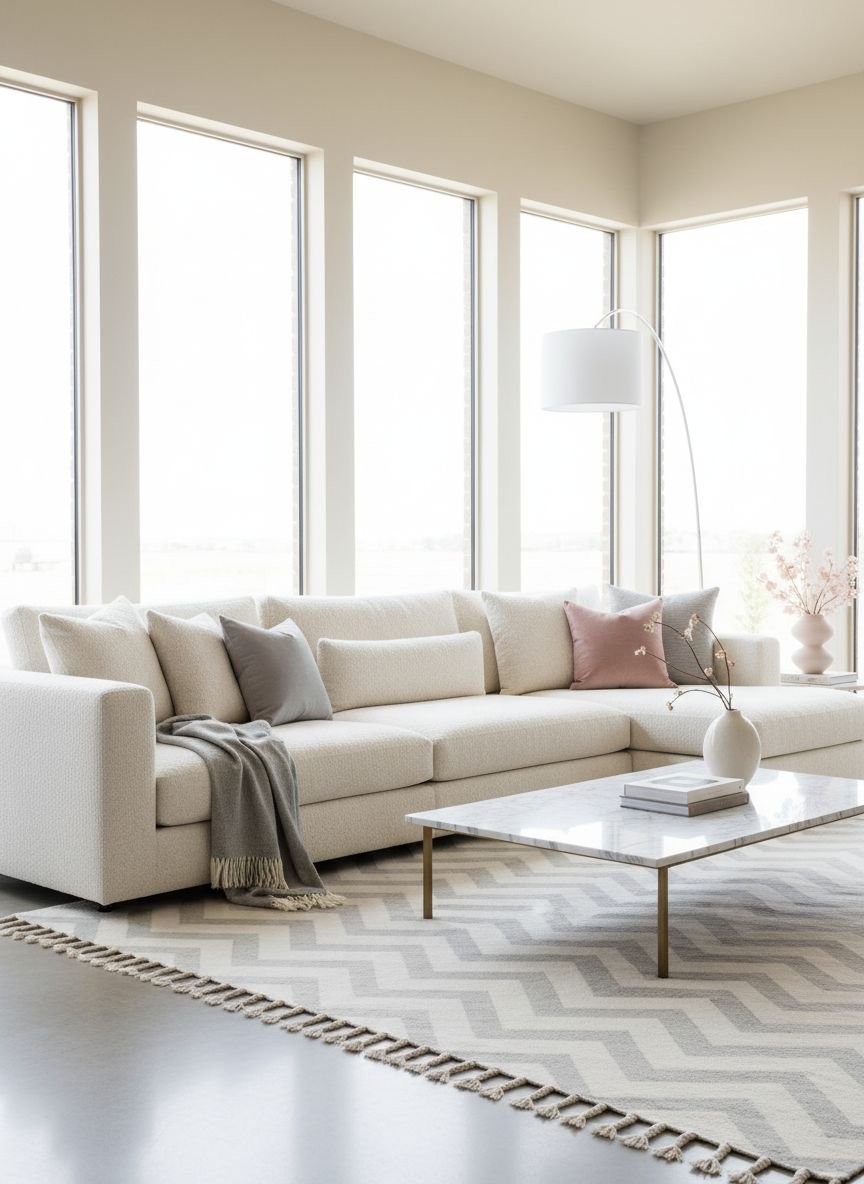
Throw pillows are the jewelry of the living room, yet they are often the most overlooked element of luxury living room decor. The mistake most homeowners make is buying flat, matching sets that come with the sofa. To achieve a high-end look, you must mix textures and patterns. Think of a combination of heavy knits, smooth velvets, and organic linens. This tactile variety adds depth to the room that flat cotton prints simply cannot achieve.
When styling, follow the “Rule of Odd Numbers.” Grouping pillows in sets of three or five creates a more relaxed, inviting aesthetic than symmetrical pairs. Vary the sizes as well; start with a large 24-inch square pillow in the back, layer a 20-inch patterned pillow in front, and finish with a smaller lumbar or round pillow. This layering technique is a staple in modern rustic living room designs and instantly makes a generic sofa look custom-curated.
Pro Tip: Always swap out the polyester inserts that come with store-bought pillows for down or down-alternative feather inserts. They hold the “chop” (the V-shape indentation in the top) better and look far more luxurious.
Save this idea to your Pinterest.
Size of The Furniture
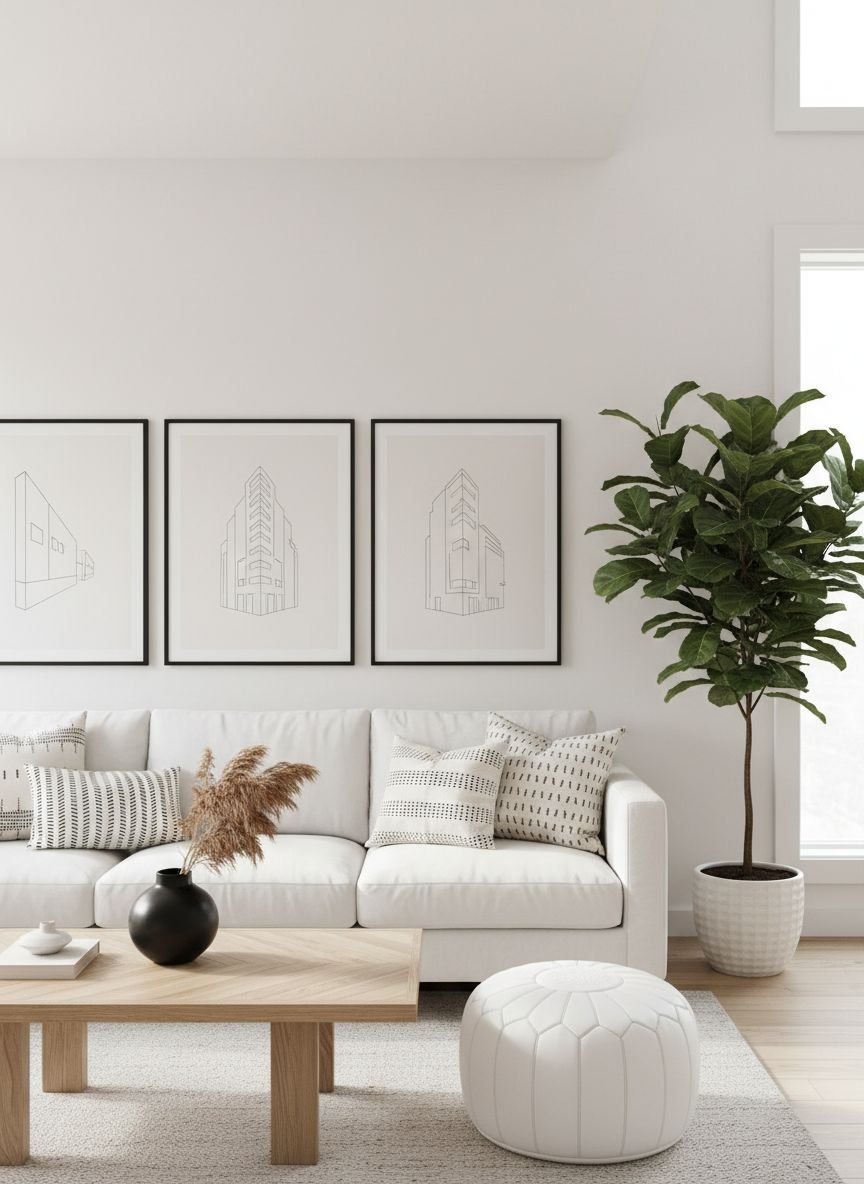
Scale and proportion are the invisible architects of a beautiful room. A common living room design mistake is choosing furniture that is either too large, choking the flow of the room, or too dainty, making the space feel empty and unanchored. Your furniture should breathe. A massive sectional in a tiny room makes it feel claustrophobic, while a small loveseat in a grand room looks temporary.
The layout is equally critical. Resist the urge to push all your furniture against the walls. This creates a “dance floor” in the middle of the room that kills conversation. Instead, float your furniture. Pull the sofa and chairs toward the center to create an intimate conversation zone. Even in a small living room layout, leaving just three to four inches of space between the sofa and the wall creates shadows that trick the eye into thinking the room is deeper than it is.
Pro Tip: Ensure your coffee table is about two-thirds the length of your sofa. Anything smaller looks disconnected; anything larger makes navigation difficult.
Chandeliers

Lighting is the mood regulator of your home. A single flush-mount ceiling light casts harsh shadows and flattens the room’s dimensions. To make your living room stand out, you need a statement chandelier or pendant light that acts as a sculptural focal point. In 2026, we are seeing a move toward organic shapes and mixed metals—brass paired with matte black or blown glass fixtures that double as art.
However, the chandelier is just the “crown jewel”; it shouldn’t do all the heavy lifting. You must layer your lighting. Combine your overhead fixture with floor lamps for height and table lamps for task lighting. This creates “pools” of light that draw the eye around the room and highlight specific textures or corners. Dimmers are non-negotiable; they allow you to shift the atmosphere from “bright and functional” to “moody and intimate” in seconds.
Pro Tip: Hang your chandelier so the bottom is about 7 feet off the floor in the center of the room, or 30-36 inches above a coffee table if it’s placed directly over one.
Mirrors
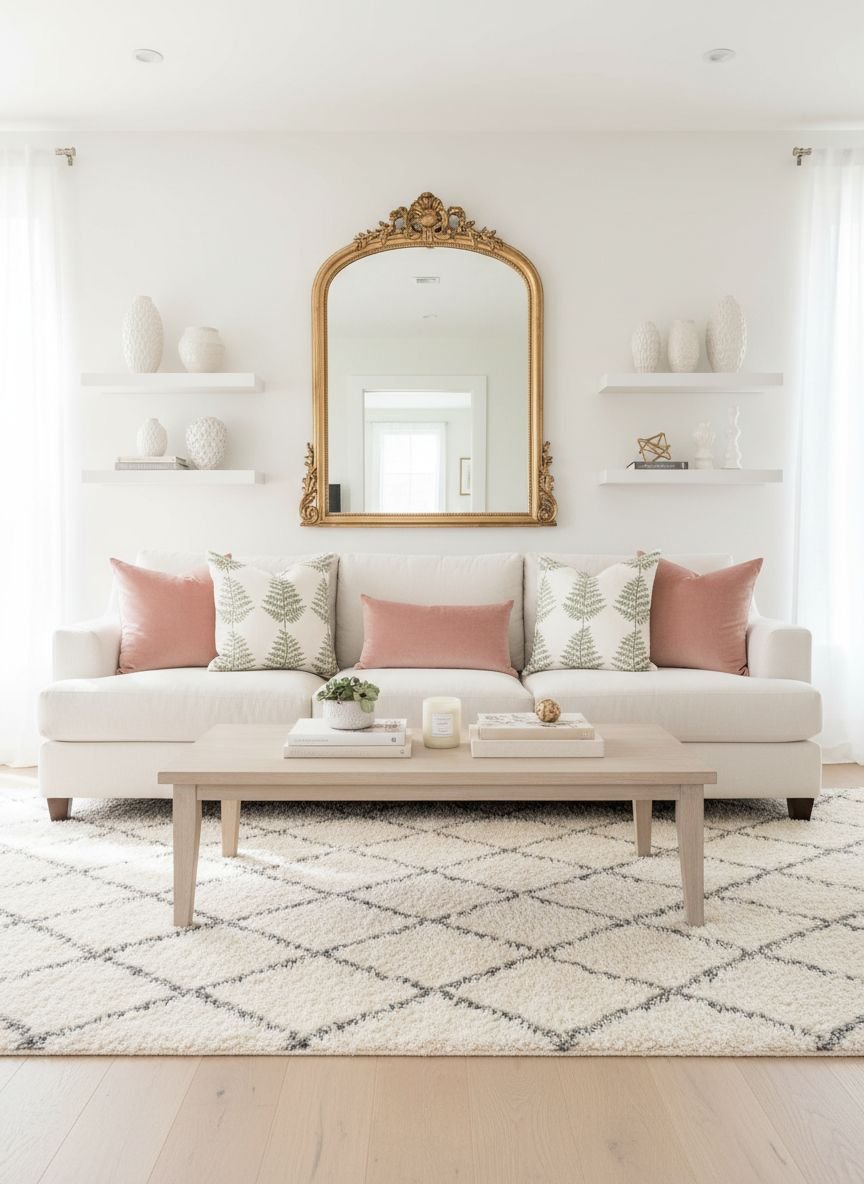
Mirrors are the oldest trick in the designer’s book for a reason: they double the visual space and amplify natural light. Placing a large, floor-length mirror opposite a window bounces sunlight deep into the room, making a dark, north-facing room feel bright and airy. This is one of the most effective problem-solving techniques for small or boxy apartments.
Move beyond the standard rectangular mirror. Arched, round, or organic “blob” shapes are trending heavily because they break up the rigid straight lines of windows, door frames, and cabinets. A large round mirror above a fireplace or console table acts as a “softener,” adding fluidity to the room’s architecture.
Pro Tip: Be mindful of what the mirror reflects. Position it so it reflects a beautiful view, a piece of art, or a light fixture, rather than a cluttered corner or a blank ceiling.
Comparison: Paint Finishes for Living Rooms
| Finish Type | Best Used For | Pros | Cons |
|---|---|---|---|
| Matte / Flat | Walls, Ceilings | Hides imperfections, velvety rich look, modern. | Hard to clean, scuffs easily. |
| Eggshell | High-Traffic Walls | Subtle sheen, washable, durable. | Shows slightly more texture than matte. |
| Satin | Trim, Doors, Cabinets | distinct glow, very durable, easy to scrub. | Highlights bumps or cracks in wood. |
| Semi-Gloss | Windows, Moldings | High contrast against matte walls, moisture resistant. | Very shiny, reflects every flaw. |
Flowers
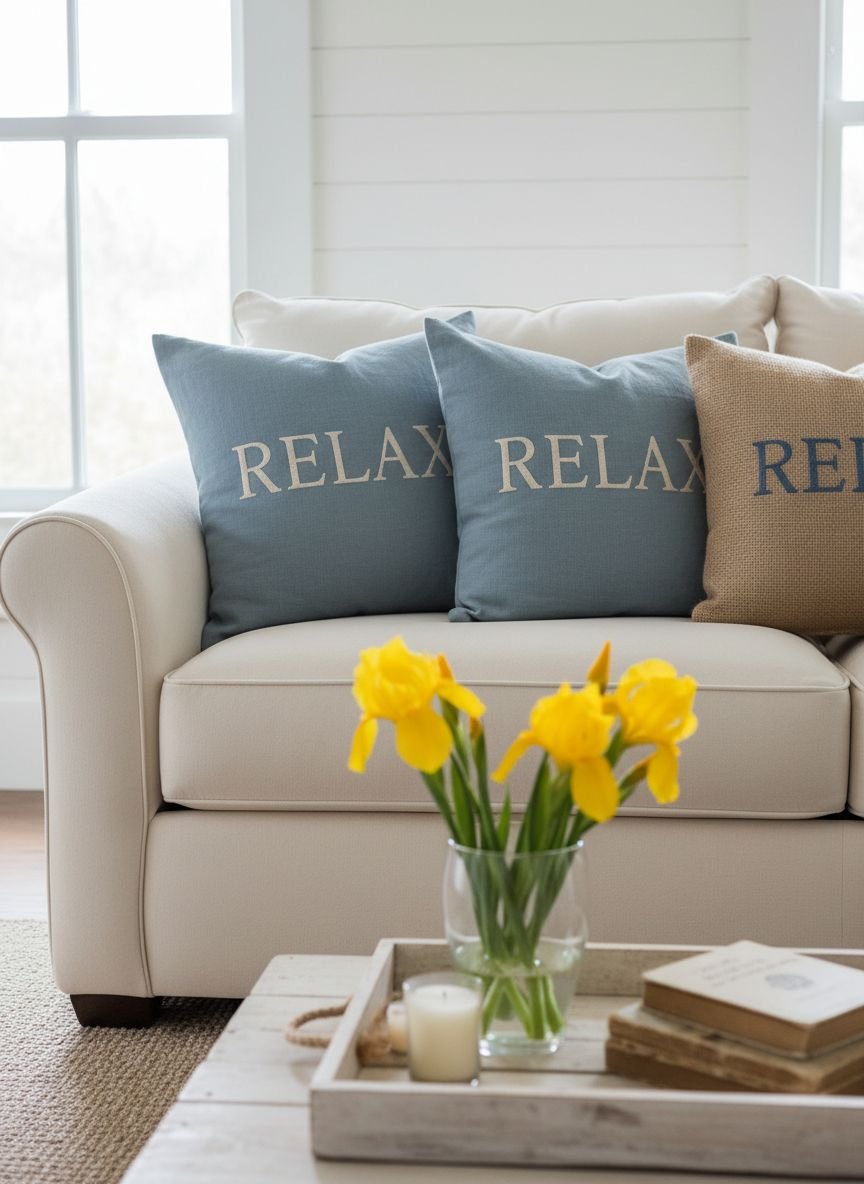
Biophilic design—the concept of bringing the outdoors in—is essential for a living room that feels alive. Fresh flowers or high-quality greenery add a sculptural element and a pop of color that no manufactured object can replicate. You don’t need expensive bouquets; simple structural stems like eucalyptus, olive branches, or cherry blossoms in a tall ceramic vase create a dramatic, modern living room decor statement.
For a more permanent solution, invest in a large indoor tree like a Ficus Audrey or a Bird of Paradise. Place it in an empty corner to soften the sharp angles of the room and add vertical height. The organic shapes of leaves provide a necessary contrast to the square edges of sofas, rugs, and tables.
Pro Tip: If you use faux plants, mix them with real dried moss at the base. This small detail tricks the eye and makes the entire arrangement look authentic.
Save this idea to your Pinterest.
Hardwood Floor
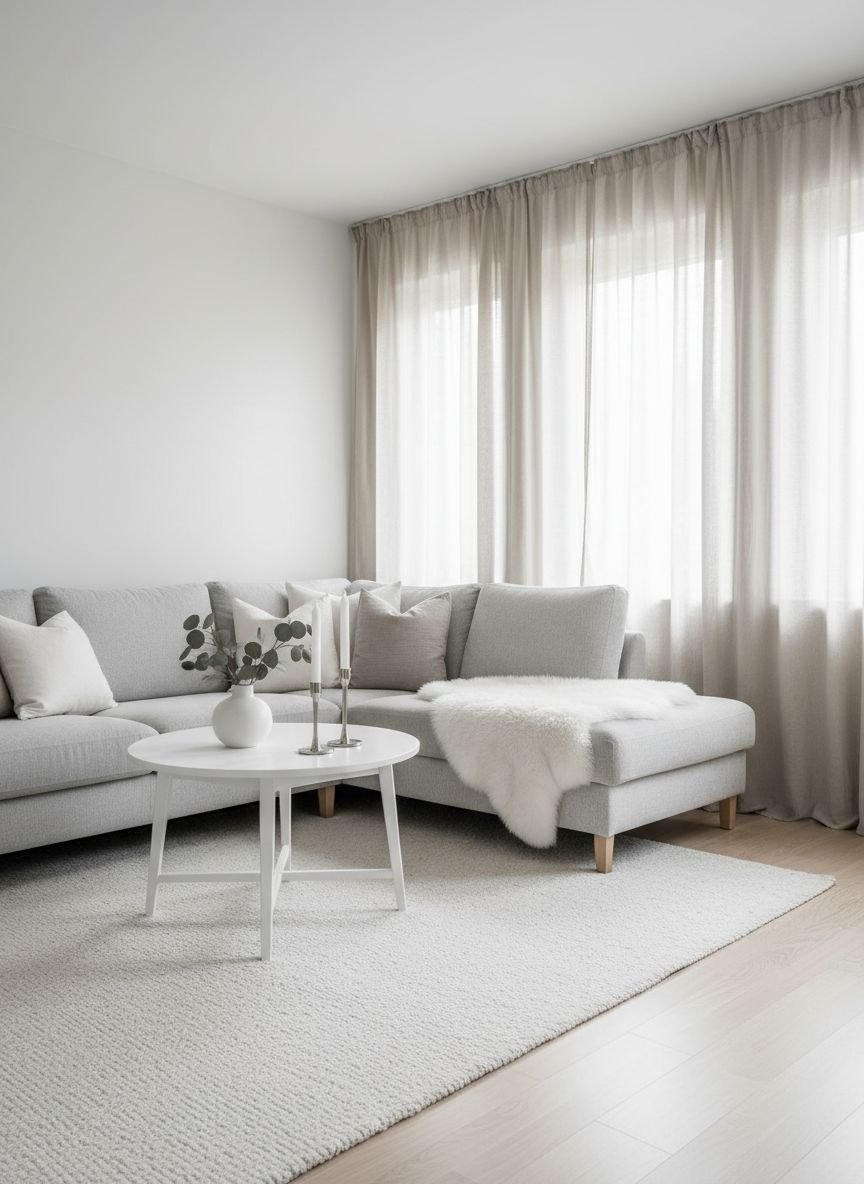
Your flooring is the canvas upon which the rest of the room sits. While you might not be able to replace your floors, you can control how they are perceived. If you have hardwood floors, show them off, but anchor them with the right rug. A common mistake is covering beautiful oak or walnut floors with a rug that is too small, which makes the room look disjointed and “cheap.”
The rug should be large enough that at least the front legs of all furniture pieces sit on it. This physically connects the furniture, creating a cohesive “zone.” If your hardwood is worn or dated, consider refinishing it in a matte, natural stain rather than a high-gloss orange-toned varnish. The trend for 2026 is raw, desaturated wood tones that feel earthy and Scandinavian.
Pro Tip: If you have wall-to-wall carpet that you can’t remove, layer a large area rug right on top of it. A thick jute or wool rug over carpet adds a layer of sophistication and defines the seating area.
Related posts :
- 12 Stunning Modern Living Room Ideas to Transform Your Space
- 16 Stunning Beige Living Room Ideas That Instantly Create a Cozy…
- 15 Jaw-Dropping Living Room Dreams That Will Instantly Upgrade…
Window Treatments
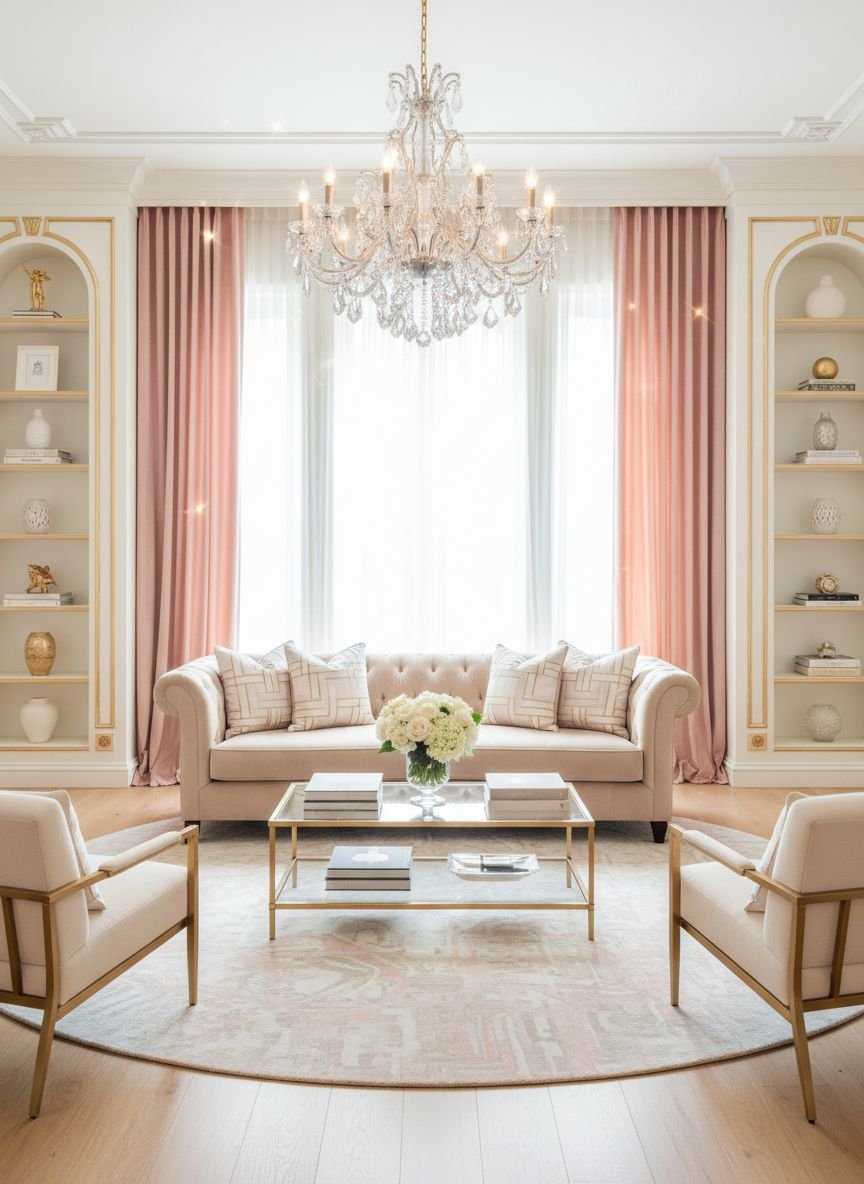
Windows are the eyes of the room, and treatments are the eyeliner—they define the shape and control the light. Naked windows can make a room feel cold and unfinished. To make your living room stand out, hang your curtains high and wide. Install the curtain rod 4-6 inches above the window frame (or all the way to the ceiling) and extend it 6-10 inches past the frame on either side.
This trick instantly makes your ceilings look higher and your windows look wider, allowing maximum natural light to flood in when the curtains are open. Avoid flimsy, transparent fabrics. Opt for linen blends or velvet drapes that have weight and movement. The “puddle” effect (where curtains gather slightly on the floor) adds a touch of romantic luxury, while a “kiss” (barely touching the floor) looks tailored and clean.
Pro Tip: Layer your window treatments. Use bamboo shades or sheer roller blinds for privacy and light filtering, then frame them with soft drapery panels for texture and warmth.
Less is Better
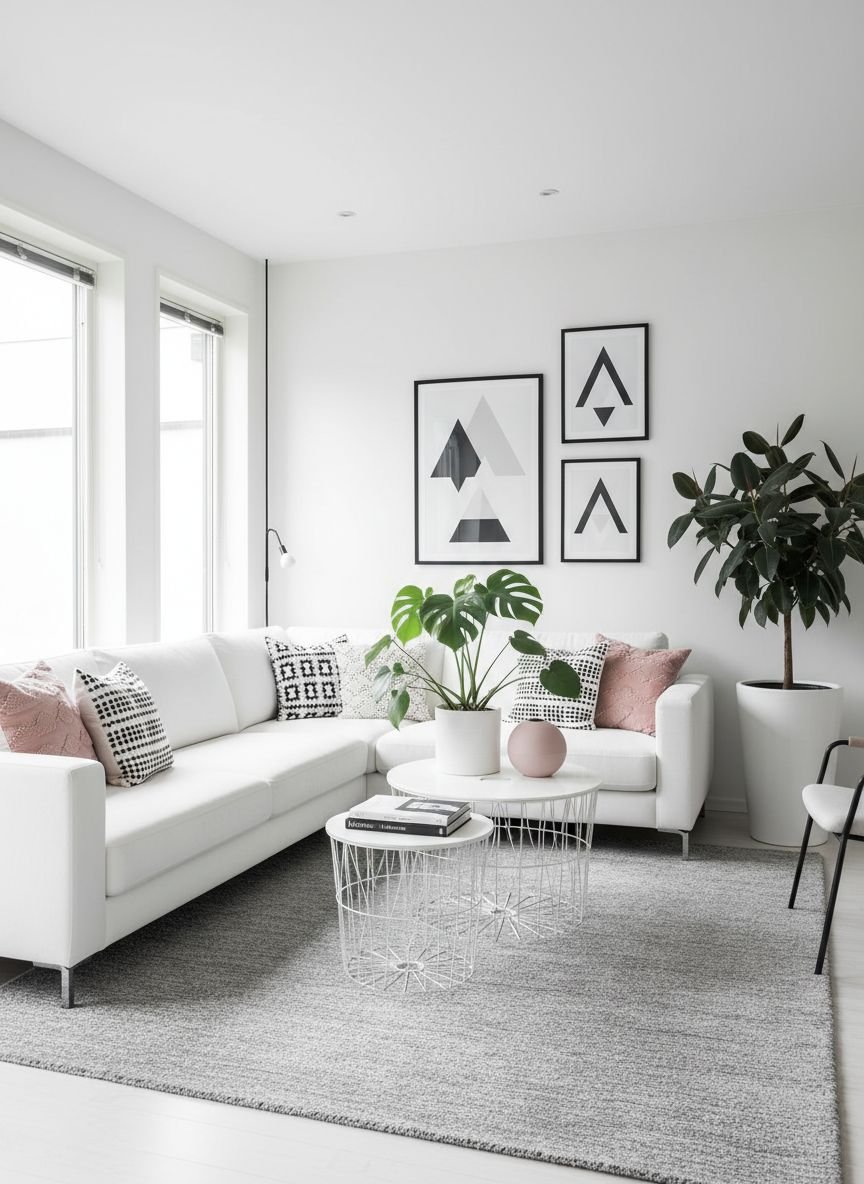
“Negative space” is a design element as important as the furniture itself. A room packed with clutter, knick-knacks, and bulky furniture feels chaotic and stressful. Adopting a minimalist interior design mindset doesn’t mean living in an empty white box; it means curating your possessions so that every item has breathing room.
Edit your decor ruthlessly. Instead of displaying 20 small trinkets on a bookshelf, choose three large, sculptural pieces. Group small items on a tray to reduce visual noise. When you clear surfaces, you allow the eye to rest and appreciate the architecture of the room and the quality of the pieces you do have. This approach makes the room feel larger, cleaner, and significantly more intentional.
Pro Tip: Use the “one in, one out” rule. If you buy a new piece of decor, donate or store an old one to maintain the equilibrium of the space.
Cleanness
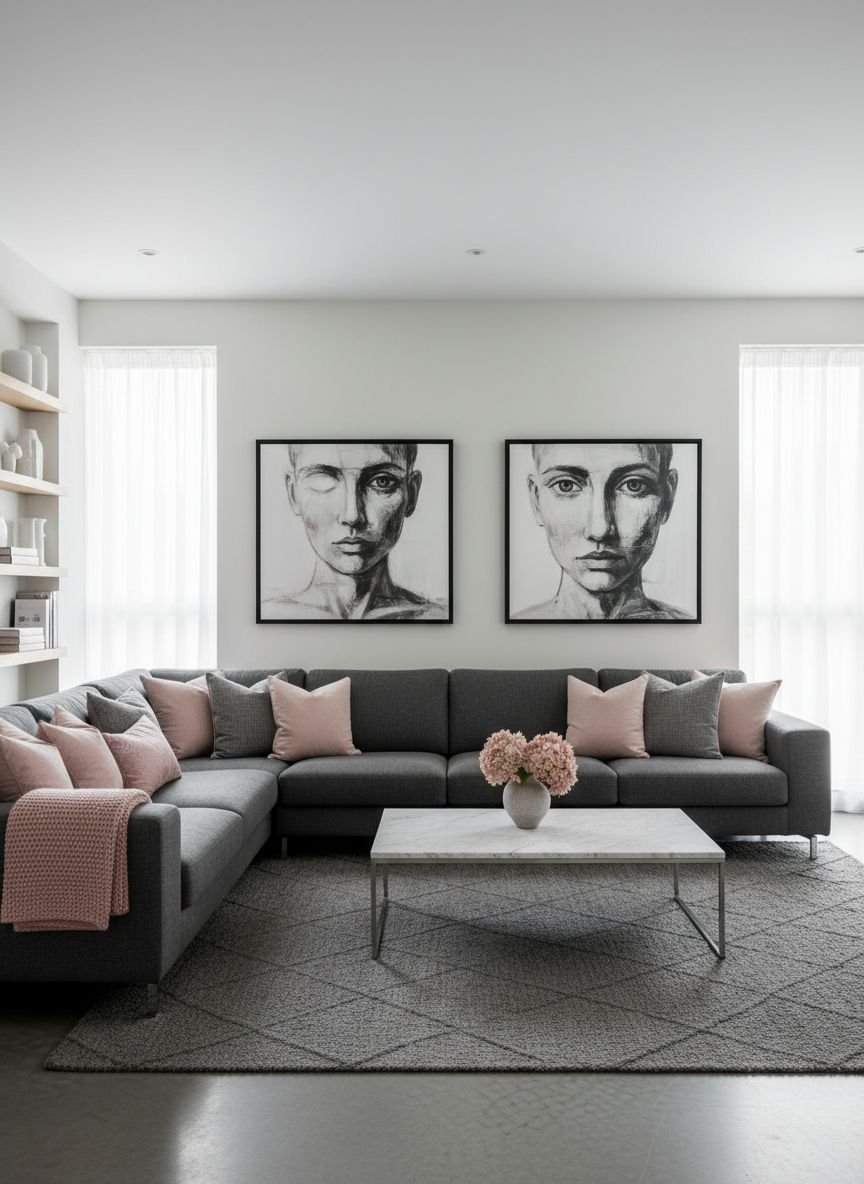
The most beautiful design in the world falls flat if the room feels messy or grimy. Cleanliness is the final polish that makes a living room stand out. This goes beyond basic dusting. It involves “visual cleaning”—hiding the ugly mechanics of modern life. Visible cords, routers, and remotes are visual static that disrupts the peace of a room.
Invest in cord management systems to hide wires behind consoles or run them along baseboards. Use decorative boxes or baskets to stash remotes, gaming controllers, and toys. Ensure your upholstery is stain-free and your windows are crystal clean. A sparkling, organized room feels luxurious regardless of the budget because it shows that the space is cared for and respected.
Pro Tip: Use a “cord concealer” kit that matches your wall color to run TV wires down the wall if you can’t put them behind the drywall. It makes a massive difference in the sleekness of your media wall.
Popular Asked Questions
How can I make my living room look expensive on a budget?
Focus on contrast, texture, and scale. Paint your walls a sophisticated color (like a warm beige or moody green), declutter aggressively, and upgrade your lighting. Swap out small, cheap rugs for a large one that anchors the room, and replace standard throw pillows with textured, down-filled ones.
What are the living room trends for 2026?
The biggest trends include “biophilic design” (lots of plants and natural materials), curved furniture (sofas and chairs with soft, organic lines), and warm, earthy color palettes (terracotta, olive, rust) replacing the cool grays of the past decade.
How do I arrange furniture in a small living room?
Float your furniture. Even in a small space, pulling the sofa a few inches away from the wall creates a sense of airiness. Use multi-functional furniture like ottomans with storage, and use vertical space with tall bookshelves or floor-to-ceiling curtains to draw the eye up.
What is the most common living room design mistake?
The most common mistake is choosing a rug that is too small. A small rug makes the room look disjointed and cheap. Ensure your rug is large enough that the front legs of all your seating furniture sit comfortably on it.
Conclusion
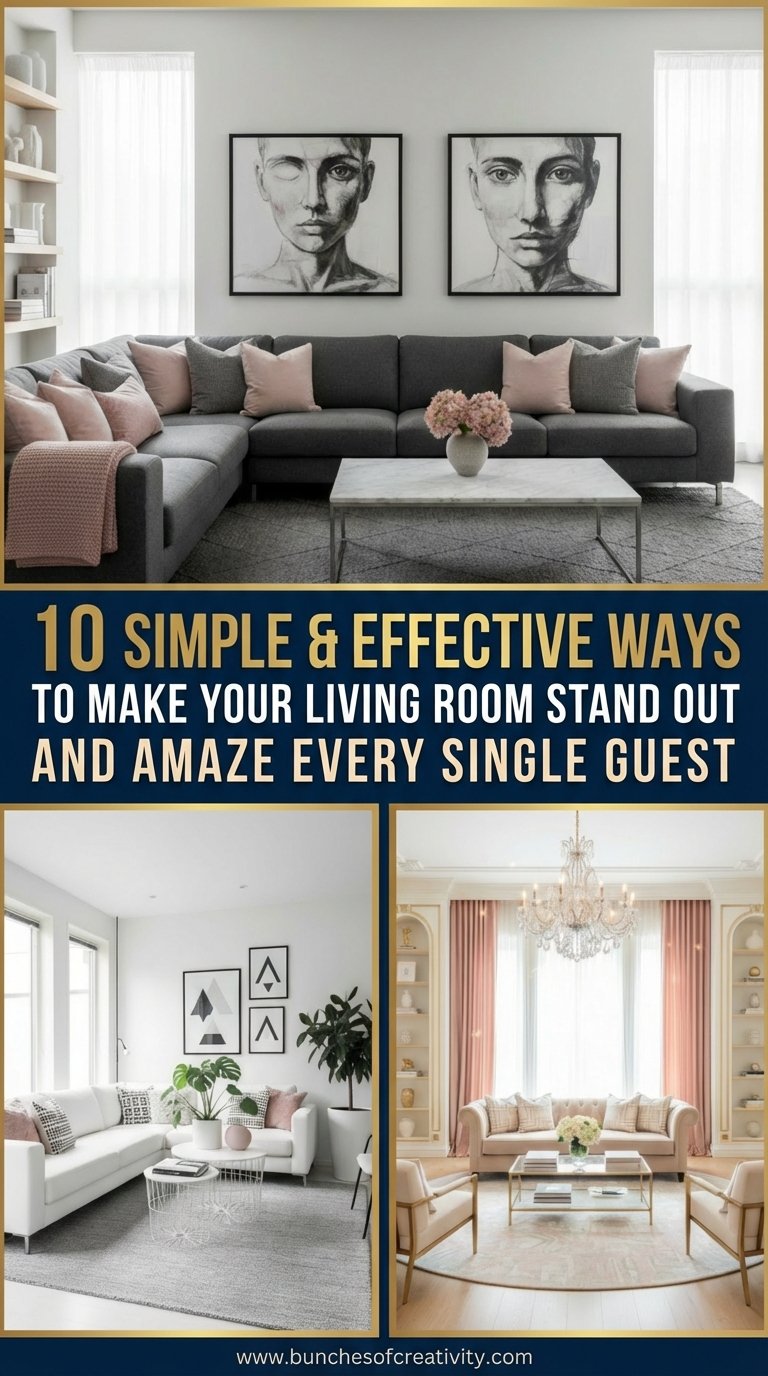
Making your living room stand out isn’t about buying the most expensive furniture; it’s about mastering the art of balance, light, and texture. By applying these 10 principles—from the height of your curtains to the placement of your pillows—you can transform a standard room into a breathtaking sanctuary that reflects your personal style.


Leave a Comment