
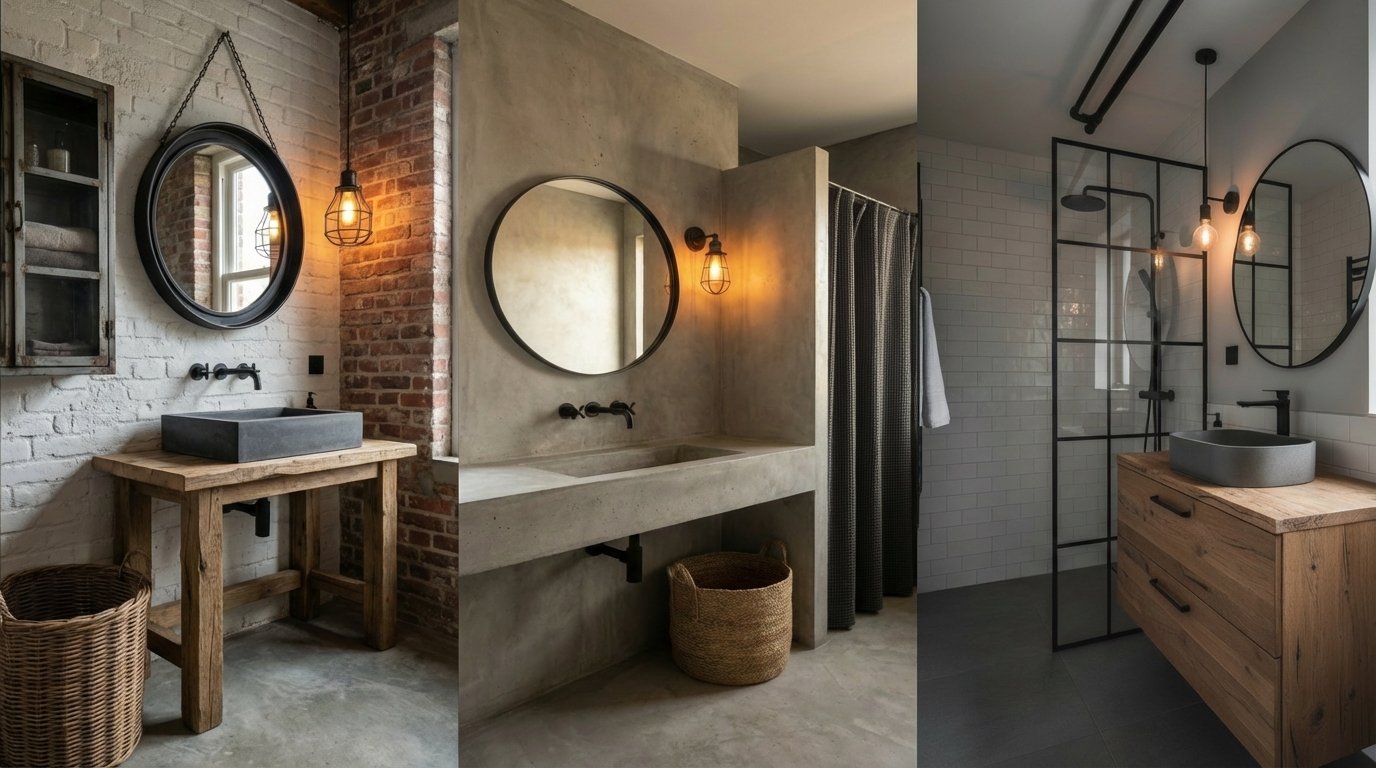
Industrial design has evolved from converted warehouses to one of the most sought-after interior styles for modern homes. You do not need a loft in Brooklyn to achieve this look. This aesthetic is about celebrating the “bones” of a building. It highlights raw materials, utilitarian fixtures, and a monochrome palette to create a space that feels both edgy and sophisticated.
If you are tired of cookie-cutter bathrooms and want a space with character, this trend is your answer. It solves the problem of “precious” design by embracing durability and imperfection. Whether you are working with a small powder room or a master ensuite, these ideas will help you balance the raw with the refined.
Key Takeaways
- Celebrate Imperfection: Exposed pipes, distressed wood, and concrete are features, not flaws.
- High Contrast is Key: Mix matte black fixtures with white subway tiles or warm wood with cool metal.
- Function First: The aesthetic is rooted in utility, so choose durable materials that age well.
- Lighting Matters: Edison bulbs and caged pendants define the mood more than any other accessory.
- Texture over Color: Rely on tactile surfaces like brick and stone rather than bright paint colors.
Table of Contents
- Embrace Exposed Pipes
- Use Concrete as a Focal Material
- Add a Metal-Framed Mirror
- Incorporate Edison Bulb Lighting
- Install Subway Tiles with Dark Grout
- Choose a Black-Framed Glass Shower Enclosure
- Mix in Reclaimed Wood Accents
- Opt for Industrial-Inspired Hardware
- Add a Freestanding Metal Tub
- Use Raw Brick or Brick-Effect Walls
- Go for a Monochrome Palette
- Include a Caged or Wire Pendant Light
- Add a Vintage or Salvaged Cabinet
- Install Matte Black Fixtures
- Layer in Soft Industrial Textures
- Popular Asked Questions
- Conclusion
Embrace Exposed Pipes
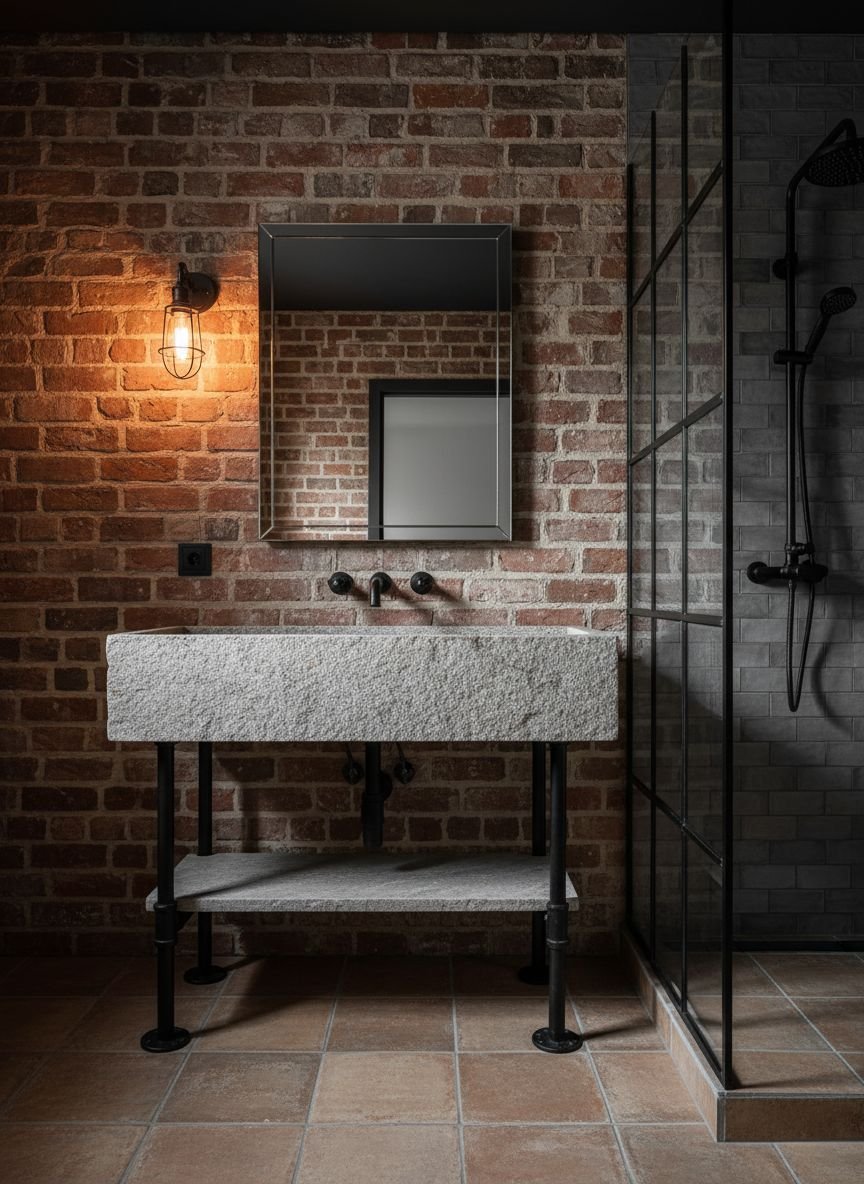
In traditional design, plumbing is something to be hidden behind drywall or cabinetry. In an industrial bathroom, however, exposed pipes are a badge of honor. Copper or galvanized steel piping adds a sculptural element to the room. This look works exceptionally well under sink vanities or as a custom shower system where the water lines run visibly up the wall.
To implement this, you can opt for a “skeleton” vanity that uses metal piping as legs. The contrast between the shiny metallic finish of copper and a matte wall creates immediate visual interest. It turns a functional necessity into a decorative feature. If you are renovating, ask your plumber to keep the supply lines visible and polish them to a high shine.
Pro Tip: To prevent copper from tarnishing too unevenly, you can seal it with a clear metal lacquer, or let it patina naturally for a more rugged look.
Use Concrete as a Focal Material
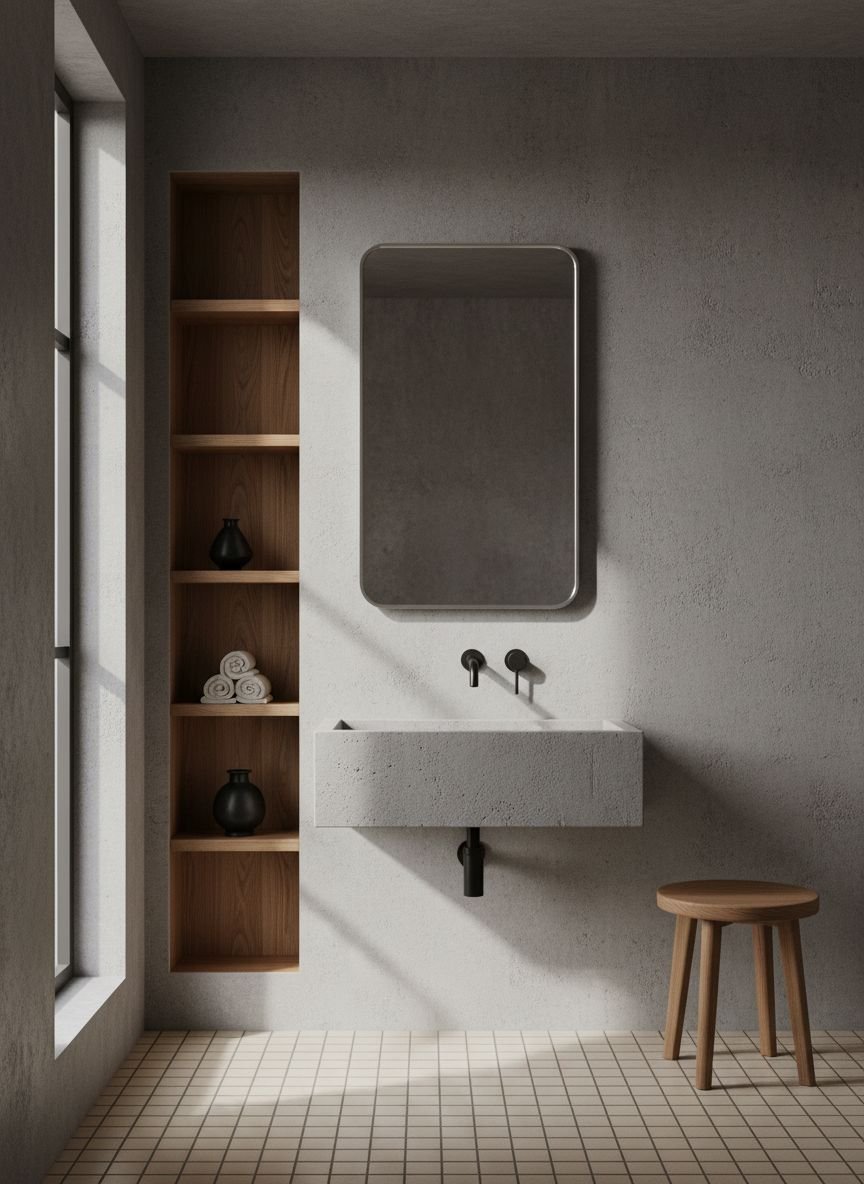
Concrete is the foundation of the industrial aesthetic. Its cool, grey tone provides a neutral canvas that allows other elements like wood and metal to pop. You can introduce concrete in various ways, from a poured concrete floor to a custom cast sink or countertop. Unlike porcelain, concrete has a tactile quality that feels substantial and permanent.
Visually, concrete grounds the space. If a full concrete floor feels too cold or expensive, consider large-format concrete-effect tiles. These give you the look without the need for sealing and maintenance associated with real cement. Pair this material with fluffy white towels or a wooden bath mat to counteract the hardness and add a touch of spa-like comfort.
Pro Tip: If you cast a concrete countertop, ensure it is sealed with a high-quality penetrating sealer to prevent stains from toothpaste or soap.
Add a Metal-Framed Mirror
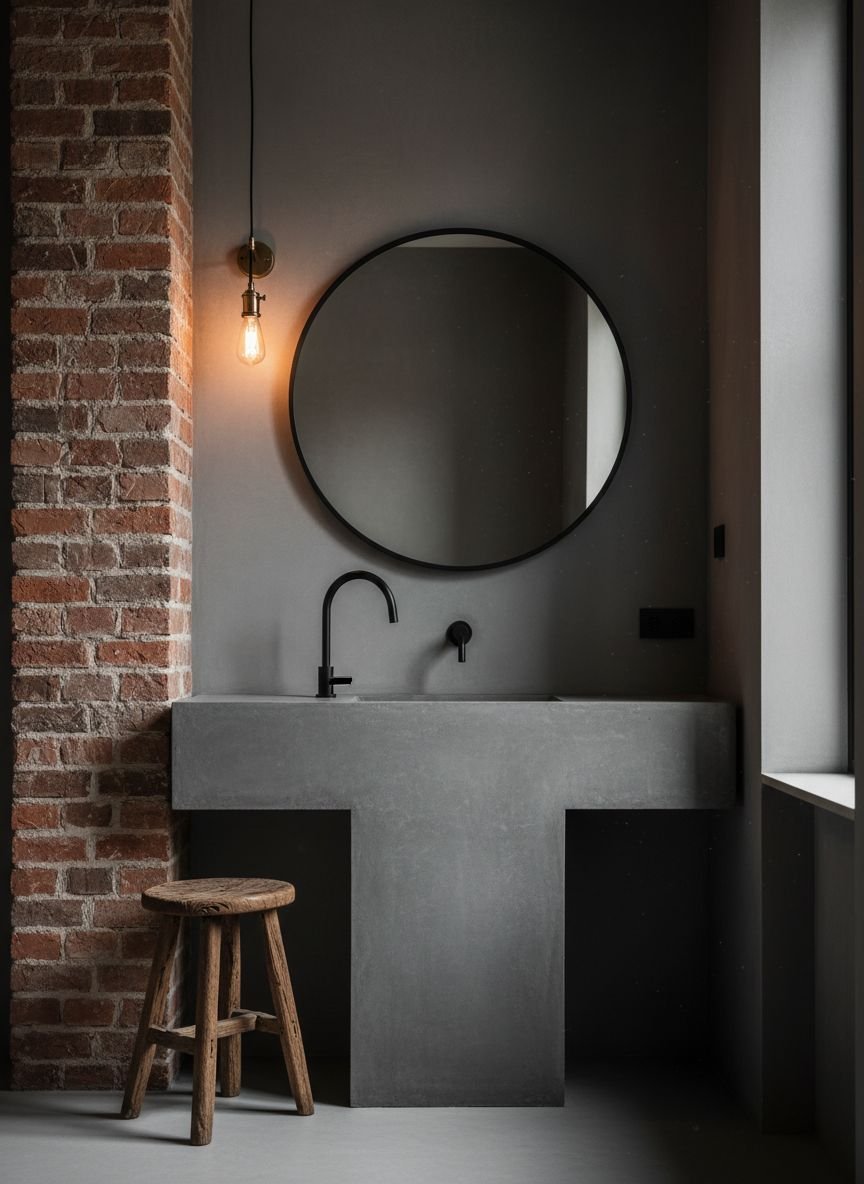
A mirror is more than just a reflective surface; it is an anchor for your vanity area. A black metal-framed mirror is a staple of industrial design. The thin, dark border creates a sharp graphic line against the wall, defining the space. You can choose a rectangular shape for a modern, structured look, or a round mirror to soften the angular lines of subway tiles and square sinks.
The beauty of this element lies in its simplicity. It does not scream for attention but quietly ties the room together. For a more authentic vintage vibe, look for a mirror with a distressed metal finish or visible welding joints. This small detail adds to the “warehouse” narrative of the design.
Pro Tip: Hang two identical mirrors over a double vanity to create symmetry and make a small bathroom feel twice as large.
Incorporate Edison Bulb Lighting
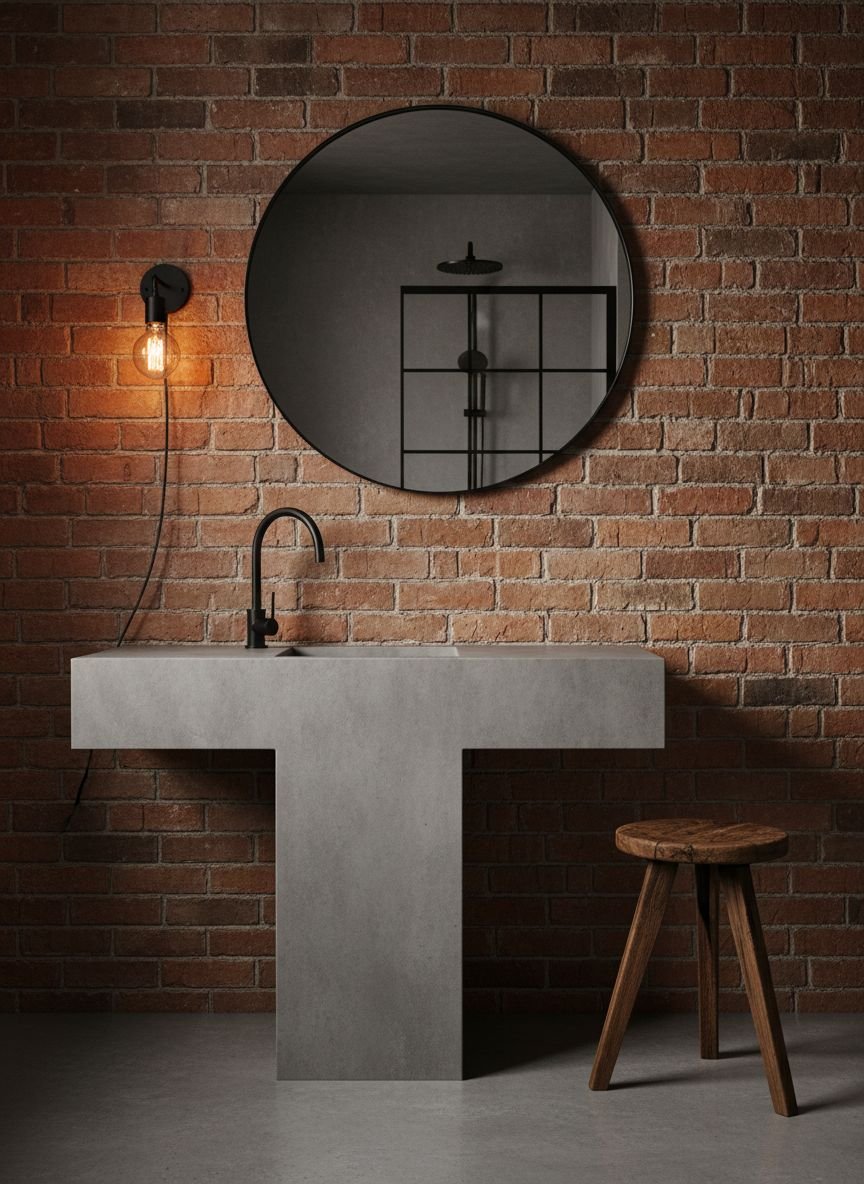
Lighting sets the mood, and nothing says “industrial” quite like the warm amber glow of an Edison bulb. These bulbs feature visible filaments that mimic early 20th-century technology. They are best displayed in clear glass fixtures or simple wire cages where the bulb itself is the star.
The warm light from these bulbs softens the harshness of concrete and metal, making the bathroom feel inviting rather than sterile. You can install them as vanity sconces flanking your mirror or as a cluster of pendants hanging in the corner. Be mindful that Edison bulbs often emit a softer light, so you may need recessed lighting for task areas like makeup application.
Pro Tip: Look for LED vintage-style bulbs. They mimic the look of the old filaments but use a fraction of the energy and do not get hot to the touch.
Install Subway Tiles with Dark Grout
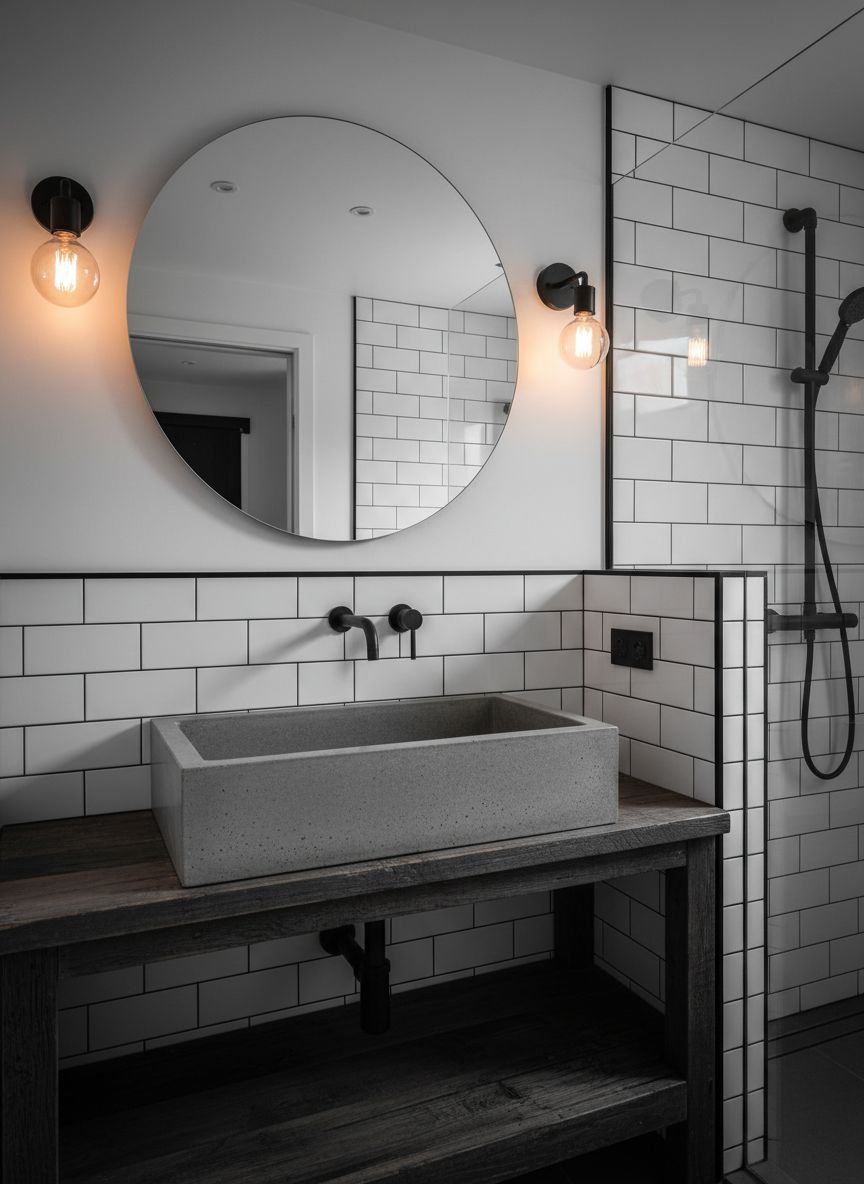
Subway tiles are a classic choice, but the industrial twist comes from the grout. Instead of matching white grout, use a dark grey or black grout. This high-contrast look highlights the geometric pattern of the brick layout and gives the walls a graphic, grid-like appearance. It is reminiscent of old subway stations and public washrooms from the turn of the century, but with a cleaner, modern finish.
This technique is also incredibly practical. Dark grout does not show dirt or discoloration as easily as white grout, making it perfect for high-moisture areas like showers. You can tile the entire wall from floor to ceiling to maximize the impact and protect your walls from moisture.
Pro Tip: For a more modern edge, stack the subway tiles vertically instead of the traditional brick pattern. This draws the eye up and makes the ceiling feel higher.
Save this idea to your Pinterest.
Comparison: Concrete vs. Tile Flooring
| Feature | Polished Concrete | Large Format Tiles |
|---|---|---|
| Aesthetic | Seamless, raw, authentic industrial look | Clean, structured, mimics concrete or stone |
| Durability | Extremely high, but can crack over time | High, individual tiles can be replaced |
| Maintenance | Needs regular sealing, stains possible | Easy to clean, grout lines need scrubbing |
| Warmth | Can be cold underfoot (works with radiant heat) | Cold underfoot (works with radiant heat) |
| Cost | High initial install, low material cost | Moderate material and install cost |
Related posts :
- 13 Lush Bathroom Plants for Every Space: From No Sunlight to Small Bathrooms
- 14 Easy to Make DIY Outdoor Sink Ideas to Upgrade Your Garden that Actually Work
- 10 Earthy Boho Kitchen Ideas That Instantly Make Your Home Feel Warm and Organic
Choose a Black-Framed Glass Shower Enclosure
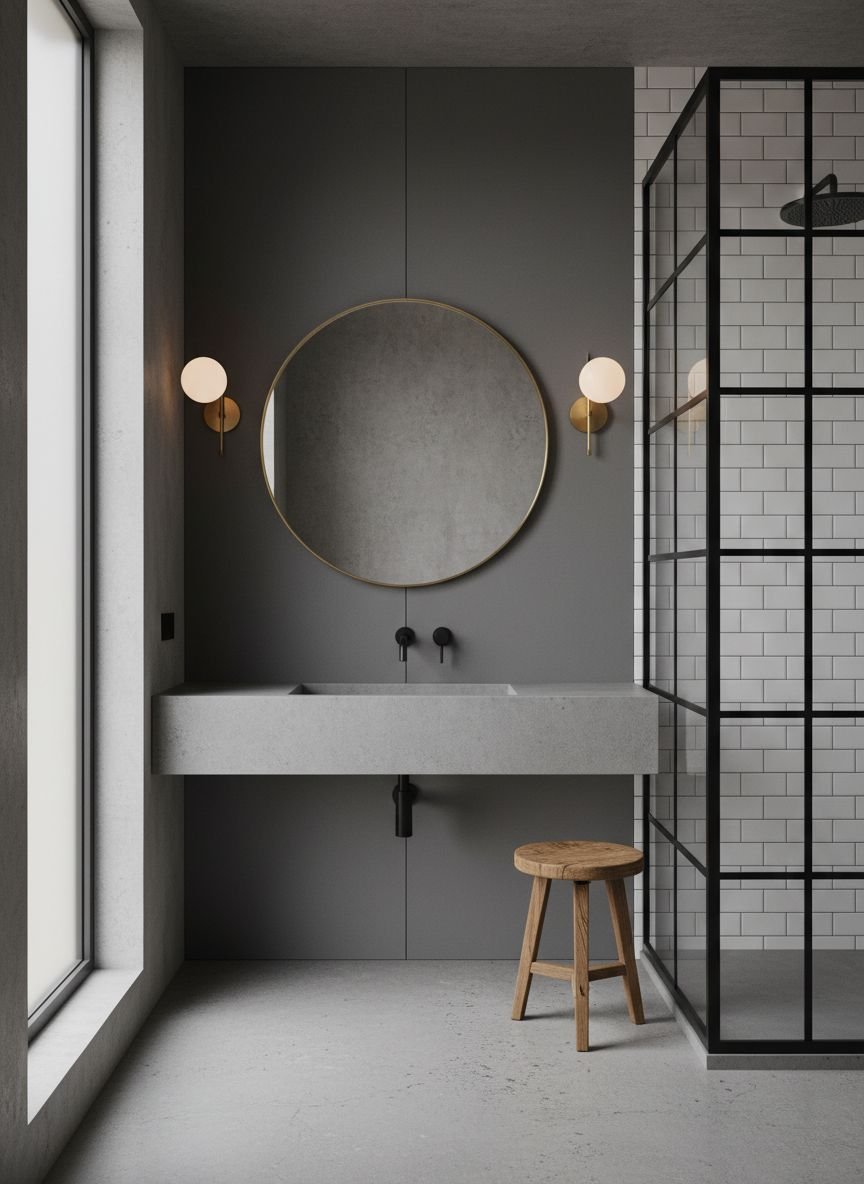
Gone are the days of frameless glass being the only luxury option. The Crittall-style shower screen, characterized by a grid of black metal framing, is the ultimate statement piece for an industrial bathroom. The grid pattern mimics factory windows, adding architectural interest to the room without blocking light.
This design element works as a room divider that separates the wet area while keeping the visual flow open. The bold black lines frame the shower interior, turning your tile work and fixtures into a display case. It pairs beautifully with white subway tiles or a concrete backdrop.
Pro Tip: Ensure the metal grid is on the outside of the glass or encased within it. This makes cleaning the inside of the shower much easier since you can squeegee a smooth surface.
Mix in Reclaimed Wood Accents
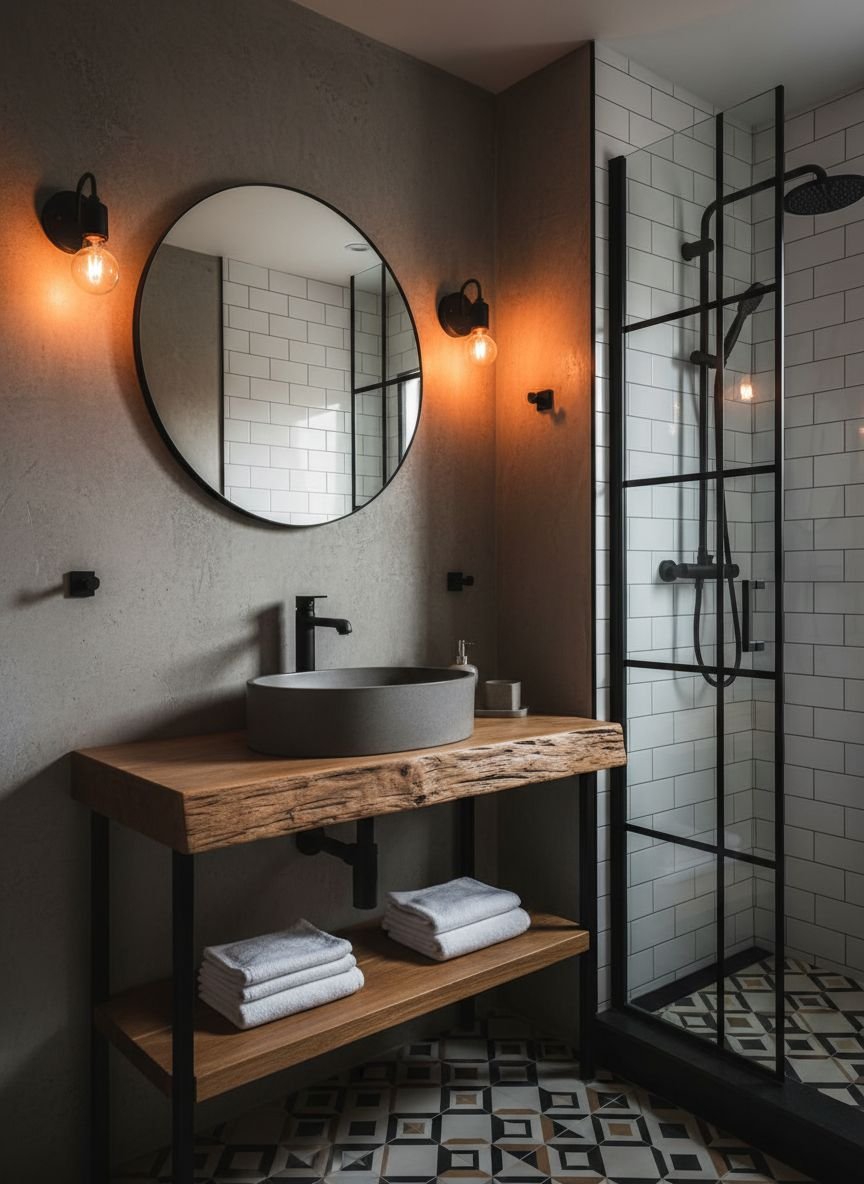
Industrial design can risk feeling cold if you rely solely on metal and stone. Reclaimed wood is the perfect antidote. The rough texture, knots, and warm tones of aged timber bring history and organic warmth to the space. Use it for open shelving, a vanity countertop, or even a feature wall.
The juxtaposition of rough wood against smooth tile or cool concrete creates a balanced, layered look. It softens the hard edges and makes the bathroom feel like a habitable space rather than a sterile clinic. Ensure any wood used near water is properly sealed with a marine-grade varnish to prevent warping or rot.
Pro Tip: Use reclaimed scaffolding boards for chunky, rustic open shelves above the toilet or vanity.
Opt for Industrial-Inspired Hardware
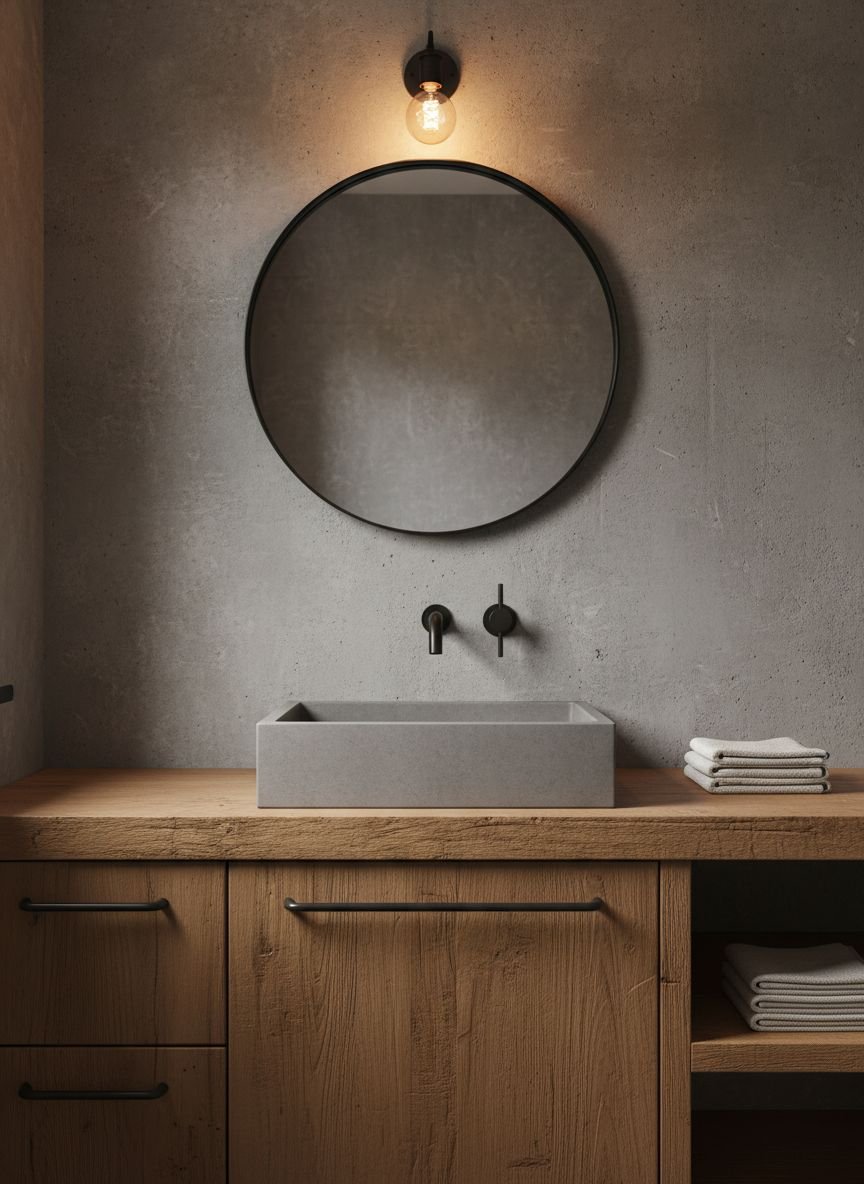
The devil is in the details. Swap out standard chrome faucets for hardware that looks like it belongs in a machine shop. Look for wheel handles (reminiscent of outdoor spigots), cross handles, or pipe-style faucets. Matte black, brushed nickel, or unlacquered brass are the finishes of choice.
These fixtures should feel heavy and substantial in your hand. The gear-like aesthetic of wheel handles adds a tactile, mechanical element to the daily ritual of washing your hands. It is a small change that significantly reinforces the overall theme of the room.
Pro Tip: Consistency is key. Match your faucet finish to your towel bars, toilet paper holder, and shower trim for a cohesive look.
Add a Freestanding Metal Tub
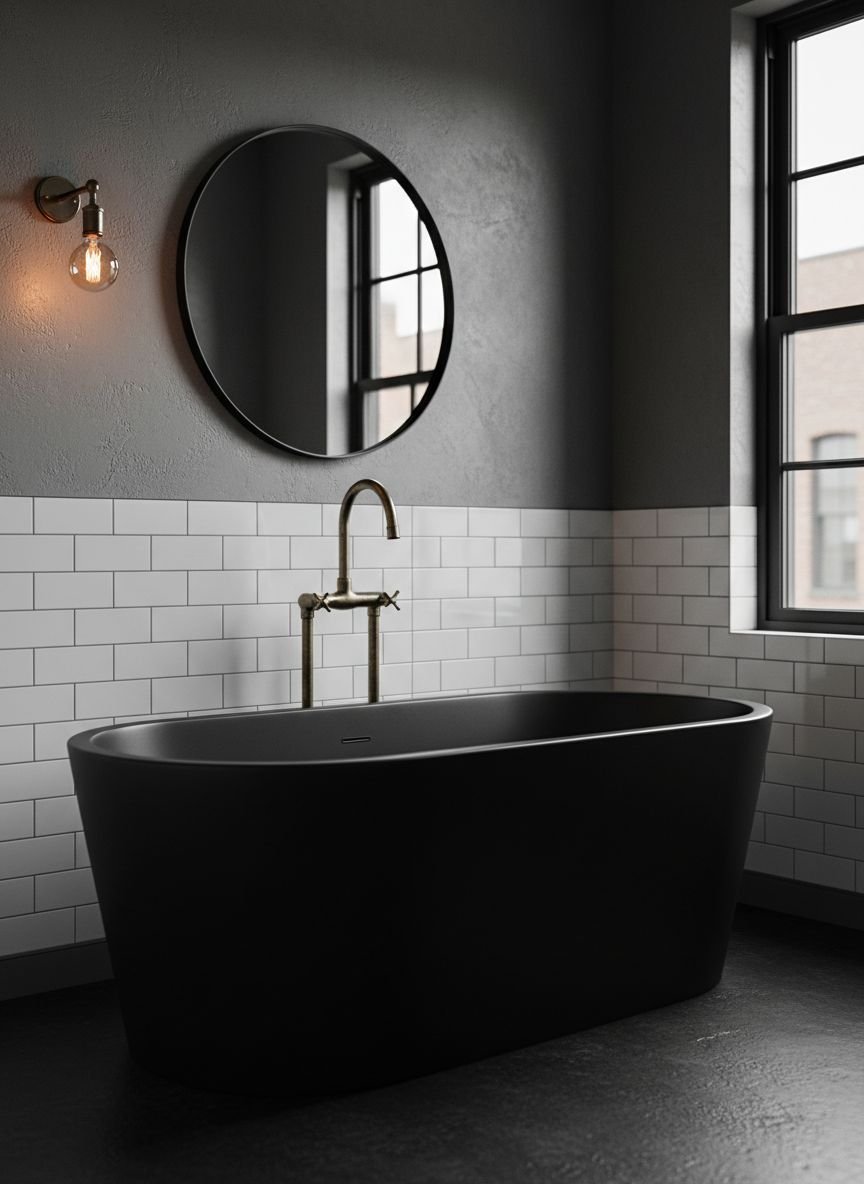
If you have the space, a freestanding metal tub is the crown jewel of an industrial bathroom. A copper bathtub, polished to a shine or left to patina, becomes an instant focal point. Alternatively, a painted cast iron tub or a stainless steel soaking tub can achieve a similar effect.
These tubs are sculptural and command attention. They evoke the feeling of old-world luxury mixed with utilitarian function. Placing a metal tub against a dark, moody wall or a brick backdrop creates a dramatic scene that looks straight out of a high-end design magazine.
Pro Tip: Metal tubs retain heat differently than acrylic. Copper is excellent at conducting heat, keeping your bath water warm for longer.
Use Raw Brick or Brick-Effect Walls
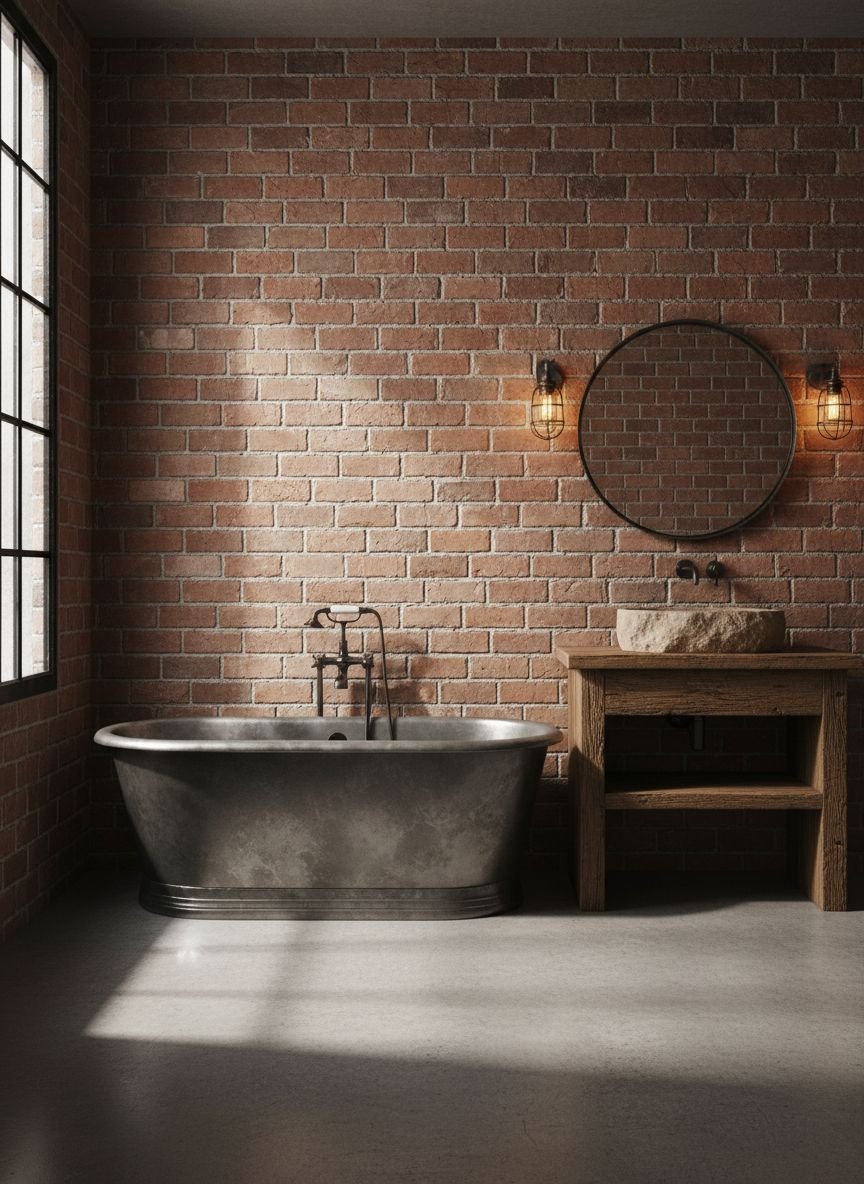
Exposed brick is synonymous with loft living. If your home has original brick walls hidden behind plaster, exposing them can transform the room. The red, brown, and tan tones of the brick add immediate warmth and texture. The rough surface contrasts beautifully with smooth porcelain sinks and glass mirrors.
If you do not have real brick, do not worry. High-quality brick slips (thin slices of real brick) or textured brick-effect wallpaper can mimic the look convincingly. You can paint the brick white for a cleaner, “Scandi-industrial” vibe, or leave it raw for an authentic warehouse feel.
Pro Tip: If using real brick in a bathroom, apply a matte masonry sealer. Brick is porous and can absorb moisture and odors if left untreated.
Save this idea to your Pinterest.
Get The Look: Industrial Essentials
- Materials: Concrete, Subway Tile, Reclaimed Wood, Brick.
- Metals: Matte Black, Brushed Brass, Copper, Galvanized Steel.
- Colors: Charcoal, Slate Grey, Crisp White, Rust, Deep Navy.
- Textures: Rough timber, smooth glass, gritty grout, polished cement.
Go for a Monochrome Palette
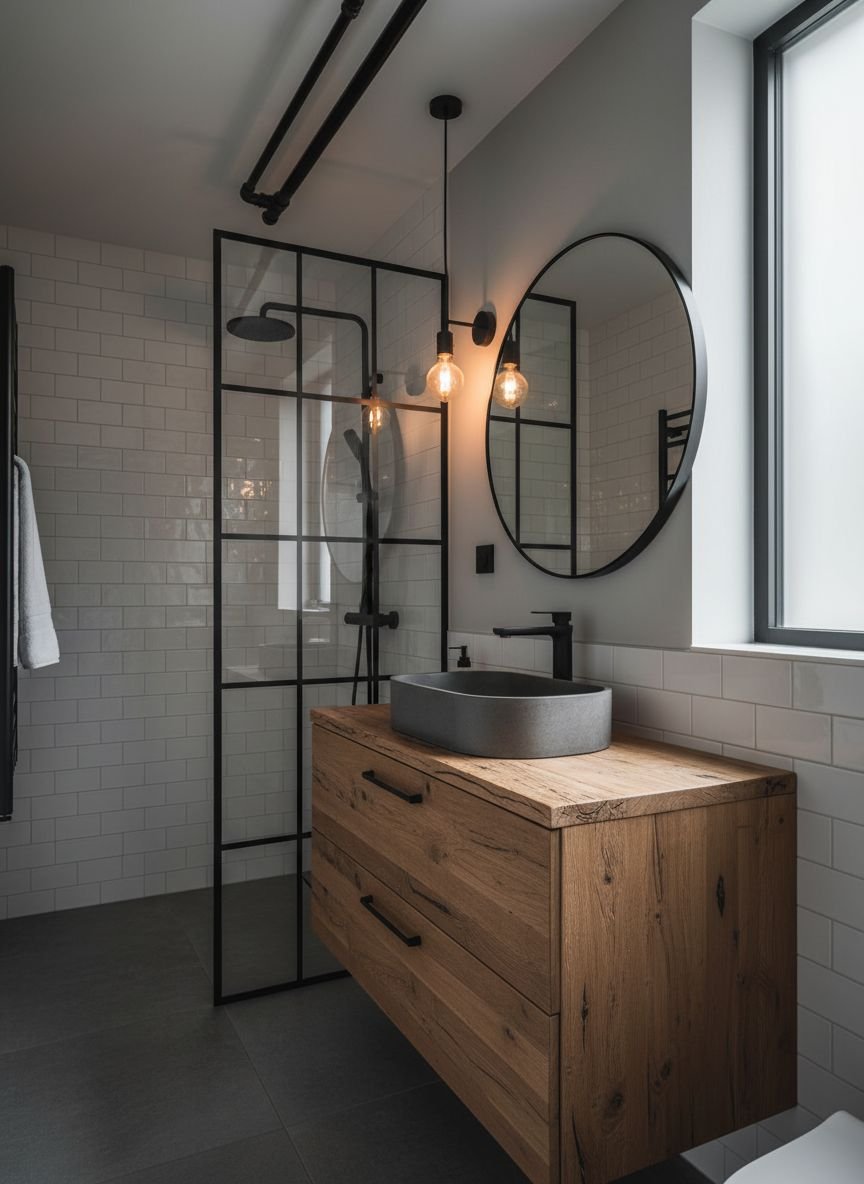
Industrial design thrives on a restrained color palette. Stick to shades of black, white, and grey. This monochrome approach allows the textures of your materials to take center stage. A black and white bathroom is timeless, but in an industrial context, it feels sharp and graphic.
You can add depth by using different shades of grey, from pale mist to deep charcoal. Use black as an accent color for framing, hardware, and light fixtures. White should be used to bounce light around the room, keeping it from feeling dungeon-like. The lack of bright colors emphasizes the architectural forms within the space.
Pro Tip: Add texture to your monochrome palette. A fluffy white rug or a waffle-weave grey towel adds interest without breaking the color scheme.
Include a Caged or Wire Pendant Light
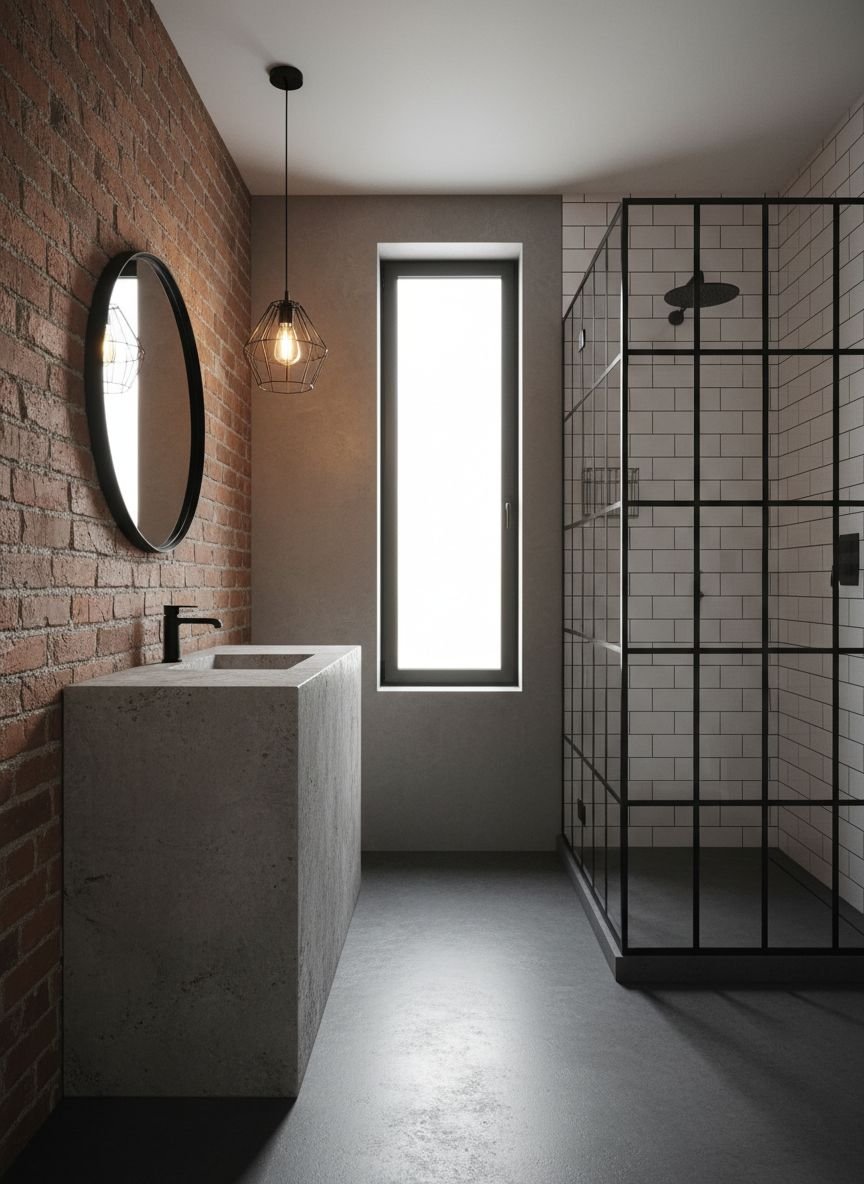
Beyond the bulb itself, the fixture plays a huge role. Wire cage pendants are iconic in industrial design. They protect the bulb—a nod to their factory origins where lights needed guarding from flying debris—and cast interesting shadows on the ceiling and walls.
Hang a single large caged pendant in the center of the room, or cluster smaller ones at different heights in a corner. The wire frame adds a geometric element that complements the lines of your tile and shower enclosure. Black wire is the most common, but copper or brass cages can add a metallic pop.
Pro Tip: Ensure the cage does not block too much light. The open structure is designed to let the light flow freely, so choose a bulb with enough lumens to light the space.
Add a Vintage or Salvaged Cabinet
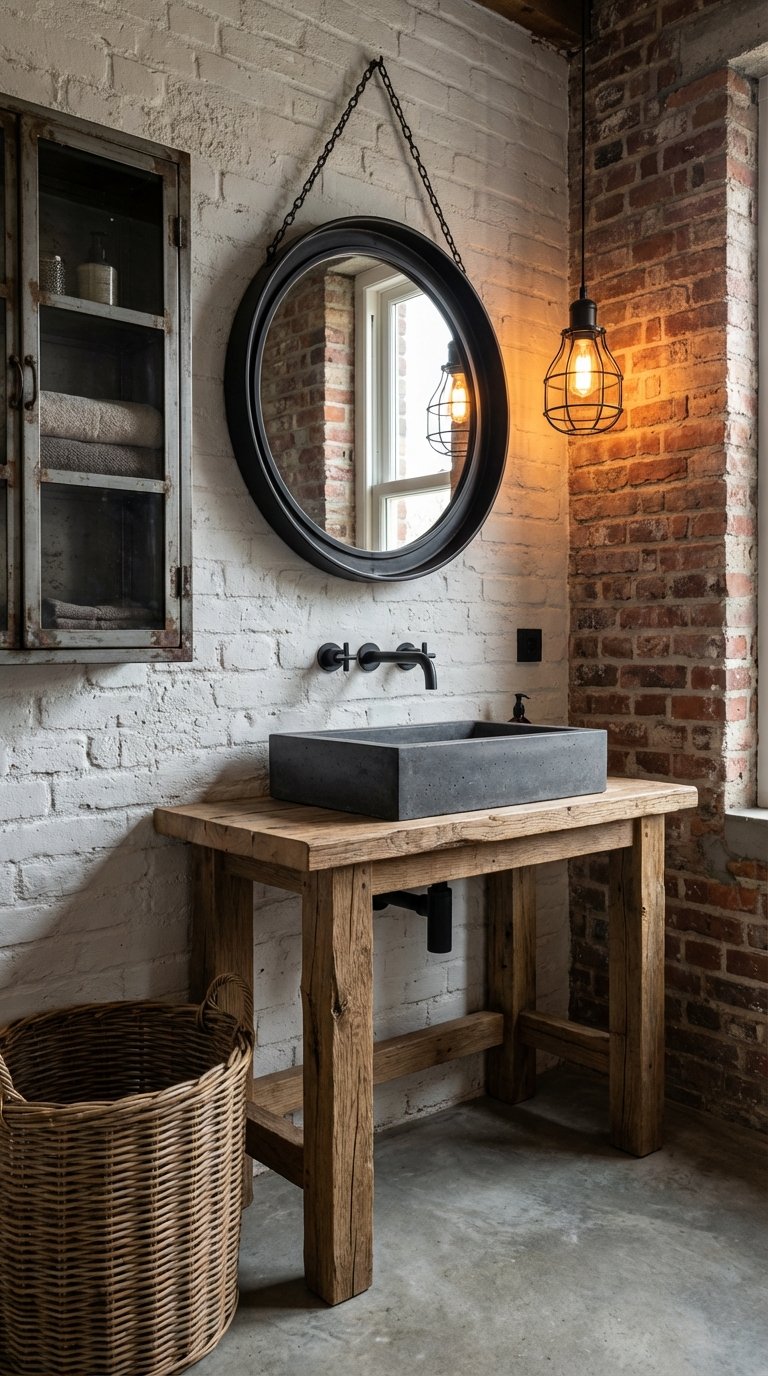
Instead of a standard bathroom vanity, repurpose a vintage piece of furniture. An old metal medical cabinet, a wooden workbench, or a salvaged apothecary chest can be modified to hold a sink and plumbing. This adds a unique story to your bathroom that mass-produced furniture cannot match.
Look for pieces with interesting details like label holders, castor wheels, or distressed paint. These imperfections add to the charm. A metal cabinet with glass doors is perfect for storing towels and toiletries, putting them on display in a way that feels organized yet accessible.
Pro Tip: If using a wooden piece, ensure the top is sealed or covered with a stone or glass slab to protect it from water damage.
Install Matte Black Fixtures
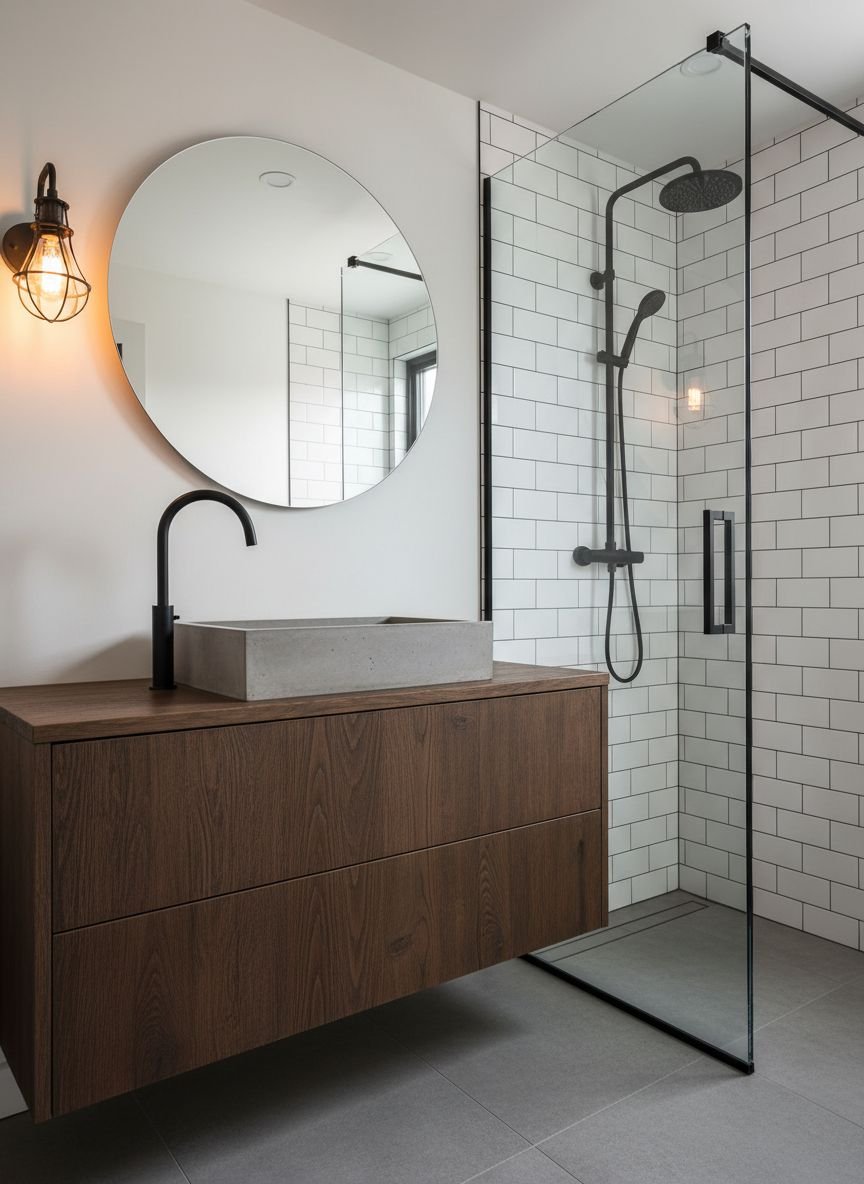
Matte black is the finish of choice for modern industrial spaces. It is sleek, understated, and hides fingerprints better than chrome. Whether it is the showerhead, the faucet, or the cabinet pulls, matte black hardware acts as punctuation marks in the room.
This finish creates a stunning contrast against white sinks, subway tiles, and light wood. It feels contemporary and ties in with other black elements like the shower frame and mirror. Unlike trendy golds or rose golds, matte black has a timeless quality that fits perfectly with the utilitarian roots of industrial design.
Pro Tip: Clean matte black fixtures with mild soap and water. Avoid abrasive cleaners or scouring pads, as they can damage the matte finish and make it shiny.
Layer in Soft Industrial Textures
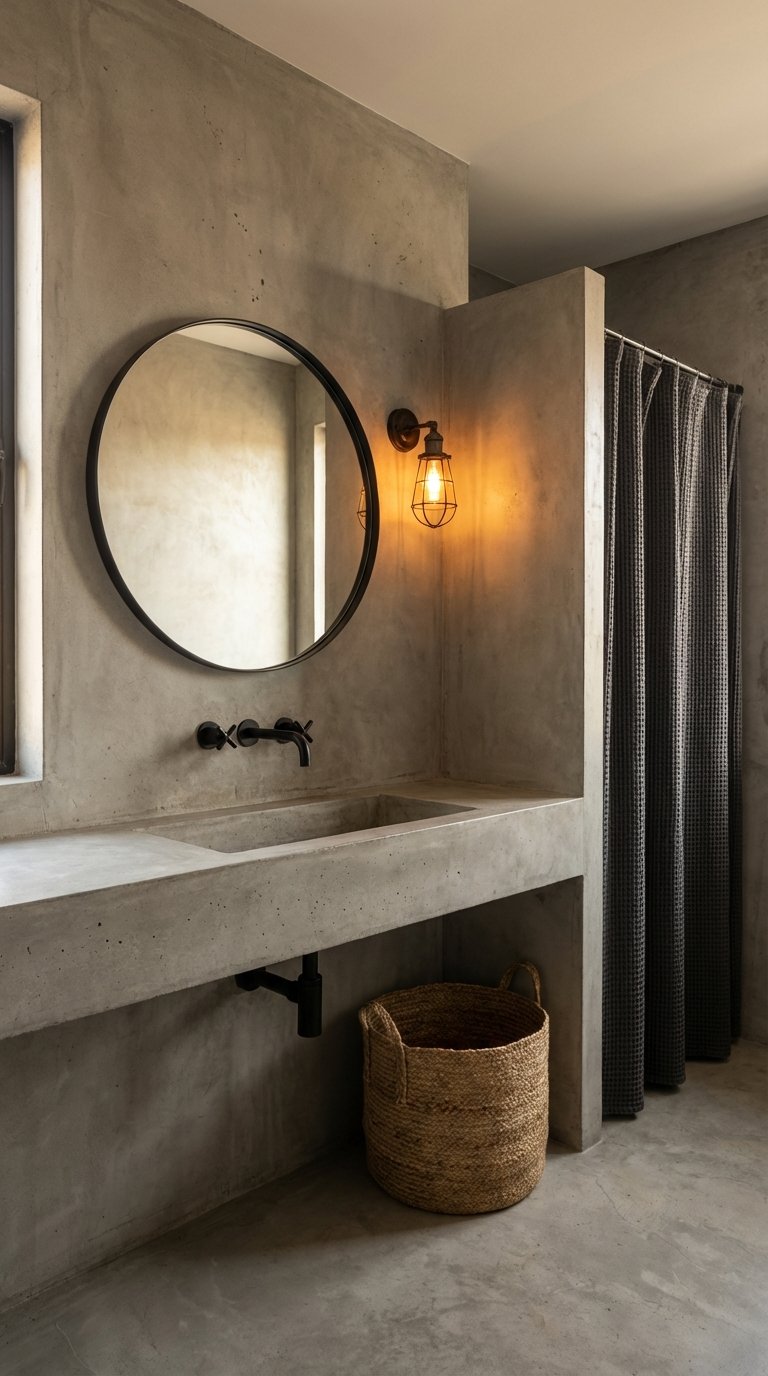
To keep your bathroom from feeling like a cold factory floor, you must layer in softer textures. This “soft industrial” approach makes the space livable. Think thick cotton towels, a woven bath mat, or a canvas laundry bag.
Textiles soften the acoustics of a room filled with hard surfaces like tile and concrete. They also provide a visual break. A Turkish towel with tasseled edges hanging on a black hook adds a touch of casual elegance. Even the shower curtain can be a source of texture—opt for a heavy linen or a durable cotton canvas.
Pro Tip: add a few potted plants. The organic shapes and vibrant green leaves of a fern or snake plant provide the ultimate contrast to the rigid lines of industrial design.
Popular Asked Questions
What are the key elements of an industrial bathroom?
The main elements include raw materials like concrete, brick, and reclaimed wood. You will often see exposed plumbing pipes, matte black or metal fixtures, and utilitarian lighting like Edison bulbs. The color palette is usually neutral, focusing on black, white, and grey.
How can I make an industrial bathroom feel warm?
Industrial spaces can feel cold due to the hard materials. To warm it up, add wood accents through shelving or a vanity. Incorporate soft textiles like plush towels and rugs. Using warm-toned lighting (2700K-3000K bulbs) and adding plants also helps make the space feel cozy and inviting.
Is industrial bathroom design expensive?
It can be very budget-friendly! Materials like subway tile and concrete are relatively affordable. You can also save money by repurposing vintage furniture for vanities and leaving pipes exposed, which saves on labor and drywall costs. The “unfinished” look often requires less expensive finishing work.
How do I style a small industrial bathroom?
In a small space, focus on high-contrast elements. A black-framed mirror and matte black faucet against white walls create a strong impact without taking up space. Use a glass shower enclosure to keep the visual flow open, and consider vertical storage with open metal shelving to maximize height.
Conclusion
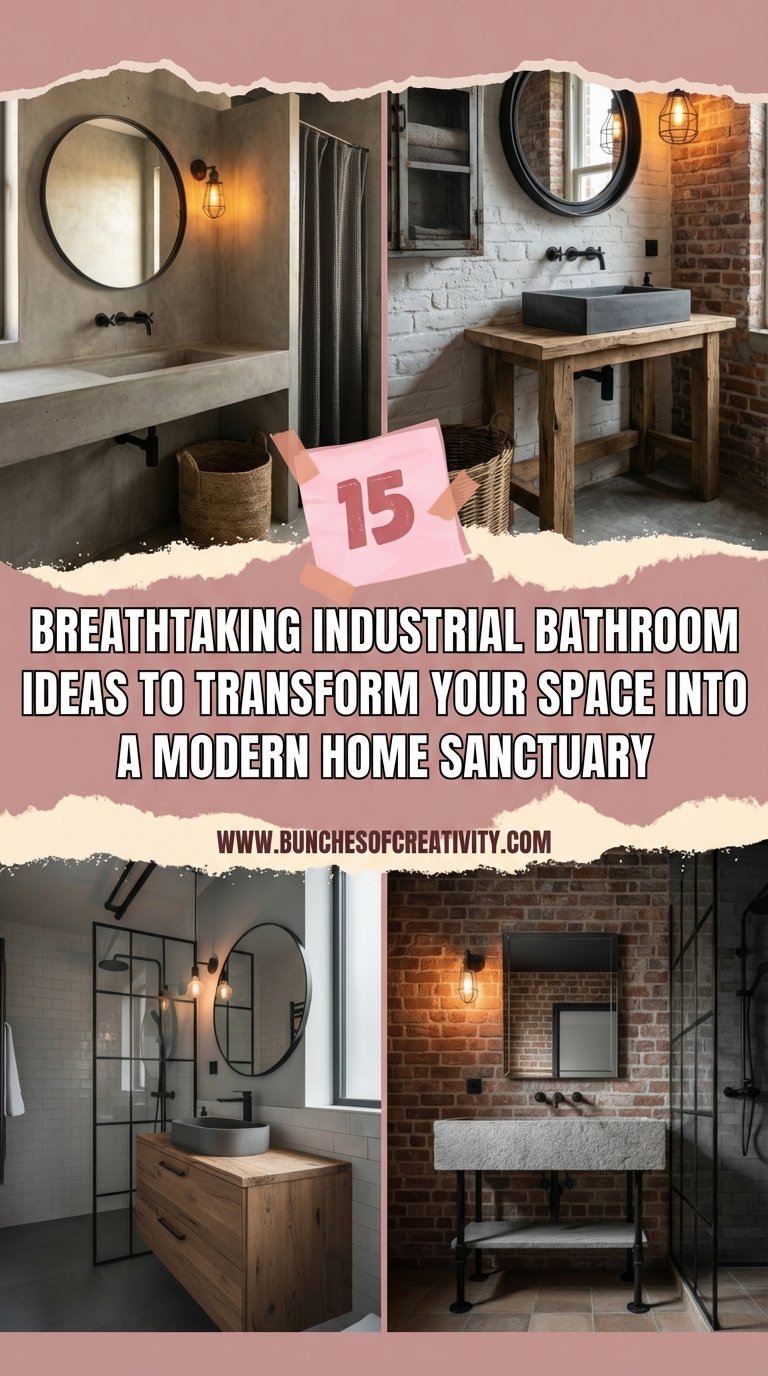
Industrial bathroom design is about finding beauty in the basics. It strips away the unnecessary and highlights the raw, functional elements of your home. By mixing tough materials like concrete and steel with warm textures like wood and textiles, you can create a space that is strikingly stylish yet comfortable.





Leave a Comment