
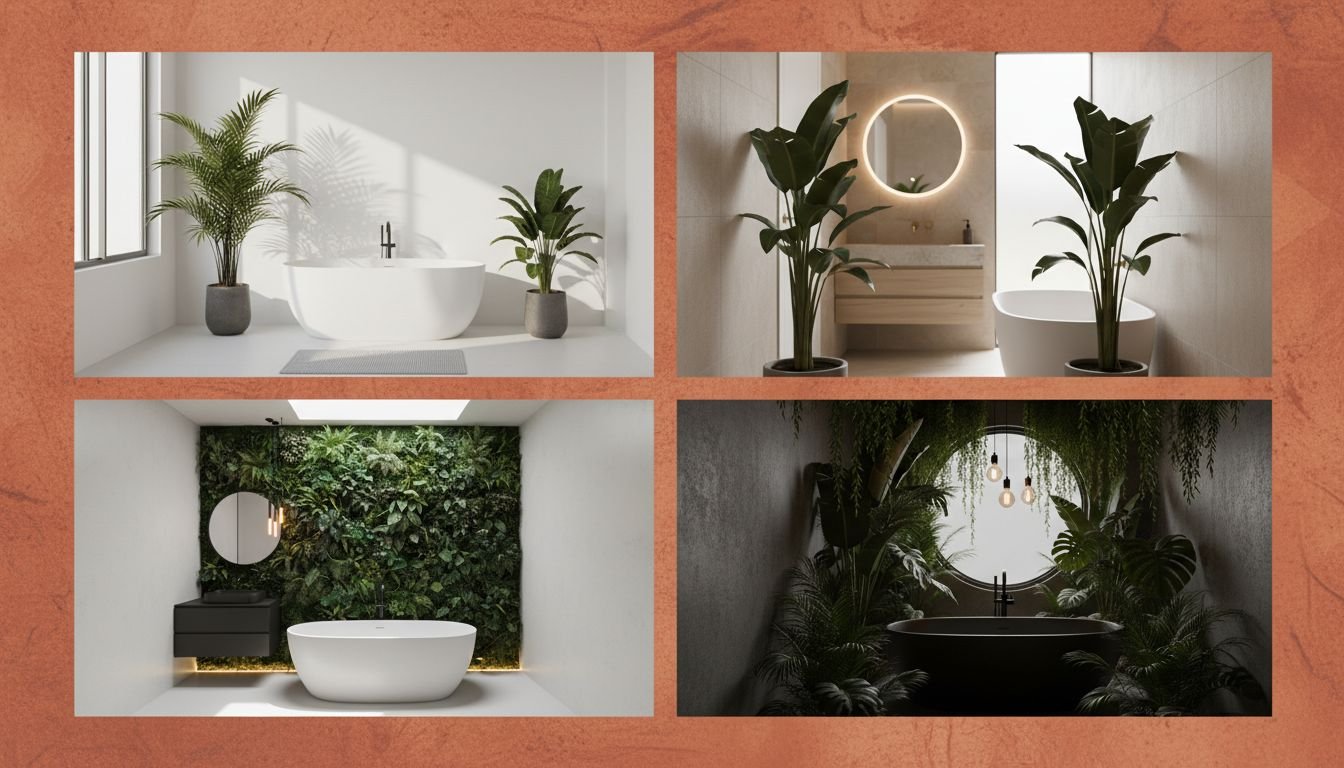
The “Green Spa” Effect
You have likely seen those dreamy, spa-like bathrooms on Pinterest. You know the ones. They feature cascading vines, lush greenery, and an atmosphere that screams “relaxation.” But then reality hits. You look at your own bathroom and see a small, possibly windowless space that seems hostile to any living thing.
Here is the good news. You do not need a greenhouse-style master bath to enjoy the benefits of indoor greenery. In fact, the bathroom is often the best place in the house for many plants due to the naturally high humidity. Whether you are dealing with zero natural light, a tiny footprint, or excessive moisture, there is a perfect plant for your specific situation.
This guide explores 13 specific bathroom plant ideas tailored to every difficult condition. By the end of this post, you will know exactly which botanical companion can transform your sterile washroom into a vibrant, living sanctuary.
Key Takeaways
- Humidity is your friend: Most tropical plants thrive in the steam from your shower, reducing the need for misting.
- Light matters most: Match your plant choice strictly to your light source. Low light does not mean “no light” (unless you use grow bulbs).
- Vertical space is key: In small bathrooms, use hanging planters and wall shelves to add greenery without sacrificing floor space.
- Rotation technique: If you have absolutely zero windows, rotate hardy plants in and out of the room every two weeks.
Table of Contents
- Bathroom With Plants and No Sunlight
- No Windows Bathroom With Plants
- Bathroom With Shower Plants
- Bathroom With Plants That Absorb Moisture
- Bathroom With Hanging Plants
- Small Bathroom With Plants
- Low Light Bathroom With Plants
- Bathroom With Indoor Plants
- Bathroom With Window Plants
- Dark Bathroom With Plants
- Bathroom With Wall Plants
- Bathroom With Fake Plants
- White Bathroom With Plants
- Related posts
- Popular Asked Questions
- Conclusion
Bathroom With Plants and No Sunlight
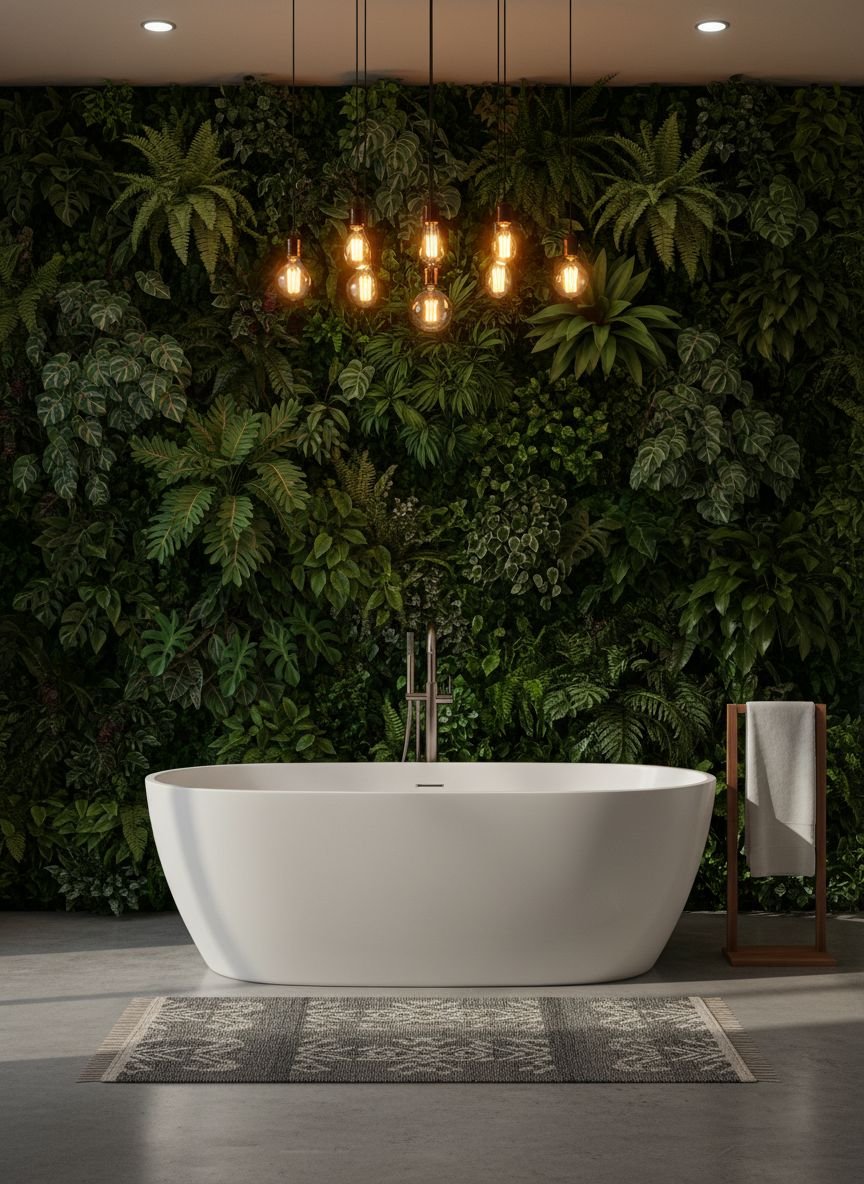
The ZZ Plant (Zamioculcas zamiifolia) is the ultimate survivor for bathrooms that lack natural light sources. Its waxy, deep green leaves reflect artificial light beautifully, adding a polished and structural look to the room. Unlike fussier tropicals, the ZZ plant grows from rhizomes that store water, meaning it can tolerate the occasional neglect if you forget to water it.
From a design perspective, the ZZ plant offers a vertical, architectural shape that fits well in tight corners next to a vanity or toilet. It does not vine or spread wildly, making it ideal for keeping a tidy aesthetic. While it can survive in very low light, it will not grow much without some help. Consider swapping it with a plant in a brighter room every few weeks to keep it energized.
Pro Tip: Because bathrooms are humid, the soil will dry out slower than in other rooms. Only water your ZZ plant when the soil is completely dry to touch to avoid root rot.
No Windows Bathroom With Plants
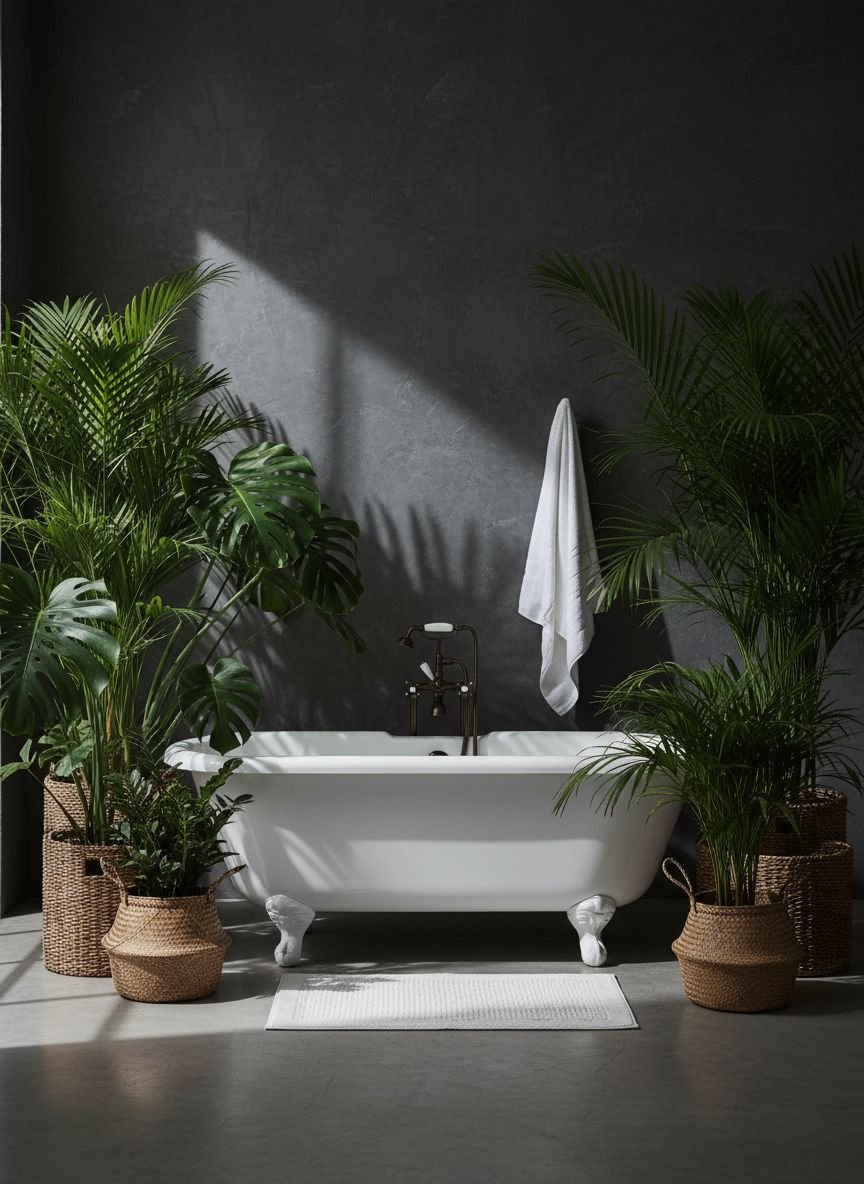
When you have absolutely no windows, you need a plant that is practically indestructible. Enter the Snake Plant (Sansevieria). This sculptural beauty is famous for its ability to filter air and convert CO2 into oxygen at night. Its sword-like leaves come in various patterns, from the yellow-edged ‘Laurentii’ to the silvery ‘Moonshine’, allowing you to match the foliage to your tile or paint color.
The Snake Plant is one of the few plants that can truly tolerate the “cave-like” conditions of a windowless powder room, provided you leave the door open occasionally for airflow. To help it thrive rather than just survive, you might install a simple LED grow light bulb in your vanity fixture. This small adjustment can provide enough spectrum for the plant to maintain its vibrant color.
Pro Tip: Wipe the leaves down with a damp cloth once a month. Dust can block the limited light available, so keeping the leaves clean helps the plant photosynthesize efficiently.
Bathroom With Shower Plants
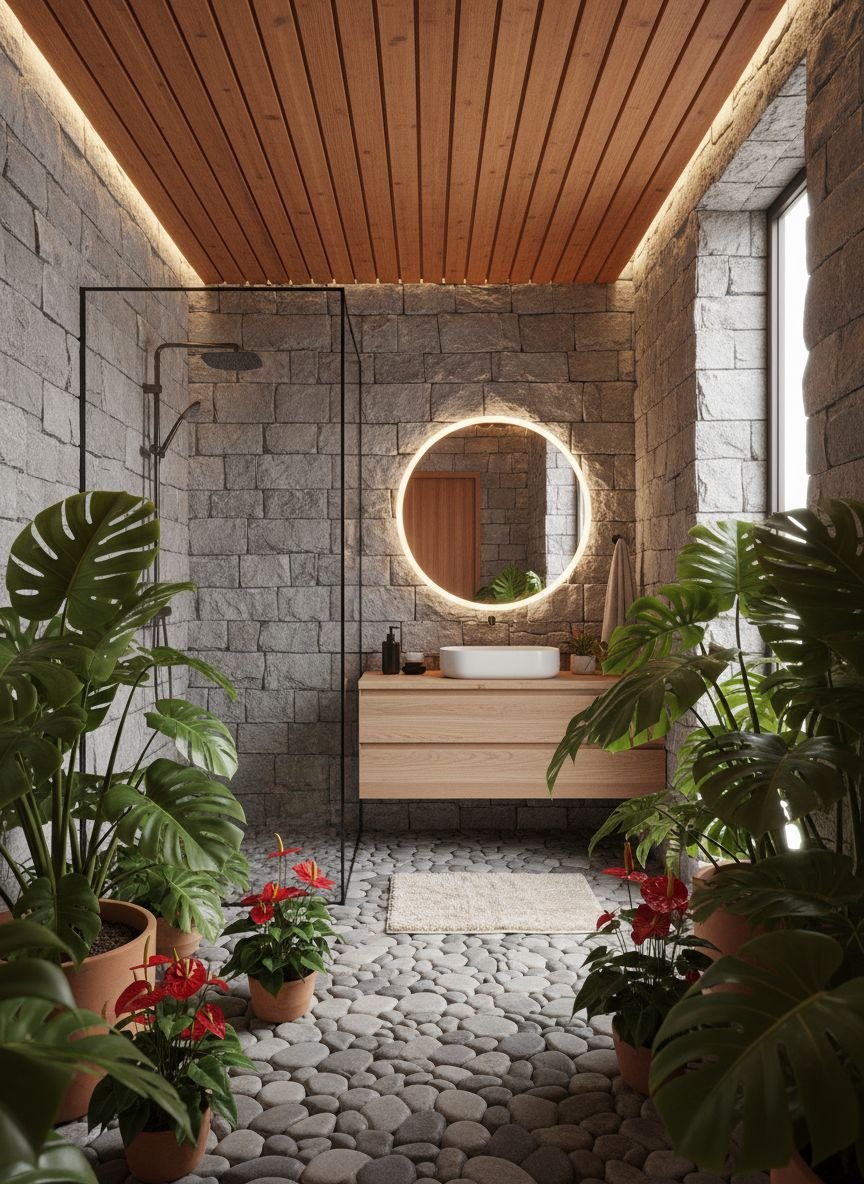
The trend of “shower plants” has taken Pinterest by storm, and for good reason. Placing a Fresh Eucalyptus Bundle or a moisture-loving Boston Fern directly in the shower area transforms a daily routine into a spa experience. The hot steam releases the essential oils from eucalyptus, clearing sinuses and reducing stress.
For a living plant option, ferns are the top choice. They naturally grow on forest floors where humidity is high and light is dappled. You can hang a fern from the shower tension rod or place it on a high shelf where the water spray won’t hit the soil directly, but the steam will envelope the fronds. The texture of the fern adds a soft, organic contrast to the hard lines of shower tiles and glass doors.
Pro Tip: If using cut eucalyptus, replace the bundle every 3-4 weeks to prevent mold growth. Roll the stems with a rolling pin before hanging to release more scent.
Bathroom With Plants That Absorb Moisture
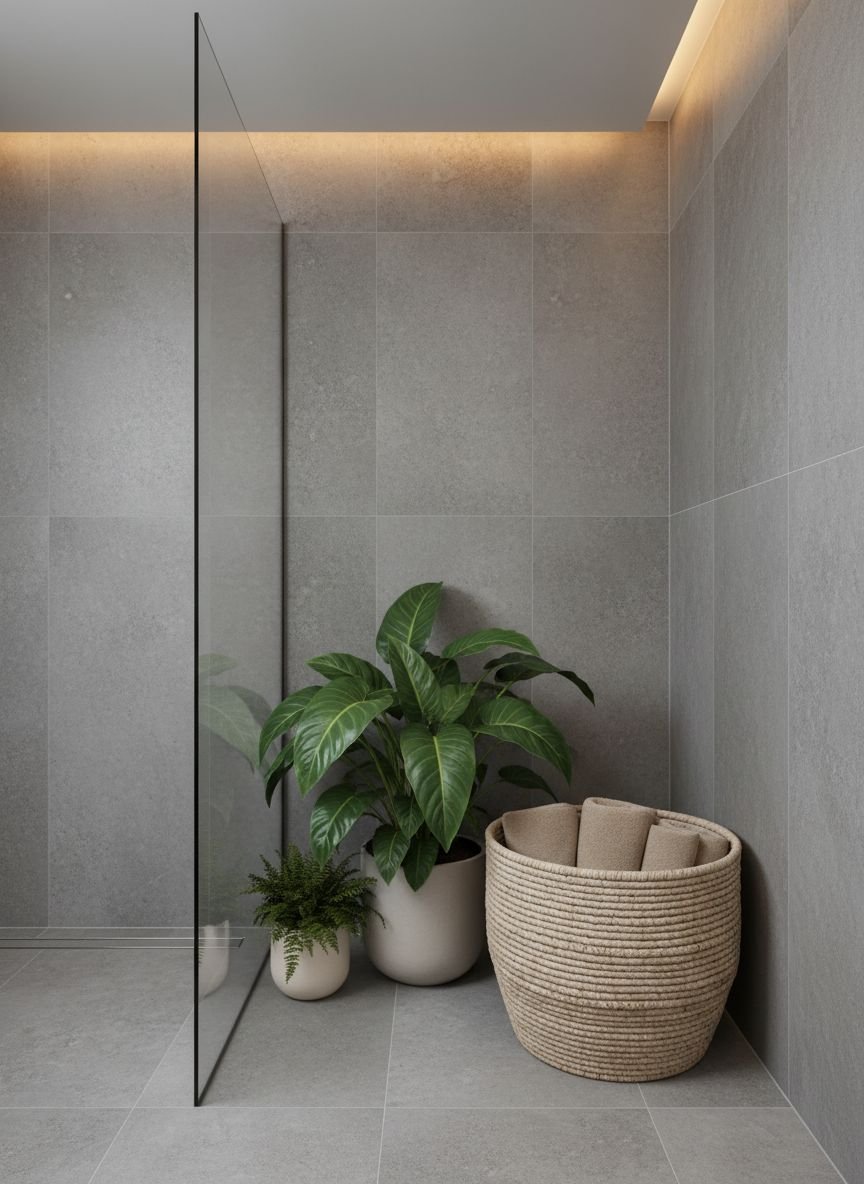
If your bathroom suffers from poor ventilation and constant dampness, you need a Peace Lily (Spathiphyllum). These elegant plants are known for their ability to absorb moisture from the air through their leaves, which can help reduce the potential for mold and mildew on your walls. Their broad, glossy green leaves and striking white blooms add a touch of classic elegance.
The Peace Lily is particularly communicative; it will droop dramatically when it needs water, preventing you from overwatering it. In a steamy bathroom, you might find you rarely need to water the soil because the plant is drinking from the humid air. Place it on the floor or a low stool, as these plants can grow quite full and lush.
Pro Tip: Peace Lilies are toxic to cats and dogs. If you have pets that like to explore the bathroom, ensure this plant is placed on a high shelf or choose a pet-safe alternative like a Spider Plant.
Bathroom With Hanging Plants
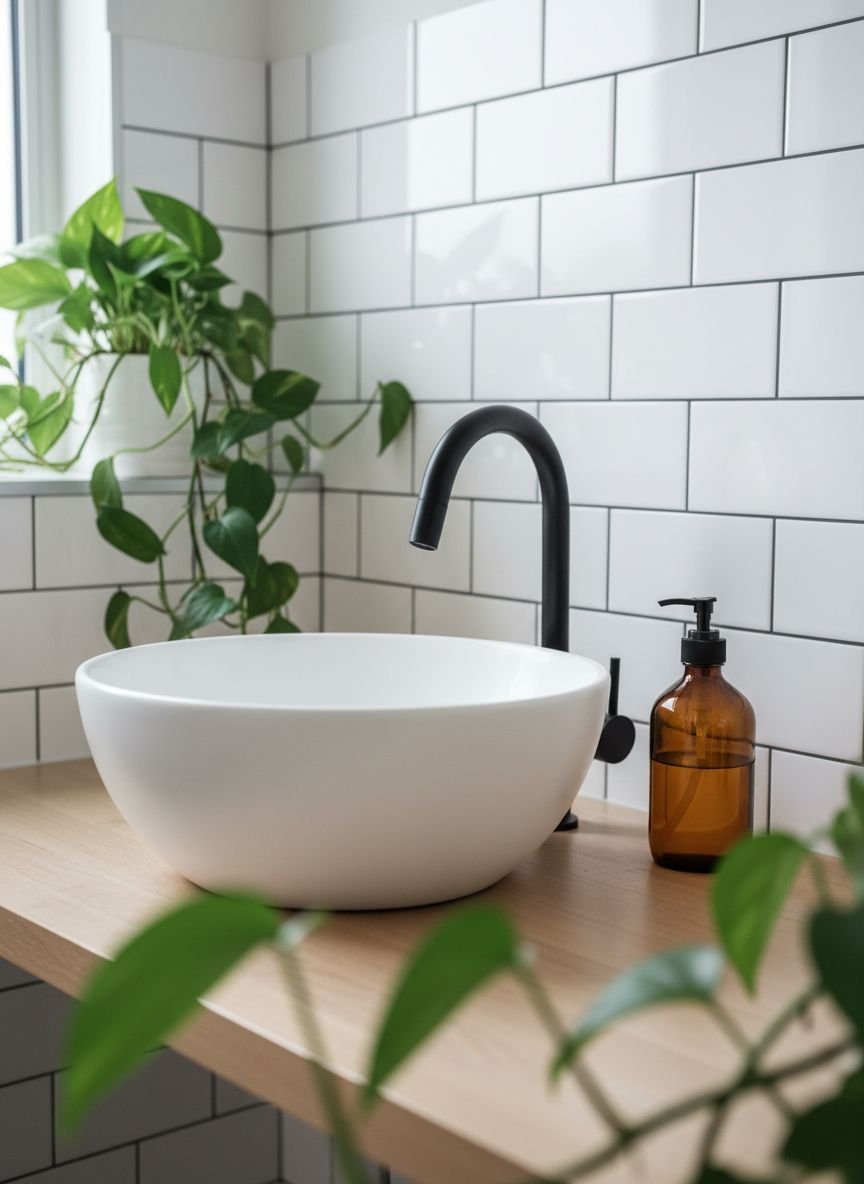
To maximize space and create a “jungle” vibe, look upward. The Golden Pothos (Epipremnum aureum) is the king of bathroom hanging plants. Its vines grow rapidly and can be draped over shower curtain rods, mirrors, or suspended from ceiling hooks. The variegated yellow and green leaves add a pop of color that brightens up neutral bathroom palettes.
Hanging plants draw the eye up, making small bathrooms feel taller and more spacious. Pothos is incredibly forgiving; it tolerates low light and high humidity with ease. You can let the vines trail down for a dramatic curtain effect or use clear adhesive hooks to guide the vines along the wall, framing a mirror or window.
Pro Tip: Save this idea to your Pinterest. Pothos cuttings root easily in water. If your vine gets too long, snip a piece off and place it in a glass vase on your sink for a second, free plant.
Comparison: Real Plants vs. Faux Plants in Bathrooms
| Feature | Real Plants | Faux Plants |
|---|---|---|
| Air Quality | Purifies air and absorbs humidity | No air quality benefits |
| Maintenance | Requires watering, light, and pruning | Dusting only |
| Aesthetics | Natural, organic changes over time | Consistent look, no growth |
| Light Needs | Requires specific light levels | Can be placed in pitch black rooms |
| Longevity | Can die if conditions aren’t met | Lasts forever (until fading) |
Small Bathroom With Plants
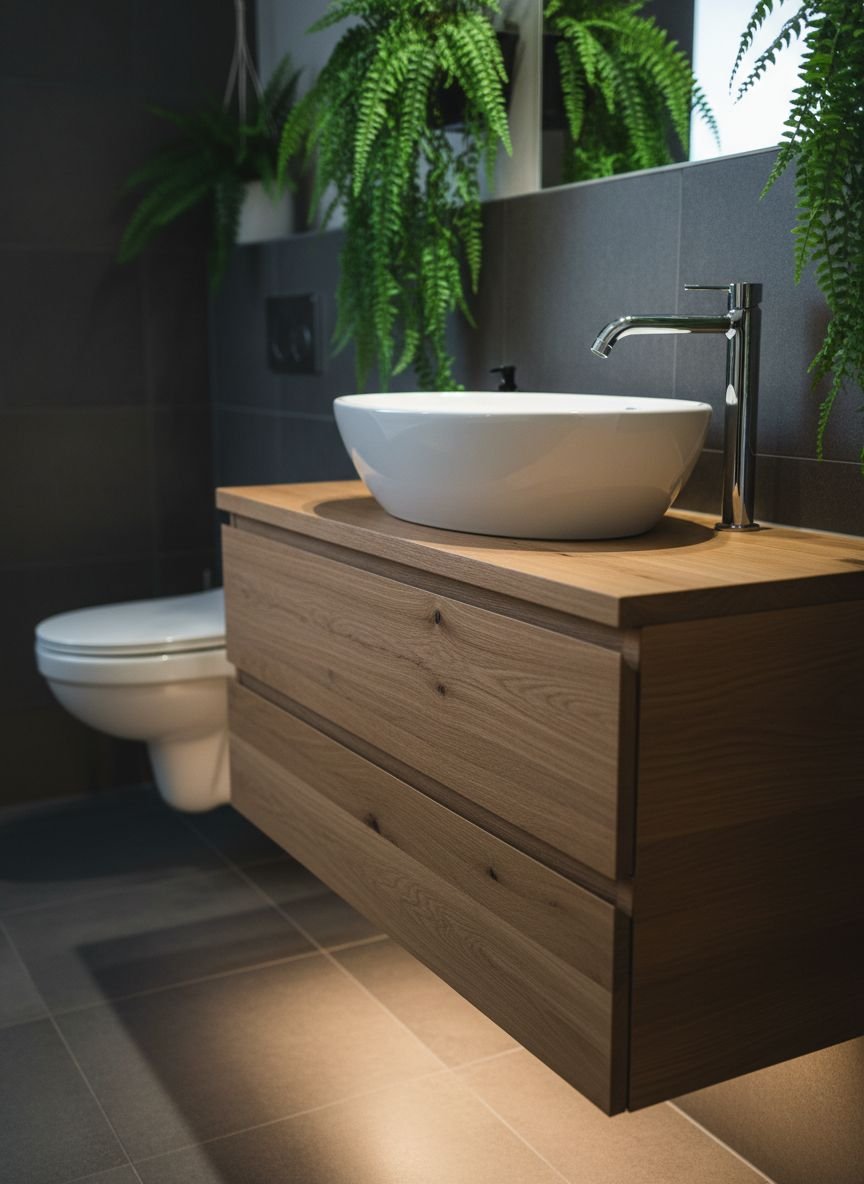
In a tiny bathroom, floor space is premium real estate. The solution is Tillandsia (Air Plants). These botanical curiosities do not require soil to grow. They absorb moisture and nutrients through their leaves, making them the perfect candidates for a humid bathroom environment. You can display them in glass orbs, mount them on driftwood, or simply rest them on a shelf stack.
Because they don’t need bulky pots, Air Plants keep the visual weight light and airy. They are perfect for minimalist or modern small bathrooms where clutter is the enemy. Their spiky, architectural forms add an interesting texture without overwhelming the limited space.
Pro Tip: Even though they love humidity, they still need water. Soak your air plants in a bowl of room-temperature water for 20 minutes once a week, then let them dry upside down before putting them back.
Low Light Bathroom With Plants
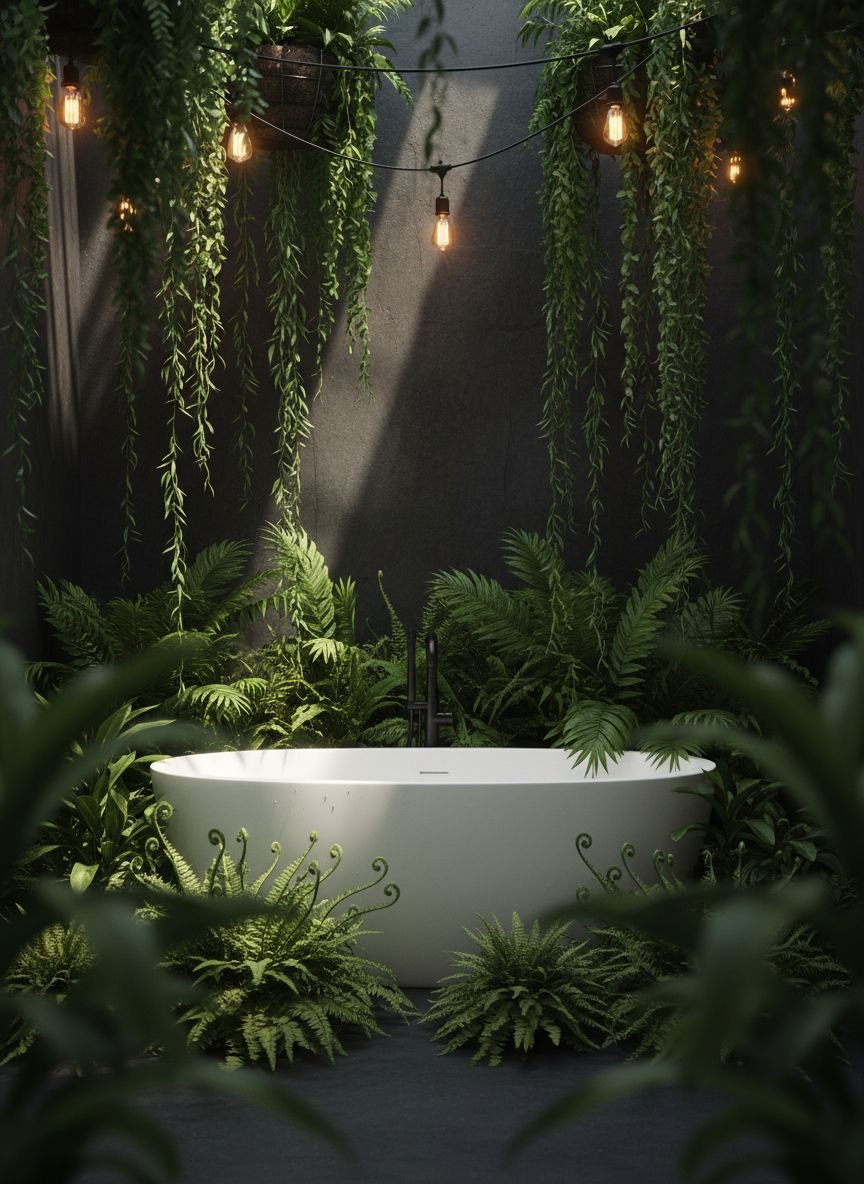
The Cast Iron Plant (Aspidistra elatior) lives up to its name. It is virtually indestructible and can thrive in the deep shade often found in bathrooms with small, frosted windows. It features tall, dark green leaves that grow upright, making it a great floor plant for a corner that feels empty or cold.
Design-wise, the Cast Iron Plant brings a Victorian-era charm. It was popular in the 19th century because it could survive the fumes of gas lamps, so a dim bathroom is a walk in the park for this species. Its dark foliage contrasts beautifully against white subway tiles or light marble countertops, grounding the space.
Pro Tip: This plant grows very slowly. Buy a mature plant that is already the size you want, as you will not see rapid growth regardless of how well you treat it.
Bathroom With Indoor Plants
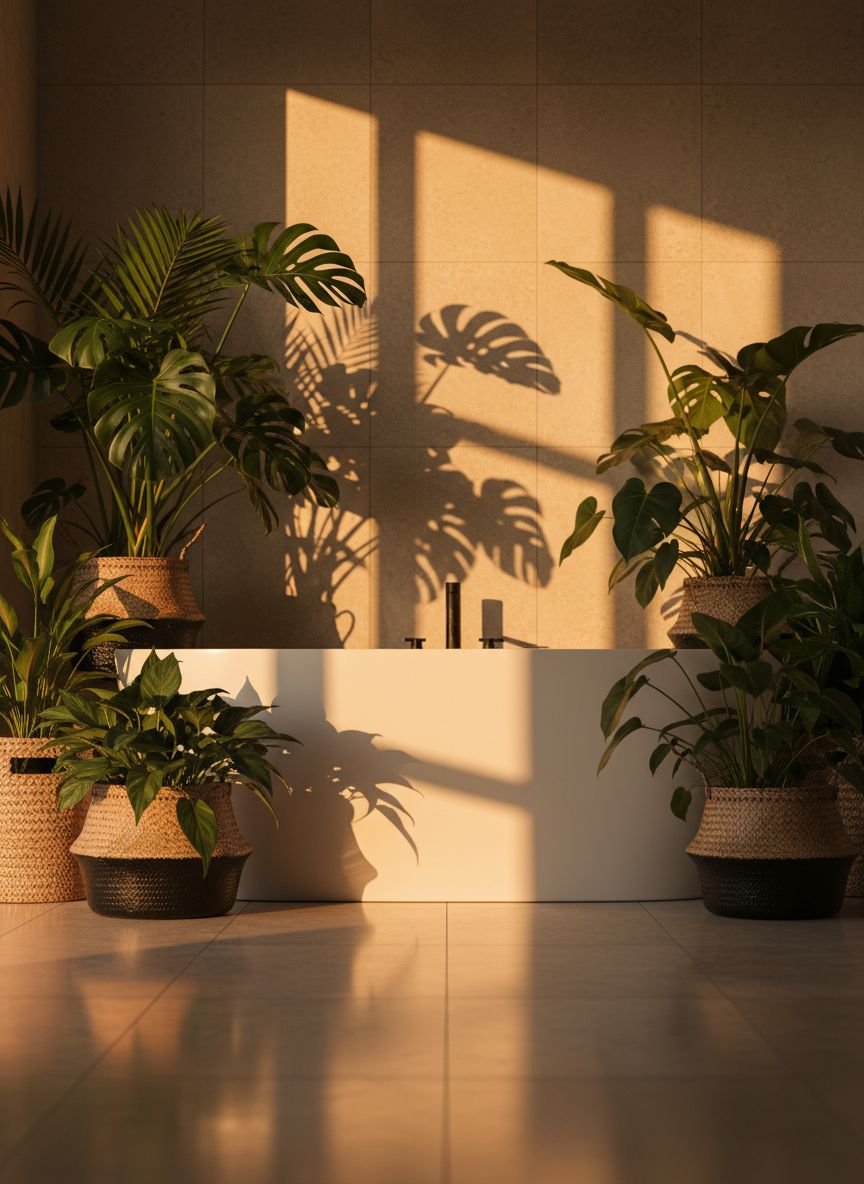
When styling a larger bathroom with indoor plants, the goal is to create layers. A mix of Calathea varieties works wonders here. Calatheas, also known as Prayer Plants, have stunning patterned leaves that fold up at night. They absolutely require high humidity to prevent their leaf edges from browning, making the bathroom their happy place.
Combine different heights and textures. Place a tall Calathea on a plant stand, a medium one on the vanity, and a trailing one on a shelf. This layering technique adds depth and makes the room feel curated rather than cluttered. The vibrant purples, pinks, and greens found in Calathea leaves act as natural decor, reducing the need for other accessories.
Pro Tip: Calatheas are sensitive to the chemicals in tap water. If you notice brown tips, try watering them with distilled water or rain water.
Bathroom With Window Plants
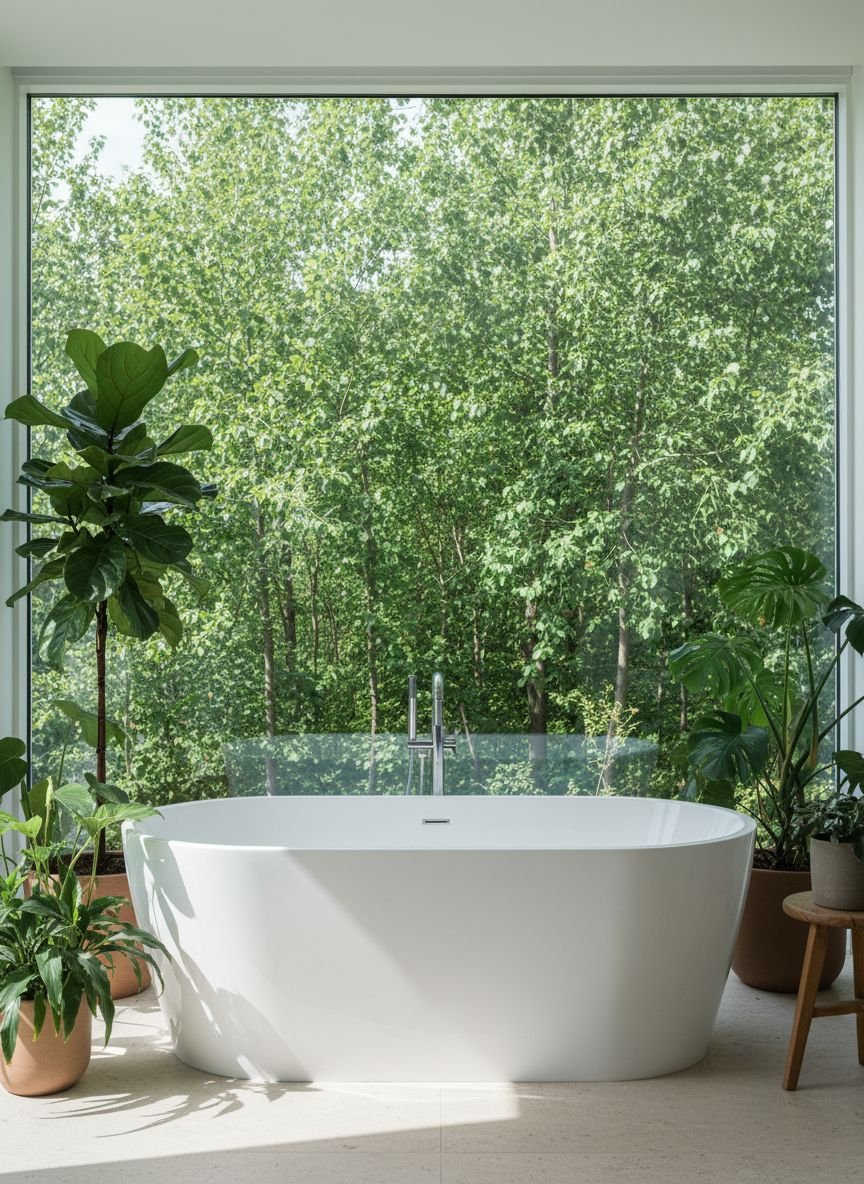
If you are lucky enough to have a sunny window in your bathroom, you have the perfect spot for Aloe Vera. Unlike the other plants on this list, Aloe is a succulent that demands bright, indirect light. It loves the humidity but needs its soil to dry out completely. Placing it on a windowsill ensures it gets the light it craves while keeping it out of the way.
Aloe Vera is the ultimate functional decor. The gel inside the leaves is a natural remedy for minor burns and skin irritation. Visually, its spiky, fleshy leaves add a modern, desert-chic vibe that pairs well with terracotta pots and warm-toned bathroom textiles.
Pro Tip: Rotate the pot a quarter turn every time you water it. This ensures the Aloe grows straight up rather than leaning desperately toward the window glass.
Dark Bathroom With Plants
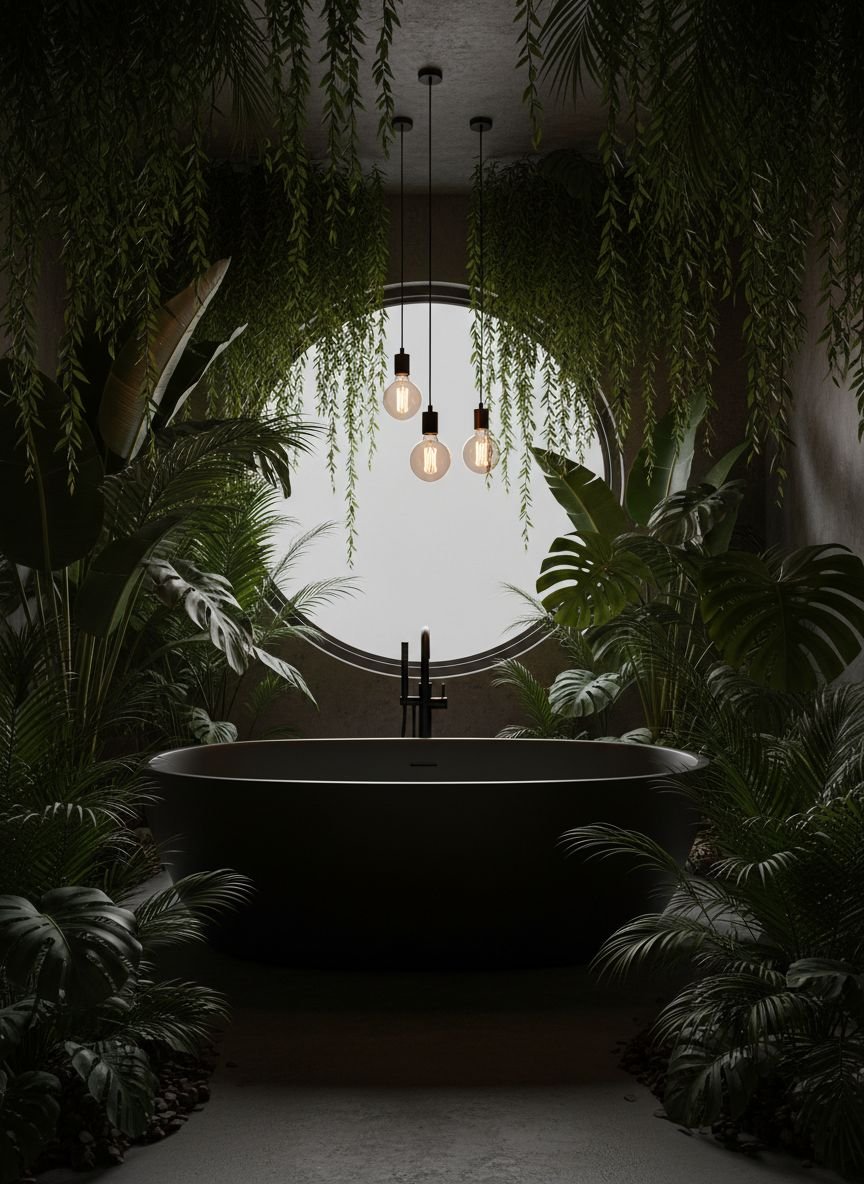
For a bathroom that feels perpetually dim, the Chinese Evergreen (Aglaonema) is a splash of color in the dark. These plants come in varieties with pink, red, and silver variegation. The lighter the leaf color, the more light it generally needs, so stick to the darker green and silver varieties for the dimmest corners.
The Chinese Evergreen is lush and bushy, great for filling gaps on wide countertops or tub ledges. It is incredibly forgiving and actually prefers to stay on the dry side, so the humidity of the bathroom usually keeps the foliage happy without frequent watering.
Pro Tip: Save this idea to your Pinterest. The ‘Silver Bay’ variety is particularly stunning in dark rooms because the silver parts of the leaves seem to glow in low light.
Related posts :
- 12 Genius Design Small Bathroom Ideas to Maximize Style and Space Instantly
- 20 Gorgeous Shower Tile Ideas for a Chic Bathroom That Instantly Elevate Your Home
- 14 Walk In Shower Ideas That Transform Your Bathroom Into a Stylish Retreat
Bathroom With Wall Plants
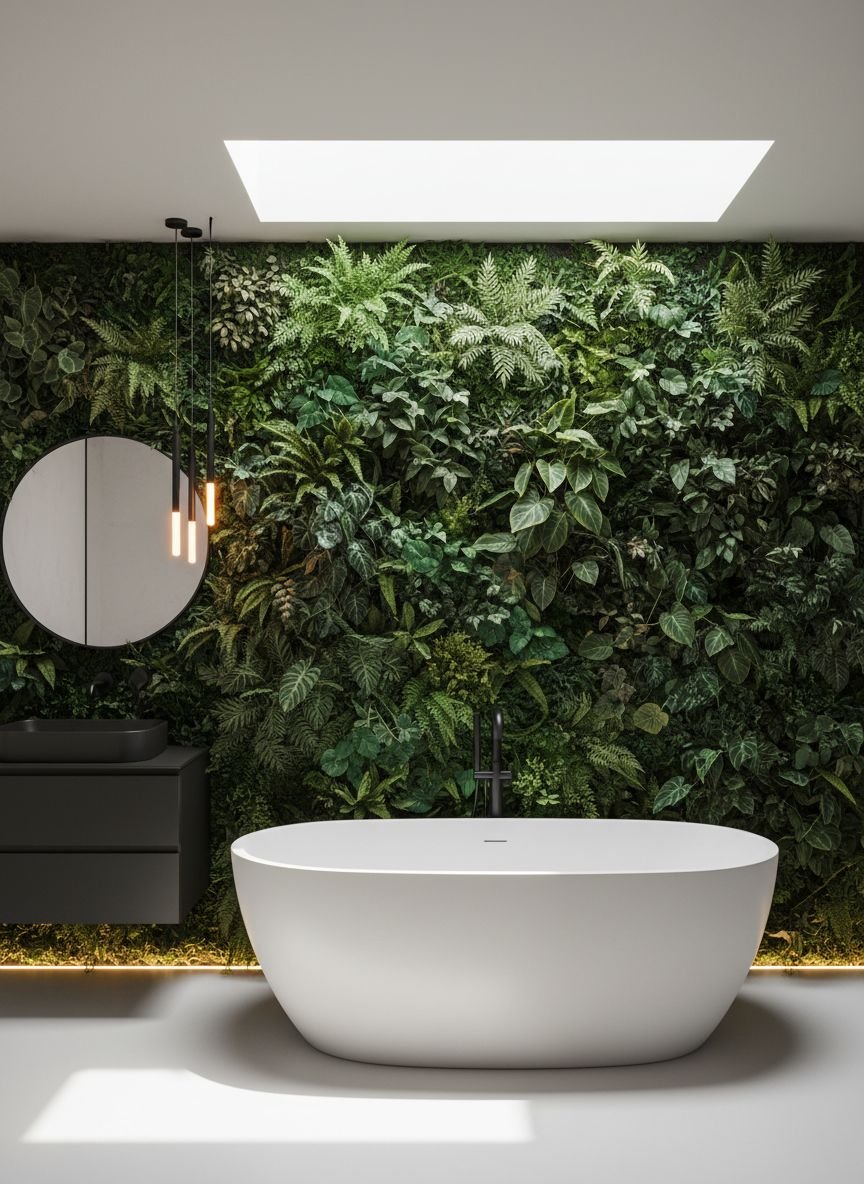
Walls are often underutilized in bathroom design. A Staghorn Fern (Platycerium) mounted on a wooden board is living art. These epiphytic ferns grow on trees in the wild, absorbing moisture through their fronds. When mounted on a wall, they create a stunning focal point that replaces traditional framed art.
The shield-like fronds of the Staghorn Fern add a sculptural, organic element that softens the hard surfaces of a bathroom. They thrive in the steam of a shower. If mounting a plant feels too complex, you can simply install floating shelves and place trailing Philodendrons on them to create a “living wall” effect.
Pro Tip: To water a mounted Staghorn Fern, take the entire board off the wall and soak the root ball (usually wrapped in moss) in a sink of water for 10-15 minutes, then let it drip dry before re-hanging.
Bathroom With Fake Plants
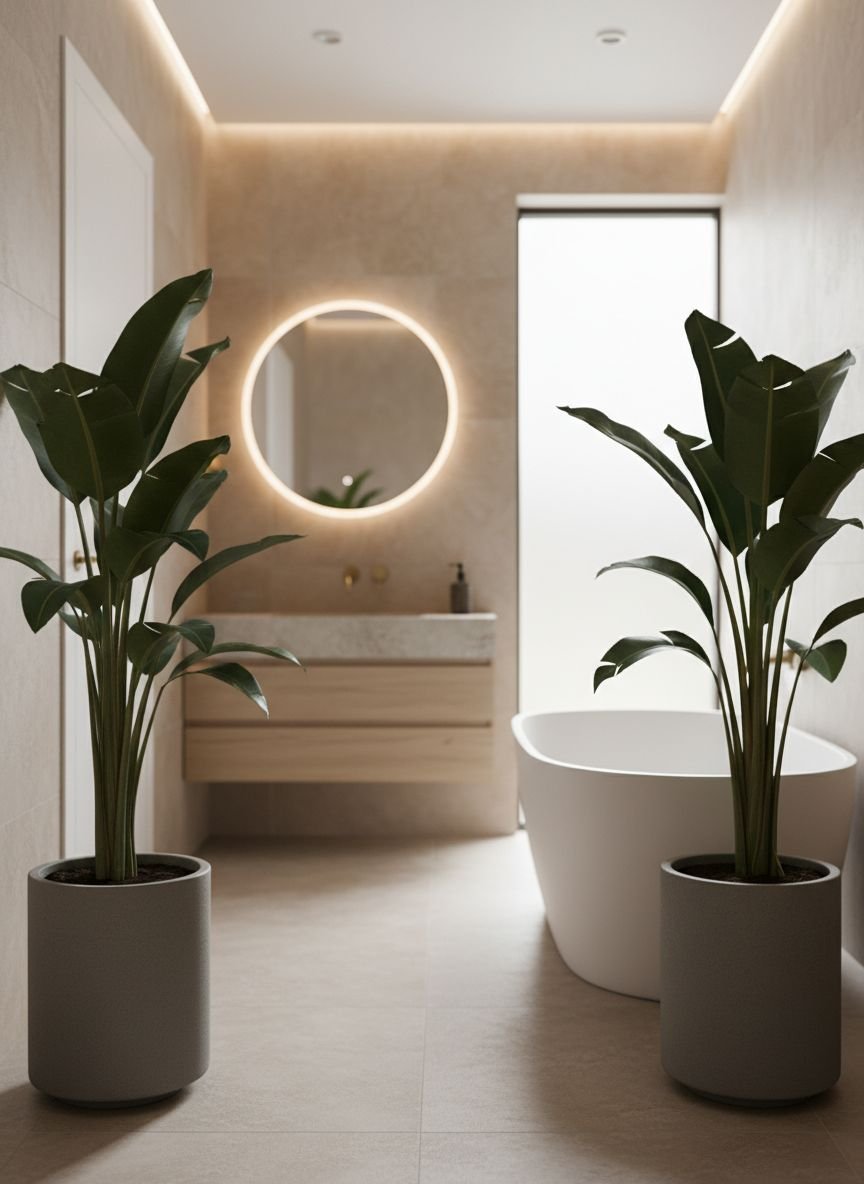
Sometimes, the conditions are just impossible. Maybe you travel constantly, or your bathroom is an interior room with zero light and no outlet for a grow lamp. In this case, High-Quality Faux Plants are a valid design choice. The technology in artificial plants has improved drastically, with “real-touch” latex materials that mimic the texture of natural leaves.
Focus on faux versions of plants that naturally look a bit plastic, like succulents, snake plants, or monsteras. Place them in high places, such as on top of a cabinet or a high shelf, where the lack of detail is less noticeable. Mix them with dried botanicals like preserved moss or dried lavender to enhance the realism.
Pro Tip: To make a fake plant look real, repot it. Remove it from the cheap plastic growers pot it came in and place it in a stylish ceramic pot. Top it with real dirt or stones. This simple trick fools the eye instantly.
White Bathroom With Plants
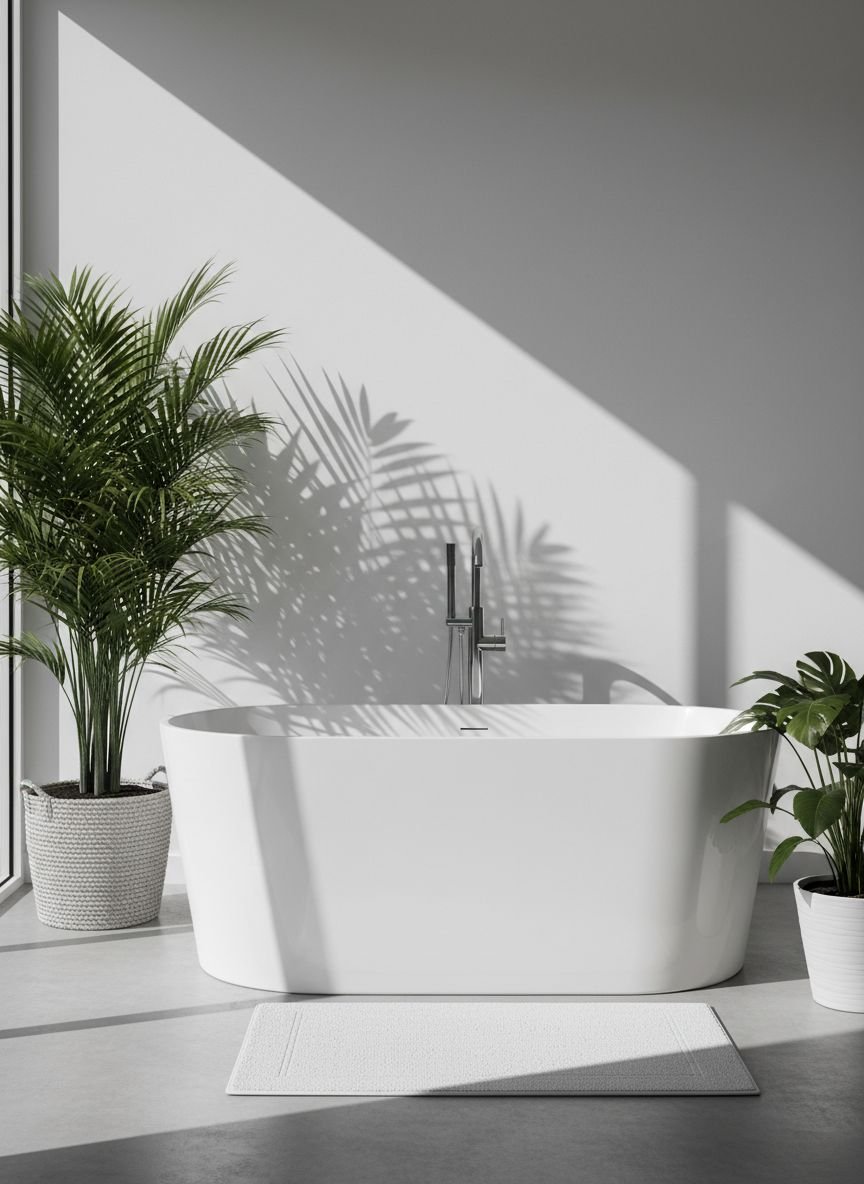
A white bathroom provides the perfect blank canvas for a Monstera Deliciosa. The stark white tiles and fixtures make the deep, vibrant green of the Monstera leaves pop. This is the classic “Jungalow” look that dominates social media. The large, fenestrated leaves create dramatic shadows and add a sense of tropical luxury.
Monsteras can get large, so they are best suited for a floor spot next to a freestanding tub or in a bright corner. They need decent indirect light to develop their signature holes (fenestrations). If your white bathroom is bright and airy, this plant will become the statement piece of the room.
Pro Tip: Monstera leaves are large dust magnets. Wipe them down with a mixture of water and a drop of neem oil to keep them shiny and pest-free.
Popular Asked Questions
Can plants survive in a bathroom without windows?
Yes, certain plants can survive, but they will need help. Plants like the Snake Plant and ZZ Plant are extremely tolerant of low light. However, for long-term health in a windowless room, you should either install a grow light bulb in your fixture or rotate the plants. Move them to a sunny room for a week, then back to the bathroom for two weeks.
Which plants absorb the most moisture in a bathroom?
Plants that are native to tropical rainforest floors are best for this. The Peace Lily, Boston Fern, and Tillandsia (Air Plants) are excellent at pulling moisture directly from the air through their leaves. This can help reduce the stuffy feeling in a bathroom, though they should not replace a ventilation fan for preventing mold.
Are there any plants I should avoid in a bathroom?
Yes. Avoid plants that prefer dry, arid conditions. Cacti and most succulents (except Aloe Vera and Snake Plants) will rot quickly in a humid bathroom. The constant moisture in the air prevents their soil from drying out, which leads to root rot and mushy leaves.
How do I water plants in a humid bathroom?
You generally need to water less frequently in a bathroom than in other rooms. The high humidity keeps the leaves hydrated and slows down evaporation from the soil. Always check the soil moisture with your finger before watering. If it is still damp, wait a few more days.
Conclusion
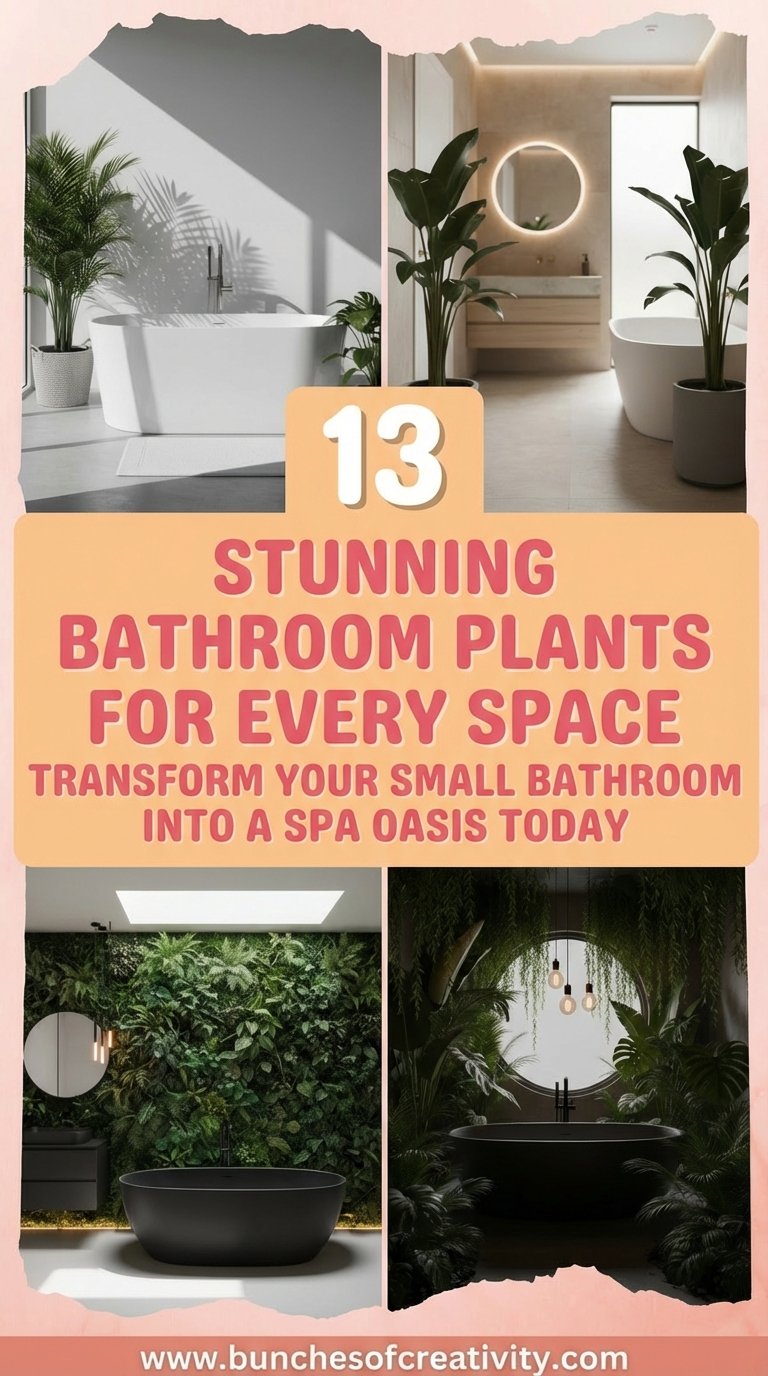
Adding greenery to your bathroom is one of the most effective ways to upgrade the space without a renovation. Whether you choose the indestructible Snake Plant for a dark corner or a trailing Pothos for a high shelf, these 13 bathroom plants bring life, texture, and fresher air to your daily routine.
Start small with one resilient plant and watch how it transforms the energy of the room.





Leave a Comment