
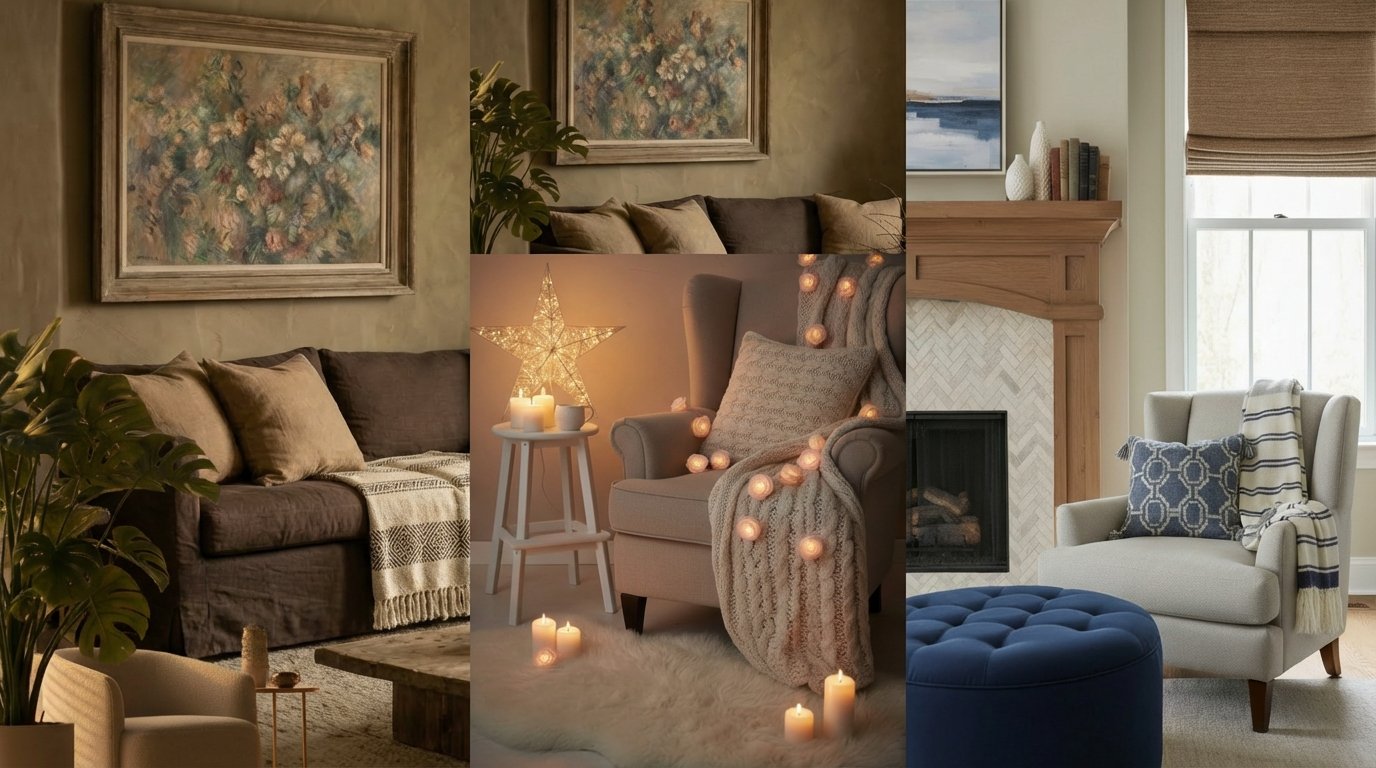
Small living rooms often get a bad reputation for feeling cramped or limiting. But here is the truth interior designers know: compact spaces are actually the easiest to make cozy. You do not need square footage to create a sanctuary; you need strategy. The current trend in interior design is shifting away from stark minimalism toward “warm maximalism” and “Hollywood Cottage” vibes—styles that embrace textures, layers, and personality, all of which thrive in small footprints.
This guide will show you exactly how to transform your tight quarters into a snug, high-end retreat. We are not just talking about decluttering. We are talking about optical illusions, texture layering, and smart furniture choices that maximize every inch.
Key Takeaways
- Verticality is key: Drawing the eye upward with curtains and shelving makes low ceilings feel soaring.
- Texture over clutter: Use varied materials (velvet, jute, wood) to add interest without taking up physical space.
- Multifunctional is non-negotiable: Every piece of furniture should serve at least two purposes in a small room.
- Light layering: Never rely on a single overhead light; use sconces and lamps to create “pools” of warmth.
- Floating elements: Keeping the floor visible creates an immediate illusion of expansive square footage.
Table of Contents
- Create a window seat nook
- Seek out vintage style items
- Go for neutral colors
- Choose convertible furniture
- Layer up textures
- Add a few little luxuries
- Make it personal
- Popular Asked Questions
- Conclusion
Create a window seat nook
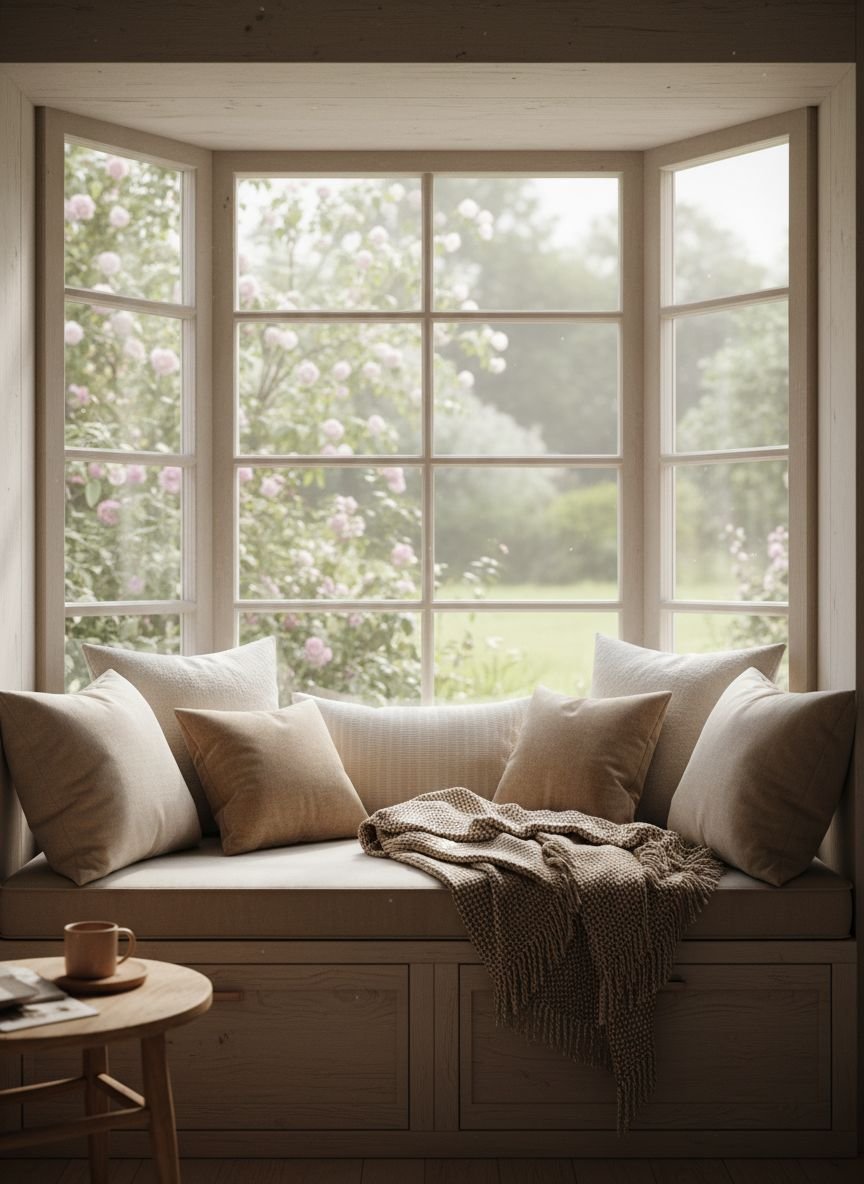
A window seat is the ultimate hack for small living rooms because it utilizes “dead space” that usually goes ignored. By building or placing a bench directly under the window, you create a cozy reading spot that does not encroach on the main floor area. This area draws the eye to the natural light source, making the room feel brighter and more open.
To make it truly functional, ensure the seat has a hinged top or drawers underneath. This provides invaluable storage for blankets or board games. Style it with a thick foam cushion and plenty of throw pillows to invite relaxation.
Pro Tip: If you cannot build a permanent bench, use a sturdy low storage trunk and top it with a custom cushion.
Seek out vintage style items
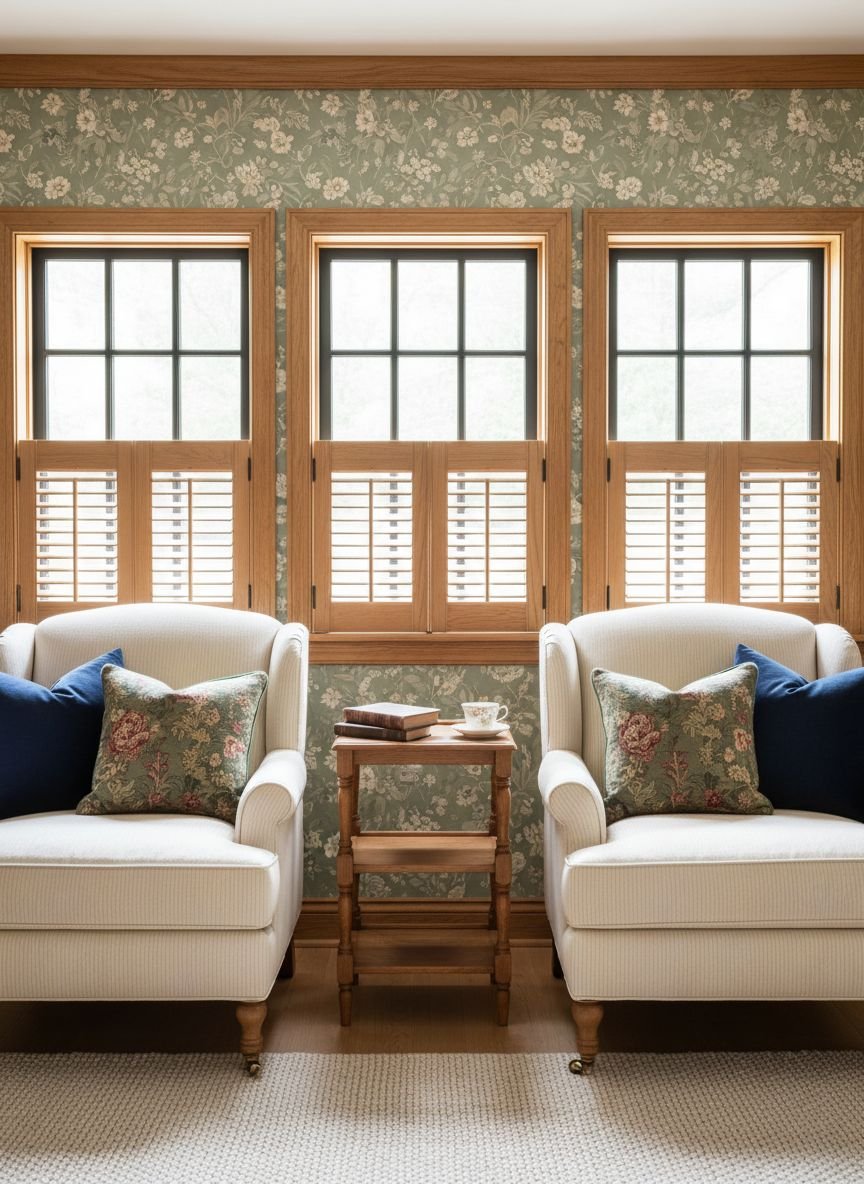
Vintage items add instant soul and depth to a small room, preventing it from feeling like a sterile showroom. Older pieces often have unique scales—like petite Victorian chairs or slender mid-century tables—that fit better in tight spaces than modern, overstuffed furniture. The patina of aged wood or brass adds a layer of visual warmth that new items cannot replicate.
Look for a vintage Persian rug or a distressed leather armchair. These items act as focal points, distracting the eye from the room’s size and focusing it on the character of the decor.
Save this idea to your Pinterest.
Go for neutral colors
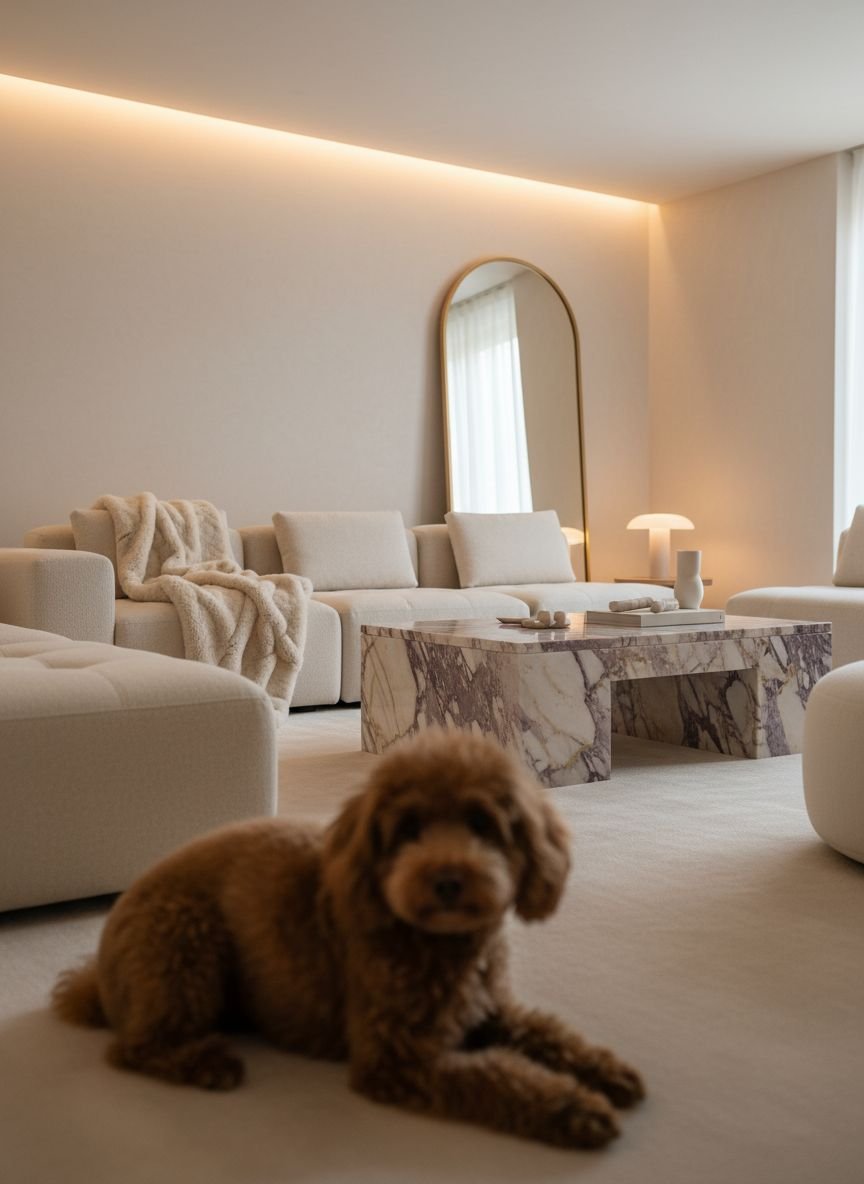
Neutral colors are a small space’s best friend because they reflect light and blur the boundaries between walls and furniture. Shades of cream, beige, taupe, and soft gray create a seamless look that allows the eye to travel across the room without interruption. This lack of visual “stops” tricks the brain into perceiving the space as larger than it is.
However, neutral does not have to mean boring. The key is to vary the tones. Mix cool grays with warm creams to create a sophisticated, layered palette that feels expensive and intentional.
Choose convertible furniture
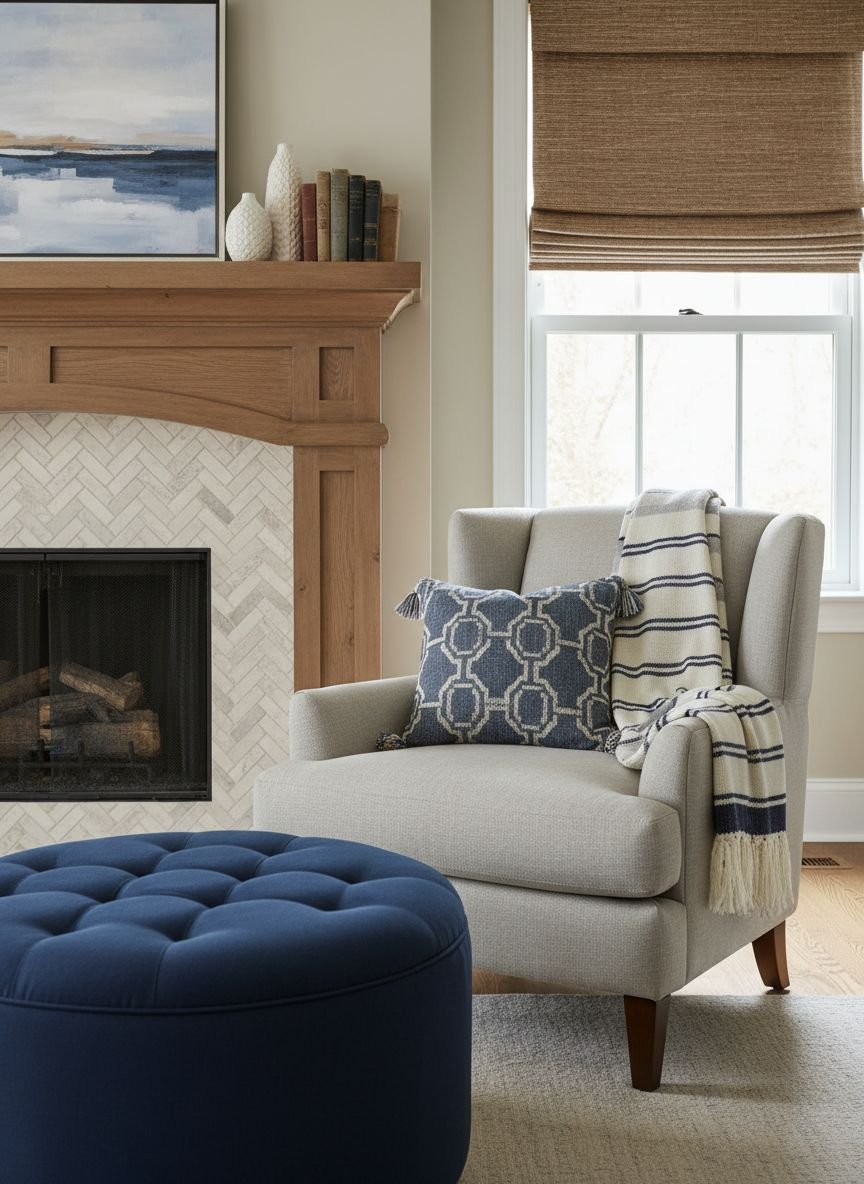
In a small living room, every square inch creates a demand for functionality. Convertible furniture is the secret weapon for maintaining a clutter-free environment. Think beyond the standard sofa bed. Look for coffee tables that lift up to become dining desks, or nesting tables that can be expanded when guests arrive and tucked away when not in use.
This flexibility allows your living room to shift modes—from a workspace during the day to a cozy lounge at night—without requiring extra furniture that crowds the floor plan.
Layer up textures
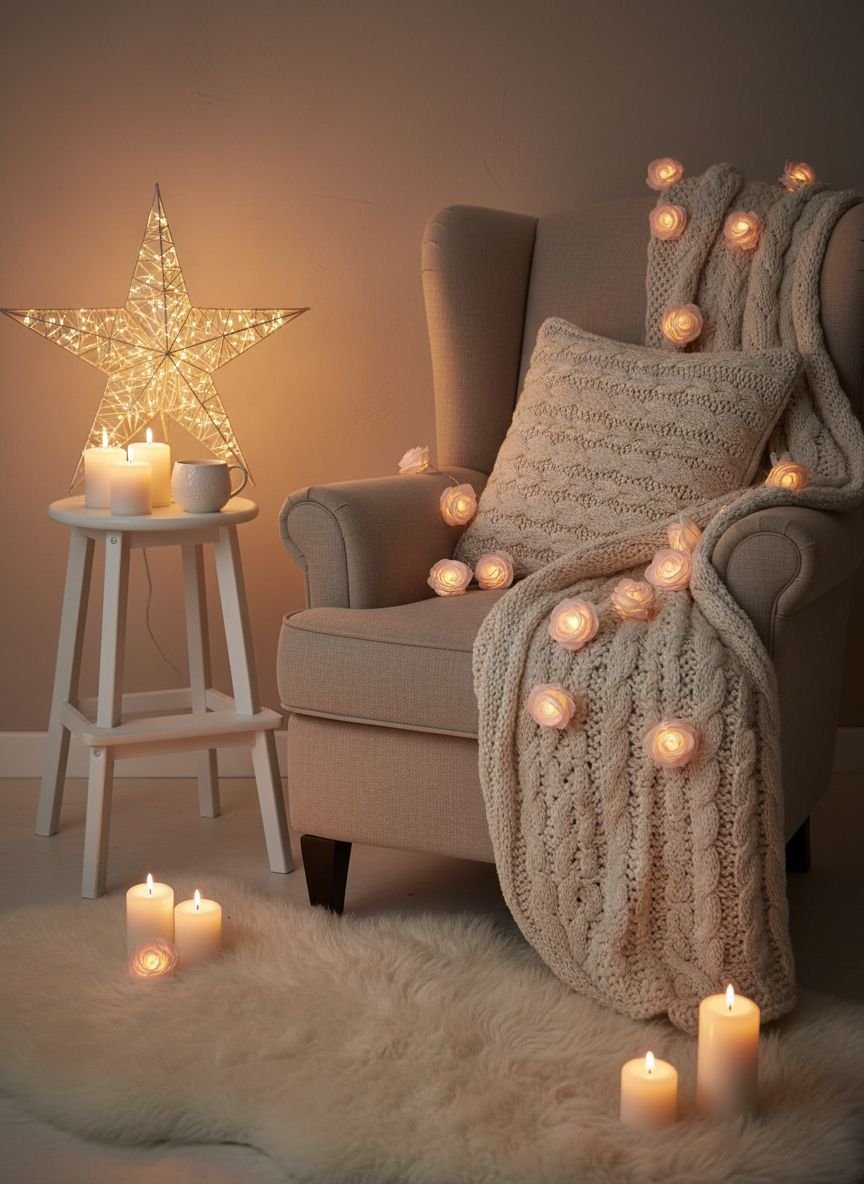
When you cannot use a lot of colors or large furniture, texture becomes your main design tool. Layering different materials adds visual weight and coziness without taking up physical space. Combine a chunky knit throw with a smooth velvet pillow, a rough jute rug, and a sleek glass vase.
This contrast creates a sensory experience that makes the room feel rich and developed. It invites touch and makes the space feel “full” in a good way, rather than empty or cold.
Pro Tip: Stick to a monochromatic color scheme when layering textures to keep the look cohesive and calm.
Add a few little luxuries
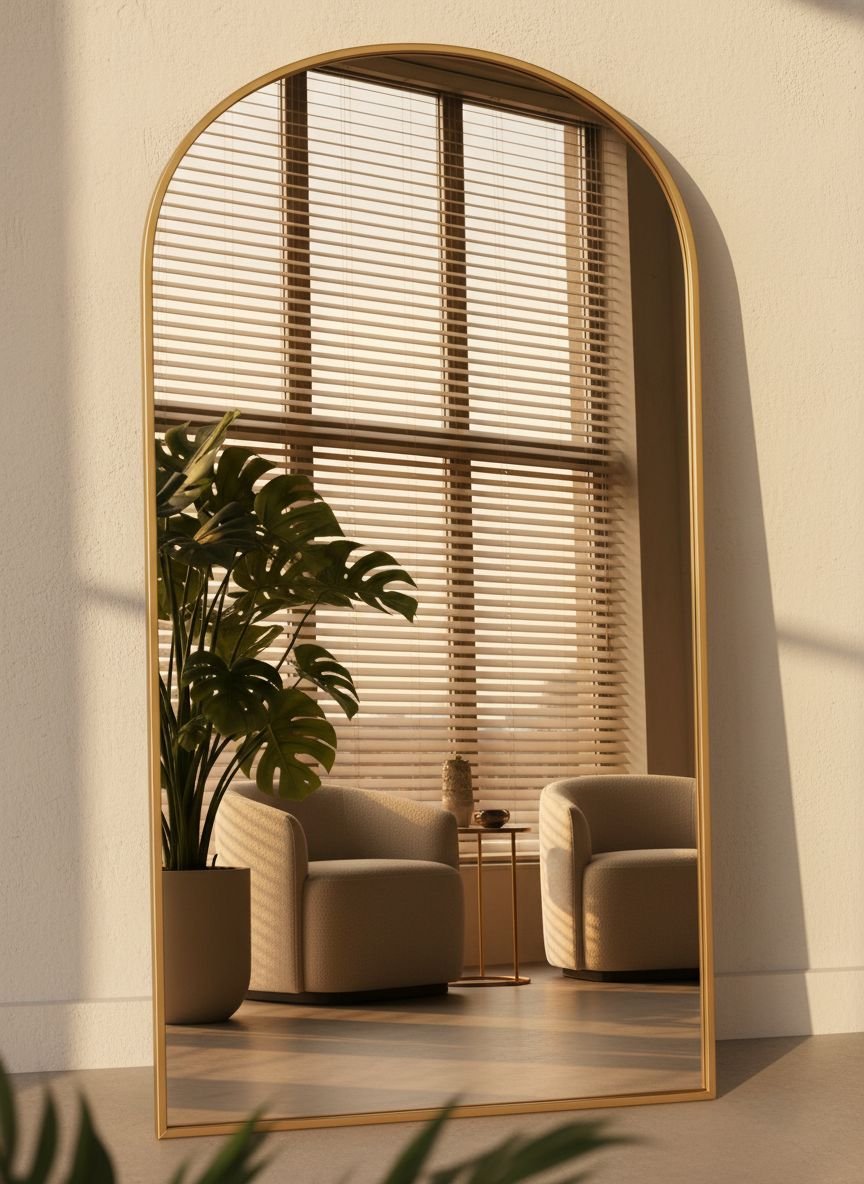
Small spaces allow you to splurge on high-end materials because you need less of them. A small living room is the perfect place to introduce touches of marble, silk, or gold. Because the room is compact, these luxury elements are always within view and touch, elevating the entire experience of the space.
Consider a cashmere throw, a high-quality scented candle in a heavy glass vessel, or a small marble side table. These elements act as jewelry for the room, signaling that the space is designed and cared for.
Make it personal
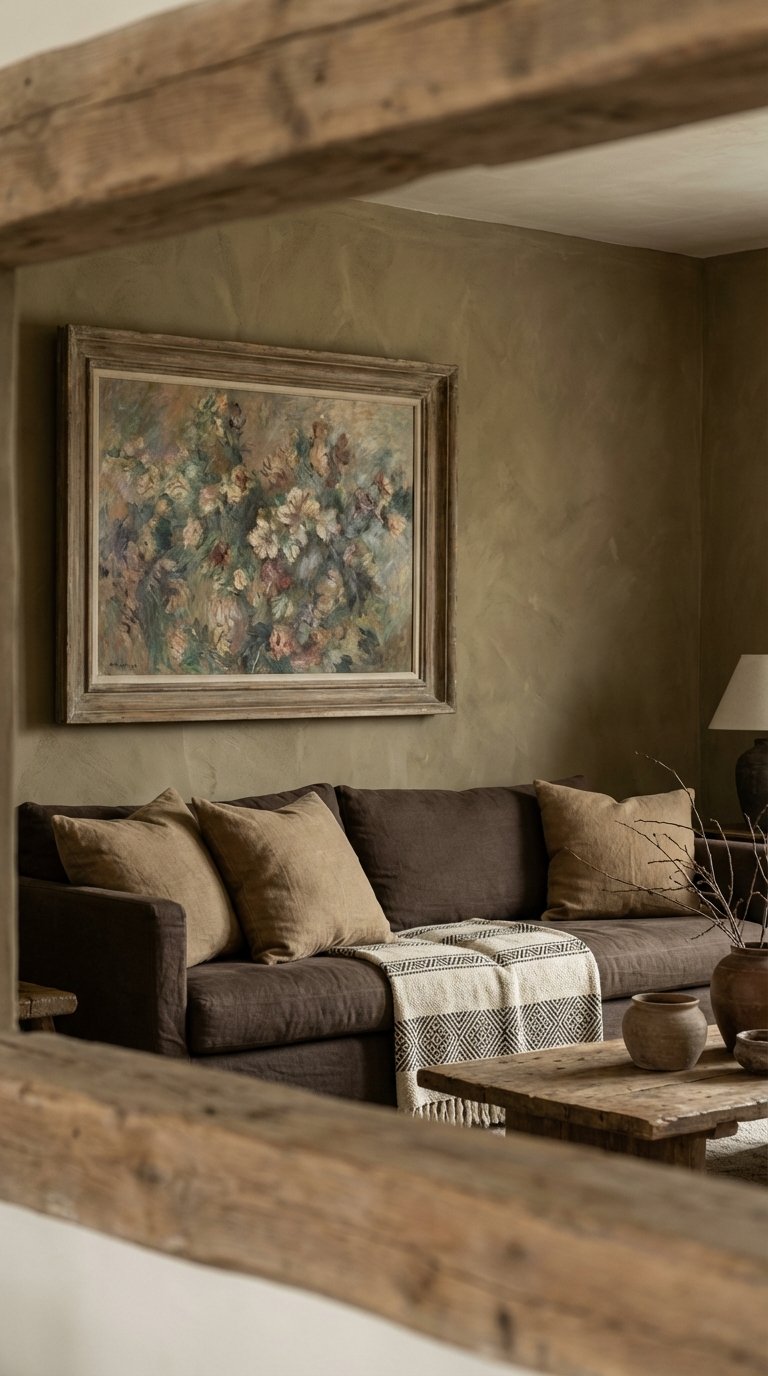
A small living room should feel like a warm hug, and nothing achieves that better than personal artifacts. Unlike large great rooms which can feel impersonal, a small lounge is an intimate setting perfect for displaying travel souvenirs, family heirlooms, or a curated book collection.
Displaying these items tells a story and gives the eye plenty of interesting details to rest on. The key is curation; group items on trays or shelves to avoid a cluttered look.
Comparison: Sofa Styles for Small Rooms
| Feature | Low-Profile Sofa | Standard Rolled-Arm Sofa |
|---|---|---|
| Visual Weight | Light and airy | Heavy and substantial |
| Space Perception | Makes ceilings feel higher | Can crowd the room |
| Best Style | Modern / Minimalist | Traditional / Farmhouse |
| Cozy Factor | Needs pillows for warmth | Naturally cozy look |
Related posts :
- 18 Stunning Accent Wall in Living Room Ideas That Will Make Your Space Pop Without Breaking the Bank
- 16 Beige Bedroom Inspiration for Your Home That Feels Warm and Luxurious
- 16 Inspired Moroccan Hallway Decor Ideas That Instantly Warm Your Home
Popular Asked Questions
How do you make a small living room look bigger and cozy?
To make a room look bigger but stay cozy, use a neutral color palette for the walls and large furniture to reflect light. Then, add coziness through textures like rugs, blankets, and pillows rather than dark colors. Use mirrors to double the visual space and ensure your lighting is warm (yellow-toned) rather than cool white.
What is the best color for a small living room?
Light, cool neutrals like off-white, soft light gray, or fresh sage green are excellent because they make walls appear to recede, expanding the space. However, if you want a “moody” cozy vibe, dark colors like navy or charcoal can work if you commit to them by painting the trim and ceiling the same color (color drenching).
How to arrange furniture in a small living room?
Pull furniture away from the walls, even just a few inches. This creates a shadow line that suggests more depth. Focus on a central conversation area with a rug anchoring the front legs of the sofa and chairs. Ensure there is a clear walking path (traffic flow) so the room does not feel cramped when you move through it.
How can I decorate my living room on a low budget?
Focus on lighting and textiles. Changing a harsh overhead bulb to a warm lamp instantly changes the mood. Adding a new throw pillow cover or a vintage rug can transform the look without buying new furniture. Decluttering is also free and creates an immediate sense of more space.
Conclusion
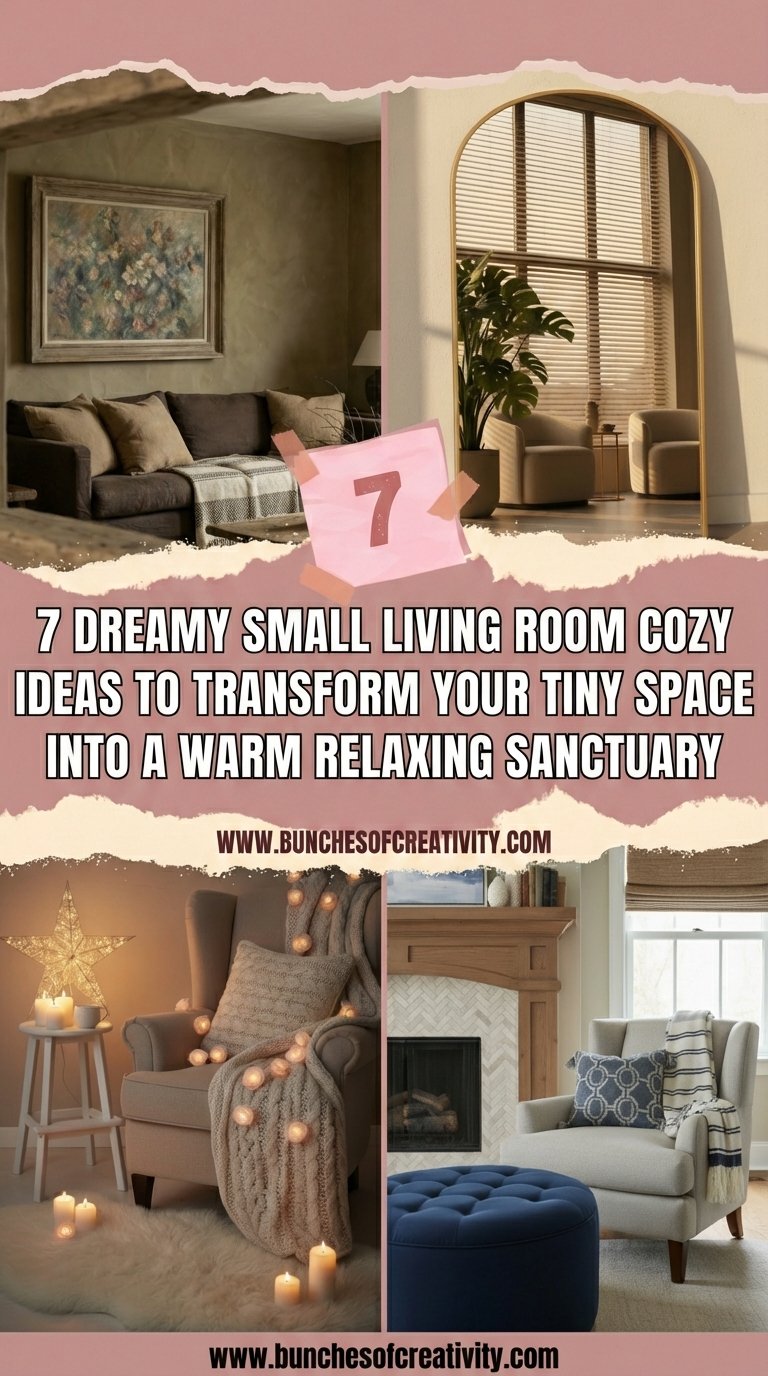
Making a small living room cozy is about balancing function with feeling. By embracing vertical space, layering rich textures, and choosing furniture that works hard for you, you can create a home that feels grand in style even if it is petite in size. Remember, the best rooms are the ones that feel personal and lived-in.






Leave a Comment