
You are staring at a blank wall, and it feels like the room is unfinished. You know a fresh coat of paint isn’t enough to achieve that high-end, “Pinterest-worthy” look you see in magazines, but you aren’t sure where to start without spending a fortune.
The trend for 2026 has shifted away from flat, single-color accent walls toward texture, depth, and “intentional maximalism.” Whether you are a renter looking for damage-free solutions or a homeowner ready for a renovation, treating your walls as architectural features rather than just barriers is the fastest way to increase your home’s perceived value.
This guide outlines 14 transformative design strategies—from trending biophilic installations to modern molding techniques—that solve the “boring wall” problem instantly.
Key Takeaways
- Texture Over Color: The biggest trend for 2026 is using materials like stone, wood slats, and limewash rather than just flat paint.
- Color Drenching: seamless visuals are achieved by painting walls, trim, and ceilings the same shade (look for “Hidden Gem” jade or “Sandstone Beige”).
- Functional Decor: Modern walls now incorporate sound-absorbing textiles and built-in niches to blend aesthetics with utility.
- Biophilic Design: Bringing the outdoors in with moss walls and vertical planters is essential for a calming modern home.
Table of Contents
- Modern House Exterior
- Wall Molding Design
- Accent Walls In Living Room
- Interior Wall Design
- Decor Home Living Room
- Hall Interior Design
- Interior Design Your Home
- Luxury Tv Wall
- Living Room Wall Designs
- Home Design Decor
- Deck Decorating
- Wainscoting
- Home Living Room
- Wall Shelves Design
- Popular Asked Questions
- Conclusion
Modern House Exterior
The first impression of your home begins before anyone steps inside. For 2026, exterior wall trends are moving away from uniform vinyl siding toward mixed-material facades that create depth and architectural interest. A “Modern Rustic” or “Cabin Core” aesthetic is dominating, where dark, moody siding (think charcoal or deep forest green) is paired with natural cedar or composite wood cladding. This contrast breaks up the visual monotony of a large exterior wall and highlights specific architectural features like entryways or gables.
To implement this, consider cladding just the front bump-out of your home in vertical timber slats while keeping the rest of the house a solid, matte dark color. This technique, often called “zoning,” directs the eye to the focal points of the house. Lighting plays a crucial role here; up-lighting installed at the base of the textured sections creates dramatic shadows at night, enhancing the curb appeal significantly.
Pro Tip: If replacing siding is out of budget, painting your brick a creamy “Sandstone Beige” and adding natural wood shutters can achieve a similar high-contrast, modern look for a fraction of the cost.
Wall Molding Design
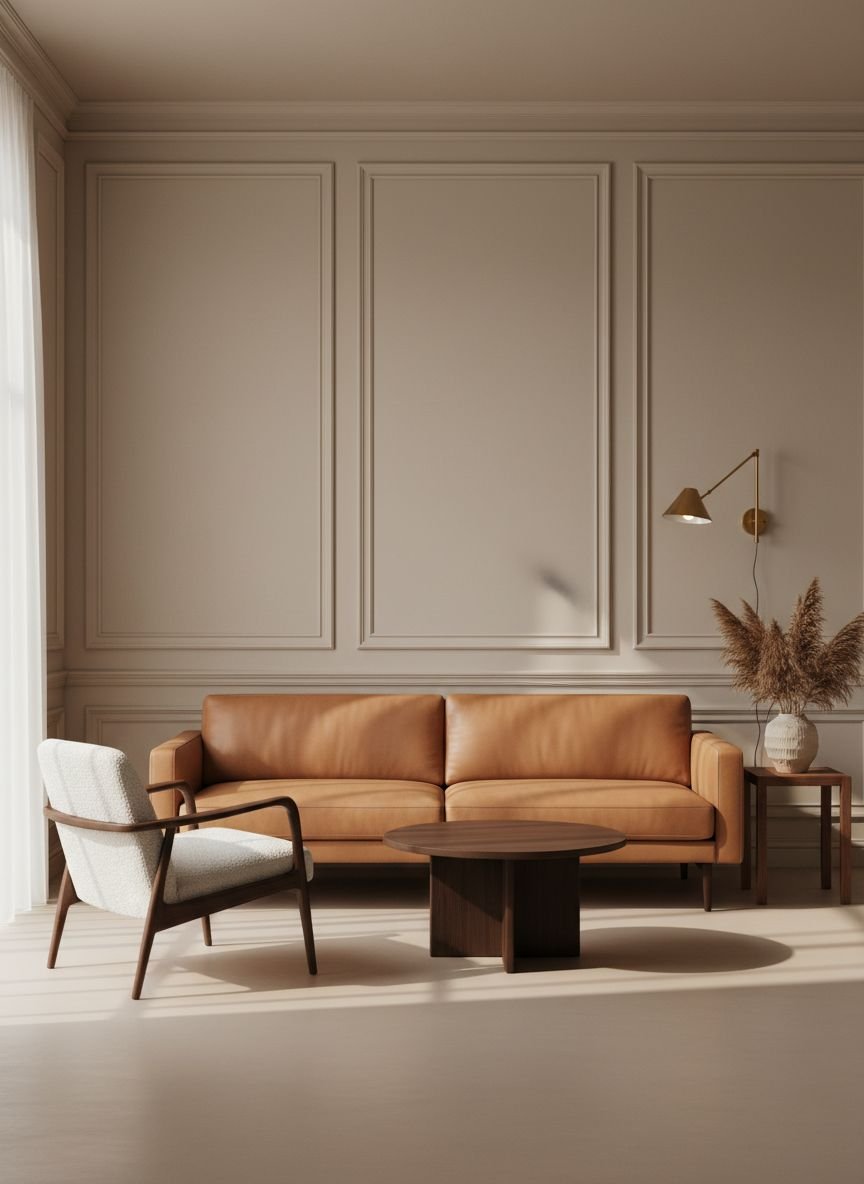
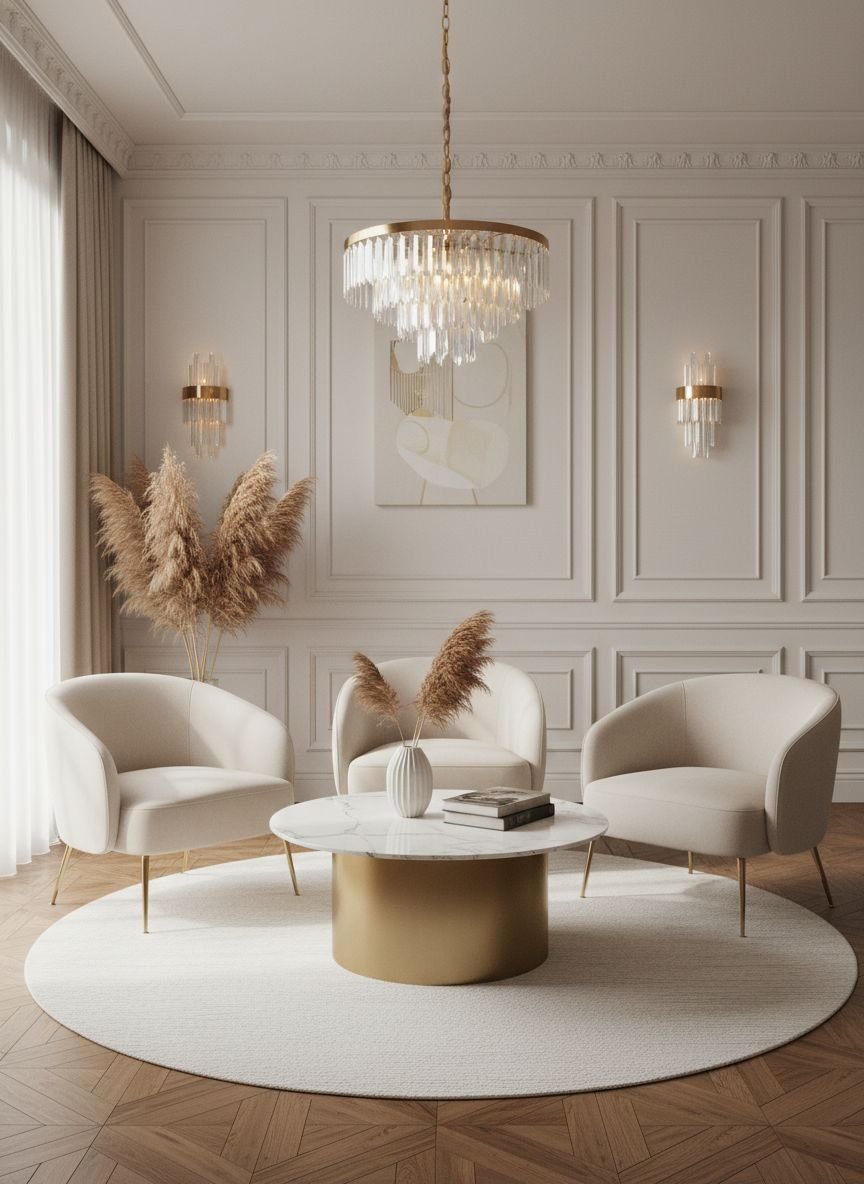
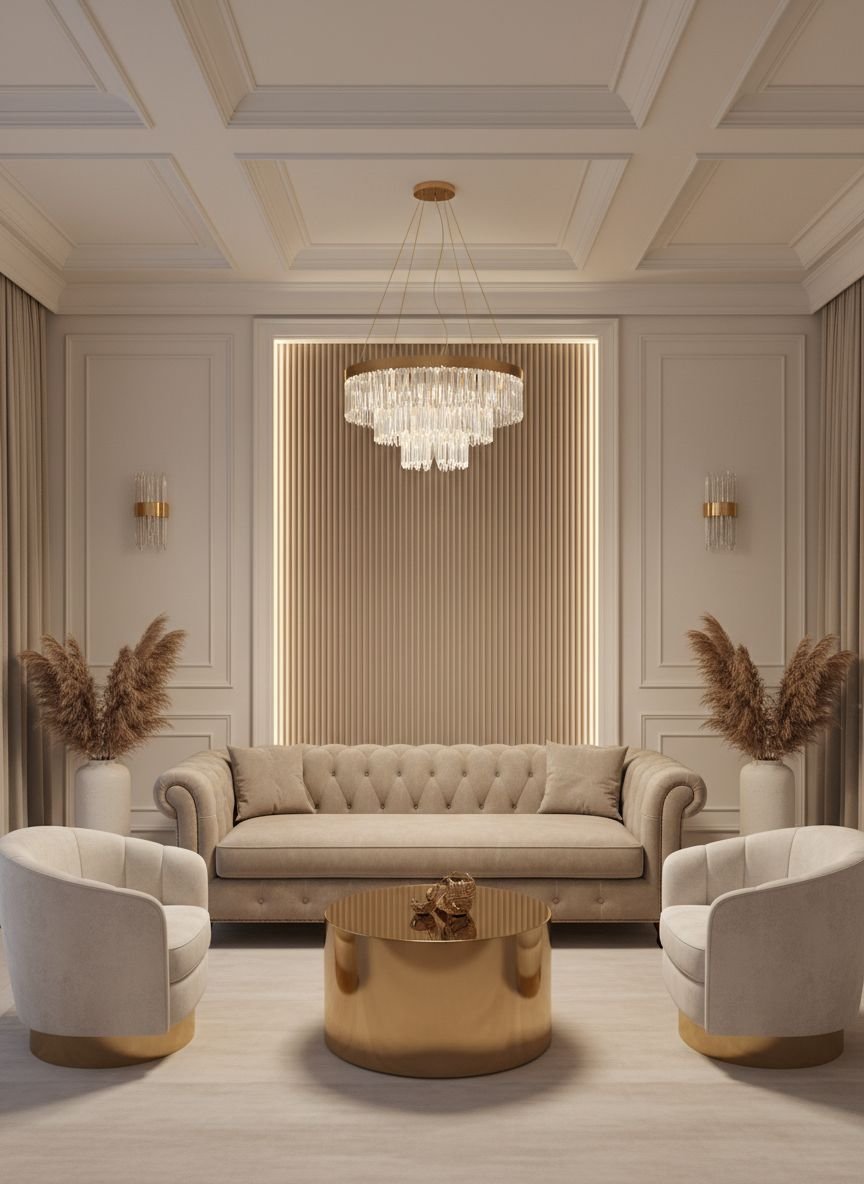
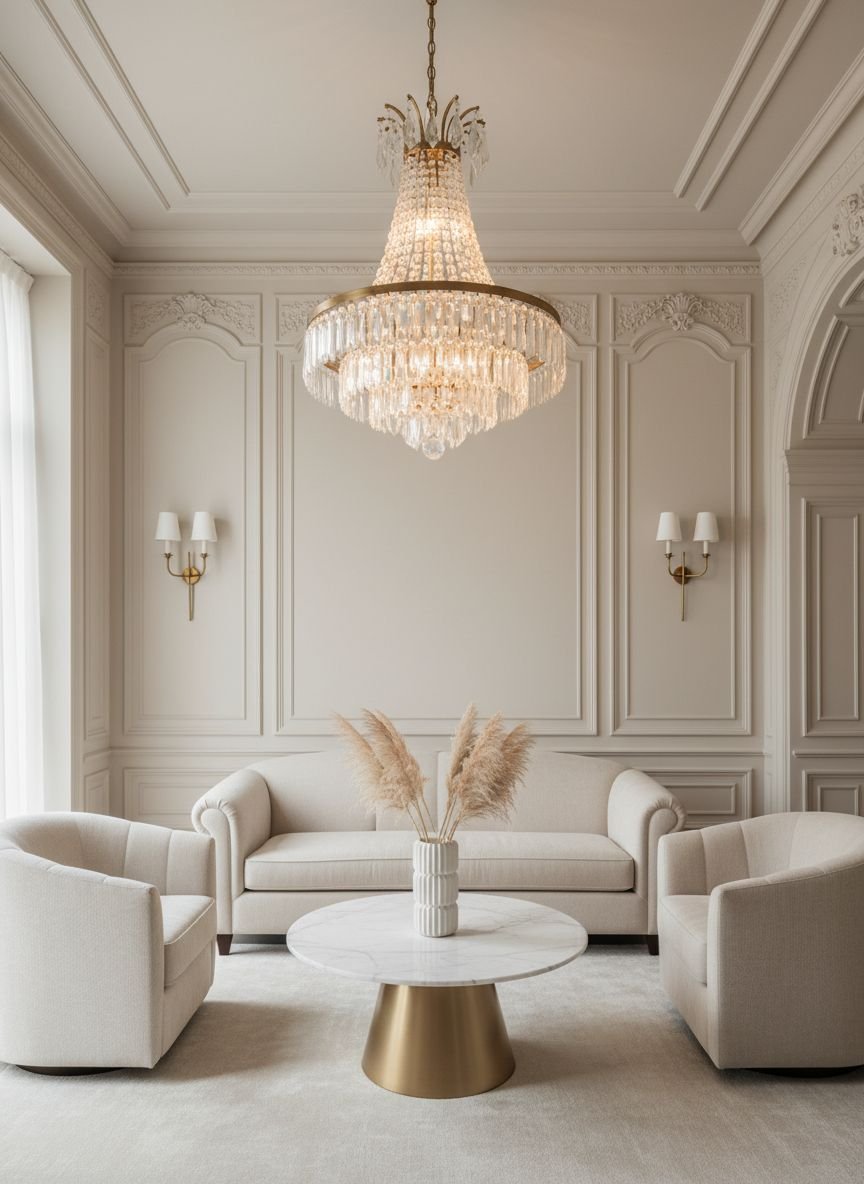
Gone are the days when shiplap was the only option for adding dimension. The new wave of wall molding focuses on “Picture Frame Molding” and intricate fluted details that add a layer of Parisian apartment elegance to standard drywall. This style involves creating rectangular boxes using thin trim pieces, which instantly makes a room feel taller and more regal. It is a perfect solution for large, empty walls where artwork feels too small or cluttered.
The secret to making this look modern rather than dated is the “Color Drenching” technique. Instead of painting the trim white and the wall a color, paint the molding, the baseboards, and the wall the exact same shade. This creates a subtle, shadow-based texture that feels sophisticated and calm. Deep shades like Mahogany or Midnight Teal work exceptionally well with this method, turning the wall into a velvet-like backdrop for your furniture.
Pro Tip: Use a laser level during installation. The human eye is incredibly sensitive to crooked lines, and even a millimeter difference can throw off the symmetry of the entire wall.
Accent Walls In Living Room
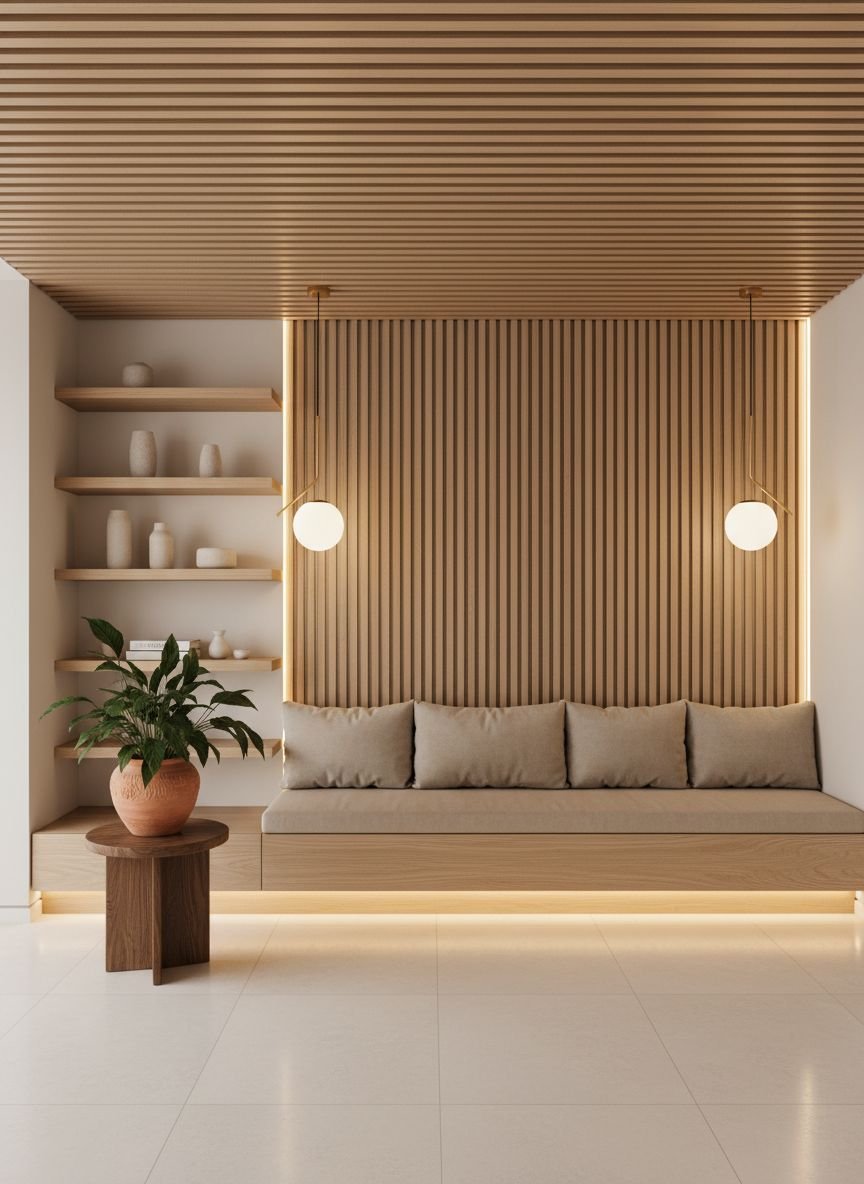
The concept of the accent wall has evolved from a single painted wall to a “Feature Texture.” In 2026, painting one wall blue is “out,” but installing a floor-to-ceiling stone veneer or slat wood paneling is decidedly “in.” This shift prioritizes tactile materials that absorb light and sound, making the living room feel cozier and more grounded. Slim wood slats (often with acoustic felt backing) are particularly popular because they add warmth and linear height to a space.
For a more organic approach, consider Limewash paint. This mineral-based finish creates a cloudy, mottled texture that mimics old-world plaster. It adds movement and softness to the room that flat latex paint cannot achieve. When applied to a focal wall, such as the one behind your sofa, it acts as a subtle art piece itself, requiring less hanging decor to feel complete.
Pro Tip: If choosing wood slats, ensure the wood tone matches or complements your flooring. Mixing a red-toned floor with yellow-toned wall wood can create visual friction.
Save this idea to your Pinterest.
Interior Wall Design
Drywall is being reimagined as a sculptural element. Instead of just flat surfaces meeting at 90-degree angles, current interior design trends favor curves, arches, and built-in niches. A “drywall niche” is a recessed shelf built directly into the wall, often arched at the top. This provides a sleek, zero-clutter way to display ceramics or books without needing bulky furniture like bookcases that take up floor space.
This architectural approach makes the home feel custom-built rather than cookie-cutter. You can retrofit existing walls with niches between the studs. Finishing these recesses with a contrasting color or a textured wallpaper backing adds depth. It transforms the wall from a passive boundary into an active part of the room’s design, blurring the line between architecture and furniture.
Pro Tip: Install a small LED puck light at the top of the niche to illuminate your display items and add ambient lighting to the room in the evening.
Decor Home Living Room
The “Intentional Maximalism” trend encourages layering different types of decor to tell a story. A gallery wall in 2026 is no longer just a grid of matching black frames. It is a curated collection of mixed media: a canvas painting next to a hanging textile, a ceramic wall planter, and a vintage mirror. This variety in texture and depth keeps the eye moving and makes the wall feel dynamic.
To achieve balance without chaos, stick to a cohesive color palette or a unifying theme (like “earth tones” or “botanical”). Start with your largest piece slightly off-center, then spiral smaller pieces outward. The goal is to cover a significant portion of the wall to create a “mural” effect with objects. This approach solves the problem of small art looking lost on large walls.
Pro Tip: Lay out your gallery arrangement on the floor first. Take a picture of it, then use painter’s tape to mark the placement on the wall before hammering a single nail.
Comparison: Paint vs. Texture
| Feature | Accent Paint | Textured Wall (Wood/Stone) |
|---|---|---|
| Cost | Low ($50-$100) | High ($500-$2000) |
| Installation | DIY Friendly (Easy) | Moderate/Advanced |
| Durability | Low (Scuffs easily) | High (Protects wall) |
| Acoustics | No benefit | Improves sound dampening |
| Trend Status | Fading Out | Trending High |
Hall Interior Design
Hallways are often neglected “pass-through” spaces, but they offer prime real estate for design. Because hallways are typically narrow, the wall design needs to add interest without encroaching on the physical space. Large, oversized mirrors are the ultimate hack here. A series of floor-to-ceiling mirrors or a massive round mirror can visually double the width of the hallway and bounce light into dark corners.
Another effective strategy for hallways is “Vertical rhythm.” This can be achieved with board-and-batten trim installed at regular intervals or vertical striped wallpaper. These vertical lines draw the eye upward, making low hallway ceilings feel loftier. Unlike a busy gallery wall which might feel claustrophobic in a narrow hall, these structured, rhythmic designs provide interest without visual clutter.
Pro Tip: If your hallway is dark, paint the walls a light, reflective sheen (satin or semi-gloss) to maximize the light-bouncing effect of your mirrors.
Related posts :
- 15 Jaw-Dropping Living Room Dreams That Will Instantly Upgrade Your Home Sanctuary
- 15 Sage Green Living Rooms That Transform Your Interior into a Haven of Peace
- 15 Stunning Living Room Designs for Small Spaces That Maximize Every Inch
Interior Design Your Home
Biophilic design—the concept of connecting interiors with nature—is evolving from potted plants to “Living Walls.” Preserved moss walls are surging in popularity because they offer the lush, green aesthetic of a vertical garden with zero maintenance (no watering or sunlight required). These art pieces add a soft, organic texture that contrasts beautifully with hard surfaces like glass and steel.
You can create a framed moss art piece as a focal point or cover an entire section of a wall for a dramatic effect. This is particularly effective in home offices or reading nooks, as the color green is psychologically proven to reduce stress and increase focus. Pairing a moss wall with natural wood furniture completes the “Sanctuary” vibe that is so desirable in modern homes.
Pro Tip: Ensure you buy preserved moss, not dried moss. Preserved moss is treated with glycerin to stay soft and vibrant for years, whereas dried moss will turn brown and crumble.
Luxury Tv Wall
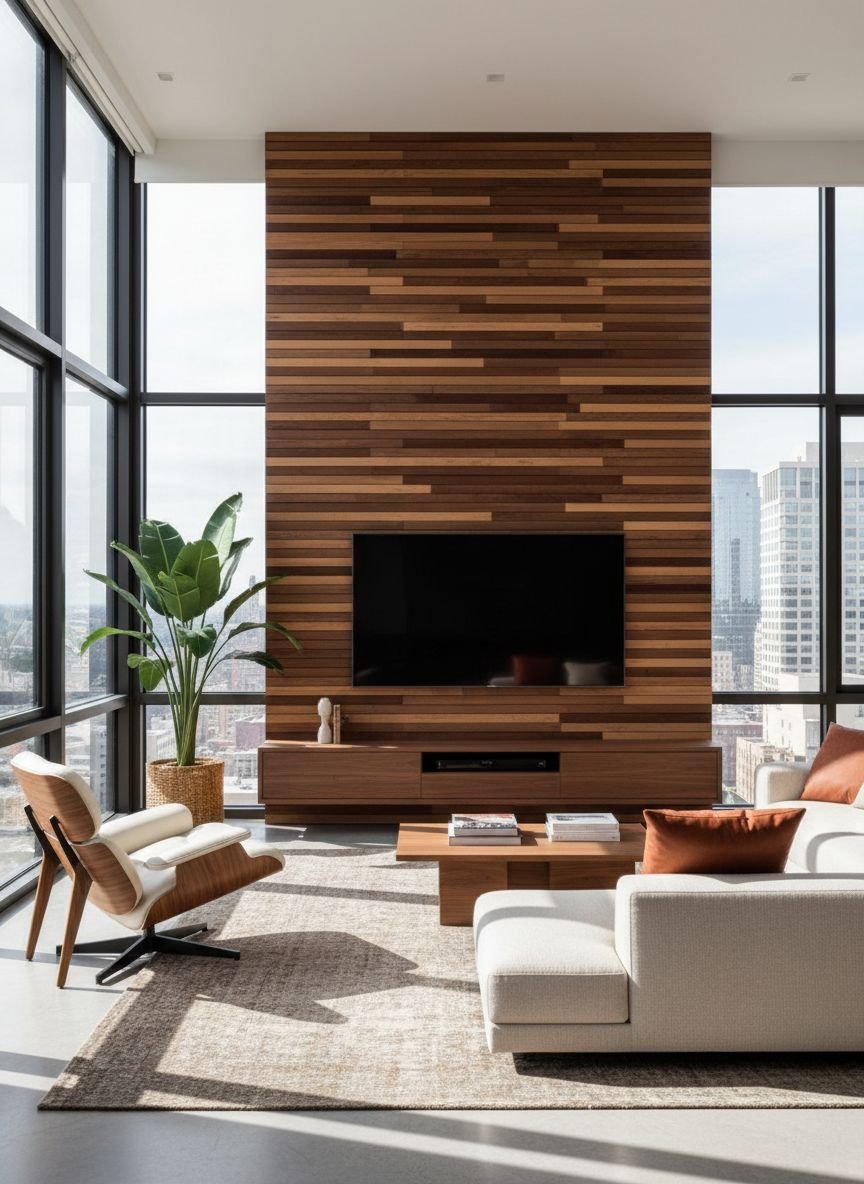
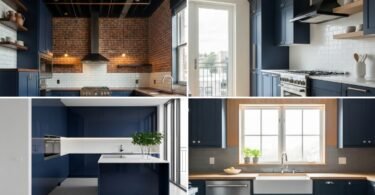
The “black hole” of the television screen is a common design dilemma. The luxury solution is to integrate the TV into a dark, moody built-in unit. By painting the wall behind the TV and the surrounding shelving a deep color like Charcoal, Navy, or Black, the TV screen blends into the background when turned off, rather than standing out as an eyesore.
Modern luxury TV walls also incorporate electric fireplaces and slat wood detailing. A popular layout involves a linear electric fireplace at the bottom, a stone or slat feature wall in the middle (mounting the TV), and vertical cabinetry on the sides. Recessed LED strip lighting hidden behind the TV or under the shelves adds a cinematic glow that elevates the entire setup to a 5-star hotel standard.
Pro Tip: Use a “Frame TV” or similar technology that displays art when not in use to completely camouflage the technology aspect of the wall.
Living Room Wall Designs
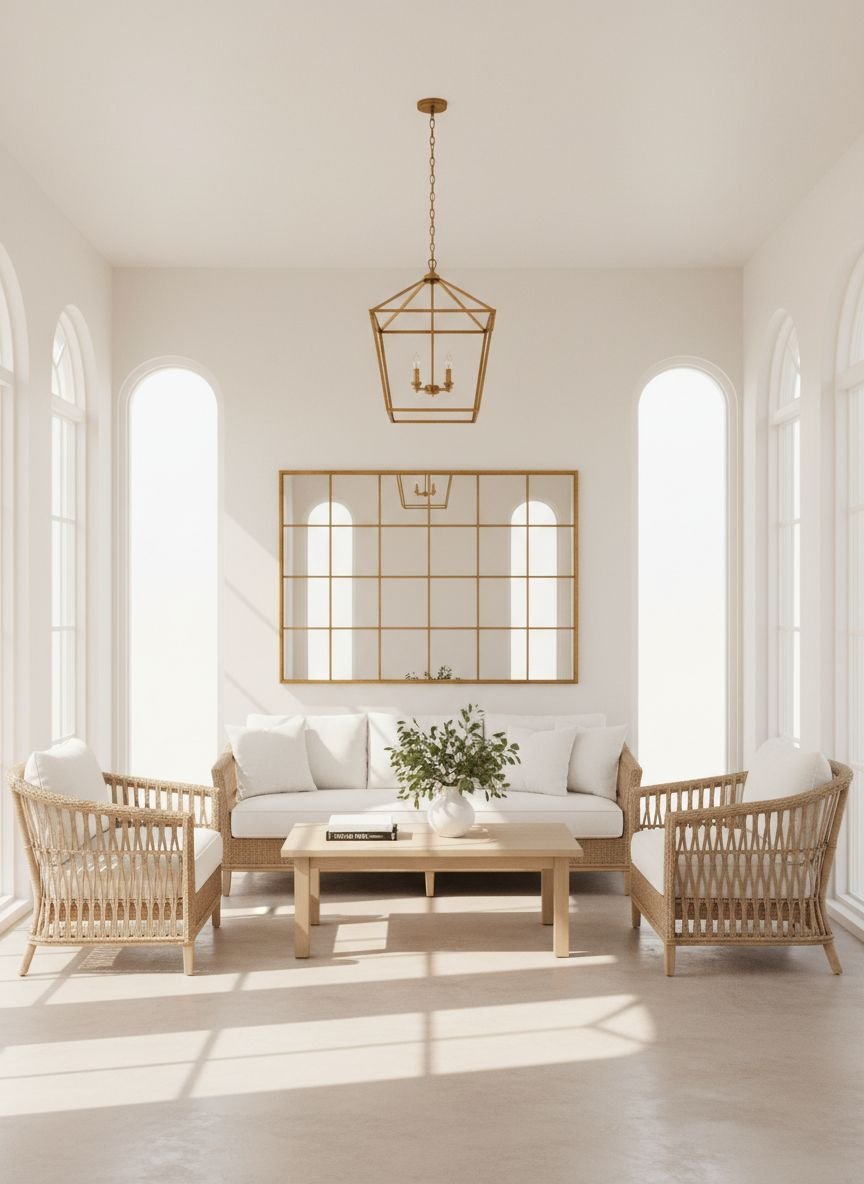
Oversized art is the antidote to cluttered walls. Instead of hanging ten small frames, hang one massive canvas that takes up 60-70% of the wall width. This creates a gallery-like focal point that feels calm and confident. Large-scale abstract art in neutral tones or “Sculptural Neutrals” (textured plaster art) is trending because it adds visual weight without introducing busy patterns.
This approach works exceptionally well in minimalist or Scandinavian-inspired living rooms. The large artwork anchors the furniture below it, connecting the sofa to the rest of the room. If an original oversized canvas is out of budget, consider a large engineering print or a DIY textured canvas made with joint compound and paint.
Pro Tip: Hang the center of the artwork at eye level, which is typically 57 to 60 inches from the floor. Most people hang art too high, which disconnects it from the furniture.
Home Design Decor
Textiles are moving from the floor to the walls. Hanging rugs, tapestries, or macramé pieces is a fantastic way to add softness and warmth, especially in rooms with hard flooring. This trend, often called “Soft Walls,” serves a dual purpose: it looks cozy and it acts as soundproofing.
In a large, echoey room, a heavy woven wool hanging can significantly dampen noise. Look for pieces with interesting weaves, tassels, or organic shapes. Unlike framed art, textile art adds physical depth and invites touch. It pairs perfectly with the “Boho” or “Eclectic” styles but can also warm up a stark “Industrial” space.
Pro Tip: Use a simple wooden dowel or a copper pipe to hang textiles for a clean, modern look. Avoid sagging by ensuring the rod supports the entire width of the fabric.
Save this idea to your Pinterest.
Deck Decorating
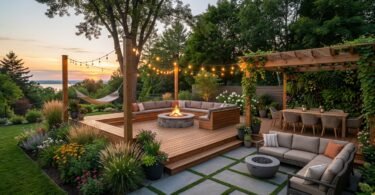
Outdoor walls are just as important as indoor ones. For decks and patios, “Privacy Walls” are the top design priority. Instead of a plain fence, homeowners are building decorative screens using horizontal wood slats, laser-cut metal panels, or bamboo. These structures define the outdoor “room” and block unsightly views or nosy neighbors.
To elevate this wall, treat it like an interior feature. Mount outdoor-rated wall planters, string lights, or even outdoor art. A vertical garden installed on a privacy screen creates a lush, green backdrop that feels like a private oasis. The combination of warm wood tones and vibrant green foliage is timeless and instantly relaxing.
Pro Tip: If using wood slats, leave a small gap (0.5 inch) between boards. This allows wind to pass through, reducing the wind load on the structure and preventing it from toppling in a storm.
Wainscoting
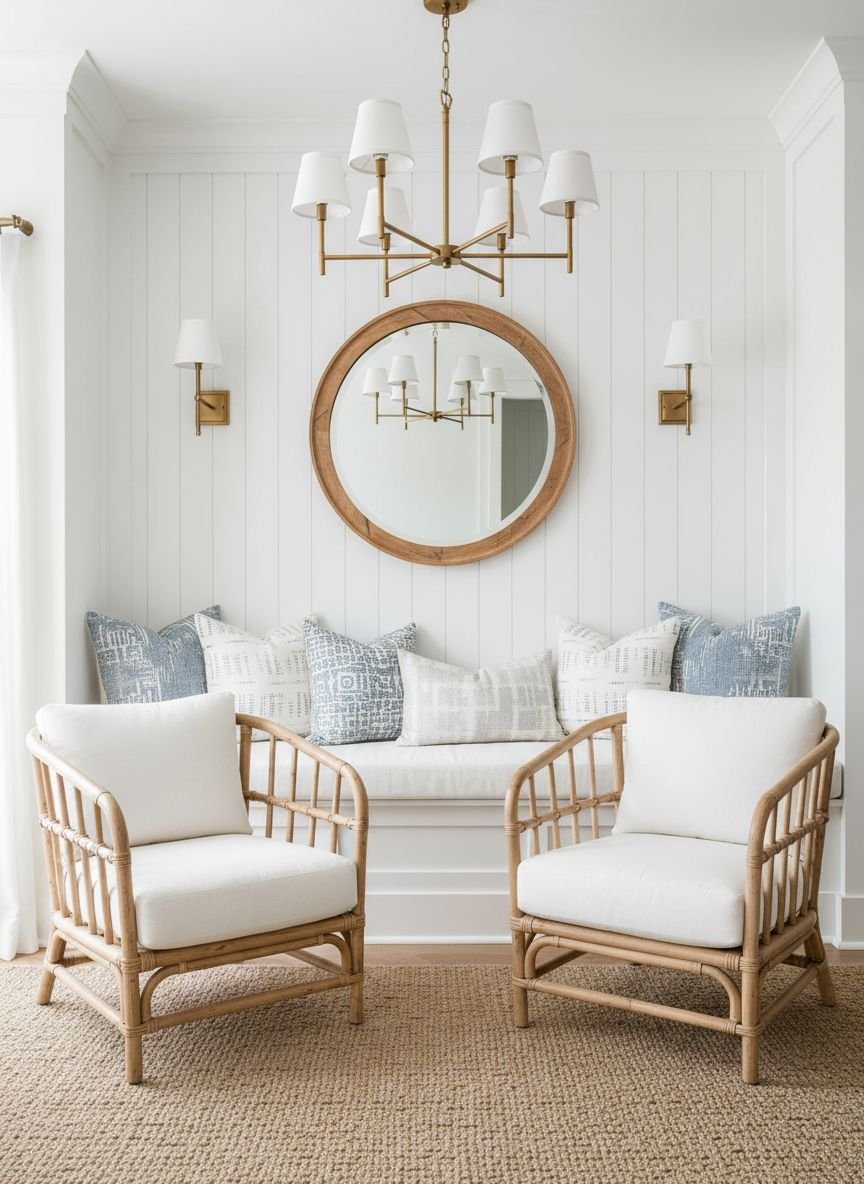
Wainscoting is a classic element that is seeing a modern revival. The rule of thumb used to be covering the bottom third of the wall. However, the 2026 trend is “High Wainscoting,” which extends up to two-thirds of the wall height or even higher. This elongates the room and provides ample protection for high-traffic areas like dining rooms or entryways.
Board and batten (vertical strips) and Beadboard (vertical grooves) are the most popular styles. Painting the wainscoting a moody color (like olive green or slate blue) while leaving the top sliver of the wall and ceiling white creates a cozy, “wrapped” feeling. It also draws the eye up to the contrast line, making the ceilings appear higher.
Pro Tip: Cap the top of your wainscoting with a slightly deeper ledge (2-3 inches). This creates a perfect narrow shelf for leaning small art frames or placing candles.
Home Living Room
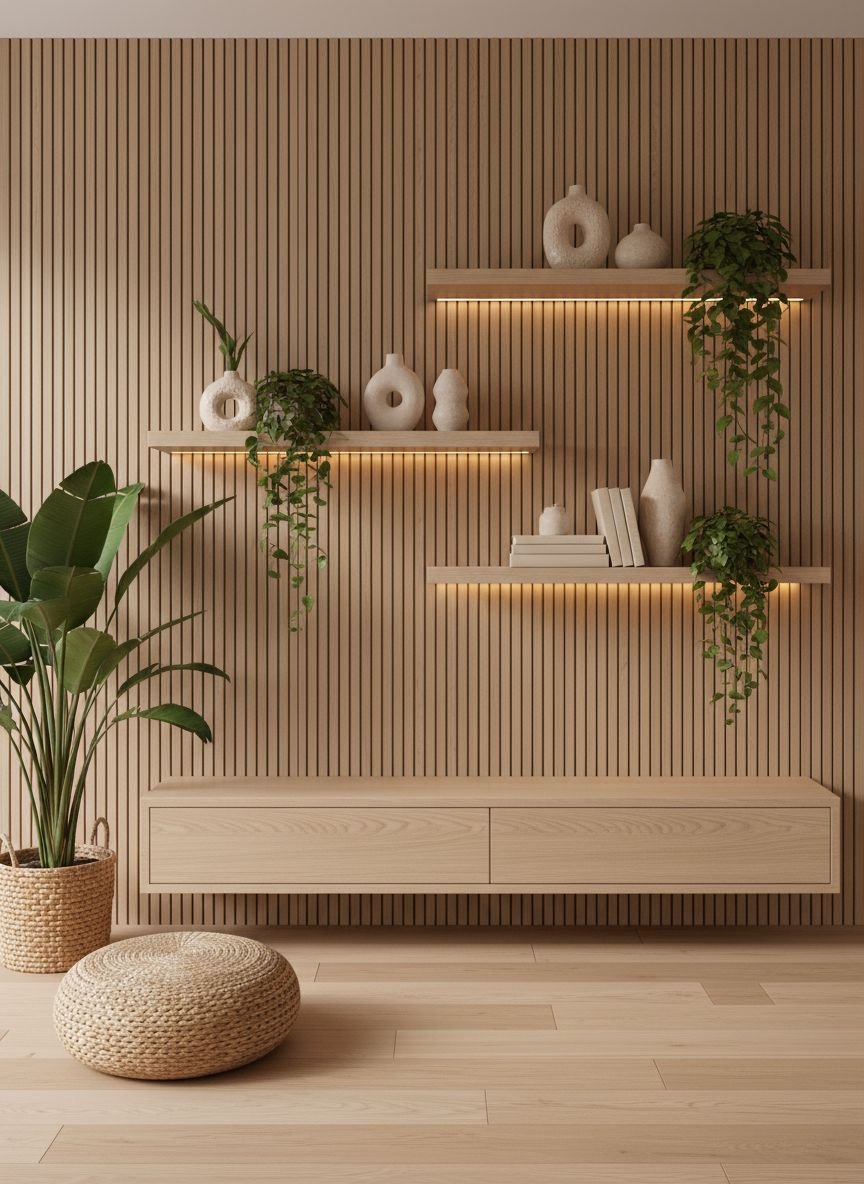
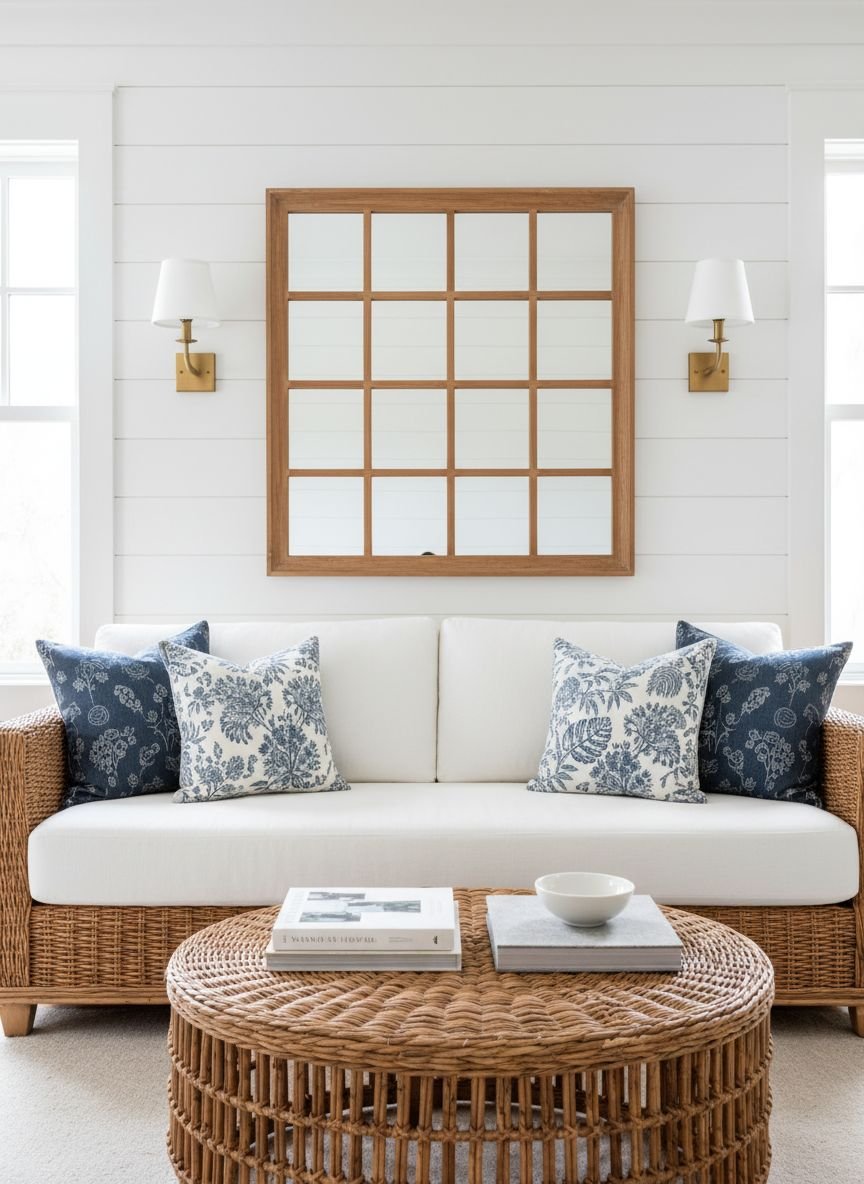
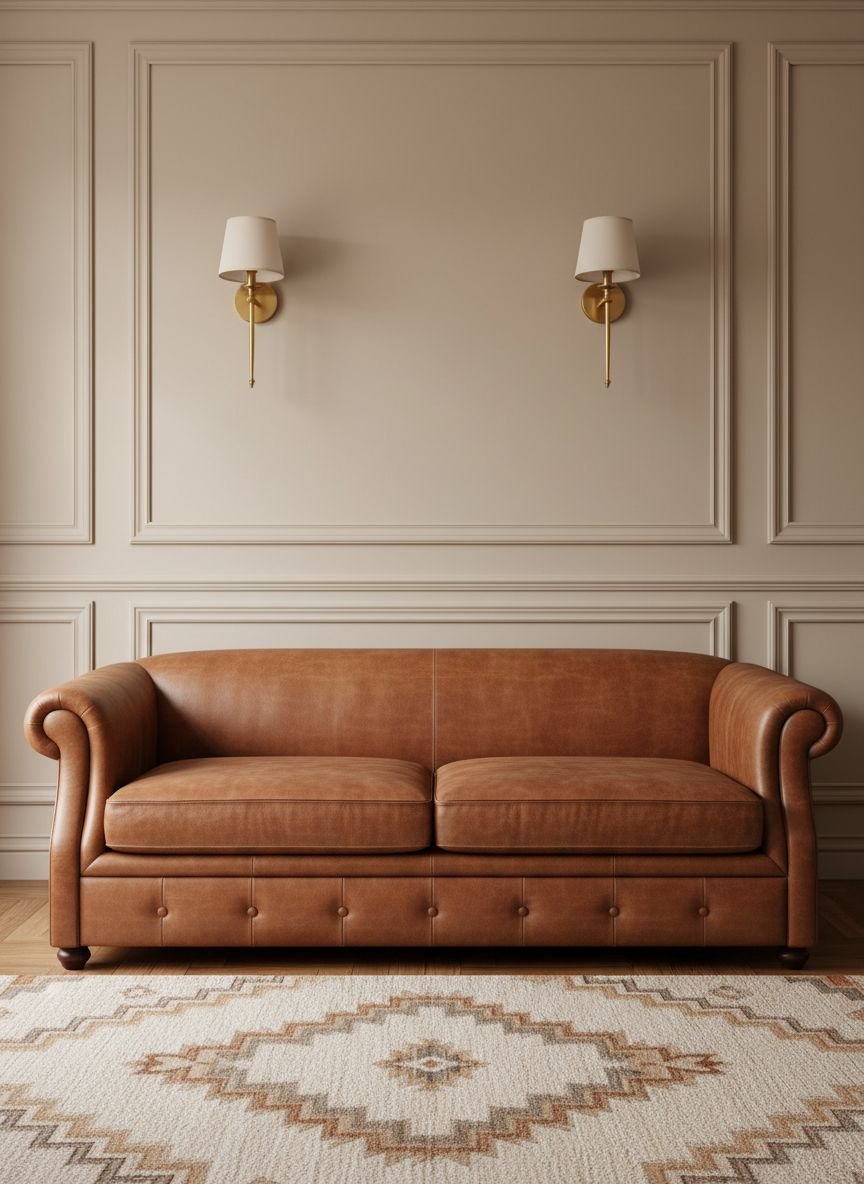
Lighting fixtures are the “jewelry” of wall design. Sconces are no longer just for bathrooms; they are being used in living rooms to frame sofas, fireplaces, and art. The trend is moving toward “hardwired-look” plug-in sconces, which allow renters and budget-conscious homeowners to add wall lighting without hiring an electrician.
Choose sconces with sculptural arms or interesting shades (brass, rattan, or colored glass). By placing a sconce on either side of a piece of art or a mirror, you create a vignette that feels deliberate and high-end. This layer of lighting is softer than overhead lights, perfect for setting a relaxing mood in the evening.
Pro Tip: If you can’t hide the cord of a plug-in sconce, embrace it. Use a decorative fabric-wrapped cord or install a sleek metal cord cover that matches the wall color.
Wall Shelves Design
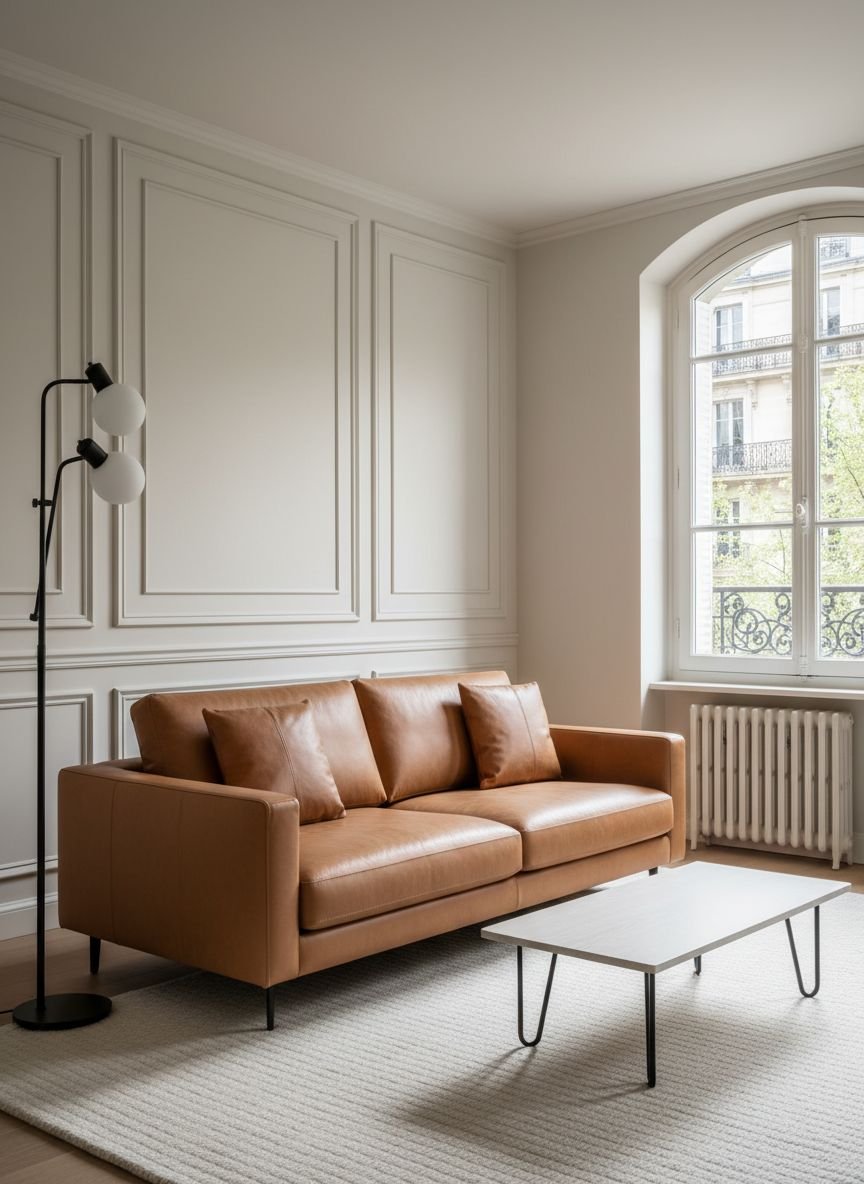
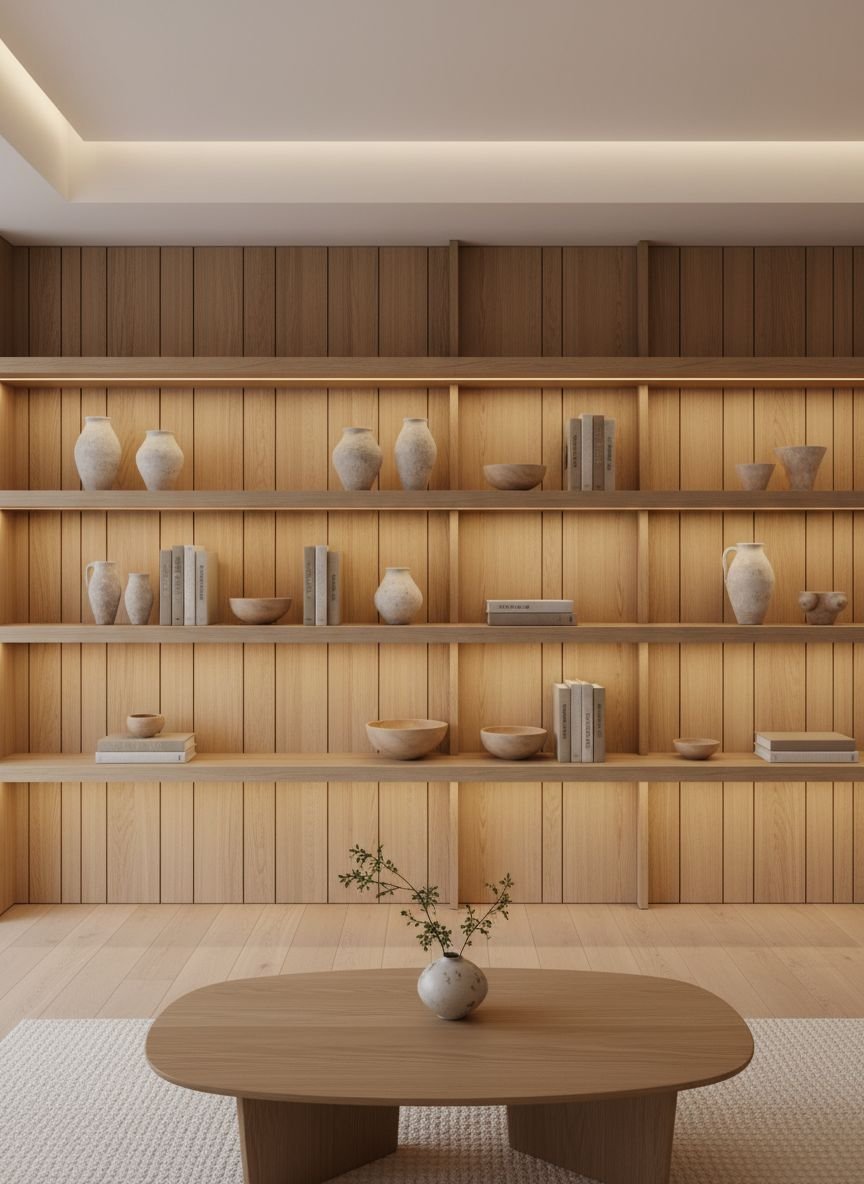
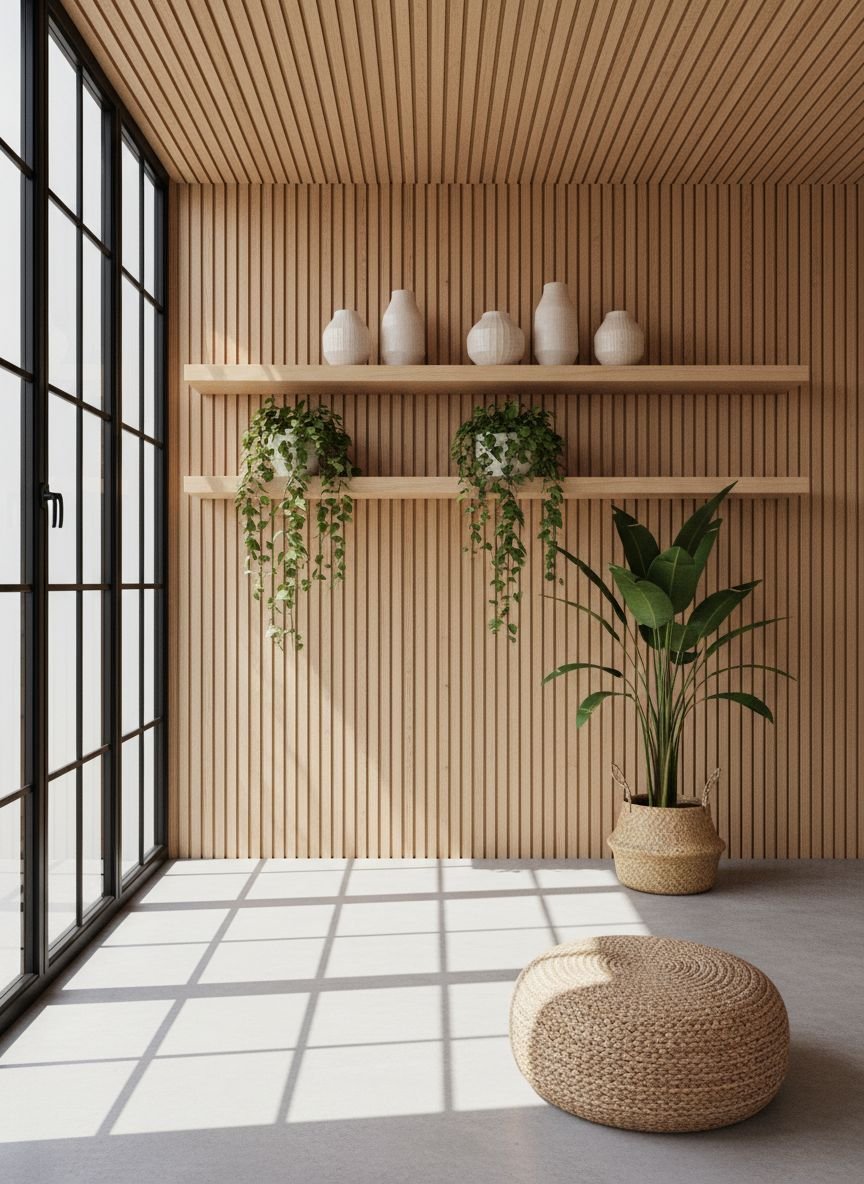
Floating shelves are a staple, but the styling has changed. The “cluttered bookshelf” look is out; “curated asymmetry” is in. Instead of stacking shelves directly on top of each other, stagger them or use shelves of varying lengths. The objects placed on them should be sparse and sculptural—think a singular stone vase, a small stack of three books, and a trailing plant.
Material matters here. Chunky, rough-hewn wood shelves add rustic warmth, while thin, powder-coated metal shelves offer a sleek, industrial minimalist vibe. The key is to leave “negative space” (empty space) on the shelves. This allows the wall color to show through and prevents the room from feeling heavy.
Pro Tip: Use the “Triangle Rule” when styling. Arrange objects so that the highest points form a visual triangle. This is naturally pleasing to the human eye and creates a sense of balance.
Popular Asked Questions
Are accent walls out of style in 2026?
The traditional “single wall painted a bold color” is fading out. However, accent walls are still very popular if they use texture instead of just paint. Think wood slats, stone veneer, wallpaper, or molding. The goal now is to add architectural interest rather than just a block of color.
How do you decorate a large empty wall without it looking cluttered?
The best approach is to use scale. One large piece of art or a large mirror is often better than many small pieces. Alternatively, use a “grid” gallery wall where matching frames are hung in perfect alignment to create one large, cohesive shape. This fills the space while keeping the look clean and organized.
What is the best wall color for 2026?
Warm, earthy neutrals are trending. Look for “Sandstone Beige,” “Bronze Ochre,” and warm whites. For darker accents, “Midnight Teal” and “Mahogany” are replacing standard black and navy. The focus is on colors that feel organic and comforting.
How can I decorate my walls if I am renting?
There are many damage-free options! Peel-and-stick wallpaper creates a massive impact and removes cleanly. Command strips can hold gallery walls. Plug-in sconces add lighting without wiring. You can also lean large mirrors or art against the wall to avoid making holes altogether.
What is “Color Drenching”?
Color drenching is a painting technique where you paint the walls, the trim, the baseboards, and sometimes even the ceiling the same color. This hides imperfections, makes small rooms feel larger, and creates a very modern, immersive look.
Conclusion
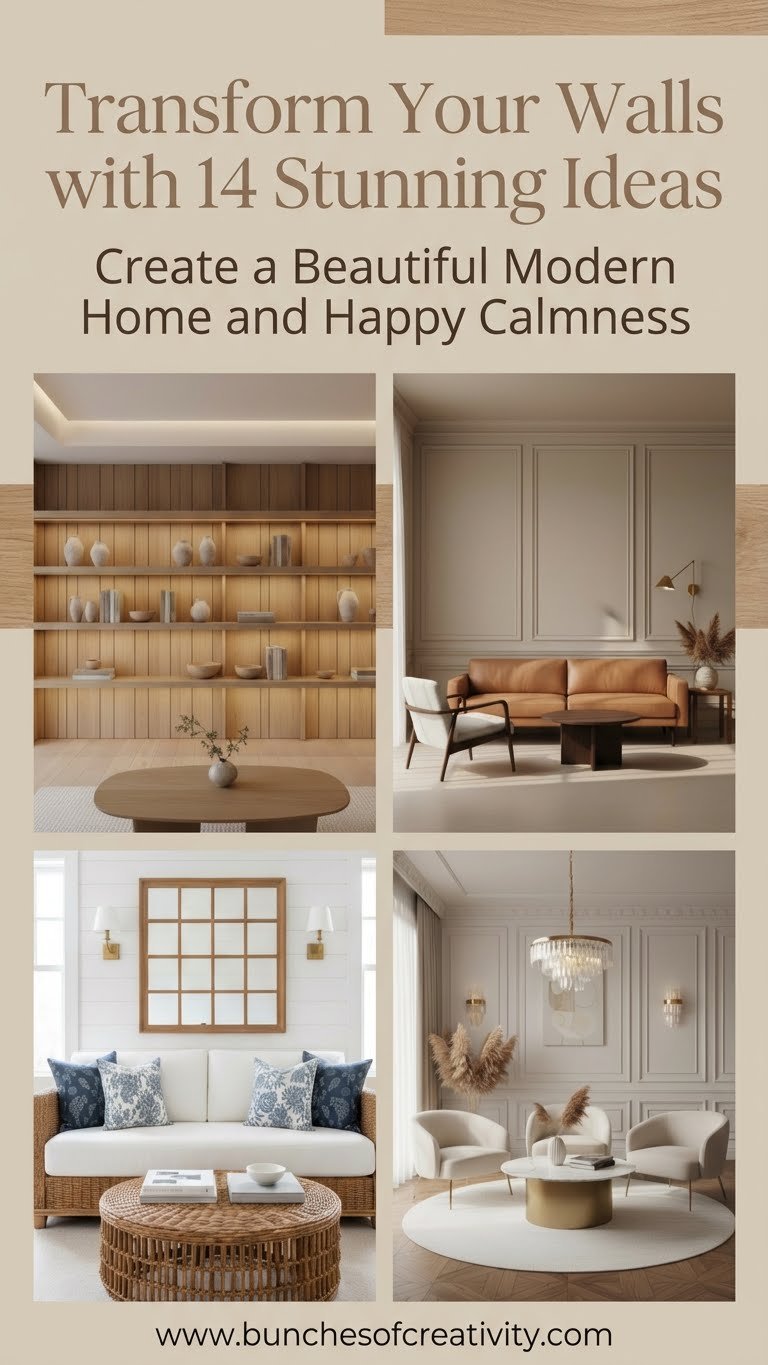
Transforming your walls is about more than just filling space; it is about creating a feeling. Whether you choose the moody elegance of a dark, slat-wood TV wall or the airy freshness of a biophilic moss installation, the key for 2026 is texture and intention. Stop settling for blank drywall and start treating your walls as the canvas for your home’s personality.

Leave a Comment