
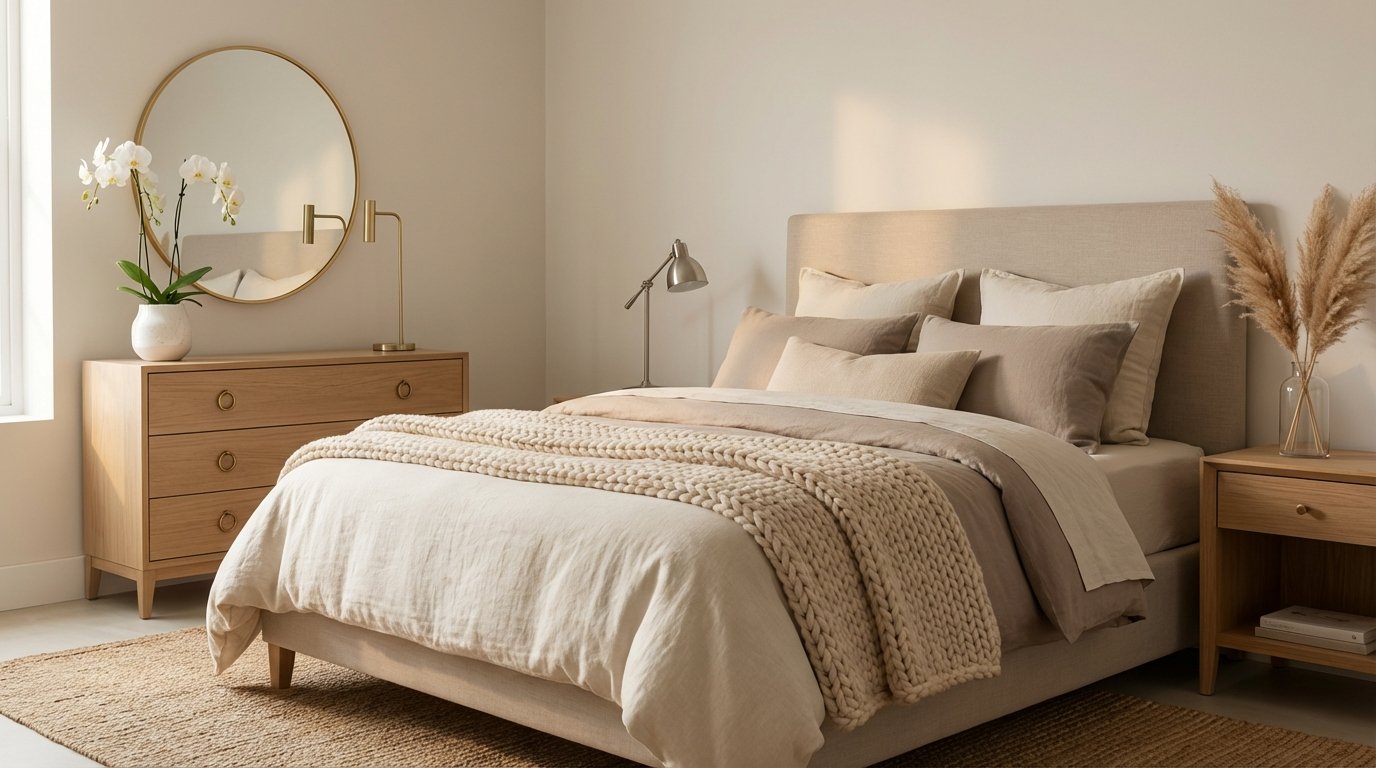
Your bedroom should be more than just a place to sleep. It is the one room in your home where you start and end your day, and it deserves to feel like a sanctuary. Yet, many of us settle for cluttered nightstands, mismatched bedding, and lackluster lighting that drains our energy rather than restoring it.
If you are tired of waking up in an uninspiring space, you are in the right place. This guide delivers high-impact, sophisticated design strategies to elevate your bedroom immediately. We are not talking about a full renovation that knocks down walls. Instead, we focus on the power of textiles, lighting, and strategic decor to create a high-end aesthetic. From the tactile luxury of velvet to the drama of vintage lighting, these ideas will help you curate a space that rivals the world’s finest boutique hotels.
Key Takeaways
- Texture is Key: Layering materials like velvet, silk, and linen instantly adds depth and a “luxury” feel without expensive renovations.
- Lighting Sets the Mood: ditch the single overhead light for layered options like vintage chandeliers and warm bedside sconces.
- Scale Matters: oversized art and mirrors can make even small bedrooms feel grand and spacious.
- Dark Colors Add Drama: Deep hues like royal blue or emerald green create a cozy, cocoon-like atmosphere perfect for sleep.
- Declutter for Class: A minimalist approach to surfaces allows your statement pieces to truly shine.
Table of Contents
- Velvet Bedroom Accents
- Royal Blue Bedroom Touches
- Vintage Chandelier Warmth
- Clean Minimal Bedroom
- Bold Wallpaper Bedroom Ideas
- Bedroom Art Accents
- Cozy Plush Bedding Set
- Stylish Bedroom Mirrors
- Layered Bedroom Textures
- Layered Bedroom Lighting
- Popular Asked Questions
- Conclusion
Velvet Bedroom Accents
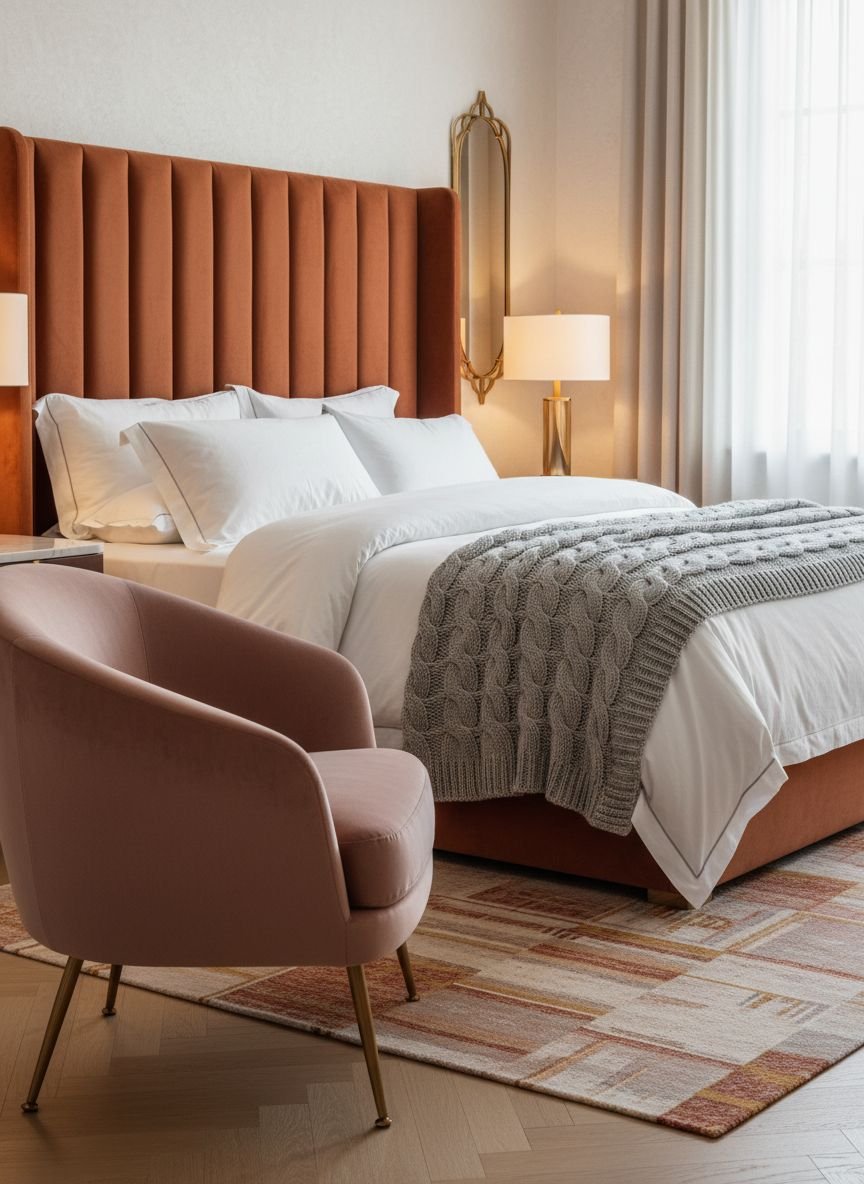
Nothing says “luxury” quite like the touch of velvet. This fabric has been a staple of regal interiors for centuries because of its ability to catch light and create soft, shifting shadows. Integrating velvet into your bedroom does not mean you need to upholster every surface. Instead, focus on a single high-impact piece that anchors the room. A tufted velvet headboard in a jewel tone like emerald, sapphire, or dusty rose serves as a sophisticated focal point. The dense pile of the fabric absorbs sound, which contributes to the quiet, hushed atmosphere you want in a sleeping space.
To implement this look without overwhelming the room, balance the visual weight of velvet with lighter materials. If you choose a velvet bed frame, pair it with crisp, cool cotton sheets and a lightweight throw. Alternatively, if you are not ready to commit to furniture, start with velvet throw pillows or floor-to-ceiling velvet curtains. These smaller accents provide that tactile richness and visual warmth. The contrast between the sheen of the velvet and matte wall finishes creates a dynamic, professional interior design look that feels curated rather than cluttered.
Pro Tip: When choosing velvet curtains, ensure they are lined. This adds weight to the drape so they hang perfectly straight and provides blackout functionality for better sleep.
Save this idea to your Pinterest.
Royal Blue Bedroom Touches
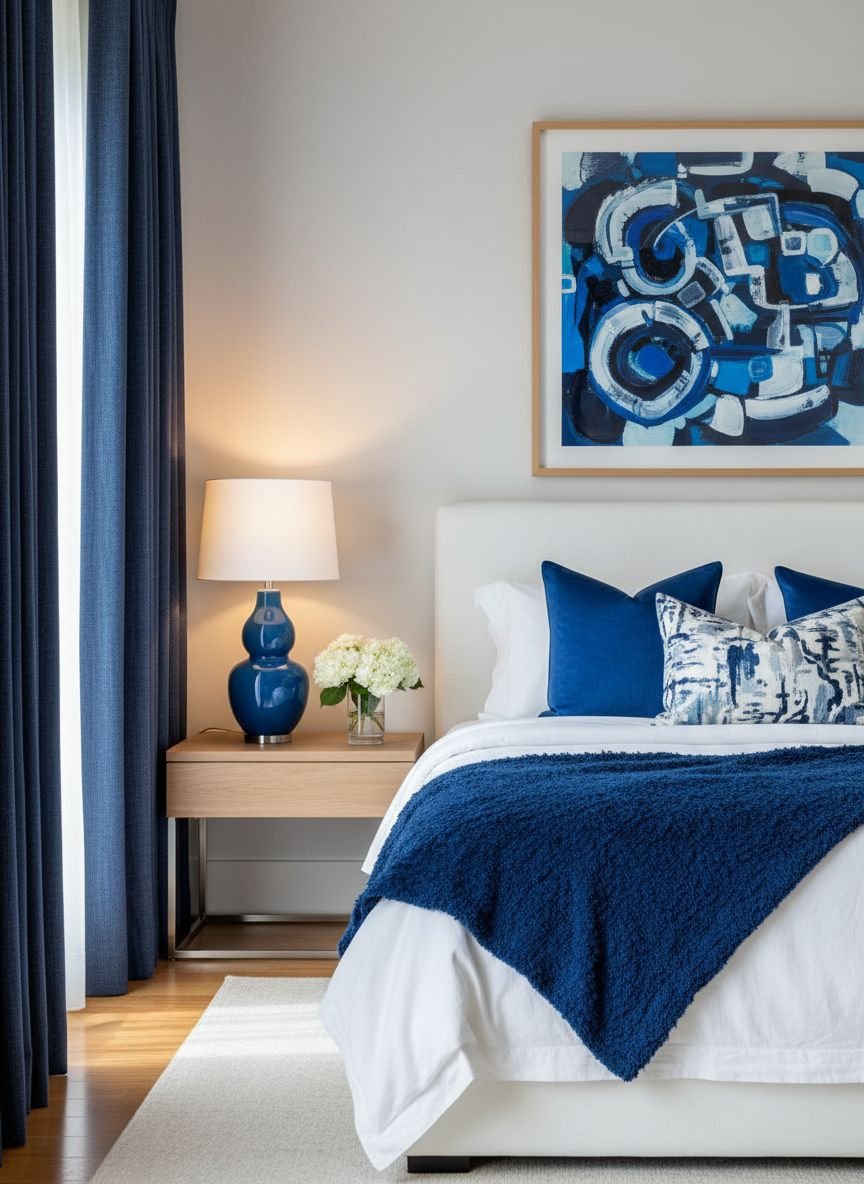
Color psychology plays a massive role in how a room feels, and royal blue is a powerhouse for bedrooms. This deep, saturated hue evokes a sense of calm, stability, and elegance. Unlike bright primary blues which can feel energetic, royal blue or navy acts as a neutral in a dark palette. It recedes visually, which can actually make the walls of a small room feel further away, creating an illusion of more space while providing a cozy “cocoon” effect.
You can introduce this color through a “color drenching” technique where you paint the walls, trim, and even the ceiling in the same shade for a seamless, modern look. If that feels too bold, use royal blue as your accent color against a palette of creams and greys. A royal blue rug, an upholstered bench at the foot of the bed, or even a painted dresser can ground the space. Gold or brass hardware pops incredibly well against this dark background, adding a layer of glamour and sophistication that elevates the entire room.
Pro Tip: Use matte paint for dark blue walls. Glossy finishes can reflect too much light and reveal imperfections in the drywall, while matte finishes absorb light for a velvety, high-end appearance.
Vintage Chandelier Warmth
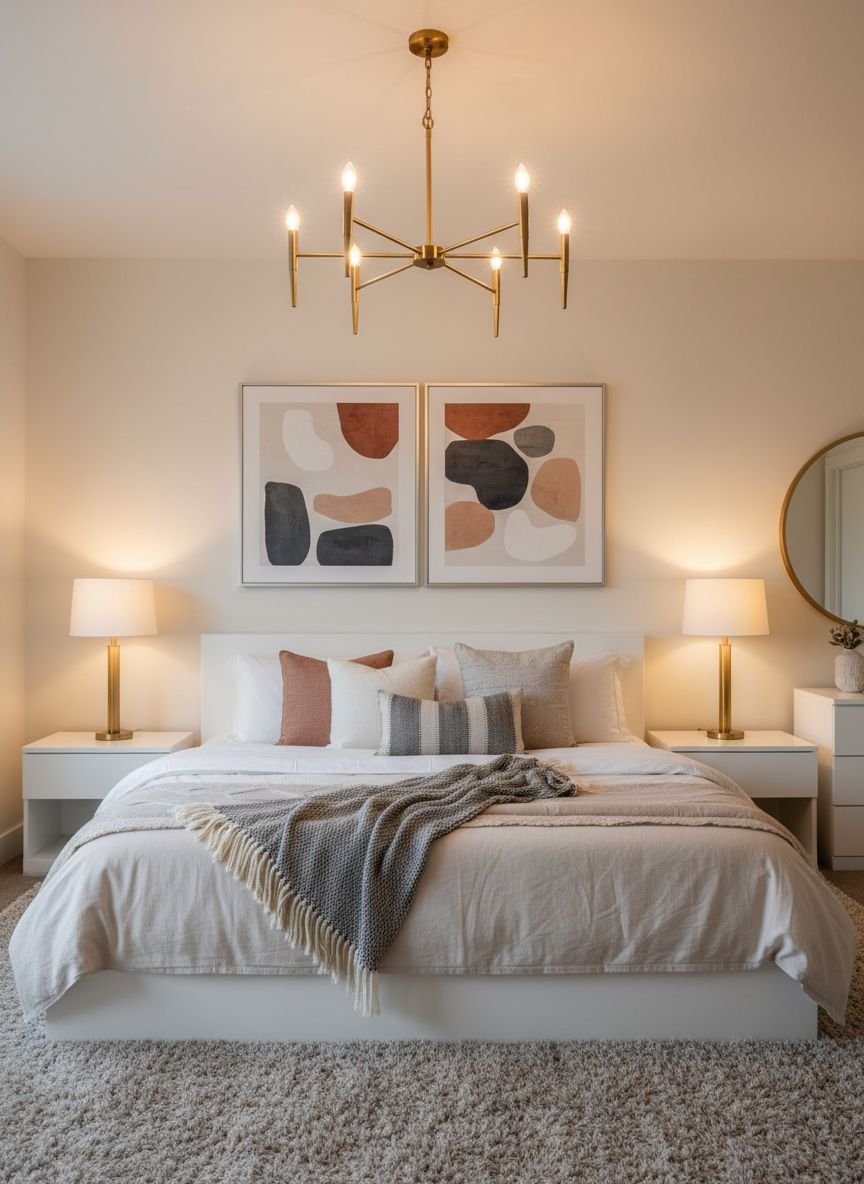
Lighting is the jewelry of the home, and a vintage chandelier is the ultimate statement piece. In many standard bedrooms, the lighting is an afterthought, often consisting of a generic “boob light” flush mount. Swapping this out for a vintage or vintage-inspired chandelier instantly changes the architecture of the room. It draws the eye upward, emphasizing ceiling height, and casts complex light patterns that standard fixtures cannot replicate. The mix of aged metal and glass or crystal adds a sense of history and character that new, mass-produced items lack.
When selecting a chandelier, size is critical. A fixture that is too small will look cheap, while one that is too large can feel oppressive. A good rule of thumb is to add the length and width of the room in feet; the sum in inches should be the approximate diameter of your chandelier. For example, a 12×12 room would need a 24-inch fixture. Install a dimmer switch to control the ambiance. Being able to lower the light to a warm glow transforms the bedroom from a functional space to a romantic retreat instantly.
Pro Tip: If you have low ceilings, look for a semi-flush mount fixture that mimics the look of a chandelier without hanging down too low and obstructing the walkway.
Clean Minimal Bedroom
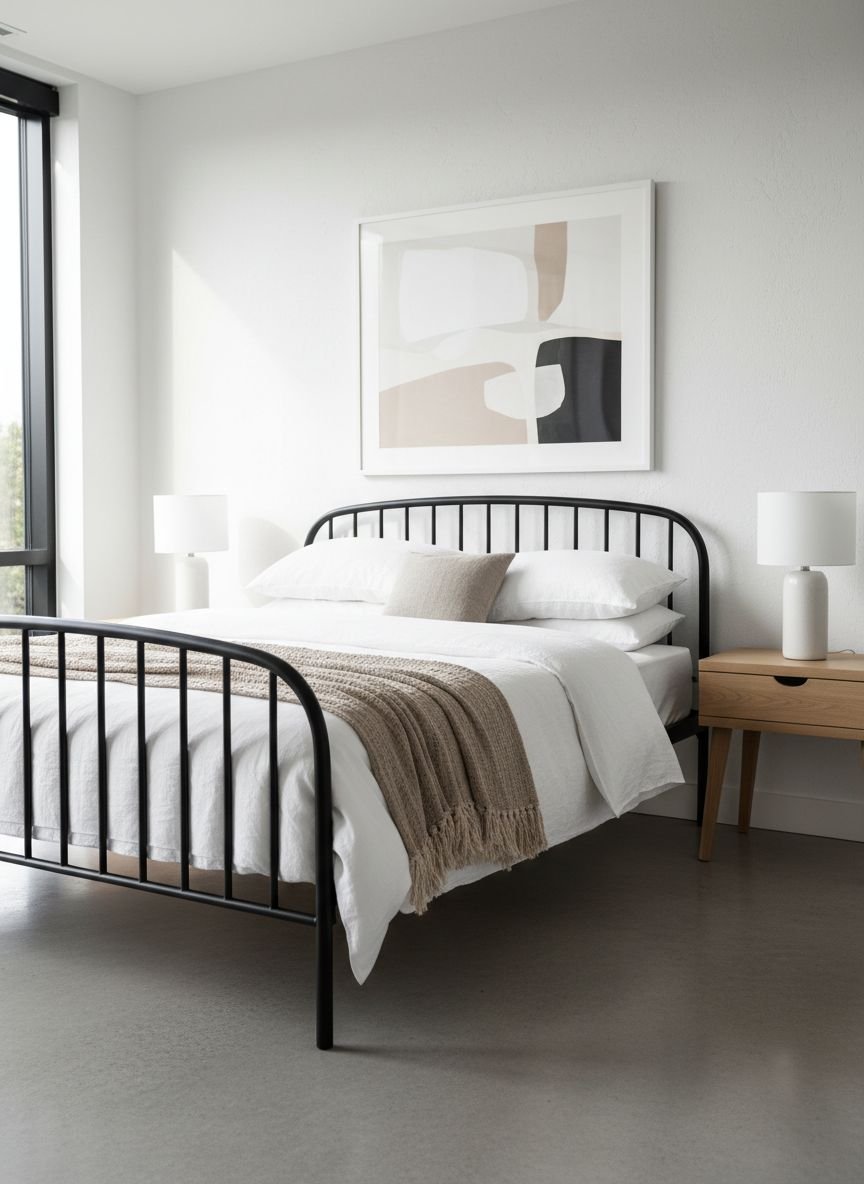
A classy bedroom is often defined by what is not there. Clutter is the enemy of relaxation. A clean, minimalist design focuses on quality over quantity, ensuring that every object in the room has a purpose and a place. This aesthetic relies on clean lines, a neutral color palette, and hidden storage. The visual silence of a minimalist room allows your brain to switch off at the end of the day. It creates a spa-like atmosphere where the focus remains on rest and rejuvenation.
To achieve this, start by clearing off your nightstands. Limit the surface to three items: a lamp, a book, and perhaps a small dish for jewelry. Invest in nightstands with drawers to hide chargers, lotions, and other daily necessities. Choose furniture with legs that lift the piece off the floor; seeing the floor extend underneath furniture makes the room feel airier and larger. Stick to a monochromatic palette—whites, creams, beiges, and pale greys—to maintain visual continuity. Texture becomes your main design tool here; mix wood, stone, and wool to prevent the room from feeling sterile.
Pro Tip: Use under-bed storage bins that match your bed frame or dust ruffle to keep out-of-season clothes hidden but accessible, keeping your closet and floor clear.
Save this idea to your Pinterest.
Bold Wallpaper Bedroom Ideas
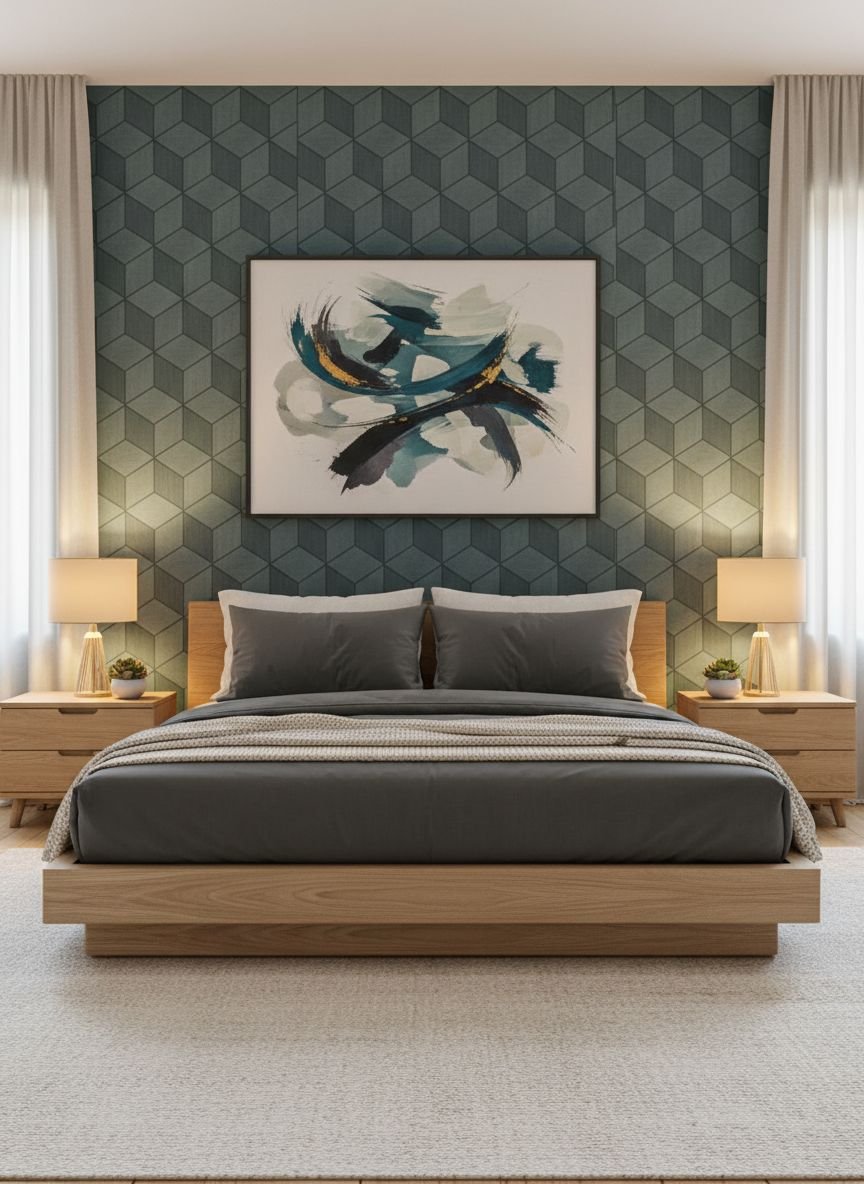
Wallpaper has made a massive comeback, and it is one of the fastest ways to inject personality and class into a bedroom. A bold wallpaper pattern can act as a massive piece of art, eliminating the need for expensive gallery walls. Whether you choose a moody floral, a structured geometric print, or a textured grasscloth, wallpaper adds a layer of finish that paint simply cannot achieve. It signals that the room was designed with intention.
The most common application is a feature wall behind the headboard. This anchors the bed and creates a focal point the moment you walk into the room. However, for a truly high-end, boutique hotel look, consider wallpapering all four walls. This creates an immersive experience. If you are renting or fear commitment, peel-and-stick wallpaper technology has advanced significantly, offering high-quality, removable options that look just like traditional paper. Pair busy patterns with solid-colored bedding to keep the look balanced and sophisticated.
Pro Tip: If you choose a busy pattern, ensure your bedding is solid and neutral. This gives the eye a place to rest and prevents the room from feeling chaotic.
Wallpaper vs. Paint: A Quick Comparison
| Feature | Bold Wallpaper | Premium Paint |
|---|---|---|
| Visual Impact | High. Adds pattern and texture instantly. | Medium. Relies on color depth and finish. |
| Installation | Harder. Requires precision and patience. | Easier. DIY-friendly for most people. |
| Cost | Higher ($50-$200+ per roll). | Lower ($40-$80 per gallon). |
| Durability | High. Can hide wall imperfections. | Medium. Scuffs and chips easily. |
| Vibe | Curated, artistic, and layered. | Clean, solid, and adaptable. |
Bedroom Art Accents
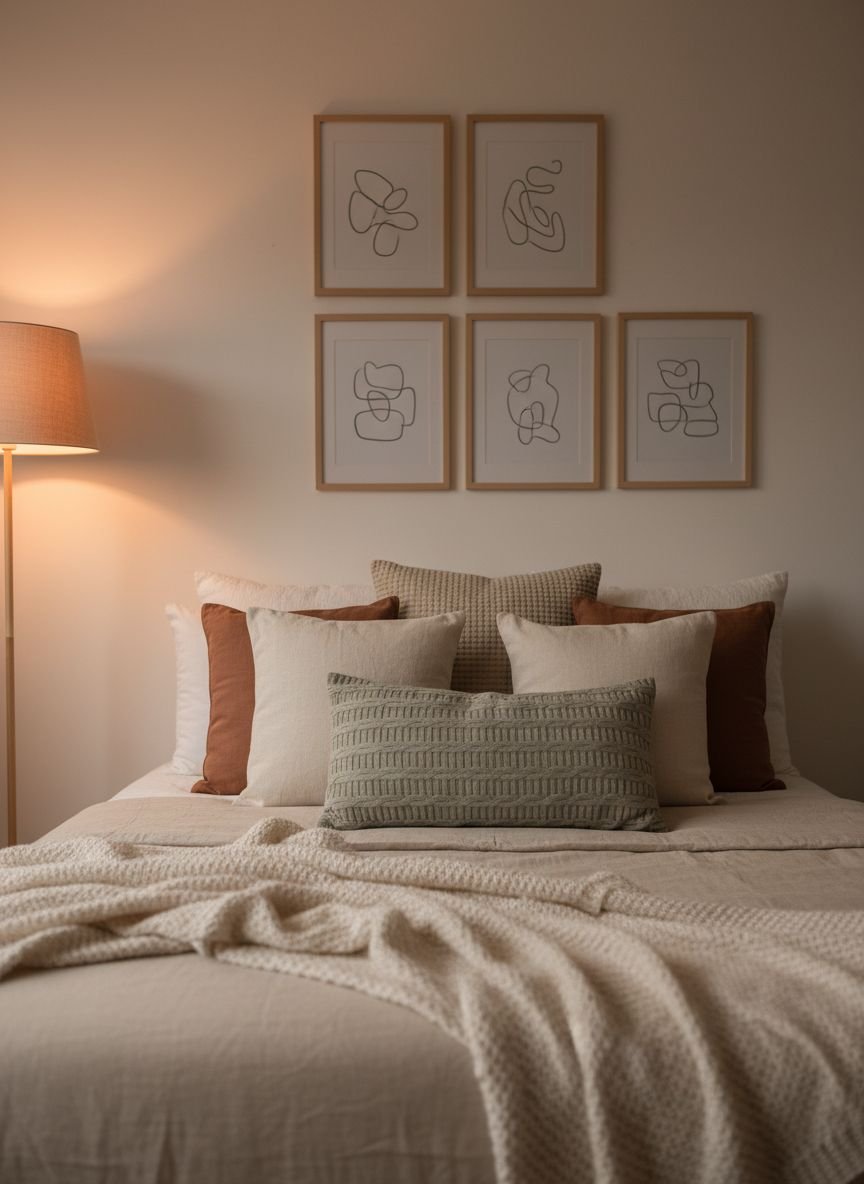
Art is the soul of a room. In a classy bedroom, the goal is to choose pieces that evoke emotion and complement the color palette without causing visual noise. One common mistake is hanging artwork that is too small for the wall, which makes the room feel cluttered and disjointed. Large-scale art creates a sense of grandeur. A single, oversized canvas above the bed often looks more expensive and intentional than a scattering of small frames.
Abstract art with soothing colors works exceptionally well in bedrooms, as it allows for interpretation without demanding too much cognitive attention. Alternatively, black and white photography adds a timeless, vintage appeal. Pay attention to the framing; a cheap poster can look like a masterpiece if it is floated in a high-quality wood or metal frame with a wide mat. The frame connects the art to the furniture, so match the wood tone or metal finish to your nightstands or lighting fixtures for a cohesive look.
Pro Tip: Hang art so the center of the piece is at eye level, which is typically 57 to 60 inches from the floor. If hanging above a headboard, leave 6 to 8 inches of space between the bottom of the frame and the top of the bed.
Cozy Plush Bedding Set
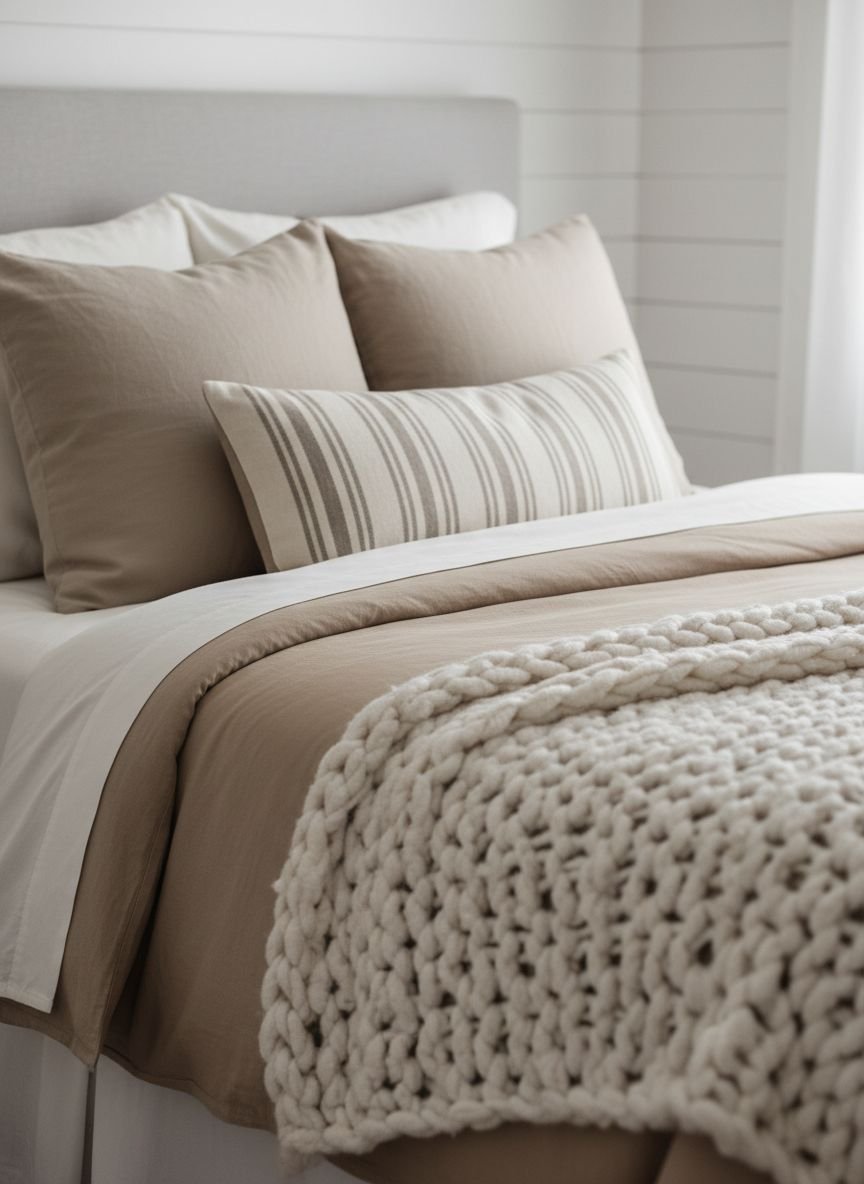
The bed is the largest piece of furniture in the room, so your bedding choices dictate the entire vibe. A “bed-in-a-bag” set often looks flat and cheap. To achieve that fluffy, inviting hotel look, you need to master the art of layering. Start with high-quality sheets; percale offers a crisp, cool feel, while sateen provides a silky, warmer touch. The duvet insert is crucial—opt for one that is slightly larger than your duvet cover to ensure a plump, overstuffed look.
Layering continues with pillows and throws. Use two European shams (the large square ones) against the headboard, followed by your sleeping pillows, and finished with decorative accent pillows. Fold a duvet at the foot of the bed and drape a chunky knit throw over the corner. This mix of textures—smooth cotton, nubby wool, soft velvet—creates a visual invitation to comfort. Stick to a neutral base (white or cream) for the main linens, as this feels the most hygienic and luxurious, and use the throws and pillows to introduce color.
Pro Tip: Iron or steam your pillowcases and the top edge of your duvet cover. This small detail takes five minutes but makes your bed look professionally styled.
Save this idea to your Pinterest.
Stylish Bedroom Mirrors
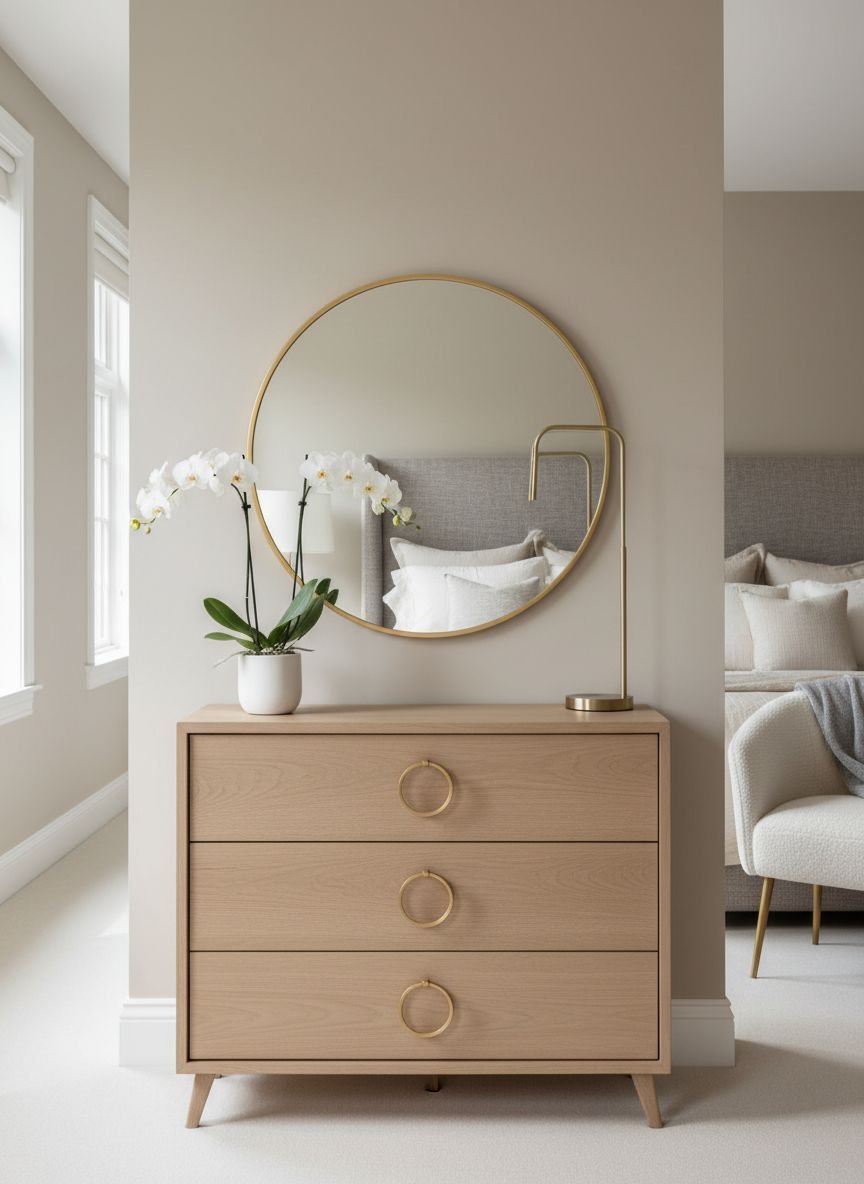
Mirrors are a secret weapon in interior design. They bounce light around the room, making dark corners brighter and small spaces feel double the size. In a bedroom, mirror placement is both functional and aesthetic. A large floor mirror leaning against a wall adds a relaxed, modern elegance and is practical for dressing. Alternatively, placing mirrors behind your bedside lamps can amplify the warm glow of the light, adding a magical ambiance to the room at night.
For a classy look, consider the shape and frame. An arched mirror softens the harsh rectangular lines of the bed and dresser. A round mirror above the headboard can serve as a focal point if you prefer not to use art. Antique or vintage mirrors with slightly foxed (aged) glass add incredible character and charm, fitting perfectly into the “Grandma Chic” trend that blends old-world nostalgia with modern comfort. Avoid frameless mirrors with plastic clips, as these tend to look builder-grade and unfinished.
Pro Tip: Do not place a mirror where it will reflect clutter or an open closet door. Position it to reflect a window or a beautiful piece of art.
Layered Bedroom Textures
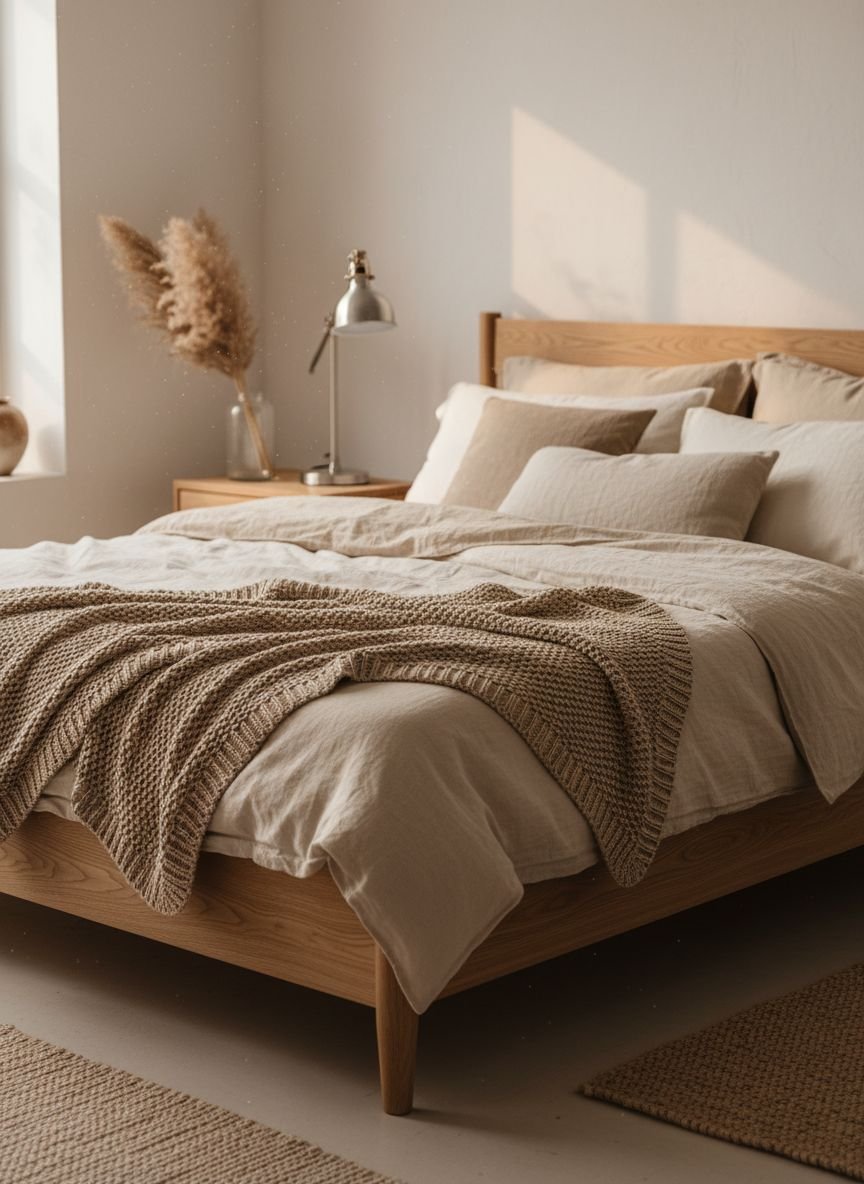
If you have ever walked into a room that felt “flat” or boring, it was likely lacking texture. Texture is the interplay of smooth, rough, soft, and hard surfaces. In a classy bedroom, especially one with a neutral color scheme, texture is what provides interest. You want to create a tactile experience. Imagine a rough sisal rug layered with a soft sheepskin, a sleek wooden nightstand next to a tufted velvet bed, and a smooth glass lamp sitting on a stack of matte paper books.
This contrast is what makes a design feel expensive. Start from the floor up. If you have hardwood floors, a large area rug is essential to anchor the bed and provide softness underfoot. Add woven baskets for storage to introduce natural fibers. Use a mix of metals (brass, matte black) and woods (walnut, oak) to prevent the room from looking too “matchy-matchy.” The goal is to make the room feel collected over time rather than bought from a single catalog page.
Pro Tip: Incorporate a live plant. The organic, irregular texture of leaves contrasts beautifully with the straight lines of furniture and adds life to the space.
Layered Bedroom Lighting
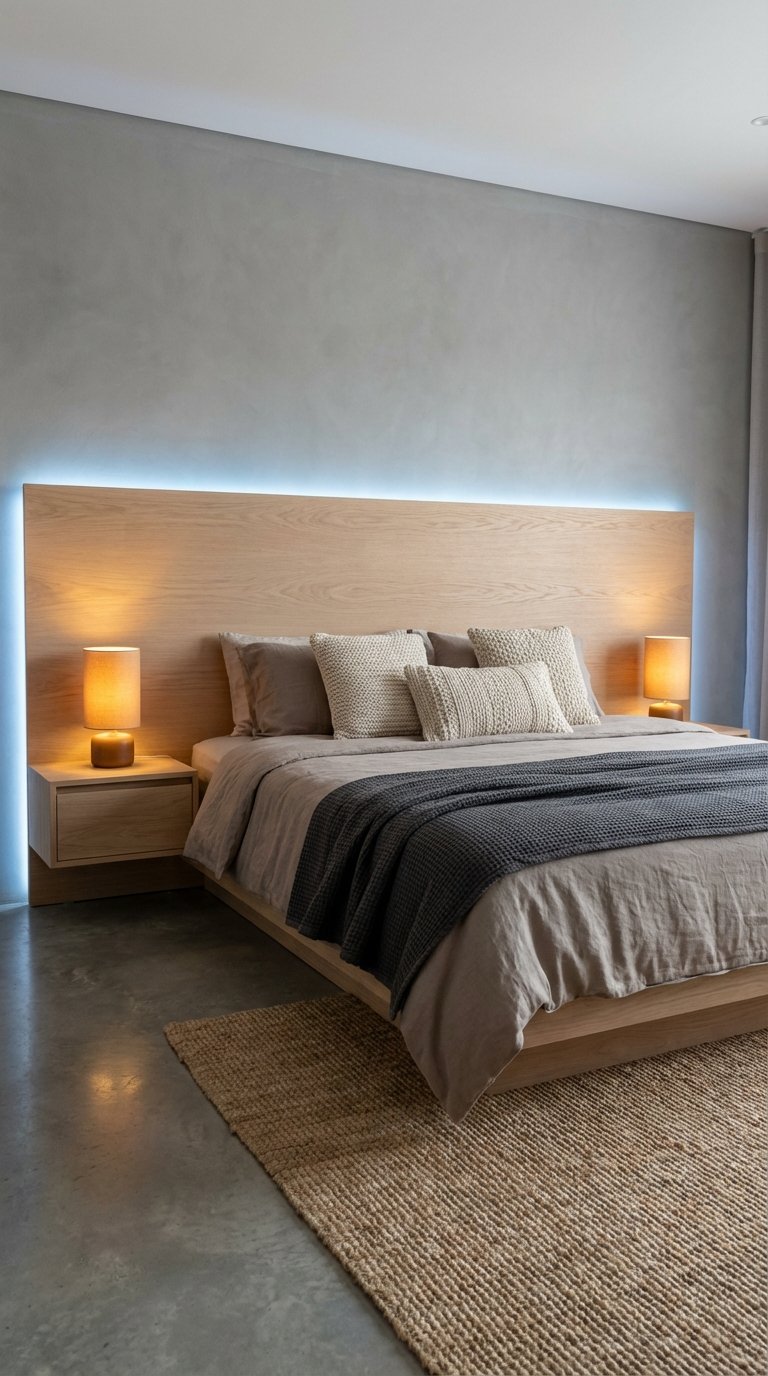
Relying on a single overhead light is the quickest way to kill the mood in a bedroom. Classy interiors utilize “layered lighting,” which involves three types of light: ambient, task, and accent. Ambient light is your general illumination, usually from a ceiling fixture or natural light. Task lighting is focused, such as a bedside lamp for reading or a vanity light for makeup. Accent lighting is decorative, highlighting architectural features or art.
To transform your space, ensure you have at least three sources of light. Replace standard table lamps with wall-mounted sconces to free up nightstand space and add a custom, built-in look. Consider installing LED strip lights under the bed frame or behind the headboard for a soft, modern glow that serves as a nightlight. Use warm white bulbs (2700K to 3000K) rather than cool daylight bulbs, as warm light mimics the sunset and signals to your body that it is time to wind down for sleep.
Pro Tip: Put your table lamps on smart plugs. This allows you to turn them on and off with your voice or phone, so you never have to crawl out of a warm bed to hit the switch.
Get The Look: Essential Elements
- The Foundation: A high-quality mattress and a neutral, textural rug.
- The Glow: Warm-toned LED bulbs and a dimmer switch.
- The Touch: Velvet throw pillows and a chunky knit blanket.
- The Scent: A linen or lavender reed diffuser (scent is part of the design!).
Related posts :
- 18 Stunning Home Decoration Ideas To Jazz Things Up & Instantly Refresh Your Space
- 18 Breathtaking Modern Bedroom Designs That You Have To See To Believe
- 12 Stunning Modern Living Room Ideas to Transform Your Space
Popular Asked Questions
How can I make my bedroom look expensive on a budget?
You do not need to spend a fortune to get a high-end look. Start by decluttering surfaces; visual space equals luxury. Next, upgrade small hardware details like drawer pulls and light switch covers to gold or matte black finishes. Finally, add a large plant and layer your bedding with a throw blanket. These small changes have a massive visual impact.
What colors make a bedroom look classy?
Neutral tones like cream, beige, and taupe are timeless and elegant. However, deep monochromatic palettes are trending for 2026. Colors like navy blue, forest green, and charcoal grey, when applied to walls and trim, create a sophisticated and expensive atmosphere.
How do I mix textures in a bedroom?
Aim for contrast. If your bedding is smooth cotton, add a rough wool throw. If your nightstand is sleek metal, add a wicker basket or a ceramic lamp. Try to include at least three different materials (wood, fabric, metal, glass, stone) in the room to create depth and interest.
What is the best lighting for a bedroom?
Layered lighting is best. You should have a main ceiling fixture for general cleaning and visibility, but rely on bedside lamps or wall sconces for daily use. Always choose “warm white” bulbs (2700K-3000K) to create a cozy, relaxing environment that promotes sleep.
Conclusion

Transforming your bedroom into a classy, stylish retreat is about more than just buying new furniture. It is about curating a feeling. By focusing on sensory details like the touch of velvet, the warmth of vintage lighting, and the calm of a clutter-free space, you can create a room that feels like a daily vacation. Whether you choose to add a bold wallpaper wall or simply upgrade your bedding layers, these changes will elevate your quality of life.





Leave a Comment