
The Utility Hook
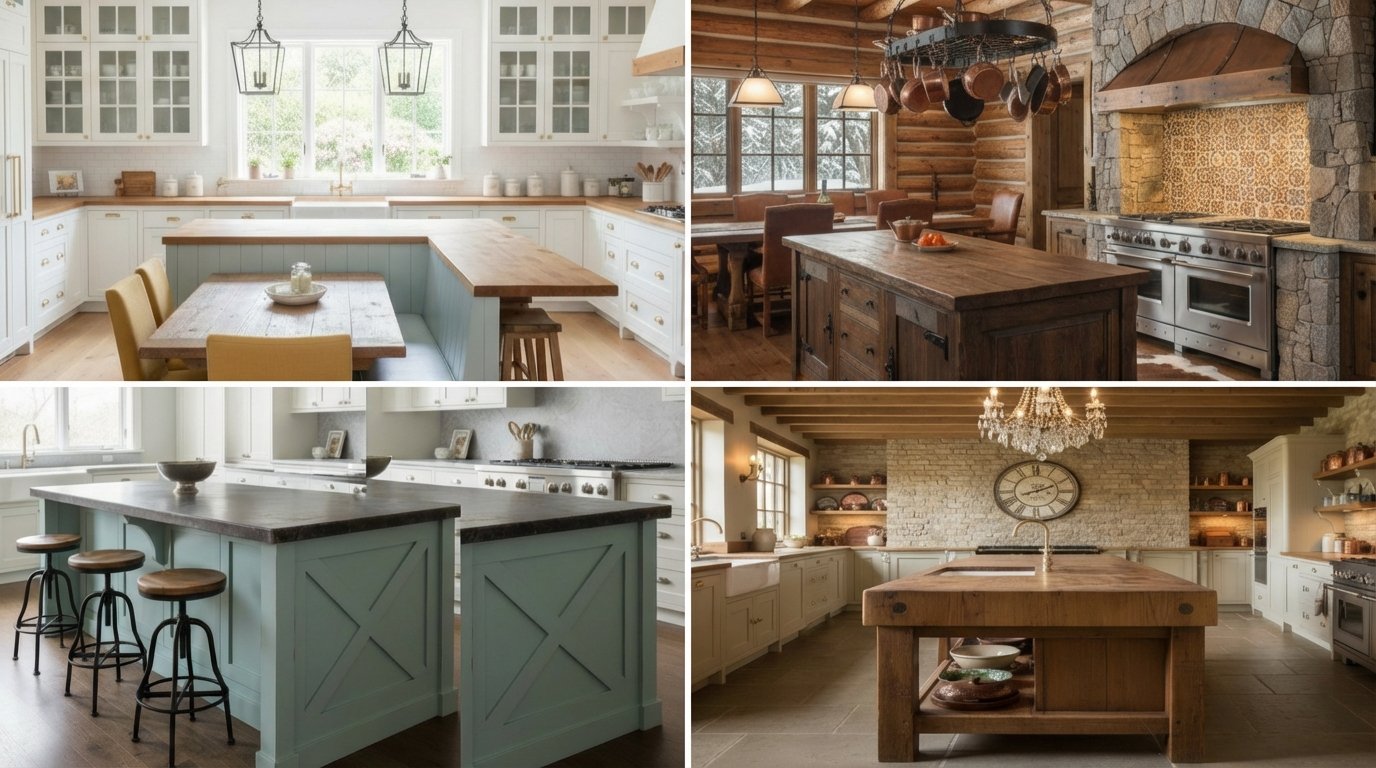
The modern kitchen is no longer just a place to cook. It has evolved into the central hub of the home where we eat, work, and gather. However, many homeowners struggle with a common dilemma: how to add warmth and character to this functional space without sacrificing storage or seating. A rustic kitchen island with seating and storage offers the perfect solution. These pieces blend the raw, organic beauty of natural wood with the practicality of modern organization. By combining deep drawers, open shelving, and comfortable seating areas, you can maximize your kitchen’s footprint while creating a cozy, inviting atmosphere. This guide explores ten stunning rustic island designs that solve your space issues and elevate your home’s aesthetic.
Key Takeaways
- Maximize Functionality: Combine hidden storage with open seating to make the most of small kitchen footprints.
- Texture is Key: Use distressed wood, wrought iron, and stone to create a warm, lived-in aesthetic that feels timeless.
- Social Hub: Integrated seating transforms your island from a mere prep station into a social focal point for family and guests.
- Customization: Rustic styles allow for easy DIY modifications, such as adding hooks, towel bars, or changing hardware.
Table of Contents
- Wooden Farmhouse Island with Seating
- Breakfast Nook and Kitchen Island Combo
- Modern Farmhouse Island with End Seating
- Plank-Style Island with Seating
- Modern Rustic Island with Plenty of Storage
- Distressed Island with Seating and Storage
- Barnwood Island with Cement
- Rustic Wood Island
- Distressed and Antique Rustic Island
- Butcher Kitchen Island
- Comparison: Countertop Materials
- Related posts :
- Popular Asked Questions
- Conclusion
Wooden farmhouse island with seating
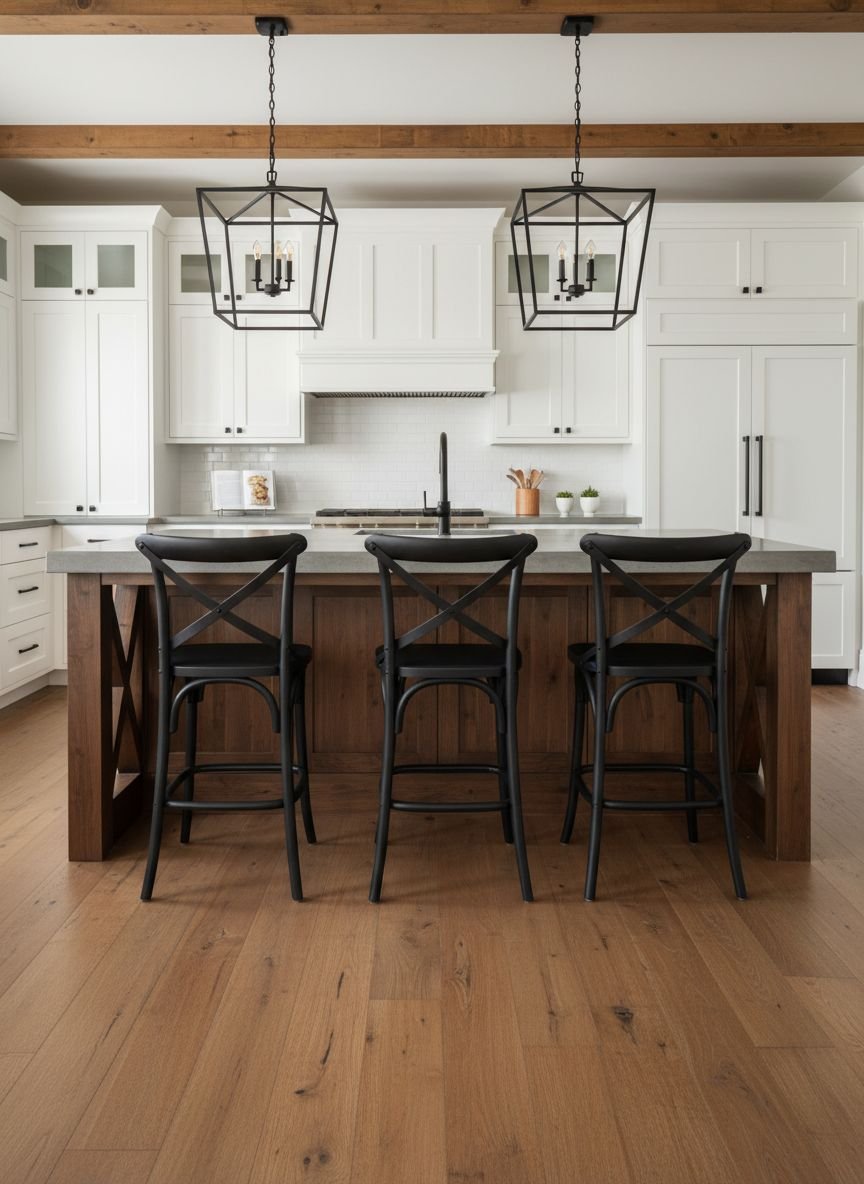
A classic wooden farmhouse island serves as the grounding force in a bright kitchen. The design typically features a heavy, solid wood base often painted in white, cream, or soft gray to contrast with a rich, stained wood countertop. This duality creates a visual anchor that draws the eye immediately. The seating arrangement is usually positioned along one side, allowing family members to sit and chat while meal prep happens on the opposite side. The texture of the wood grain against the smooth painted cabinetry introduces a tactile element that makes the space feel approachable rather than sterile.
From a practical standpoint, this style prioritizes accessibility. Large, deep drawers on the working side provide ample space for pots, pans, and baking sheets, keeping the countertop clutter-free. The overhang for seating should be generous, typically around 12 to 15 inches, to ensure legroom is not compromised. To implement this look, consider using reclaimed shiplap for the sides of the island or adding corbels under the countertop overhang for architectural interest. The result is a seamless blend of old-world charm and modern utility.
Pro Tip: Apply a high-quality polyurethane sealant to the wooden countertop to protect it from water rings and food stains while maintaining the natural look.
Breakfast nook and kitchen island combo
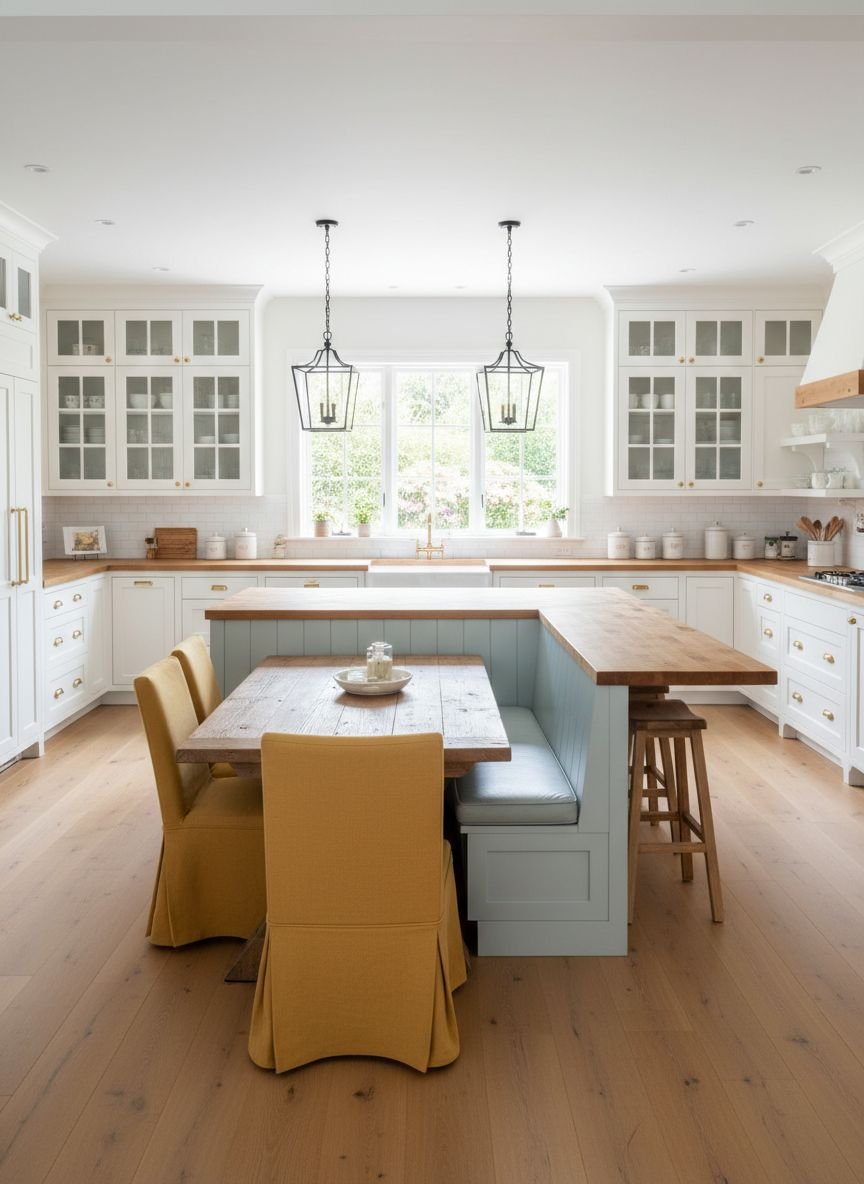
Merging a breakfast nook with a kitchen island is a brilliant space-saving strategy for smaller homes or open-concept layouts. This design usually features a standard-height island for prep work on one side, which transitions into a lower, table-height extension or a built-in banquette bench on the other. This multi-level approach breaks up the visual monotony of a single flat surface and clearly defines zones for cooking versus dining. The aesthetic here leans towards “cozy cottage” or “relaxed rustic,” often utilizing mixed materials like upholstered bench seating against rough-hewn timber.
Functionally, this setup offers massive storage potential. The bench seating can be built with lift-up lids or pull-out drawers underneath, perfect for storing seasonal linens, small appliances, or bulk pantry items that are not accessed daily. The island portion retains its standard cabinetry for daily kitchen tools. This hybrid design encourages a communal atmosphere, as the cook is never isolated from the conversation at the table. It effectively turns the kitchen into a full-service living space.
Pro Tip: Use performance fabrics for the nook seating to ensure easy cleanup of spills, making it kid-friendly and durable.
Save this idea to your Pinterest.
Modern farmhouse island with end seating
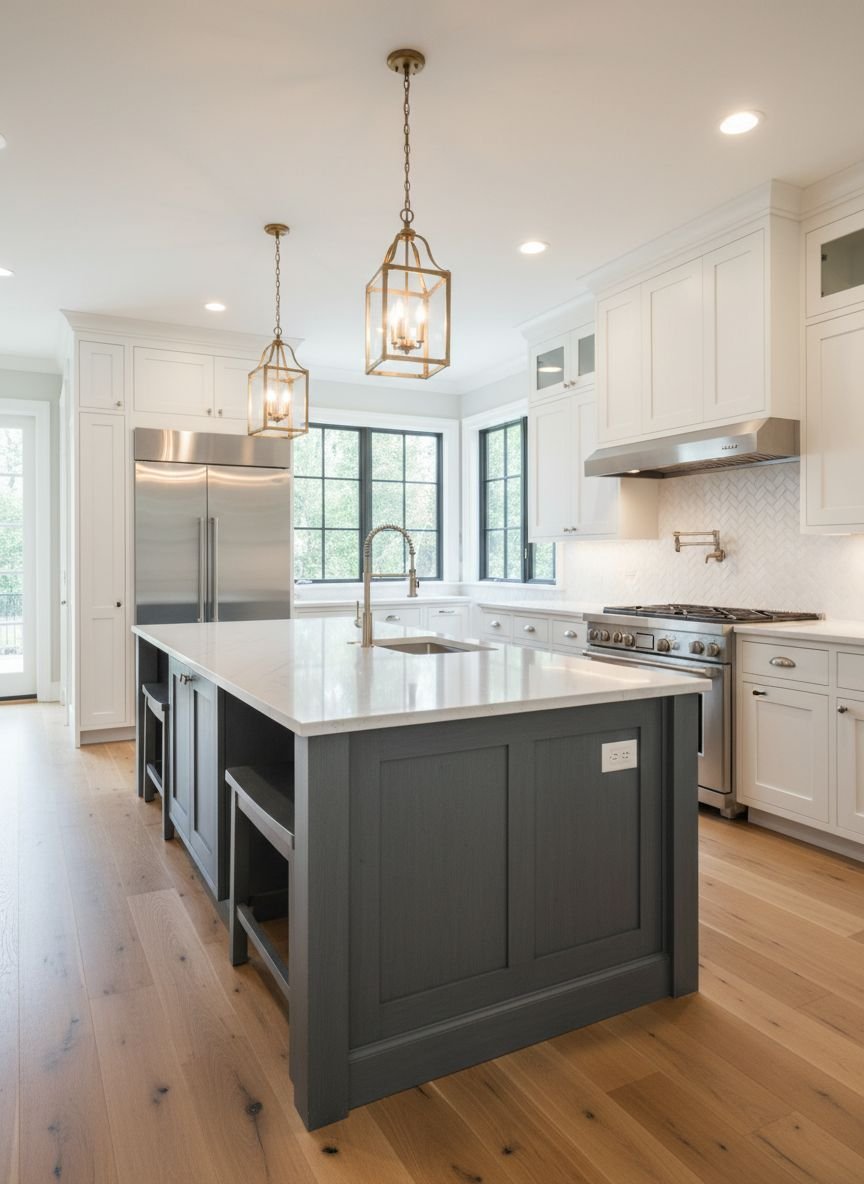
The modern farmhouse aesthetic cleans up the rustic look with sharper lines and a more monochromatic palette. An island with end seating is particularly effective in long, narrow kitchens where a traditional side-seating arrangement might block the walkway. By placing the stools at the short end of the rectangular island, you preserve the flow of traffic on the longer sides. Visually, this creates a “chef’s table” experience where guests can watch the cooking process from the head of the table. The design often incorporates matte black hardware and industrial lighting fixtures to modernize the rustic wood elements.
Storage is maximized along the long sides of the island since no space is lost to knee wells. You can install full banks of cabinets or open shelving on both long sides, doubling your storage capacity compared to standard islands. The end overhang can be supported by sleek metal legs or substantial wooden posts, depending on whether you want to lean more modern or more farmhouse. This layout is excellent for collaborative cooking, as the long sides remain open for multiple people to stand and chop vegetables simultaneously.
Pro Tip: Install power outlets on the side of the island near the seating area so guests can charge devices or you can plug in a laptop for work.
Plank-style island with seating
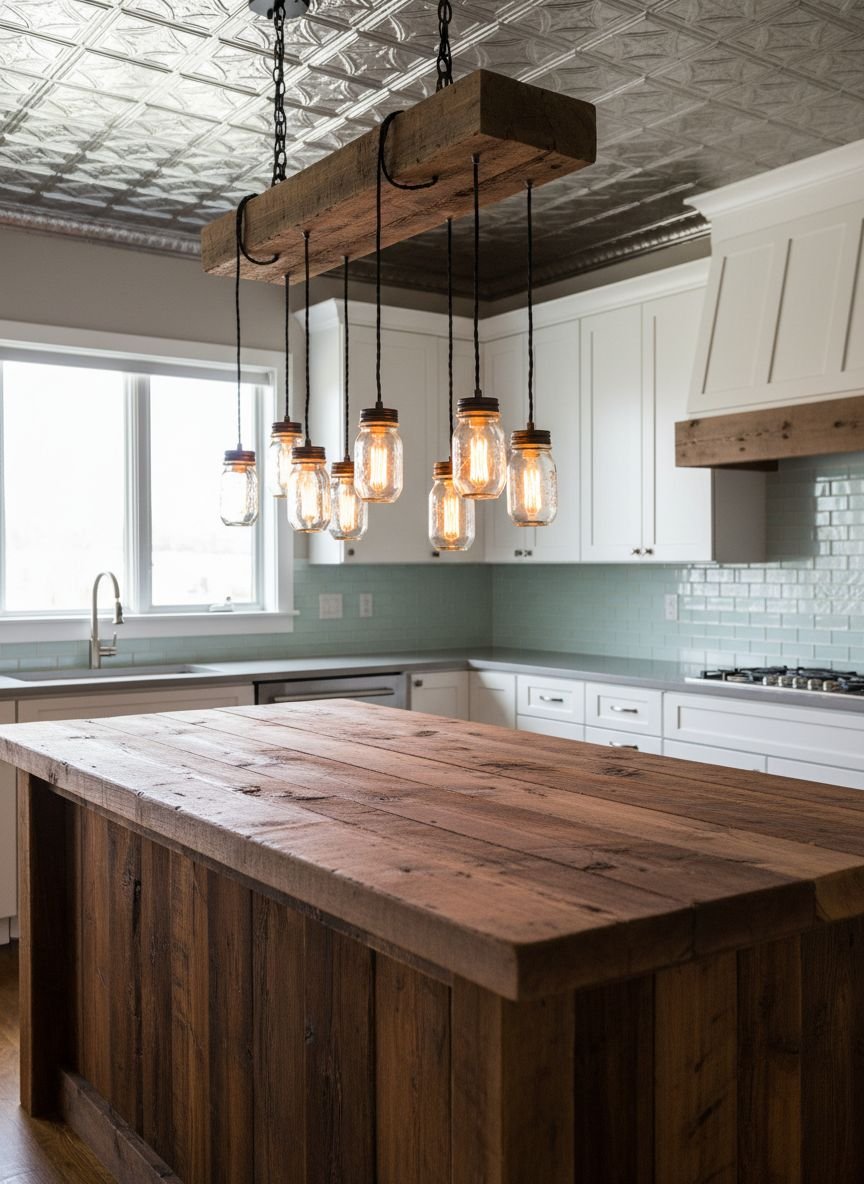
The plank-style island is defined by its horizontal or vertical wood slatting, which adds significant texture and rhythm to the kitchen. This design mimics the look of crates or old barn structures, bringing an authentic rustic vibe. The planks can be left raw, stained dark, or whitewashed depending on the desired level of rustic intensity. The linear pattern of the planks helps to visually elongate the island, making the kitchen appear larger. This style pairs exceptionally well with industrial metal stools and concrete or quartz countertops to balance the warmth of the wood.
In terms of storage, the plank design is often used to disguise hidden compartments. Push-to-open doors can be integrated seamlessly into the slat pattern, creating “invisible” storage for items you want to keep out of sight. Open shelving is also a common feature here, allowing for the display of beautiful ceramic bowls or wicker baskets that complement the wood texture. The seating area is usually a simple overhang, keeping the focus on the beautiful woodwork of the base.
Pro Tip: If using reclaimed wood planks, ensure they are sanded down thoroughly to prevent splinters and snagged clothing.
Modern rustic island with plenty of storage
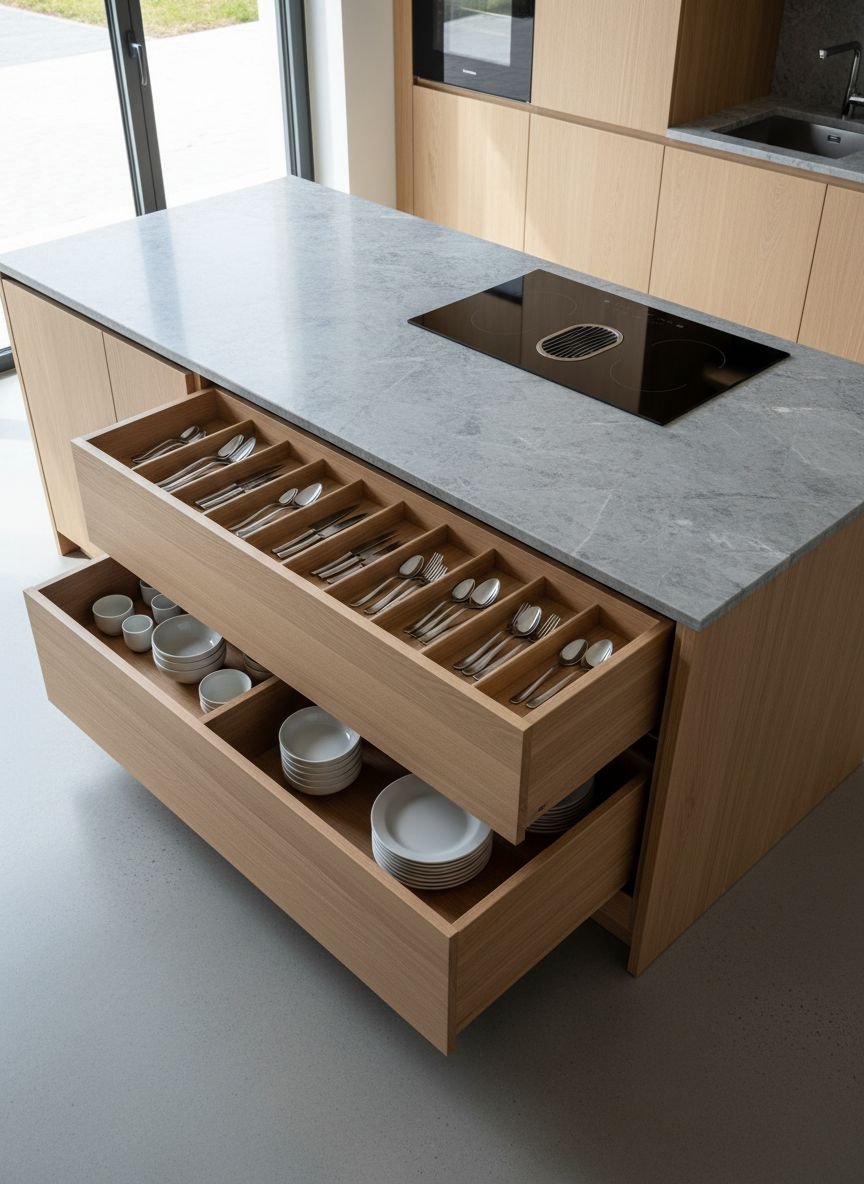
This design focuses heavily on volume and utility without sacrificing style. A modern rustic island with “plenty of storage” often looks like a substantial piece of furniture, resembling a vintage apothecary chest or a heavy workbench. The aesthetic combines clean, modern countertop materials like white marble or honed granite with a base made of warm, knotted wood. The contrast is striking and elegant. The “modern” aspect comes from the organization; think soft-close drawers, pull-out spice racks, and integrated trash recycling centers hidden behind rustic wood fronts.
The storage strategy here is comprehensive. It utilizes every inch of the island’s volume. You might see a mix of drawers for cutlery, deep cabinets for appliances, and even narrow vertical pull-outs for baking sheets. The seating is often integrated by carving out a section of the cabinetry, or by extending the countertop significantly on one side. This island is a workhorse, designed for the serious home cook who needs everything within arm’s reach but wants the kitchen to look like a magazine cover.
Pro Tip: Use drawer dividers and organizers inside the large rustic drawers to keep utensils from sliding around and becoming disorganized.
Save this idea to your Pinterest.
Comparison: Countertop Materials
| Material | Rustic Appeal | Durability | Maintenance | Best For |
|---|---|---|---|---|
| Butcher Block | High | Medium | High (Oiling) | Prep & Warmth |
| Concrete | High (Industrial) | High | Medium (Sealing) | Modern Rustic |
| Quartz | Low (Modern) | Very High | Low | Busy Families |
| Granite | Medium | High | Low | Classic Look |
| Reclaimed Wood | Very High | Medium | High | Aesthetic Focus |
Distressed island with seating and storage
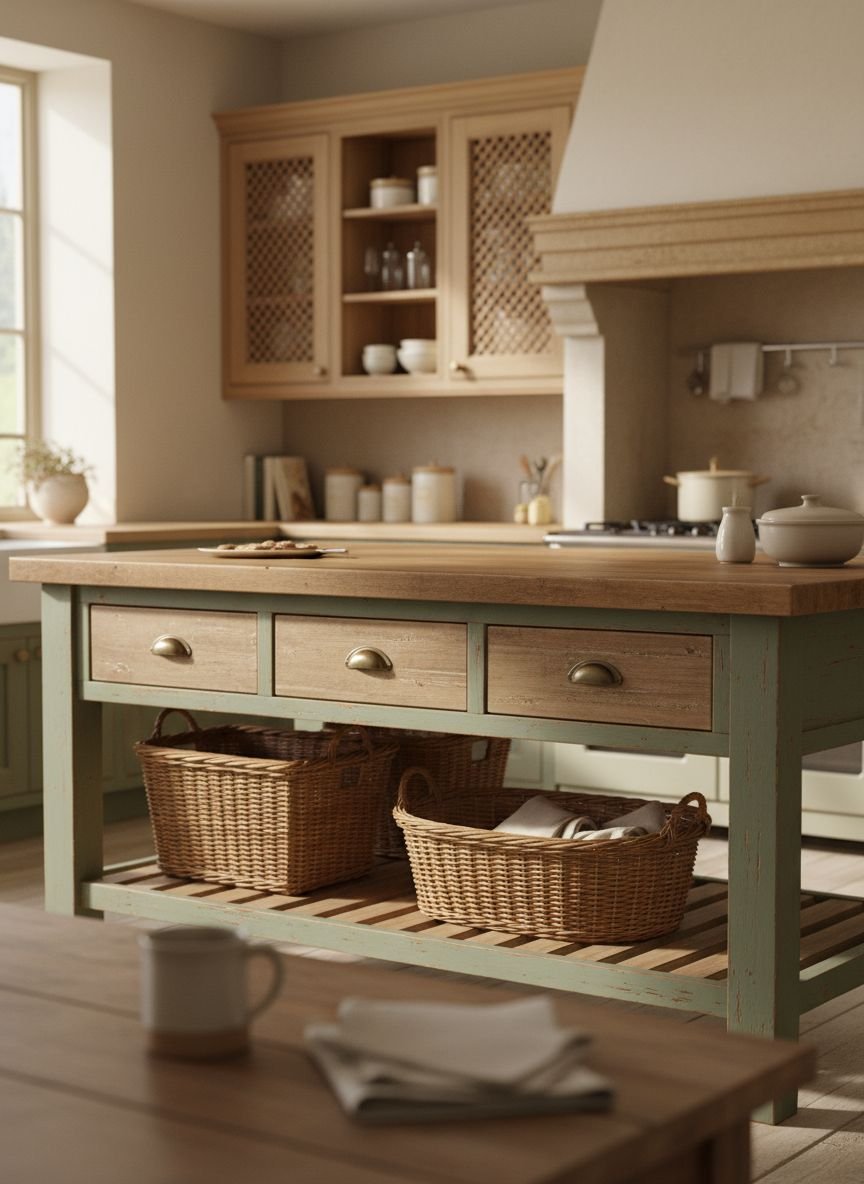
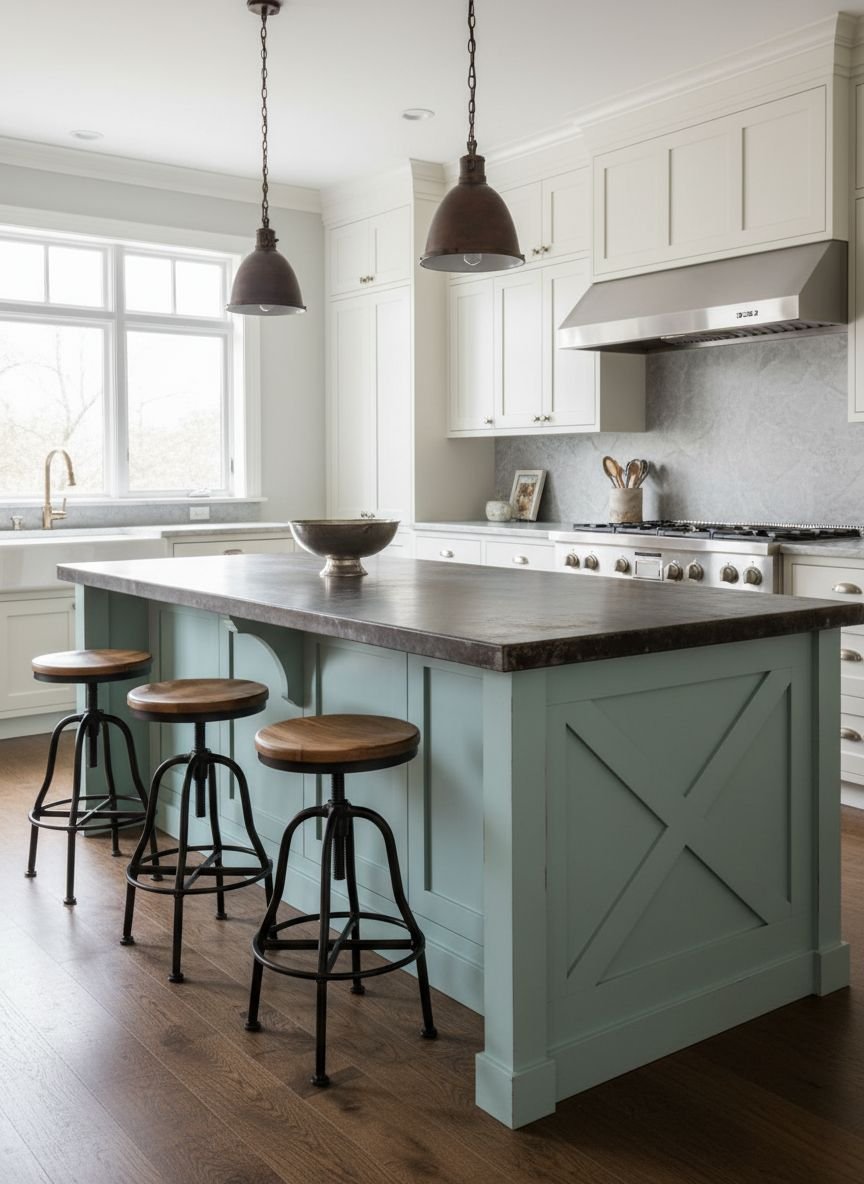
Distressing is an art form that adds history and character to a new piece of furniture. A distressed island features paint that has been sanded back in areas of natural wear—edges, corners, and around handles—to reveal the wood underneath. This style fits perfectly in “Shabby Chic” or “French Country” kitchens. The color palette is often soft pastels, antique whites, or muted blues, which brings a light and airy feel to the rustic category. The visual texture of the peeling paint creates a relaxed, unpretentious atmosphere where imperfections are celebrated.
Storage in a distressed island is often a mix of open baskets and closed cupboards. The baskets add another layer of texture (wicker or wire) and are perfect for storing produce like onions and potatoes that need air circulation. Seating is typically provided by vintage wooden stools or metal bistro chairs. Because the finish is already distressed, this island is incredibly forgiving of daily wear and tear; a new scratch or dent simply adds to the charm, making it ideal for families with young children or pets.
Pro Tip: If you are DIYing the distressed look, use a wax resist method between paint layers to make the sanding process easier and more natural-looking.
Barnwood island with cement
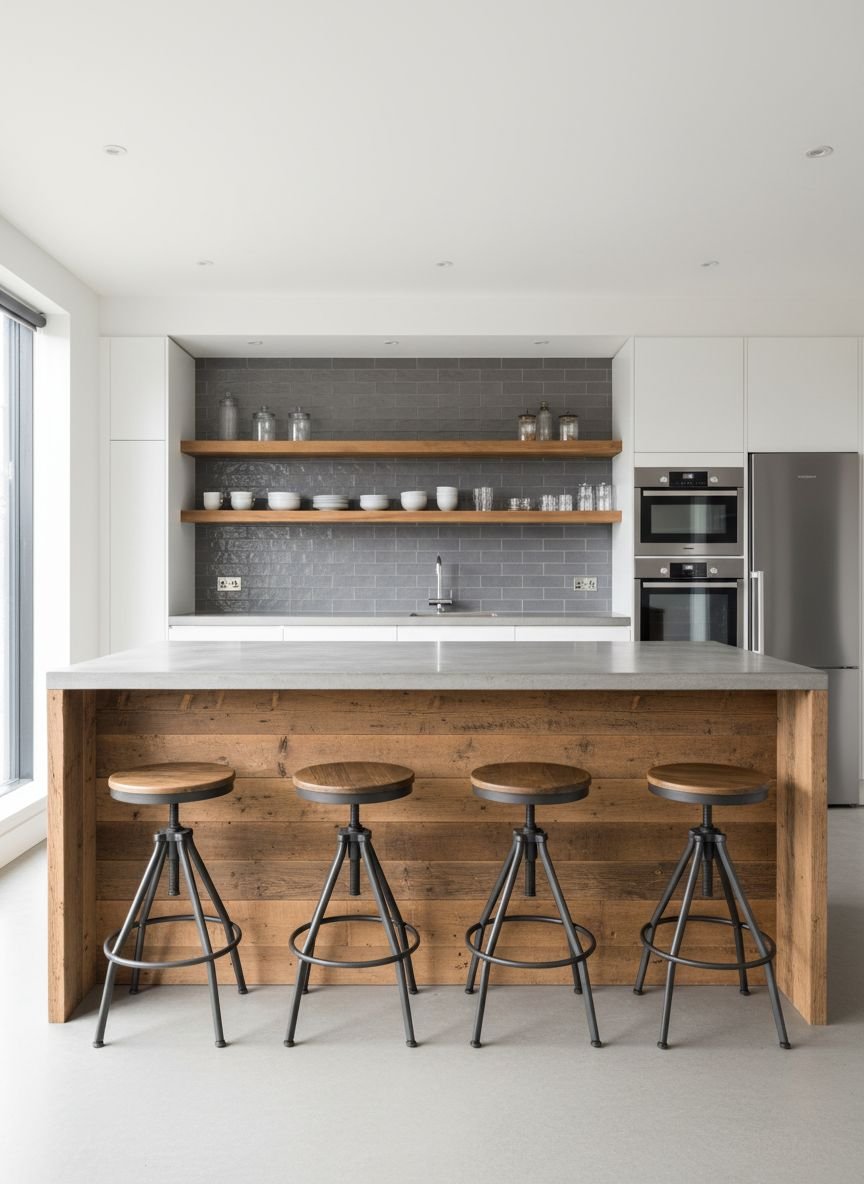
For a grittier, more industrial take on rustic design, the combination of barnwood and cement is unbeatable. The base of the island is constructed from reclaimed barn wood, characterized by its deep grooves, gray-brown weathering, and nail holes. Topped with a thick, poured concrete countertop, the result is a structure that feels permanent and architectural. The cool gray of the cement balances the warm, chaotic texture of the barn wood, creating a sophisticated harmony. This style works well in lofts, converted warehouses, or modern homes seeking an edge.
Functionally, concrete is an incredibly durable surface that can withstand heat and heavy use, though it does need sealing. The storage configuration often favors large, open shelves made of metal piping or thick wood planks, perfect for stacking heavy stoneware plates or displaying large serving platters. Seating is usually bar-height, utilizing metal drafting stools to complete the industrial look. This island is a statement piece that commands attention and defines the kitchen’s aesthetic direction.
Pro Tip: Concrete can stain, so ensure you use a food-safe, high-grade sealer and reapply it annually to keep the surface pristine.
Rustic wood island
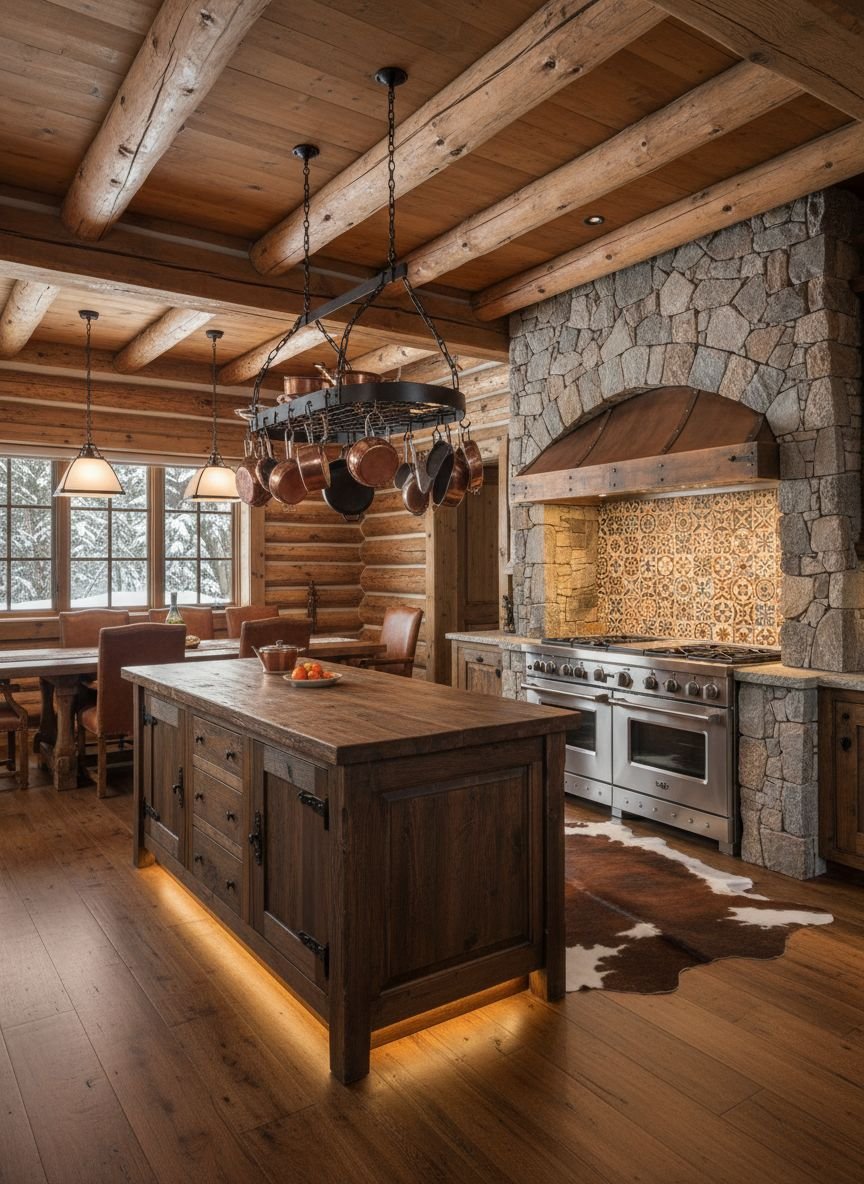
Sometimes, simplicity is the ultimate sophistication. A “Rustic Wood Island” focuses on the material itself—solid, chunky timber with minimal ornamentation. The design highlights the natural beauty of the wood species, whether it is oak, pine, or walnut. Knots, grain patterns, and color variations are the main decorative elements. The silhouette is often blocky and substantial, conveying a sense of strength and reliability. This island style warms up white, sterile kitchens instantly, bringing a touch of nature indoors.
Storage is straightforward and robust. Think heavy drawers with simple iron cup pulls and large cabinets with shaker-style doors. The seating area is often a simple overhang of the thick wood slab top. This lack of fussiness makes it a versatile choice that can transition between various decor styles, from cabin to traditional to eclectic. It is a timeless investment that will not go out of style as trends change.
Pro Tip: Maintain the humidity levels in your home to prevent solid wood islands from warping or cracking over time.
Save this idea to your Pinterest.
Distressed and antique rustic island
Taking the distressed look a step further, the antique rustic island often incorporates actual vintage elements or is constructed from a repurposed antique piece, like an old store counter or a workbench. These islands are one-of-a-kind and carry a story. They might feature original hardware, unique joinery, or odd-sized drawers that add quirky functionality. The visual appeal lies in the authenticity; you can’t replicate the genuine patina of a 100-year-old piece of furniture.
Because these are often repurposed items, storage can be unconventional. You might have many small shallow drawers (originally for nails or thread) which are perfect for spices, silverware, or junk drawer items. Larger compartments might need to be retrofitted with shelves. Seating might be limited to one side or require a creative overhang addition, but the trade-off is a kitchen centerpiece that is truly unique. This style is for the homeowner who values personality and history over perfect, modular efficiency.
Pro Tip: If repurposing an antique, check the height carefully. You may need to add a plinth base or casters to bring it up to standard kitchen counter height (36 inches).
Butcher kitchen island

The butcher block island is the quintessential chef’s companion. While many islands use wood as a decorative element, the butcher island uses it as a primary tool. The top is a thick, end-grain or edge-grain wood slab designed for direct cutting and chopping. This functionality dictates the aesthetic: practical, sturdy, and well-used. The base can be painted or stained, but the hero is the golden, oiled wood top. Over time, the surface develops a patina of knife marks and wear that tells the story of thousands of meals prepared.
Storage in a butcher island is often open and accessible. Slatted shelves for cooling pots, hooks for hanging towels and ladles, and slots for knife storage are common features. Seating is usually casual, allowing guests to sit and chat with the cook while they work directly on the surface. It blurs the line between a workspace and a social space. It is the most “active” of all island styles, designed to be used hard and loved.
Pro Tip: Clean your butcher block with lemon and salt to sanitize and remove odors naturally without harsh chemicals that could damage the wood.
Related posts :
- 10 Earthy Boho Kitchen Ideas That Instantly Make Your Home Feel Warm and Organic
- 18 Stunning Vertical Herb Garden Ideas That Maximize Space & Flavor
- 14 Easy to Make DIY Outdoor Sink Ideas to Upgrade Your Garden That Actually Work
Popular Asked Questions
How much overhang do I need for kitchen island seating?
For comfortable seating at a kitchen island, you should aim for an overhang of at least 12 to 15 inches. This provides enough space for your knees so you do not have to sit sideways or hunch over. If you are tall or plan to eat full meals there often, 15 to 18 inches is even better. Remember that any overhang deeper than 12 inches usually requires support brackets or legs to be safe.
What is the standard height for a kitchen island with seating?
The standard height for a kitchen island is 36 inches, which is the same height as your regular kitchen countertops. This is comfortable for prep work and works well with “counter height” stools (24 to 26 inches tall). Some islands have a raised bar section that is 42 inches high. This hides the mess on the counter from the living room and requires “bar height” stools (28 to 30 inches tall).
Can I put a rustic island in a modern kitchen?
Absolutely. Mixing styles is a very popular design trend called “transitional” design. A rustic wood island adds warmth and texture to a modern kitchen, preventing it from feeling too cold or clinical. The key is to balance the look. If you have a rustic island, try using sleek, modern pendant lights above it or simple, modern hardware on the drawers to tie the two styles together.
What is the minimum size for a kitchen island with seating?
To have a functional island with seating, you generally need a size of at least 4 feet long by 2.5 feet deep. This allows enough room for two small stools and a bit of prep space. However, for a truly comfortable experience with storage included, a size of 6 feet by 3 feet or larger is recommended. Always make sure you have at least 36 to 42 inches of walkway space around the island so traffic flow isn’t blocked.
Conclusion
Integrating a rustic kitchen island with seating and storage is one of the most impactful upgrades you can make to your home. It solves the trifecta of kitchen needs: more workspace, more storage, and a gathering place for loved ones. Whether you prefer the weathered look of barnwood, the clean lines of modern farmhouse, or the utility of a butcher block, there is a rustic style that fits your life. These islands anchor the room, bringing a sense of history and warmth that standard cabinetry simply cannot match.


Leave a Comment