
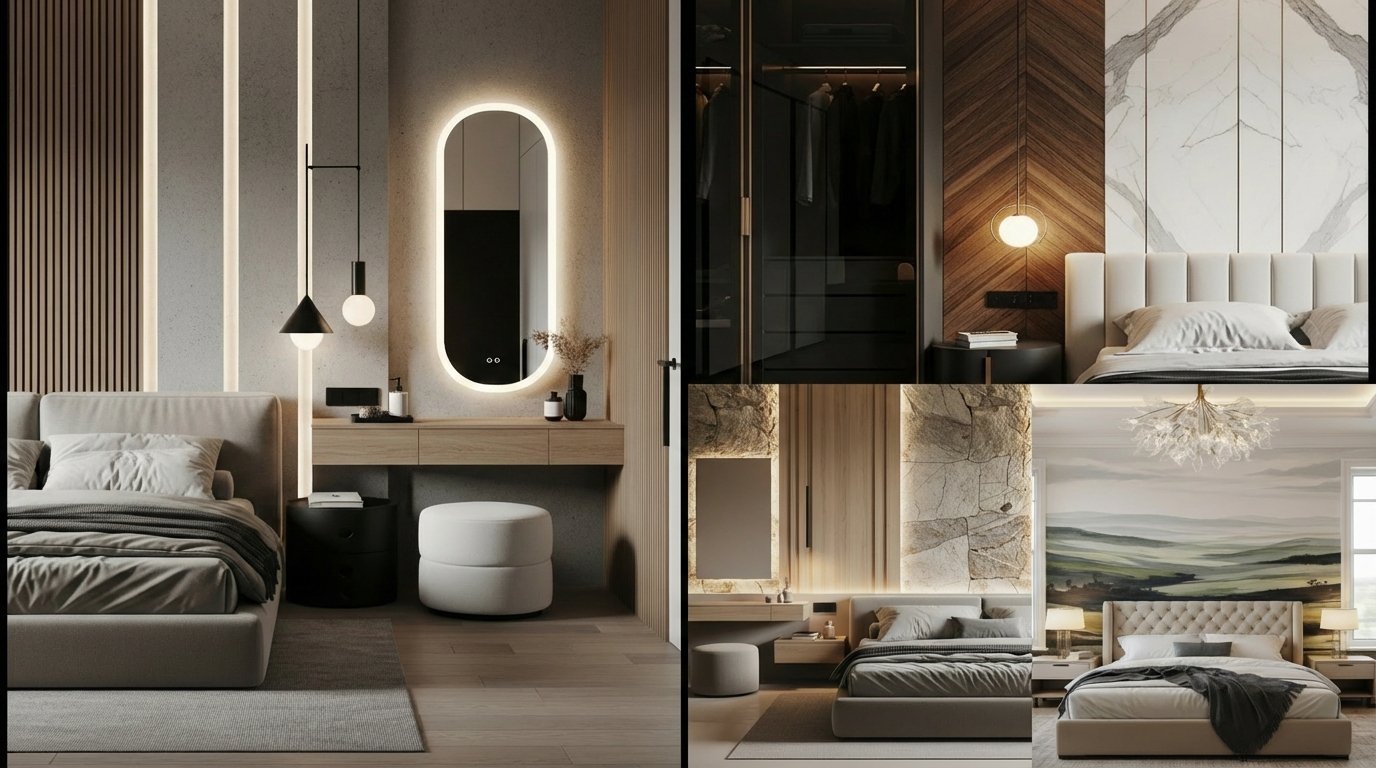
Small master bedrooms often feel like a puzzle. You want a king-sized life in a queen-sized room. The challenge isn’t just fitting in furniture. It is about creating a sanctuary that breathes.
Many homeowners believe they must sacrifice luxury for functionality in tight quarters. This is false. A compact footprint actually offers a unique opportunity to create a jewel-box effect. You can layer textures and lighting to create intimacy that large rooms often lack.
We have curated specific design strategies that trick the eye and expand your square footage visually. These ideas focus on verticality, light manipulation, and smart furniture choices. You will learn how to turn awkward corners into assets and blank walls into architectural statements.
Key Takeaways
- Verticality is Key: Drawing the eye upward with curtains, molding, or murals makes the ceiling feel higher and the room airier.
- Light Layers Matter: Relying on a single overhead light shrinks a room. Use sconces, LEDs, and lamps to push back the shadows in corners.
- Custom Storage Wins: Bespoke or built-in units utilize every inch of dead space that standard furniture leaves behind.
- Cohesive Color Palettes: Monochromatic or analogous color schemes reduce visual clutter and create a seamless flow.
Table of Contents
- Use a Mural
- Go for an Eclectic Look
- Tie It Together
- Add Interest with a Paneled Wall
- Focus on Lighting
- Bring In a Seat
- Embrace Symmetry
- Frame Your Art
- Try Monochrome
- Consider Bespoke Built-In Storage
- Make a Statement with 3D Wall Panels
- Design a Multifunctional Space
- Prioritize LED Strip Lights
- Make Your Headboard Work
- Opt for a Natural Look
- Install Molding
- Popular Asked Questions
- Conclusion
Use a Mural
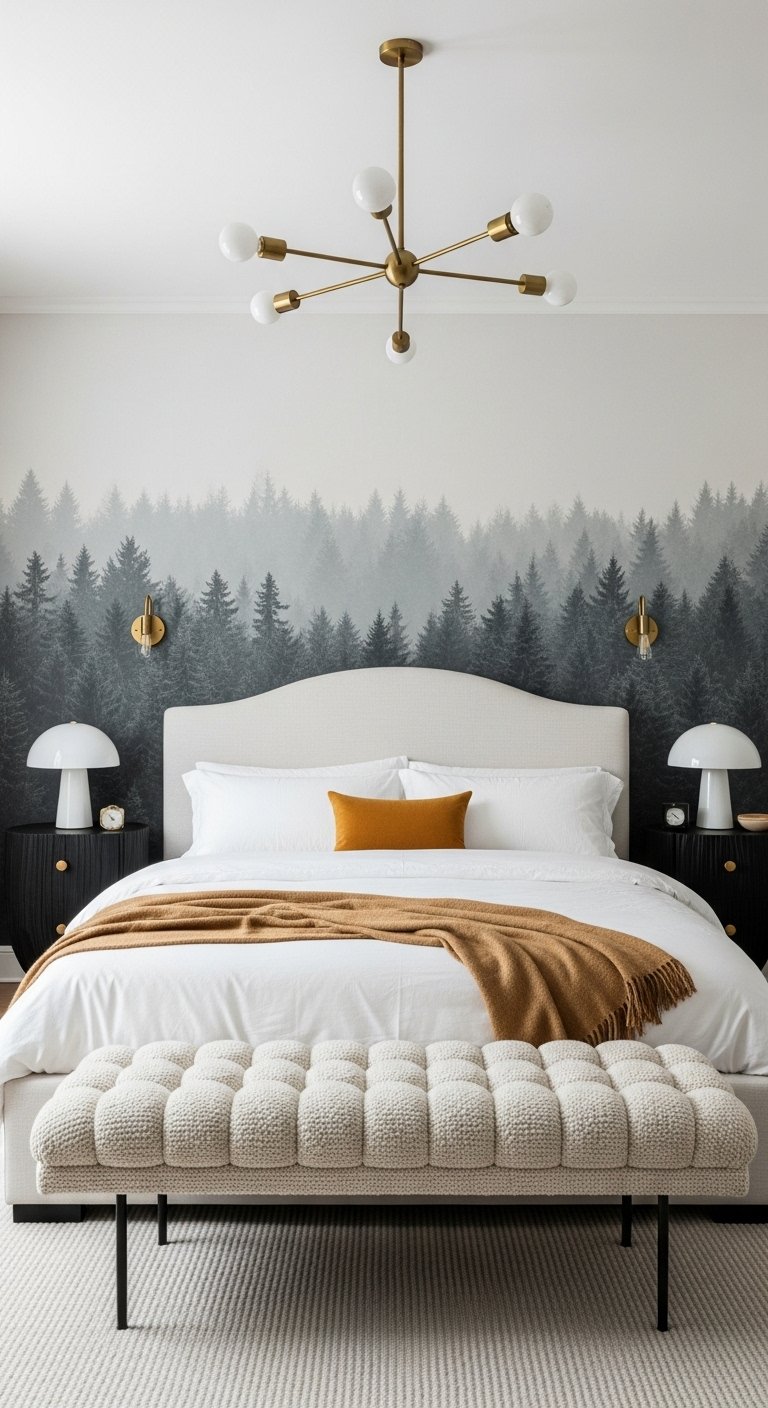
A mural is one of the most effective tools for deceiving the eye in a small master bedroom. When you cover a focal wall with a scenic design, you essentially create a new horizon line. This adds depth where a solid wall would stop the gaze. Landscape scenes with atmospheric perspective, such as misty forests or rolling hills, work best because they blur the boundaries of the room.
The application of a mural also eliminates the need for bulky headboards or excessive wall art. The wall itself becomes the art. This saves physical space while delivering a high-impact visual punch. Choose peel-and-stick options if you are renting or enjoy changing your decor frequently. The texture of the paper can also add warmth to the space.
Pro Tip: Keep the bedding neutral. Let the mural be the hero of the room to avoid visual chaos.
Go for an Eclectic Look
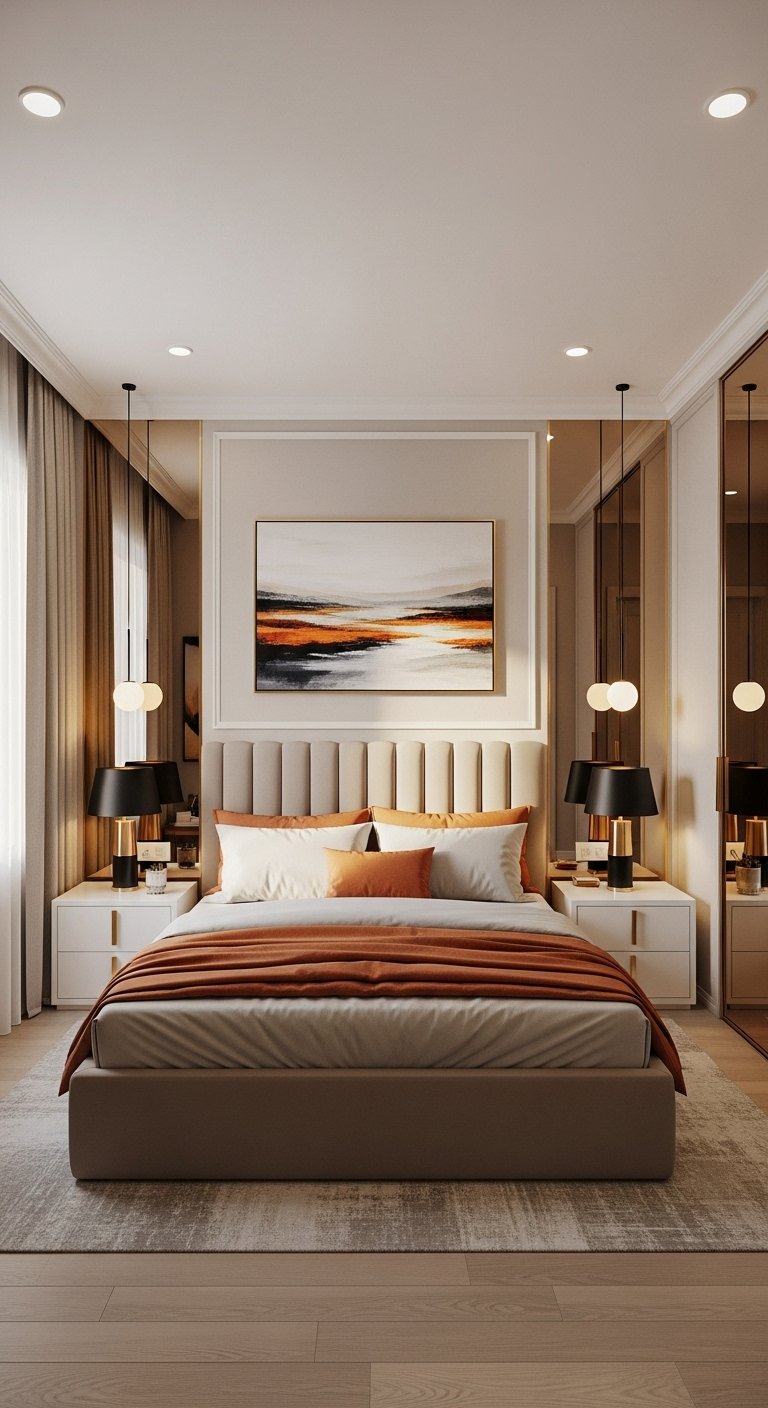
Small spaces do not always require minimalism. An eclectic approach allows you to layer personality into the room without it feeling cluttered, provided you curate carefully. The trick is to mix eras and textures rather than just colors. A vintage brass lamp on a modern acrylic nightstand creates a dynamic tension that keeps the eye moving.
This style works in small bedrooms because it distracts the eye from the room’s size. Visitors focus on the interesting objects and unique pairings rather than the square footage. You can mix a Persian rug with sleek mid-century furniture. The key is to maintain a consistent undertone in your wood finishes or metal accents to prevent the look from becoming messy.
Pro Tip: Use the “triangle rule” when styling surfaces. Group items in threes of varying heights to create balanced vignettes.
Tie It Together
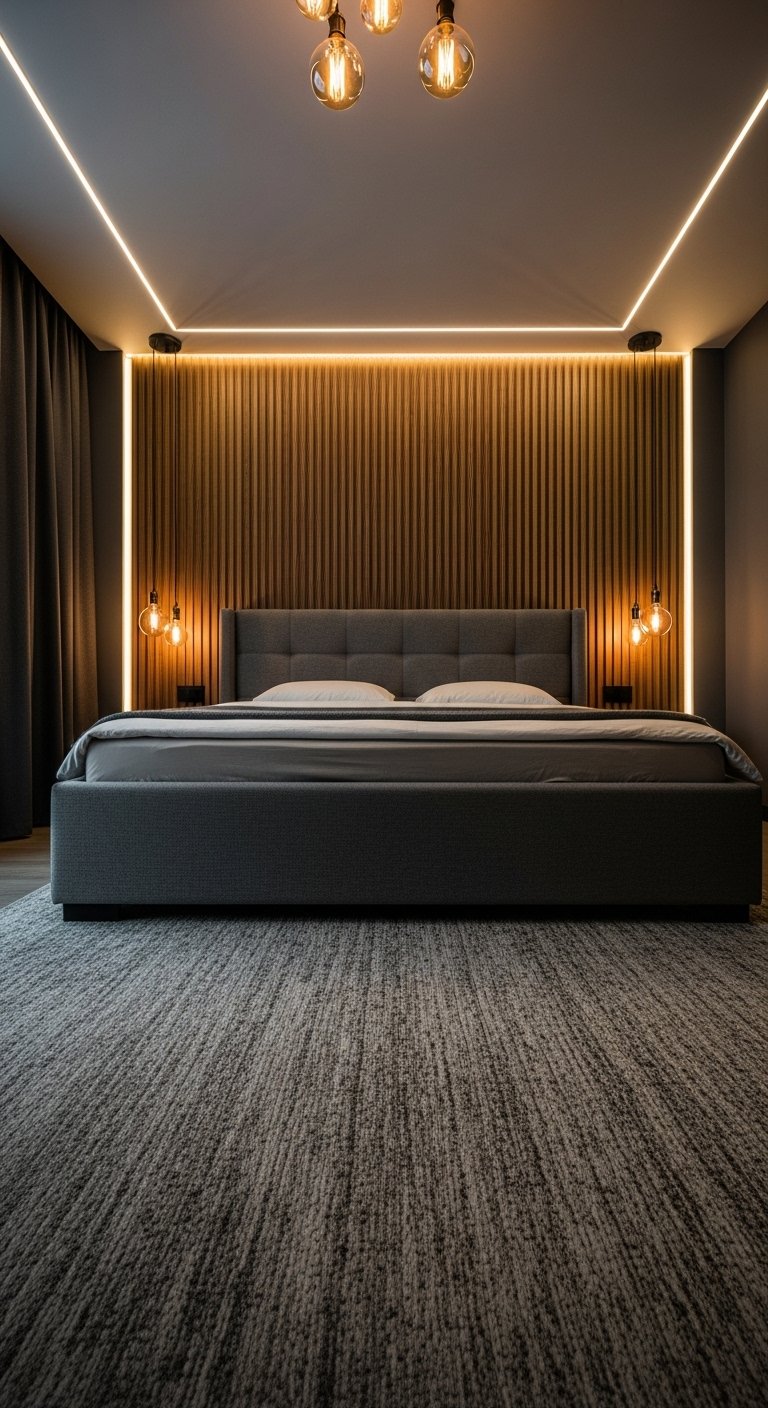
Visual fragmentation makes a small room feel even smaller. To combat this, you need a unifying thread that runs through the entire space. This could be a specific accent color, a recurring shape, or a material like rattan or velvet. When the eye picks up on these repeated elements, the brain processes the room as a cohesive whole rather than a collection of disjointed parts.
Textiles are the easiest way to achieve this. Match your window treatments to your throw pillows or your rug. If you choose a deep navy for your duvet, ensure that navy appears in the artwork or a decorative vase across the room. This technique creates a sense of rhythm and flow. It creates a polished, hotel-like atmosphere that feels intentional and spacious.
Pro Tip: Carry your ceiling color down onto the top few inches of the wall to blur the line where the wall ends.
Add Interest with a Paneled Wall
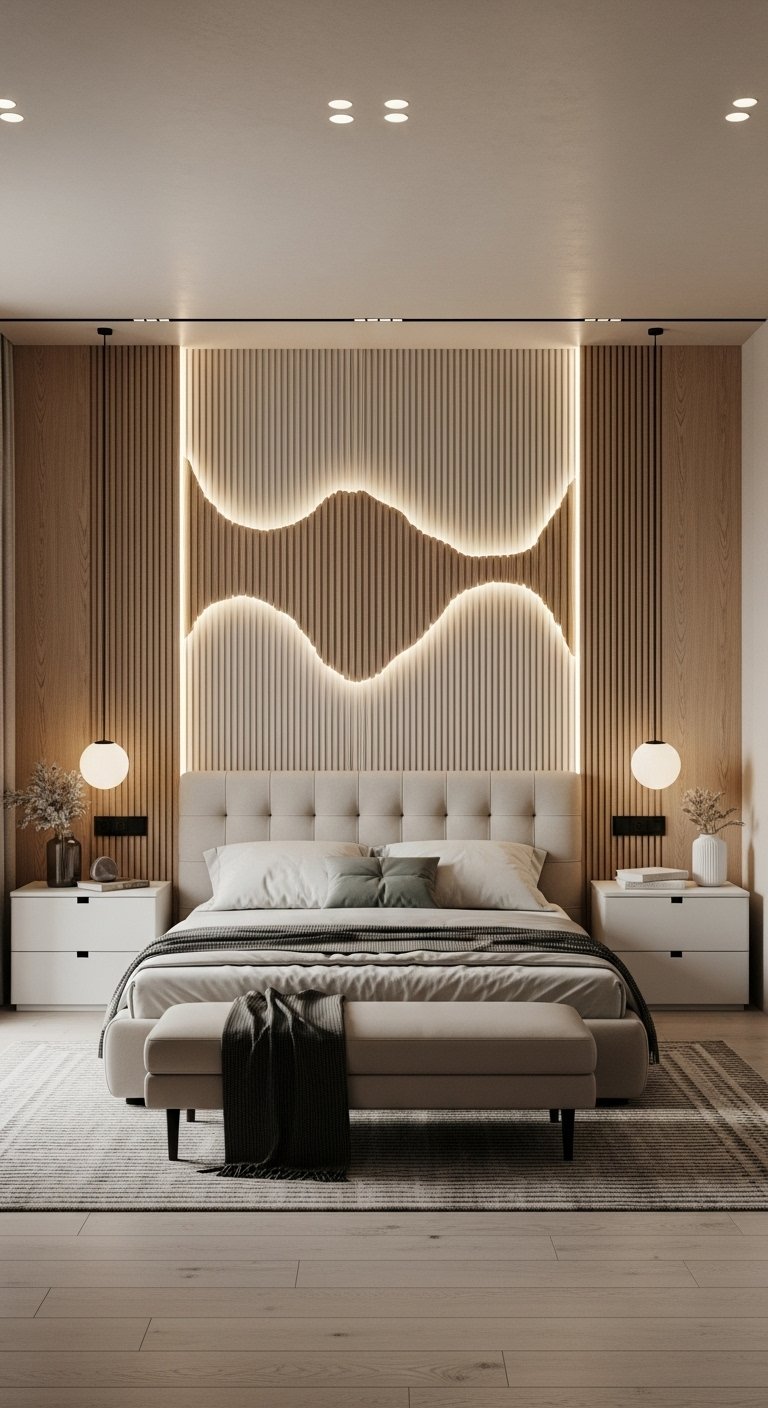
Flat drywall can feel boxy and confining in a tight master bedroom. Adding paneling introduces shadow and depth without encroaching on the floor space. Vertical shiplap or beadboard draws the eye upward, which makes low ceilings feel loftier. Grid paneling or board-and-batten adds a sophisticated architectural element that implies a grander structure.
You can paint the paneling the same color as the rest of the walls for a subtle textual shift. Alternatively, paint it a moody, dark tone to create a cozy, cocoon-like effect behind the bed. This architectural detail adds value to the home and creates a built-in focal point. It removes the pressure to hang gallery walls, which can sometimes crowd a small room.
Pro Tip: Use a satin or semi-gloss finish on the paneling. The slight sheen will reflect light and highlight the architectural details.
Focus on Lighting
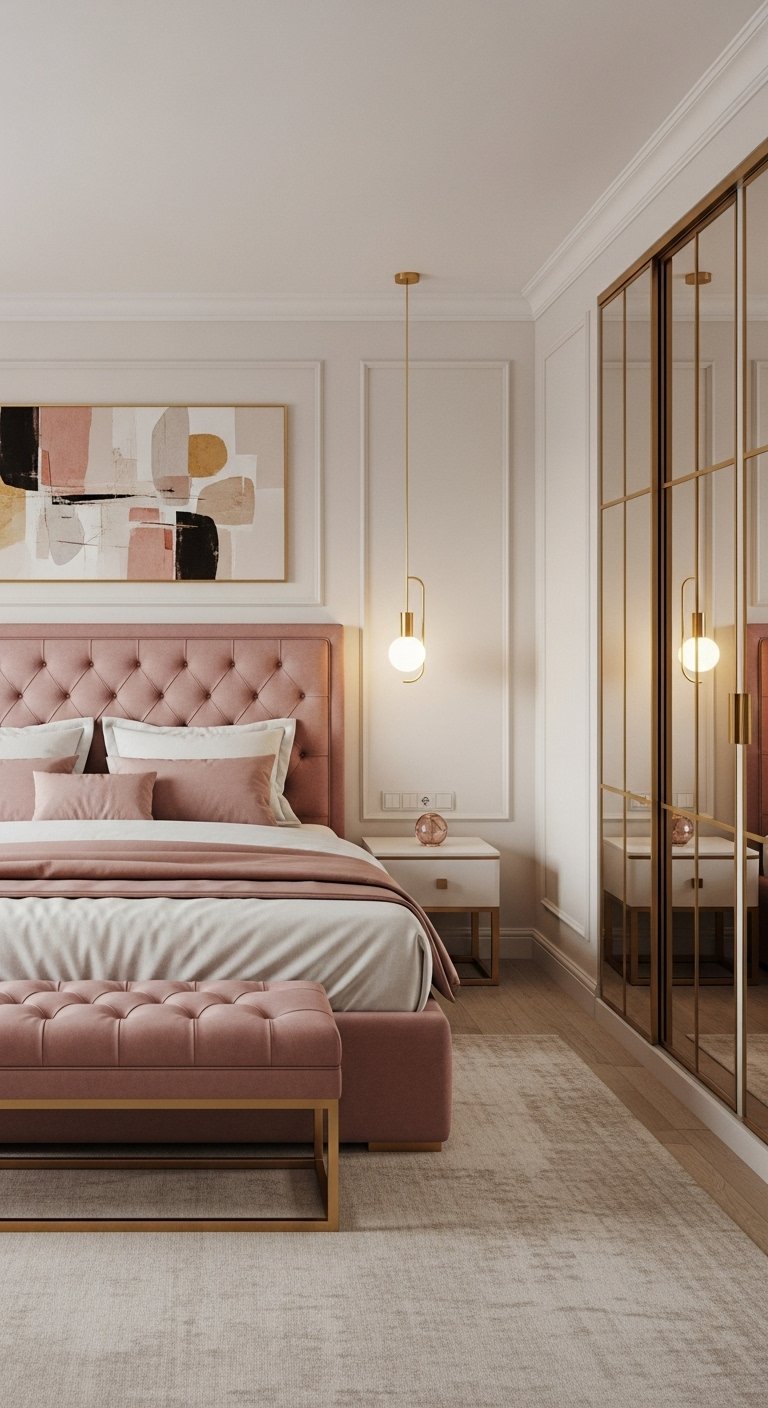
Lighting is the unsung hero of spatial perception. In a small master bedroom, relying solely on a single overhead fixture creates harsh shadows in the corners, which visually shrinks the room. You must layer your lighting. Combine ambient overhead light with task lighting near the bed and accent lighting to highlight architectural features.
Wall sconces are particularly valuable here. By mounting lights on the wall, you free up precious surface area on your nightstands. This allows you to use smaller bedside tables or even floating shelves. Look for sconces with adjustable arms so you can direct light exactly where you need it for reading. Warm light bulbs (2700K to 3000K) create a welcoming glow that blurs hard edges.
Pro Tip: Install a dimmer switch on your main light. Being able to control the intensity changes the mood and perceived size of the room instantly.
Comparison: Paint vs. Wallpaper for Small Rooms
| Feature | Paint | Wallpaper |
|---|---|---|
| Visual Depth | Low (unless using techniques like color drenching) | High (patterns create depth and movement) |
| Installation | Easy DIY, low cost | Requires precision, higher cost |
| Space Perception | Light colors recede, making rooms feel larger | Vertical stripes raise ceilings; small prints expand space |
| Durability | Easy to touch up | Durable but harder to repair if torn |
| Best Use | Full room or ceiling | Feature walls or closet interiors |
Bring In a Seat
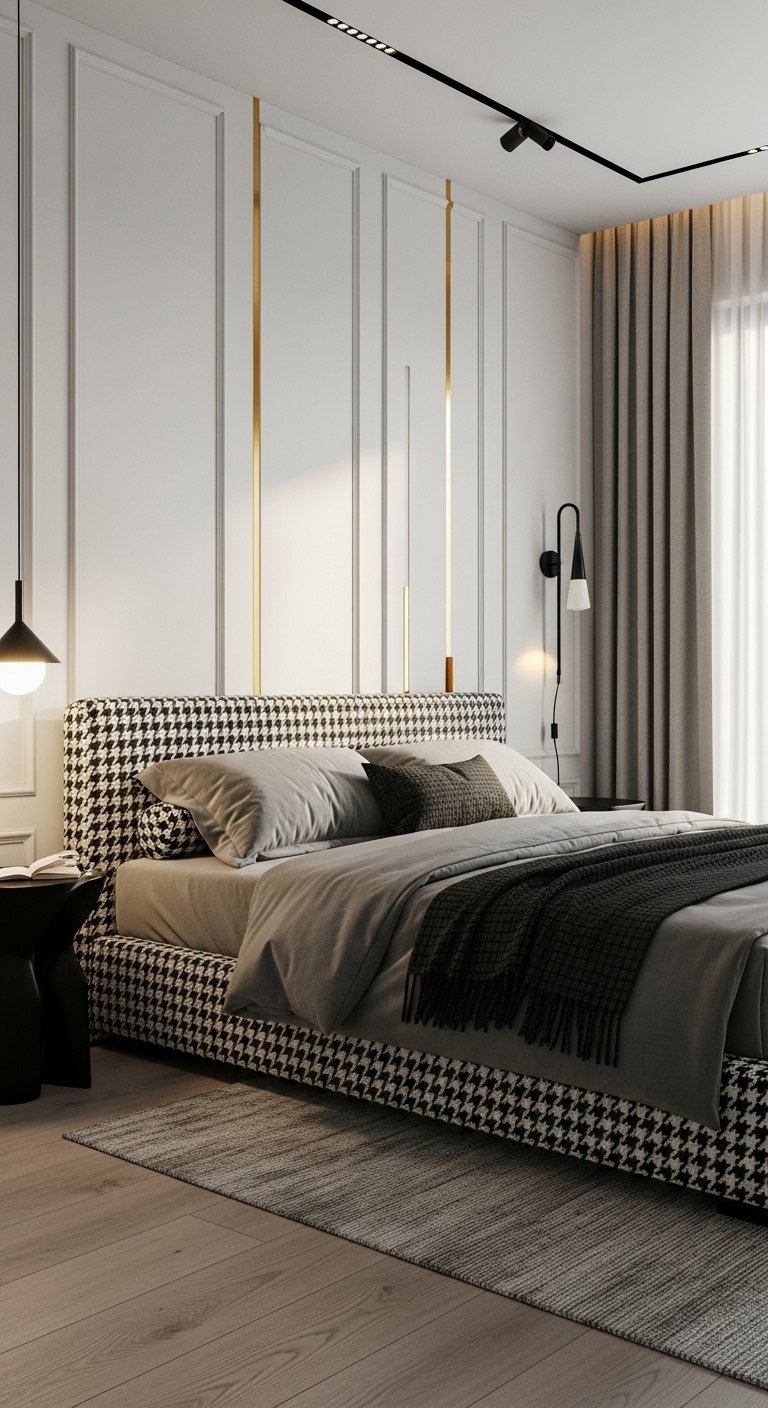
It might seem counterintuitive to add more furniture to a small room, but a well-placed seat adds functionality and luxury. A small armchair, a velvet ottoman, or a slender bench at the foot of the bed signals that this is a suite, not just a sleeping quarter. It provides a spot to put on shoes or read a book, maximizing the room’s utility.
Choose furniture with exposed legs. Being able to see the floor underneath the chair maintains the visual flow of the room. Heavy, skirted furniture blocks sightlines and makes the footprint feel smaller. If space is extremely tight, consider a window seat with storage underneath. This utilizes the dead space below the window and adds a cozy nook.
Pro Tip: A ghost chair (clear acrylic) provides seating without taking up any visual weight at all.
Embrace Symmetry
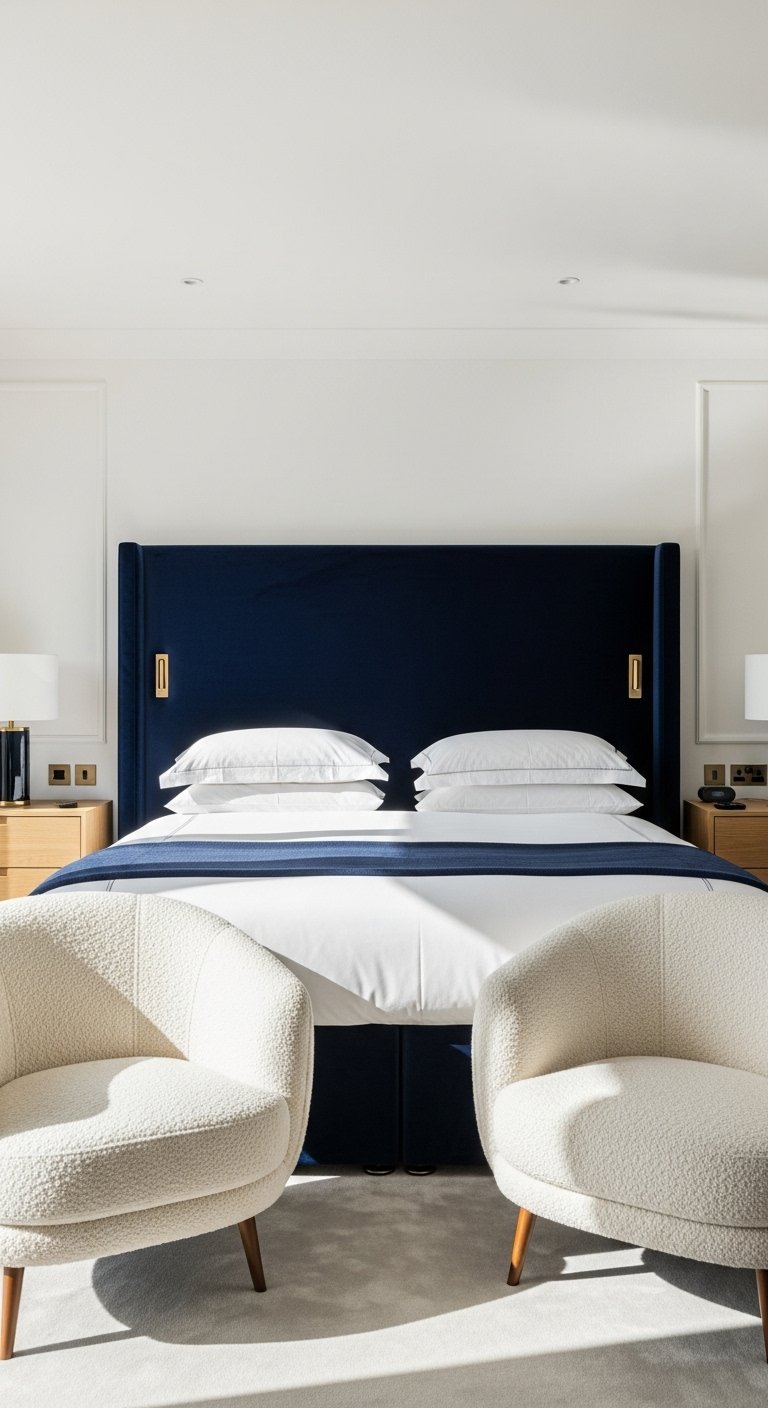
Symmetry creates a sense of calm and order. In a small space, chaos is the enemy. By arranging your furniture symmetrically, you reduce visual noise. Matching nightstands and identical lamps flanking the bed create a balanced frame. This structure allows the eye to rest and makes the room feel organized and intentional.
This does not mean everything must be a mirror image. You can balance a tall plant on one side with a floor lamp of equal height on the other. The goal is visual weight balance. When the room feels balanced, it feels stable and open. This layout is particularly effective in square rooms where the bed is the undisputed focal point.
Pro Tip: Center your bed on the longest wall to maximize the flow of traffic around the room.
Frame Your Art
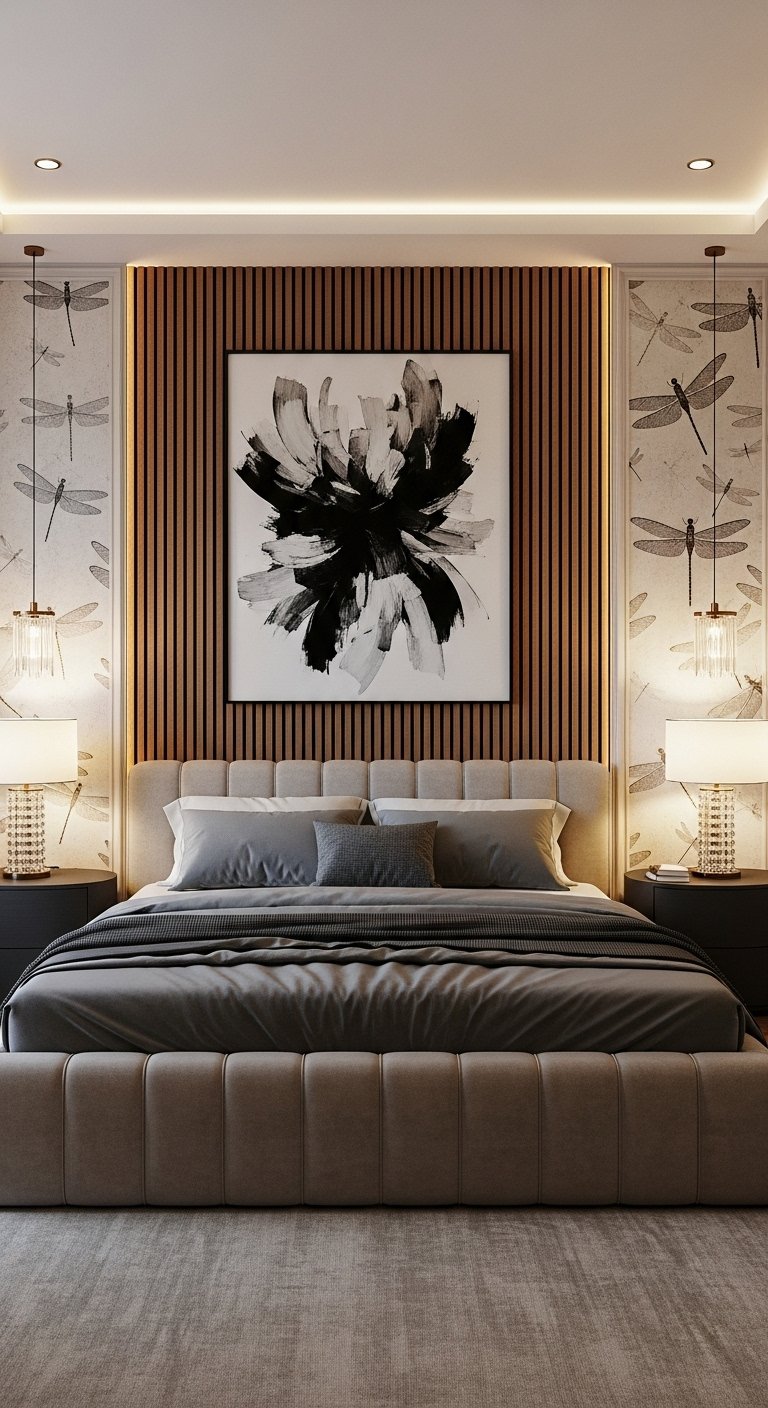
Artwork in a small bedroom should be deliberate. A scattering of small, unframed posters can look messy. Instead, opt for framed pieces. Frames add polish and structure. A large, singular piece of framed art above the bed acts as a headboard alternative and draws the eye to the center of the room.
Matting is also important. A wide white mat around a print adds negative space, which gives the art room to breathe. This concept of “breathing room” translates to the rest of the space. Metallic frames in gold or silver can reflect light, adding a tiny bit of sparkle and brightness to dark corners.
Pro Tip: Hang art slightly lower than standard height to create a connection with the furniture, making the ceiling feel higher by comparison.
Try Monochrome
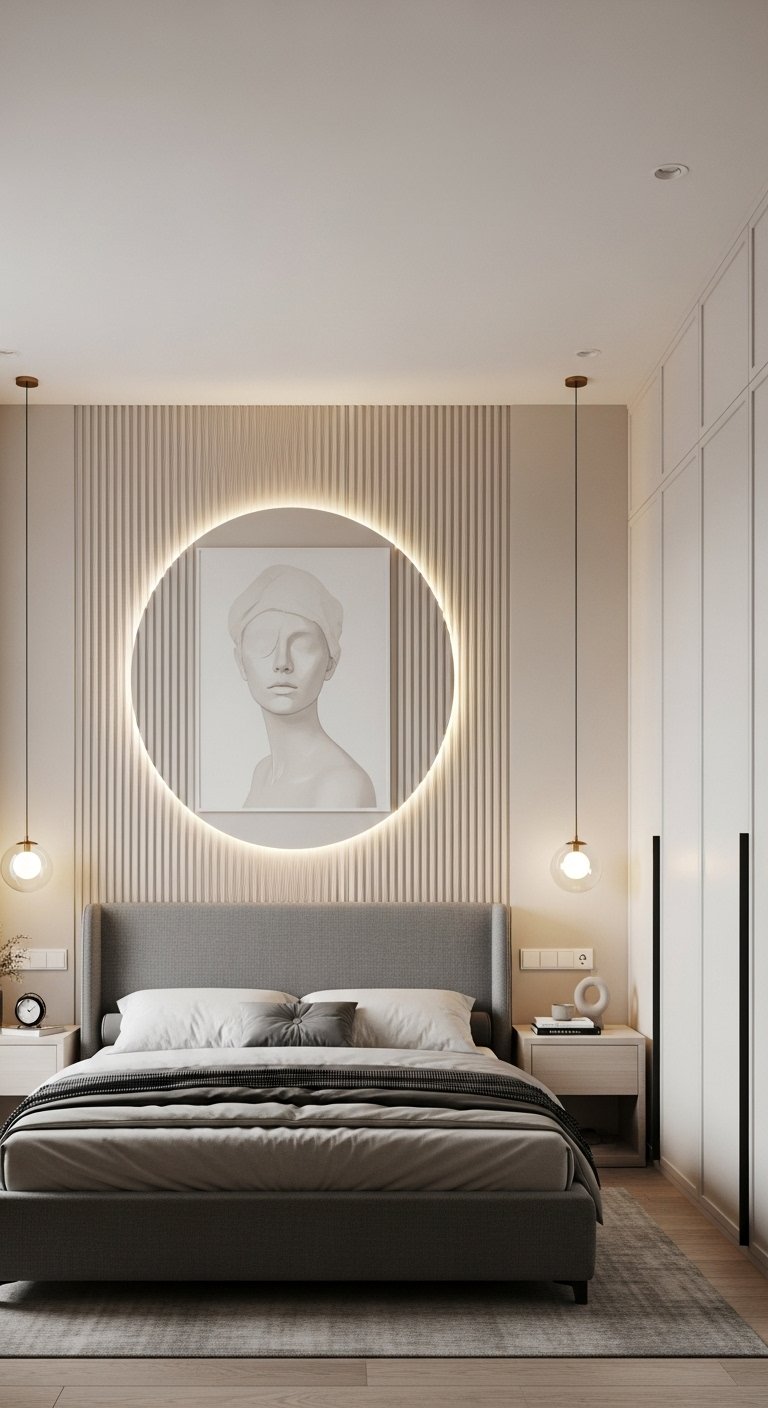
Monochromatic color schemes are a secret weapon for small spaces. When you use varying shades of a single color, you erase the visual boundaries between the walls, trim, and furniture. This lack of contrast prevents the eye from stopping at edges, making the room feel expansive and infinite.
You can execute this with any color, but soft neutrals, greys, and warm terracottas work exceptionally well. Texture becomes your main design element here. Mix linen bedding, a wool rug, and glossy ceramic lamps all in the same color family. The play of light on different surfaces keeps the room interesting without the jarring effect of contrasting colors.
Pro Tip: Add a tiny pop of a complementary color (like a green plant in an all-pink room) to prevent the space from feeling flat.
Consider Bespoke Built-In Storage
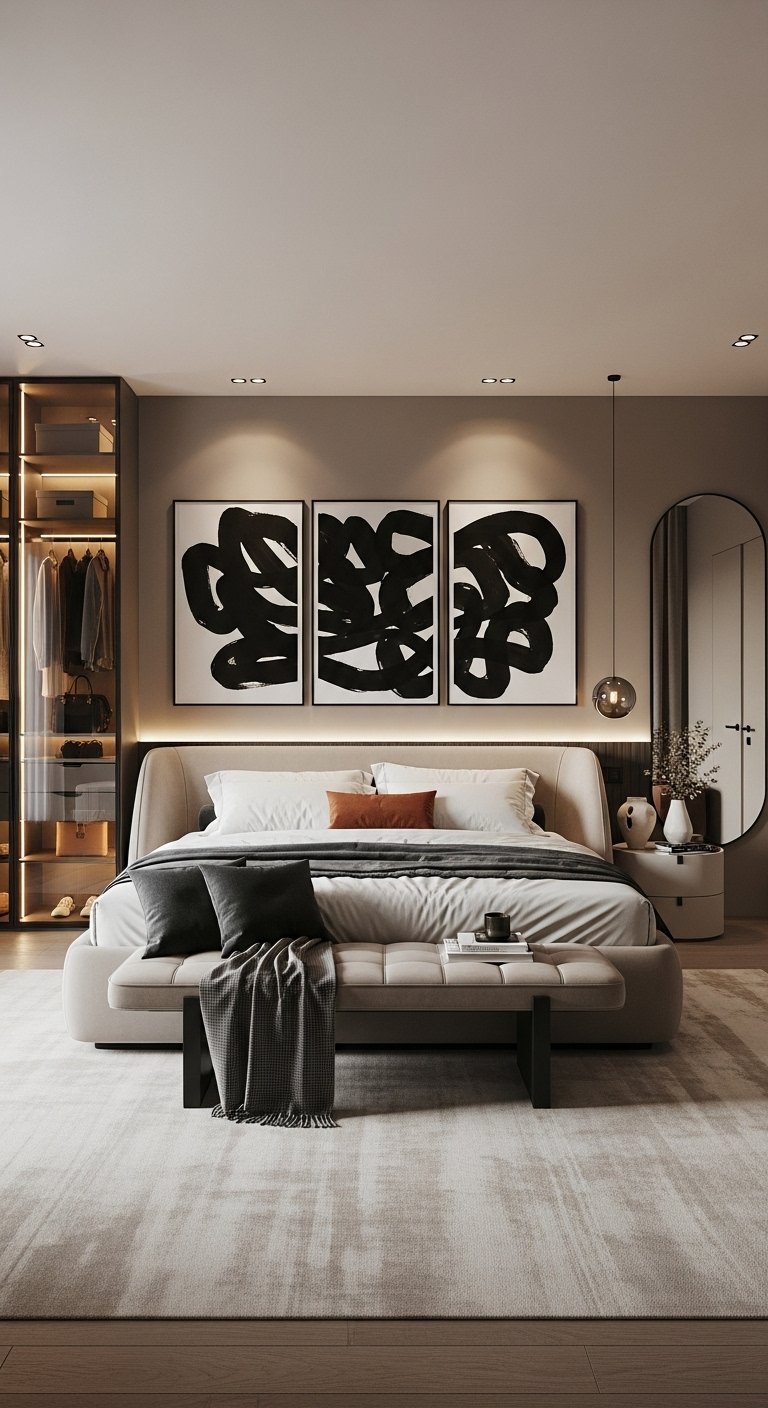
Standard wardrobes often leave gaps above and to the sides. This is wasted space. Bespoke built-in storage runs floor-to-ceiling and wall-to-wall. While the initial investment is higher, the payoff in storage capacity is massive. You can customize the interior to fit your specific wardrobe needs, eliminating the need for extra dressers.
Paint the built-ins the same color as the walls to make them disappear. This “wall of storage” looks like part of the architecture rather than a bulky piece of furniture. You can even incorporate a niche into the cabinetry to serve as a bedside table, saving even more floor space.
Pro Tip: Use sliding doors on your built-ins. They require no clearance to open, which is perfect for narrow walkways.
Get The Look: Small Bedroom Essentials
- Wall Sconces: Swing-arm brass or matte black fixtures.
- Storage Bed: Hydraulic lift beds or frames with drawers.
- Mirrors: Large floor mirrors or mirrored closet doors.
- Paint: High-LRV (Light Reflectance Value) paints in satin finish.
- Curtains: Floor-to-ceiling sheer drapes.
Make a Statement with 3D Wall Panels
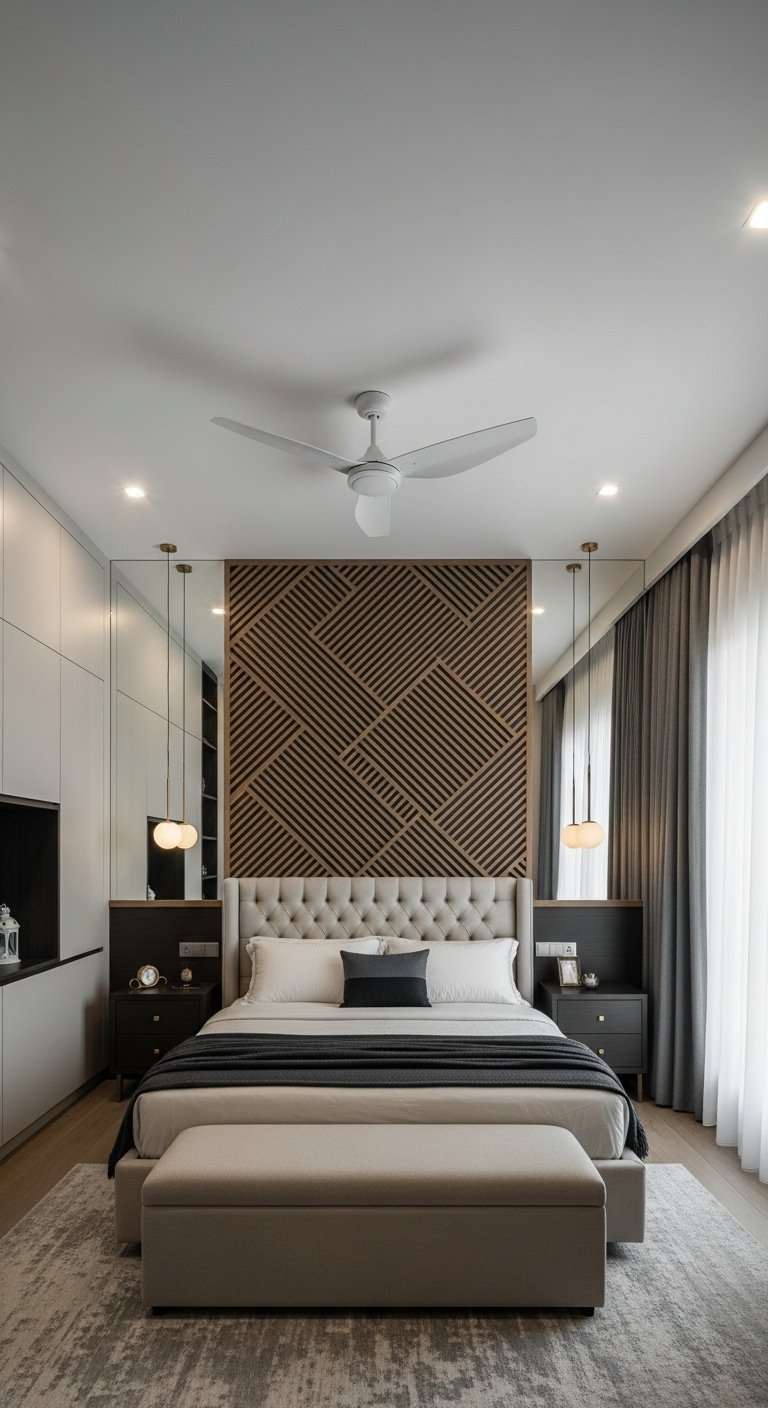
Texture is a powerful way to add luxury without taking up space. 3D wall panels create a sculptural feature wall that changes with the light throughout the day. These panels come in various geometric patterns, waves, or organic shapes. They add a modern, high-end hotel vibe to the master bedroom.
Because they add physical depth to the wall, they also have acoustic benefits, dampening sound and making the room feel quieter and more private. You can install them behind the bed as a dramatic backdrop. Keep the rest of the room simple to let the texture speak for itself. White panels on a white wall create a subtle, sophisticated shadow play.
Pro Tip: Up-light the panels with a floor can light to dramatize the shadows and texture.
Design a Multifunctional Space
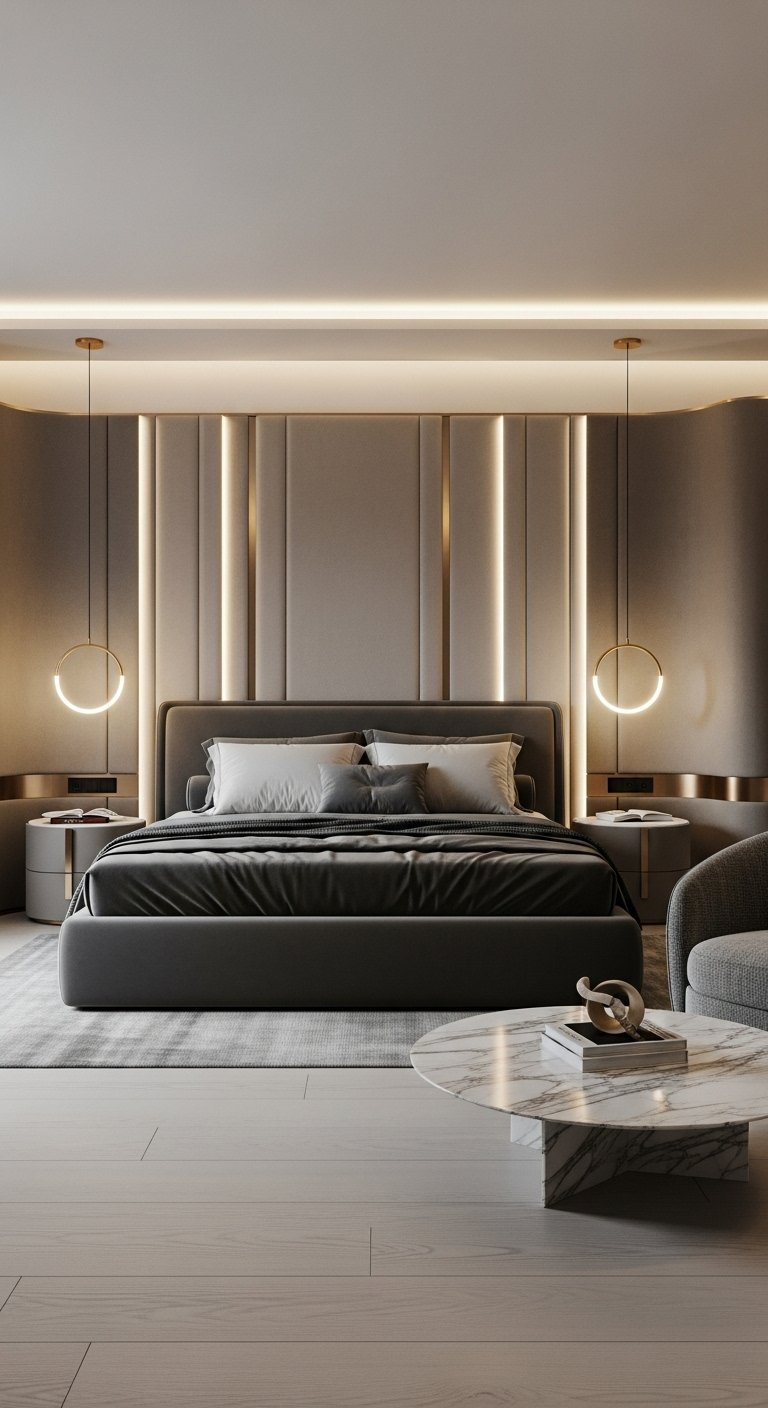
In a small master bedroom, every square foot must earn its keep. You may need a workspace, a dressing area, and a sleeping zone all in one. The key is zoning. Use a small rug to define a reading nook. Use a console table at the end of the bed that doubles as a desk or a vanity.
Fold-down desks or wall-mounted tables are excellent solutions that disappear when not in use. If you have a bay window, build a bench with storage inside. This versatility ensures the room serves your lifestyle needs without feeling cramped with single-purpose furniture.
Pro Tip: Use a room divider or an open bookshelf to separate the sleeping area from a workspace without blocking light.
Prioritize LED Strip Lights
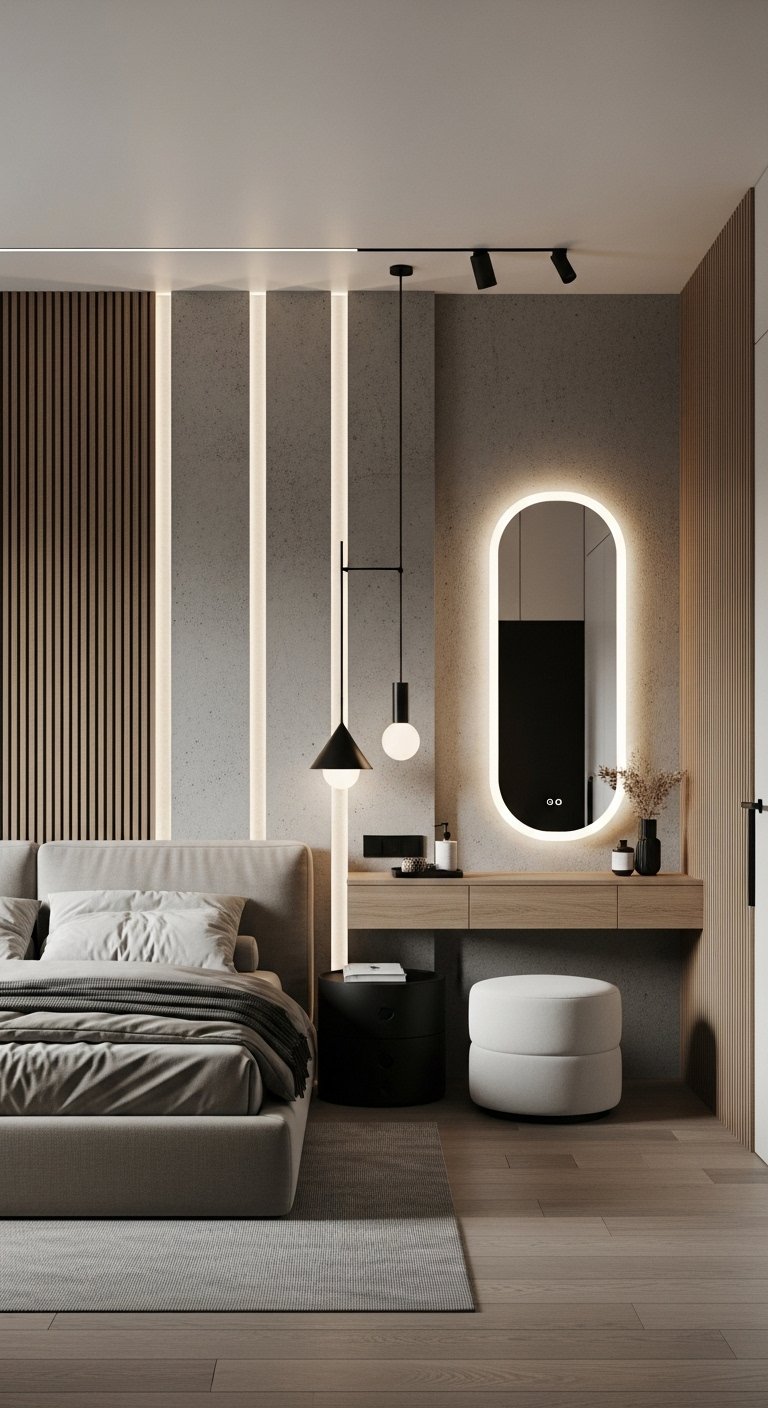
LED strip lights are modern, energy-efficient, and incredibly space-saving. You can tuck them behind a headboard to create a halo effect, or run them along the perimeter of the ceiling to wash the walls with light. This indirect lighting pushes the walls outward visually.
Install them under the bed frame to create a floating effect. This makes the floor area look larger because the bed doesn’t seem to be anchored heavily to the ground. Smart LEDs allow you to change the color temperature, moving from crisp white in the morning to a relaxing warm amber at night.
Pro Tip: Choose a “diffuser” channel for your LED strips so you see a solid bar of light rather than individual dots.
Make Your Headboard Work
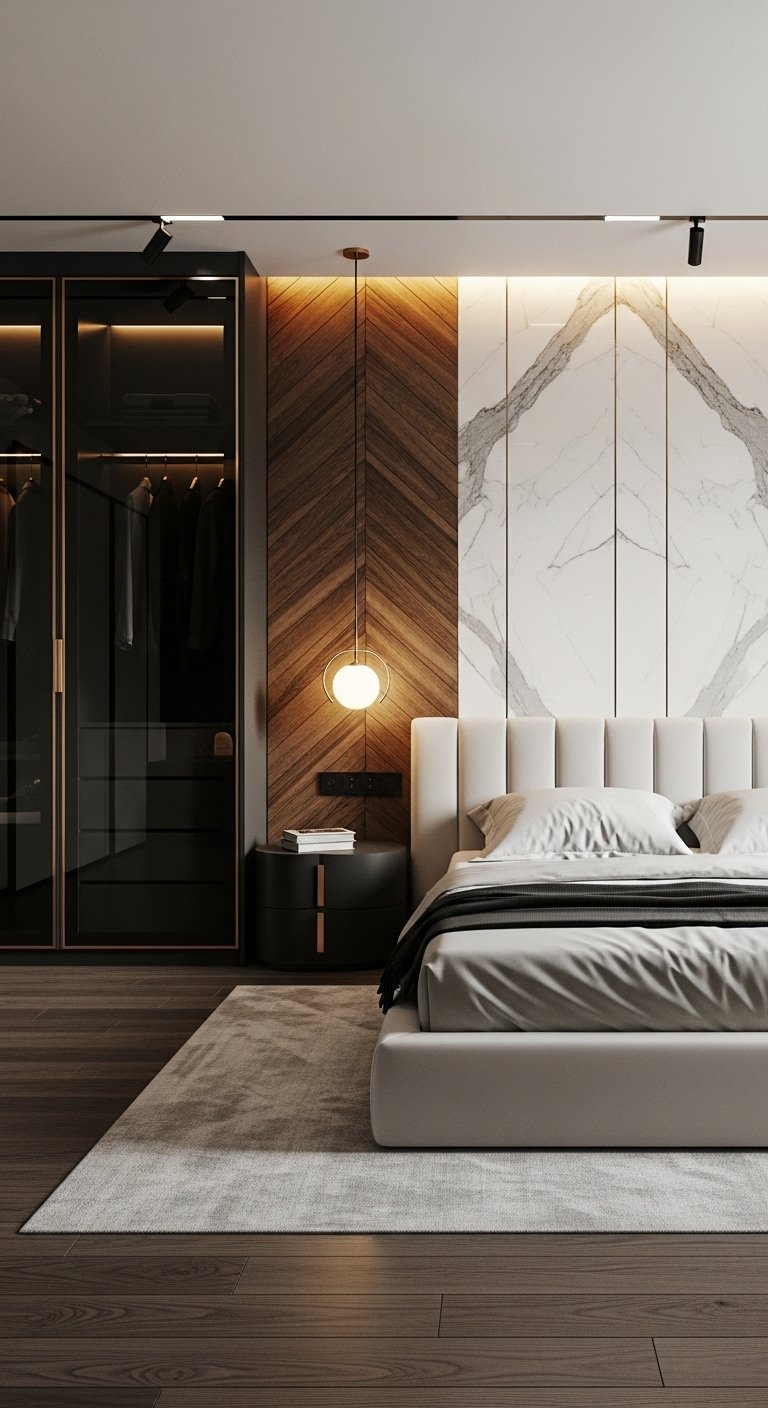
In a small room, a headboard is a prime opportunity for dual functionality. Look for headboards with built-in shelving or hidden compartments. These can hold books, phones, and glasses, eliminating the need for nightstands entirely.
Visually, a wide headboard that extends beyond the width of the bed can trick the eye into thinking the wall is wider than it is. A tall, upholstered headboard draws the eye up, emphasizing ceiling height. Choose a fabric that complements your bedding for a soft, integrated look.
Pro Tip: A wall-mounted upholstered headboard saves the few inches of depth that a bed frame headboard would take up.
Opt for a Natural Look
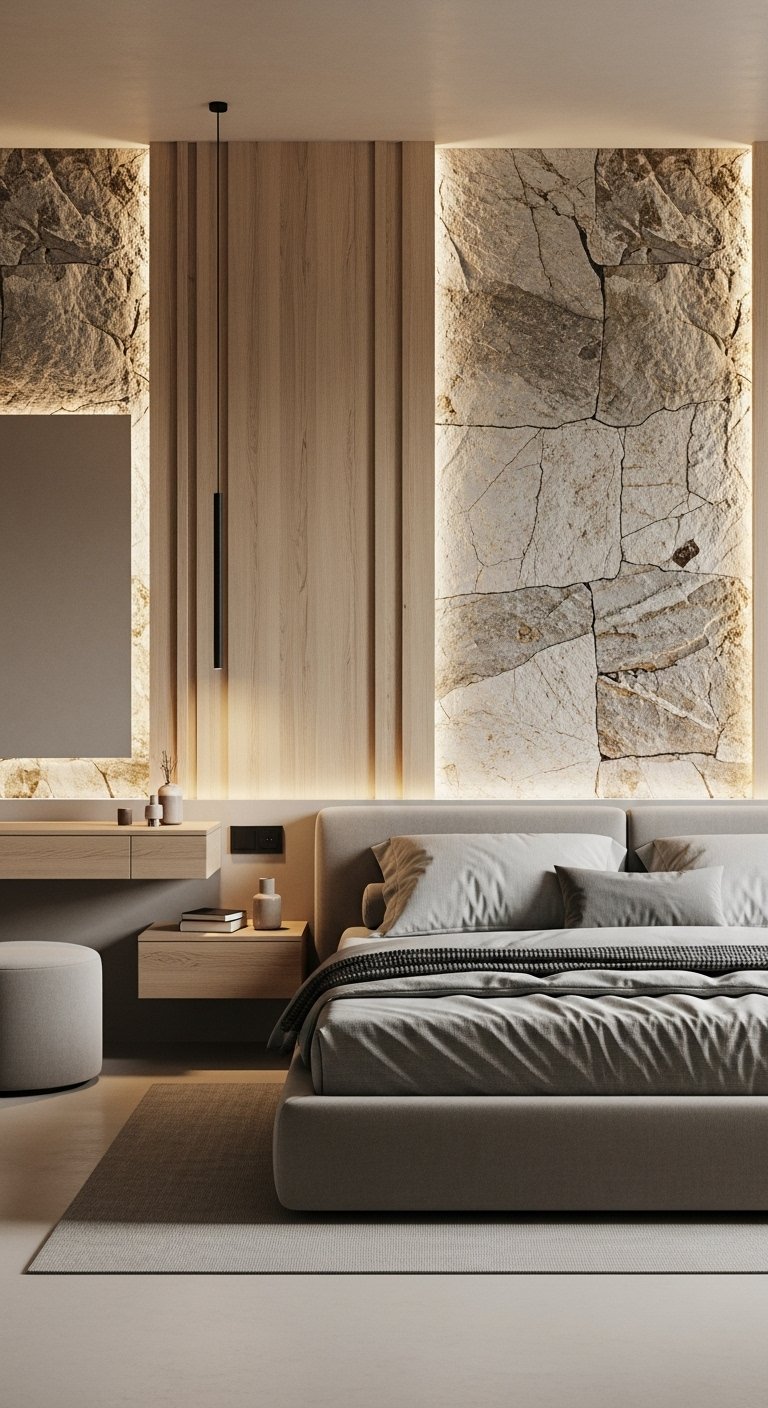
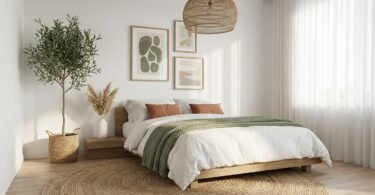
Bringing nature indoors creates a sense of expansion. Organic materials like wood, linen, jute, and stone have an inherent calmness. A natural aesthetic usually involves light, airy colors that reflect light well. Plants are essential here; they add life and vertical interest.
Hanging plants or wall-mounted planters keep the floor clear. A large mirror framed in light wood reflects the outdoors if placed opposite a window, effectively doubling the natural light and the view. This connection to the outside world breaks down the feeling of confinement.
Pro Tip: Use bamboo blinds. They provide privacy while filtering light in a beautiful, dappled way.
Install Molding
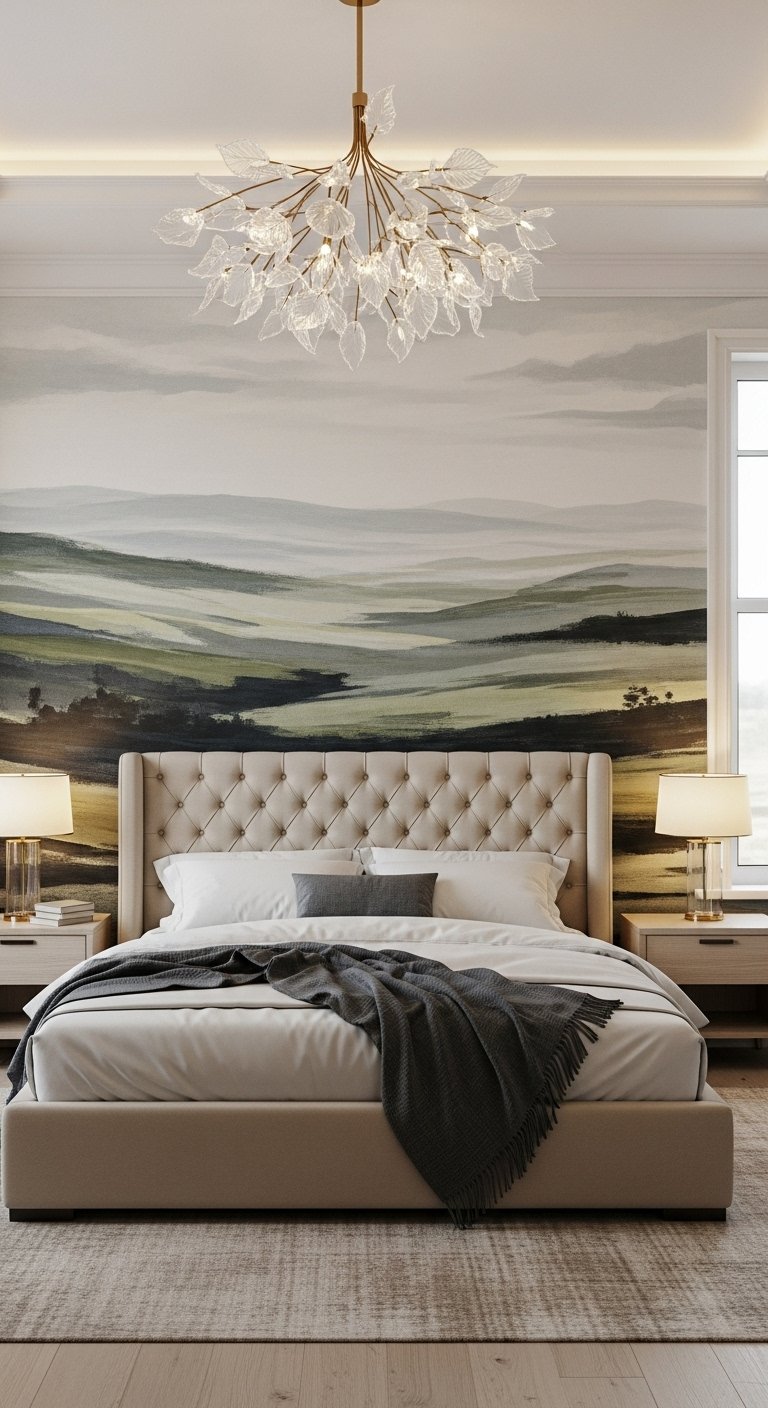
Molding creates a finished, high-end look that distracts from the small size of a room. Crown molding draws the eye to the meeting point of wall and ceiling, defining the space. Picture frame molding on the walls adds elegance and breaks up large, flat surfaces.
If you have low ceilings, paint the crown molding the same color as the walls. This tricks the eye into thinking the wall continues upward. For a modern twist, use simple, flat trim rather than ornate traditional profiles. The added architectural detail makes the room feel customized and expensive.
Pro Tip: Install a chair rail and paint the bottom half a darker color to ground the room while keeping the upper half light and airy.
Popular Asked Questions
How do I arrange a small master bedroom?
Start by placing the bed. It usually works best on the main wall opposite the door. Avoid pushing the bed into a corner if two people share it, as this makes access difficult. Use the vertical space for storage and keep the walkways clear.
What colors make a small bedroom look bigger?
Light and cool colors generally make a space feel larger. Whites, off-whites, light greys, and soft blues are classic choices because they reflect light. However, dark colors like charcoal or navy can also work by blurring the corners and creating an infinite, cozy depth.
How can I maximize storage in a small bedroom?
Utilize the space under the bed with drawers or bins. Install shelves above the door frame or high up on the walls. Use a wardrobe that reaches the ceiling. Choose furniture with dual purposes, like an ottoman with storage inside.
Is a king-size bed too big for a small room?
Not necessarily. If comfort is your priority, you can have a king bed. However, you will likely have to sacrifice other furniture like large nightstands or dressers. If the bed takes up most of the room, keep the bedding simple and the walls uncluttered to prevent a claustrophobic feel.
How do I make a small bedroom feel luxurious?
Focus on textures and lighting. Use high-quality bedding, add a plush rug, and install dimmable lighting. Scent also plays a role; a reed diffuser can make the room feel like a boutique hotel. Keep clutter hidden to maintain a serene atmosphere.
Conclusion
Designing a small master bedroom is about balancing style with smart spatial planning. By using vertical lines, reflective surfaces, and multifunctional furniture, you can create a retreat that feels spacious and serene. You do not need a mansion to have a master suite that feels grand.

Leave a Comment